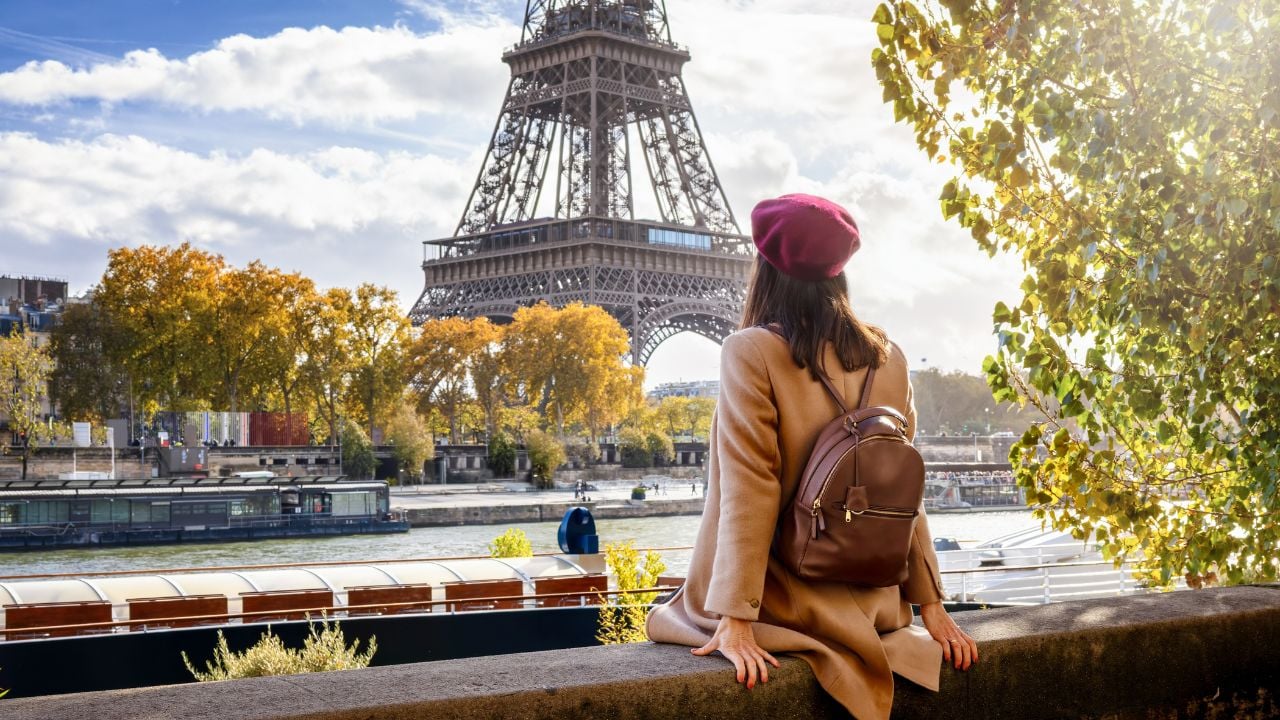
Europe keeps pulling people back for one simple reason: few regions offer this much variety within such manageable travel times. Euromonitor said Europe remained the world’s leading region for international trips in 2024, reaching 793 million, and its latest Top 100 City Destinations Index again placed Paris first worldwide, Madrid second, Rome fourth, and Milan fifth. Barcelona, meanwhile, continues to benefit from unusually strong repeat visitation, with Destination Barcelona’s tourism observatory reporting in March 2026 that one out of two tourists had visited before.
For this slideshow, popularity is treated as a mix of measurable demand, international visibility, and the kind of broad appeal that keeps a destination relevant beyond one viral season. That matters in Europe, where cities compete not only on monuments and museums but also on walkability, atmosphere, food, and the ease with which a short break can still feel full. These five destinations rise above the noise because each one offers a distinct mood while still delivering the famous sights many travelers want on a first or second visit.
1. Paris, France
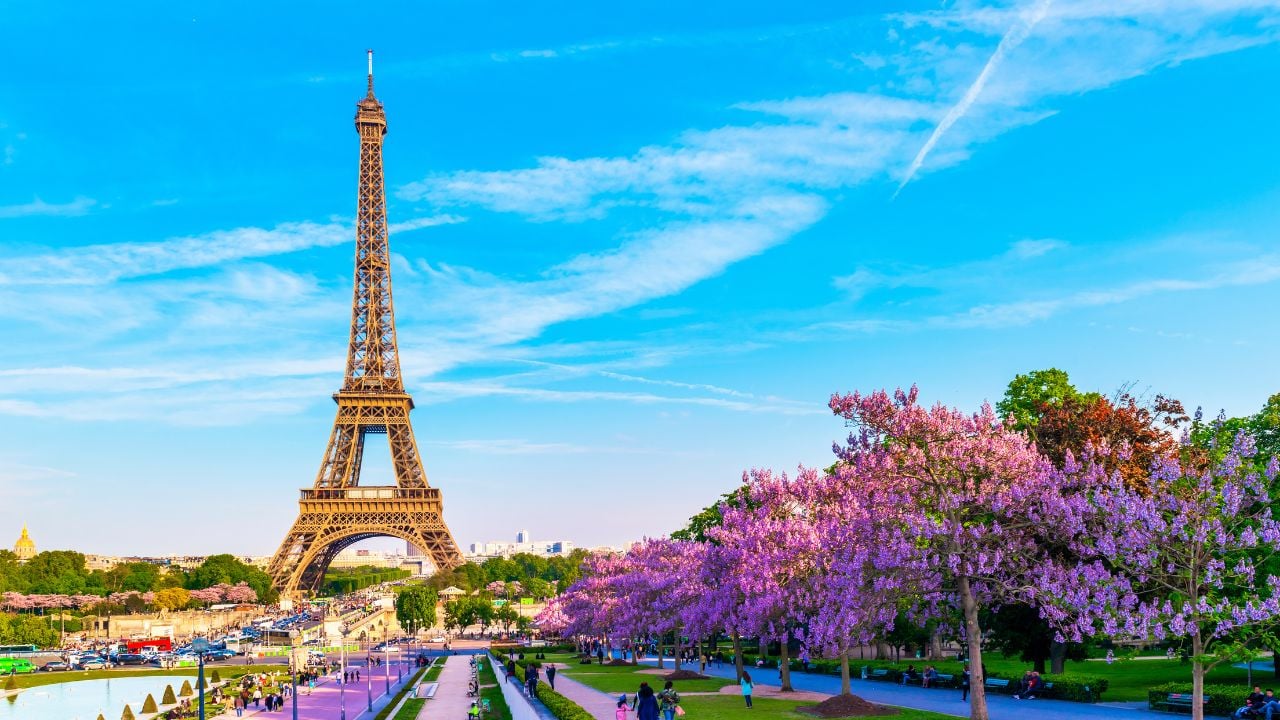
Paris stays near the front of nearly every wish list because very few urban getaways feel this immediately recognizable. Euromonitor kept it at number one worldwide in its latest city destinations index, and Paris Region reported 48.7 million tourists in 2024, including a record 22.6 million international visitors. Those numbers help explain why the French capital still works for first-timers, anniversary trips, art lovers, and travelers who want a city break that feels both iconic and easy to justify.
The appeal becomes obvious once the day starts to take shape. Paris je t’aime continues to center the experiences travelers actually book, including museum visits, Eiffel Tower access, Seine cruises, walking tours, and shopping, while the Eiffel Tower’s official site recommends buying tickets in advance to avoid queues. That formula has not worn out because Paris can still give you a postcard morning, a slower riverside afternoon, and a dinner that somehow makes the whole place feel cinematic without trying too hard.
2. Madrid, Spain
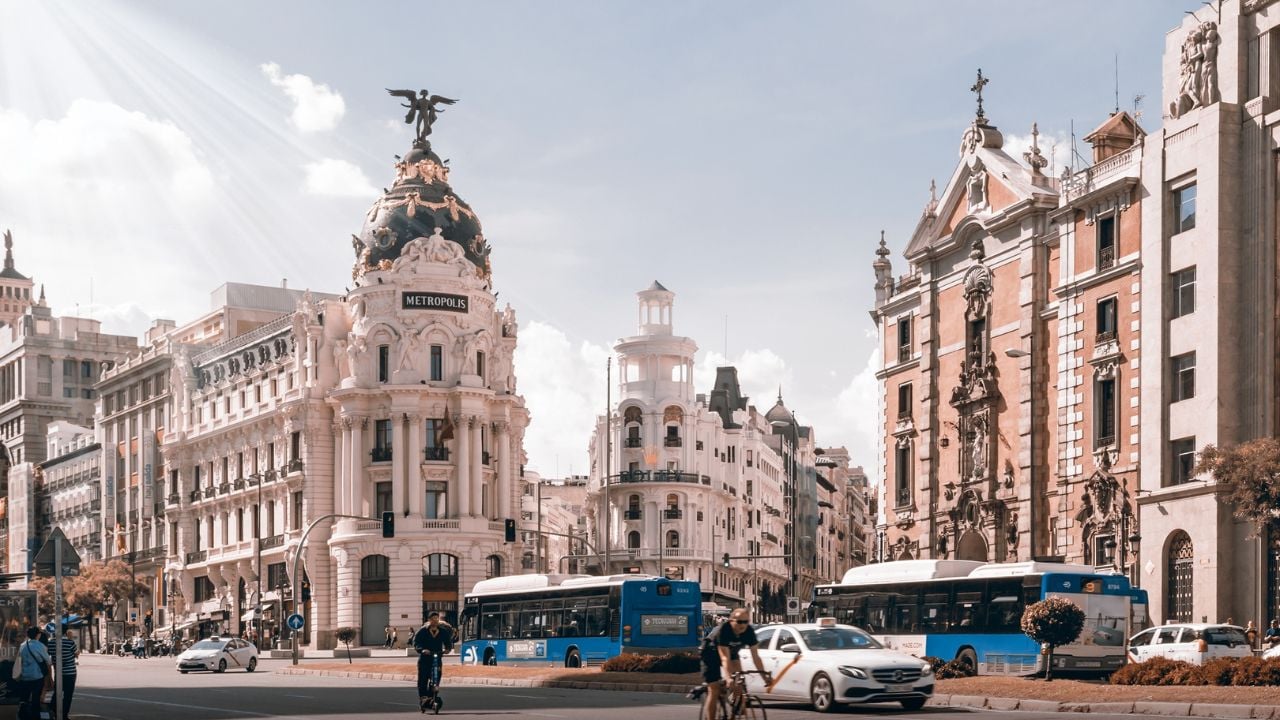
Madrid has become one of Europe’s strongest all-around city breaks for travelers who want culture without a stiff or overly formal atmosphere. Official tourism statistics say the city received 10.6 million visitors in 2023 and generated 22 million overnight stays, while Euromonitor placed Madrid second worldwide in its latest index. That combination of heavy demand and global prestige says a great deal about the city’s current standing. People arrive for major museums and royal landmarks, then leave talking about terraces, evening energy, and how comfortable the center feels on foot.
Much of Madrid’s charm gathers around the Landscape of Light, the UNESCO-listed cultural landscape built around the Paseo del Prado and El Retiro. The Royal Palace remains one of the city’s defining royal landmarks, and Patrimonio Nacional describes it as the largest palace in Western Europe. Put those pieces together and Madrid offers something especially useful for a popular destination: grandeur that still feels livable, polished, and relaxed rather than intimidating.
3. Rome, Italy

Rome remains one of those cities people imagine long before they ever book the ticket. Turismo Roma says the capital set a historic tourism record in 2024 with 22.2 million arrivals and 51.4 million overnight stays, which is a strong reminder that the Eternal City has lost none of its pull. The old formula still works because it hardly feels like a formula at all: ruins, domes, fountains, churches, narrow streets, and food that turns even a simple lunch into part of the memory.
Its biggest icons continue to do a lot of the heavy lifting, and deservedly so. The Colosseum Archaeological Park remains one of the city’s essential stops, the Vatican Museums stay central to most first visits, and Turismo Roma describes Trastevere as one of the best-known areas for Roman nightlife, with trendy clubs, lounge bars, and lively squares. That range is part of Rome’s grip on people. You can spend the afternoon inside world-famous historical or religious sites, then step into a neighborhood that still feels warm, social, and open-ended once evening arrives.
4. Barcelona, Spain
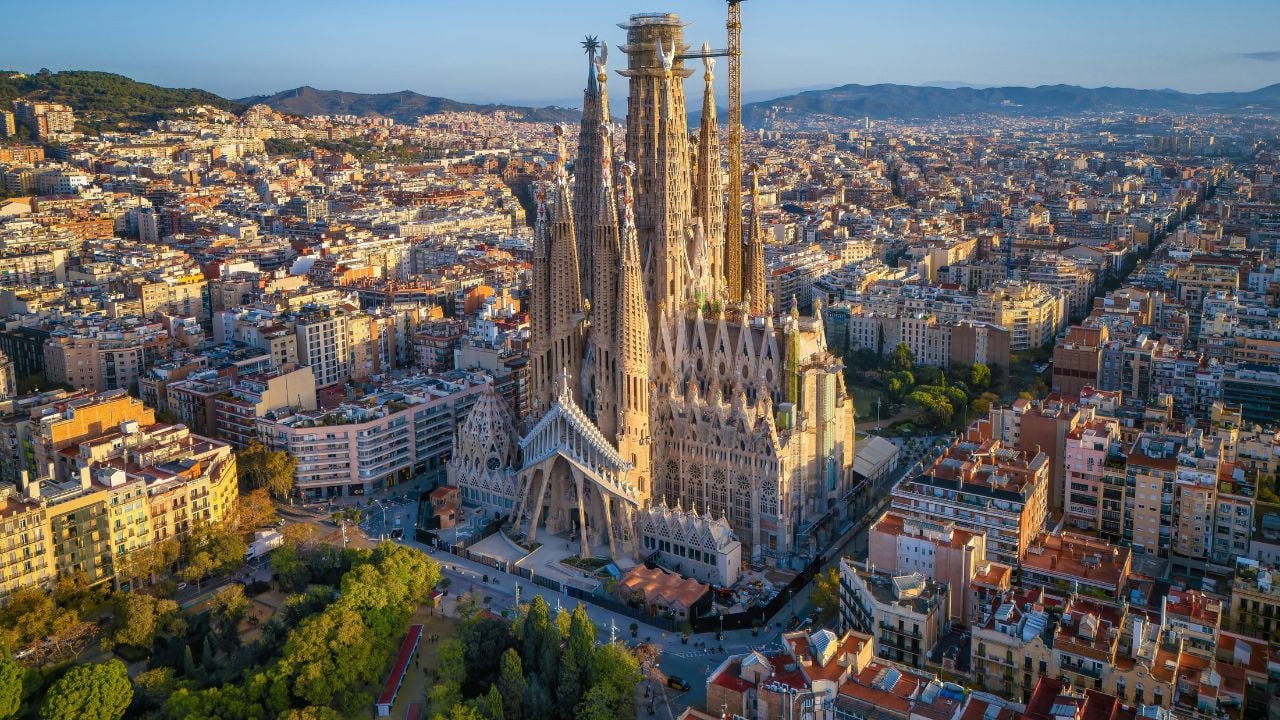
Barcelona belongs on any current shortlist because its popularity is not built on one-time curiosity. The city’s tourism observatory reported in March 2026 that one out of two tourists had previously visited Destination Barcelona, which is a telling figure for a place already famous across the world. Repeat visitation of that kind usually means people feel there is more to uncover or that the city’s mix of architecture, street life, food, and sea air still lingers after the first trip.
The city also remains easy to shape around different travel styles. Turisme de Barcelona says the Barcelona Card includes free access to more than 25 museums and cultural venues, which underlines how much there is to do beyond the headline landmarks. That matters in a place like Barcelona, where the famous sights may get people through the door, but the broader rhythm of long walks, neighborhood stops, and unplanned hours is often what convinces them to come back.
5. Milan, Italy
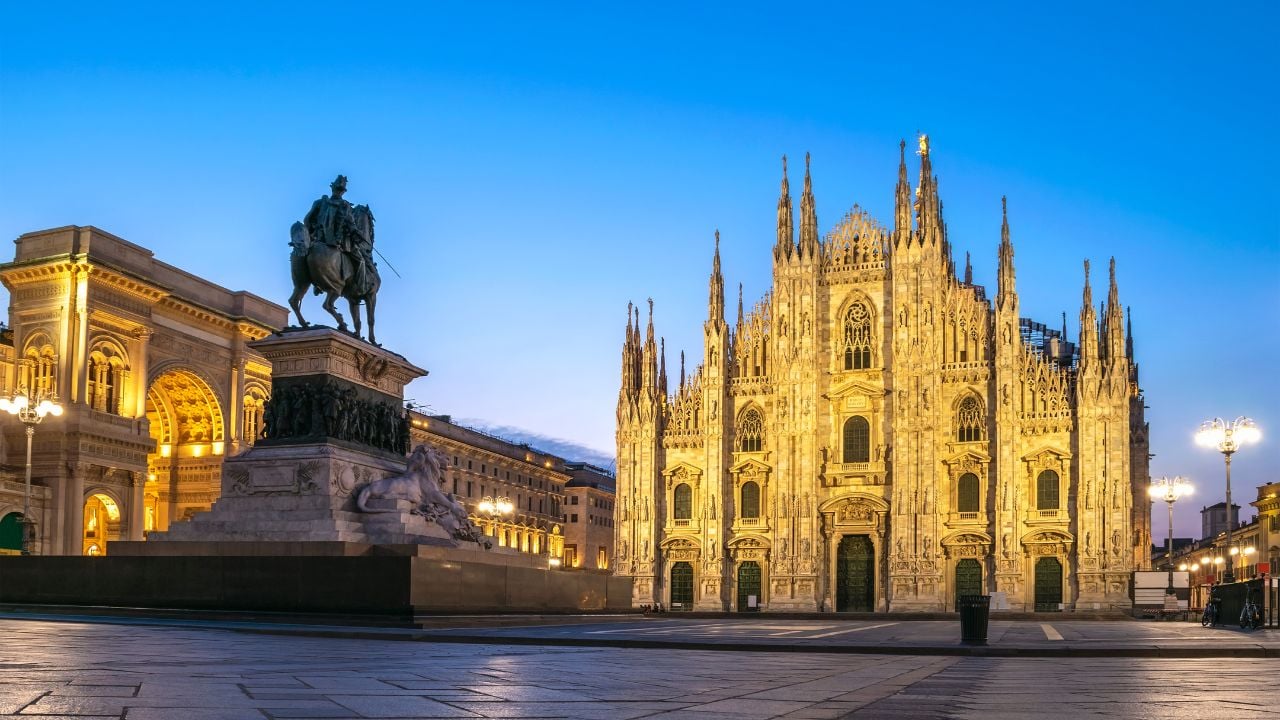
Milan still surprises some readers on a list like this, which is exactly why it earns the last slot so convincingly. Euromonitor kept it fifth worldwide in its latest city destinations index, placing it beside Europe’s biggest tourism heavyweights rather than in some niche category reserved only for fashion devotees or business travelers. That ranking fits the city’s real appeal: Milan offers a sharper, more polished kind of break, one built on design, architecture, performance, and the pleasures of simply moving between elegant spaces.
YesMilano describes the Duomo as an architectural masterpiece, calls the Galleria Vittorio Emanuele II the city’s grand drawing room, and highlights Navigli as a much-loved district known for quirky charm and lively nightlife. It also describes Teatro alla Scala as the most famous opera house in the world. The result is a city that feels refined without feeling cold. A day here can move from cathedral terraces to glass-roofed arcades to canalside aperitivo, and that steady shift in mood is part of what makes Milan more memorable than outsiders often expect.