Some cities become harder to love after sunset, not because they shut down, but because official safety guidance gets noticeably more restrictive once daylight fades. In most of the places below, the issue is not a literal citywide curfew handed down by local police. It is something more practical and, for travelers, just as important: government advisories, embassy guidance, and official security reporting that tell visitors to avoid certain neighborhoods, stay in well-lit tourist zones, or think twice about walking around at night at all.
That distinction matters, because it keeps the premise honest. This is not a list built from rumors, viral anecdotes, or vague online panic. It is built from places where official guidance becomes meaningfully sharper after dark, especially around downtown districts, nightlife corridors, and specific neighborhoods that visitors often assume are fine until they are not. One pattern stands out immediately: the current U.S. advisory for Quintana Roo names Cancún, Playa del Carmen, and Tulum individually, which makes the nighttime caution there especially hard to dismiss.
1. Cancún, Mexico
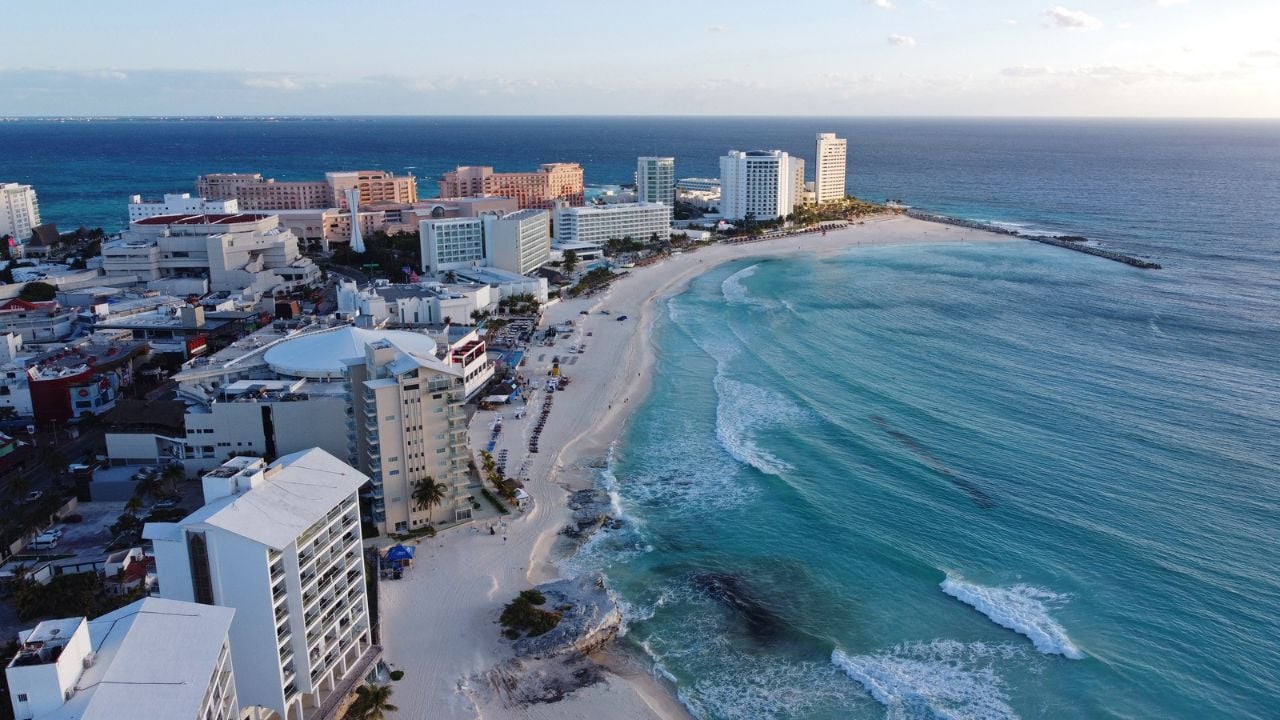
Cancún still sells the fantasy of easy tropical nightlife, but the current U.S. State Department advisory for Quintana Roo tells travelers to pay attention to their surroundings after dark in downtown areas of Cancún. The same advisory says to remain in well-lit pedestrian streets and tourist zones, while also warning that shootings between rival gangs have injured and killed innocent bystanders in the state. That is not the sort of language officials use when the risk is merely abstract.
The practical message is not that all of Cancún becomes off-limits at sundown. It is that visitors should stop treating late-night wandering downtown as carefree vacation behavior. Stick to brighter, busier stretches, keep transport simple, and do not confuse a famous resort city with a place where every block offers the same level of comfort after dark.
2. Playa del Carmen, Mexico
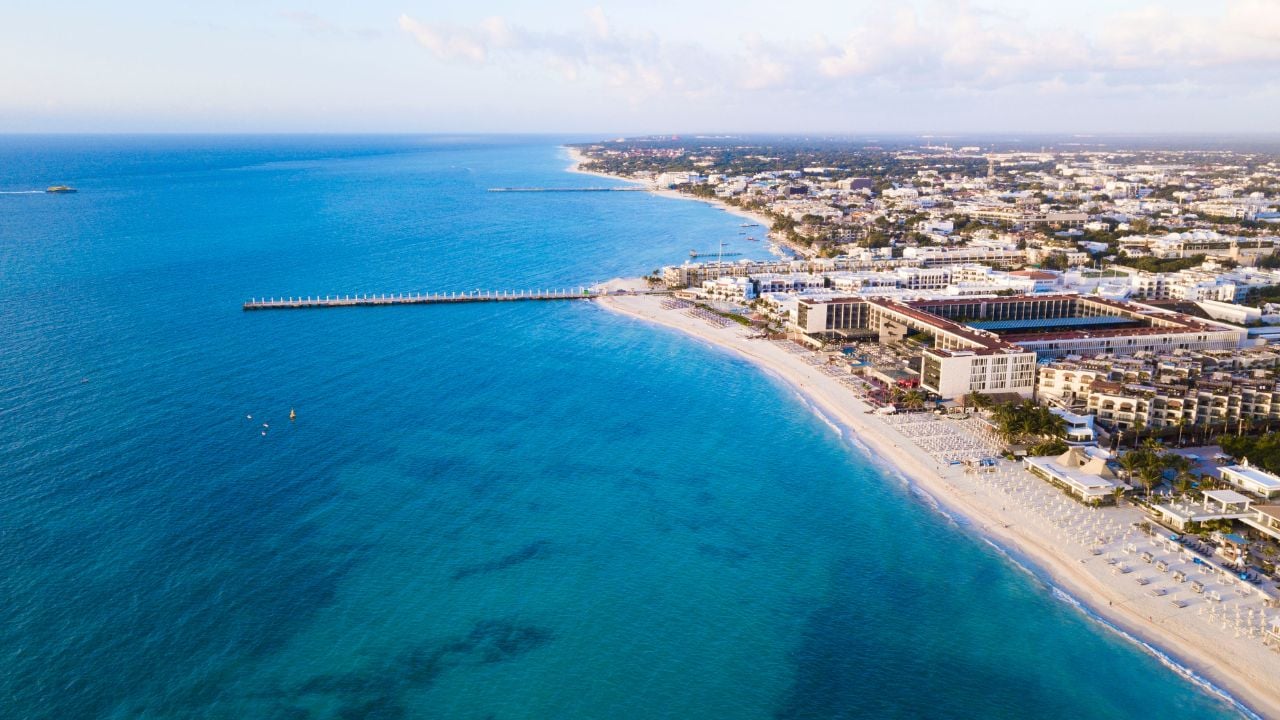
Playa del Carmen often feels smaller and easier to read than Cancún, which can lull first-time visitors into letting their guard down. Official U.S. guidance does not support that relaxed assumption. The same Quintana Roo advisory specifically tells travelers to watch their surroundings after dark in downtown Playa del Carmen and to stay in well-lit pedestrian streets and tourist zones.
That matters because a familiar beach-town setting can create a false sense of safety. A place packed with restaurants and foot traffic by day can feel very different late at night, especially once the crowds thin and the atmosphere changes. When officials name a city directly in an after-dark warning, it is worth taking the hint instead of improvising.
3. Tulum, Mexico

Tulum’s international profile has grown fast, but branding does not cancel risk. The current U.S. advisory for Quintana Roo names Tulum alongside Cancún and Playa del Carmen, telling visitors to pay attention to their surroundings after dark in downtown areas and remain within well-lit tourist zones. That guidance sits next to a broader warning that U.S. citizens have been victims of both violent and non-violent crime in tourist and non-tourist parts of the state.
For travelers, that means separating the dreamy image from the practical reality. Tulum may look polished in daylight and highly curated online, yet the official guidance still tells people to tighten their nighttime habits downtown. Evening plans there call for a smaller radius, better awareness, and less aimless wandering.
4. Port of Spain, Trinidad and Tobago
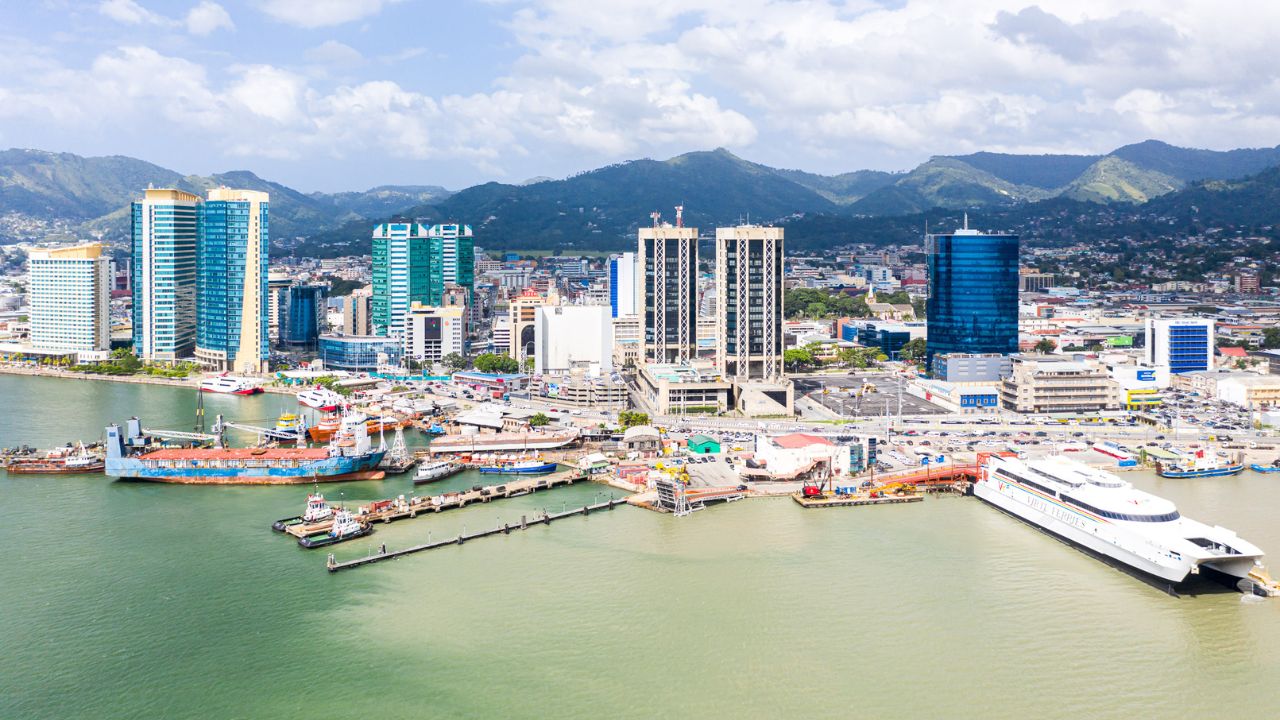
Port of Spain comes with one of the clearest city-specific warnings in current U.S. government guidance. The State Department’s Trinidad and Tobago page tells travelers to avoid downtown Port of Spain, Fort George, Queen’s Park Savannah, and all beaches after dark. It also notes that violent crime is common in Trinidad and Tobago and that foreigners and a U.S. lawful permanent resident have recently been victims of kidnapping.
That surrounding language matters as much as the list of places. When official guidance singles out both the city center and major leisure spots for nighttime avoidance, the takeaway is simple: plan evenings around direct transport and secure destinations, not drifting around to see what looks lively once the sun goes down.
5. Buenos Aires, Argentina

Buenos Aires is one of South America’s great city breaks, but official guidance still draws a firm line around certain nighttime habits. Canada’s current travel advisory for Argentina tells travelers to avoid walking alone after dark, especially in the downtown areas of major cities and parks. It gets more specific in Buenos Aires, listing tourist zones where petty crime is common, including Congreso, Constitución, Florida Street, La Boca, Plaza de Mayo, Puerto Madero, the Retiro bus station area, and the Obelisk surroundings.
La Boca is where the warning becomes especially direct. The same advisory says visitors should remain on Caminito Street because violent thefts often occur on neighboring streets, then adds a blunt instruction to avoid the area after dark. That does not condemn the whole city. It does mean tourists should stop romanticizing nighttime wandering in postcard districts that official guidance has already flagged.
6. Ulaanbaatar, Mongolia

Ulaanbaatar does not always appear in generic safety roundups, but current U.S. guidance is clear about nighttime risk. The State Department says street harassment is especially prevalent at night, often in or near bars and nightclubs, and that alcohol is frequently involved. It also says unaccompanied women and foreign men accompanied by Mongolian or other Asian women are common targets, and that harassment can escalate from verbal abuse to physical assault.
Officials follow that with straightforward behavioral advice. The same U.S. guidance says all travelers should avoid walking alone after dark, avoid unregistered taxis, and limit alcohol. For a capital with an active nightlife scene, that is a meaningful signal that nighttime movement deserves far more structure than many visitors might assume.
7. Nouakchott, Mauritania
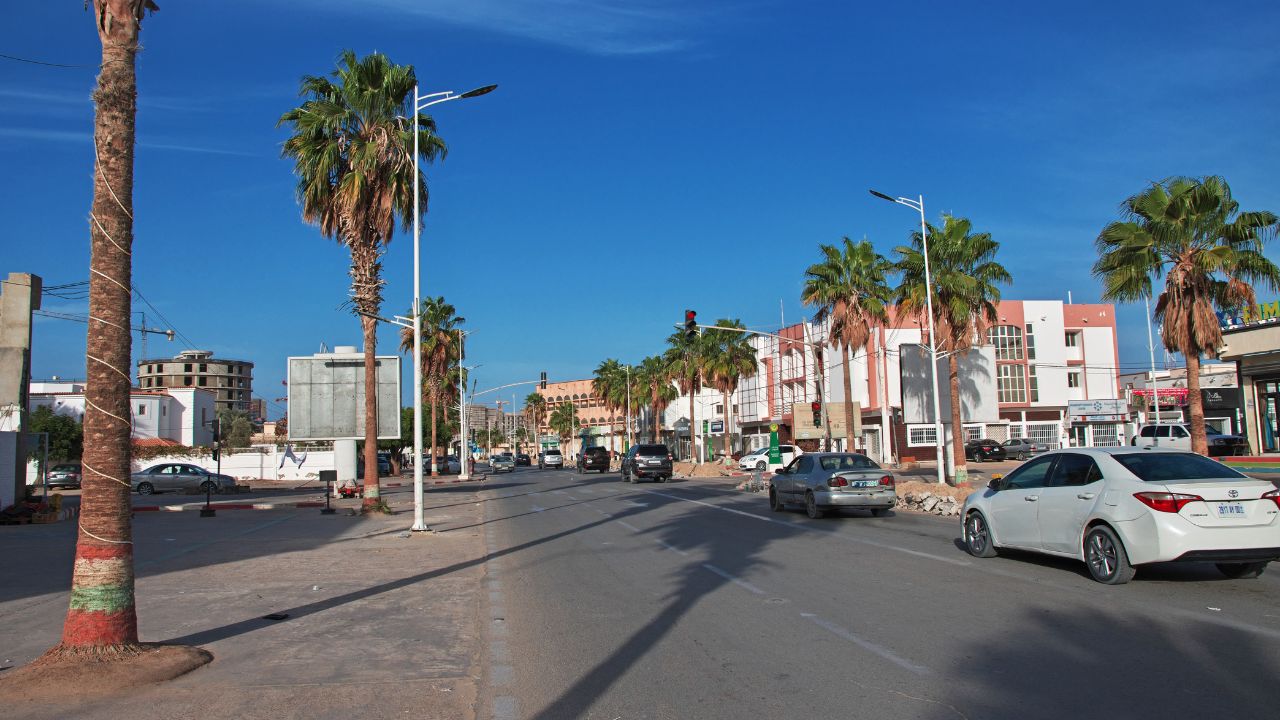
Nouakchott may be the starkest entry on this list. A current OSAC country security report for Mauritania says the southern and eastern parts of the city are more crime-prone and designated as no-walking areas by the U.S. Embassy. The same report says the embassy prohibits its employees from walking in those restricted zones and that walking after dark is restricted across the entire city.
Once official guidance reaches that level, travelers are no longer deciding between safe and unsafe vibes. They are being told outright that nighttime walking is a bad idea. That makes Nouakchott less a place for casual evening exploration than a place where after-dark movement should be deliberate, limited, and mostly vehicle-based.
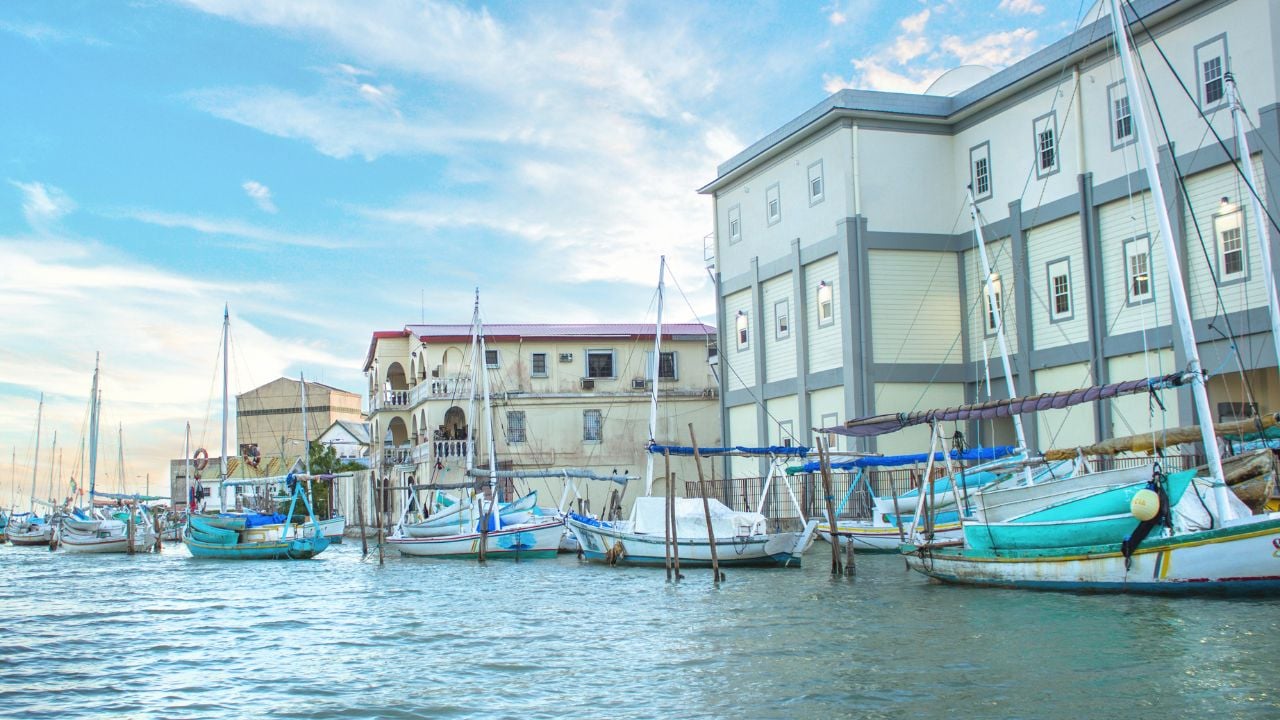
8. Belize City, Belize
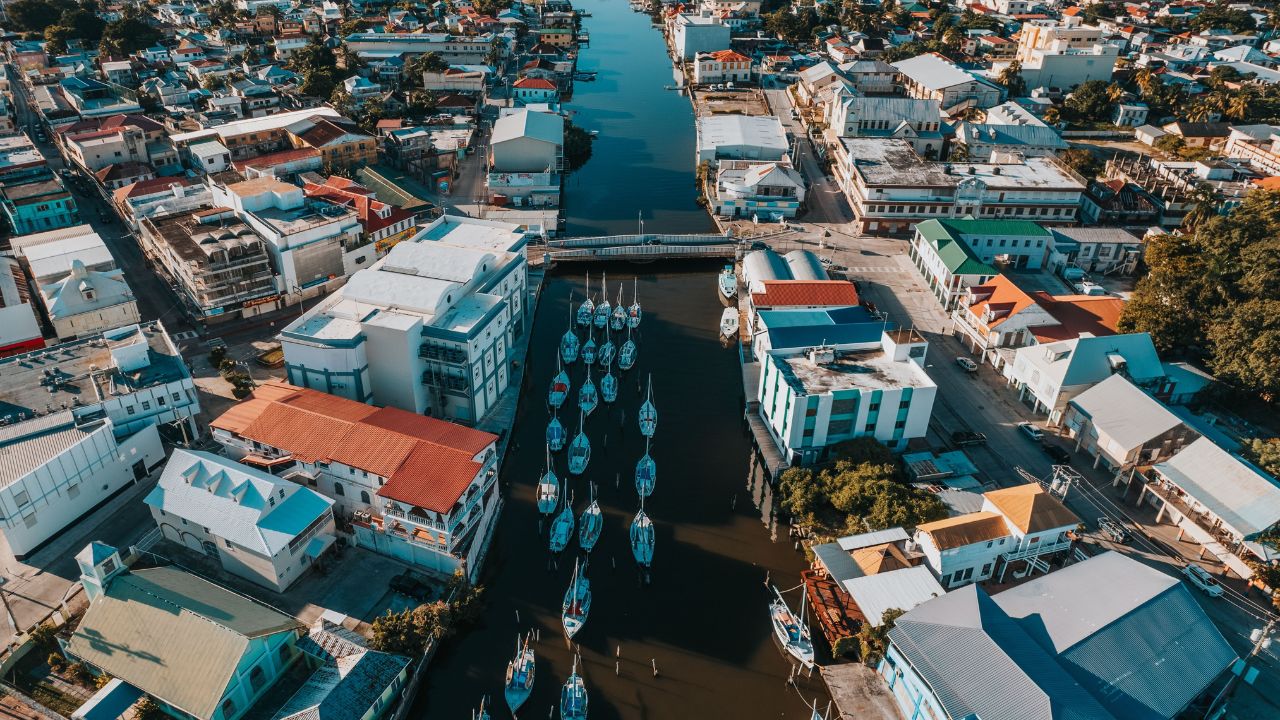
Belize City earns its place because the official language is both current and unusually plain. The U.S. State Department’s Belize advisory says much of the violent crime in Belize City happens on the south side of the city and states that U.S. government employees are strongly discouraged from traveling there, specifically in the area from the Haulover Creek Canal south to Fabers Road.
The broader guidance is even more restrictive. If travelers still choose to go, the same advisory tells them to avoid walking or driving at night. That turns Belize City into a place where casual evening roaming is hard to defend, especially for first-time visitors who may not know exactly where the riskier boundaries begin and end.
The shared thread in all eight cities is not panic, but precision. These are places where official safety language becomes noticeably more restrictive after dark, whether that means avoiding downtown streets, skipping certain neighborhoods, or using transport instead of walking. For travelers, the smartest move is to treat that wording as route guidance, not background noise.