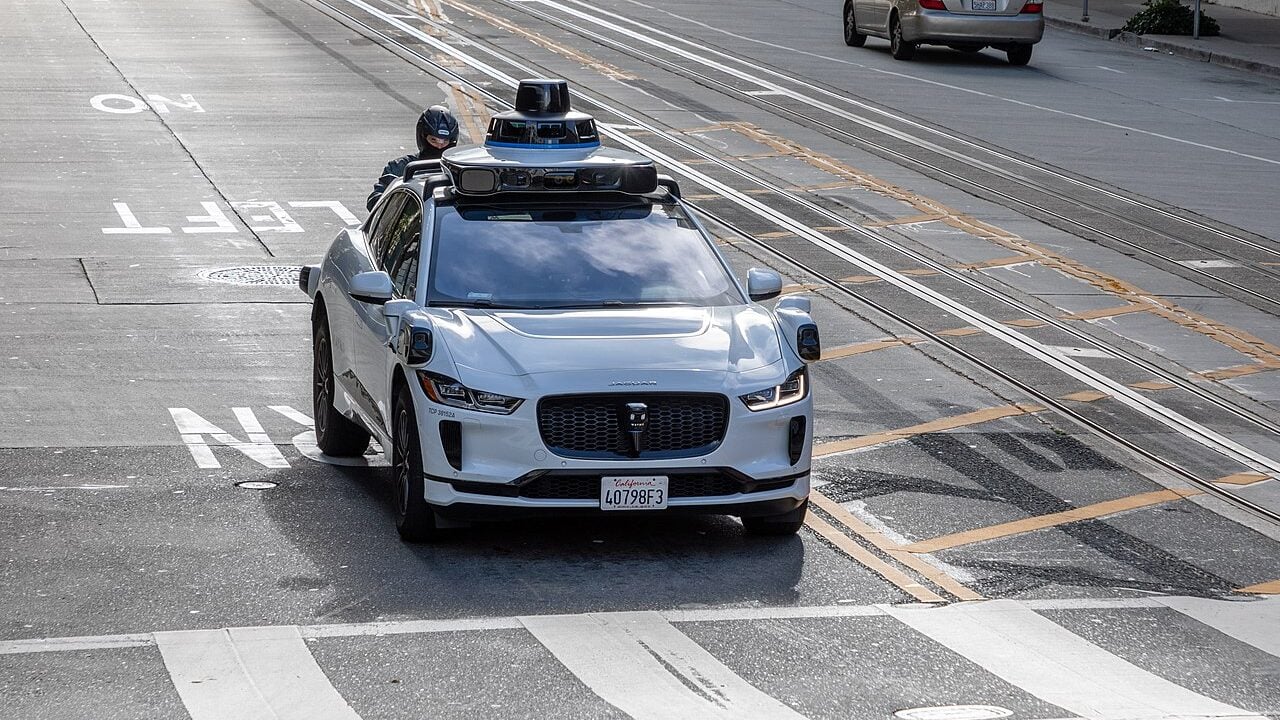

A growing national debate over autonomous vehicles has peaked in Minnesota, where lawmakers, labor unions, and technology advocates are clashing over how quickly (or slowly) driverless technology should be allowed on public roads. At the center of the discussion is Waymo, one of the most prominent developers of self-driving vehicles in the United States.
The issue has gained urgency as state legislators consider new proposals that would establish a legal framework for autonomous vehicle operations. Currently, Minnesota does not have comprehensive laws governing fully driverless cars, leaving regulators scrambling to define how the technology should be introduced and monitored.
The lack of clarity has created a policy vacuum just as companies like Waymo continue expanding testing and deployment efforts across the country.
Two Paths Forward

The debate has ultimately birth two competing approaches at the state capitol. One proposal would allow autonomous vehicles to operate without a human driver behind the wheel, aligning Minnesota with states that have already embraced fully driverless systems.
A second, more cautious proposal would require a licensed human driver to remain in the vehicle at all times, at least during an initial phase of deployment. Lawmakers backing this approach argue that it provides an added layer of safety while regulators gather more data on performance and risks.
Labor unions have become some of the most vocal opponents of rapid adoption. Groups such as the International Brotherhood of Teamsters and the AFL-CIO are reportedly urging lawmakers to slow the process, warning that widespread deployment of autonomous vehicles could displace thousands of workers in driving-related professions.
Truck drivers, delivery workers, and rideshare operators are seen as particularly vulnerable to automation.
Union leaders are also raising concerns beyond employment. They argue that autonomous systems introduce unresolved safety challenges, especially in a state known for harsh winter conditions. Snow, ice, and low visibility present unique obstacles that could complicate the performance of sensors and software.
In addition, labor groups have questioned how data collected by autonomous vehicles will be used, pointing to potential privacy and surveillance issues.
The Case for Moving Forward
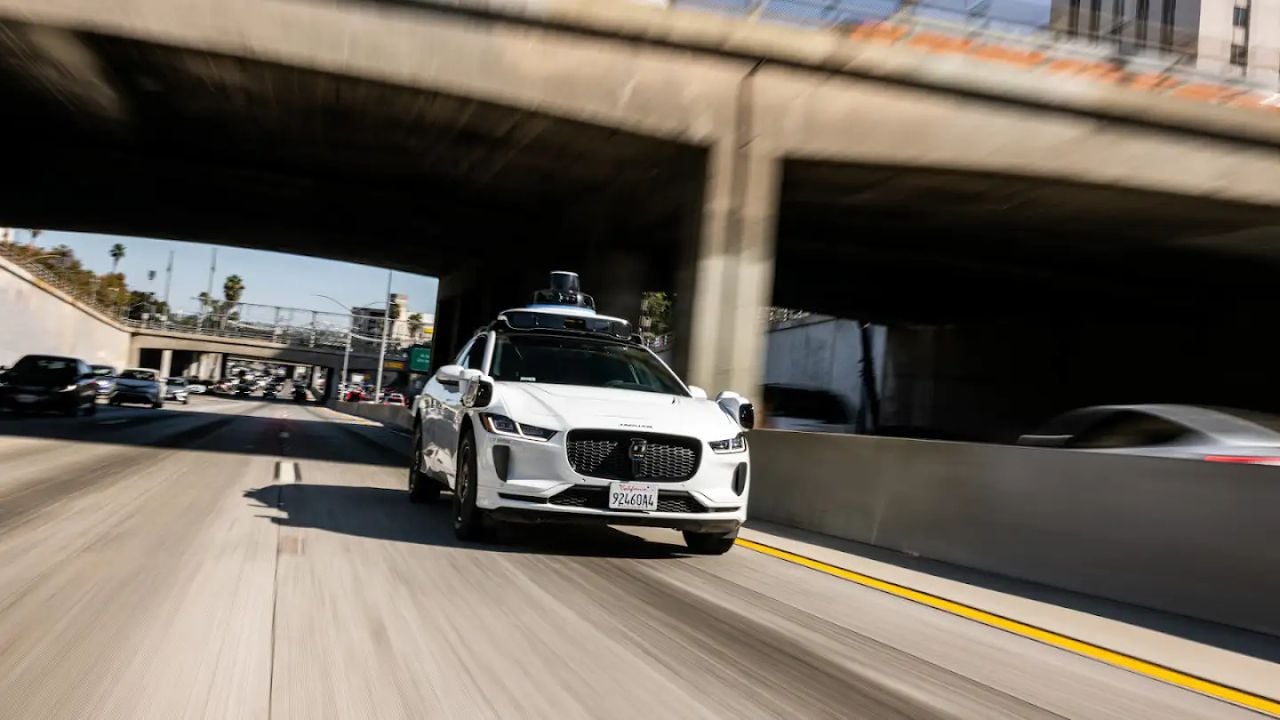
Supporters of autonomous vehicle expansion counter that delaying adoption could put Minnesota at a competitive disadvantage. Technology advocates and business organizations say that states willing to embrace innovation are more likely to attract investment, talent, and infrastructure development.
They point to the growing footprint of companies like Waymo as evidence that the industry is moving forward regardless of regional hesitation.
Proponents also argue that autonomous vehicles could deliver long-term benefits, including improved road safety, increased mobility for people unable to drive, and more efficient transportation systems. By reducing human error, which remains a leading cause of traffic accidents, self-driving technology is often presented as a potential life-saving advancement.
State officials are now working to balance these competing priorities. Draft legislation under discussion includes provisions addressing emergency response protocols, insurance requirements, and the responsibilities of autonomous vehicle operators.
Lawmakers are also examining how the technology performs in cold weather environments, a factor that distinguishes Minnesota from many early testing locations in warmer climates.
A National Struggle, a Local Decision
What’s going on in Minnesota reflects a broader national struggle over how to regulate rapidly evolving transportation technology. While some states have moved aggressively to permit driverless vehicles, others are taking a more measured approach, emphasizing oversight and incremental rollout.
For Minnesota, the outcome of this legislative effort could shape not only the future of transportation within the state but also its role in the wider autonomous vehicle industry. The decision reached by the state’s lawmakers will carry significant implications for workers, businesses, and the traveling public.
Sources: Axios