
A series of unexplained drone sightings over a sensitive US military installation in Washington, D.C. has raised fresh concerns about airspace security, particularly as geopolitical tensions continue to simmer in the Middle East.
According to a report first published by The Washington Post and later amplified by the Daily Mail, multiple unidentified drones were detected over Fort Lesley J. McNair within the past 10 days.
The base, located along the Anacostia River, is one of the oldest Army posts in the United States and serves as a hub for senior military leadership, including the National Defense University.
High-Profile Residents on “Generals Row”
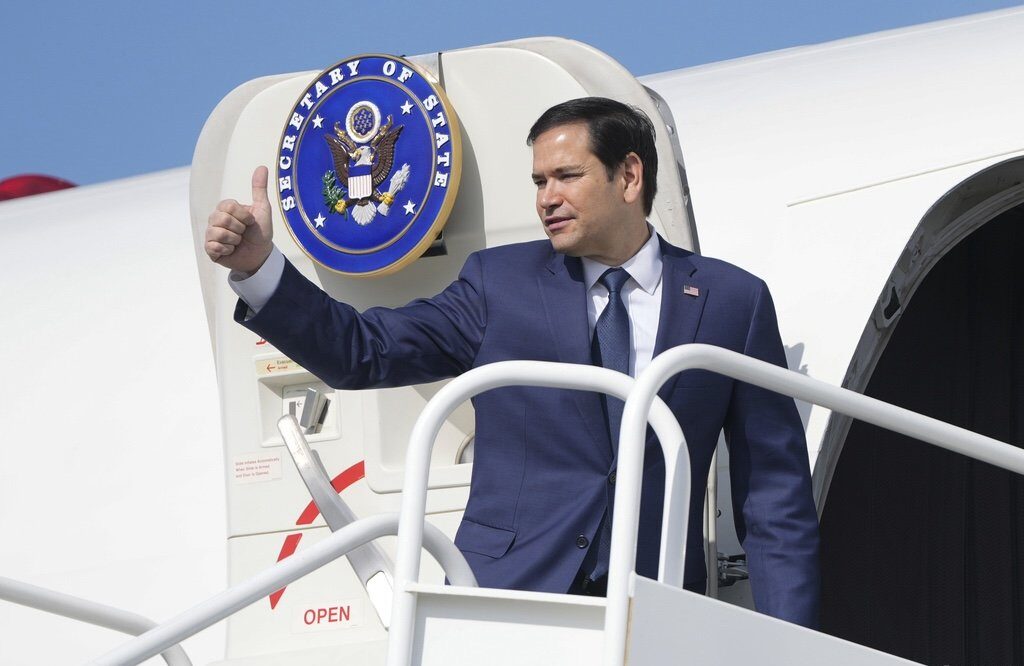
What makes the incident particularly sensitive is the presence of two high-profile political figures residing on the base. Both Marco Rubio and Pete Hegseth have reportedly been living on what is known as “Generals Row” since at least October.
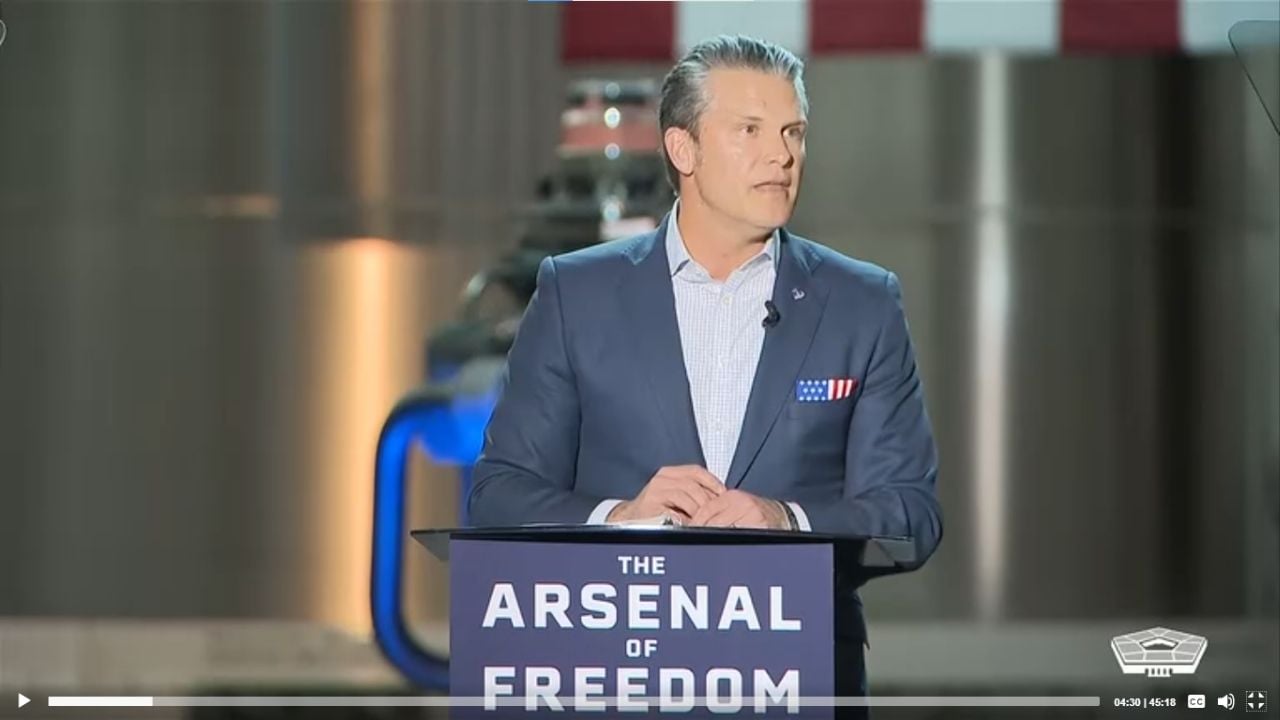
While the base has historically housed senior military officials, it is less common for top civilian leadership to reside there, underscoring heightened security considerations in recent years.
US officials have not publicly identified the origin or operators of the drones. The aircraft themselves have been described only as small, unmanned aerial systems, with no confirmed make or model disclosed.
This lack of specificity has complicated response efforts, as authorities work to determine whether the drones were commercial off-the-shelf units, modified platforms, or something more sophisticated. The distinction is critical in assessing both intent and capability.
The sightings were serious enough to prompt a high-level meeting at the White House, where officials discussed possible responses and whether additional security measures were warranted.
Among the options considered was relocating Rubio and Hegseth from the base, though sources familiar with the discussions told the Post that no such move has been carried out so far.
The Pentagon has remained tight-lipped on the matter. Chief spokesman Sean Parnell declined to comment on the drone activity or the movements of senior officials, citing security concerns. His statement emphasized that discussing such details publicly could be irresponsible given the potential risks.
A Broader Pattern of Heightened Threats
The incident comes as the US military is already operating under heightened alert conditions. Ongoing conflict involving the United States, Israel, and Iran has raised fears of retaliatory or asymmetric threats, including the use of drones.
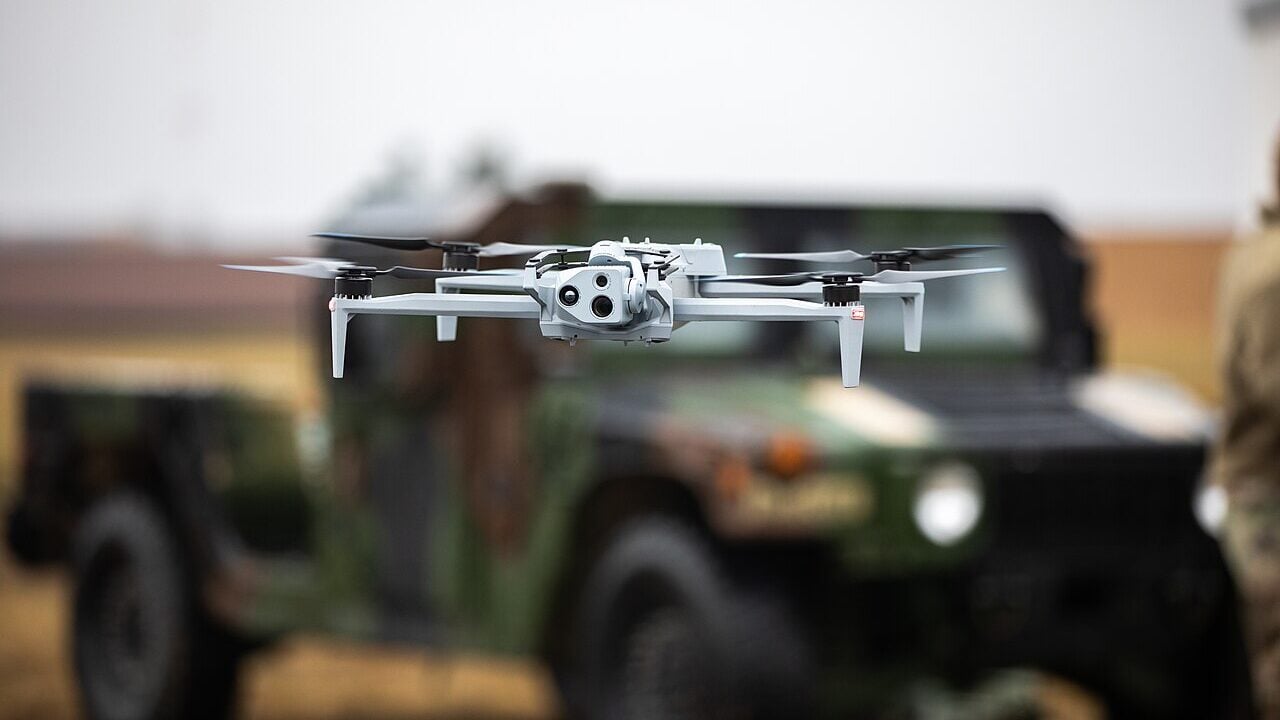
Over the past decade, drones have evolved into a key tool in modern conflict, valued for their low cost, flexibility, and ability to evade traditional defenses.
Recent events suggest the Fort McNair sightings may not be isolated. Earlier in the same week, MacDill Air Force Base, which houses US Central Command, experienced two separate lockdowns.
One was triggered by a suspicious package, while the other involved a broader security incident that led to a prolonged shelter-in-place order. While no direct link has been established between these and the Washington drone activity, the timing has heightened concern among defense officials.
Compounding the situation, the US State Department recently issued a directive to diplomatic posts worldwide, urging immediate reviews of security protocols. The guidance referenced the evolving situation in the Middle East and warned of potential spillover effects.
Drones and the Evolving Threat Landscape
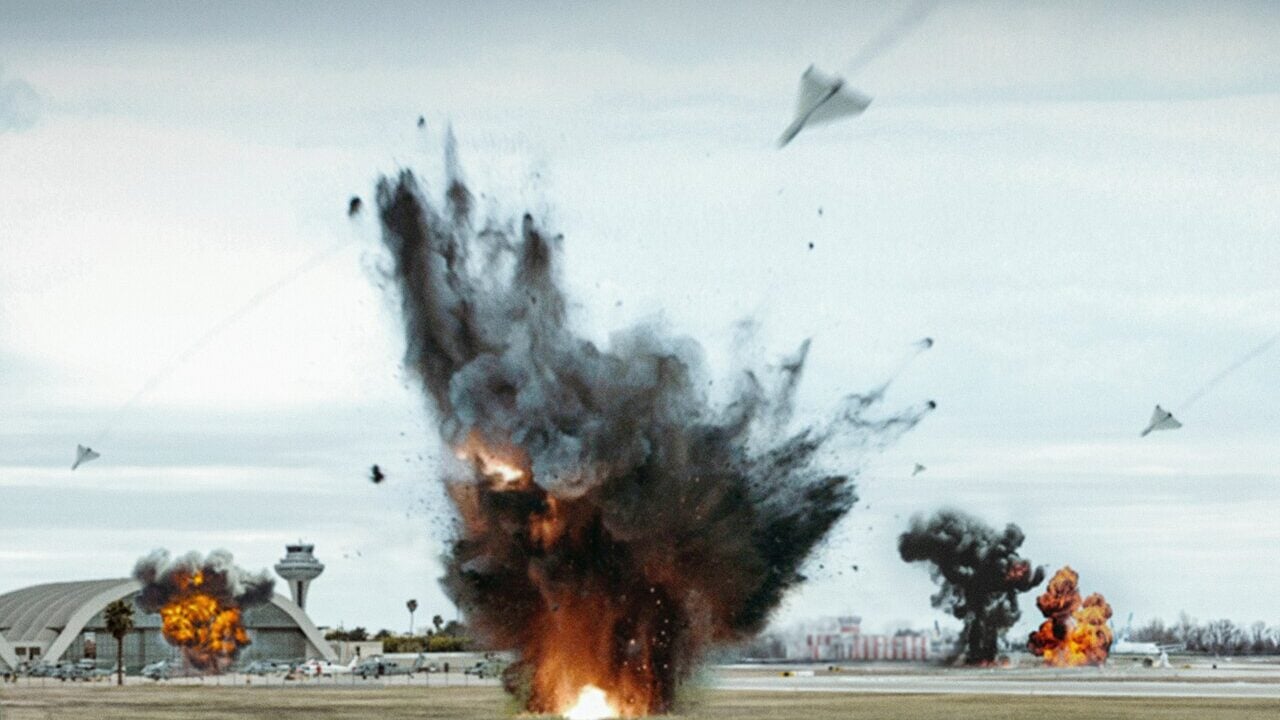
Drone-related threats against US officials are not new, but they appear to have increased in frequency and complexity since the 2020 killing of Iranian general Qasem Soleimani. That strike, authorized during the presidency of Donald Trump, marked a turning point in US-Iran tensions and has been cited by officials as a catalyst for ongoing security risks.
During Trump’s 2024 campaign, Secret Service agents reportedly encountered multiple unidentified drones, further illustrating how accessible and disruptive the technology has become. These systems, often compact and commercially available, can be deployed with minimal expertise yet pose significant challenges for detection and interception.
As investigations continue, the Fort McNair incident highlights a growing vulnerability in domestic airspace security. Whether the drones were part of surveillance efforts, testing defenses, or simply unauthorized hobbyist remains unclear.
What is certain is that even relatively small unmanned systems can trigger major security responses when they appear over one of the most sensitive locations in the US capital.
Sources: Washington Post