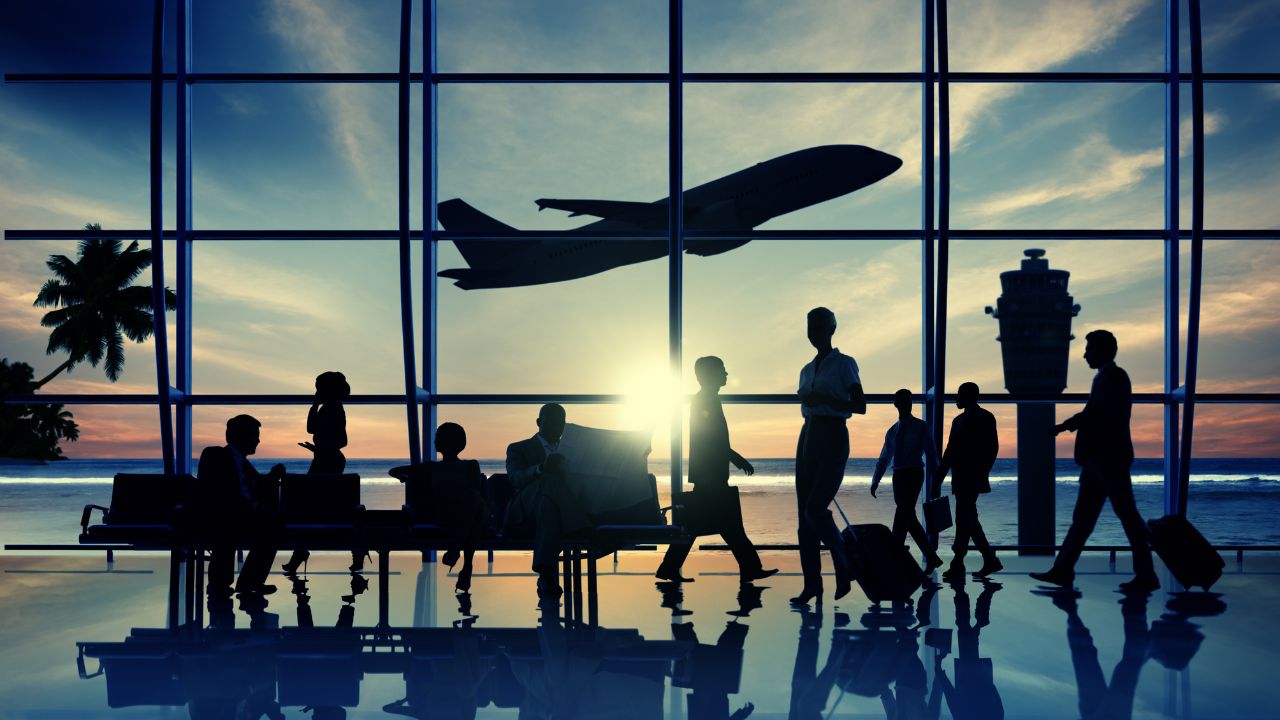
“Travel shaming” is not back as one neat movement with a logo and a handbook, but it is clearly more visible again. Academic research has already treated travel shame as a real force in how people think about trips, with one peer-reviewed study finding that ethics-based judgments can shape travel attitudes and intentions, while newer work on “travel avoidance” argues that in periods of overlapping crises, some people are deliberately abstaining from travel rather than merely losing interest in it. Public commentary has also brought the language of travel guilt and climate unease back into wider discussion.
The shift comes from the mix of pressures behind that discomfort. Flying still carries climate baggage, overtourism has made some destinations openly hostile to unchecked visitor growth, and social media now turns every trip into a visible performance that can be judged in real time. The result is that travel is no longer read only as freedom or aspiration. It is increasingly read as a statement about responsibility, privilege, and who gets to take up space.
1. It Started With Climate Guilt, and That Part Never Really Left

A big reason travel shaming feels newly familiar is that the original fuel for it is still there. The International Energy Agency says aviation accounted for 2.5% of global energy-related CO₂ emissions in 2023, with emissions reaching almost 950 million tonnes, while National Geographic recently described flying as one of the biggest contributors to an individual carbon footprint. That does not make every trip immoral by definition, but it does help explain why air travel remains such an easy target when people start talking about personal responsibility.
What is striking is that the guilt is no longer confined to a tiny activist corner. A Stiftung für Zukunftsfragen study published in 2025 found that 14% of Germans feel guilty when they fly. That is not a majority position, but it is far too large to dismiss as fringe hand-wringing. The feeling is established enough to shape behavior, even if not everyone is ready to surrender their boarding pass.
2. Overtourism Turned Private Vacations Into Public Arguments
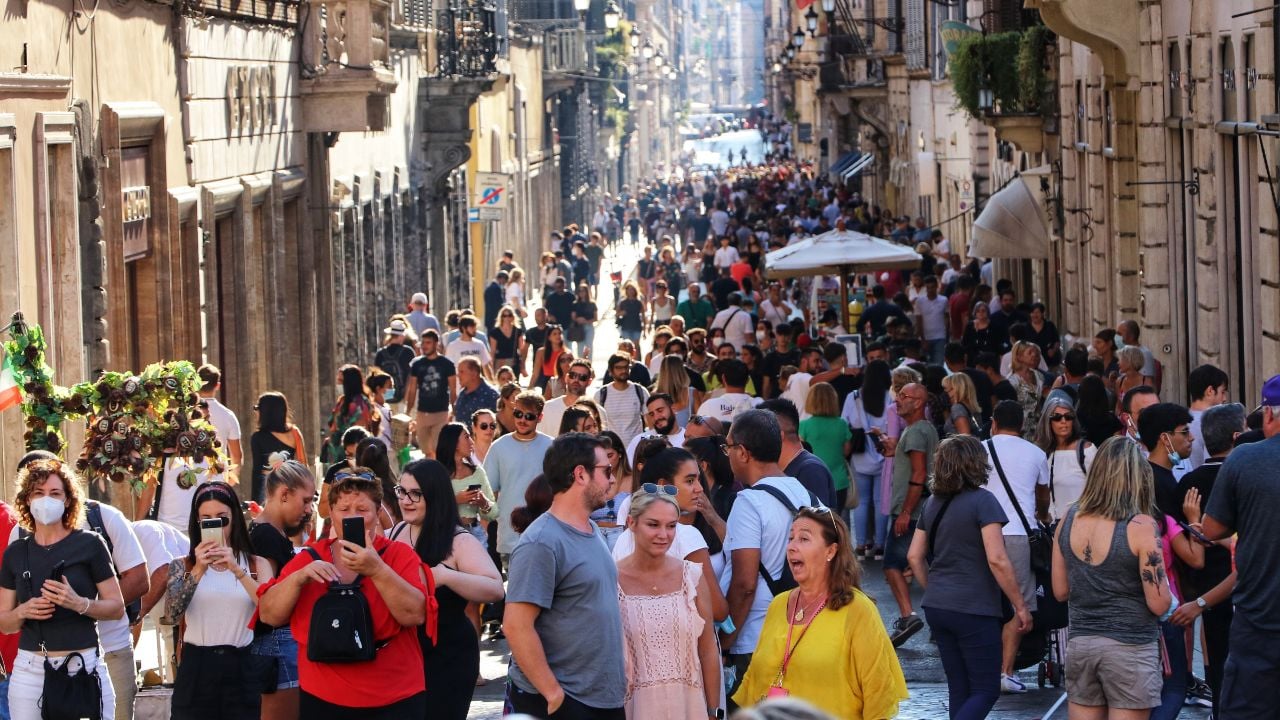
Climate is only one lane in the new discomfort. The other major one is overtourism, which has made the social cost of travel much more visible. Reuters reported in June 2025 that thousands of protesters took to the streets in southern Europe against overtourism, with Barcelona as the main focal point. Protesters cited housing pressure, displacement, and overcrowded city centers, and Reuters noted that Barcelona alone drew 26 million tourists in 2024 despite having a population of about 1.6 million.
Once residents start chanting “Your holidays, my misery,” the cultural mood changes fast. Travel stops looking like a harmless personal choice and starts looking like participation in a system that may be pricing locals out of neighborhoods and reshaping entire cities around visitor demand. That does not mean every traveler deserves a moral indictment, but it does mean the old innocence around “I’m just here for a weekend” is harder to sustain than it used to be.
3. Social Media Made Travel More Performative, Which Made Judgment Easier
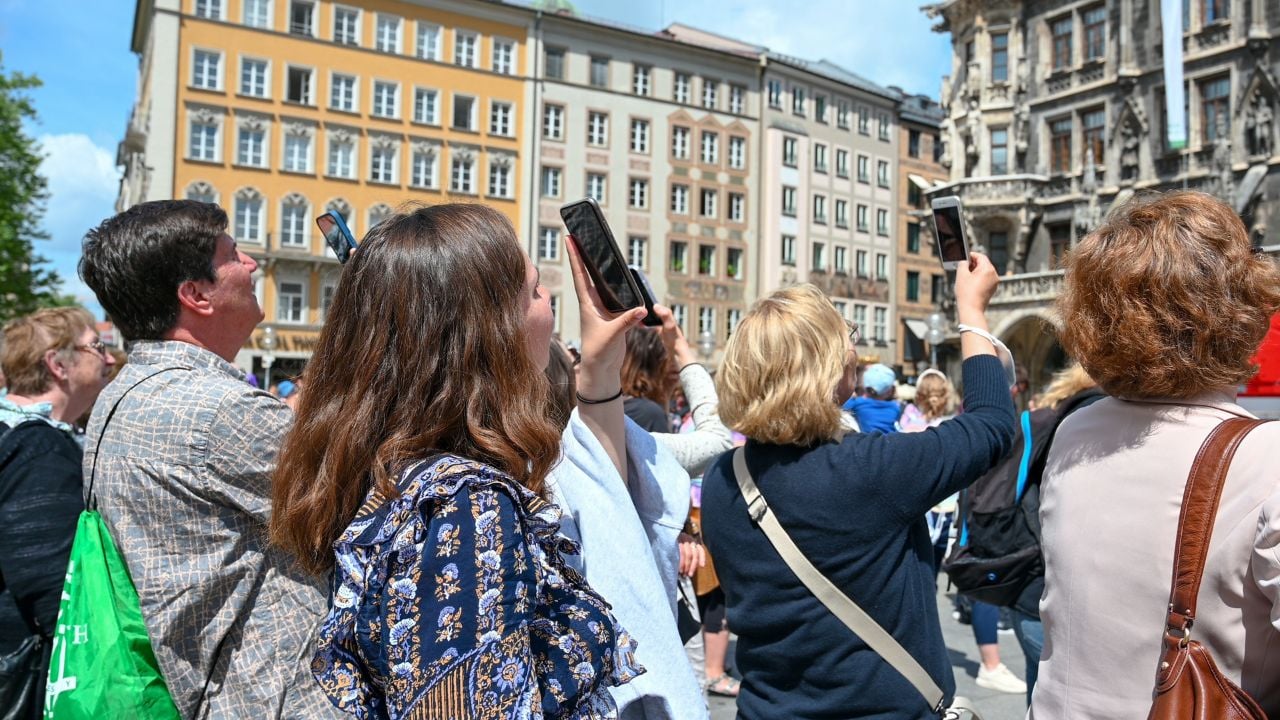
Another reason travel shaming feels louder is that trips are now staged in public by default. Euronews reported in early 2025 that TikTok and similar platforms have helped trigger sudden visitor surges in smaller destinations that struggle to absorb them. When a place is flooded because it looked cinematic for 12 seconds on somebody’s feed, the backlash is no longer aimed only at institutions. It lands on travelers too.
That visibility changes the moral texture of a trip. People are no longer judged only for going somewhere but for geotagging it, posing in it, and helping turn it into the next stampede. UN Tourism’s tips for responsible travelers explicitly tell visitors to research local customs, ask before photographing people, reduce their environmental impact, spend locally, slow down in less-visited areas, and think twice before posting selfies or pictures of other people. That is a polite official way of admitting that the digital afterlife of a trip can shape a destination almost as much as the trip itself.
4. The New Shame Also Reveals an Uneasy Class Problem
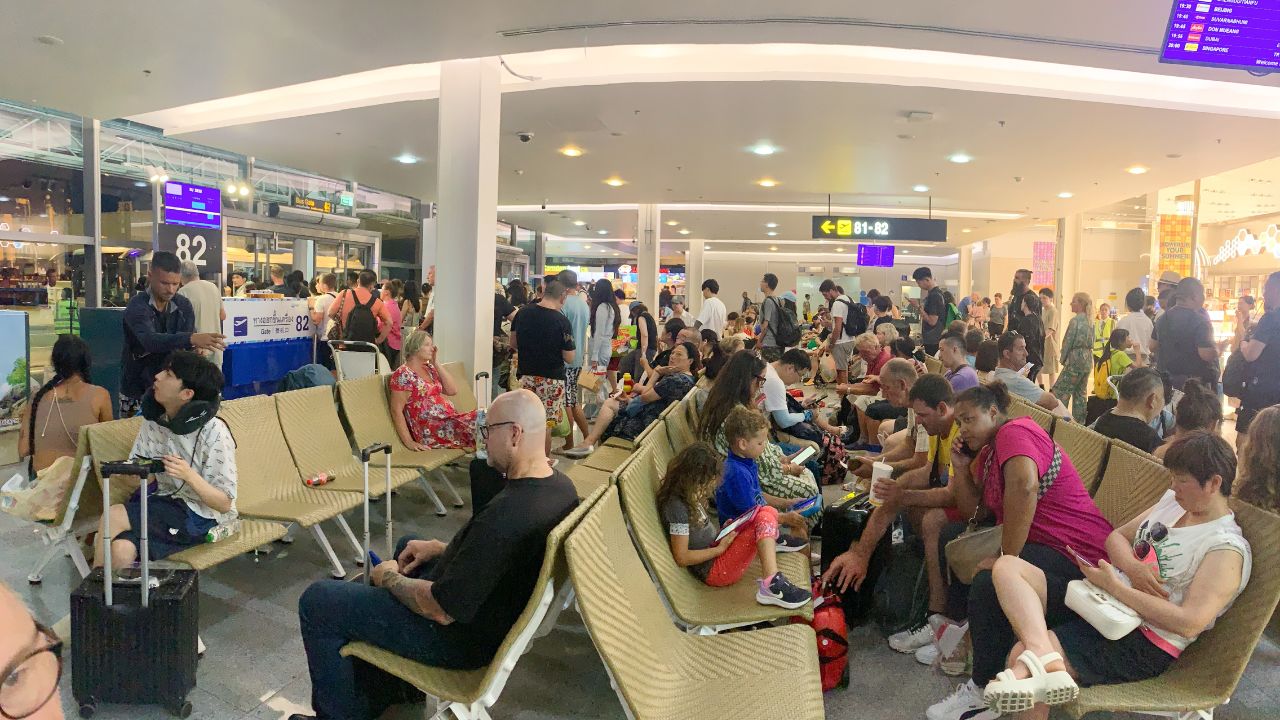
Travel shaming also says something awkward about who gets judged most easily. Criticism sticks hardest to conspicuous movement: frequent short-haul flights, influencer-style hopping, flashy destination content, or any pattern that looks excessive rather than necessary. But the moral burden is not distributed evenly. In National Geographic’s recent interview, climate scientist Katharine Hayhoe argued that many of the most sustainable choices are not the easiest or most affordable, because the system is still built around fossil-fuel convenience.
That is where the conversation gets messy. A family saving for one international trip can get pulled into the same moral fog as people whose entire lifestyle is built on constant movement and high-emission consumption. Even the 2025 German travel study showed the tension clearly: flight guilt exists, but price still matters more than sustainability for most travelers. In that sense, travel shaming is not only about ethics. It is also about whose mobility remains socially and financially protected.
5. The Useful Response Is Not To Stop Traveling, but To Travel Less Mindlessly
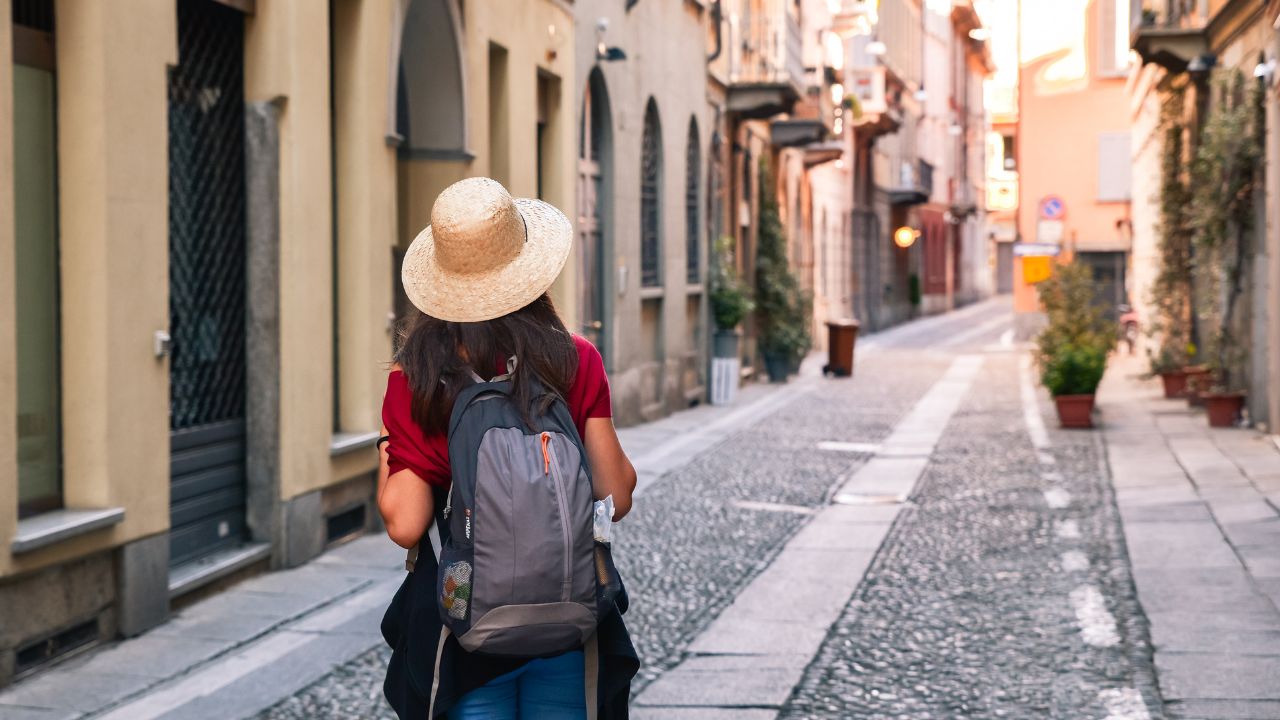
The most productive takeaway is not “never go anywhere.” It is to stop acting as though every trip is morally neutral by default. UN Tourism’s responsible-traveler advice is refreshingly concrete: research the destination, learn a few local words, ask before photographing people, respect local dress and communication norms, find out about tipping practices, spend locally, reduce waste, plan transport to cut emissions, and spend more time in less-visited places. None of that sounds glamorous, which is probably why it is actually useful.
So yes, travel shaming is resurfacing, but what it really signals is a broader cultural discomfort. People are more aware of aviation’s climate cost, more exposed to the strain tourism can place on housing and public life, and more conscious that travel imagery can accelerate the very crowding it claims to celebrate. That does not mean travel is doomed. It means the era of pretending vacations exist outside ethics, infrastructure, and inequality is starting to look over.