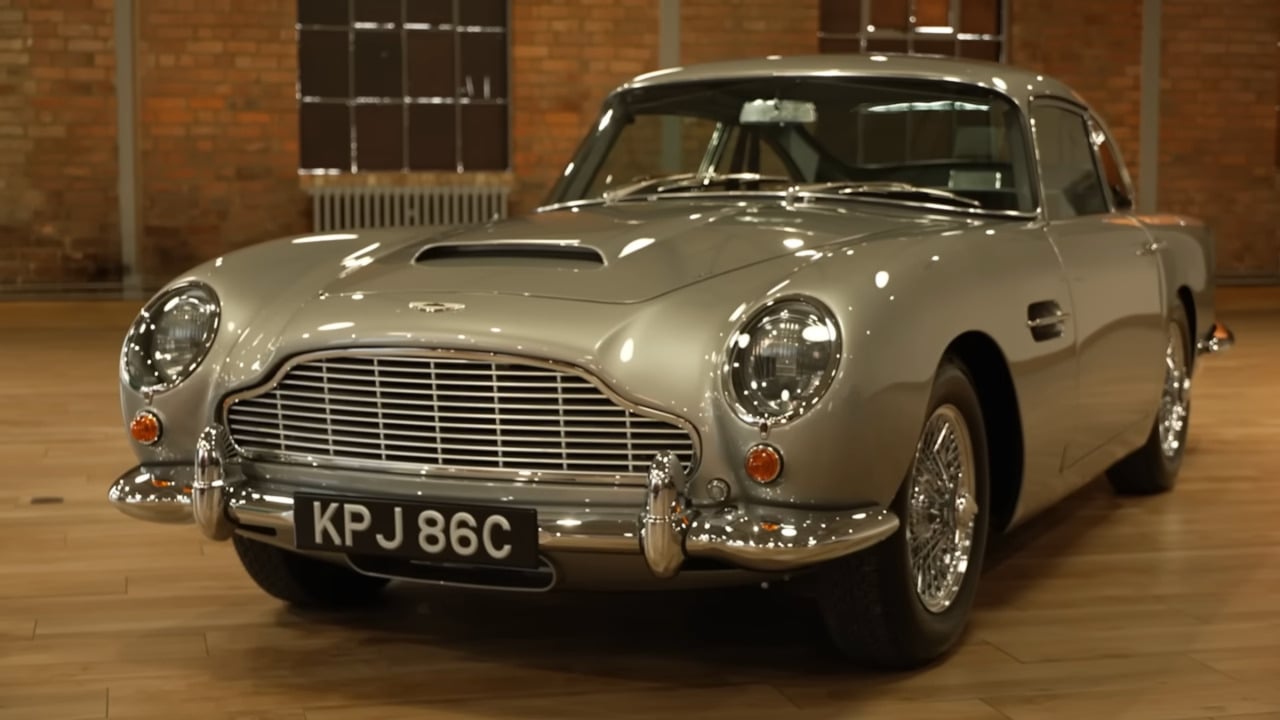
The Aston Martin DB5 is one of the most iconic British cars ever to grace the roads. The James Bond films helped cement its global reputation, with the DB5 taking center stage in Goldfinger, released in 1964. The car was a revolutionary piece of design and a pinnacle of engineering at the time.
Enter John Williams, who, at just 19 years of age, was already a passionate car enthusiast. He fell in love with Aston Martin and set himself the goal of owning a DB5 while still a teenager. After spotting an advert in Motor Sport Magazine he travelled by train to view the car and ultimately purchased it for £985 in August 1973.
Back then it was a lot of money, as he worked as much overtime as possible, but his ultimate dream came true.
Left Gathering Dust
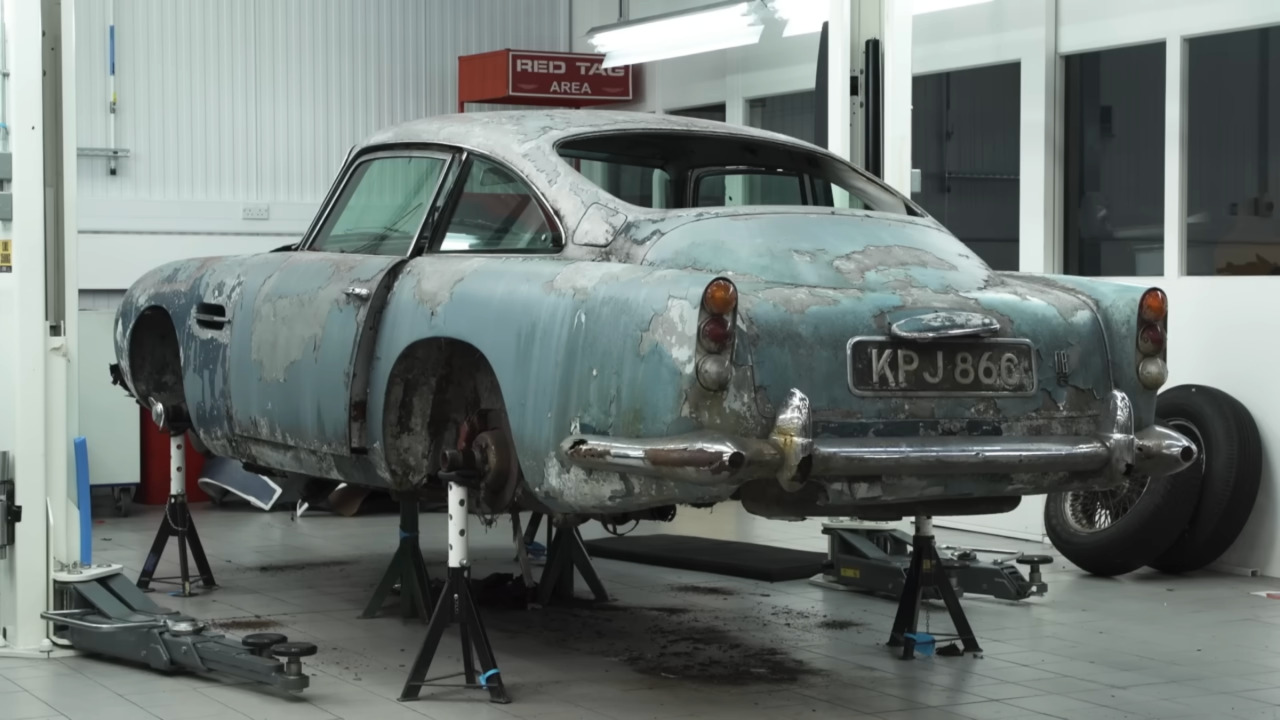
Driving the elegant grand tourer was a source of pride and joy, accompanying him wherever he went. However, as responsibilities grew, he was forced to stop driving it. Over time, the car fell into disrepair, sitting unused for decades on his driveway.
Despite this, Williams refused to sell it, instead saving for years in the hope of one day restoring it to its former glory. After nearly 40 years of inactivity, he held onto the car, as it meant far more to him than any potential sale price.
One YouTuber revealed that he had once tried to make an offer for the car, but Williams refused to sell. “I offered him £40,000 for it 15 years ago. Back then, Aston Martin quoted £250,000 to restore it. He told me it was his retirement project. Congratulations.”
Restoration Works Began

When it became affordable, Williams decided it was time to bring the car back to life. He saved for years to fund a full restoration. Rather than sending it to a typical workshop, it was returned to its origins. The DB5 was delivered to Aston Martin Works in Newport Pagnell, where it had originally been built.
The restoration process was extensive and required specialist engineering expertise. The car’s body was rebuilt, the paintwork was carefully refinished, and the interior was completely retrimmed while preserving as many original components as possible. Skilled technicians worked to preserve the vehicle’s authenticity while returning it to a condition arguably better than when it left the factory all those years ago.
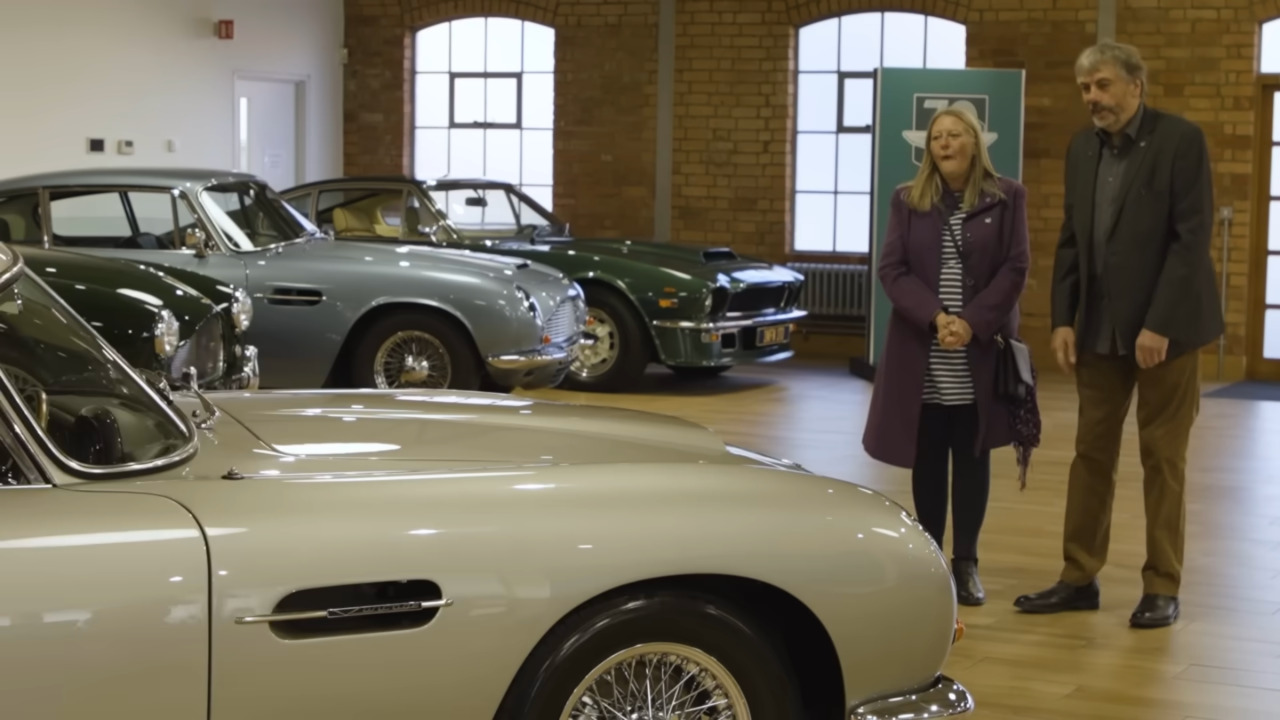
When the restoration was finally complete, after three years, Williams was invited to see the finished car for the first time. After more than four decades, the moment was deeply emotional. Seeing the DB5 gleaming in pristine condition once again brought back a flood of memories from his youth.
Million-Dollar Valuation
Over the years, the DB5 also grew significantly in value. Experts later estimated that even in its worn condition, the vehicle could have been worth hundreds of thousands of pounds.
Once restored, however, its value could climb to as much as £1 million, particularly because it was a rare DB5 Vantage originally finished in Silver Birch, the same color famously associated with the James Bond films.
Williams, a hardworking man, kept the car for decades until he could afford to restore it, turning it into a remarkable comeback story. Now in retirement, he can finally enjoy driving one of the finest cars on the road as if it were new.