

For years, a curious automotive migration has quietly taken place in the United States. Some of the world’s most expensive supercars, owned by residents of high tax states, have technically “lived” in Montana.
Not in sprawling ranch garages or under Big Sky sunsets, but on paper through limited liability companies created for one specific purpose. That arrangement, often called the Montana registration loophole, is now firmly in California’s crosshairs.
The $1.8 Million Problem: Exotic Cars and Unpaid Taxes
California authorities have launched an aggressive crackdown on wealthy car owners who registered exotic vehicles in Montana while allegedly keeping and using them in California. The practice revolves around a simple but lucrative incentive.

Montana has no statewide sales tax, which means buyers who register vehicles there can avoid paying the hefty sales taxes that states like California demand.
In California, sales tax on auto purchases can range from roughly 7.75 percent to well over 10 percent depending on the county. On a multimillion-dollar hypercar, that difference quickly becomes staggering. A $3 million ride could trigger a tax bill approaching $300,000 in California.
Registering the same car through a Montana LLC can reduce that bill dramatically.
According to prosecutors, several California residents took that idea too far. State officials recently announced charges against 14 individuals connected to an alleged tax evasion scheme involving luxury and exotic automobiles.
Authorities claim the group used Montana based LLCs to register cars that were actually stored, driven, and enjoyed in California. Prosecutors say the strategy allowed owners to sidestep millions in state taxes.

The investigation revealed more than $20 million in exotic car purchases tied to the case, with approximately $1.8 million in unpaid taxes owed to California. The lineup of vehicles reads like the guest list at an elite concours event.
Among the cars cited are a McLaren Elva, a Porsche 918 Spyder, and a Ferrari F12tdf. Each of these machines sits firmly in the realm of automotive fantasy for most enthusiasts. For tax investigators, however, they have become pieces of evidence.
How the Loophole Worked—and Where It Unraveled
The alleged method was surprisingly straightforward. Buyers would create or hire firms to establish a Montana LLC. The vehicle would then be purchased under that company’s name and registered in Montana.
Because the car was technically owned by an out of state business entity, the sales tax obligations in California were avoided at the point of purchase.

Where the strategy falls apart is in how the cars are actually used. California law requires residents to register and pay taxes on vehicles that are primarily located or operated within the state. According to investigators, many of these supercars rarely saw Montana pavement.
Instead, they lived in California garages, appeared at local events, and cruised coastal highways.
Authorities also claim that falsified paperwork helped maintain the illusion. In some cases, documents allegedly indicated that the cars were shipped to Montana even when they were delivered directly to California addresses. Bills of lading and delivery records reportedly played a role in masking the true location of the vehicles.
The revelation indicates this is not a small-scale issue. Officials believe the Montana registration tactic may involve thousands of vehicles connected to California residents.
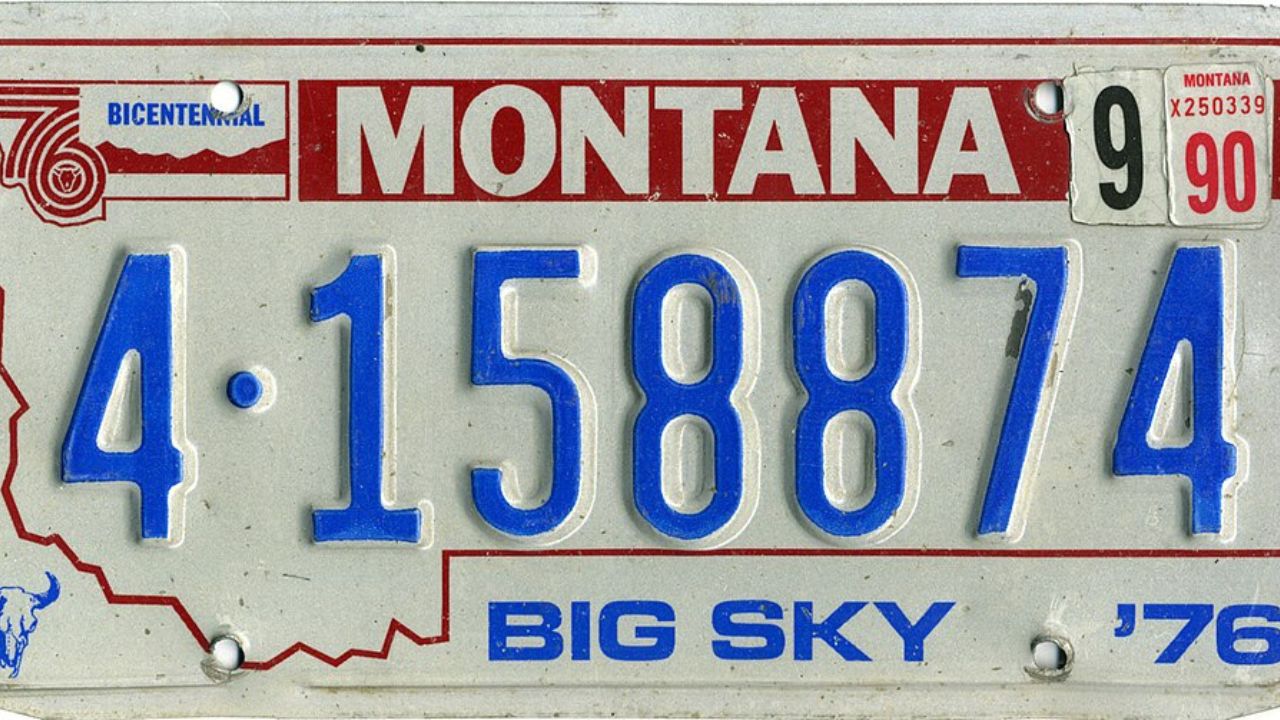
Estimates suggest more than 2,500 sales since 2023 may have used similar arrangements, with hundreds of dealerships involved in transactions where buyers claimed the cars were destined for Montana.
The End of the Road for Tax Evasion?
From the state’s perspective, the financial stakes are significant. Investigators estimate California loses more than $10 million annually due to the loophole.
For lawmakers and tax authorities, the message is increasingly clear. The era of quietly parking your Bugatti under Montana paperwork while driving it daily in Los Angeles may be coming to an end.
For enthusiasts watching the drama unfold, the story offers an unusual intersection of tax law and supercar culture. Exotic machinery that normally grabs headlines for lap times and horsepower is now part of a much different conversation.
In California, the real performance metric might soon be compliance with the tax code rather than acceleration figures.
Sources: The Drive