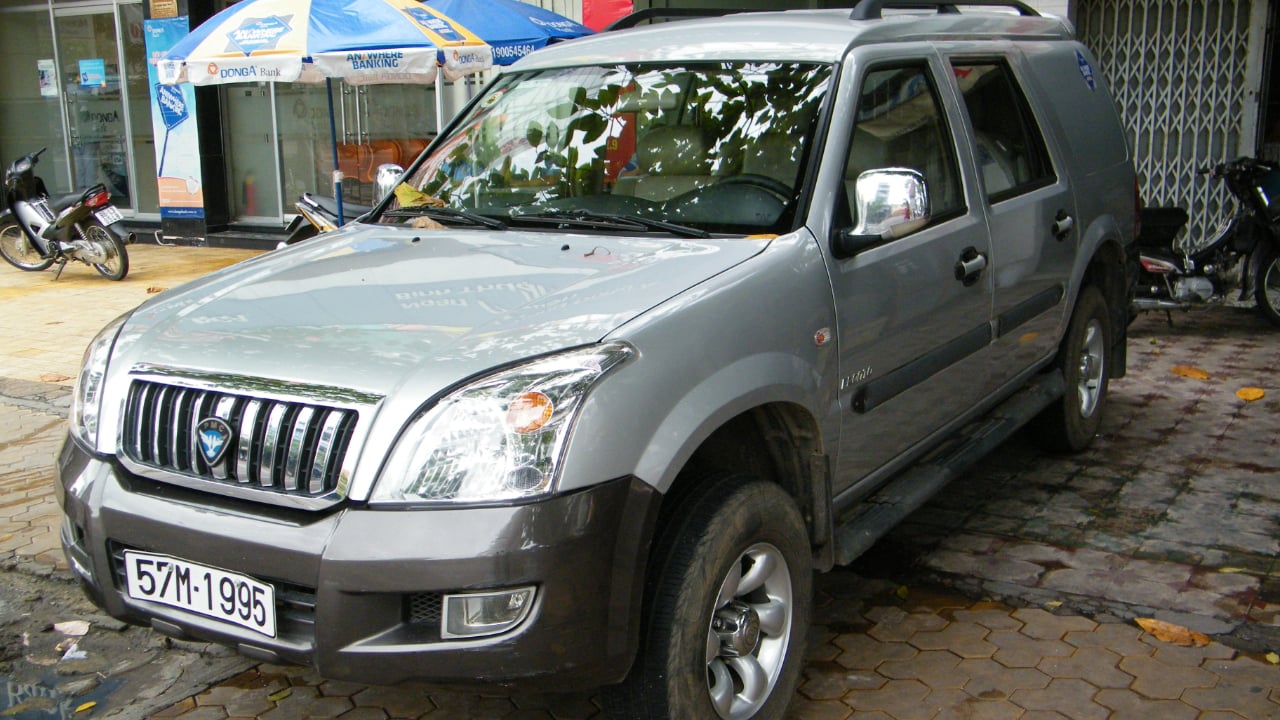
Ever wondered what the rules are for owning a car in North Korea? Everyone knows how isolated the country is from its Asian neighbours and the rest of the world, but its car market is one aspect that is all the more intriguing.
As is widely known, North Korea operates under the authority of the Supreme Leader, and the country is characterised by restricted freedoms, tight control, and heavy censorship.
This strict system also extends to transportation and car ownership, where vehicles are tightly regulated and often reserved for the country’s elite. The country is also famous for its large military parades, which prominently feature rows of military vehicles celebrating its history and power.
But recent law changes has led to an increase in private car ownership.
The Newest Regulation
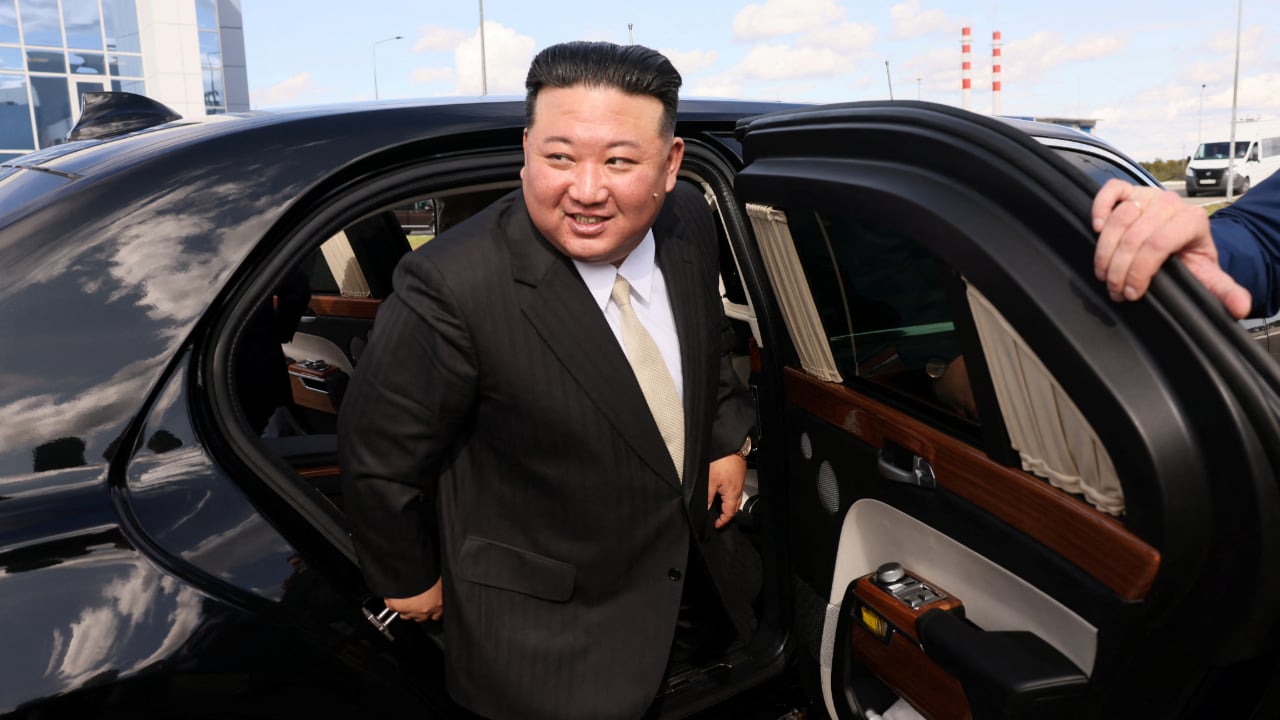
Prior to new regulations introduced in 2024 and 2025, very few citizens in North Korea owned cars. However, a new law has officially allowed private individuals to register vehicles under their own names for the first time.
According to The Diplomat, Article 58 of North Korean civil law has long permitted vehicle ownership, but due to “prohibitive costs, bureaucratic hurdles, and movement restrictions,” most North Korean citizens who could afford a car chose to register them under state enterprises or government agencies. Although the cars were officially registered to state organisations, they were usually used as private vehicles by individuals.
Those wishing to purchase a vehicle are required to explain how they obtained the money to buy it, with authorities only allowing certain categories of “legal foreign income.” Affordability isn’t the issue; it’s stated that meeting requirements is incredibly difficult to obtain.
Because of these rules, many wealthy North Koreans still register their cars under company or state organisation names and pay a fee to use their licence plates. This makes it easier for them to travel, face fewer checks from authorities, pass through checkpoints more easily, and avoid extra paperwork.
Which Car Manufacturers Operate in North Korea
Two main vehicle manufacturers operate in the country: Pyeonghwa Motors and the Sungri Motor Plant. Cars and trucks are produced in extremely limited numbers.
Pyeonghwa Motors, established in 1999, was originally formed as a joint venture in the city of Nampo between Pyeonghwa Motors of Seoul, linked to the Unification Church founded by Sun Myung Moon, and North Korea’s state-owned Ryonbong General Corporation.
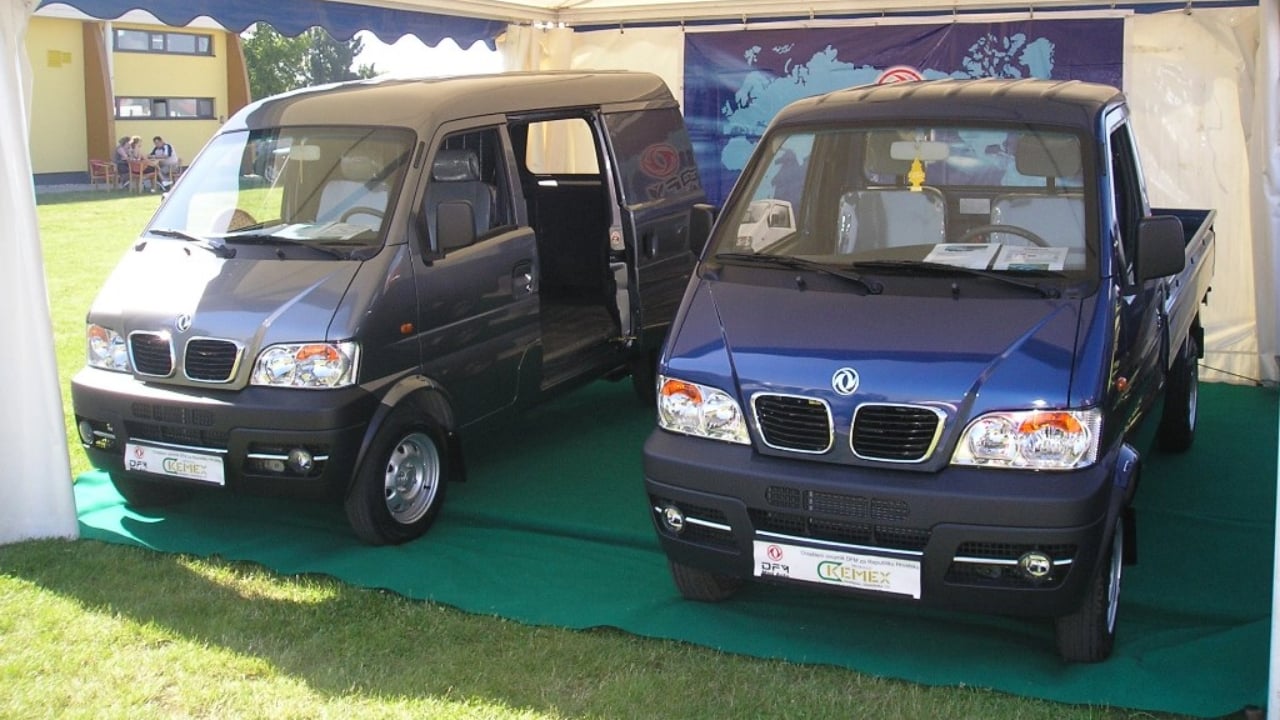
The company assembled vehicles using imported parts and technology from foreign manufacturers, including Fiat and several Chinese automakers. Production began in the early 2000s, but output remained very small due to limited demand and the high cost of vehicles in North Korea.
The company produced models such as the Hwiparam sedan, the Pronto SUV, and the Junma luxury car, many of which were assembled from knock-down kits imported from China or based on designs from foreign manufacturers.
The Sungri Motor Plant, located in Tokchon, is the older of the two manufacturers and produces trucks, buses, and some passenger vehicles, often based on foreign designs or copies of earlier Soviet models.
So, How Many North Koreans Actually Own a Car?
Unsurprisingly, North Korea has very few cars on the road. For a country with a population of approximately 26.5 to 26.6 million people, YouTuber Donut reported an estimated figure of 30,000 cars in the country, stating that this equals roughly one for every 800 people.

In contrast, the United States has an estimated 600 times more, putting the total at around 18,000,000 cars, and that does not include trucks as a total figure.
Admittedly, the number of people living in the United States is far greater, but the extremely small number of cars seen on North Korean roads shows how underdeveloped the country’s car industry is.
There are no well-known global brands commonly seen around the world, only vehicles inspired by foreign models that are not sold under the original brand names.
To end with a final thought, the average North Korean citizen would know very little, if next to none, about any of this.