

A new class action lawsuit filed against Volkswagen Group of America alleges that numerous Volkswagen and Audi models with the 2.0‑liter TSI engines suffer from systemic defects that compromise performance, reliability, and resale value.
Filed in the U.S. District Court for the District of New Jersey, the lawsuit claims that these engines, known as EA888, have defective piston rings that allow excessive oil to enter the combustion chamber. This defect, the lawsuit claims, is responsible for a cascade of mechanical issues.

The affected vehicles include the 2018‑2021 Volkswagen Tiguan, 2018‑2023 Volkswagen Atlas, 2018‑2022 Volkswagen Passat, 2018‑2024 Volkswagen Jetta GLI, as well as Audi models such as the 2018‑present Q3, Q5, and Q7.
The owners of these models often report significant oil consumption, frequent leaks, and engine performance problems that persist even after dealership repairs.
Owners Speak Out: Stalled Highways and Recurring Leaks
Plaintiffs describe a troubling pattern of failures. Alabama resident Lauren Reece, driving her 2021 Volkswagen Tiguan, noticed her check engine light activate while the SUV was running rough and unable to accelerate past 40 mph.
Diagnostic work revealed a cracked oil pan, a failed PCV valve, and issues with the upper timing cover and seal. Though Volkswagen replaced the components, Reece argues that the repairs were only partially effective because they were done with parts that were equally prone to failure.
She also claims the Tiguan’s market value has tanked due to these defects.
Another plaintiff, Margaret Ponder, experienced similar problems with her 2021 Volkswagen Atlas.

Her Atlas, too, developed oil leaks from the upper timing cover, along with failed PCV and N80 valves. Despite repairs being done on the car, Ponder maintains that her vehicle remains defective.
Other plaintiffs report repeated oil top-offs between scheduled maintenance intervals, fouled spark plugs, and persistent engine issues. Texas resident Loretta Moutra has experienced a series of leaks across multiple Volkswagen Tiguan models she has leased, illustrating the longevity and recurrence of the defect.
The Root Cause: Piston Rings That Don’t Hold Tension
The lawsuit addresses the root of these problems. According to court filings, the piston rings in these EA888 engines do not maintain sufficient tension, permitting oil to enter the combustion chamber.

Burning oil leads to carbon buildup that damages critical components such as the PCV valve, while increased crankcase pressure causes gaskets and seals to fail. This chain reaction results in oil leaks, fouled spark plugs, and poor engine performance.
The plaintiffs further claim that dealerships are often unable or unwilling to provide effective solutions under warranty, leaving consumers with ongoing issues.
Legal representatives for the plaintiffs, including Carella Byrne Cecchi Brody Agnello and Beasley Allen, Crow, Methvin, Portis & Miles, seek compensation for repair costs, diminished vehicle value, and other damages caused by these alleged defects.
The case, Reece, et al., v. Volkswagen Group of America, Inc., et al., aims to consolidate the claims of affected Volkswagen and Audi owners into a single class action, potentially impacting thousands of vehicles across the United States.
The Stakes for Volkswagen
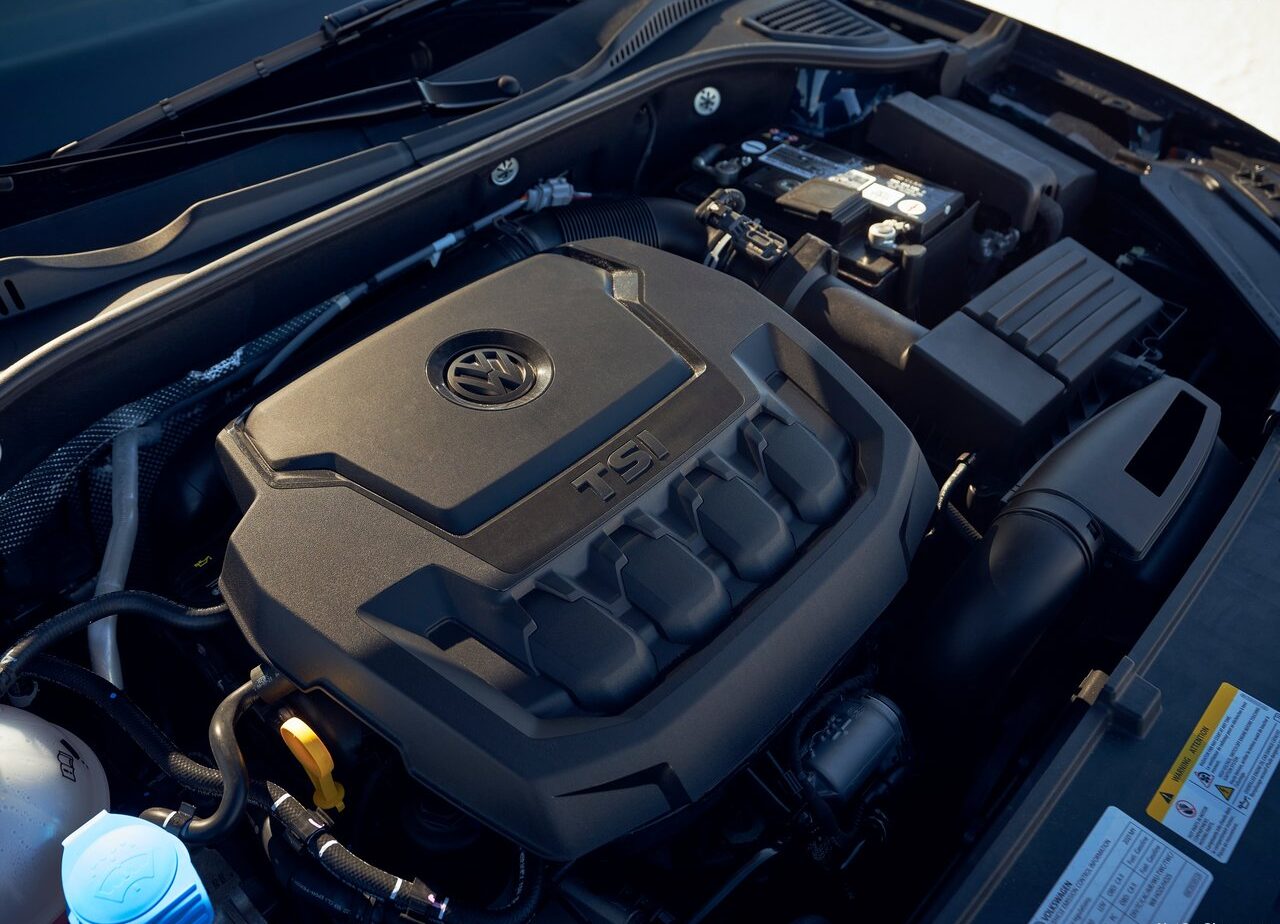
The allegations reflect long-standing concerns among EA888 2.0‑liter TSI engine owners. Previous complaints and minor recalls have addressed oil consumption and PCV valve issues, but this lawsuit suggests the problems are more systemic than previously acknowledged.
Consequently, the economic and operational impact on affected owners is substantial, considering that the affected cars require constant maintenance and suffer from reduced resale value.
Volkswagen and Audi have not yet issued a public statement regarding the lawsuit. But if the claims are validated in court, the company may face significant financial liability and reputational damage.
This legal action reinforces the importance of addressing known mechanical defects promptly and effectively, particularly for engines used across multiple high-profile models.
Sources: Car Complaints