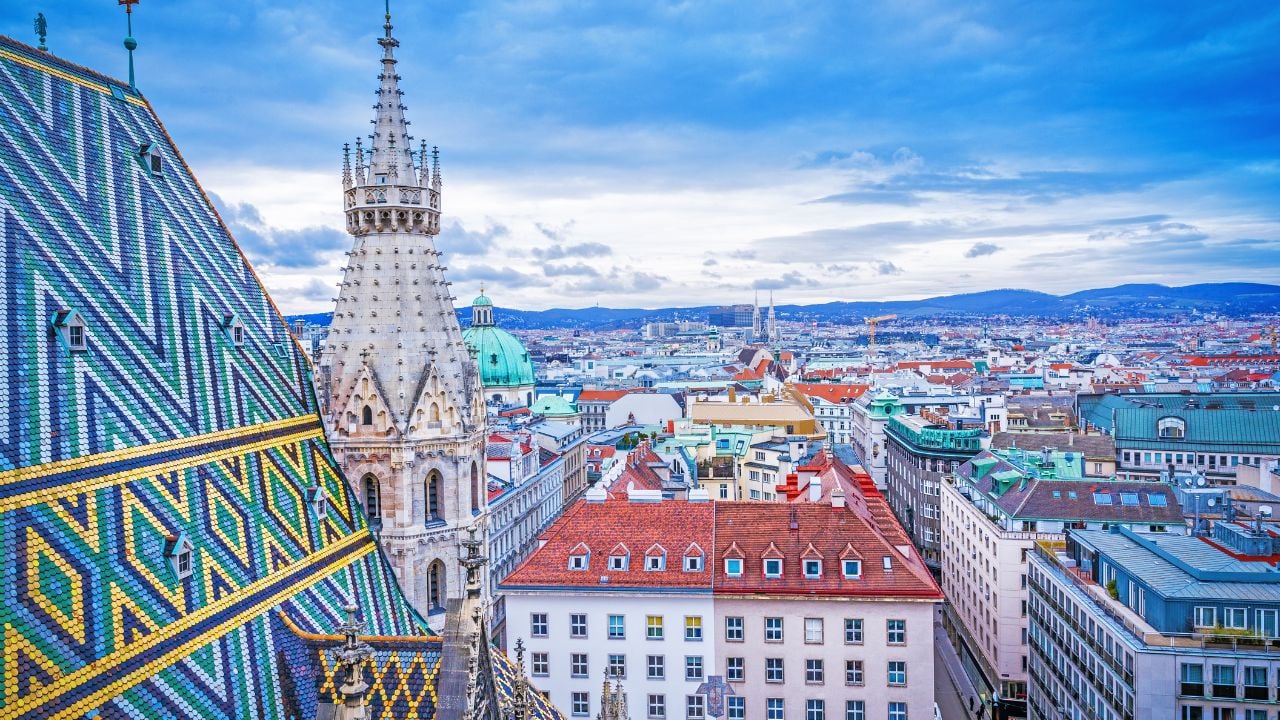
Europe can turn into a highlight reel very quickly. One stop brings sunsets in the west; the next brings a late-night meal in a train station with a name that still feels impossible to pronounce. After enough cities, the novelty starts to wear off, and places begin to invite a different kind of judgment: not just as somewhere to visit, but as somewhere that could actually work for daily life. That is when one city can quietly pull ahead.
Vienna did not stand out by being the loudest or the trendiest. It stood out because daily life felt easy, and “easy” is wildly underrated when imagining a forever home. Streets made walking feel natural, public transport felt like a superpower, and the city stayed lively without constantly demanding attention. Among a long list of beautiful European cities, Vienna was the one that felt genuinely livable.
1. Vienna, Austria: The City That Kept Passing Every Real-Life Test
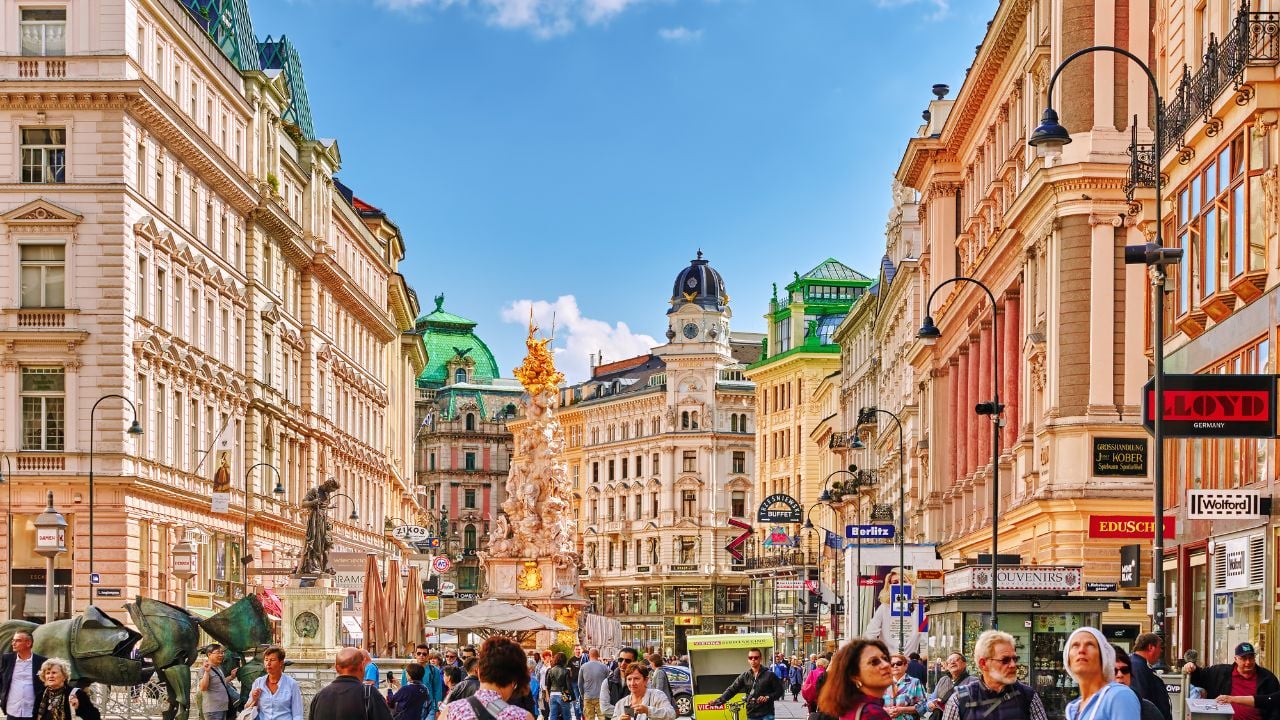
Vienna still feels immediately legible, like a place that wants people to settle in rather than solve it. The pace has energy, but it rarely tips into chaos. Even a first day there can create that rare feeling that a routine would be easy to build.
What makes the city especially convincing is how balanced it feels across different moods. A grand boulevard and a quiet side street can sit only a few minutes apart, so Vienna lets residents choose their own volume. One evening can be opera, another can be sneakers and a canal-side drink, and both feel entirely normal. That range is what makes a place feel livable instead of merely impressive.
2. Walking Here Feels Like The Default Setting
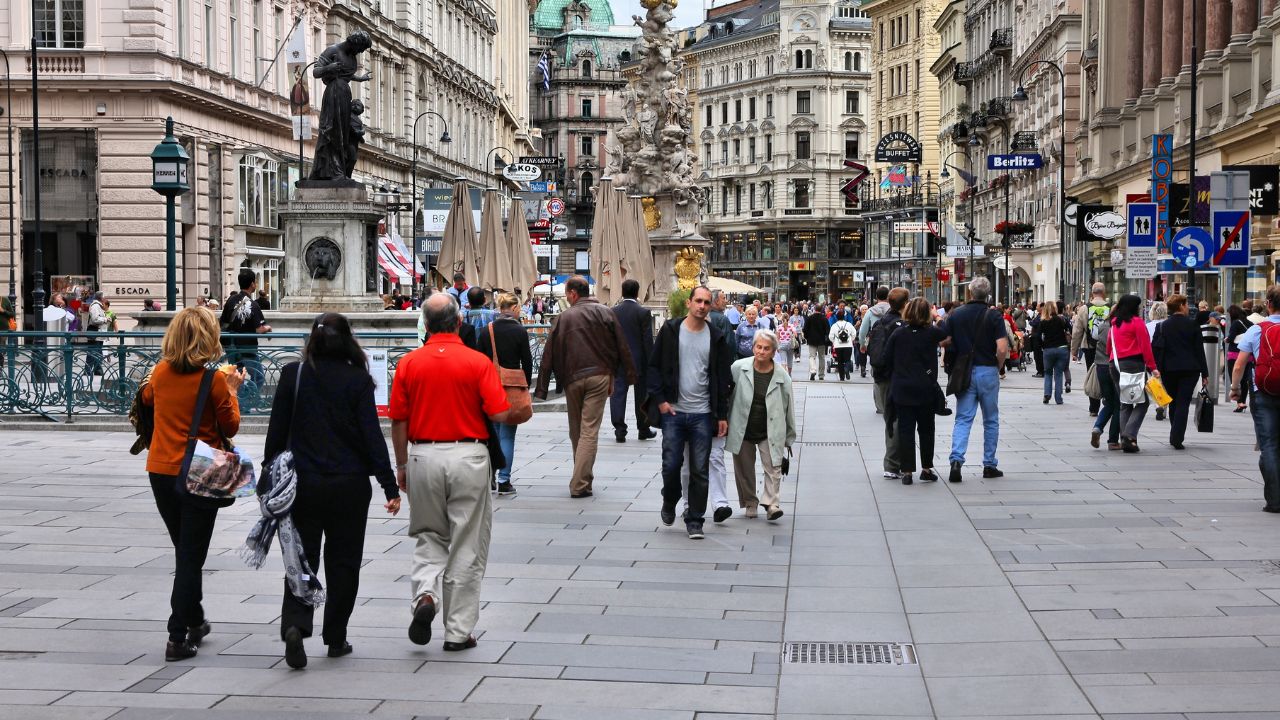
Vienna’s historic center rewards wandering, especially around St. Stephen’s Cathedral and the pedestrian-friendly core around it. Long stretches feel built for strolling, with shopping streets and squares that connect without constantly pushing people back into traffic. The city has that useful “keep going, something good will appear” layout that makes walks run longer than planned. Even when the weather turns moody, the streets still feel inviting.
Part of the appeal is how many small destinations fit into one walk. A museum stop can slide into a coffee break, which turns into a market browse, which ends up as dinner. That rhythm is the difference between a place that is toured and a place that is lived in. When a city makes walking feel this natural, days start feeling bigger in a good way.
3. Public Transport That Makes You Forget You Ever Needed A Car
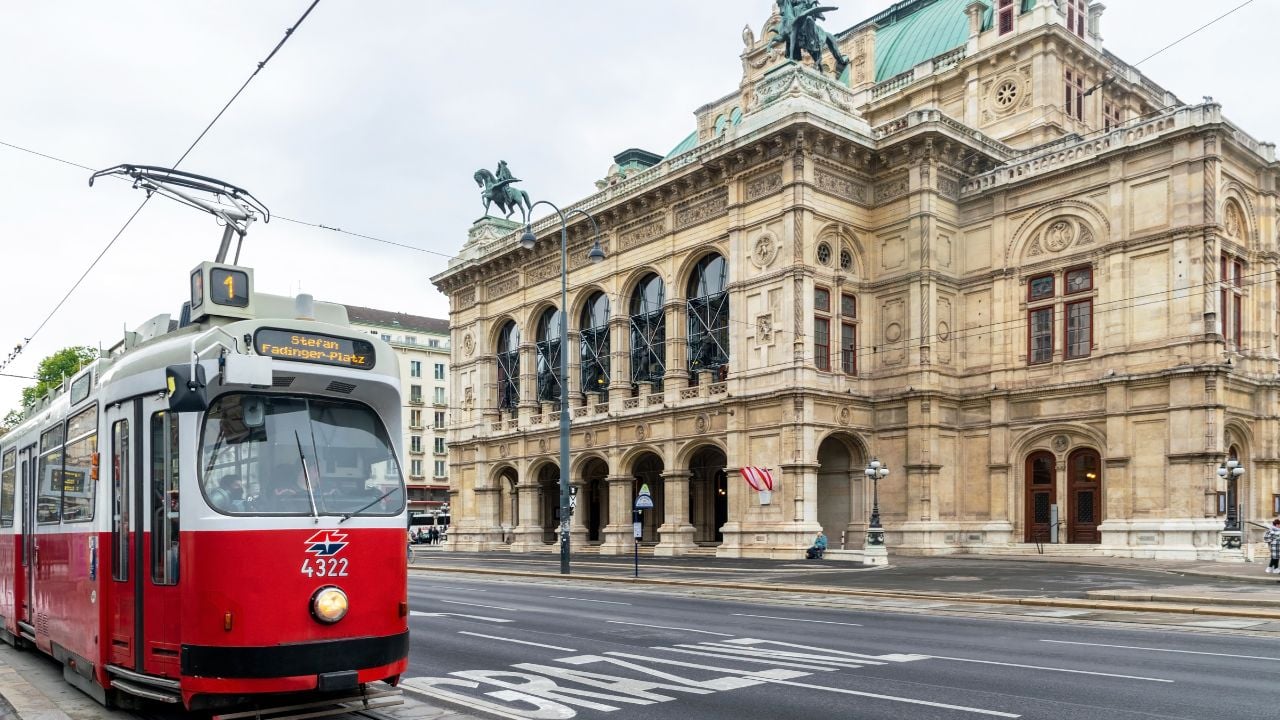
Vienna’s transit network is the opposite of stressful travel logistics. Trams, buses, and the U-Bahn connect neighborhoods in a way that feels dependable rather than aspirational. Plans across town do not require treating the commute like a separate event. For long-term living, that kind of reliability is a form of freedom. It changes how spontaneous an ordinary Tuesday can feel.
The pricing also signals that the system is meant to be used, not merely admired. As of 2026, Wiener Linien lists the annual pass at €461 for the digital version and €467 for the physical card, which is serious value in a capital city. Trips stop feeling like choices to ration and start feeling like part of normal life. The result is a city where exploration feels casual rather than budget-dependent.
4. Coffeehouses, Markets, And The Kind Of Everyday Food Scene You Actually Use
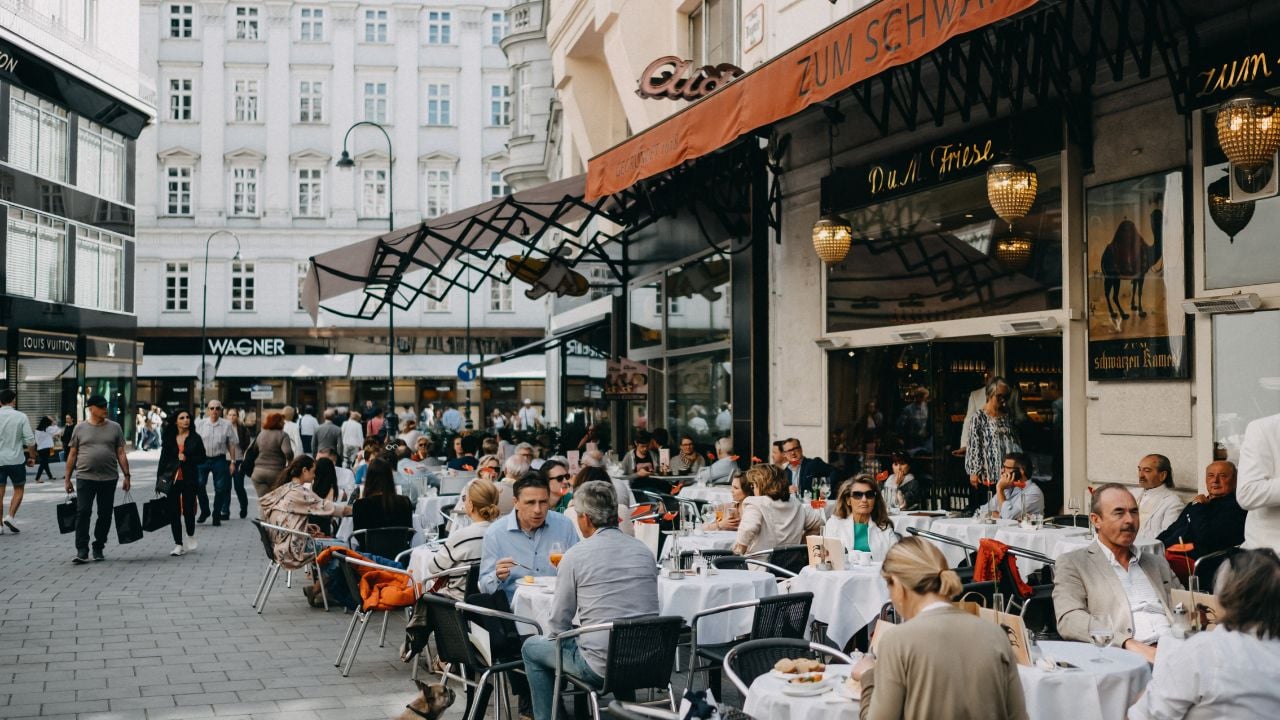
Vienna’s coffeehouse culture is not a tourist prop; it is a real habit people can plug into. There is a particular pleasure in sitting down somewhere that still rewards lingering, even if the newspaper has been replaced by a phone screen. The pace feels less transactional than in a lot of major cities. After moving quickly between sights, that softness can feel like oxygen.
Naschmarkt and the smaller neighborhood markets add another layer of daily joy. It is easy to grab something quick, browse spices, or piece together a meal without turning the process into a mission. Eating well here does not require a special occasion, and that matters when imagining an ordinary Tuesday instead of a perfect weekend. A forever-home city needs dependable comfort, not just famous restaurants.
5. Green Space Is Everywhere, So The City Never Feels Claustrophobic
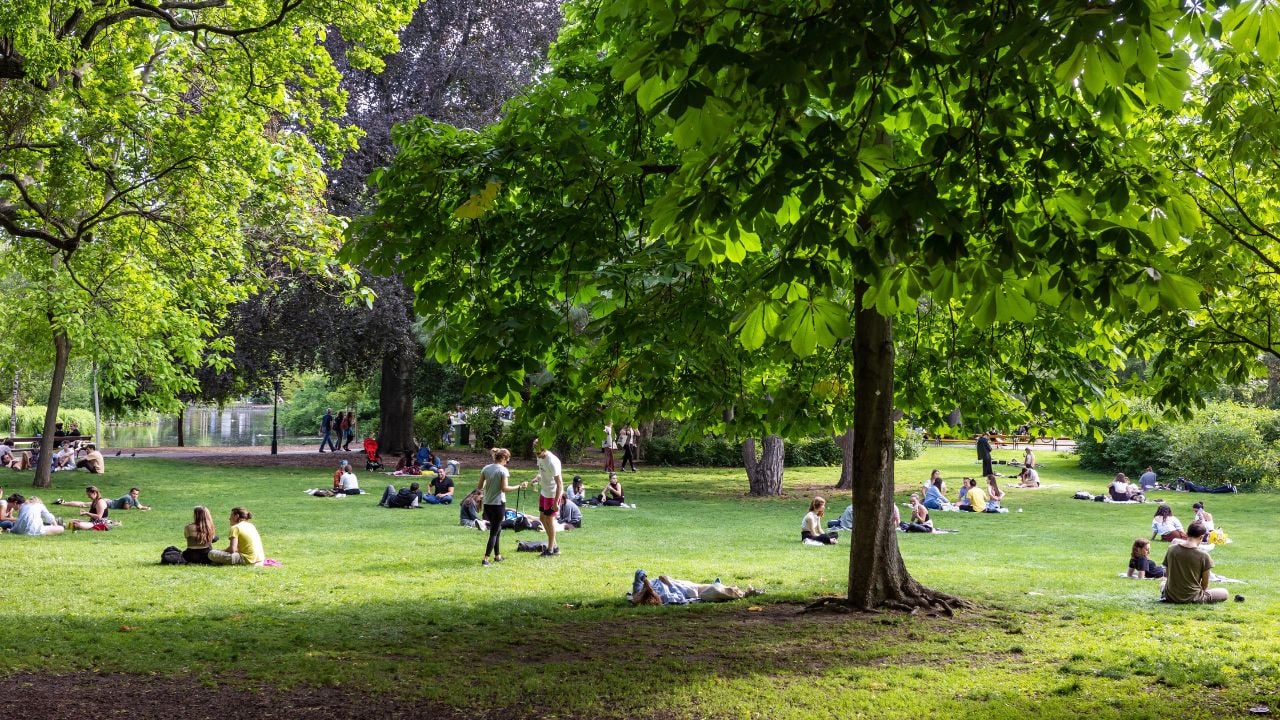
Some capitals feel like they are made of stone and schedules. Vienna has big green spaces woven into the map, so breathing room never feels far away. The Prater gives residents wide-open space that feels almost unfair for a major city, and Danube Island adds that long, linear escape where a walk can keep going until the noise of the week fades down. It is the kind of setup that makes a crowded week feel smaller.
What stands out most is how easy it is to add nature to a normal day. A quick ride gets people to paths, lawns, water, and places where locals look genuinely off-duty. That changes the relationship with the city, because the outdoors stops being a weekend-only plan. When green space is this accessible, a healthier lifestyle takes less effort to maintain.
6. Culture That Feels Like Part Of The Week, Not A Once-A-Year Splurge
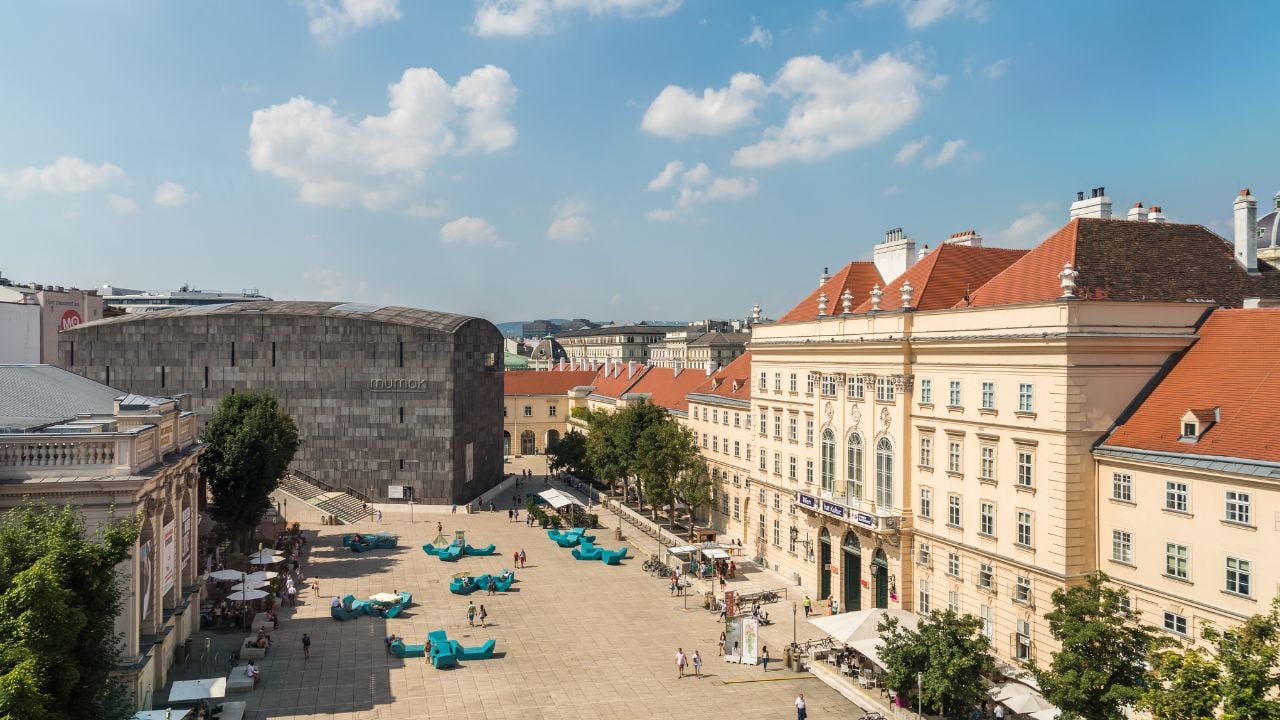
Vienna’s cultural depth is famous, but what matters for everyday life is how reachable it feels. Museums, concert halls, and classical music are not hidden behind “special trip” energy. It is possible to dip in for an evening and still feel like a normal person the next morning. The city has a way of making high culture feel usable. That makes an ordinary week feel richer without demanding a grand occasion.
The same is true of MuseumsQuartier, where exhibitions, cafés, and open-air hangouts overlap easily. That mix keeps Vienna from feeling trapped inside a postcard. Some European capitals feel either historic or modern, with no real handshake between the two. Vienna manages both, which makes it easier to imagine a long-term life that stays interesting.
7. A City That Handles Real Life, Not Just Weekend Energy
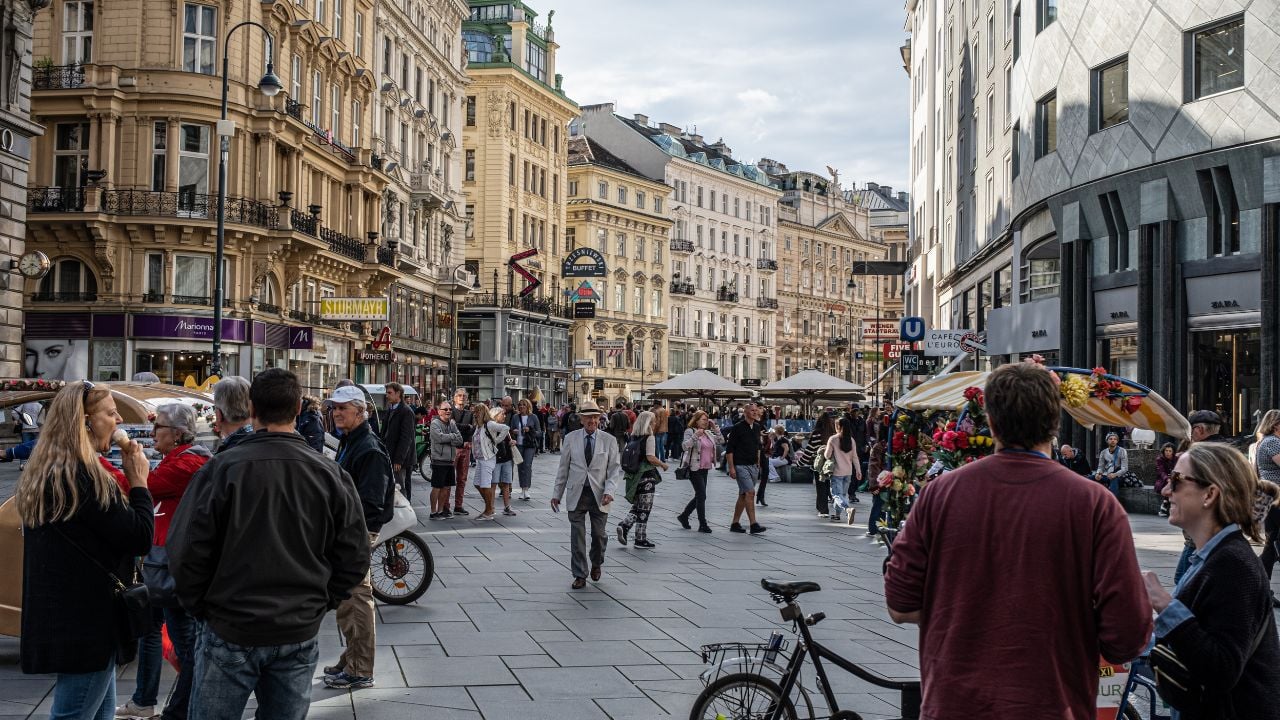
Travel cities can be incredible and still wear people out. The best ones for living are the places that make errands feel painless rather than heroic. In Vienna, the basic systems feel calm: getting around, grabbing groceries, meeting a friend, and changing plans without everything turning into a hassle. That matters more than people often admit when they talk about dream cities. A forever-home place has to support ordinary days, not only peak moments.
Even the small details add up. Side streets feel usable rather than leftover, and neighborhoods have their own rhythm instead of blending into one giant tourist corridor. It is the kind of city where a day with nothing dramatic planned can still feel satisfying. That is the real test of livability. A city should not need fireworks to be worth your time.