Busy sidewalks can make anyone careless, especially when a friendly-looking stray appears near a food stall or a temple gate. The real danger is not always the animal’s mood, but what a quick bite or scratch can expose you to in places where dog-mediated rabies still circulates. Globally, dog bites and scratches cause about 99% of human rabies cases. Once symptoms begin, rabies is fatal.
Health agencies are blunt about the fix: prompt medical care and post-exposure prophylaxis (PEP), which includes wound care plus a vaccine series, and sometimes immune globulin depending on the situation. This treatment is nearly 100% effective when started quickly after exposure, but access can be uneven outside major hubs. The countries below appear on CDC destination pages with explicit notes that dogs infected with rabies are present and, in some locations, that vaccines may only be available in larger suburban or urban medical facilities. For PEP basics, see CDC PEP guidance.
1. India
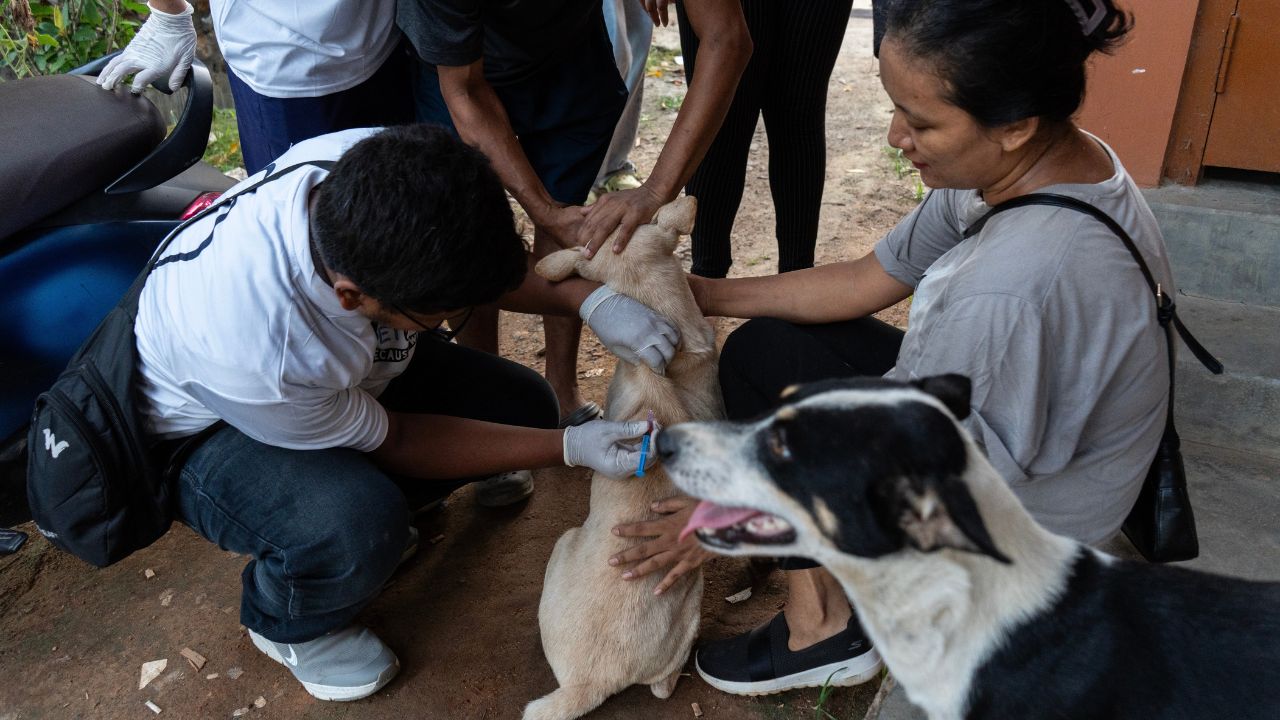
Street scenes in India often include free-roaming dogs around markets, stations, and neighborhood corners, and CDC traveler guidance notes that dogs infected with rabies are commonly found. That does not mean every encounter is risky, but it does mean a casual pet or selfie moment can carry real consequences. If an injury happens, the same guidance emphasizes getting evaluated quickly.
Lower the odds with simple habits: keep snacks sealed, skip feeding, and give space to any animal guarding food or pups. Plan your first day so you already know where a reputable clinic sits near your hotel, rather than searching from a curb. CDC describes the vaccine as typically available throughout most of the country, which helps, but the smoothest outcome still depends on acting fast.
2. Indonesia

Beach promenades and resort lanes can look relaxed, yet CDC traveler guidance for Indonesia says dogs infected with rabies are commonly found. A playful-looking puppy near a café can be the exact trap that catches confident travelers. The right response is not panic; it is boundaries.
Treat contact like a professional would: observe from a distance, keep hands to yourself, and move on if an animal follows. If a nip or scratch occurs, medical attention should be immediate because rabies prevention is time-sensitive. CDC notes the vaccine is typically available throughout most of the country, so the critical step is getting to care without delay.
3. Philippines

Island hopping often brings you through ports, alleys, and beach access roads where strays cluster near food and shade. CDC traveler guidance for the Philippines lists dogs infected with rabies as commonly found, so casual contact carries more downside than most people expect. Photos are not worth a shot series.
Keep your routine simple: closed-toe shoes at night, no feeding, and no reaching toward unknown animals, even if they seem calm. After any scratch, CDC guidance recommends prompt medical evaluation because PEP needs to begin before symptoms. The vaccine is described as typically available throughout most of the country, which only helps if you seek care right away.
4. Thailand

Night markets and temple areas can feel safe and orderly, yet CDC traveler guidance for Thailand notes dogs infected with rabies are sometimes found. That “sometimes” is exactly why complacency bites back, especially during long evenings when attention fades. Add alcohol or loud streets, and judgment gets softer.
Choose prevention that fits real life: do not touch, do not tease, and do not assume a collar means protection. If contact breaks skin, urgent care matters because rabies is preventable only with quick PEP. CDC notes the vaccine is typically available throughout most of the country, so your job is speed, not debate.
5. Vietnam

Vietnam’s street culture is lively, and in that bustle, dogs can appear near storefronts, sidewalks, and quieter residential pockets. CDC traveler guidance for Vietnam notes dogs infected with rabies are sometimes found, which is enough to treat every unknown animal as hands-off. A tiny scratch can still become a big problem.
Avoiding trouble is mostly posture and pacing: keep moving, do not crouch to greet, and do not let kids wander toward strays. If an incident happens, CDC guidance stresses prompt PEP before symptoms begin. The same destination page notes vaccines are typically available throughout most of the country, which helps most when you act immediately.
6. Nepal

Trekking routes and city lanes can put you near animals accustomed to humans, and Nepal’s CDC traveler page states dogs infected with rabies are commonly found. What makes Nepal stand out is logistics: the same guidance notes that the vaccine may only be available in larger suburban or urban medical facilities. That gap turns a small mishap into a race.
Build a buffer into your plan by identifying care options in Kathmandu or other major hubs before heading to remote trailheads. Give strays wide space around lodges and tea houses, especially early in the morning when streets are quiet. If an exposure occurs, the CDC message is simple: reach safe PEP fast, and consider insurance that supports medical evacuation if you will be far from major facilities.
7. Morocco
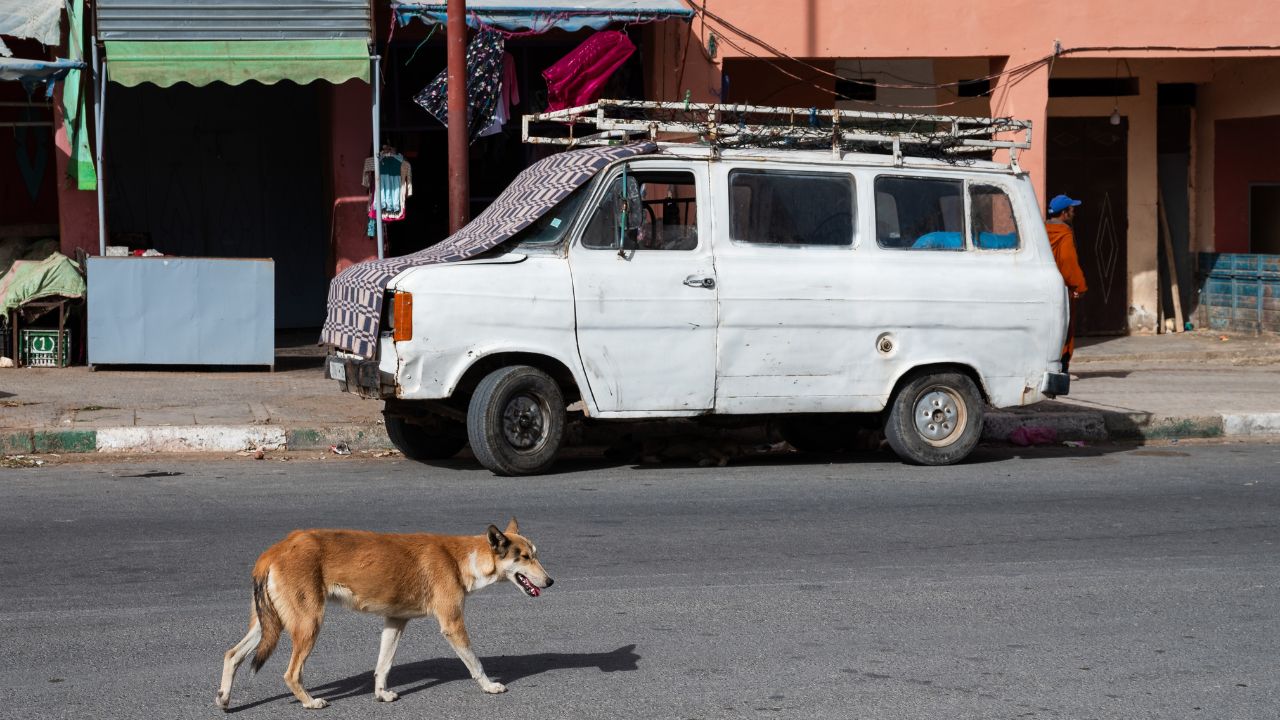
Medinas, markets, and port cities can include free-roaming animals near food scraps, and CDC traveler guidance for Morocco notes dogs infected with rabies are commonly found. That does not mean a trip is unsafe, but it does mean caution is smarter than friendliness. A CDC Travel Health Notice has also reported a rabies case in a traveler from Morocco, which underlines that exposures do happen.
Practical behavior goes a long way: keep distance, avoid touching, and step away from any animal acting strangely or guarding territory. If a bite or scratch occurs, seek medical care immediately because PEP works best when started quickly. CDC notes the vaccine is typically available throughout most of the country, which reduces risk when you respond fast.
8. Tanzania

Zanzibar and mainland coastal towns can bring close contact with street animals near beaches and markets, and CDC traveler guidance for Tanzania notes dogs infected with rabies are commonly found. The same guidance adds a key complication: the vaccine may only be available in larger suburban or urban medical facilities. In short, the clock matters more outside big cities.
Keep your strategy low-drama: do not feed, do not pose, and do not run, since sudden movement can trigger chasing. If an injury occurs, seek medical evaluation immediately because PEP is time-sensitive. Since access can be limited, having a plan for transport to a major facility is part of smart trip design.
9. Türkiye

In Türkiye, especially in large cities, you may notice community-fed street dogs that seem calm, yet CDC traveler guidance for Türkiye (Turkey) states dogs infected with rabies are commonly found. The page also warns that vaccines may only be available in larger suburban or urban medical facilities, which can surprise visitors who assume care is equally easy everywhere. That combination makes casual contact a poor bet.
Treat every unknown animal as a no-touch zone, even if locals appear comfortable around them. After any bite or scratch, urgent care matters because rabies prevention depends on quick PEP before symptoms. Mapping nearby hospitals ahead of time keeps a minor incident from turning into a trip-ending scramble.