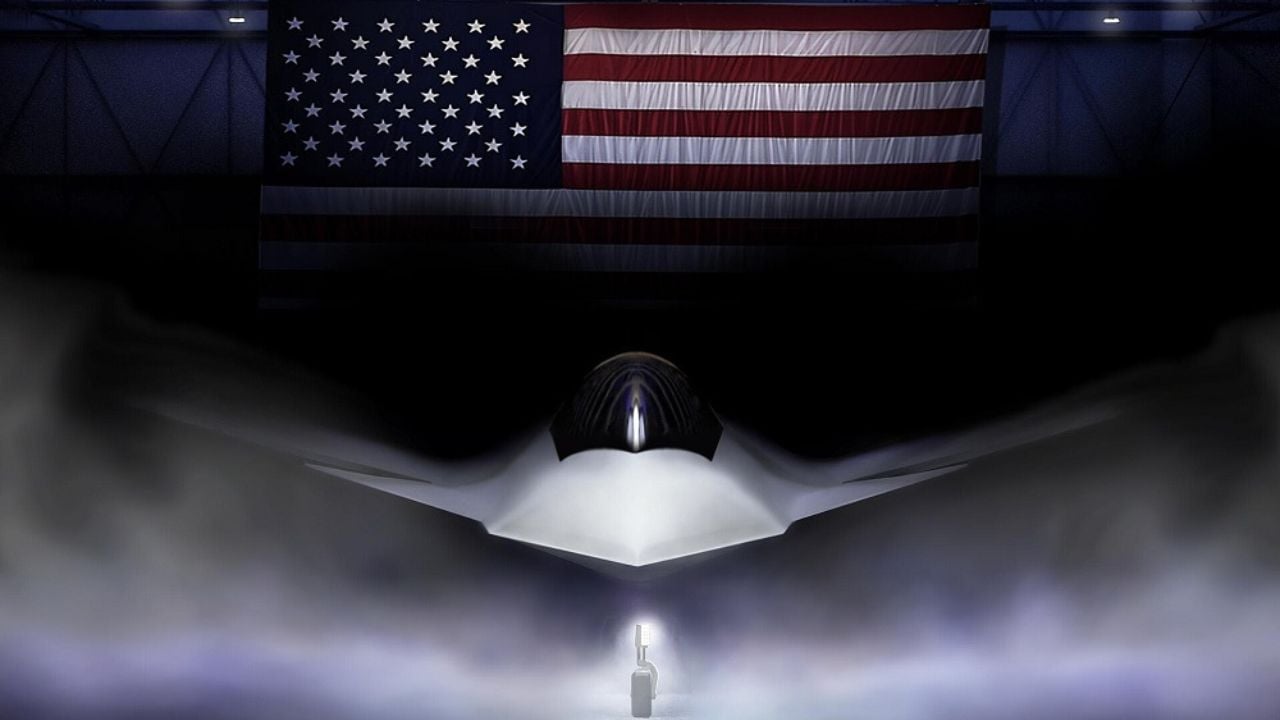
Nearly a year after President Donald Trump publicly announced the U.S. Air Force’s first sixth-generation fighter, the Boeing F-47, surprisingly little is still known about the aircraft itself.
The program remains heavily classified, with only a handful of official statements and carefully curated renderings available to the public.
Still, a short video released recently by Pratt and Whitney has put the spotlight back on the jet that is expected to succeed the Lockheed Martin F-22 Raptor in the decades ahead.
The Video Focuses On Engines, Not The Airframe
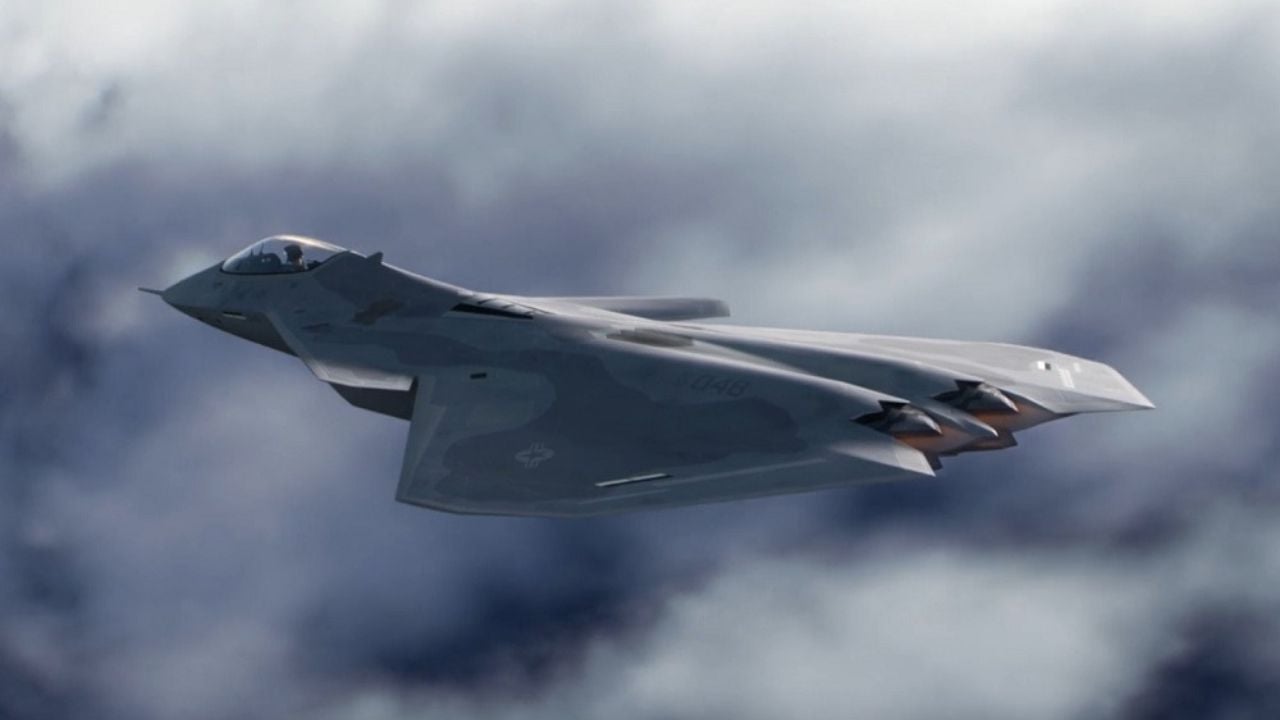
Formally, the Pratt and Whitney clip is not an aircraft reveal. It is a promotional update tied to the company’s XA103 engine effort, developed under the U.S. Air Force’s Next Generation Adaptive Propulsion program. The XA103 is Pratt and Whitney’s entry in a head-to-head competition with General Electric’s adaptive engine work, aimed at powering the future Next Generation Air Dominance system, which includes the manned fighter widely referred to as the F 47.
Adaptive cycle engines are built around the idea of flexibility. In simple terms, they can shift operating modes to prioritize fuel efficiency and heat management during long patrols, then rapidly pivot to deliver maximum thrust when needed. That promise matters for a future air dominance fighter expected to carry advanced sensors and weapons while operating at long ranges.
The Last Seconds Sparked The Buzz
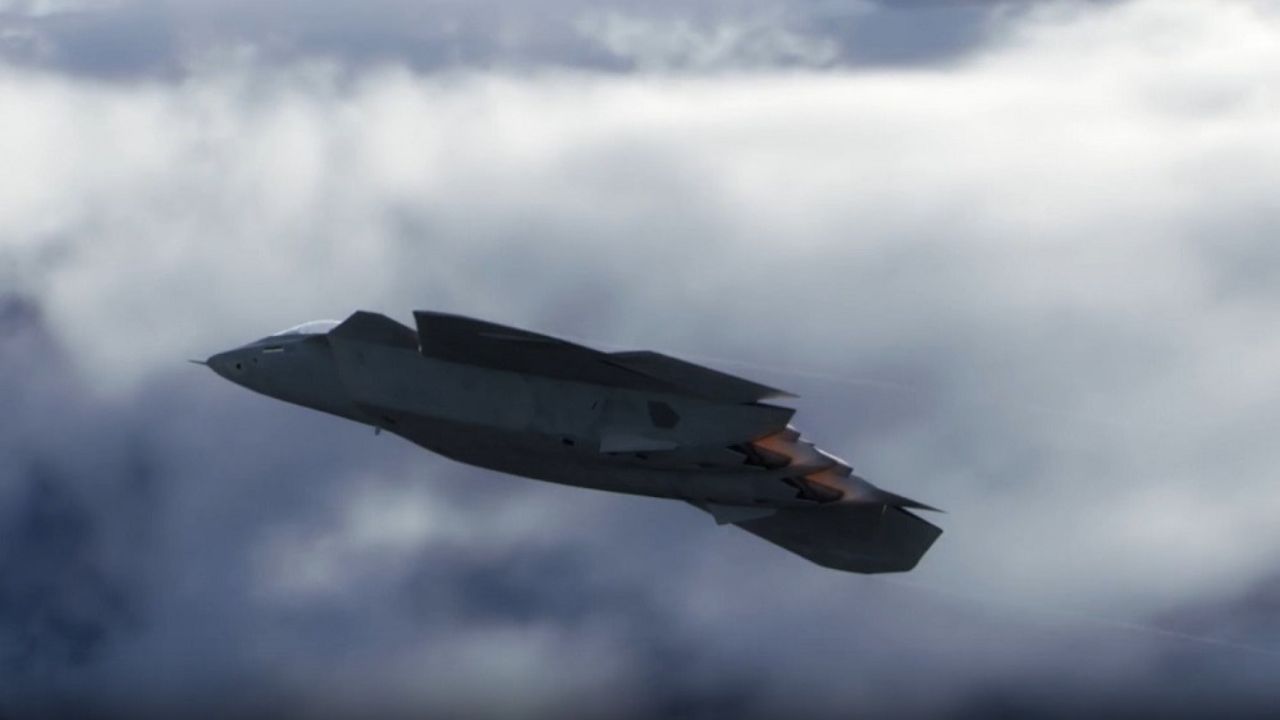
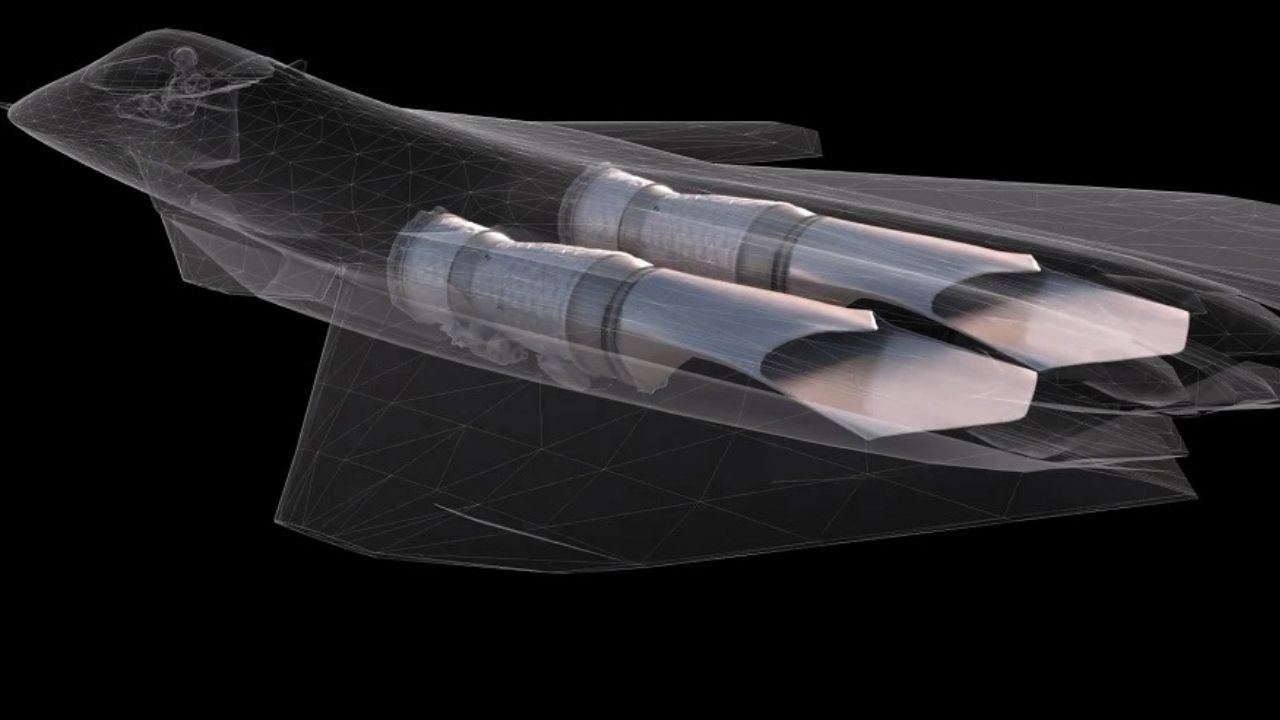
What set off the latest wave of speculation happens right at the end. The video shows two engines running in a computer-generated aircraft that does not exist as a confirmed physical prototype. Even so, the silhouette looks close to what many observers expect from an NGAD-era fighter.
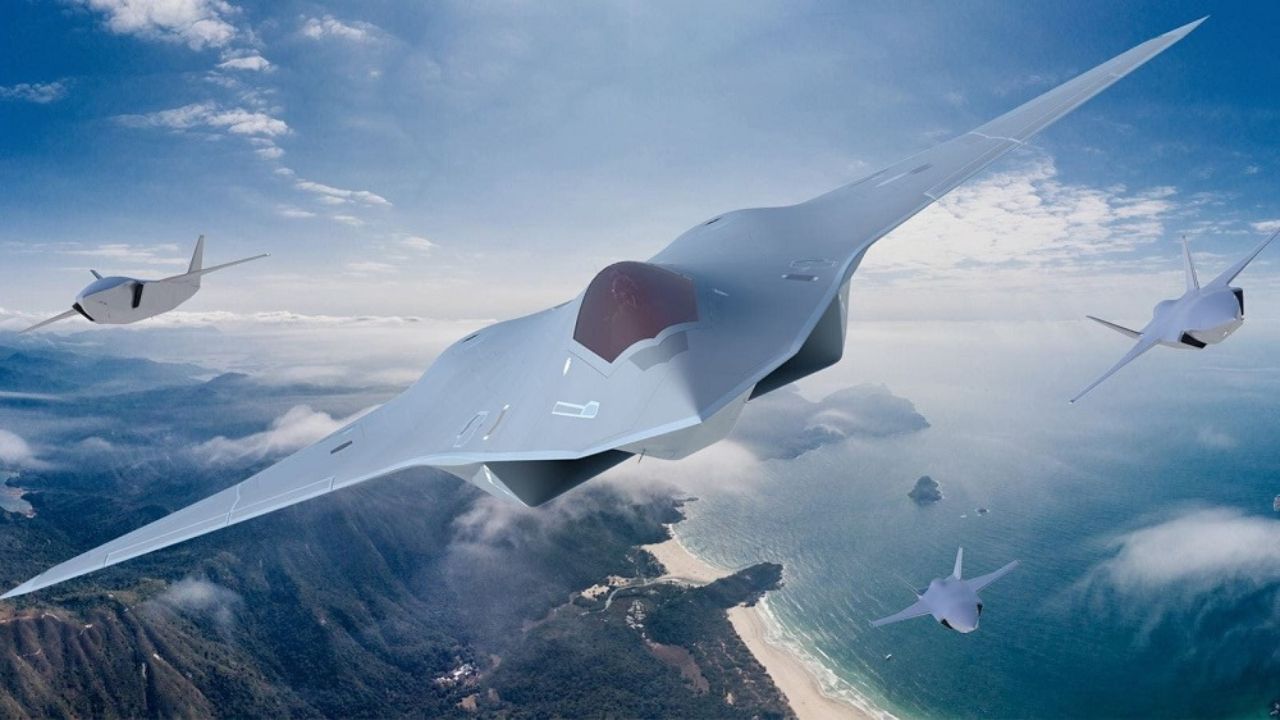
The animated jet appears to be a twin-engine, single-seat design with a blended, stealth-focused shape. The rear section appears to omit traditional vertical tail surfaces, a design direction that aligns with modern low observability thinking. The wings look trapezoidal, and there are canards ahead of the cockpit, a detail that has shown up in some earlier U.S. Air Force concept art. In the Pratt and Whitney interpretation, the air intakes appear to sit under the fuselage behind the canards. Aviation analysts have emphasized that the imagery should be treated as notional, not as a leak of the real aircraft.
What We Know About F 47 Performance Goals
Official, detailed specs remain limited, but public reporting around the program suggests the F-47 is intended to be a high-speed stealth aircraft in the Mach 2 class, which is roughly 1,300 to 1,500 mph depending on altitude and conditions. The key is not just speed, but combining speed with range, survivability, and the ability to manage heat and power demands from next-generation sensors.
A Fighter That Acts As A System Hub
The broader NGAD concept goes beyond one manned jet. The F-47 is expected to operate alongside uncrewed aircraft, sometimes described as collaborative combat aircraft or drone wingmen, with the crewed platform coordinating missions as part of a networked system. The intent is that a pilot would manage not only their own aircraft but also a wider team of uncrewed assets contributing sensors, weapons, or decoys.
Global Competition Is Accelerating
The U.S. push is happening in a global race. China has signaled its own sixth-generation ambitions with multiple reported prototype efforts, while Russia has continued discussing a next-generation interceptor concept positioned as a future successor to the MiG-31. Europe has split into two major cooperative tracks, with one program led by France, Germany, and Spain, and another involving the United Kingdom, Italy, and Japan.
For now, the aircraft shown in the Pratt and Whitney video should be viewed as a plausible artistic interpretation, not confirmation of the true F-47 shape. Still, it is a useful reminder of how close the engine competition and the broader NGAD system are to shaping what the next era of air dominance could look like.
This article originally appeared on Autorepublika.com and has been republished with permission by Guessing Headlights. AI-assisted translation was used, followed by human editing and review.