There’s a persistent myth in the car world that buying small means buying boring. The idea that you have to choose between a manageable footprint and an enjoyable drive has kept plenty of people in crossovers they don’t really need.
But today’s small cars have quietly grown up a lot. Today’s crop punches well above its weight class when it comes to ride quality, cabin refinement, and the kind of driving engagement that makes you actually look forward to your commute.
If you’ve been sleeping on this segment, it’s time to wake up.
Honda Civic
Let’s start with the one that probably needs the least introduction.
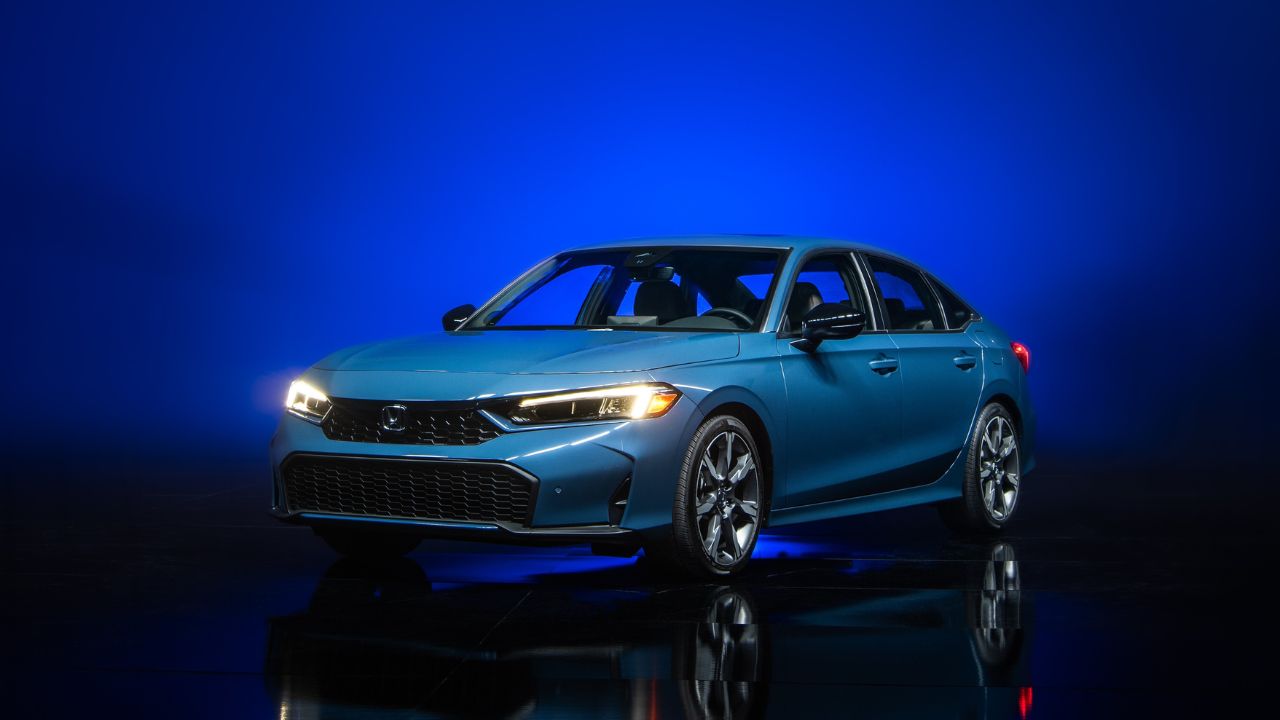
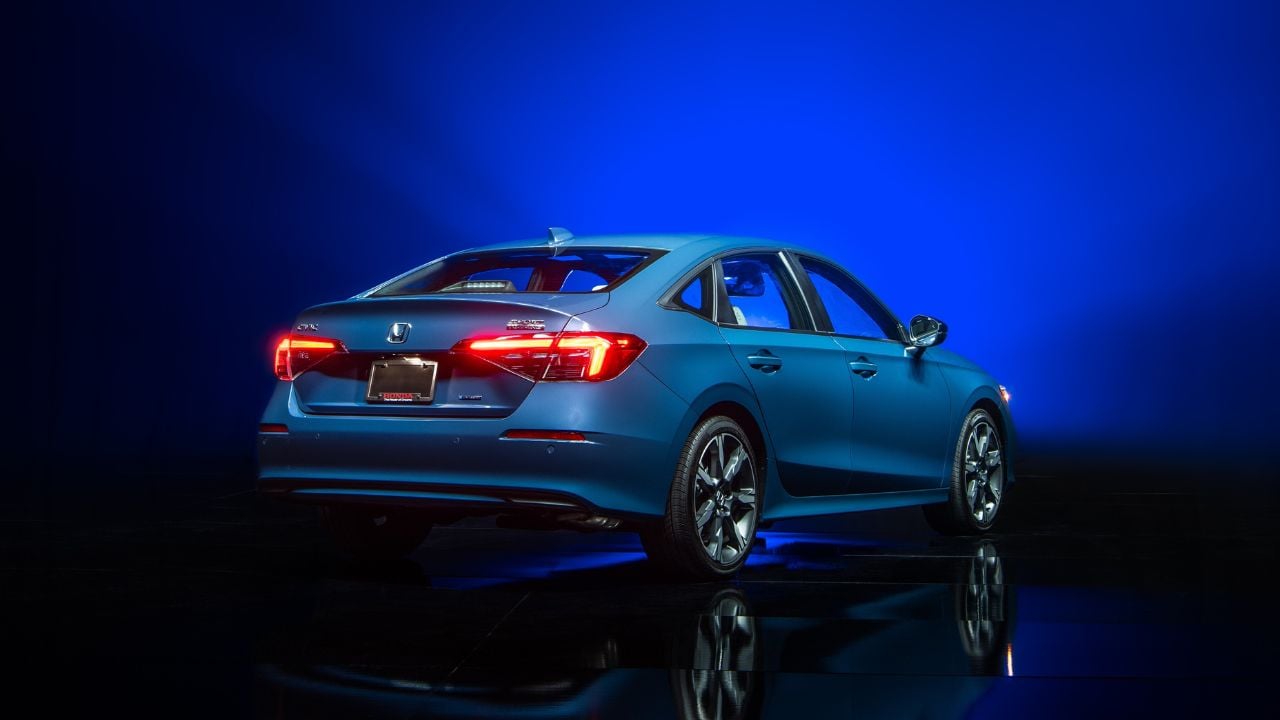
The Honda Civic has been a benchmark in this class for so long that it’s practically a rite of passage, and the current generation makes a strong case that it’s earned every bit of that reputation. The interior takes a notable step up in quality, with a clean, horizontal dashboard layout that feels genuinely modern rather than just trend-chasing.
Under the hood, today’s Civic lineup is built around a 2.0-liter four-cylinder in the nonhybrid models, plus an available hybrid powertrain on Sport Hybrid and Sport Touring Hybrid trims. Turbo power still exists in the Civic family, but the 1.5-liter turbo is now primarily tied to the Civic Si rather than the mainstream Civic trims. Handling is composed and communicative, making the Civic one of those rare cars that feels equally at home on a weekend back road as it does in bumper-to-bumper traffic.
For anyone who wants a car that does a lot of things well without requiring a lot of compromise, the Civic continues to be a dependable answer.
Mazda3
If the Civic is the reliable friend everyone likes, the Mazda3 is the one who shows up in a really sharp outfit.
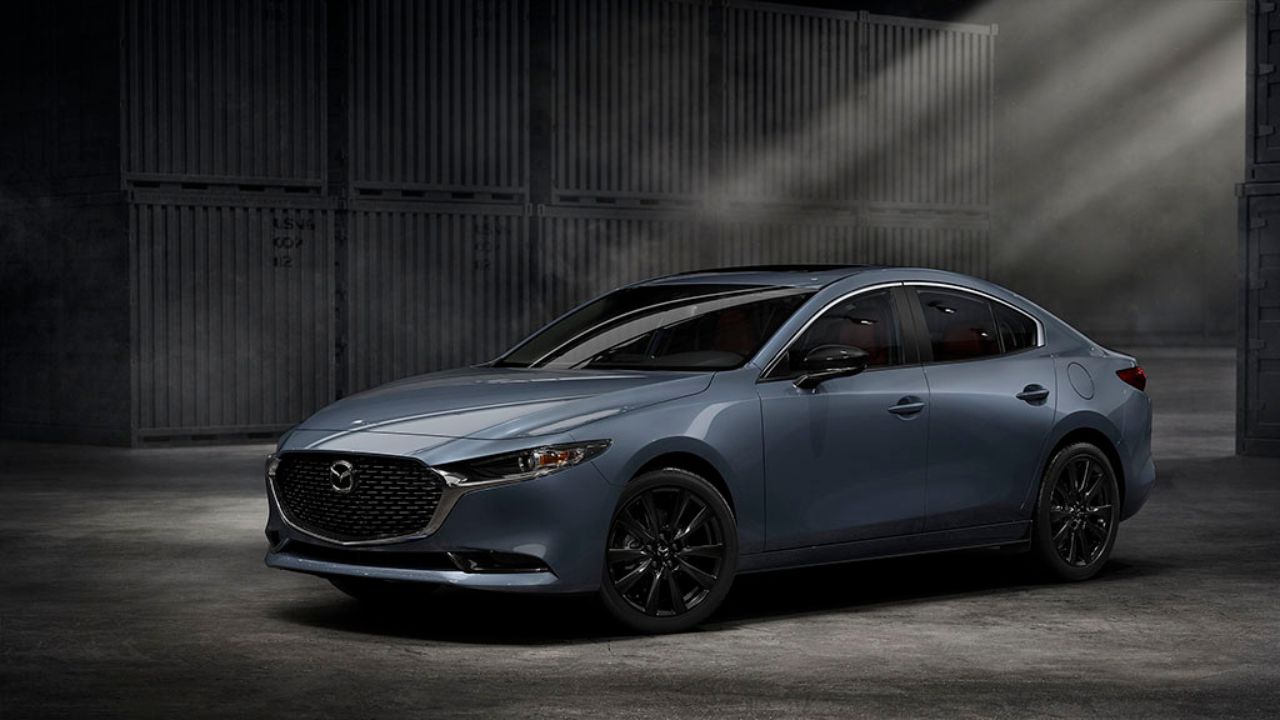
Mazda has leaned hard into premium aspirations with the current 3, and the result is a car that genuinely surprises people who climb inside expecting something modest. The cabin uses real soft-touch materials in the right places, the seats are shaped to actually support you on longer drives, and the whole thing feels thoughtfully assembled.
The available turbocharged 2.5-liter engine can make up to 250 horsepower on premium fuel, or 227 horsepower on regular fuel, and available all-wheel drive makes it one of the more unusual propositions in this class. The suspension is set up to absorb imperfections without being so soft that the car wallows through corners; it’s a balance that takes engineers real effort to dial in.
The Mazda3 is the kind of car that earns compliments from people who weren’t expecting to be impressed.
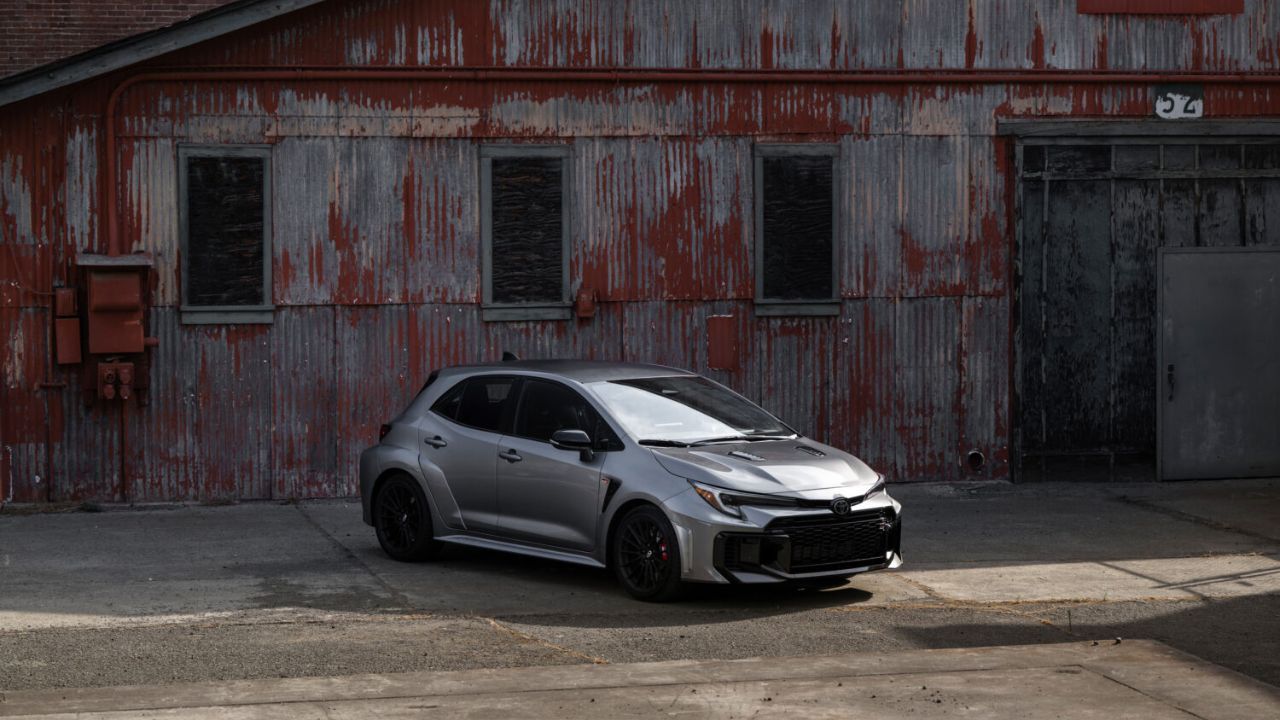
Toyota GR Corolla

Okay, so this one might require a slightly larger conversation with your wallet, but hear us out.
The GR Corolla is what happens when Toyota’s motorsport division gets involved in a people’s car, and the results are genuinely wild in the best possible way. A 1.6-liter turbocharged three-cylinder making 300 horsepower, all-wheel drive with driver-adjustable torque split, and either a six-speed manual or an available eight-speed automatic—this is not your average hatchback.
The interior keeps things relatively grounded, which works in its favor; you’re not distracted by excess when you’re focused on the road. Ride quality is firm but not punishing, landing in that sweet spot that enthusiasts tend to call “taut” rather than “rough.”
If your idea of comfort includes feeling connected to every input you make behind the wheel, the GR Corolla makes a compelling argument that performance and practicality don’t have to live on opposite ends of the spectrum.
Volkswagen Golf GTI

The Golf GTI has been quietly holding things together in this segment for decades, and there’s a reason it consistently gets brought up whenever anyone asks what a well-rounded small car looks like.
What Volkswagen manages to deliver here is a sense of solidity that you don’t always expect; close the door, and it sounds like you mean it. Under the hood is a turbocharged 2.0-liter four-cylinder good for 241 horsepower, paired with a seven-speed dual-clutch automatic, and the power delivery is smooth and confidence-inspiring. Earlier US model years offered a six-speed manual, but that option ended after the 2024 model year.
Ride quality is a genuine highlight, with a tuning that leans toward comfort without abandoning composure. The hatchback body style adds everyday practicality with nearly 20 cubic feet of cargo space behind the rear seats, which makes the GTI one of the better all-around deals in the performance car space.
It’s the kind of car that car people recommend to non-car people, and that alone says quite a bit.
Hyundai Elantra N
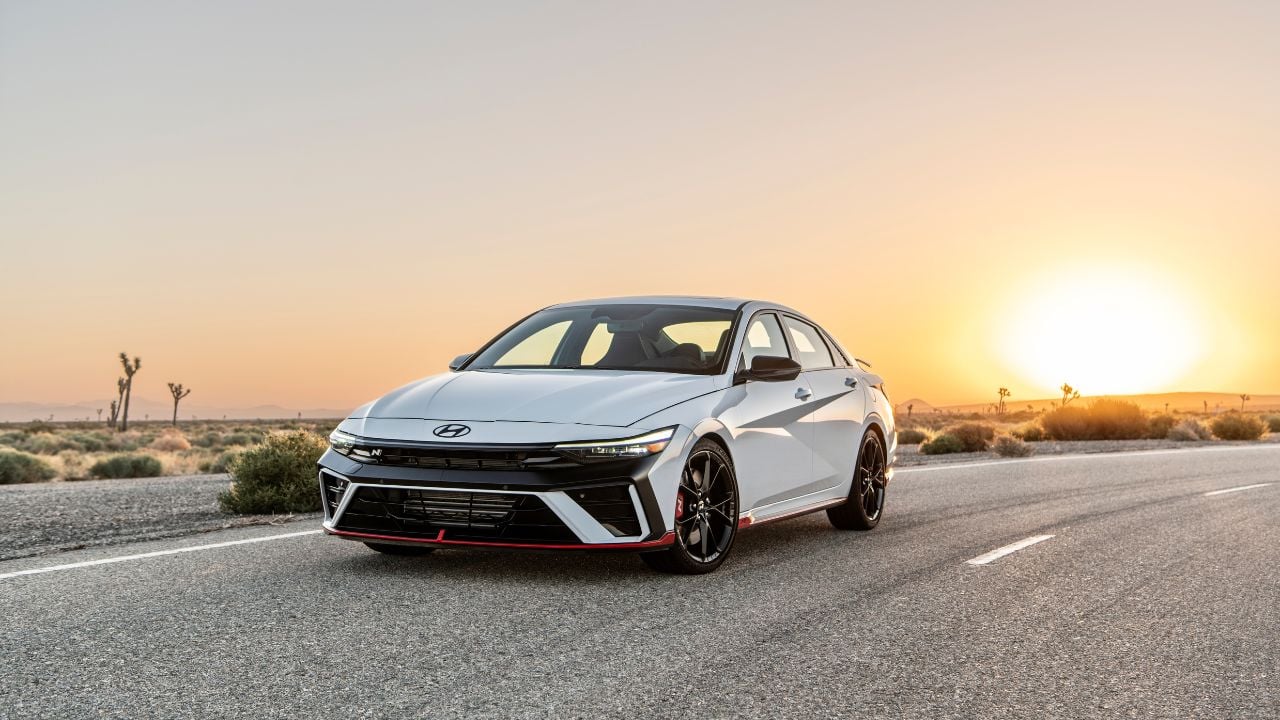
Hyundai’s N division has made a habit of surprising people, and the Elantra N is one of the more convincing arguments that a practical, everyday sedan can also be genuinely thrilling to drive.
The turbocharged 2.0-liter four-cylinder sends 276 horsepower through the front wheels, paired with either a six-speed manual or an eight-speed dual-clutch automatic, and Hyundai has done real engineering work to keep that power feeling manageable through the steering wheel. N-specific driving modes let you dial in everything from a composed daily driver to something that sounds and behaves like it has opinions about corner exits.
The interior is well-equipped for the price, with supportive bucket-style seats that hold you in place without making you feel like you’re suiting up for a track day every morning. Even the ride quality in its more relaxed modes is genuinely usable, which is harder to pull off than it sounds when you’re also chasing performance credentials.
The Elantra N sits in a rare category: a car that enthusiasts enjoy talking about and sensible buyers can actually live with.
The Bottom Line
The small car segment has genuinely earned a second look from buyers who’ve been conditioned to assume that bigger always means better. Whether you’re drawn to something composed and refined, something with track-day ambitions, or something that simply does everything well without calling attention to itself, there’s a car on this list that fits the brief. These five represent different priorities and personalities, which is kind of the point; the right car depends on what you actually need it to do, not just what looks good on paper.
Test drives are still the only real way to know, because specs on a page don’t tell you how a car feels when the road gets interesting. But if you walk away from this with one idea, let it be this: don’t count out the small stuff.