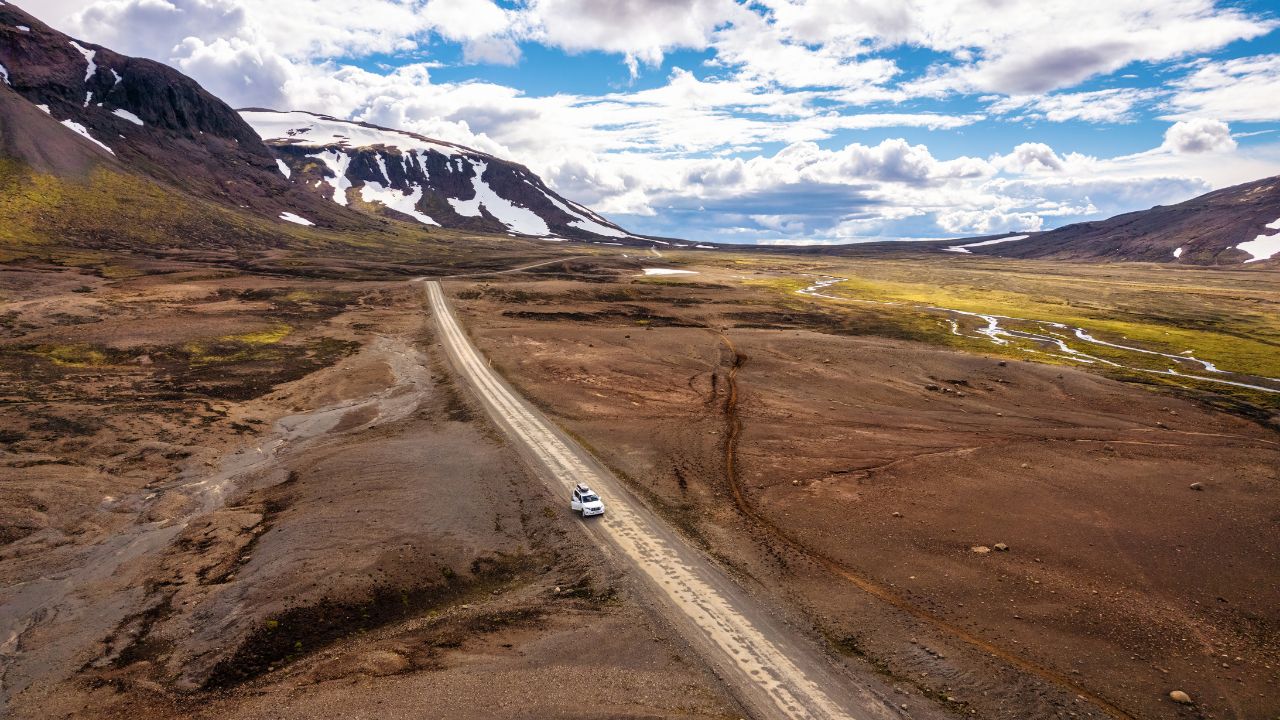
Global tourism research and airport exit questionnaires often track whether holidaymakers say they plan to return. Some destinations earn high satisfaction yet show lower repeat intent because distance, cost, or sheer effort makes one trip feel complete. This pattern shows up most in places where logistics require serious preparation and time.
It is not always about wanting to go back “less,” but about the fact that the first visit already delivers such a concentrated, once-in-a-lifetime experience that people mentally file it under “we did it.” When a destination demands guided travel, long internal transfers, or a tightly structured route, travelers are also more likely to move on to a new challenge the next time they have the budget and vacation days.
None of the locations below lack beauty or cultural depth. Many visitors simply treat them as milestone adventures rather than routine vacation picks. Long routes, limited infrastructure, or structured itineraries can shape that mindset. A powerful first experience can stand on its own.
1. Bhutan
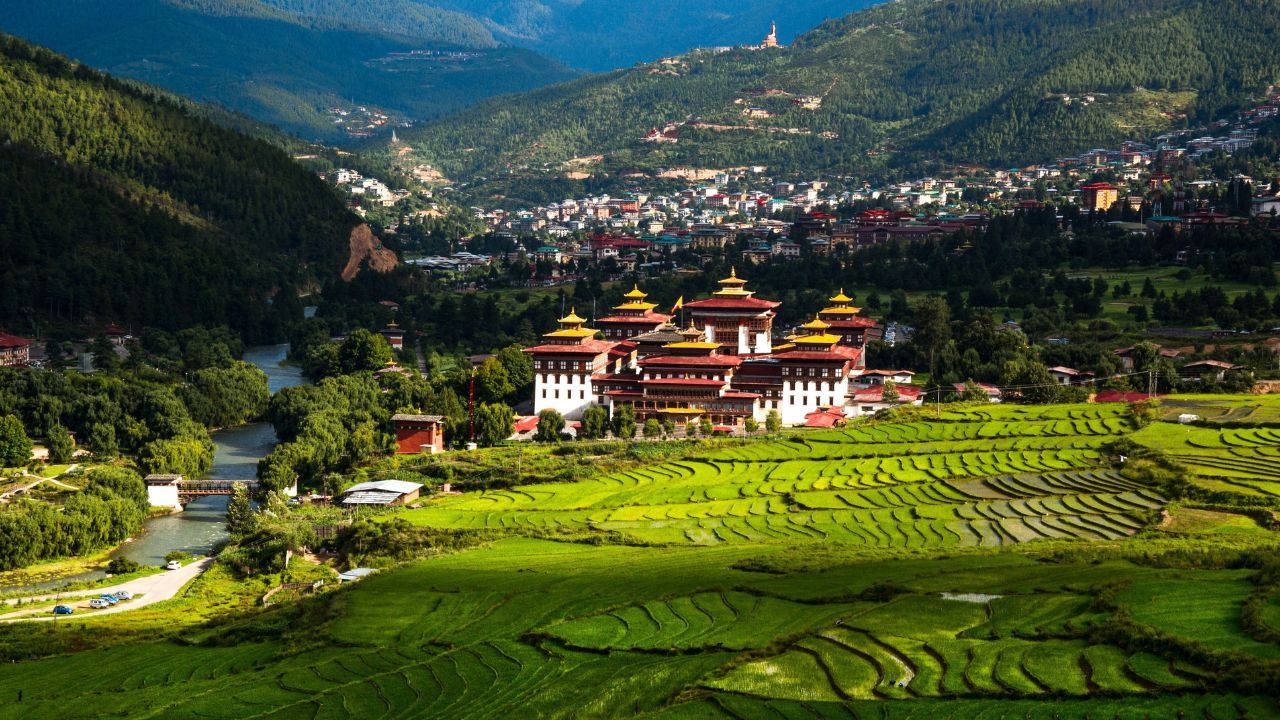
Bhutan’s high Himalayan setting is paired with a regulated tourism model that includes daily fees and guide requirements. Many itineraries follow a classic cultural route linking Paro, Thimphu, and Punakha. Monastery walks, fortress architecture, and festival traditions often fit into one carefully planned circuit. A first visit can feel like a complete introduction to the country’s core heritage.
Because independent roaming is more limited than in many parts of Asia, travelers sometimes feel there is less variation for a second trip. Costs can also be higher than comparable routes in Nepal or northern India. For long-haul planners, that first journey often becomes the defining Himalayan chapter. Later trips may shift toward destinations with simpler access and looser planning.
2. Madagascar

Separated from mainland Africa by the Mozambique Channel, Madagascar often requires multi-segment flights and long road transfers between parks. Many wildlife-focused travelers build one extended route that includes rainforest reserves, baobab landscapes, and a stretch of coastline. Lemur tracking, night walks, and snorkeling can fill a full schedule without much spare time. One long loop often satisfies the curiosity that brought visitors there.
Road conditions outside major cities can slow travel significantly. Seasonal rain can also affect access to remote areas and change travel times. After completing a demanding itinerary once, many nature travelers choose a different biodiversity region next. The memory stays vivid even without repeat plans.
3. Bolivia
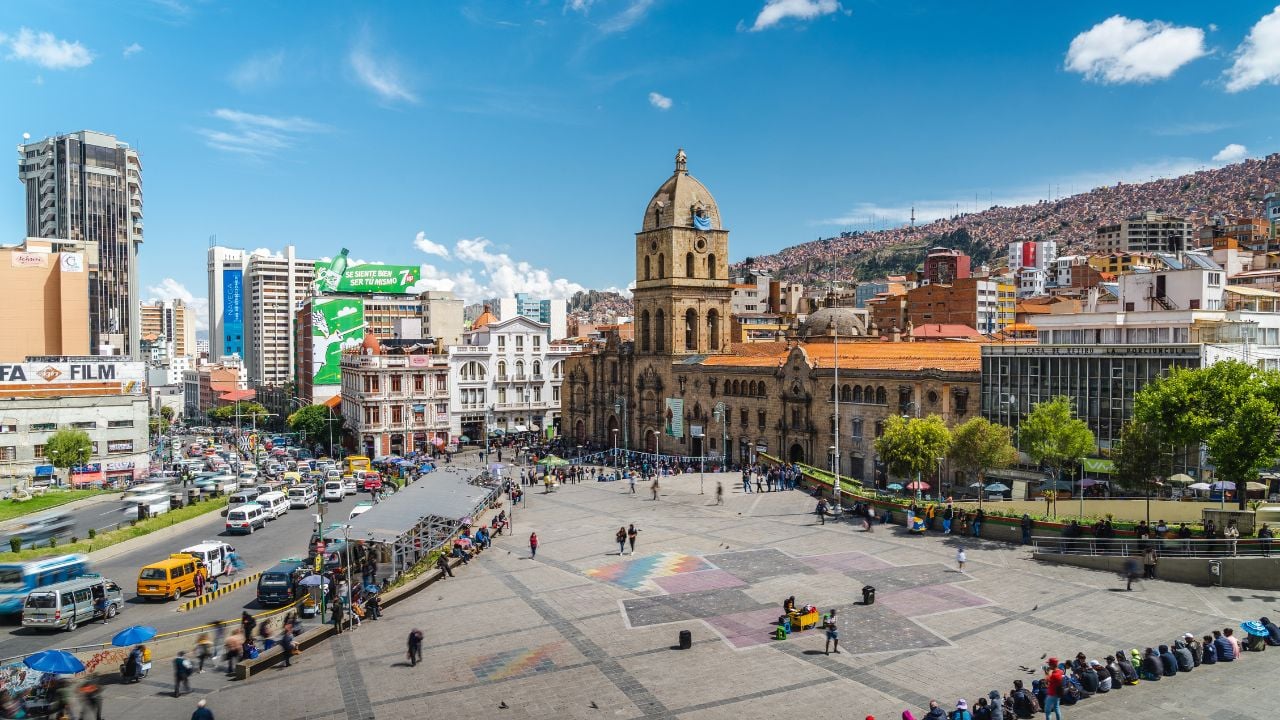
Thin Andean air greets arrivals in Bolivia, especially around La Paz and the Altiplano. Acclimatization can take several days and shapes how quickly a trip can move. Many first-time visitors prioritize Salar de Uyuni, Sucre, and Lake Titicaca in one ambitious circuit. That combination already covers the country’s most recognizable landscapes.
Travel between regions can involve overnight buses or domestic flights with tight margins. Physical strain combined with long distances can make the journey feel intense rather than relaxing. Once signature stops are done, later South American holidays often lean toward countries with smoother transport networks. Bolivia remains memorable even as a one-time trip.
4. Mongolia

Grassland horizons stretch for huge distances across Mongolia, where paved roads thin quickly outside Ulaanbaatar. Organized overland trips commonly combine the Gobi, steppe horse camps, and seasonal Naadam celebrations. Nights in traditional ger shelters add a strong cultural layer. That format often captures the essence of the country in one expedition.
With extremely low population density, repeating the same wilderness-style itinerary may not feel as fresh the second time. Logistics also means long hours in a vehicle across open terrain. After one successful trip, many adventurers shift toward mountain trekking or coastal exploration elsewhere. Mongolia keeps its reputation as a rare frontier experience.
5. Papua New Guinea
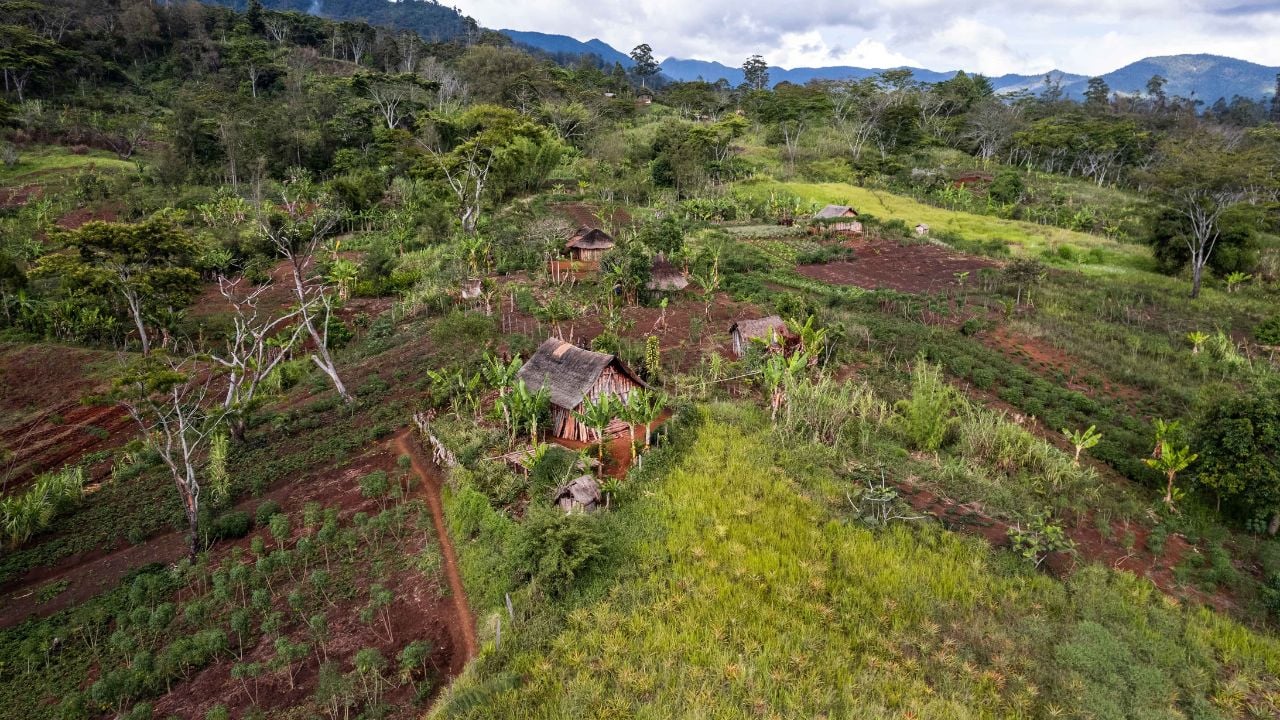
Papua New Guinea combines dense rainforest with complex internal travel that can include small aircraft and river transport. Cultural itineraries often revolve around festivals, village visits, and guided treks. Divers may also focus on reef systems near Milne Bay or New Britain during a single specialized trip. With planning concentrated around one theme, the experience can feel complete.
Tourism infrastructure is limited outside a handful of hubs, which raises planning difficulty. Many operators recommend guided arrangements and up-to-date security briefings for first-time visitors. Because a return trip often requires the same level of preparation, repeat leisure travel tends to be less common. For many travelers, the first journey satisfies the original goal.
6. Greenland
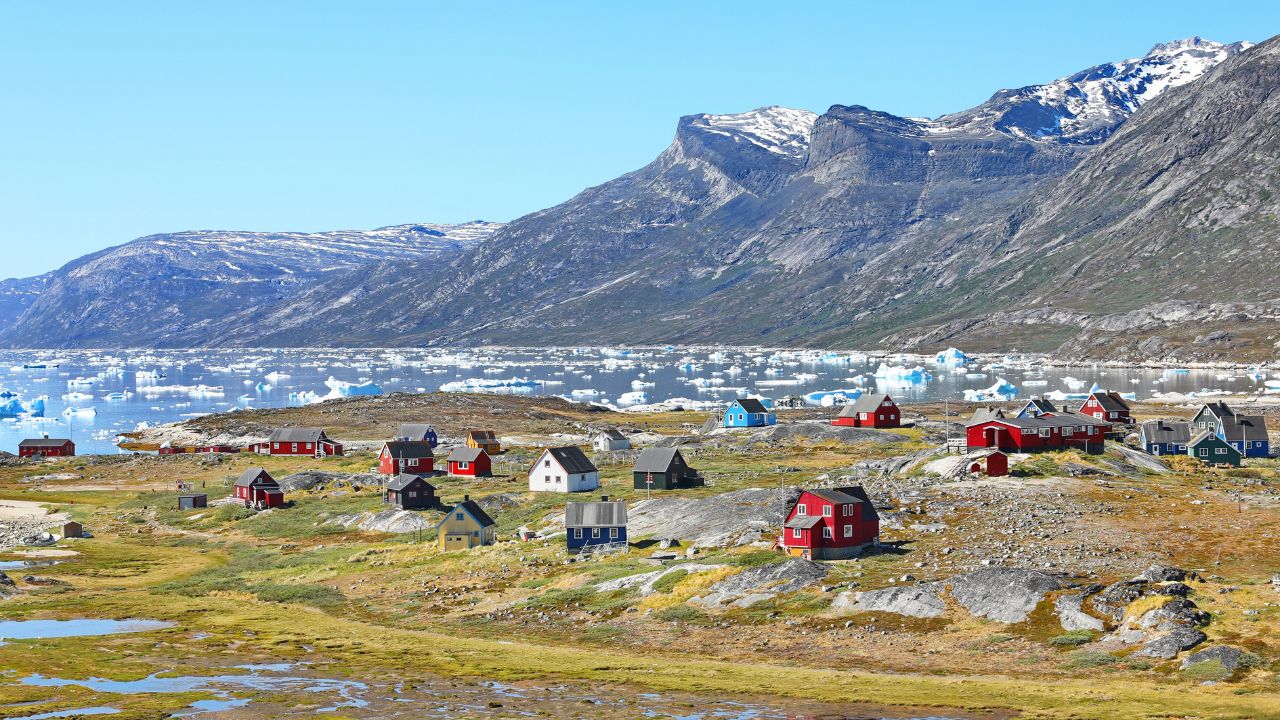
Iceberg fjords, Arctic wildlife, and brightly colored coastal towns define Greenland’s appeal. Most trips connect via Iceland or Denmark, then continue on small regional flights or boats. Many photographers plan one journey around either the winter northern lights or the summer midnight sun. That single polar mission can feel like a lifelong dream checked off.
Accommodation costs and weather delays can complicate scheduling. Remote settlements can also limit how many distinctly different routes a second trip can offer. After glacier scenery and whale-rich waters, travelers often choose other northern destinations with easier logistics. Greenland, therefore, tends to remain a one-time achievement for many visitors.