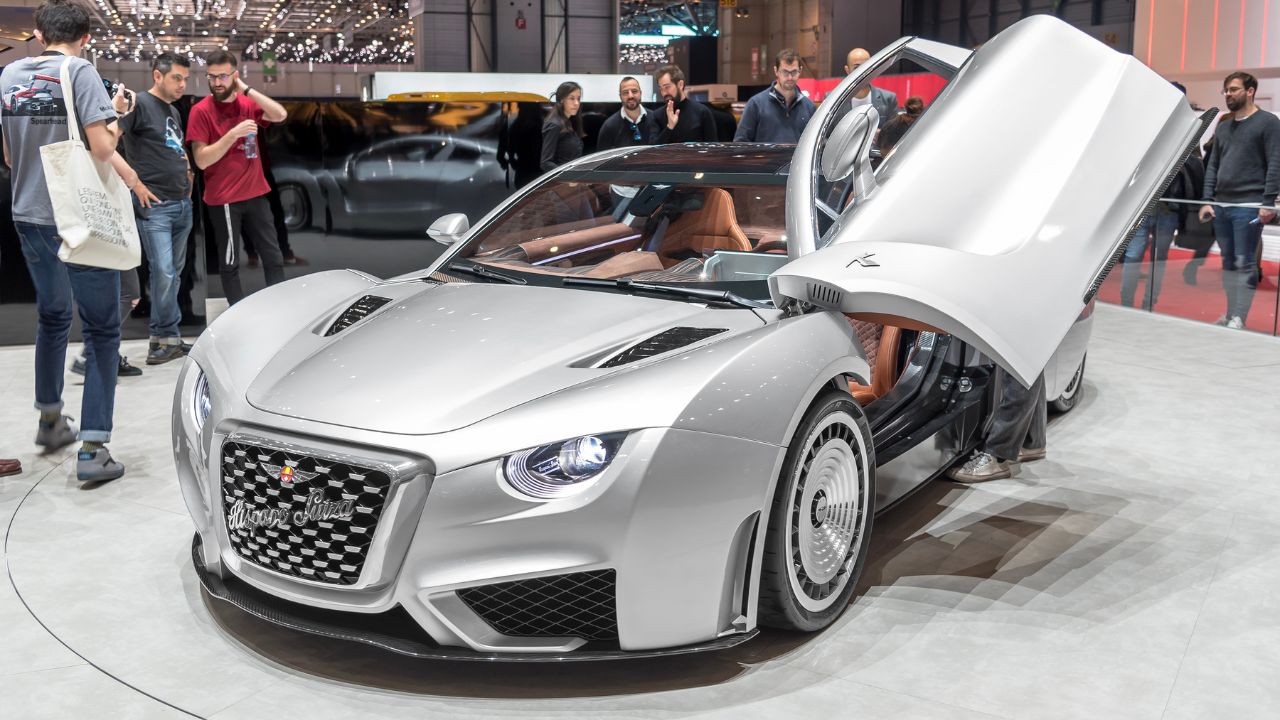
Spain might be famous for flamenco, paella, and architectural masterpieces, but the country has also produced some genuinely stunning automobiles over the years. From Barcelona’s innovative coachbuilders to modern performance machines rolling off assembly lines in Valencia, Spanish automotive design has always had a distinct Mediterranean flair.
Whether we’re talking about homegrown automakers or international brands that chose Spain as their manufacturing home, there’s something special about cars with Spanish DNA. The best of them combine European sophistication with a touch of Latin passion, resulting in designs that stand out in any era.
Let’s take a tour through some of the most beautiful cars to come from the Iberian Peninsula, celebrating the craftsmanship and creativity that makes Spanish automotive design so captivating.
SEAT 1500
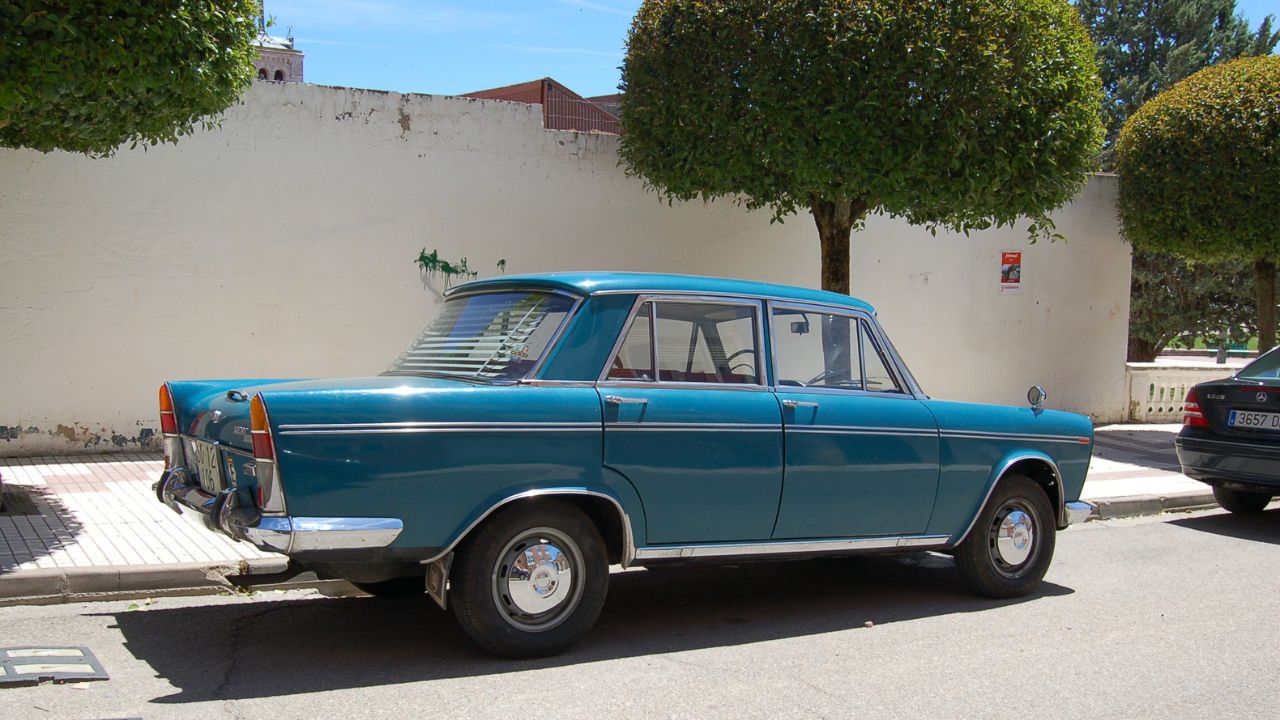
The SEAT 1500 arrived in 1963 as Spain’s answer to the executive sedan, and it brought Italian elegance to Spanish roads in the most beautiful way possible.
Built in Spain under Fiat license, the SEAT 1500 combined the larger Fiat 1800 and 2300 family body with a 1,481 cc engine, and its dignified presence made it a popular choice for professionals and officials throughout the 1960s. Early SEAT 1500s used a single pair of headlights, and later cars adopted dual headlamps similar to the Fiat 2300, paired with a chrome grille that gave it real character without overdoing the ornamentation.
At about 176 inches long, it had proper proportions that communicated substance and quality, becoming a symbol of Spain’s economic development during that era. Inside, the attention to detail in the dashboard and upholstery showed that Spanish craftsmen could compete with the best Europe had to offer.
For anyone who appreciates 1960s European sedans, the SEAT 1500 represents a fascinating chapter in automotive history that often gets overlooked.
Hispano-Suiza H6
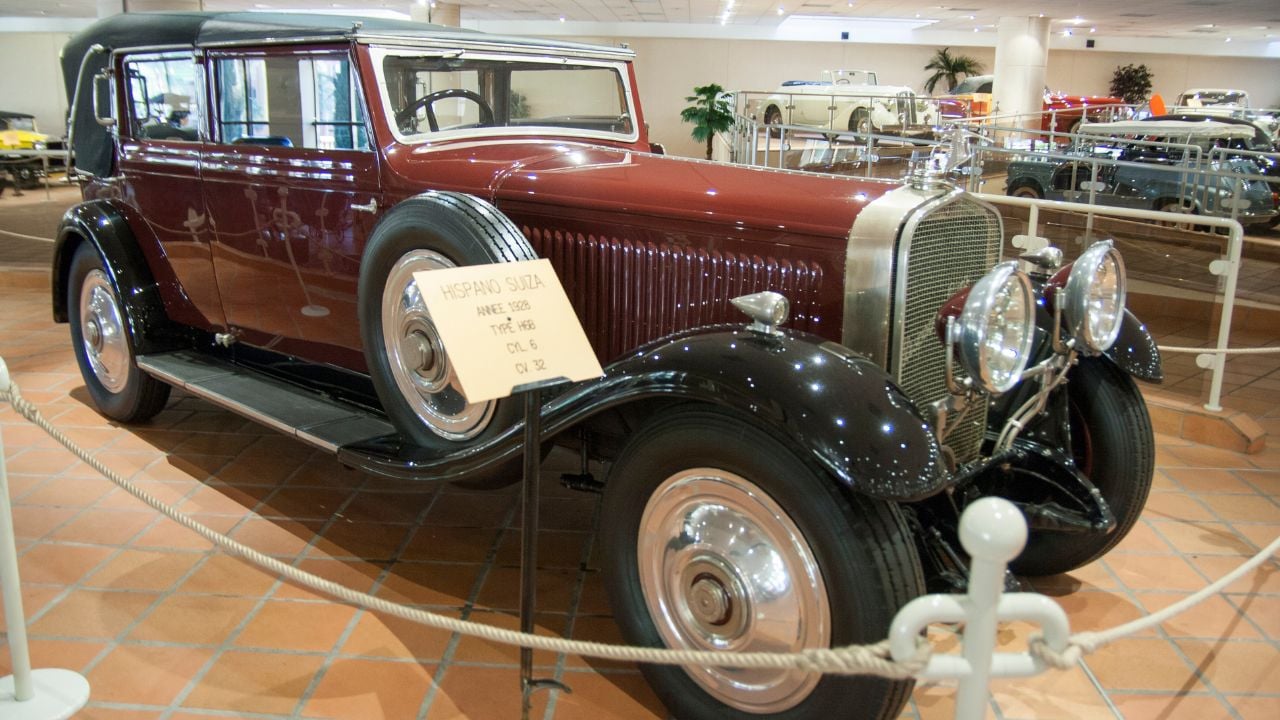
Before World War II, Hispano-Suiza was one of the most prestigious automakers in the world, and the H6 from the 1920s remains their masterpiece.
While a handful of early H6 examples were made in Barcelona, most H6 production took place at Hispano Suiza’s French Bois Colombes factory near Paris, with coachwork that could rival Rolls Royce, with sweeping fenders and elegant proportions that defined the art deco era. The famous stork hood ornament became an icon of automotive luxury, perched atop radiators that were themselves works of art.
What made these cars particularly special was that many received custom bodies from famous coachbuilders, meaning no two were exactly alike. The H6’s inline-six engine was advanced for its time, delivering smooth power that matched the refined exterior design.
Even today, when an H6 rolls into a concours event, it commands attention like few other pre-war classics can.
SEAT 850 Sport Coupe
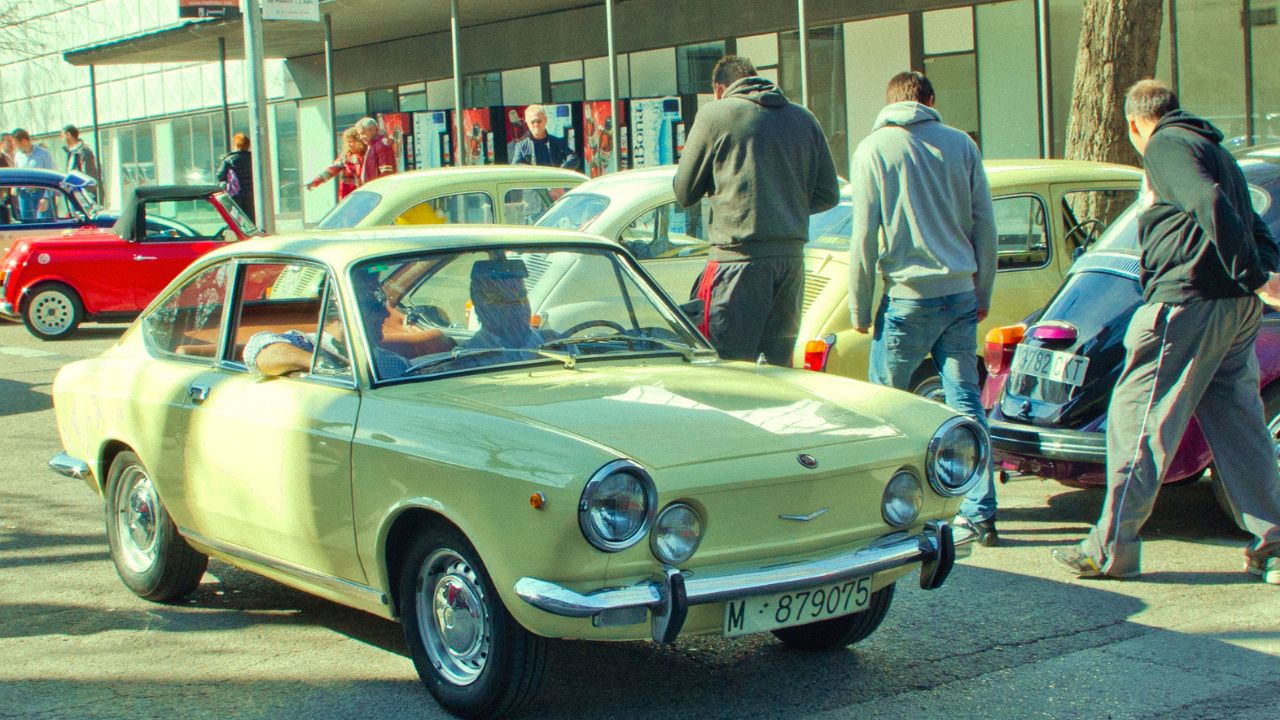
The SEAT 850 Sport Coupe took the humble rear-engine economy car platform and transformed it into something genuinely fun to look at. Introduced in 1967, this little coupe featured a fastback roofline that gave it a sporty silhouette way beyond what its modest mechanicals suggested.
The wraparound rear window and integrated bumpers created a cohesive design that felt modern and youthful, perfect for Spain’s emerging middle class in the late 1960s. At just 139 inches long, it had the kind of compact charm that makes classic small cars so appealing to enthusiasts today. The interior was simple but well-executed, with bucket seats and a sporty three-spoke steering wheel that reinforced the coupe’s character.
This wasn’t trying to be a supercar, it was just a thoughtfully designed small coupe that brought style to everyday driving.
Pegaso Z-102
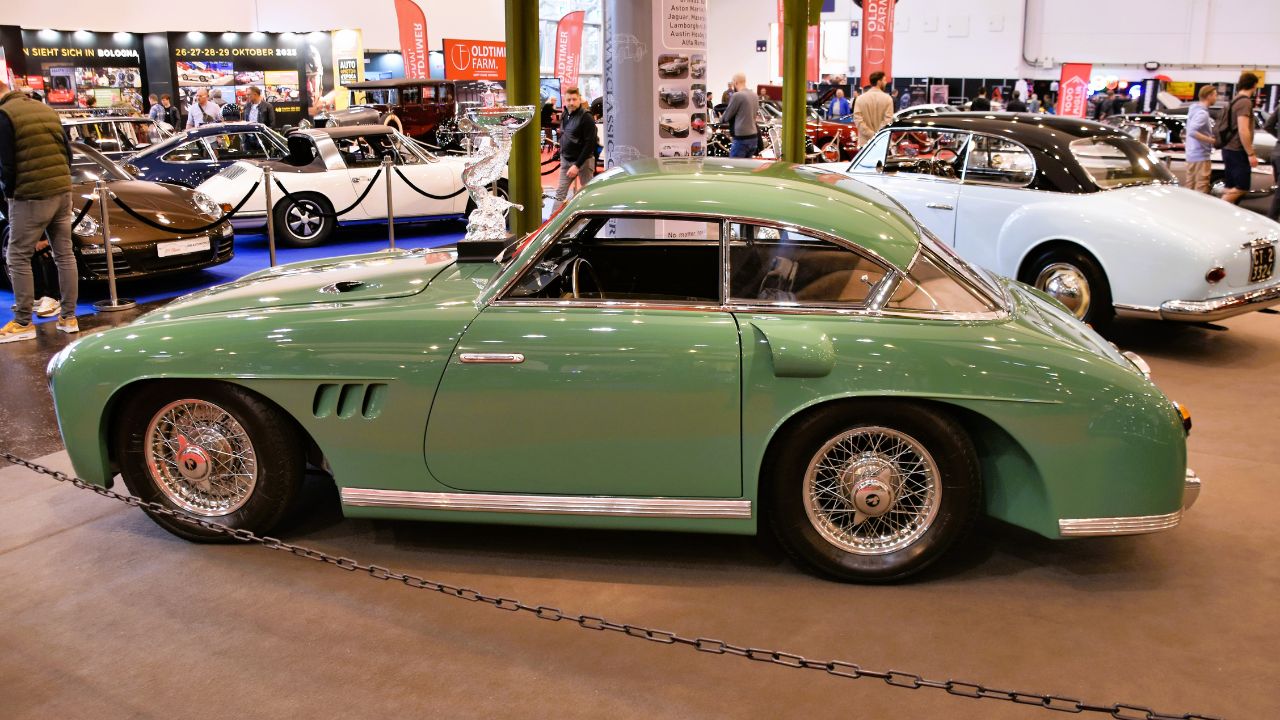
The Pegaso Z-102 stands as Spain’s most ambitious automotive project, a true supercar from the 1950s that competed with Ferrari and Maserati.
Built in Barcelona by a company known for trucks and buses, the Z-102 featured bodywork from Italian masters like Touring and Saoutchik that draped over advanced engineering. Some versions had quad-cam V8 engines producing over 300 horsepower, making them among the fastest cars of their era.
The flowing curves and aggressive stance gave these cars a presence that still turns heads at classic car gatherings seven decades later. Only about 84 were built between 1951 and 1958, making them incredibly rare and valuable today.
The Pegaso proved that Spanish engineers and designers could create world-class performance cars, even if the business case never quite worked out.
SEAT Ibiza Mk2
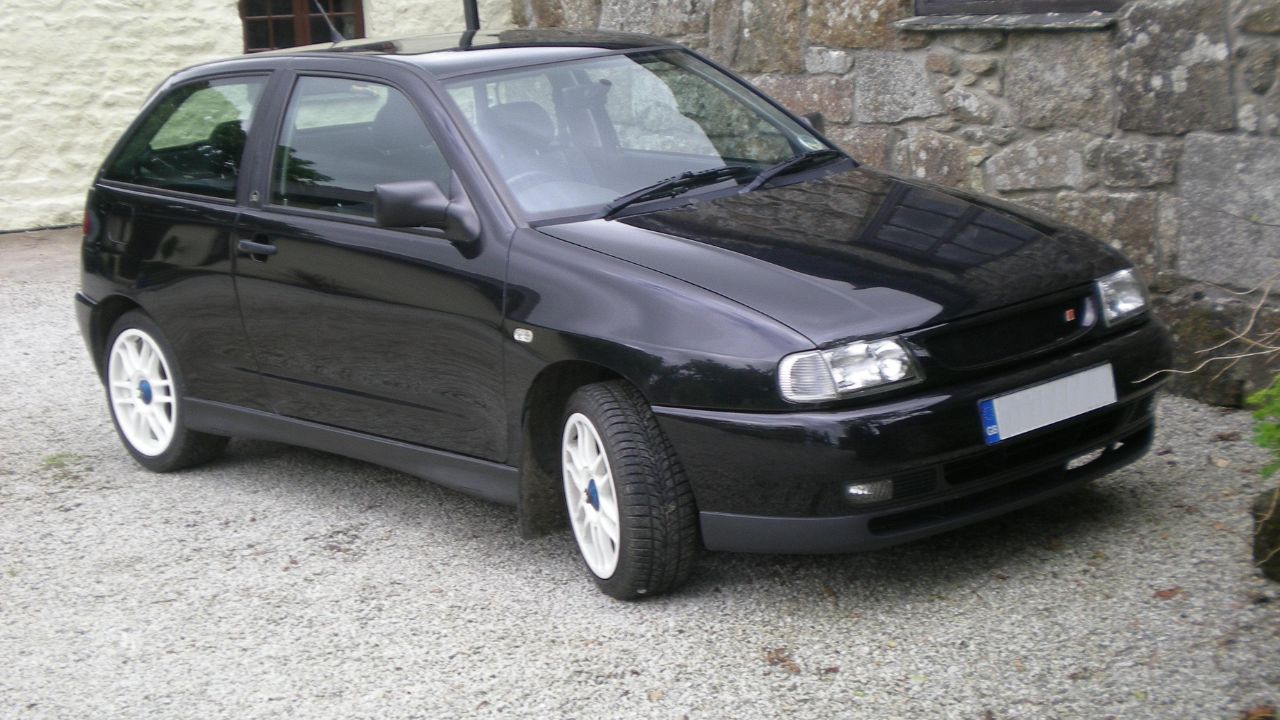
The second-generation SEAT Ibiza brought Italian design maestro Giorgetto Giugiaro’s vision to Spanish production, and the result was one of the best-looking subcompact cars of the 1990s.
Launched in 1993, this Ibiza featured crisp lines and perfect proportions that made other small hatchbacks look fussy or awkward by comparison. The three-door version especially captured that ideal hot hatch stance, with just the right amount of visual tension in its profile.
Giugiaro’s signature clean design philosophy meant every element served a purpose, from the integrated bumpers to the character line running along the flanks. The interior continued the theme with a driver-focused cockpit that felt more upscale than the price tag suggested.
This generation proved that affordable transportation didn’t have to compromise on style, setting a high bar for SEAT’s design language going forward.
Hispano-Suiza Carmen
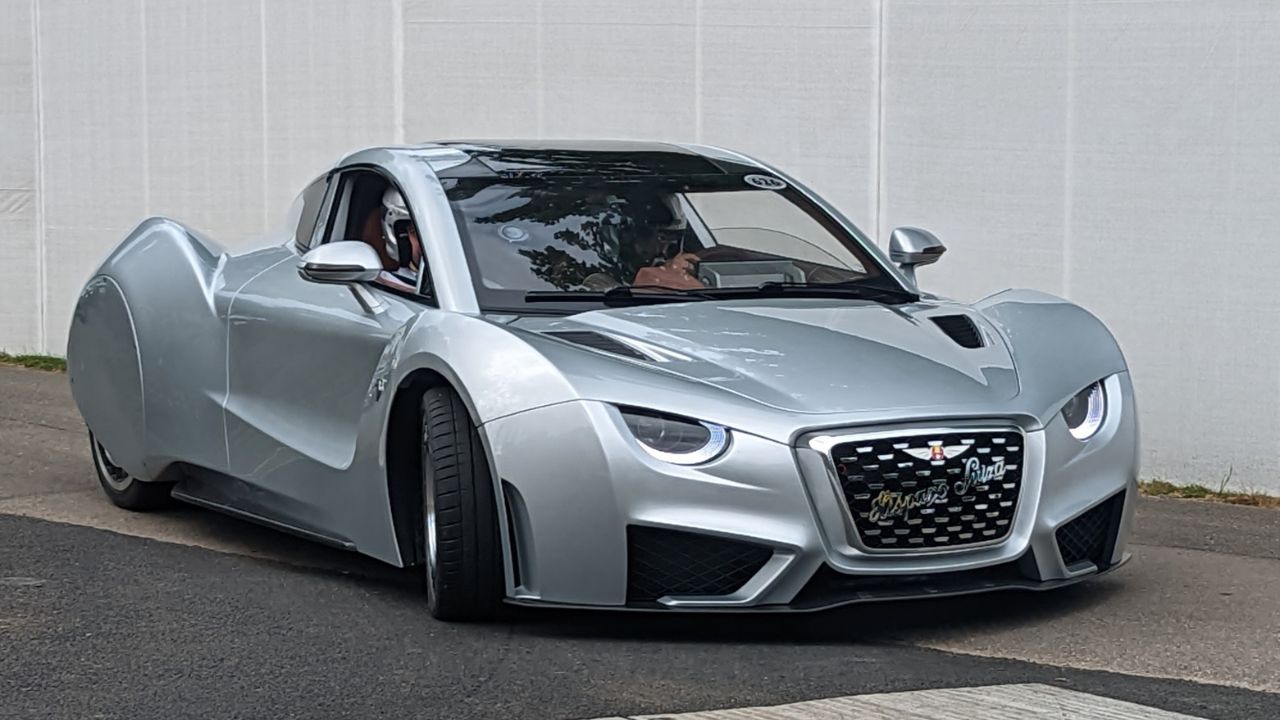
The Hispano-Suiza Carmen represents the legendary brand’s modern rebirth as an electric hypercar manufacturer, and it’s absolutely stunning.
Revealed in 2019, the Carmen debuted with 1,005 horsepower, while the higher output Carmen Boulogne variant is quoted at 1,114 hp, all while showcasing design elements that reference the company’s glorious past. The art deco-inspired details, including the prominent front grille and elegant proportions, create a visual link to pre-war Hispano-Suizas without looking retro.
Carbon fiber construction keeps weight down while allowing for the swooping curves and dramatic shoulders that give the Carmen its muscular presence. The interior blends traditional luxury materials with modern technology in a way that feels both timeless and contemporary.
Whether this new chapter succeeds commercially or not, the Carmen proves that Spanish automotive design can still create something that belongs among the world’s most exclusive cars.
SEAT Leon Cupra R (Mk3)
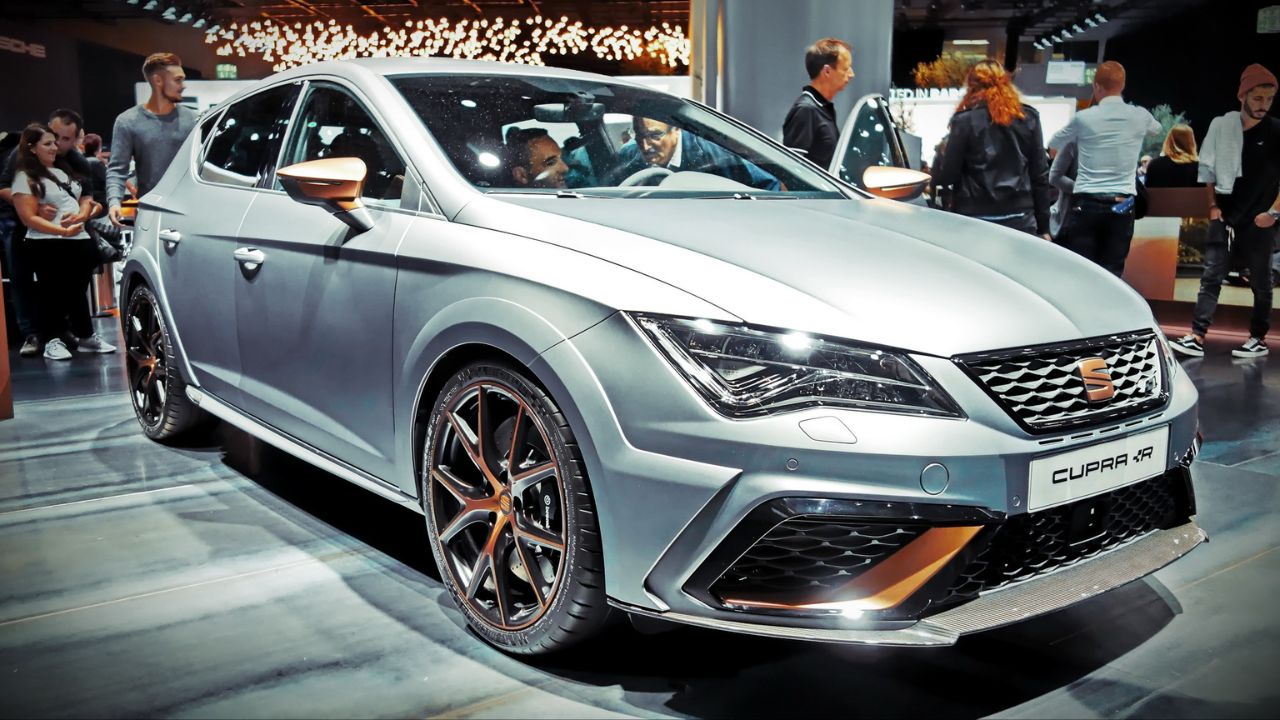
The third-generation Leon Cupra R took the already sharp-looking Leon hatchback and added just enough aggression to create a genuine performance statement.
With its quad exhaust tips, unique front splitter, and distinctive copper accents, this hot hatch had real visual impact without crossing into overwrought territory. The proportions were spot-on, with a low stance and short overhangs that communicated its front-wheel-drive performance intentions.
At about 170 inches long, it had a substantial presence that made it feel more serious than typical hot hatches. The interior featured Alcantara and those copper details throughout, creating a cohesive theme that enthusiasts appreciated.
This wasn’t just badge engineering, it was a thoughtfully executed design that stood proudly alongside Golf Rs and Focus STs in the hot hatch hierarchy.
Hurtan Grand Albaycin
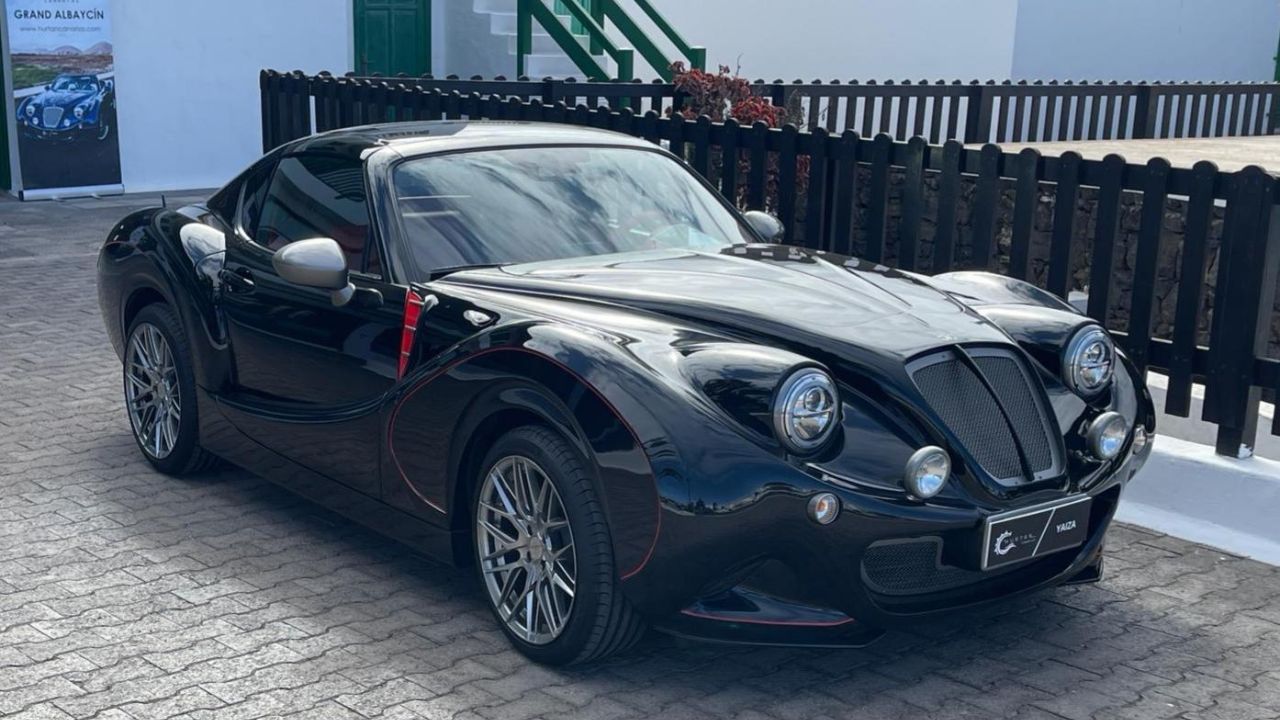
The Hurtan Grand Albaycin is one of those wonderfully eccentric cars that only a small Spanish manufacturer could create. Built in Granada, this neoclassic roadster combines modern mechanicals with 1920s-inspired styling, creating something that appeals to those who want vintage aesthetics without vintage reliability issues.
The long hood, sweeping fenders, and exposed spare tire evoke pre-war luxury cars while the modern Mazda MX-5 platform underneath provides actual drivability. The hand-built bodies and extensive customization options mean each Albaycin can be unique to its owner’s taste. Yes, it’s niche and yes, it’s not for everyone, but there’s something charming about a small company keeping the coachbuilding tradition alive in the 21st century. For those who appreciate automotive individuality, the Albaycin represents a fascinating alternative to mainstream sports cars.
SEAT 124 Sport 1600
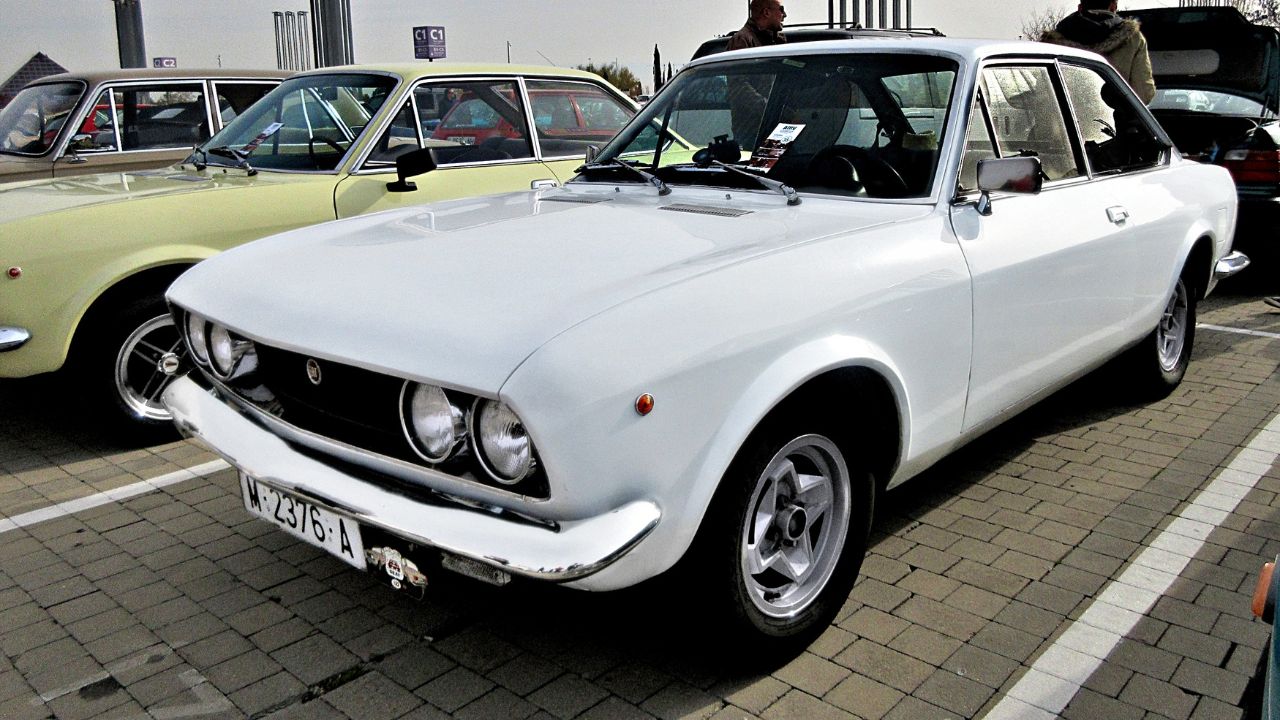
The SEAT 124 Sport 1600 took Fiat’s excellent mechanical foundation and gave it Spanish flair..
Introduced in 1970, this car featured a sleek fastback design that looked fantastic from every angle, with a greenhouse that flowed seamlessly into the rear deck. The quad headlights behind glass covers gave it a distinctive face that set it apart from its Italian cousin, the Fiat 124 Sport Coupe.
Twin Weber carburetors helped the 1.6-liter engine deliver spirited performance to match the sporting looks. The interior featured supportive bucket seats and a full complement of gauges that emphasized the car’s performance credentials.
While the Fiat version gets more attention today, the SEAT variant has a subtle charm that makes it worth seeking out for anyone building a collection of 1970s European coupes.
GTA Spano
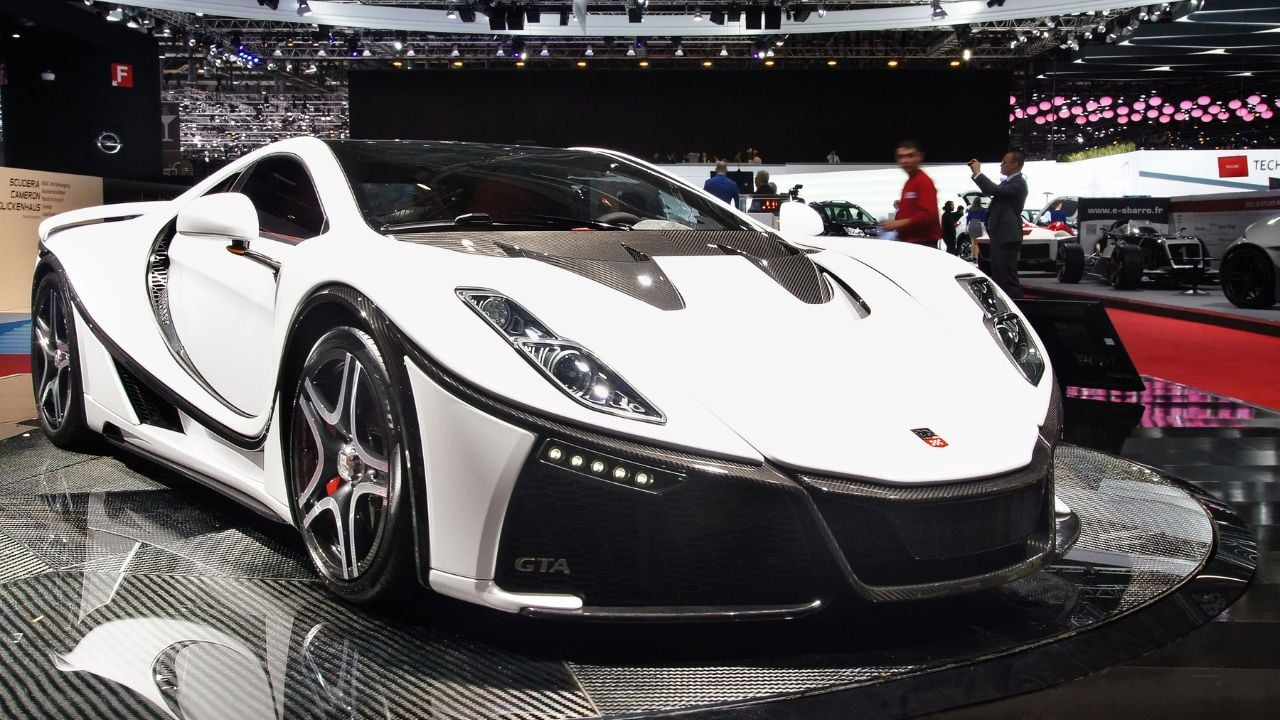
The GTA Spano represents Valencia’s attempt to build a world-class supercar, and the result is visually arresting in every way.
This carbon fiber hypercar features dramatic styling with aggressive angles and enormous air intakes that announce serious performance intentions. Depending on version, the Spano used swan doors or butterfly doors, and its fighter jet-inspired cockpit creates an exotic car experience that can compete with anything from Italy or Germany.
Depending on version, the Spano used a Viper derived V10 with forced induction, with quoted outputs ranging from about 780 hp to about 925 PS, giving the looks genuine substance. The interior combines Alcantara, carbon fiber, and aerospace-grade materials in a design that feels appropriately special and exclusive.
Production numbers are tiny and the company’s future remains uncertain, but the Spano proves that Spanish engineers and designers can execute at the highest levels when resources and ambition align.
SEAT 1430 Sport Bocanegra
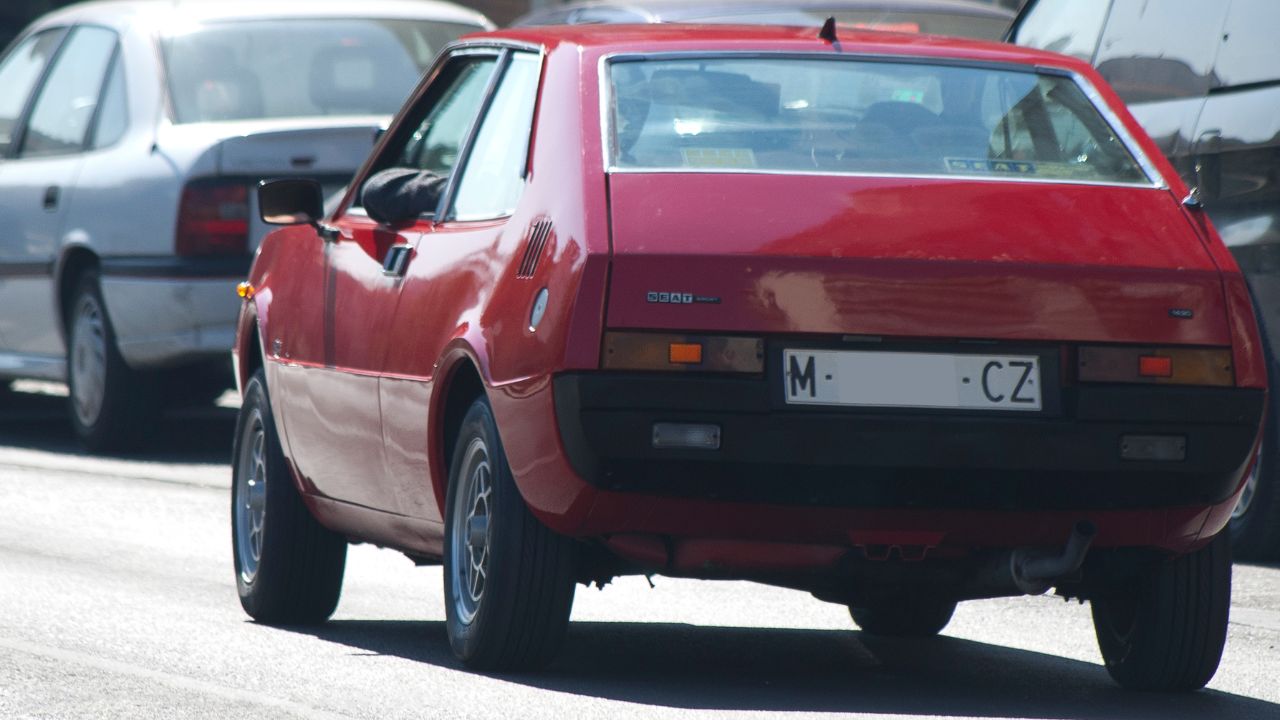
The SEAT 1200 Sport, later joined by a SEAT 1430 Sport variant, went on sale in 1976 and became known as “Bocanegra” for its distinctive black front panel and bumper treatment.
Developed at SEAT’s technical center and related to the SEAT 127, the Sport models used the same 2 plus 2 coupe body, with the 1430 version using a 1,438 cc engine. The black front treatment contrasted beautifully with body colors, creating a two tone scheme that gave the car instant visual pop and earned it the “Bocanegra” (black mouth) nickname.
Twin headlights and a subtle front spoiler completed the purposeful front end design. Inside, sport seats and upgraded trim elevated the experience above the standard sedan.
About 19,300 were built across the 1200 and 1430 Sport versions, so rarity today is more about surviving condition and documentation than original build numbers.
Tauro V8 Spider
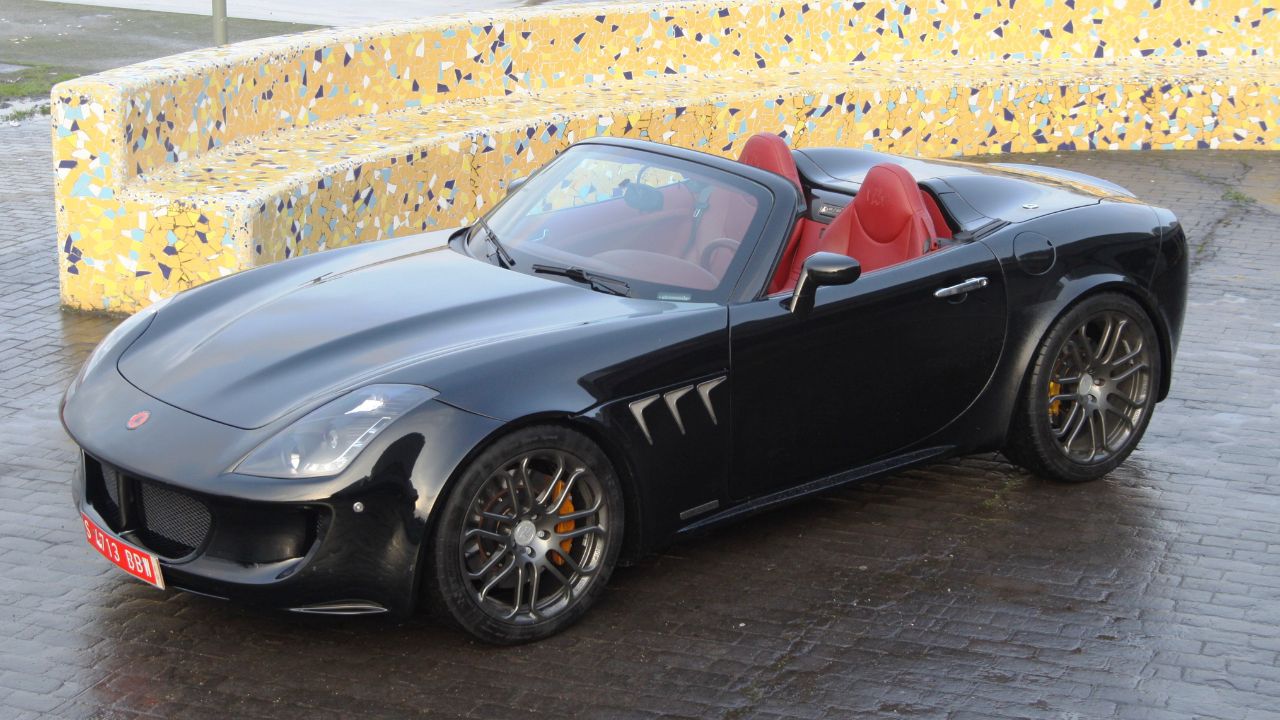
The Tauro V8 Spider is a modern Spanish sports car that flies under most people’s radar, and that’s a shame because it’s genuinely striking.
Built in small numbers in Valladolid, this roadster is based on Pontiac Solstice underpinnings and features aggressive styling with a long hood and short deck proportions that recall classic sports car design. The exposed side exit exhausts and prominent air vents give it a raw, purposeful appearance that matches the GM sourced 6.2 liter LS3 V8 under the hood, an engine also used in the Corvette.
The reworked bodywork allows for the sculptural curves and muscular haunches that define its silhouette. The interior is minimalist and driver-focused, emphasizing the car’s back-to-basics sports car mission.
While production numbers are extremely limited, the V8 Spider represents the kind of passion project that makes automotive enthusiasts appreciate small manufacturers keeping the dream alive.
Conclusion
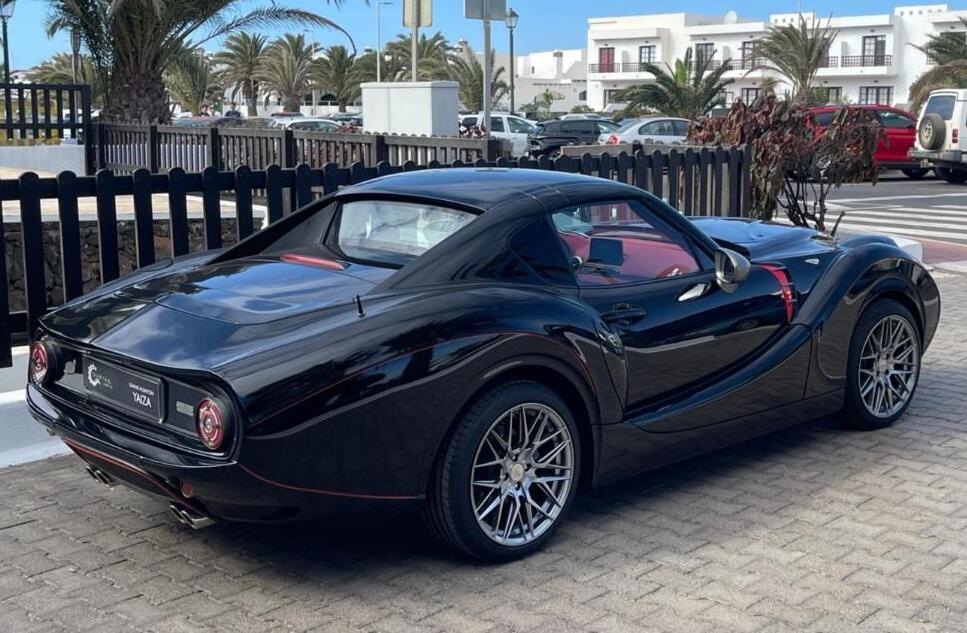
Looking back at these twelve cars, what stands out is Spain’s ability to blend practical sensibility with genuine design ambition. From the golden age of Hispano-Suiza to modern electric hypercars and everything in between, Spanish automakers and coachbuilders have consistently created vehicles that deserve recognition beyond their home market.
Sure, Spain never became Germany or Italy in terms of automotive output, but the cars that did emerge often had a distinctive character that reflected Mediterranean culture and values. The mix of accessible everyday cars like the SEAT Ibiza and exotic machines like the Pegaso Z-102 shows the breadth of what Spanish automotive design has accomplished.
Whether you’re drawn to pre-war elegance, 1970s European charm, or cutting-edge performance, there’s something in Spain’s automotive history worth celebrating. These beautiful cars remind us that great design can come from anywhere, and sometimes the most interesting stories come from the places we least expect.