
The 1980s represented a golden era for Japanese automotive engineering, a decade when manufacturers from Tokyo to Hiroshima were firing on all cylinders and rewriting the rulebook for what affordable performance could be. While American automakers were still recovering from the malaise era and European brands commanded premium prices, Japan delivered cars that combined reliability with genuine driving excitement.
These childhood fantasies were turbocharged, fuel-injected machines that could embarrass vehicles costing twice as much. The decade gave us pop-up headlights, digital dashboards, and some of the most iconic nameplates in automotive history.
Whether you were into drag racing, canyon carving, or just looking cool in the high school parking lot, Japan had something special waiting for you.
1985-1989 Toyota MR2

Toyota’s mid-engine runabout proved that you didn’t need Italian badges to have exotic car thrills, just a clever layout and sharp engineering.
The first-generation MR2 positioned its peppy 1.6-liter engine right behind the driver, creating nearly perfect weight distribution and handling that made autocross competitors grin from ear to ear. With 112 horsepower in standard form, or 145 hp in the supercharged version that arrived later, it wasn’t about straight-line dominance but rather the art of carrying speed through corners. The wedge-shaped styling with pop-up headlights screamed ’80s cool, while the price tag of around $10,000 made it accessible to enthusiasts who couldn’t swing a Porsche 944.
It’s the car that taught a generation of drivers that proper sports cars put the engine in the middle, not up front where it belonged in boring sedans.
1984-1989 Nissan 300ZX (Z31)

The Z31 generation 300ZX brought digital sophistication to the sports car world, combining Nissan’s performance heritage with technology that felt borrowed from Star Trek.
That completely digital dashboard wasn’t just for show, it was a genuine attempt to drag the sports car into the future, complete with a talking voice warning system that nagged you about everything from low fuel to an open door. Under the hood, the VG30E V6 engine produced 160 horsepower in naturally aspirated form, while the turbocharged version cranked out 200 hp and enough torque to make merging onto highways genuinely entertaining. The T-top roof panels meant you could enjoy open-air motoring without full convertible compromises, perfect for cruising Pacific Coast Highway on a Sunday afternoon.
Sure, the digital gauges eventually became dated, but they captured the optimistic, technology-forward spirit of the decade perfectly.
1986-1991 Mazda RX-7 (FC)

Mazda’s rotary-powered sports car evolved from quirky enthusiast favorite into a legitimate performance machine with the FC generation, all while keeping that smooth-spinning Wankel engine that redlined like it was angry at physics.
The 13B rotary engine displaced just 1.3 liters but revved to 7,000 rpm and produced 146 horsepower in naturally aspirated form, with turbo models pushing out 182 hp and a power delivery as smooth as expensive whiskey. Those sleek, rounded curves designed by the same team responsible for Mazda’s Le Mans racers gave it sophisticated styling that aged far better than the sharp-edged wedges other manufacturers favored. Weight distribution sat nearly 50/50, which combined with independent suspension at all four corners to create handling that rewarded skilled drivers and forgave newcomers.
The rotary’s unique apex seal maintenance requirements meant you had to actually care about your car, which honestly just added to the mystique.
1983-1987 Toyota Corolla GT-S (AE86)

This unassuming little coupe became a legend not through brute force but through perfect balance, light weight, and a front-engine, rear-wheel-drive layout that’s now rarer than common sense at a political debate.
The 4A-GE engine’s 112 horsepower sounds modest on paper, but when wrapped in a chassis weighing barely 2,300 pounds, it created a driving experience focused on momentum and finesse rather than tire-shredding acceleration. Pop-up headlights, a five-speed manual transmission, and a limited-slip differential came together in a package that drifted through mountain passes with grace and precision. While your buddy’s Mustang was faster in a straight line, the AE86 could dance through corners at speeds that made passengers question their life choices.
Decades later, anime series and drifting culture turned it into an icon, but drivers in the ’80s already knew they had something special.
1989-1994 Nissan 240SX (S13)
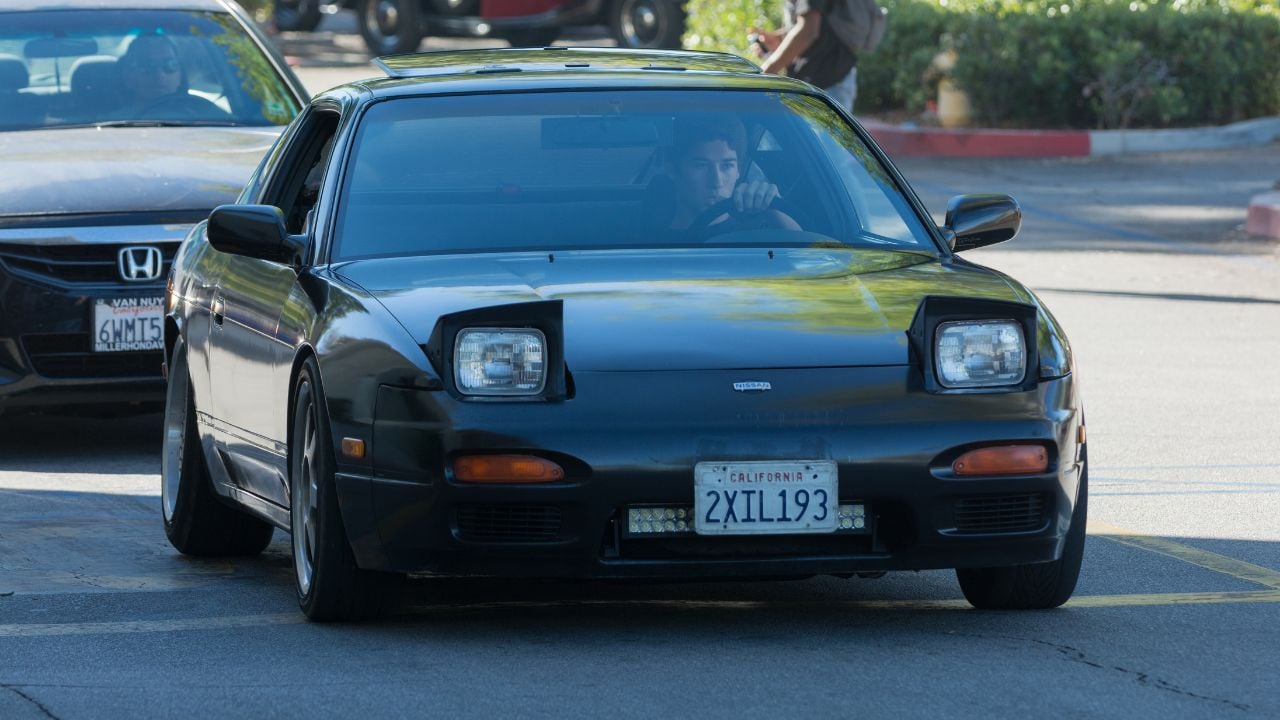
Nissan’s entry-level sports car brought rear-wheel-drive fun to the masses with styling that looked like it was sketched in a wind tunnel and priced to compete with front-drive economy cars.
Early S13 240SX models used the KA24E four-cylinder at about 140 horsepower; later cars switched to the twin-cam KA24DE with higher output, but the real magic was always the balanced chassis on winding roads. Clean, aerodynamic bodywork came in both coupe and fastback configurations, each offering different flavors of ’80s cool without trying too hard to impress. The real genius lay in the MacPherson strut front and multi-link rear suspension setup, which delivered handling precision that belied the car’s bargain-basement price of around $12,000.
It became the ultimate blank canvas for modification, though plenty of enthusiasts discovered that the stock setup already delivered 90 percent of the fun for zero percent of the headache.
1985-1987 Honda CRX Si
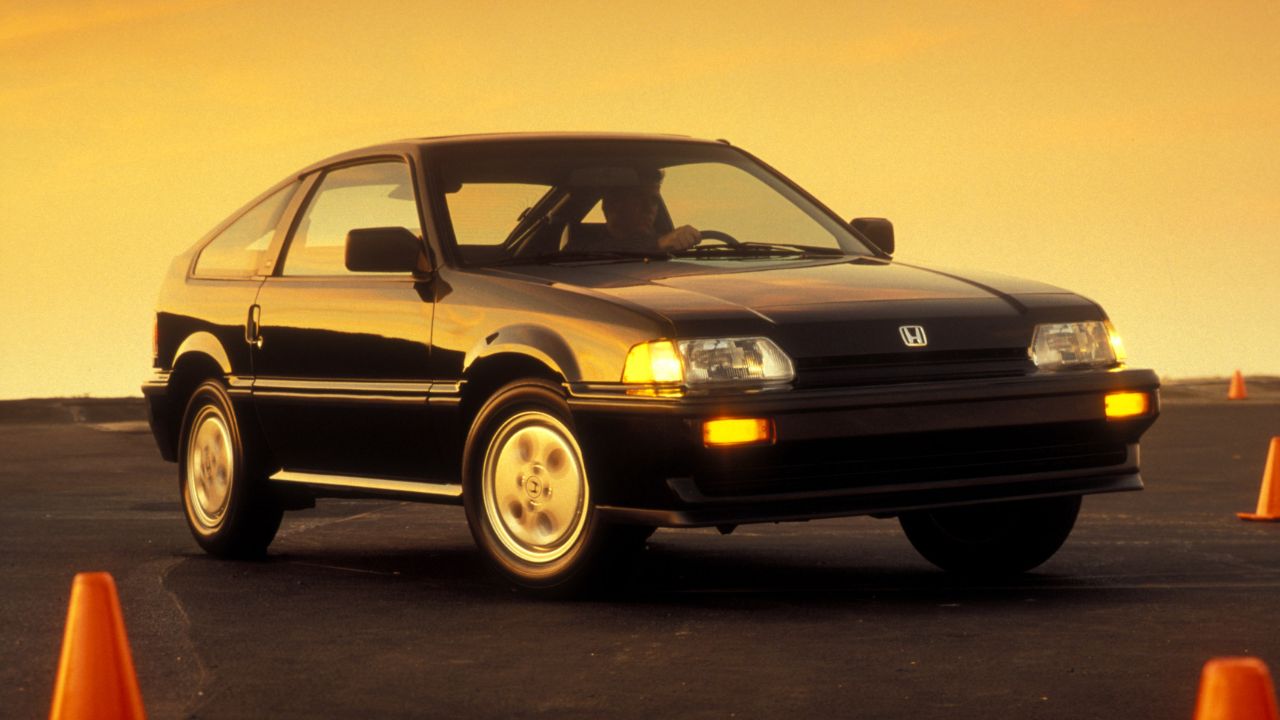
Honda took the Civic platform, chopped off the back, added a sport suspension, and created one of the most perfectly balanced hot hatches to ever grace American roads.
The fuel-injected 1.5-liter engine made just 91 horsepower, but when your car weighed about as much as a well-fed golden retriever and could see 50 mpg on the highway, who needed tire-smoking power? That tall-boy design with the steeply raked rear glass looked polarizing to some, but it created a surprisingly practical cargo area while keeping the center of gravity low and the handling sharp. Honda’s legendary build quality meant these things ran forever, assuming you could resist the urge to rev the snot out of that sweet-spinning engine every single time you drove it.
The combination of efficiency, fun, and reliability made it the thinking person’s sports car, perfect for autocross on Sunday and commuting on Monday without breaking the bank.
1986-1989 Acura Integra
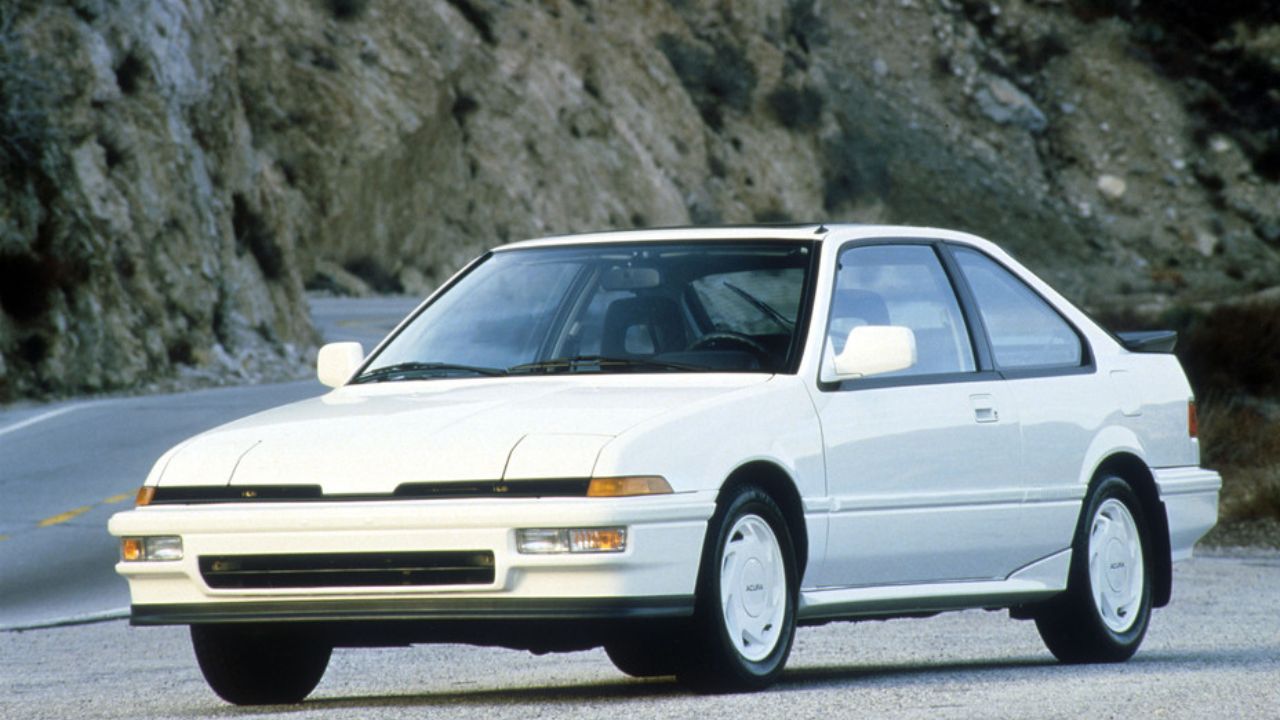
Honda’s luxury division launched with this front-wheel-drive sport compact that proved premium didn’t have to mean pretentious, just exceptionally well-executed engineering wrapped in sophisticated sheet metal.
The 1.6-liter dual-overhead-cam engine produced 113 horsepower and loved to rev, paired with one of the slickest-shifting manual transmissions ever bolted to an affordable car. Four-wheel independent suspension, four-wheel disc brakes, and a rigid unibody structure delivered handling that embarrassed plenty of rear-drive competitors who assumed front-drivers couldn’t possibly corner properly. Inside, the build quality and attention to detail exceeded what buyers expected from a $12,000 car, with thoughtful touches that made every drive feel special rather than simply functional.
It established Acura as a serious player and showed that Japanese manufacturers could move upmarket without losing the plot on what made driving enjoyable.
1987-1992 Toyota Supra (MA70)

The third-generation Supra transformed from Celica derivative into its own distinct grand tourer, packing serious power and luxury into a sleek, long-hood silhouette that suggested serious intent.
Under that expansive hood sat the 7M-GTE turbocharged inline-six producing about 232 horsepower and 254 lb-ft of torque, enough to make highway passing maneuvers feel like warp-speed jumps. The available Sport Package added wider wheels, a limited-slip differential, and firmer suspension that sharpened the handling without turning your kidneys into jelly on rough pavement. With its refined interior featuring supportive sport seats and a driver-focused cockpit, it balanced genuine performance with the ability to cruise comfortably for hours.
Prices started around $18,000 but could climb past $25,000 with options, positioning it as Japan’s answer to the European GT cars but with actual reliability.
1988-1991 Honda Civic Si
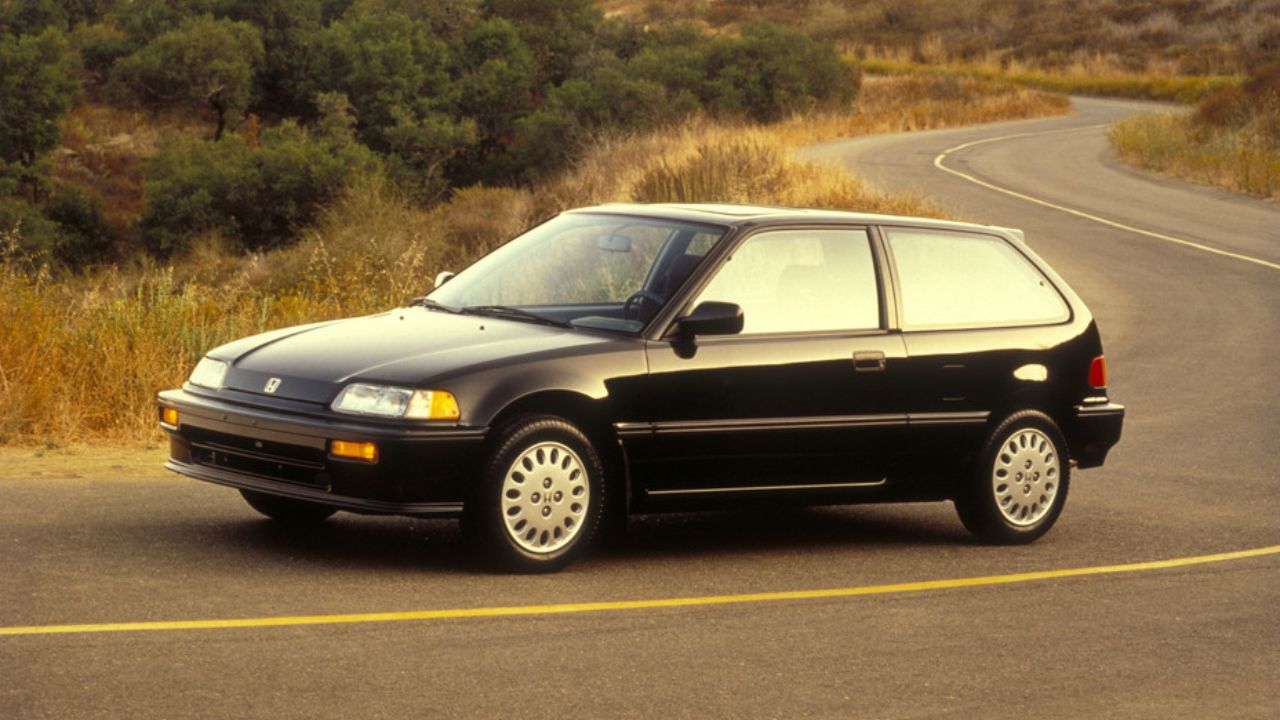
Honda’s hot hatch formula reached new heights with the fourth-generation Civic Si, delivering 108 horsepower from a buzzy 1.6-liter four-cylinder that begged to be revved like you were late for something important.
That might not sound like much grunt, but in a car weighing just over 2,200 pounds with a close-ratio five-speed manual, it created an engaging driving experience focused on maintaining momentum rather than overwhelming the front tires. The boxy three-door hatchback styling won’t win any beauty contests, but those clean lines and functional design aged surprisingly well compared to more overwrought contemporary designs. Standard features like the sport suspension and a slick five-speed manual showed Honda took the Si badge seriously, even if the price tag of around $10,000 remained refreshingly reasonable.
It taught an entire generation that driving enjoyment came from wringing out every last horse rather than having excess power you’d never use.
Conclusion

These nine Japanese legends from the 1980s represent the decade’s innovation, engineering excellence, and driving passion don’t require six-figure price tags or European pedigrees. From rotary-powered Mazdas to turbocharged Nissans and Honda’s rev-happy four-cylinders, these cars delivered genuine thrills wrapped in accessible packages that regular enthusiasts could actually afford. They’ve aged remarkably well too, with many now commanding collector status and inspiring modern successors that attempt to recapture their lightweight, driver-focused magic.
The decade’s technological optimism, combined with Japan’s commitment to building cars that simply worked, created a perfect storm of accessible performance. Whether you had one back in the day or just appreciate automotive history, these machines earned their place in the enthusiast hall of fame through driving dynamics, reliability, and pure personality.