
The Mediterranean beckons with a promise that modern life often breaks: time moves differently here. Away from the cruise ship crowds and Instagram hotspots, a collection of coastal cities invites travelers to embrace the art of slow living, where morning espresso rituals matter more than packed itineraries, where sunset aperitivos replace rushed sightseeing, and where the journey becomes more meaningful than the destination checklist.
Cádiz, Spain
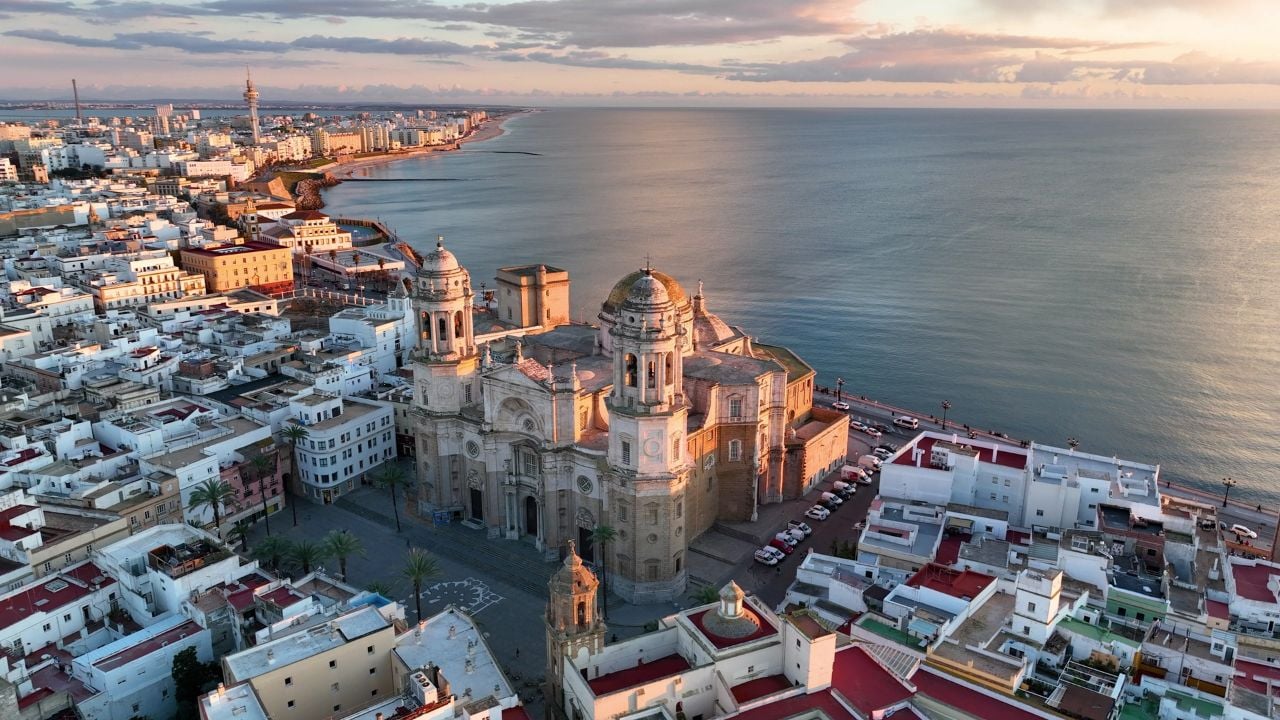
Spain’s oldest continuously inhabited city offers 3,000 years of unhurried wisdom. The narrow streets of the Old Town wind between baroque churches and hidden plazas where locals gather for evening tapas. The city’s peninsular location means beaches are always within walking distance, while the daily ritual of sunset watching from the ancient city walls has remained unchanged for centuries.
Weekly markets, family-run tabernas, and the gentle rhythm of Andalusian life make Cádiz ideal for travelers seeking authentic immersion over tourist attractions.
Cefalù, Sicily

This Norman fishing town beneath a dramatic clifftop cathedral embodies Sicilian slow living. The medieval streets reveal artisan workshops, family bakeries, and wine bars that have served the same families for generations. The main beach provides a perfect pause between exploring the town’s Arab-Norman architecture and sampling Sicily’s legendary street food.
Cefalù’s compact size means everything unfolds at walking pace, while the surrounding Madonie Mountains offer endless hiking opportunities for those seeking active relaxation.
Rovinj, Croatia

Istria’s jewel rises from the Adriatic like a pastel-colored dream, where Venetian influence meets Croatian coastal culture. The car-free historic center encourages leisurely exploration of gallery-lined streets and waterfront restaurants serving the peninsula’s famous truffles and wines.
Rovinj’s artistic community has created a calendar of intimate cultural events, while the surrounding countryside offers olive groves, vineyards, and traditional hilltop villages perfect for slow-paced discovery.
Collioure, France

This Catalonian border town has inspired artists from Matisse to Picasso with its unique light and timeless atmosphere. The fortified church, colorful houses, and small harbor create a living postcard that encourages contemplation over photography.
Collioure’s Michelin-starred restaurants and local wine caves provide gastronomic journeys, while the nearby Côte Vermeille offers secluded coves and coastal hiking trails. The town’s artistic heritage continues through galleries and workshops welcoming curious travelers.
Chania, Crete
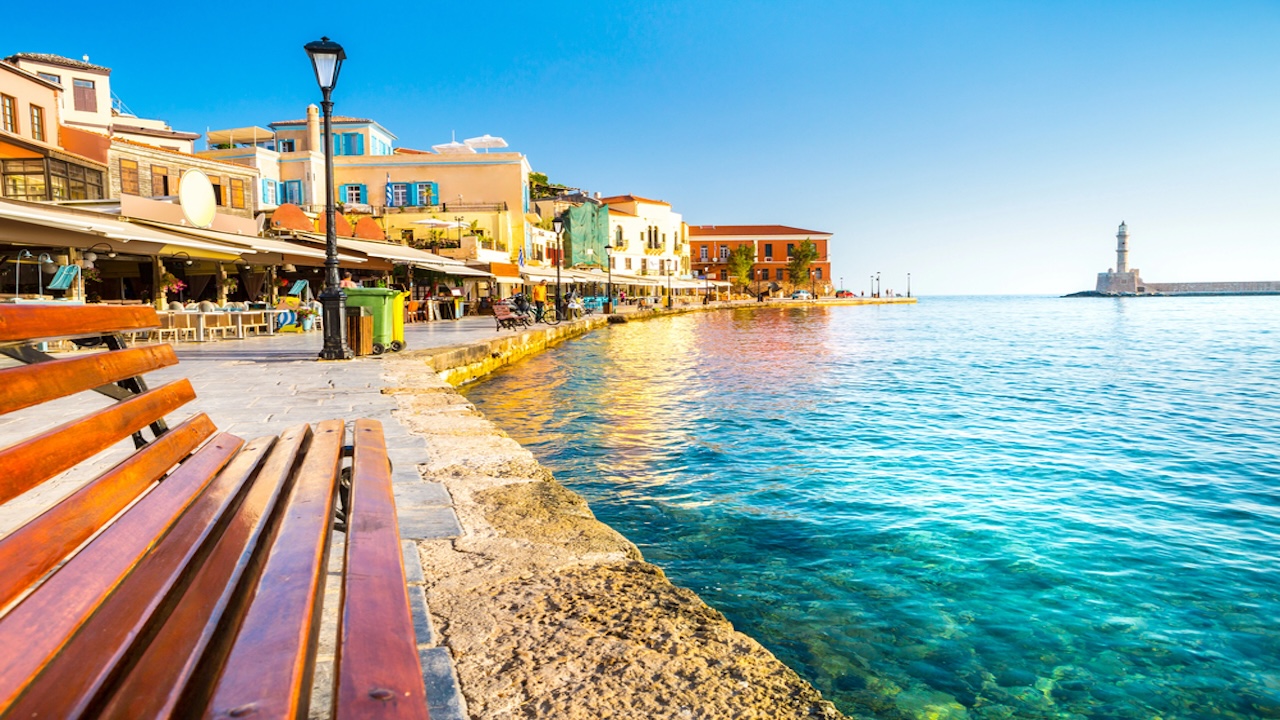
Crete’s former capital blends Venetian, Turkish, and Greek influences into a coastal city perfect for extended stays. The Old Town’s labyrinthine streets reveal hidden courtyards, traditional tavernas, and artisan workshops where locals still practice ancient crafts. The nearby Akrotiri Peninsula provides secluded beaches and monasteries for contemplative exploration, while Chania’s municipal market and waterfront promenade offer daily doses of authentic Cretan life.
Cassis, France
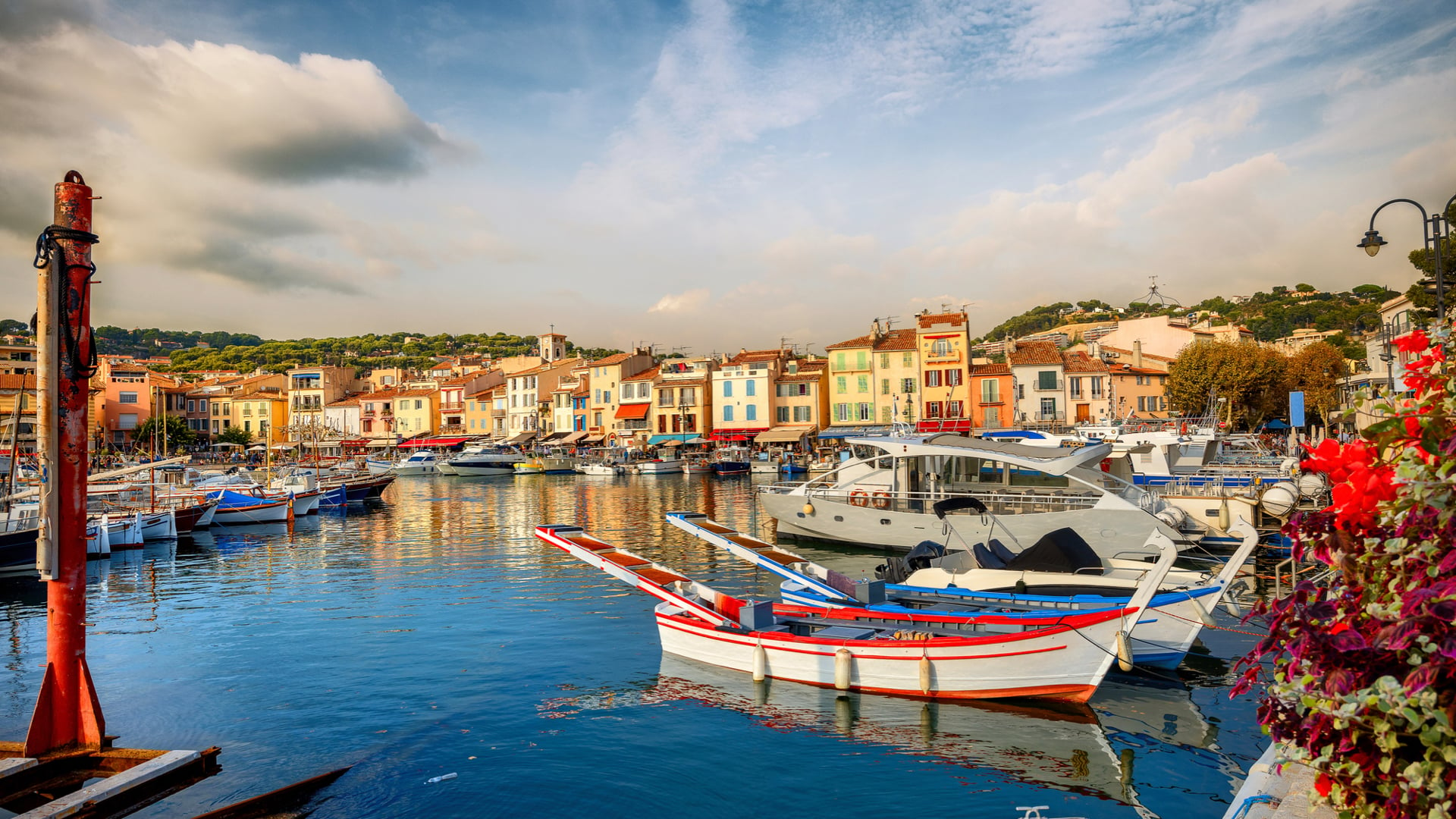
Nestled between Marseille and Toulon, this fishing village has preserved its Provençal soul despite proximity to major cities. The famous calanques, dramatic limestone fjords, provide natural swimming pools accessible by foot or boat, while the town center’s weekly market showcases regional wines and produce. Cassis moves to the rhythm of fishing boats and vineyard cycles, offering travelers the chance to sync with natural rather than artificial schedules.
Alghero, Sardinia
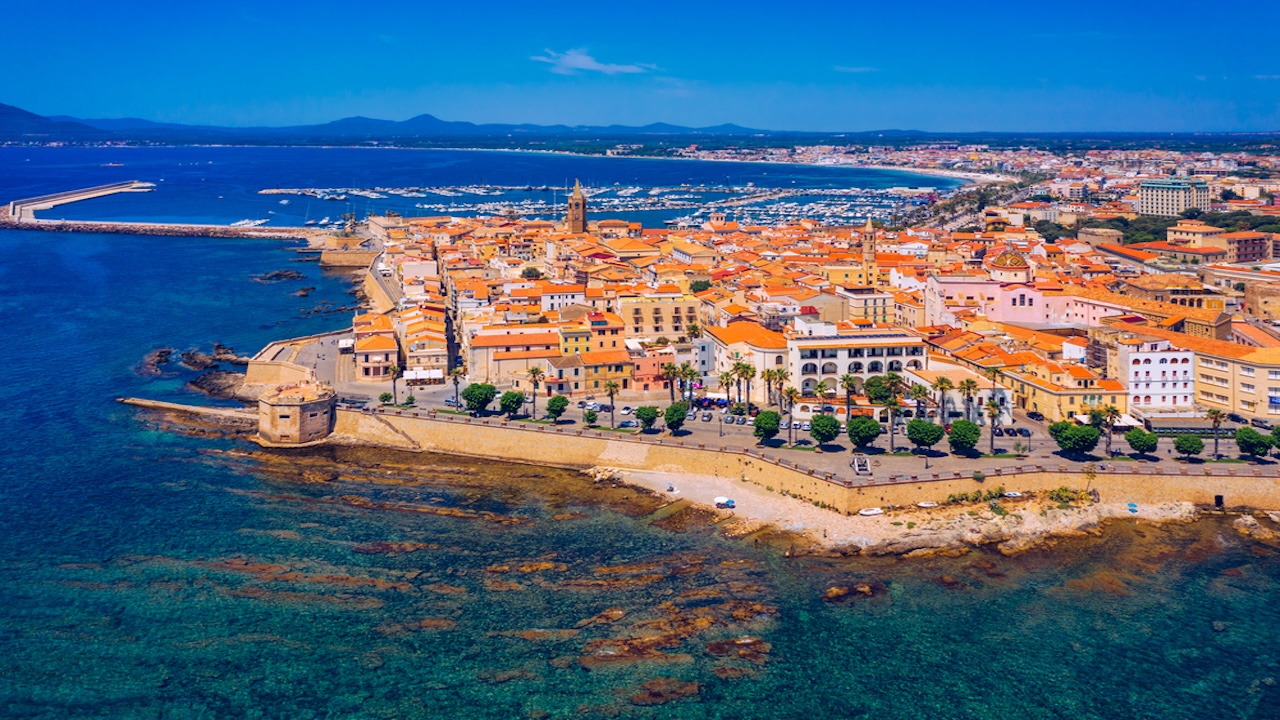
Known as “Little Barcelona,” this Catalonian-influenced city on Sardinia’s northwest coast offers coral-colored buildings, ancient walls, and a distinctly relaxed approach to life. The historic center provides evening passeggiata routes past seafood restaurants and wine bars, while the nearby beaches of the Coral Riviera offer pristine Mediterranean swimming. Alghero’s position between mountains and sea creates microclimates perfect for outdoor activities year-round.
Korčula, Croatia

This medieval island town claims to be Marco Polo’s birthplace, but its real treasure lies in preserved stone architecture and traditional winemaking culture. The car-free Old Town encourages exploration on foot, while the surrounding vineyards produce indigenous Croatian varieties rarely found elsewhere. Korčula’s weekly markets, traditional festivals, and family-run konobas (taverns) provide authentic cultural immersion without tourist theater.
Sóller, Mallorca
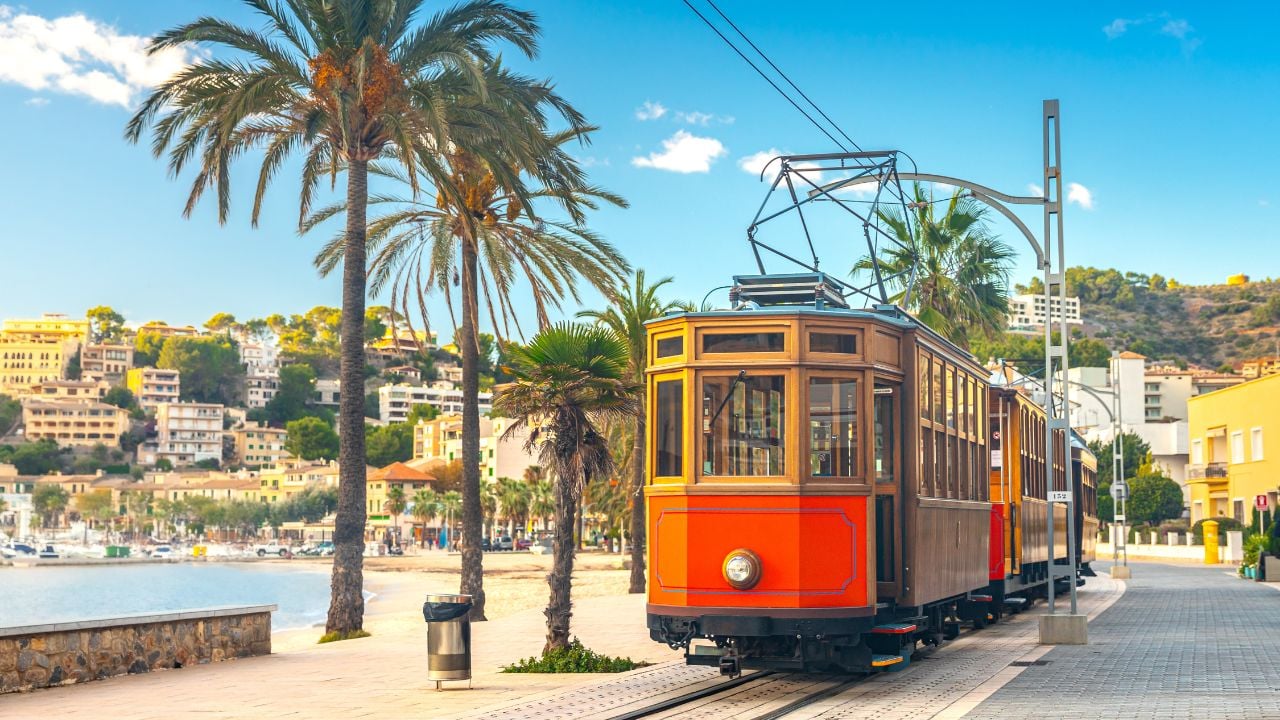
Connected to Palma by a century-old wooden train, Sóller sits in a valley of orange groves between the Tramuntana Mountains and the sea. The town’s Art Nouveau architecture and traditional markets reflect a pace of life unchanged by mass tourism. The nearby Port de Sóller offers pristine swimming and waterfront dining, while hiking trails through the UNESCO-listed mountains provide endless opportunities for contemplative walks.
Mahón, Menorca
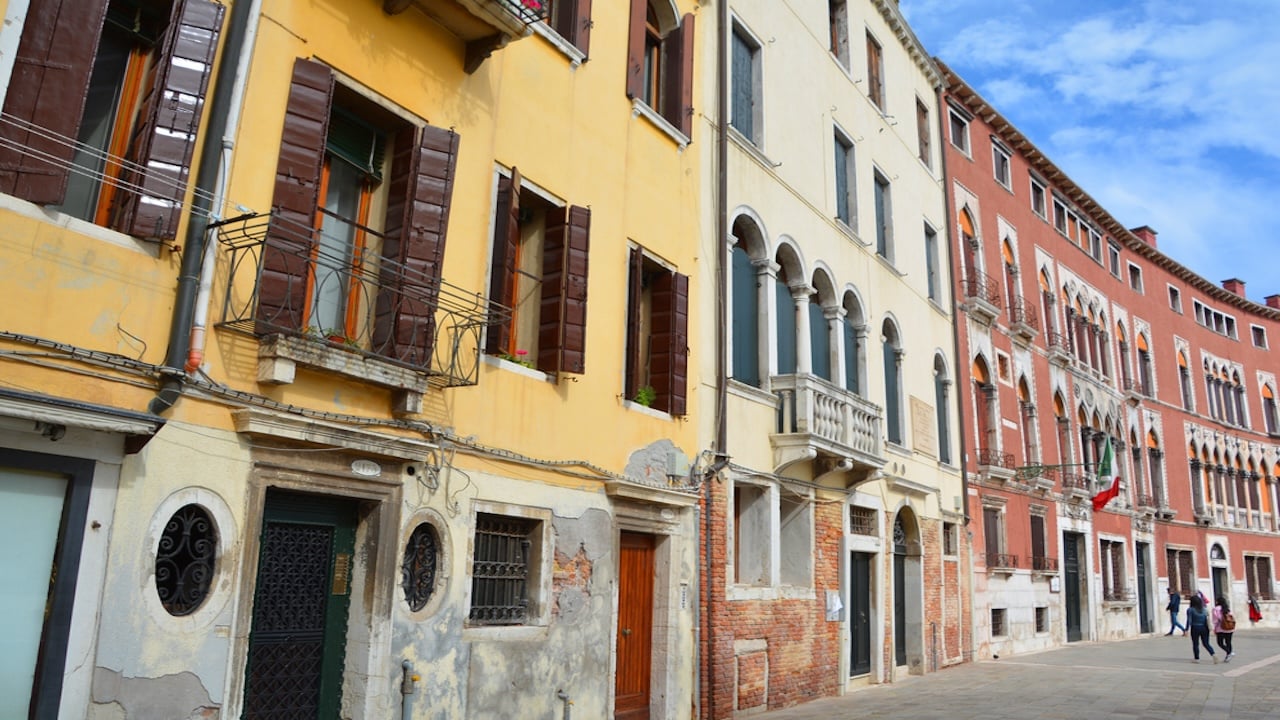
Menorca’s capital sits atop one of the Mediterranean’s largest natural harbors, where British colonial influence created a unique architectural blend. The town’s gin distilleries, local cheese producers, and traditional markets operate according to island rhythms rather than tourist schedules. Mahón’s position as gateway to Menorca’s unspoiled beaches and prehistoric sites makes it perfect for slow exploration of the entire island.
Monopoli, Puglia
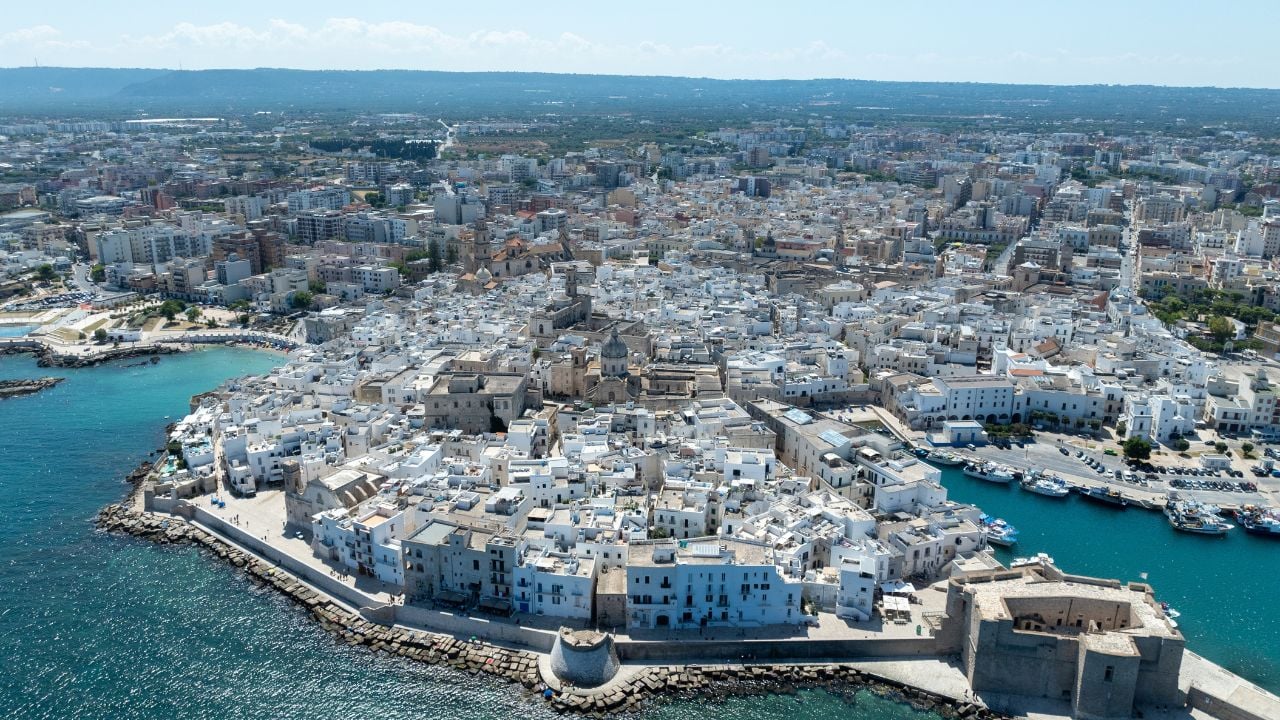
This Adriatic fishing town in Italy’s heel offers whitewashed buildings, crystal-clear waters, and a food culture that celebrates simplicity. The historic center’s maze of streets leads to hidden churches and family restaurants serving cucina povera, peasant cuisine elevated to art. Monopoli’s coastal position provides access to both sandy beaches and rocky coves, while the surrounding trulli countryside offers cycling and walking opportunities.
Naoussa, Paros
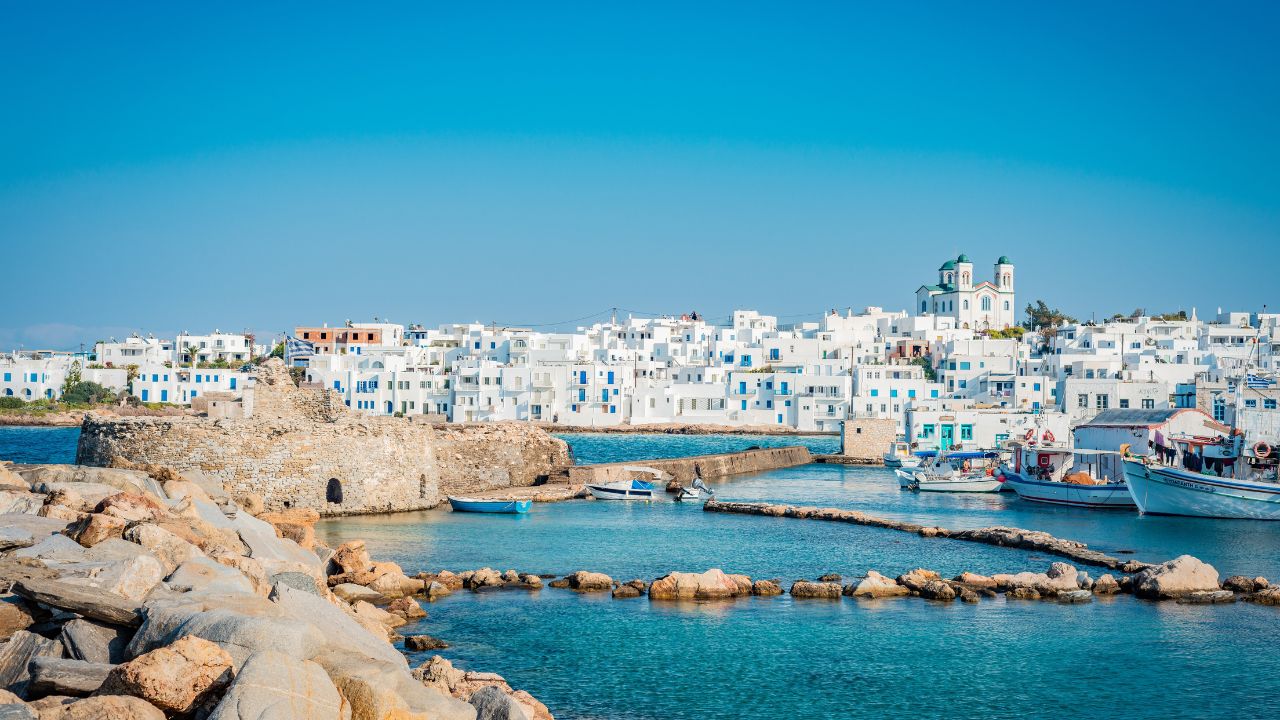
This Cycladic fishing village has maintained its authentic character despite growing popularity among discerning travelers. The traditional cube houses, windmills, and marble-paved streets provide a serene backdrop for slow exploration. Naoussa’s harbor restaurants serve some of Greece’s finest seafood, while the island’s interior villages and ancient marble quarries offer cultural depth beyond coastal beauty.
Sitges, Spain
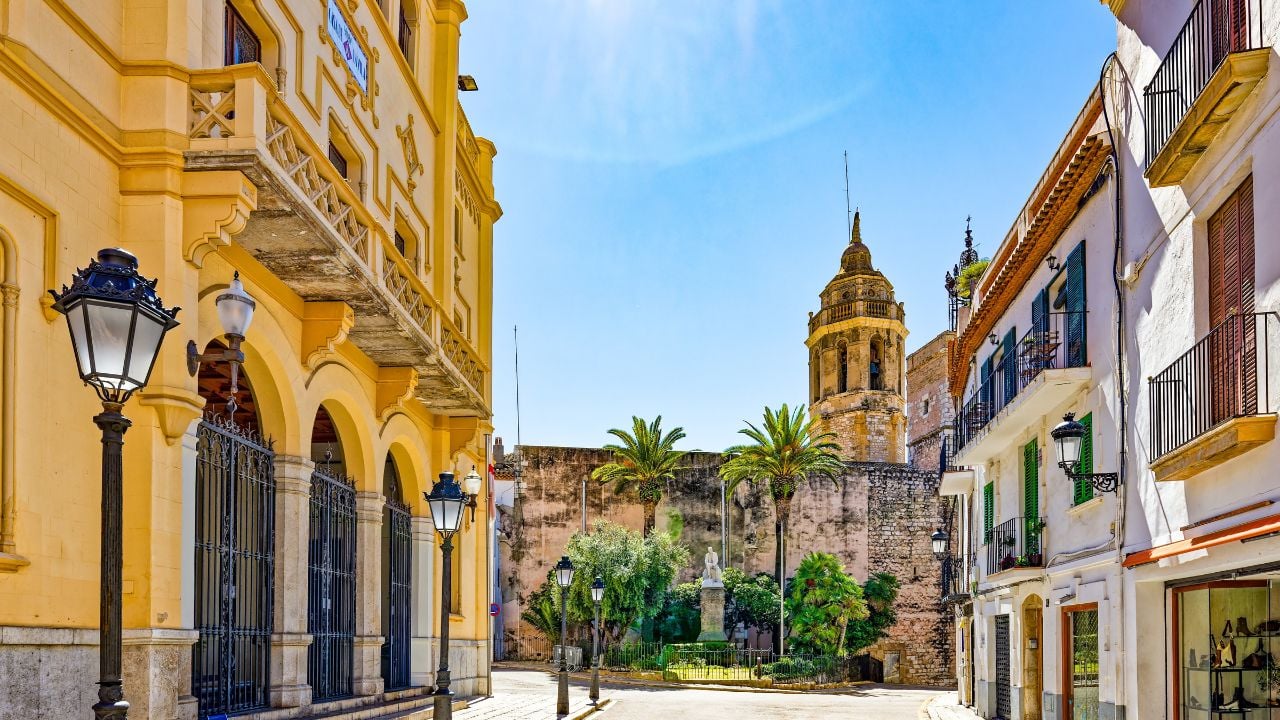
This artists’ town south of Barcelona combines bohemian culture with Mediterranean leisure. The promenade connects multiple beaches, each with its own character, while the Old Town’s galleries, boutiques, and tapas bars create a sophisticated small-city atmosphere. Sitges’ calendar of cultural festivals and its historically LGBTQ+-friendly environment have created a uniquely welcoming community perfect for extended stays.
Spetses, Greece
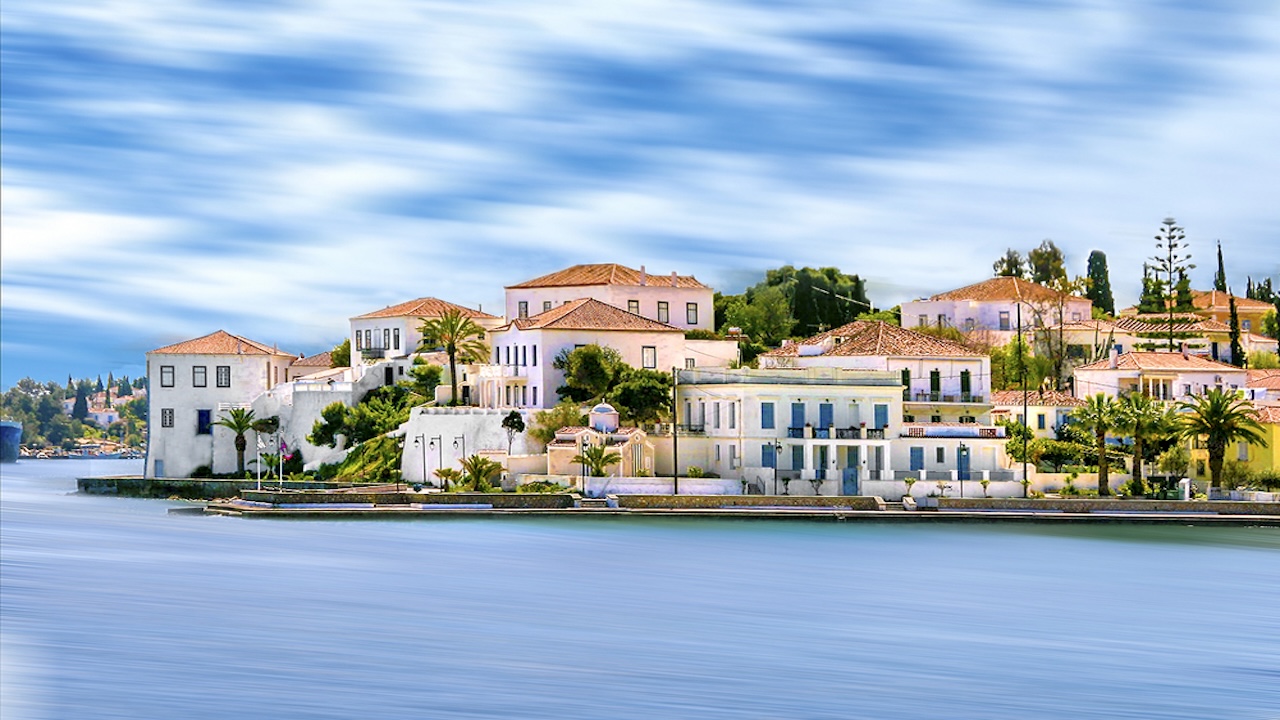
This car-free island near Athens maintains an aristocratic elegance from its 19th-century maritime wealth. Horse-drawn carriages and bicycles provide transportation, while the pine-covered hills and hidden coves offer natural retreats. Spetses’ grand mansions now house boutique hotels and restaurants serving refined Greek cuisine, creating an atmosphere of refined relaxation.
Taormina, Sicily

Perched on Mount Etna’s foothills with views across to Calabria, Taormina has attracted slow travelers since German tourists “discovered” it in the 19th century. The ancient Greek theater still hosts performances against dramatic backdrops, while the medieval streets provide endless opportunities for leisurely exploration. Taormina’s elevated position offers both mountain and sea experiences, with cable car access to beaches below.