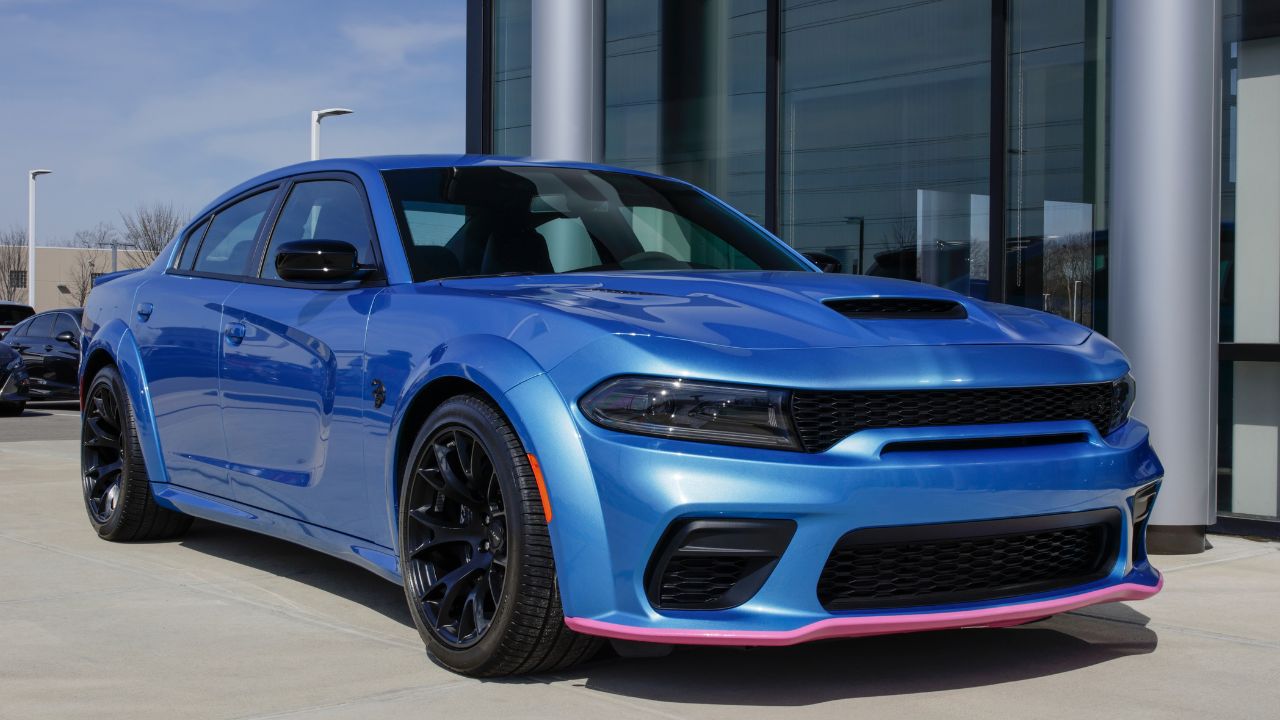
Few decisions in the automotive world spark as much passionate debate as choosing between the Dodge Challenger Hellcat and the Dodge Charger Hellcat. Both use Dodge’s supercharged 6.2-liter HEMI V8, but output varies by model year and variant, with early Hellcats rated at 707 hp, the Challenger’s standard Hellcat raised to 717 hp for 2019, and the Charger generally staying at 707 hp with certain editions rated at 717 hp, with higher-power versions also available, yet they appeal to distinctly different sensibilities.
The Challenger channels classic muscle car nostalgia with its two-door coupe design, while the Charger offers four-door practicality without sacrificing any of that raw American muscle. Whether you prioritize straight-line aggression, daily usability, or simply want to know which Hellcat wears the crown better, this comparison dives into what sets these supercharged siblings apart.
Let’s break down the differences that matter most to enthusiasts.
Scope note: Specs and performance vary by model year and configuration; unless otherwise stated, this comparison reflects the standard Hellcat models (not Redeye) from the modern Hellcat era
0-60 Acceleration: The Launch Battle
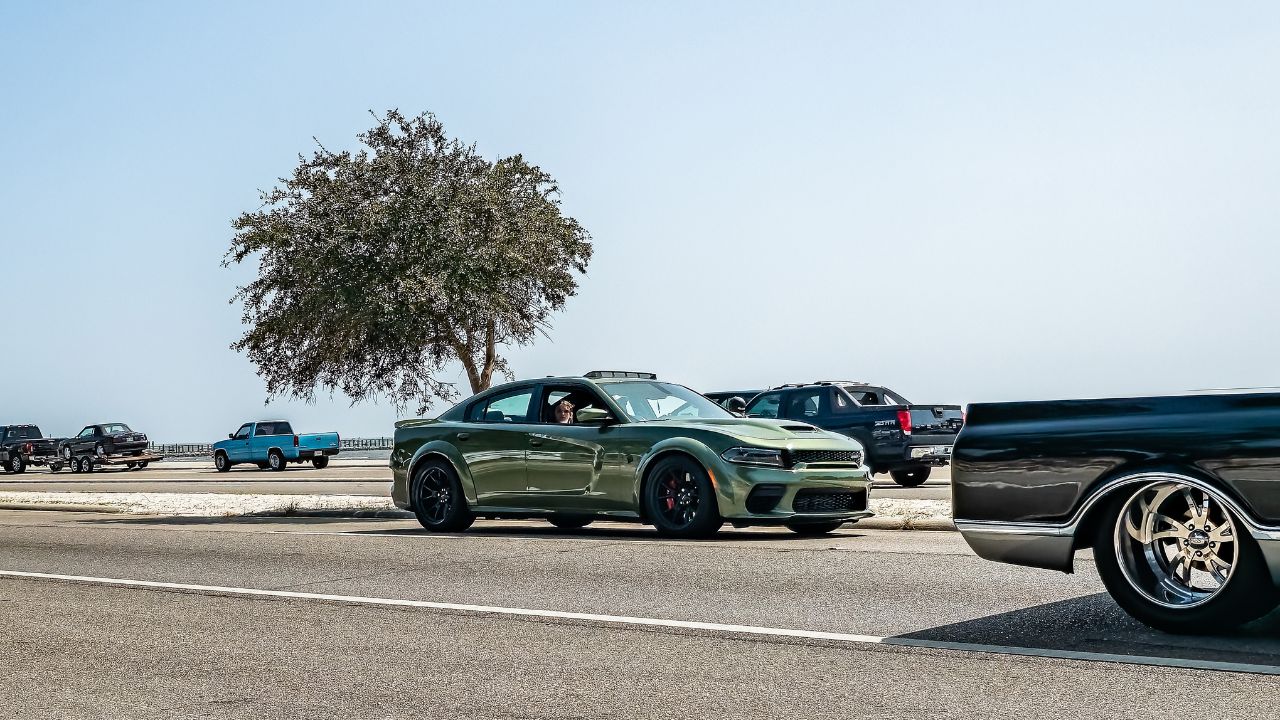
In magazine testing, both cars run mid-3-second 0–60 times, and results vary with tires, surface, and conditions. Some tests show one or the other slightly quicker off the line, but the gap isn’t consistent enough to treat as a fixed advantage, with instrumented 0 to 60 mph results for both cars commonly landing in the mid 3 second range depending on tires, surface, and conditions.
That tenth of a second difference comes down primarily to weight distribution and wheelbase advantages. The Charger’s slightly longer wheelbase helps it put power down more efficiently during hard launches, reducing wheelspin and maximizing traction. While both cars will pin you to your seat with brutal acceleration, the Charger’s marginal advantage makes it the go-to choice for stoplight supremacy.
It’s the kind of difference that might not matter on the street but certainly counts when bragging rights are on the line.
Winner: Charger
Top Speed: Reaching the Limit

Factory-claimed top speed is typically cited around 199 mph for the Challenger Hellcat and about 204 mph for the Charger Hellcat, depending on model year and equipment.
That advantage is typically attributed to a combination of gearing and aerodynamics, and Dodge has published a 204.55 mph top speed test for the Charger SRT Hellcat while citing 199 mph for the Challenger Hellcat. Of course, these numbers are academic for most drivers since opportunities to legally explore these limits are virtually nonexistent. Both cars require respect and proper venue when approaching their upper performance boundaries.
Still, knowing your modern muscle car can crack 195 mph adds a certain swagger to every drive, even if you’re just cruising at highway speeds.
Winner: Dodge Charger Hellcat
Quarter-Mile Performance: Drag Strip Dominance
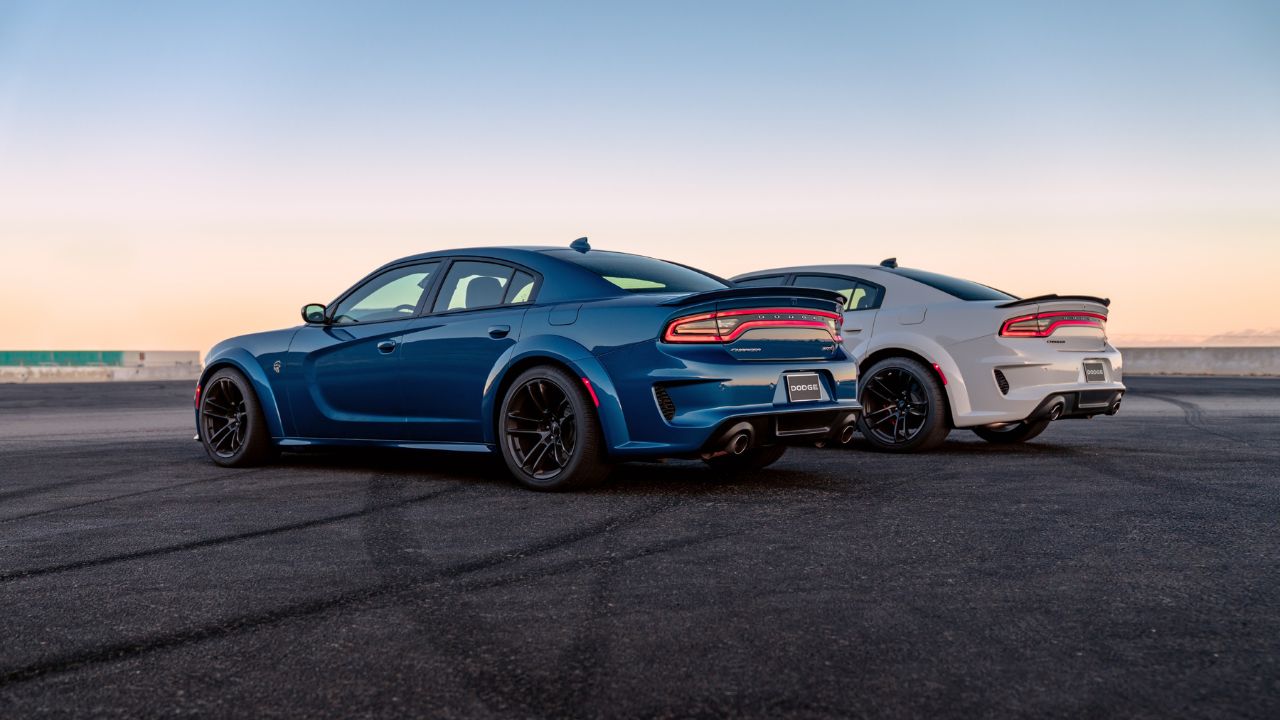
At the drag strip, independent tests often put both cars in the 11.6 to 11.8 second range at about 125 to 126 mph, depending on tires and conditions. Results can favor either car, so it’s hard to claim a consistent quarter mile winner between standard Hellcats.
Both vehicles deliver supercar-humbling performance at a fraction of the price, making them legends in the quarter-mile community.
Winner: Tied
Styling and Road Presence: Making a Statement
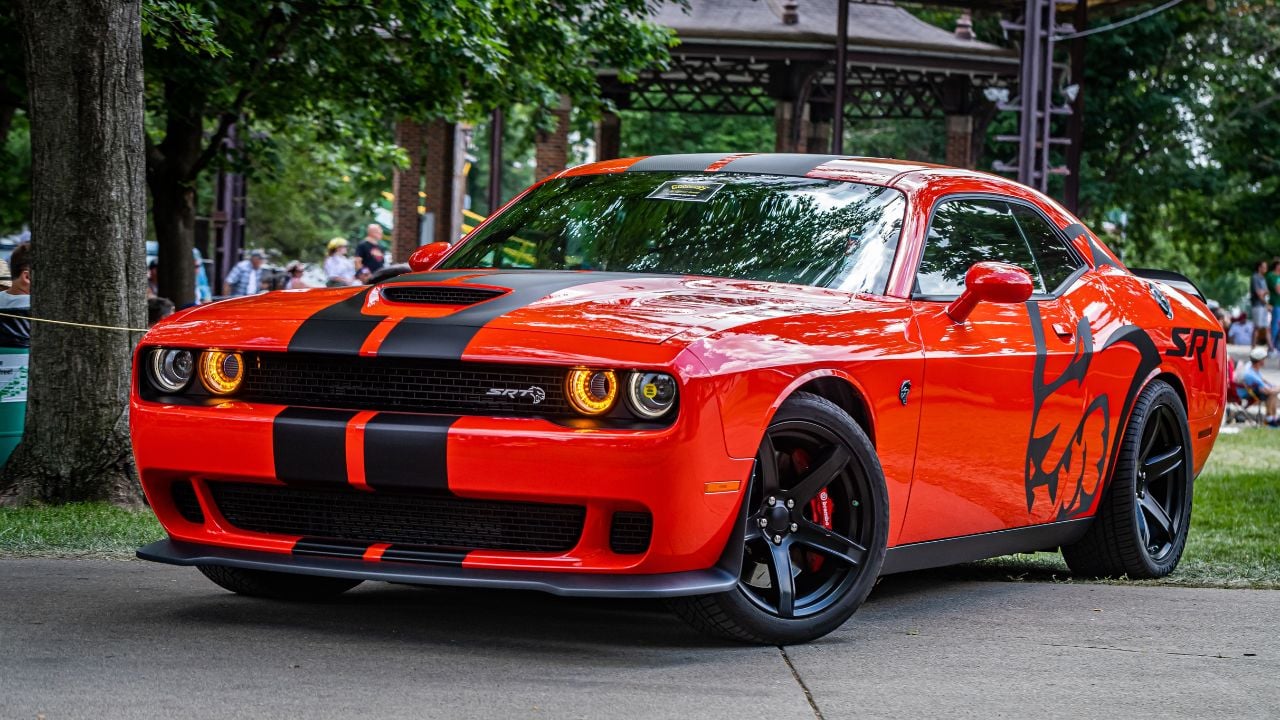
Here’s where personal preference truly takes over, because these cars couldn’t look more different from each other.
The Challenger embraces retro muscle car styling with its wide haunches, aggressive front end, and coupe roofline that directly channels the 1970s original. Meanwhile, the Charger presents a more modern, purposeful sedan stance that somehow makes four doors look menacing rather than mundane. The Challenger turns more heads at car shows and evokes stronger nostalgia, while the Charger projects a “sleeper” vibe that surprises unsuspecting drivers.
Neither approach is wrong, and both vehicles command respect on the road through sheer presence and that unmistakable supercharger whine.
Winner: Tied
Interior Space and Practicality: The Comfort Factor
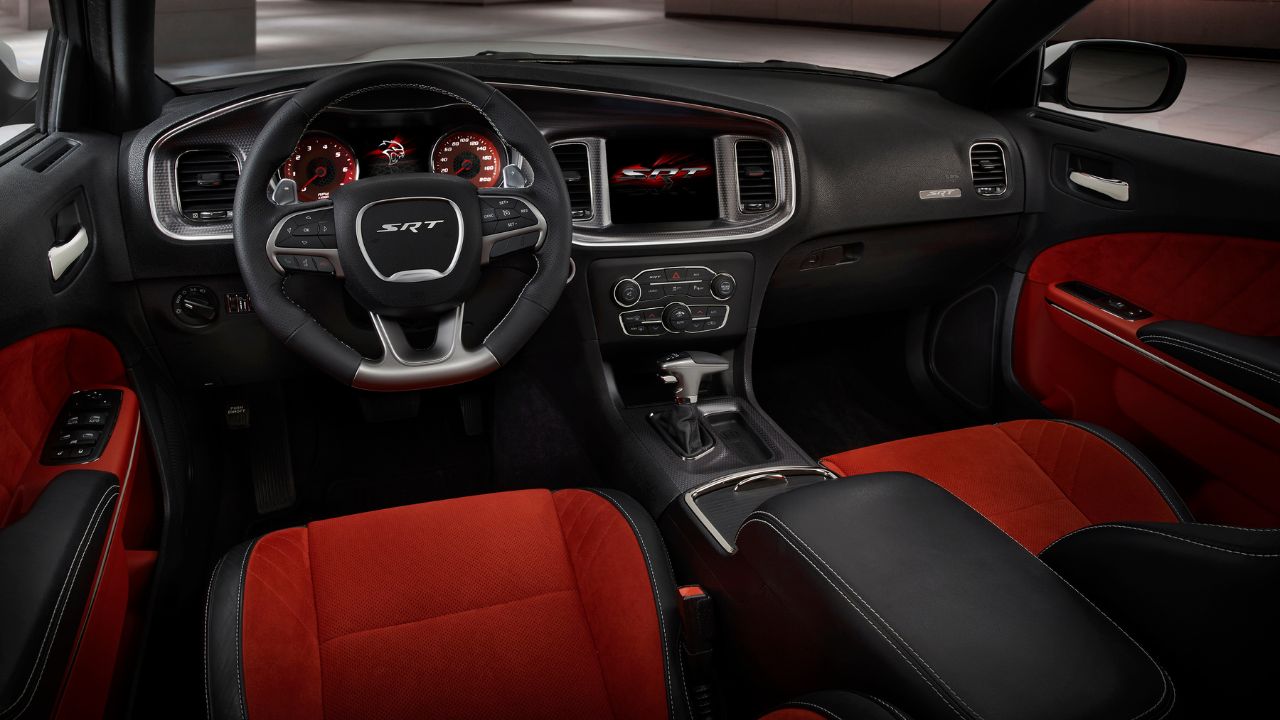
The Charger Hellcat dominates this category with genuine rear-seat space and a larger trunk, making it a legitimate family hauler that happens to be a supercar killer.
Rear passengers in the Charger enjoy adult-friendly legroom and comfort for longer trips, while the Challenger’s back seats are best reserved for children or short journeys. Both cars offer similar front-seat comfort with supportive bucket seats and quality materials throughout the cabin. If you need to carry passengers regularly or want one car that does everything, the Charger makes the more practical choice.
The Challenger works better for drivers who prioritize the driving experience over utility and rarely need those rear seats.
Winner: Dodge Charger Hellcat
Handling and Agility: Taking the Turns
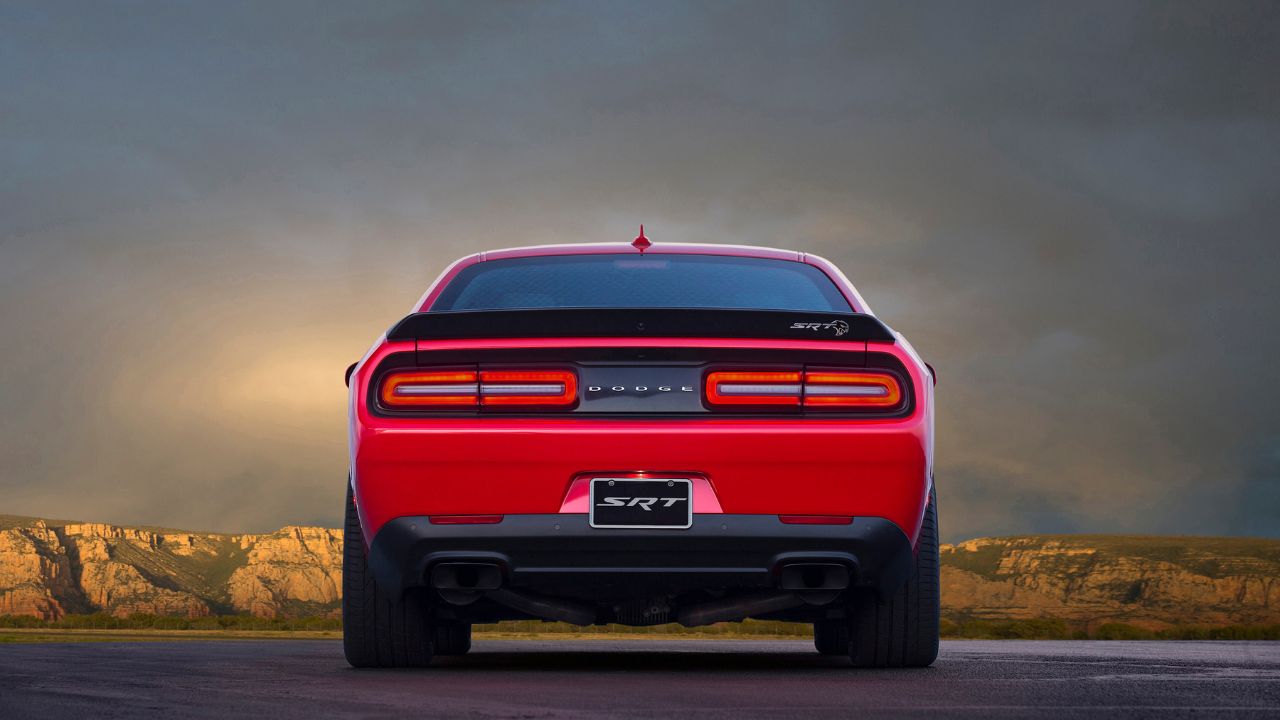
The Challenger’s shorter wheelbase can make it feel more eager to rotate, while the Charger’s longer wheelbase can feel more stable at speed.
It feels more planted and responsive when attacking twisty roads, with less body roll and sharper turn-in characteristics. The Charger’s longer wheelbase provides exceptional high-speed stability but makes it feel larger and less nimble in tight corners. Neither car was designed primarily for canyon carving, but both offer adaptive suspension systems that help manage their considerable mass.
For drivers who value a more engaging and agile driving experience, the Challenger delivers a slightly more connected feel through the steering wheel.
Winner: Dodge Challenger Hellcat
Daily Drivability: Living with a Hellcat
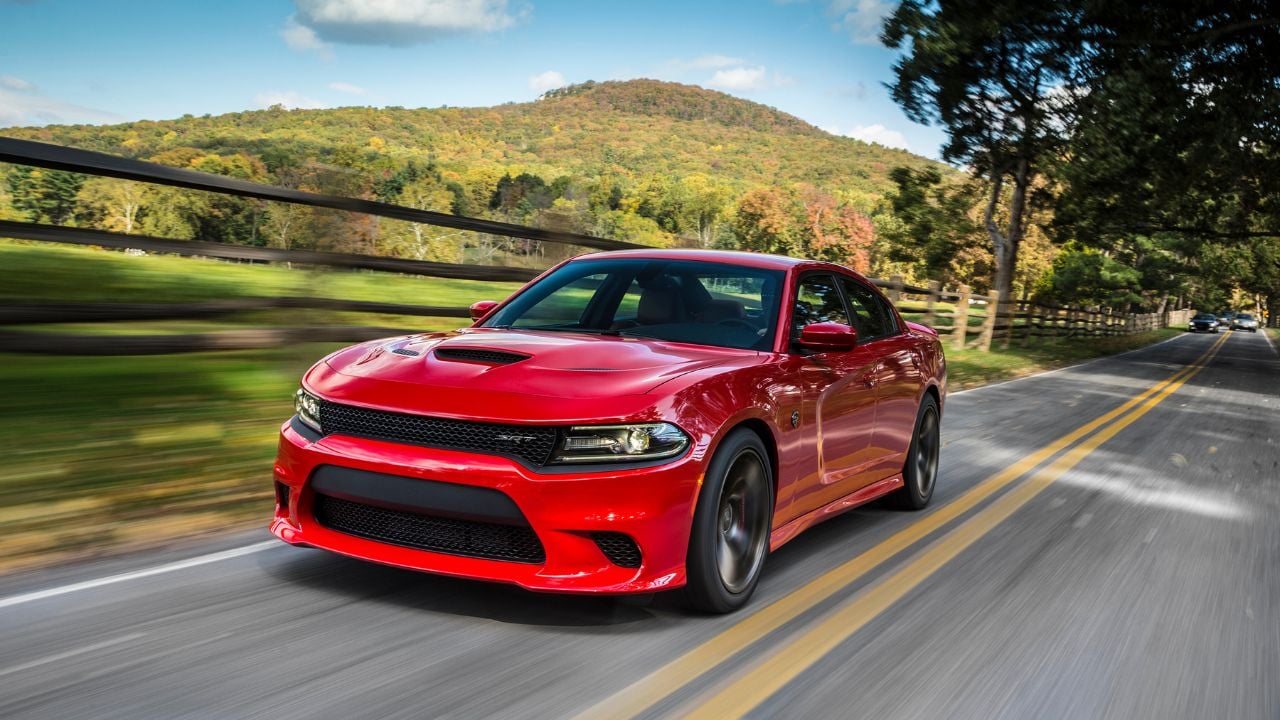
The Charger Hellcat wins the daily driver competition by offering genuine practicality alongside its performance credentials.
You can drop kids at school, handle grocery runs, and still have up to 707 to 717 horsepower on tap depending on model year and configuration when the mood strikes. The Challenger requires more compromises for daily use, with limited rear visibility, tighter dimensions, and those cramped rear seats that limit its versatility. Both vehicles offer surprisingly comfortable rides in their default drive modes, with manageable throttle response and decent fuel economy when you’re not channeling your inner drag racer. The Charger simply makes more sense for owners who need their Hellcat to pull double duty as a practical vehicle.
The Challenger works best as a weekend warrior or second car that prioritizes pure driving pleasure.
Winner: Dodge Charger Hellcat
Braking Performance: Stopping Power Matters
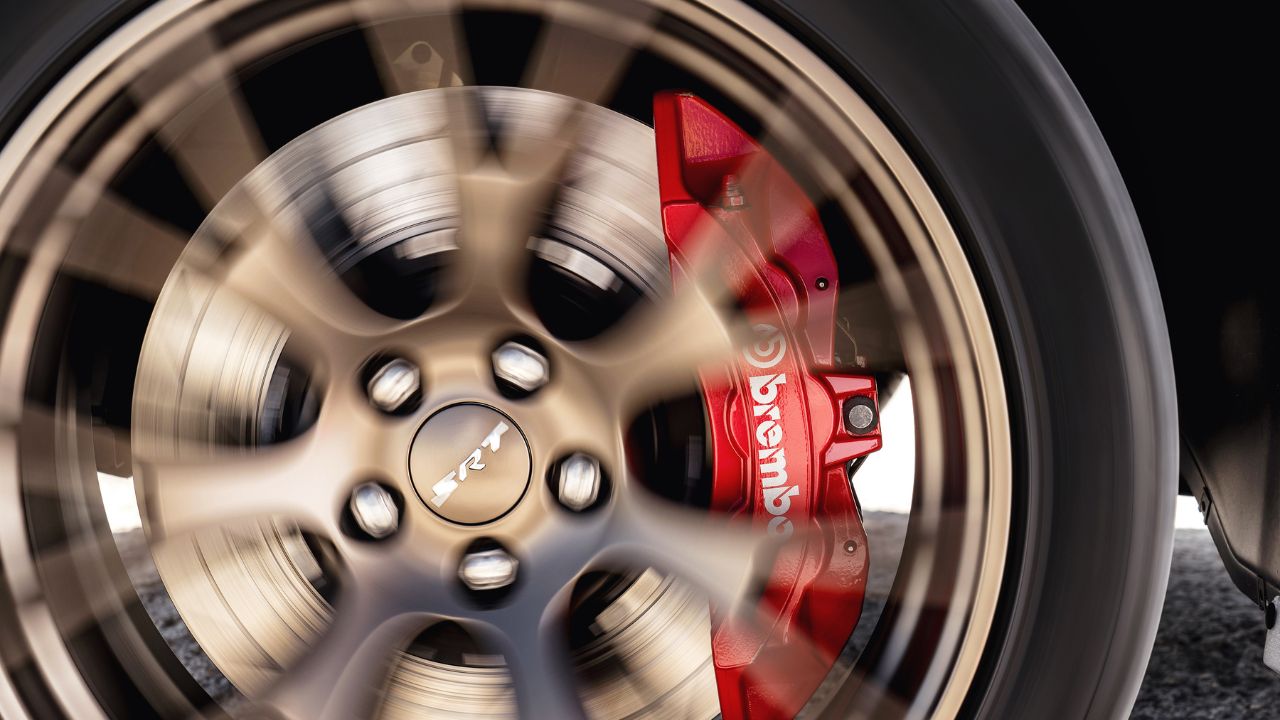
Both Hellcats come equipped with massive Brembo brakes, and 60 to 0 mph braking distances vary with tires and conditions. For example, MotorTrend recorded 109 feet for a 2015 Challenger SRT Hellcat.
The Charger’s additional weight is offset by its longer wheelbase, which provides better weight distribution during hard braking. Neither car exhibits significant brake fade during spirited driving, and both offer strong pedal feel and modulation. When you’re piloting over 700 horsepower, having confidence in your brakes becomes just as important as acceleration.
These supercharged sedans and coupes deliver reassuring stopping performance that matches their straight-line capabilities, giving drivers the confidence to push harder when conditions allow.
Winner: Tied
Fuel Economy: The Reality Check
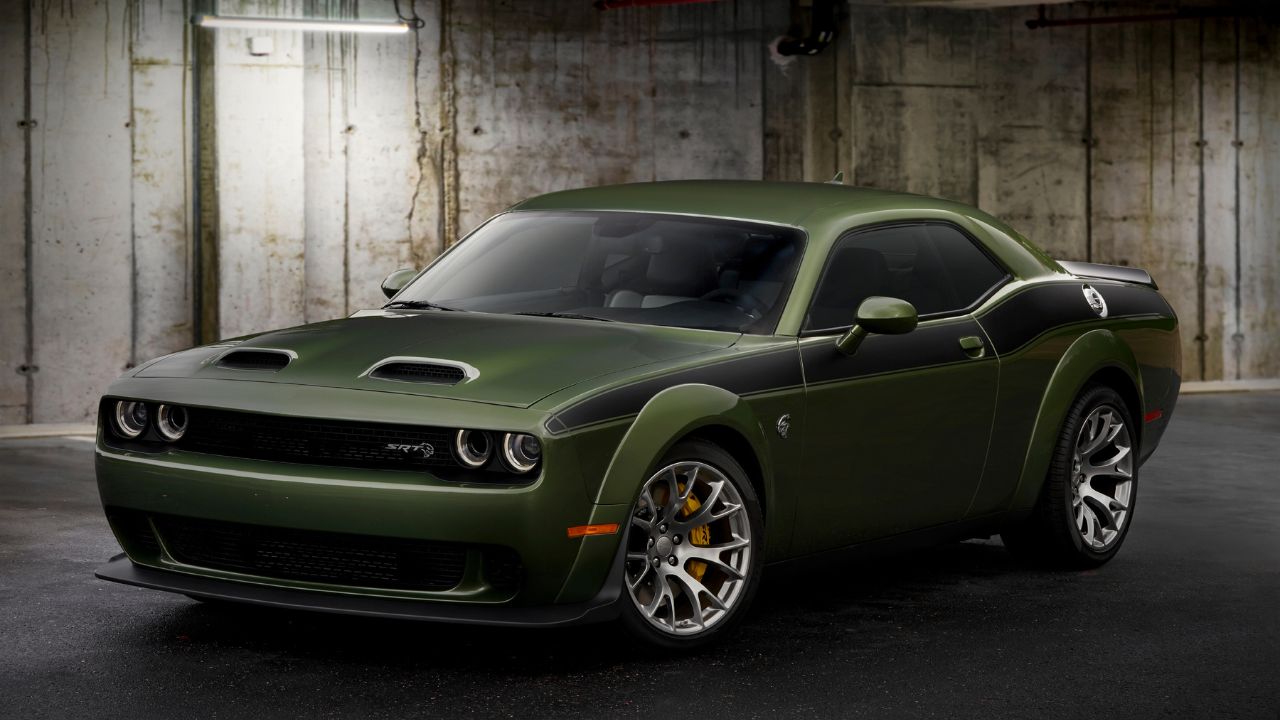
Let’s be honest, nobody buys a Hellcat expecting Prius-like fuel economy, but the numbers still matter for daily driving calculations.
EPA fuel economy varies by year and configuration. For example, a 2019 Charger SRT Hellcat is rated 13/22 mpg, while the 2020 Charger SRT Hellcat Widebody is listed at 12/21 mpg, and Challenger Hellcat ratings are typically similar at 13/22 mpg. In real-world driving, expect to see low teens in mixed conditions and maybe crack 20 mpg on highway cruises if you can resist the supercharger’s siren song. Both vehicles require premium fuel to achieve their full performance potential.
The substantial fuel costs are simply part of the Hellcat ownership experience, and anyone bothered by frequent gas station visits should probably consider different vehicles.
Winner: Tied
Price and Value: Bang for Your Buck
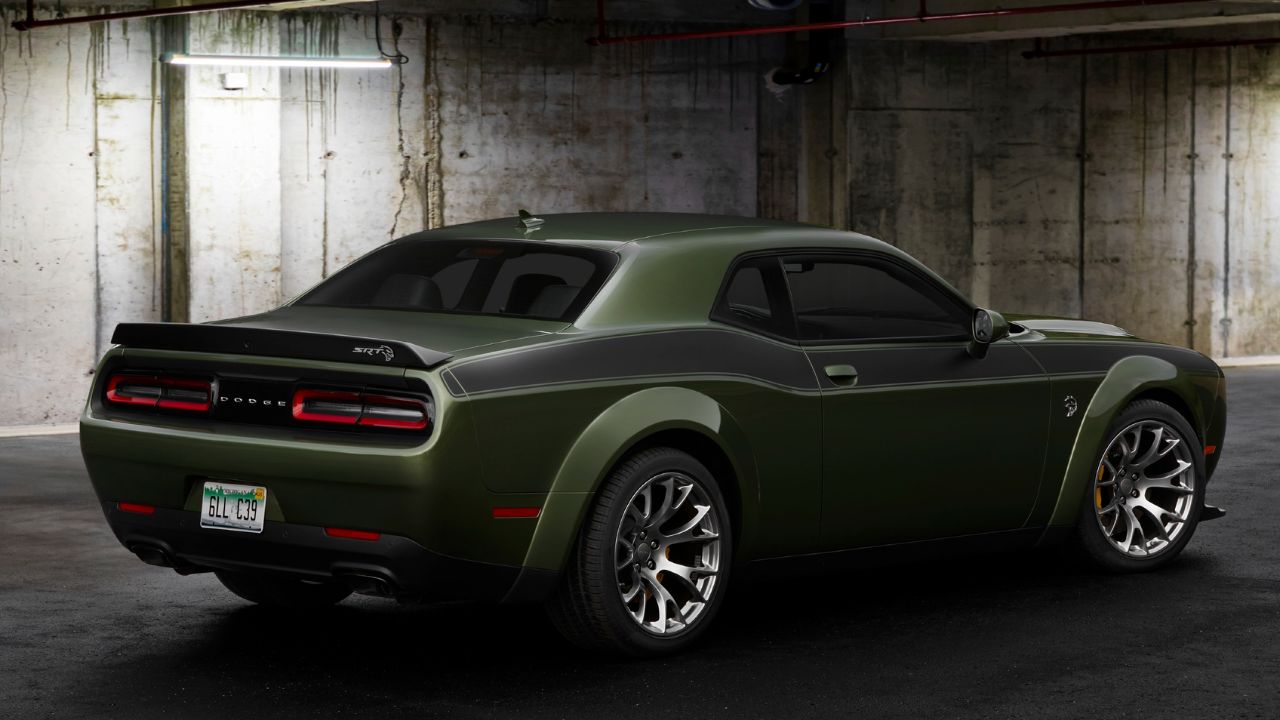
The Challenger Hellcat typically carries a slightly lower starting price than the Charger Hellcat, though exact pricing varies based on model year and options.
Both vehicles represent exceptional performance value, delivering supercar-level acceleration at mainstream luxury car prices. The Charger’s additional practicality arguably makes it the better value for buyers who need one vehicle to handle multiple roles. Meanwhile, the Challenger offers more emotional appeal and collectibility for purists who prioritize driving experience above all else. Either way, you’re getting an American performance icon with components built to handle serious abuse.
The depreciation curves on these vehicles have proven favorable, with clean examples holding value well in the enthusiast market.
Winner: Dodge Challenger Hellcat
Sound and Character: The Auditory Experience
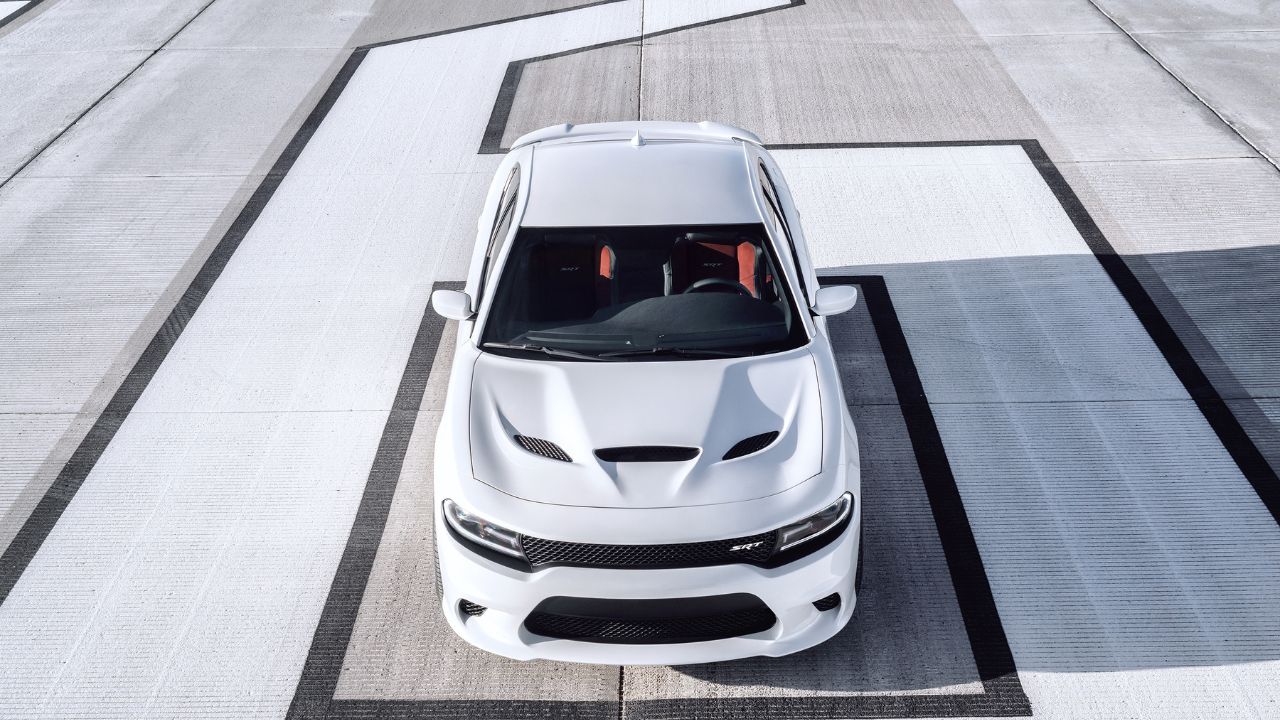
That supercharged 6.2-liter HEMI V8 sounds gloriously similar in both applications, delivering the same intoxicating combination of supercharger whine and deep exhaust rumble.
The Challenger’s coupe body arguably amplifies the engine note slightly, creating a more visceral in-cabin experience that some enthusiasts prefer. Both cars feature active exhaust systems that can be tamed for neighborhood cruising or opened up for maximum auditory drama. The distinctive Hellcat sound turns heads everywhere, announcing your arrival before you’re even visible.
This shared powerplant represents the heart of both vehicles, and it’s an absolute masterpiece of American engineering that never gets old no matter which body style surrounds it.
Winner: Tied
Track Capability: Weekend Warrior Potential

While neither Hellcat was designed as a dedicated track car, both can hold their own during track day events with proper preparation.
The Challenger’s slightly better handling characteristics give it a marginal advantage in lap times, though both cars demand respect for their weight and power. Track-focused drivers might consider the Challenger’s more engaging dynamics and lighter weight as advantages worth having. The Charger’s longer wheelbase provides better stability on high-speed circuits but requires more muscle in tight technical sections. Both vehicles benefit from cooling considerations during extended track sessions, as their supercharged engines generate serious heat.
For enthusiasts who occasionally hit the track, either Hellcat delivers thrilling performance that embarrasses much more expensive machinery.
Winner: Tied
The Verdict: Choosing Your Hellcat
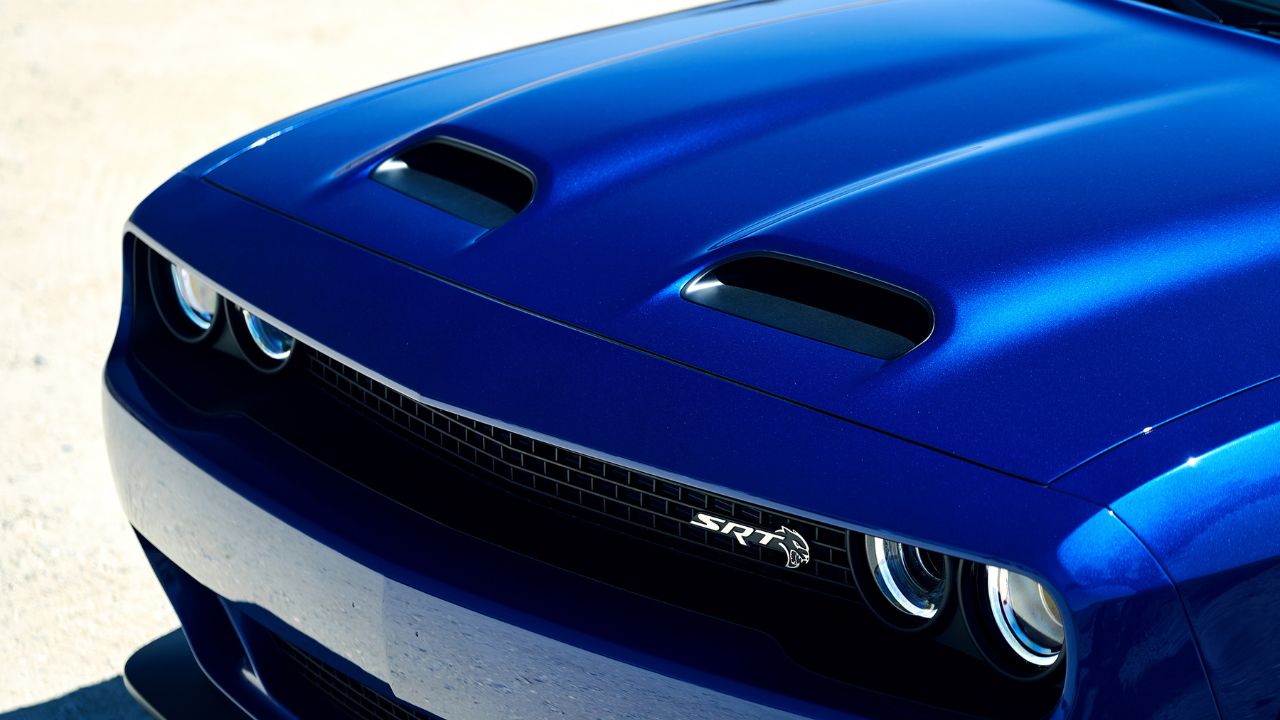
Honestly, most of these “wins” were by the tiniest margin, even a Miata couldn’t fit in it.
Making the choice between these two supercharged beasts ultimately comes down to how you plan to use the vehicle and what speaks to your automotive soul. The Charger Hellcat makes the logical choice for buyers who want one car that handles both family duties and weekend performance runs without compromise. The Challenger Hellcat appeals to purists who prioritize driving engagement, classic styling, and that emotional connection that only a two-door muscle car can provide.
Both vehicles represent the peak of American muscle car engineering and offer experiences that few other cars can match at any price. There’s no wrong answer here, just different paths to tire-smoking, supercharged happiness that’ll have you grinning every time you fire up that glorious HEMI V8.