The automotive landscape is shifting once again, and 2026 marks the end of the road for several SUVs that have carved out their own niches over the years.
hether it’s changing consumer preferences, the push toward electrification, or manufacturers streamlining their lineups, these departures leave gaps that shoppers will need to fill. Some of these models have been quirky underdogs, while others represented premium takes on familiar formulas.
The good news? For every SUV heading to the great showroom in the sky, there’s an alternative ready to step up and possibly do the job even better.
SUV Leaving in 2026: Kia Soul

The boxy little Soul has been turning heads since 2009, proving that practicality doesn’t have to be boring.
With its distinctive shape, surprising interior space, and affordable price point, the Soul attracted buyers who wanted something different from the typical compact crossover blob. It’s been especially popular with younger buyers and city dwellers who appreciated its easy maneuverability and funky personality.
The Soul’s departure means one less option for those seeking affordable character in the subcompact segment.
Alternative: Hyundai Kona

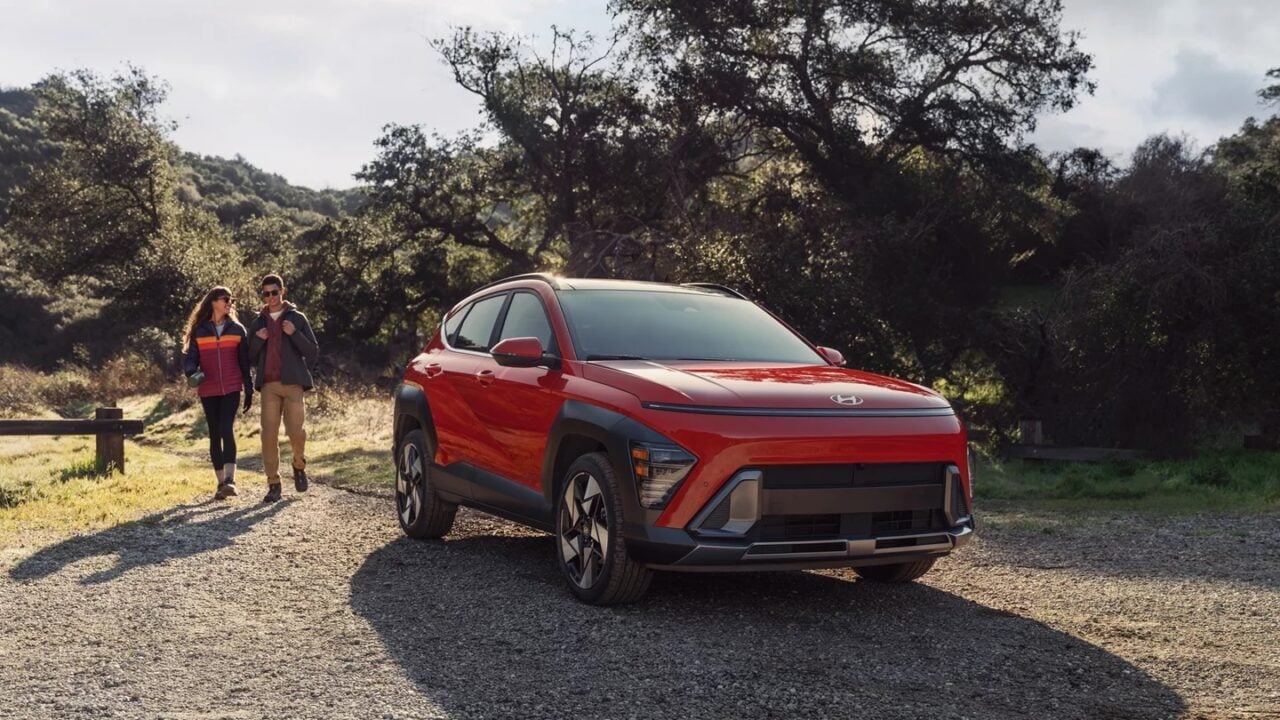
The Kona shares corporate DNA with the Soul but brings a more modern design language and available all-wheel drive to the table.
Its turbocharged engine options deliver spirited performance, and the completely redesigned model offers a tech-forward interior that feels upscale for the segment. While it trades some of the Soul’s boxy charm for sleeker styling, the Kona matches its practicality with better driving dynamics.
Plus, there’s an electric variant if you’re ready to make that leap, giving you future-proofing the Soul never offered.
SUV Leaving in 2026: Ford Escape

The Escape has been a mainstay in Ford’s lineup for over two decades, appealing to families who needed reliable transportation without breaking the bank.
Its spacious interior, available hybrid powertrain, and competitive pricing made it a sensible choice in the crowded compact SUV market. Ford’s decision to discontinue it reflects the brand’s strategic shift toward larger SUVs and trucks, where profit margins run higher.
For longtime Escape owners, finding a replacement that hits the same sweet spot of value and versatility will be key.
Alternative: Mazda CX-50

If you valued the Escape’s practicality but wished it drove a bit more like a sports car, the CX-50 is calling your name.
Mazda’s latest compact SUV emphasizes driving enjoyment without sacrificing utility, featuring a more rugged design than its CX-5 sibling. The interior quality punches above its price class, with upscale materials and intuitive controls that make every drive pleasant.
You’ll get similar cargo capacity to the Escape but with a chassis that actually makes you want to take the long way home.
SUV Leaving in 2026: BMW X4
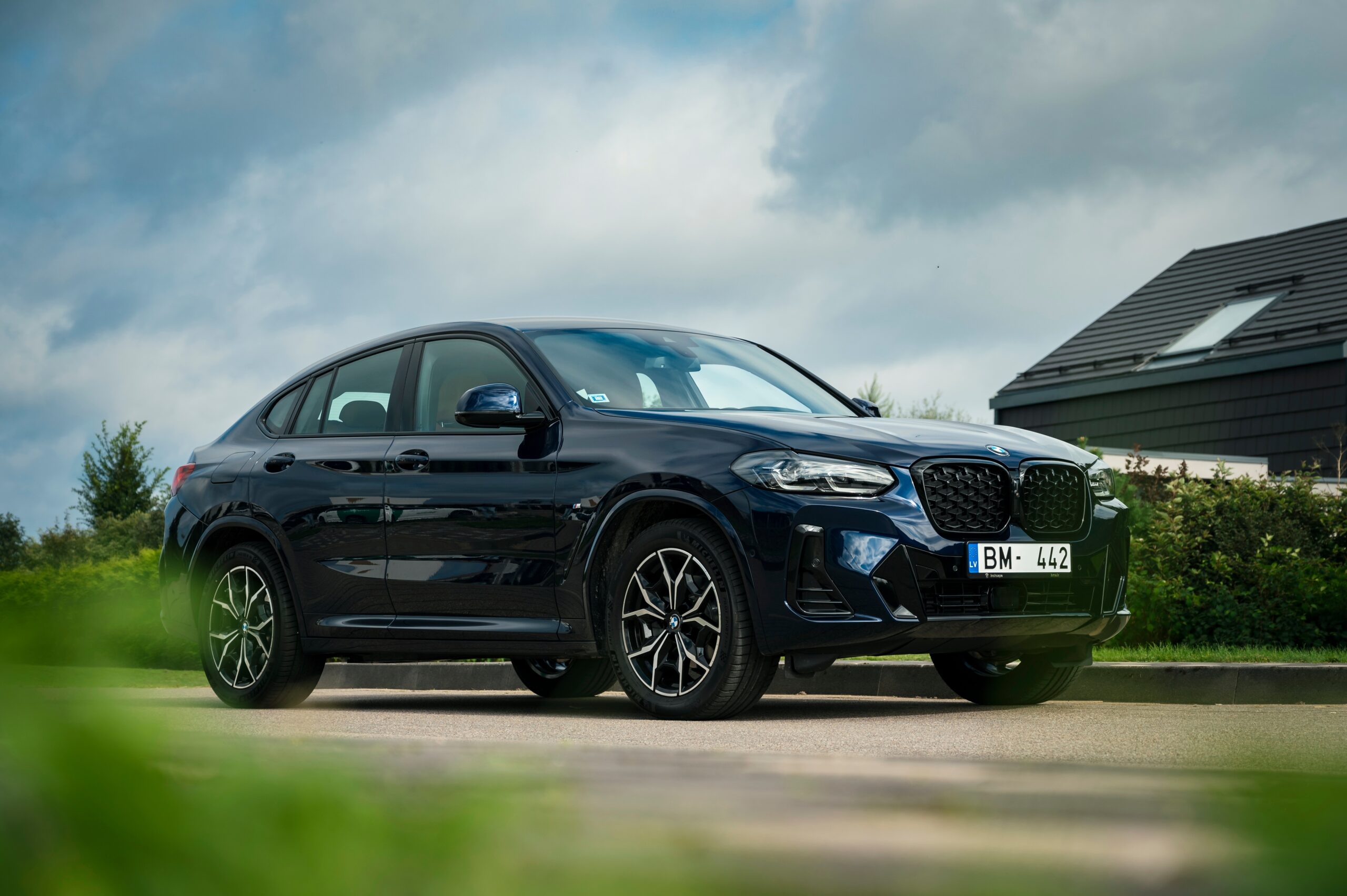
BMW’s coupe-ified take on the X3 has always been a niche product, targeting buyers who prioritized style over rear-seat headroom.
The X4 delivered BMW’s signature driving dynamics in a package that stood out from the more utilitarian X3, though the sloping roofline came with practical compromises. Its departure streamlines BMW’s X lineup, which has expanded considerably over the years.
Those drawn to its sporty silhouette will need to look elsewhere for that same blend of performance and distinctive looks.
Alternative: Audi Q5 Sportback
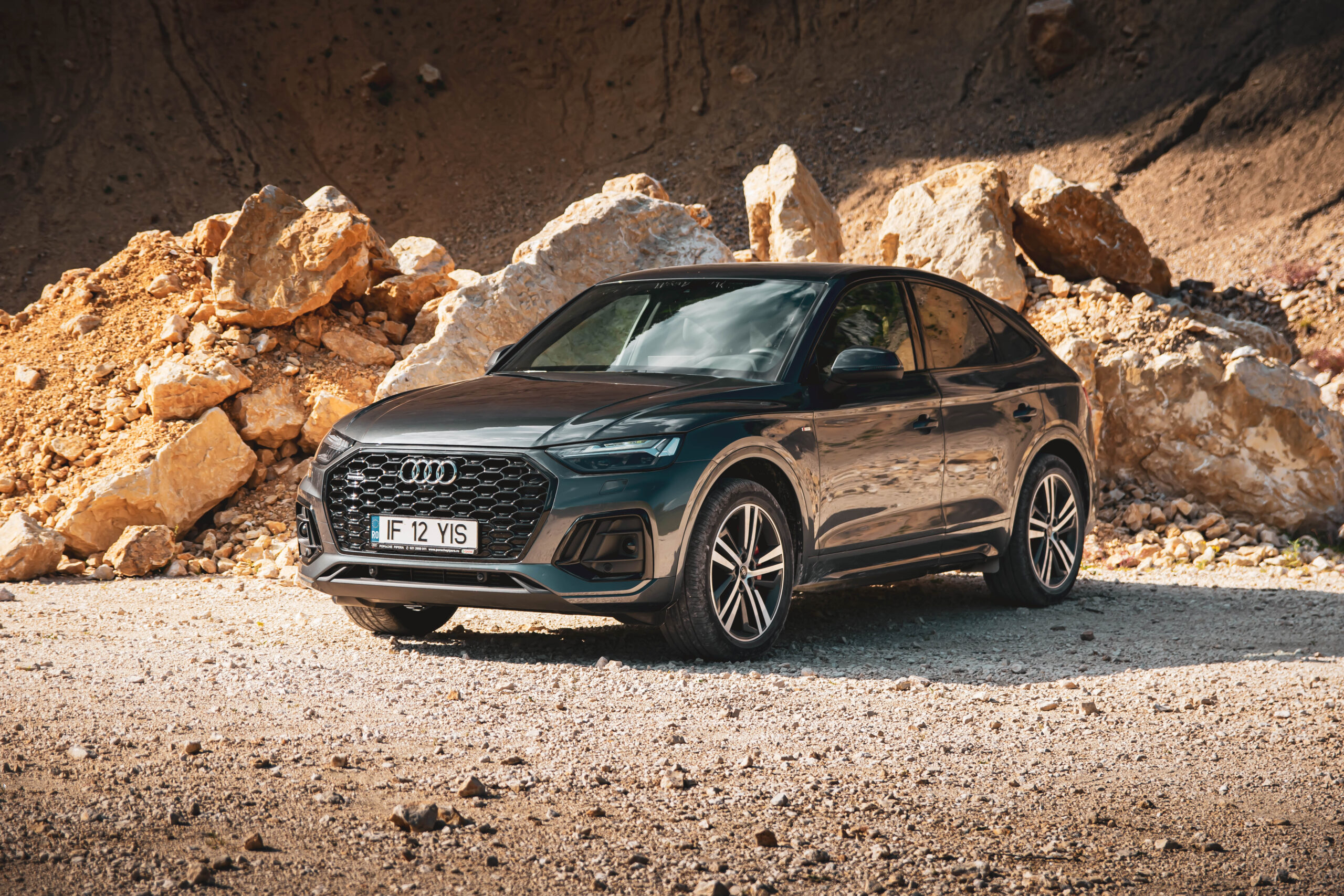
Audi’s answer to the X4 delivers similar coupe-like styling with Quattro all-wheel drive and a beautifully executed interior.
The Q5 Sportback manages to look athletic while maintaining better rear-seat comfort than the X4, thanks to clever packaging. Its tech interface is among the best in the class, and the available turbocharged engines provide plenty of punch for highway merging and mountain passes.
You’re trading one German premium brand for another, but gaining Audi’s latest driver assistance features and a slightly more practical cabin.
SUV Leaving in 2026: Cadillac XT6

Cadillac’s three-row midsize SUV struggled to find its footing in a segment dominated by established players.
The XT6 offered distinctive styling and a comfortable ride, but it never quite captured the attention of luxury SUV buyers the way the Escalade commands respect. Its interior, while nicely appointed, didn’t quite reach the levels of refinement found in competing German and Japanese offerings.
The XT6’s exit leaves Cadillac with a gap in its lineup between the compact XT5 and the massive Escalade.
Alternative: Genesis GV80

The GV80 represents everything a modern luxury three-row SUV should be, with jaw-dropping design both inside and out.
Its twin-turbo V6 delivers effortless power, while the ride quality strikes that perfect balance between comfort and control. Genesis includes features as standard that luxury rivals charge thousands extra for, and the brand’s warranty and complimentary maintenance program sweeten the deal considerably. This is the SUV that makes you wonder why anyone still pays the German luxury premium.
SUV Leaving in 2026: Mercedes-Benz GLE Coupe

Mercedes created the luxury SUV coupe segment with the original GLE Coupe, proving there was demand for six-figure SUVs with compromised cargo space.
The current generation maintained that formula with powerful AMG variants and a tech-laden cabin that felt appropriately futuristic. However, the GLE Coupe always lived in the shadow of its more practical GLE sibling, making it a tough sell for families who needed actual utility.
Its departure reflects shifting priorities even among luxury buyers toward electrification and conventional SUV shapes.
Alternative: BMW X6 M60i
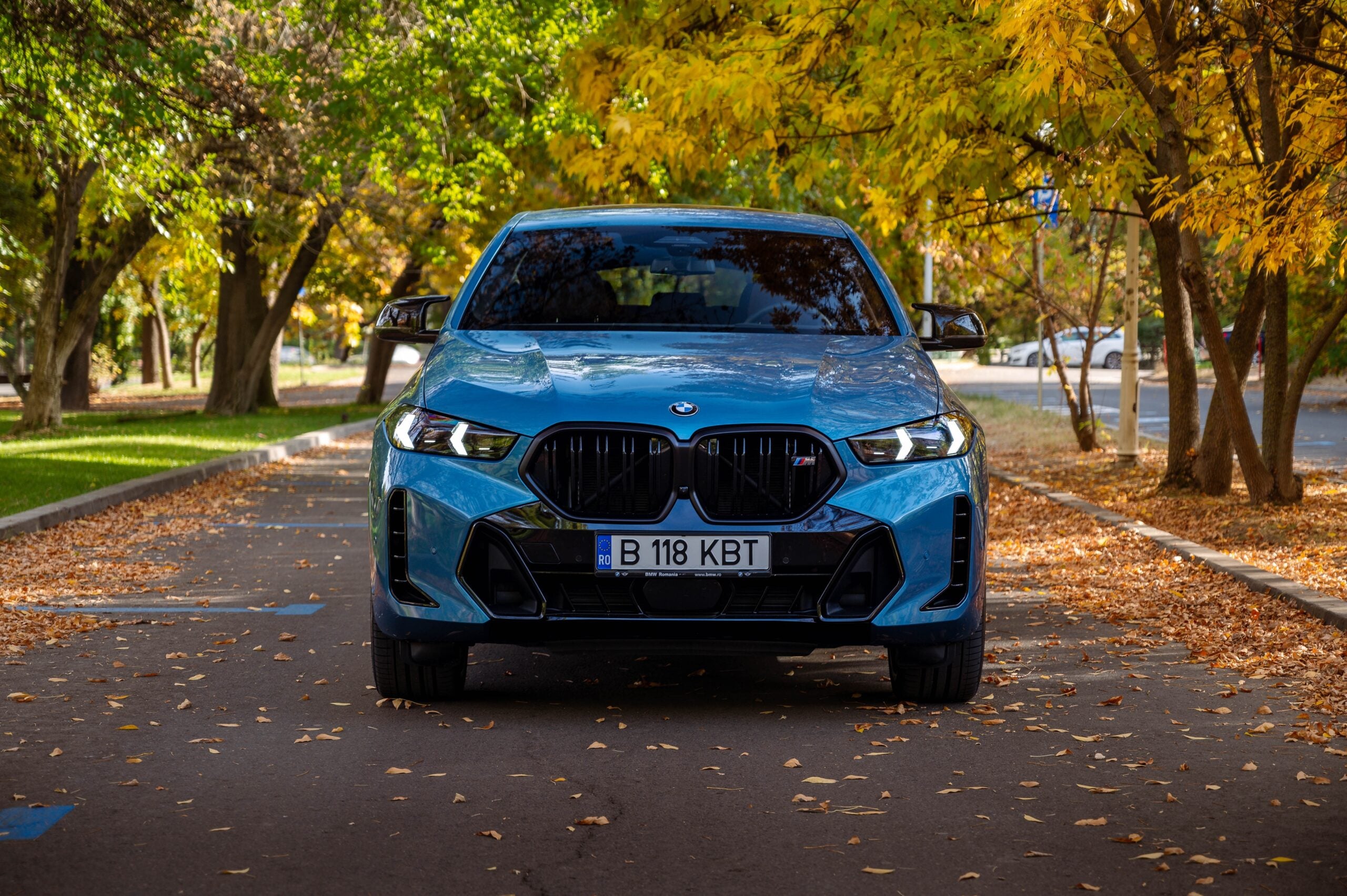
The X6 pioneered the SUV coupe concept and continues to execute it better than most competitors, with a muscular inline-six engine and adaptive suspension that handles curves impressively well for a vehicle this size.
BMW’s latest iDrive system is intuitive once you learn it, and the X6’s interior feels more driver-focused than the Mercedes equivalent.
You’ll actually gain some practicality over the GLE Coupe while maintaining that same head-turning silhouette that makes neighbors ask what you’re driving.
SUV Leaving in 2026: Lincoln Corsair

Lincoln’s compact luxury SUV brought elegant design and a serene driving experience to a segment often dominated by sportier German rivals.
The Corsair’s available plug-in hybrid powertrain offered impressive fuel economy, while its interior emphasized comfort over aggressive styling. Despite its strengths, the Corsair struggled to gain traction against established premium compact SUVs from Audi, BMW, and Mercedes.
Lincoln’s focus on larger SUVs like the Nautilus and Navigator means compact luxury buyers will need to adjust their expectations.
Alternative: Lexus NX
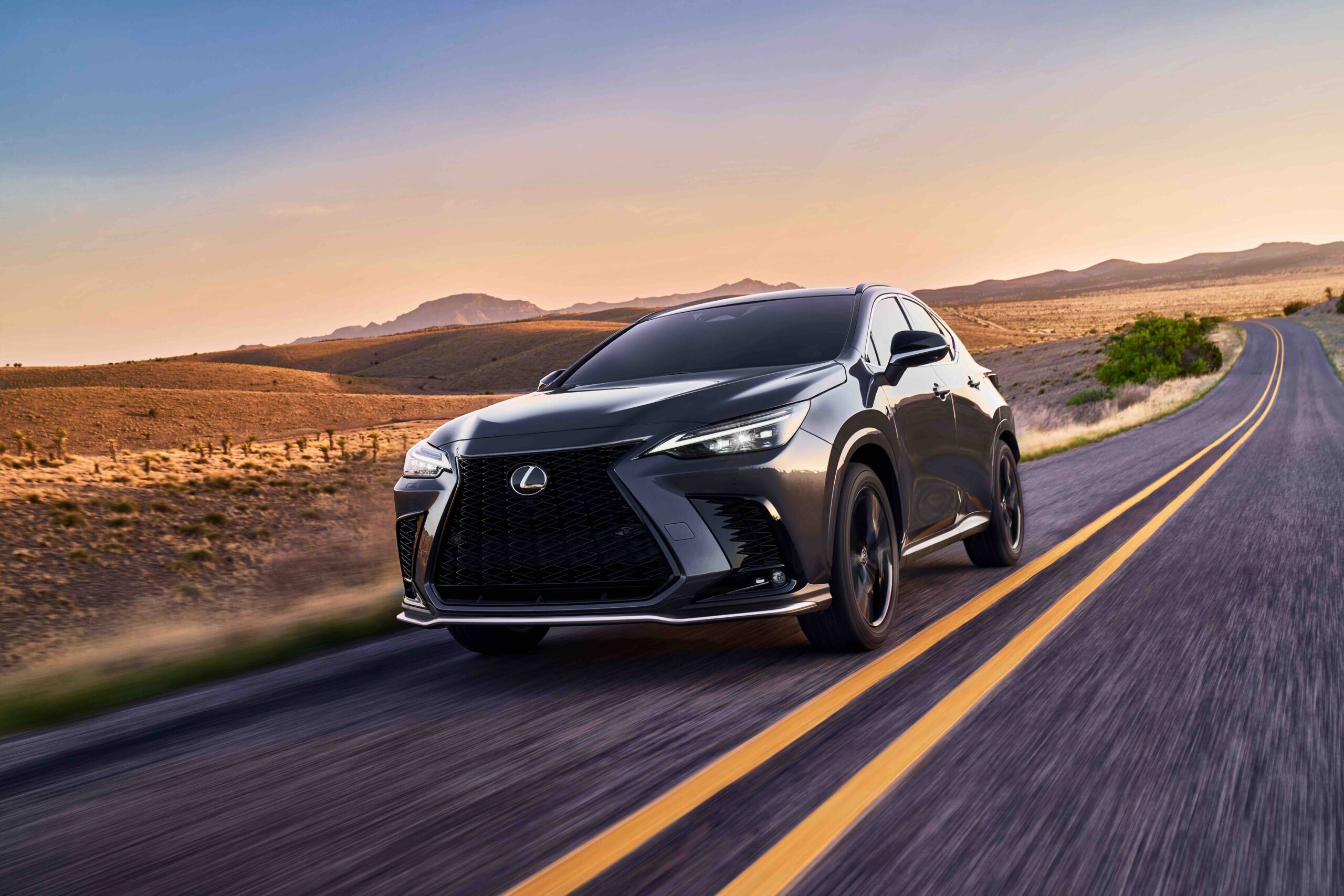
The redesigned NX represents Lexus at its finest, combining reliability with genuinely engaging driving dynamics.
Its bold exterior design won’t be mistaken for anything else on the road, and the cabin features a level of craftsmanship that justifies the luxury badge. Multiple powertrain options include a plug-in hybrid that delivers serious electric range, matching what the Corsair offered.
The NX’s predicted reliability ratings give it a significant edge for buyers who plan to keep their SUV long-term.
Conclusion

These six departures remind us that the SUV market never stops evolving, with manufacturers constantly recalibrating their offerings based on consumer demand and profit potential.
While saying goodbye to familiar nameplates can feel bittersweet, the alternatives highlighted here often represent improvements over what’s being discontinued. Each suggested replacement brings something compelling to the table, whether it’s better technology, superior driving dynamics, or enhanced value propositions.
The key is identifying which qualities matter most to you and finding the SUV that delivers on those priorities, because there’s never been more choice in the market than right now.