
Rome is eternal, but most visitors rush through it as if it were temporary, a checklist of landmarks to conquer rather than a city to feel. The Colosseum, the Vatican, the Trevi Fountain, all spectacular, yes, but they’re only the outer shell of something deeper. Rome rewards those who linger, who wander into quiet courtyards, who order another espresso just to watch life unfold around them. The city’s true beauty lies not only in its monuments, but in the rhythm of its daily life, a mosaic of art, chaos, and charm that reveals itself only when you stop chasing the obvious.
To experience the real Rome, you have to step off the beaten path. Beyond the Colosseum’s shadow lie neighborhoods filled with local color, ancient ruins without crowds, and culinary corners that taste like centuries of tradition. From secret gardens to forgotten catacombs, from local markets to sunset terraces, here are fourteen ways to experience the Eternal City differently, slower, deeper, and infinitely more Roman.
Explore Trastevere’s Hidden Alleys
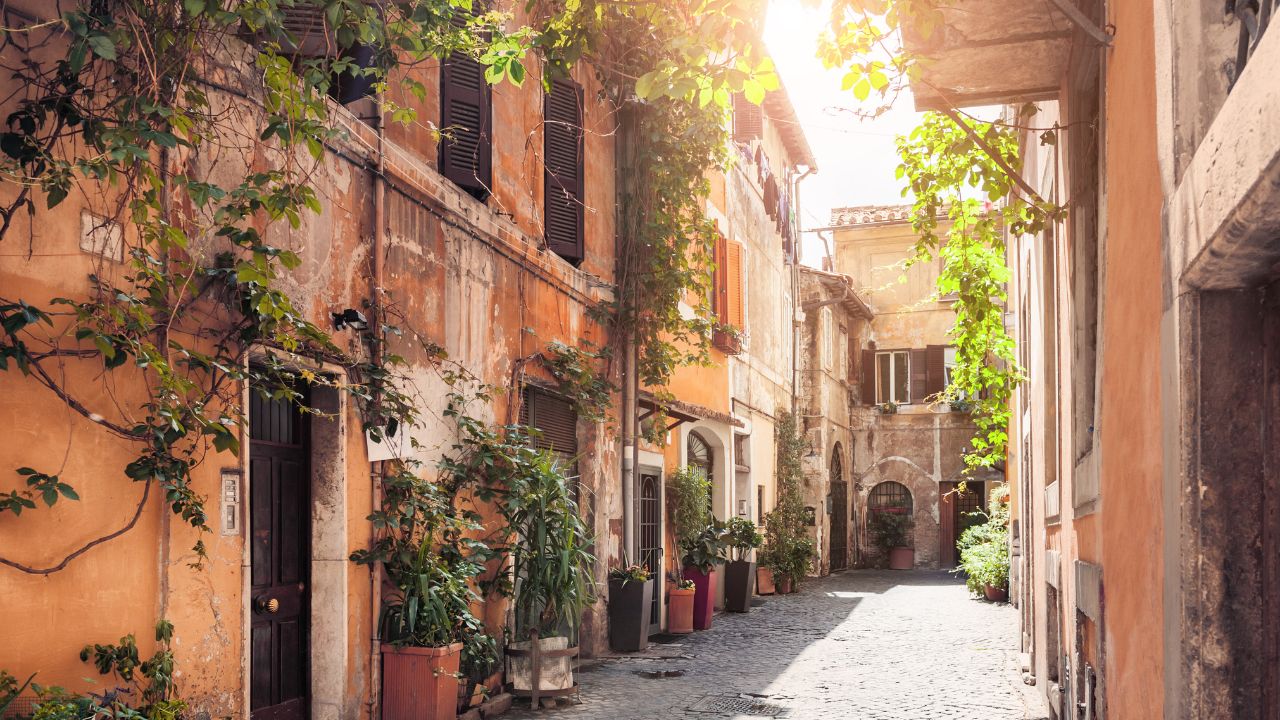
Trastevere is where Rome feels most alive. Beyond the main piazzas, the neighborhood twists into a labyrinth of cobbled streets lined with ivy-draped walls, small artisan shops, and trattorias where locals dine long into the night. Morning sunlight spills onto narrow alleys, turning every doorway and balcony into a postcard-worthy scene. Exploring here is like stepping into a painting each corner presents a new frame, from cats lounging on windowsills to laundry fluttering in the breeze above.
Evenings in Trastevere are magical. Street musicians play under the arches while locals sip wine on stoops and the aroma of fresh pizza fills the air. Santa Maria in Trastevere, one of Rome’s oldest churches, glows softly in the fading light, its mosaics gleaming as you pause to look up. Taking the time to wander without purpose reveals hidden fountains, tiny squares, and quiet spots perfect for reflection. This neighborhood reminds you that Rome’s soul is found not only in its landmarks but in its lived moments.
Climb the Aventine Hill and Peek Through the Keyhole
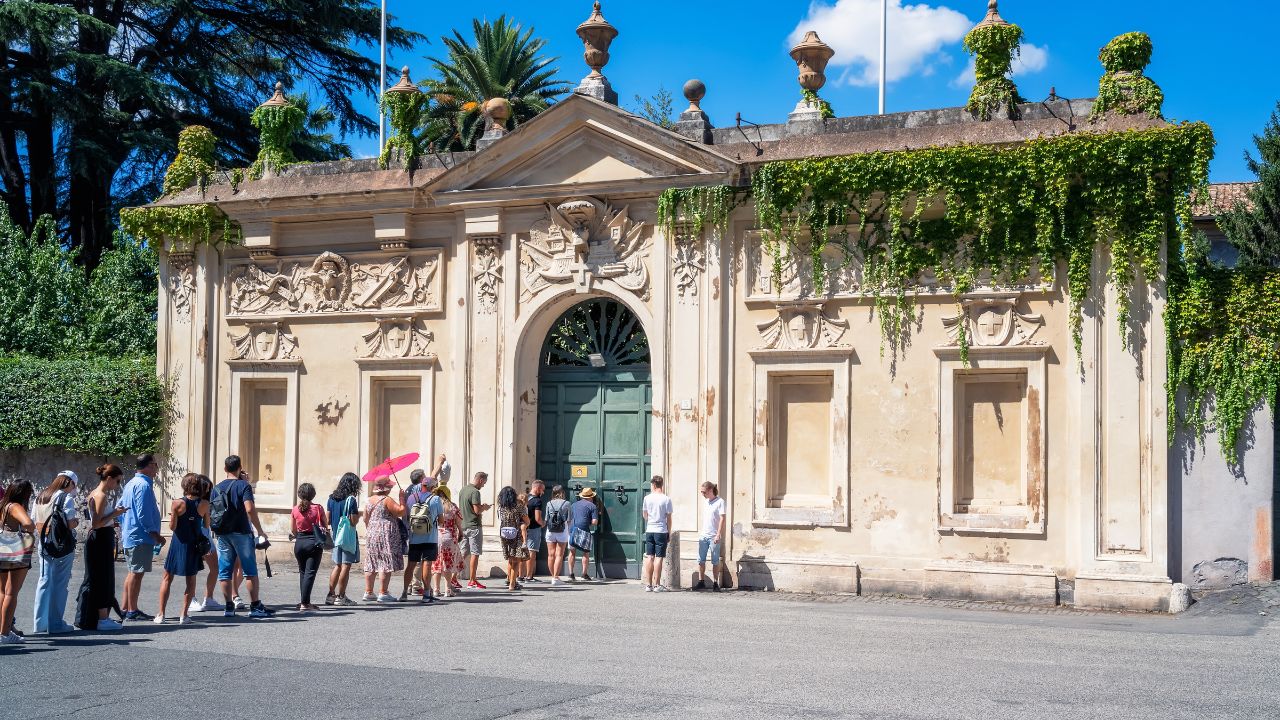
Aventine Hill is a serene escape from the bustle of central Rome. The climb winds past orange-scented gardens and elegant villas, offering small glimpses of Roman life along the way. At the top, the famous Aventine Keyhole frames a perfectly centered view of St. Peter’s Basilica, a moment of architectural precision and playful secrecy that feels like a hidden gift from the city. Few tourists know about it, so the feeling of discovery is uniquely yours.
Nearby, the Giardino degli Aranci (Orange Garden) offers panoramic views over the Tiber River and the city beyond. Late afternoon sun casts warm shadows over the cobbled paths, and the scent of citrus mingles with the distant hum of scooters and church bells. Here, you can sit for a while, watch locals stroll with dogs or children, and feel Rome’s everyday rhythm. It’s a place to breathe, reflect, and see the city through a lens of quiet elegance. Aventine Hill is less about sightseeing and more about absorbing the atmosphere, a rare opportunity to experience the Eternal City in a private, almost secretive way.
Visit the Baths of Caracalla
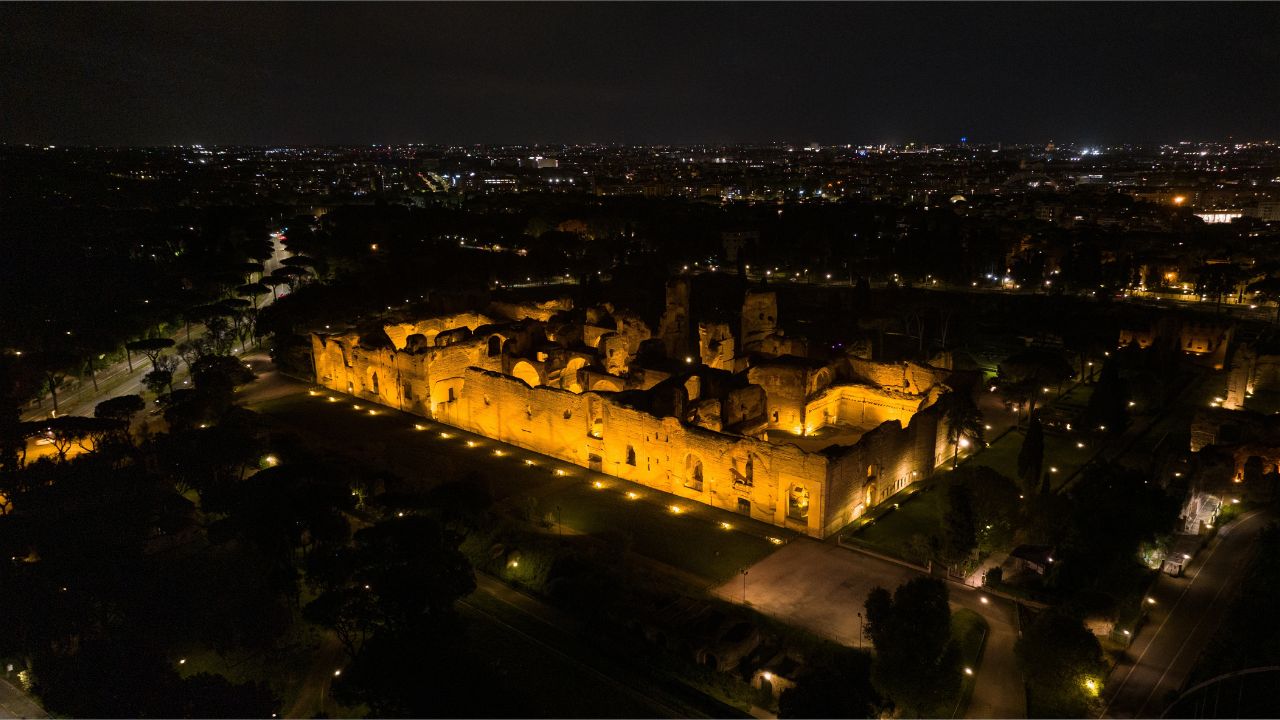
While the Colosseum is packed with tourists, the Baths of Caracalla remain a space of grand silence. Once a massive public spa complex for ancient Romans, the ruins are breathtaking, with soaring arches, mosaic floors, and fragments of marble that hint at their former luxury. Walking among these stones, you can almost hear the echoes of voices, footsteps, and splashing water from centuries past.
In the summer, the site transforms into an open-air stage for opera and concerts. Listening to music reverberate off ancient walls while standing among the ruins is a transformative experience. Even without a performance, wandering slowly reveals hidden mosaics, crumbling columns, and delicate carvings that escape the hurried eye. The Baths are a reminder of Rome’s past opulence and its enduring ability to awe, proving that even in decay, beauty thrives.
Taste Test at Campo de’ Fiori Market
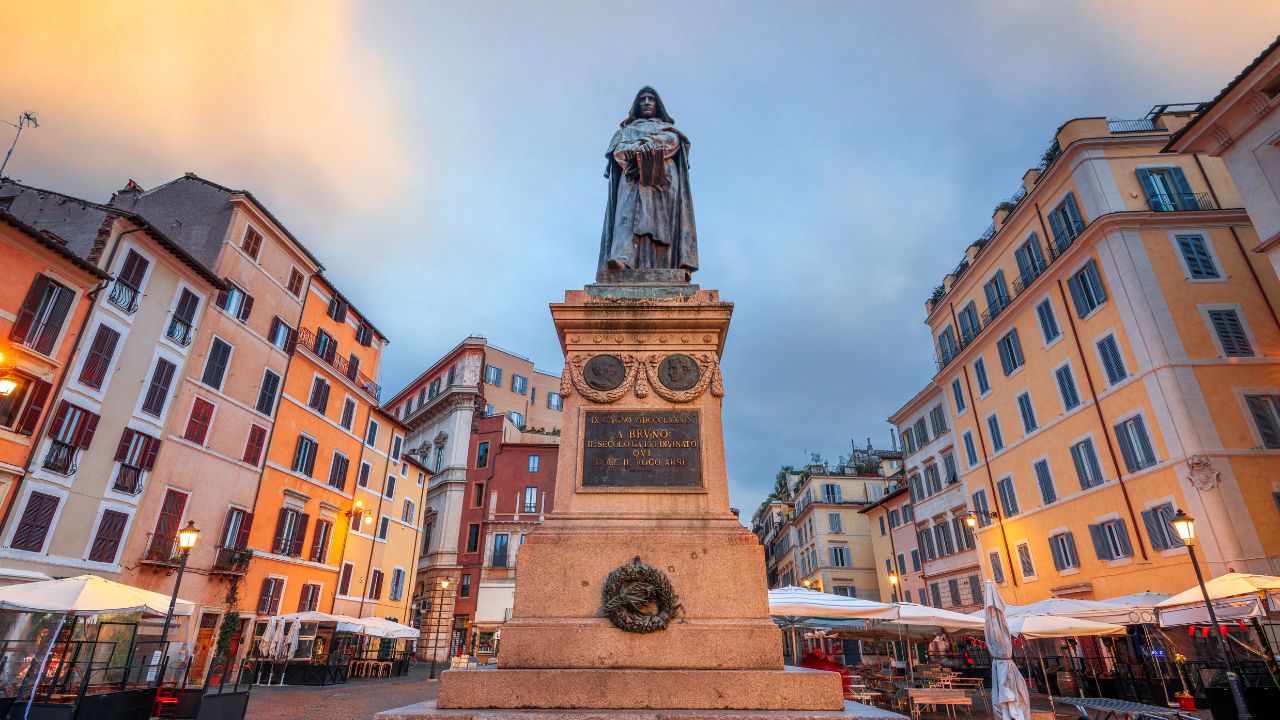
Campo de’ Fiori awakens early, buzzing with vendors selling fruits, vegetables, flowers, and handmade goods. The colors are almost electric, deep red tomatoes, golden lemons, fresh herbs stacked in neat pyramids. It’s a feast for the senses, a place where sight, smell, and sound collide into something unmistakably Roman. Sampling a fresh pastry or a slice of pecorino, you begin to understand the city’s culinary heartbeat.
As the day progresses, locals mingle with vendors, chatting and haggling, creating a lively tapestry of motion and noise. Afternoon brings quiet corners perfect for sipping espresso and watching life unfold. By evening, the square transforms again, tables and chairs spilling into the piazza as neighbors meet for wine and conversation. Visiting Campo de’ Fiori is a lesson in how Rome thrives not in its grandiosity alone, but in its daily rituals, simple pleasures, and unpretentious community life.
Wander Through the Jewish Ghetto
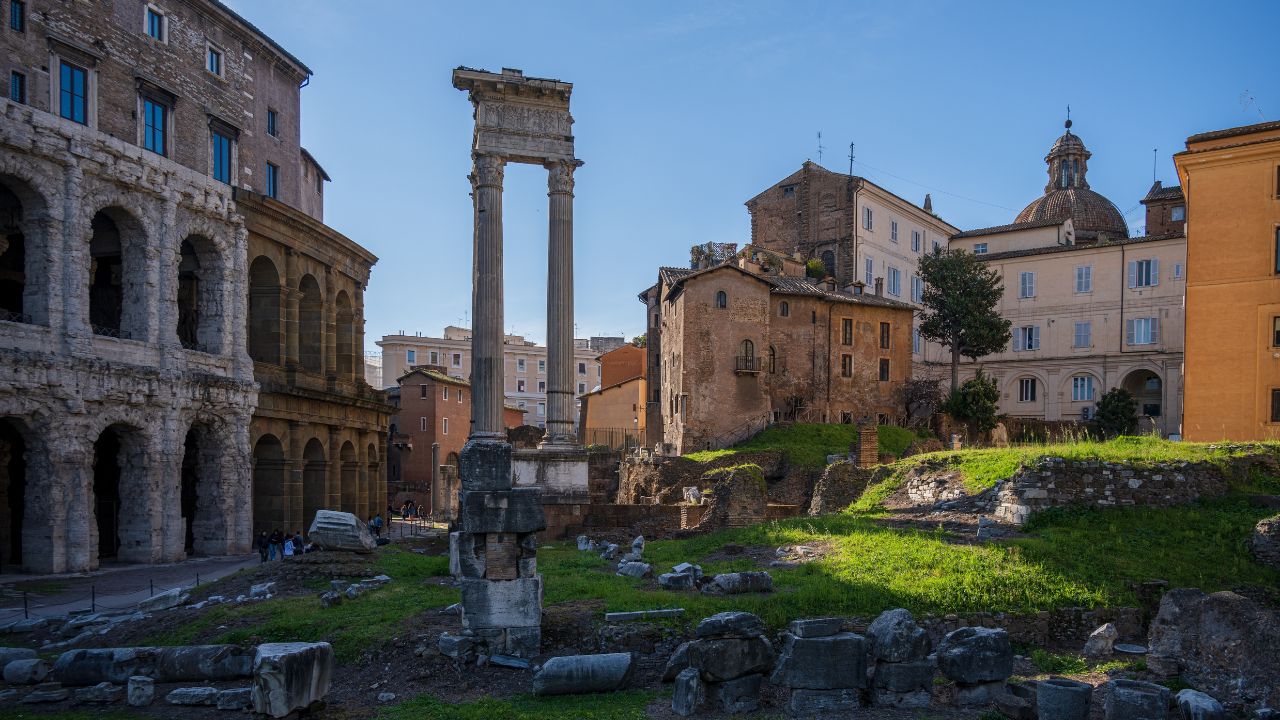
Rome’s Jewish Ghetto is a neighborhood steeped in history and flavor. Its narrow streets are lined with Renaissance buildings, ancient synagogues, and small, family-run bakeries. It’s a living museum, one where centuries of history coexist with the rhythm of modern life. Walking here, you feel layers of culture pressing gently against each other — the old, the sacred, and the everyday.
Taste the region’s culinary specialties, especially the famous carciofi alla giudia (fried artichokes), and linger in quiet corners where sunlight dances across stone facades. Explore the Portico d’Ottavia ruins nearby, a fragment of ancient Rome quietly integrated into the neighborhood. The Jewish Ghetto exemplifies the intimate side of the city, where history and daily life are inseparable, offering a deeply personal glimpse into Rome beyond the typical tourist paths.
Discover the Appian Way (Via Appia Antica)
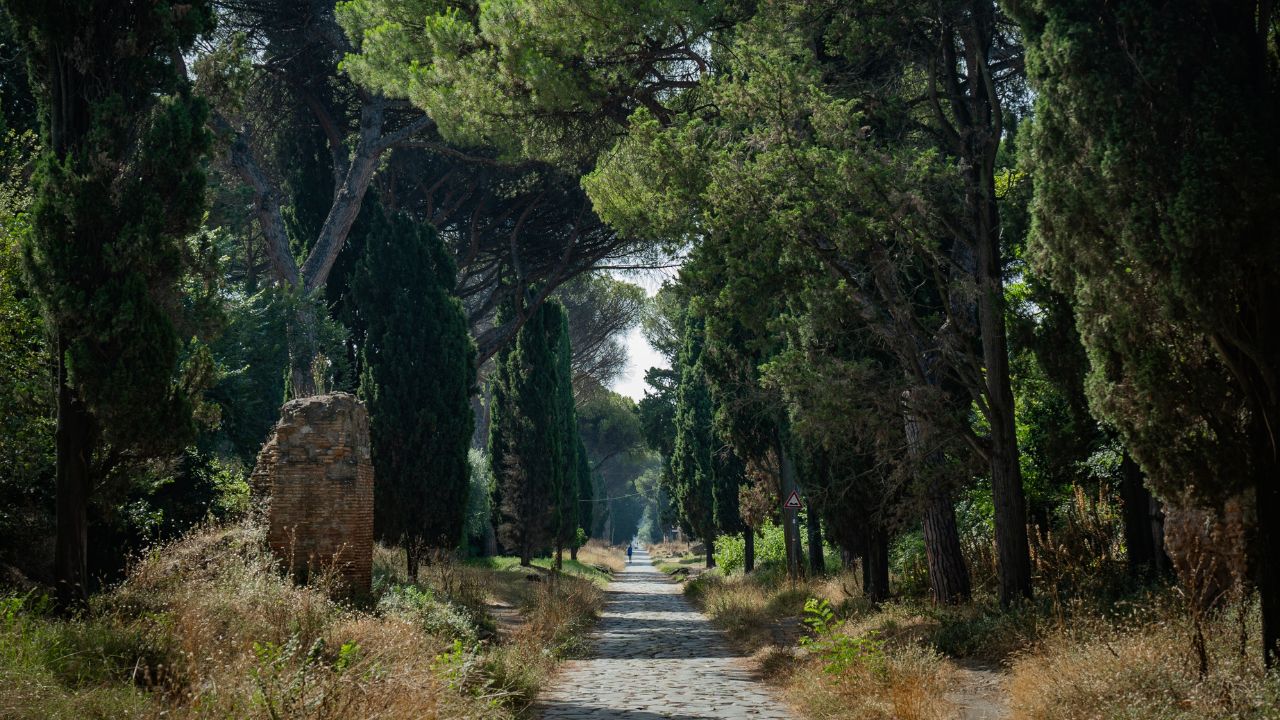
The Appian Way is more than a road; it’s a journey through Roman history. Laid over 2,000 years ago, it connected the city to the empire’s farthest reaches, and today, cypress trees and tombs line its edges. Walking or cycling along the path, you can imagine the footsteps of soldiers, merchants, and pilgrims, the echoes of a world long gone yet still palpable in every stone.
The surrounding countryside adds a layer of serenity: grassy fields, scattered ruins, and the occasional shepherd with his flock. On Sundays, when motor traffic is restricted, the silence deepens. Catacombs like San Sebastiano or San Callisto open up underground labyrinths to explore, revealing both beauty and a humbling sense of time. The Appian Way is not only a physical path but a meditation on Rome’s endurance, a chance to experience the city’s eternal presence outside the urban rush.
Relax in Villa Doria Pamphili
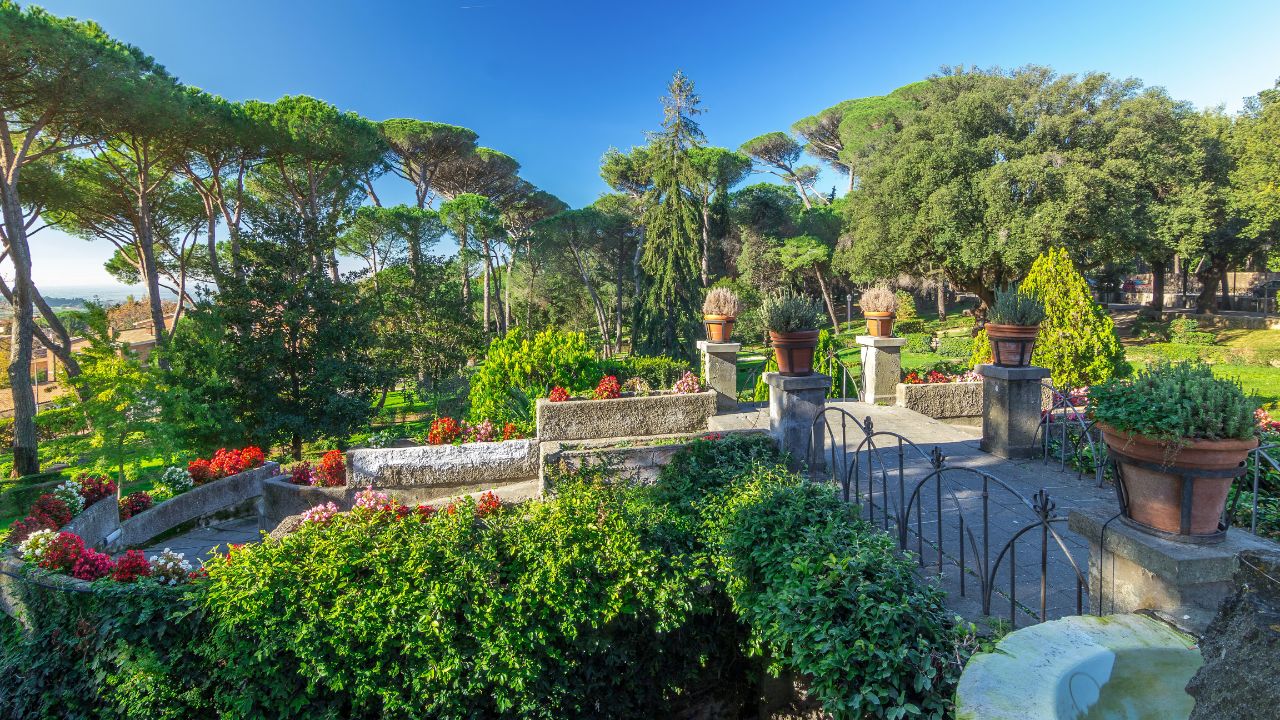
Villa Doria Pamphili is Rome’s largest park, yet it feels like a secret sanctuary. Expansive lawns stretch under umbrella pines, dotted with fountains, statues, and shaded paths. Joggers and families move quietly through the park, giving it a calm vibrancy that contrasts with the city’s chaotic streets.
Spend time reading on a bench, wandering along winding paths, or simply breathing in the air scented with flowers and grass. The villa’s architecture peeks through the greenery, offering glimpses of history alongside natural beauty. It’s a place to slow down, picnic, and watch daily Roman life unfold in a relaxed, unhurried rhythm. Here, luxury is simplicity, and beauty is everywhere, waiting quietly to be noticed.
Step Inside the Basilica di San Clemente

San Clemente is a multi-layered treasure where history stacks like a geological formation. The 12th-century basilica sits atop a 4th-century church, which itself rests above a 1st-century Roman house and temple. Descending the stairs is like traveling through time, each level revealing mosaics, frescoes, and walls that have witnessed centuries of devotion.
The underground basilicas exude quiet majesty; the scent of ancient stone and faint moisture fills the air, lending an atmosphere both mysterious and sacred. Small chapels, frescoed niches, and inscriptions whisper stories of faith, art, and Roman life long past. San Clemente reminds visitors that Rome is as much underground as it is towering in marble and that exploration rewards those willing to look beyond the surface.
Take a Gelato Pilgrimage

Gelato is Rome’s edible art form, and the city is dotted with artisan shops serving flavors that surprise and delight. Skip tourist traps near the fountains and venture to Gelateria del Teatro or Fatamorgana, where pistachio, ricotta, and seasonal fruit flavors are crafted daily. Every bite is creamy, rich, and layered with tradition.
The act of wandering the streets with a gelato cone is itself immersive. You pause at corners, watch scooters whiz by, and let the city’s scents and sounds mingle with the taste of fresh ingredients. Gelato transforms ordinary strolls into experiences, teaching patience, appreciation, and delight. It’s not just dessert, it’s a ritual that connects visitors to Roman life in the simplest, sweetest way.
Explore Testaccio — Rome’s Foodie Soul
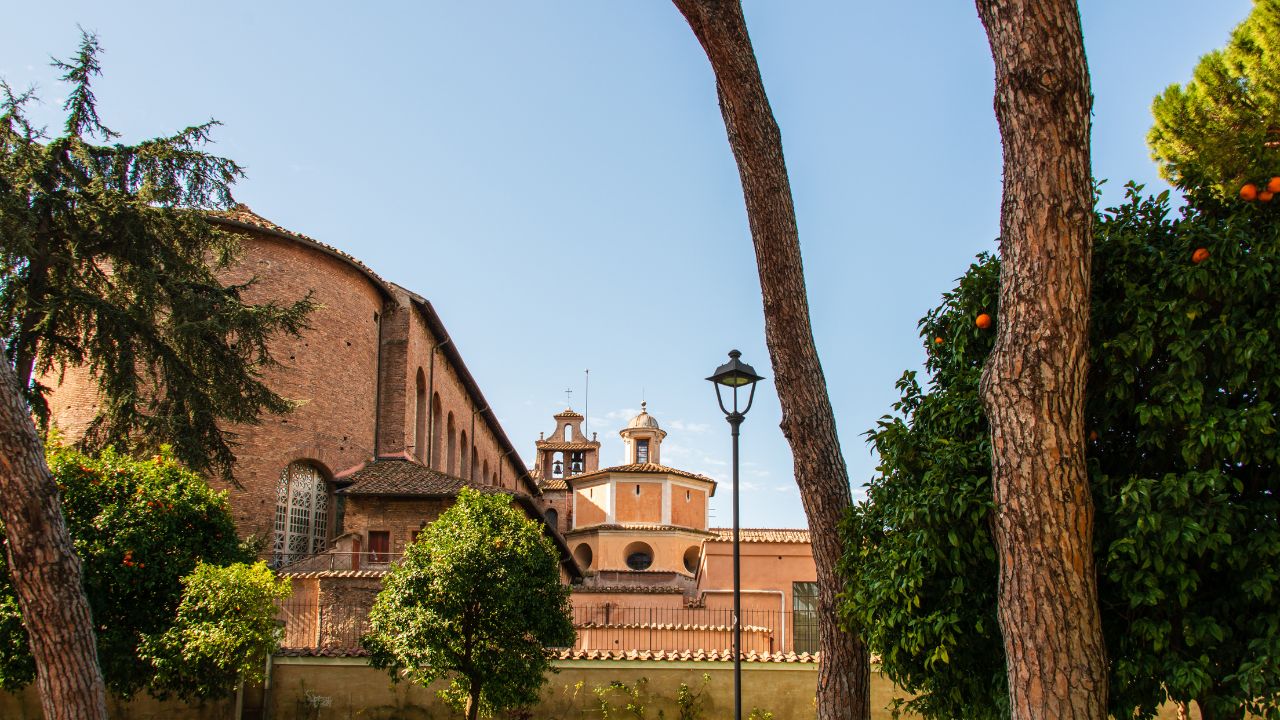
Testaccio is the heartbeat of authentic Roman cuisine. Far from the tourist crowds, this working-class neighborhood overflows with markets, bakeries, and trattorias where recipes have been perfected over generations. The aroma of roasting meats, fresh bread, and simmering sauces greets you at every corner. Even casual strolls turn into culinary adventures, as street vendors sell suppli (fried rice balls) and local cheeses beside small piazzas where residents meet for espresso and gossip.
The neighborhood is also home to Monte Testaccio, a man-made hill formed from ancient amphorae, a reminder of Rome’s long-standing role in trade and gastronomy. Dining here feels intimate, long tables, friendly staff, and menus that change with the season. Lunch at Mordi e Vai or dinner at Flavio al Velavevodetto offers more than food; its history, community, and taste rolled into one. Testaccio is a living lesson that Rome’s essence is not only in its monuments but in its kitchens and markets, where everyday life is celebrated with flavor and joy.
Watch Sunset from the Pincio Terrace
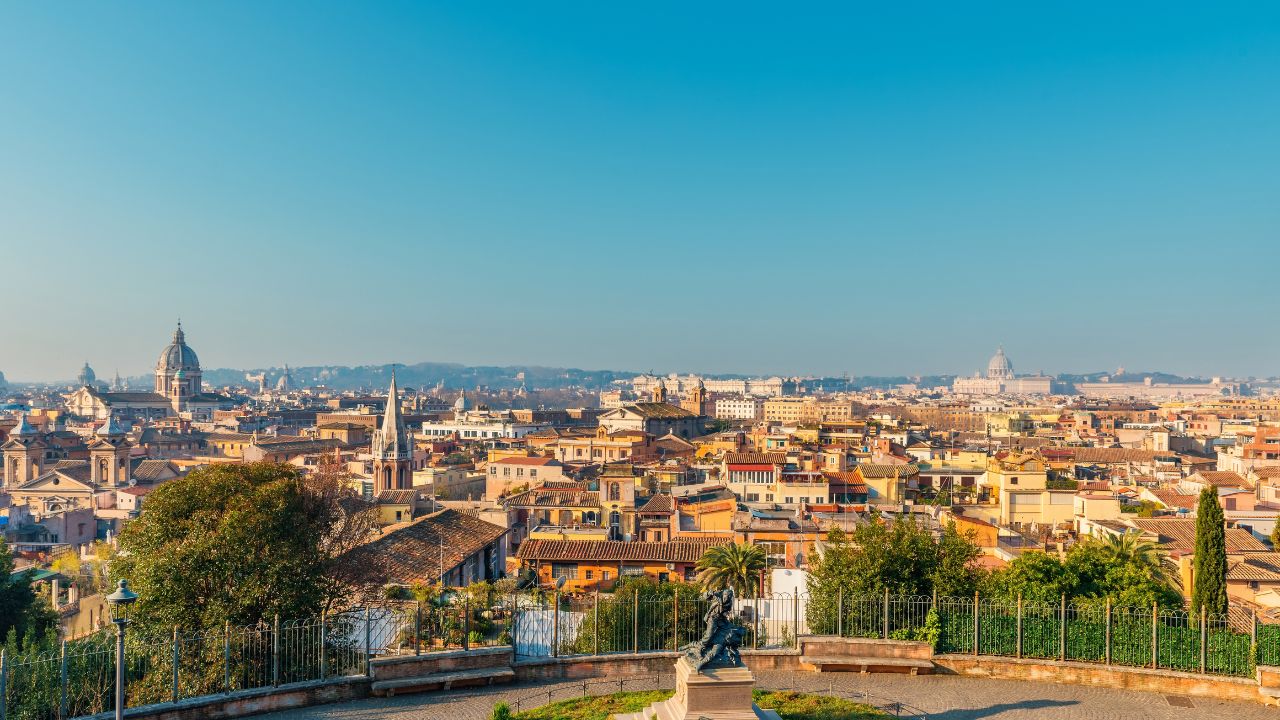
Villa Borghese’s Pincio Terrace is one of Rome’s most cinematic viewpoints, yet it remains surprisingly quiet compared to the crowded piazzas. From here, the sweeping panorama includes Piazza del Popolo, the domes of historic churches, and terracotta rooftops glowing in the golden light of sunset. Street musicians add a delicate soundtrack, and pigeons flutter across the balustrade, giving the scene an almost dreamlike quality.
Bring a bottle of wine or simply find a spot on the stone wall and linger. The city feels vast and alive, yet intimate from this vantage point. As daylight fades and the streets below illuminate, the contrast between ancient architecture and modern life becomes palpable. Pincio Terrace is a place for reflection, photography, and quiet connection, a moment where the Eternal City shows its soul rather than its tourist face.
Visit the Centrale Montemartini Museum
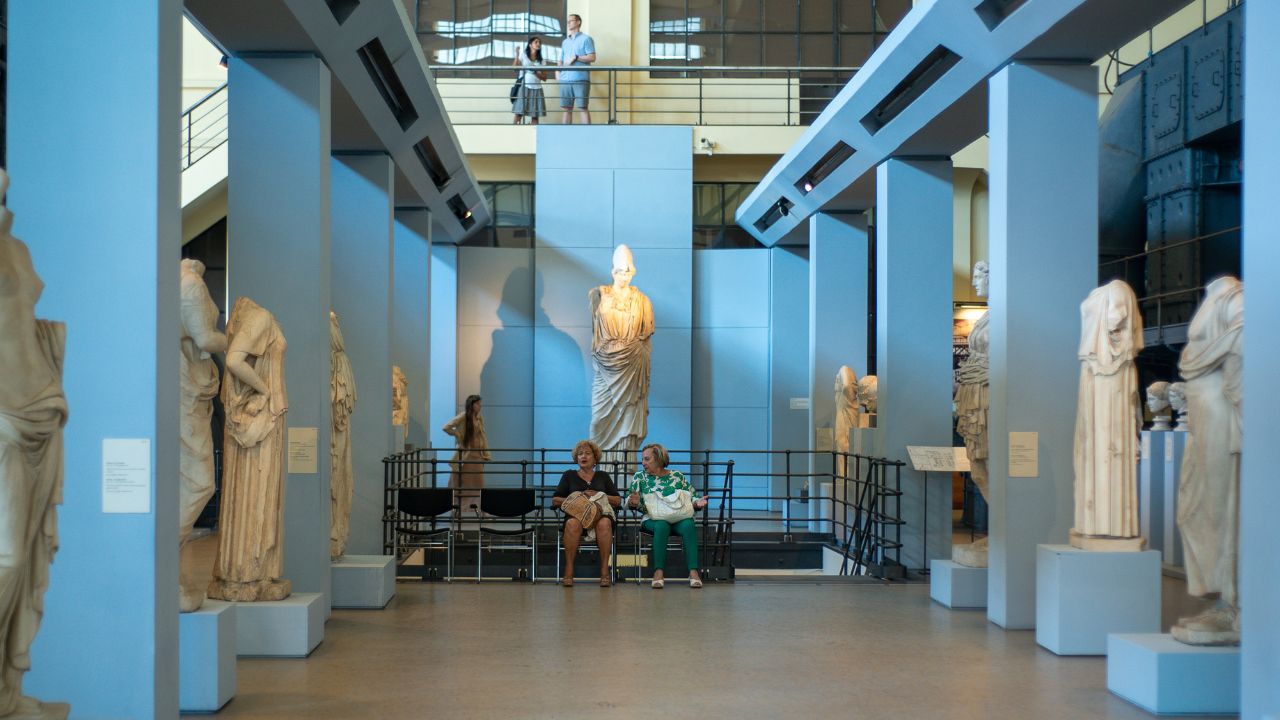
Centrale Montemartini is a fusion of history and industrial art, one of Rome’s most unusual museums. Ancient Roman statues are displayed against the backdrop of massive steam engines and iron turbines, creating a striking juxtaposition of past and present. Walking through the space, the combination of marble and metal feels almost surreal, highlighting Rome’s endless capacity for reinvention.
The museum is intimate and largely crowd-free, allowing visitors to study each sculpture at leisure. Light filters through industrial windows, casting shadows on both art and machinery, creating photographs and memories that are distinctly unique. This hidden gem reminds travelers that Rome’s treasures are not always in plain sight, and sometimes the most memorable experiences come from the unexpected blending of history and creativity.
Discover Street Art in Ostiense
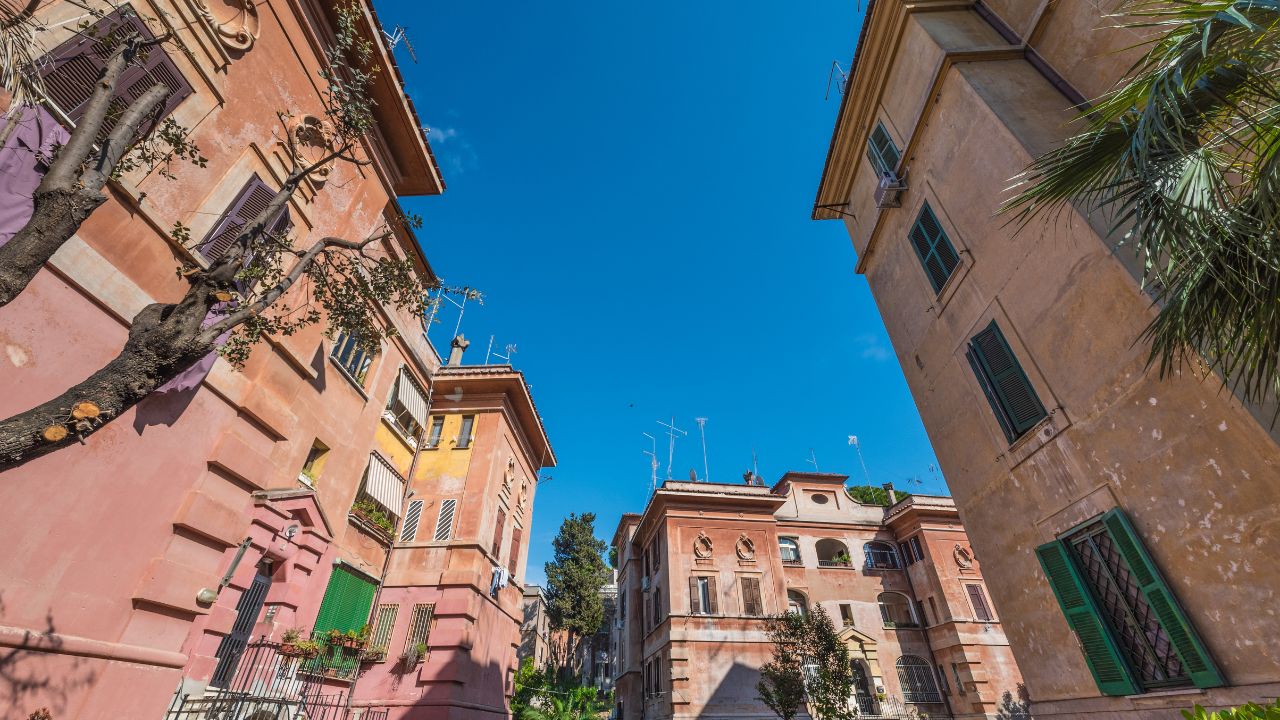
Rome is often associated with classical beauty, but its modern edge thrives in Ostiense. Here, sprawling murals and graffiti turn industrial walls into vibrant canvases. The district’s creative energy is palpable: artists experiment with scale, color, and narrative, making every turn of the street a visual adventure.
The neighborhood is alive with cafés, workshops, and concept stores tucked among the murals, inviting visitors to slow down and interact. Walking these streets is an immersive experience, the city speaks in bold, colorful, and sometimes cheeky language. Ostiense proves that Rome’s story is ongoing, a dialogue between the old and the new, and that its beauty extends far beyond marble columns and cobblestone squares.
Take an Evening Walk Along the Tiber
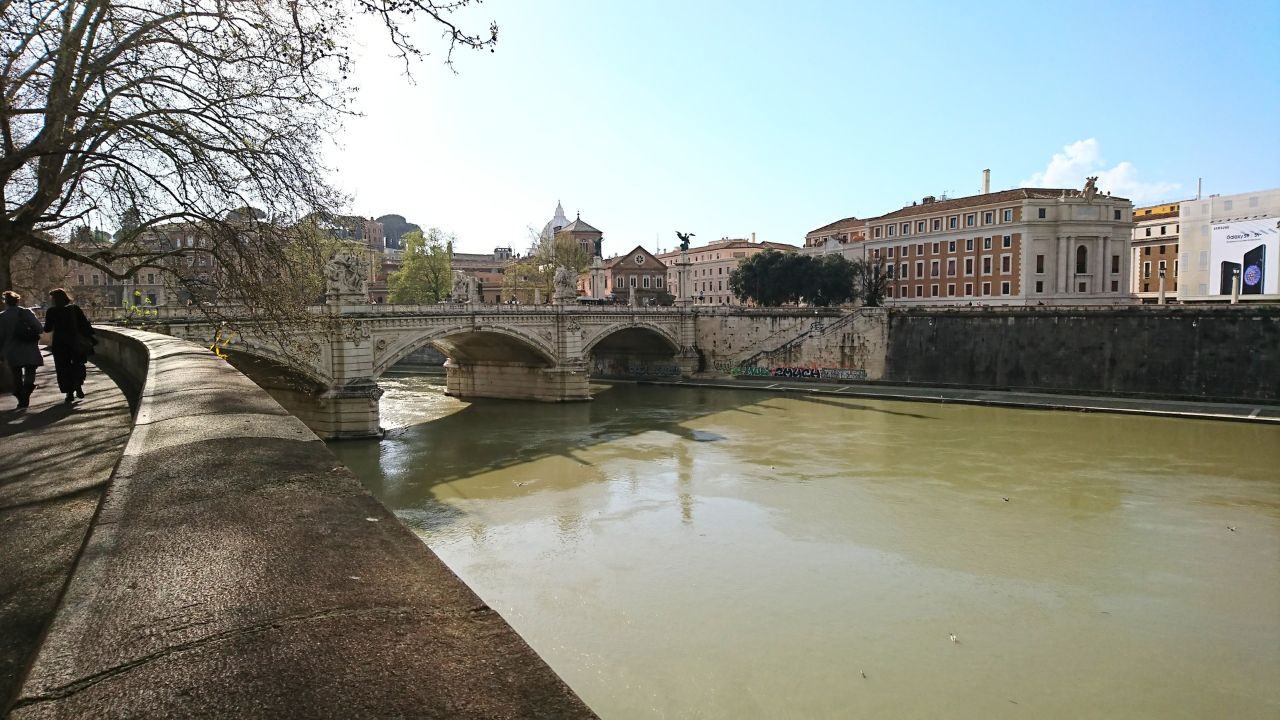
When the city’s daytime chaos settles, the Tiber River becomes Rome’s serene artery. Strolling along its banks at night reveals bridges glowing with warm lights, reflections rippling in the water, and the distant silhouettes of historic monuments. The hum of the day gives way to quiet music, occasional laughter, and the gentle lapping of water, creating an atmosphere both romantic and contemplative.
Walk from Ponte Sisto toward Castel Sant’Angelo, pausing to notice small details: a hidden statue, a tree reflected in the river, or a couple sharing a moment on the stone steps. The experience feels cinematic, as if time itself has slowed to match the river’s rhythm. This walk captures the intimate, human side of Rome, one that exists alongside its grand history and monumental architecture. It’s a reminder that the Eternal City is not just to be seen, but to be felt, quietly and deeply, long after the crowds have gone.