
While other automakers played it safe with beige sedans and predictable engineering, Citroën was busy asking, “What if we made cars that aren’t lame?” The French marque built its reputation on the radical idea that automobiles could be interesting, innovative, and, heaven forbid, fun to look at. While other carmakers were making cars that looked like expensive refrigerators, Citroën was creating rolling works of art that made other manufacturers question their life choices.
For decades, Citroën has been that friend who shows up to the party wearing something completely unexpected and somehow makes everyone else feel underdressed. At first, you felt what they were wearing was a bit weird, but then it started a trend. Citroën wasn’t afraid to have fun, to stand out, and to grab the mic and do karaoke while everyone else was awkwardly sipping their drink. Break free with us.
Our Selection Process: How We Chose These Icons

Citroën has built some truly remarkable cars, but they’ve also produced their fair share of head-scratchers. To separate the wheat from the chaff, we focused on models that threw the mold right in the trash and created a new one.
We looked for cars that made competitors scramble back to their drawing boards, vehicles that redefined what was possible in their segments, and models that proved French engineering could be both sophisticated and completely bonkers.
These aren’t necessarily the fastest or most expensive cars Citroën ever built, but they’re the ones that reminded the automotive world that boring is always a choice. That left us with 10 that are like nothing else out there.
Citroën DS: The Goddess of Design
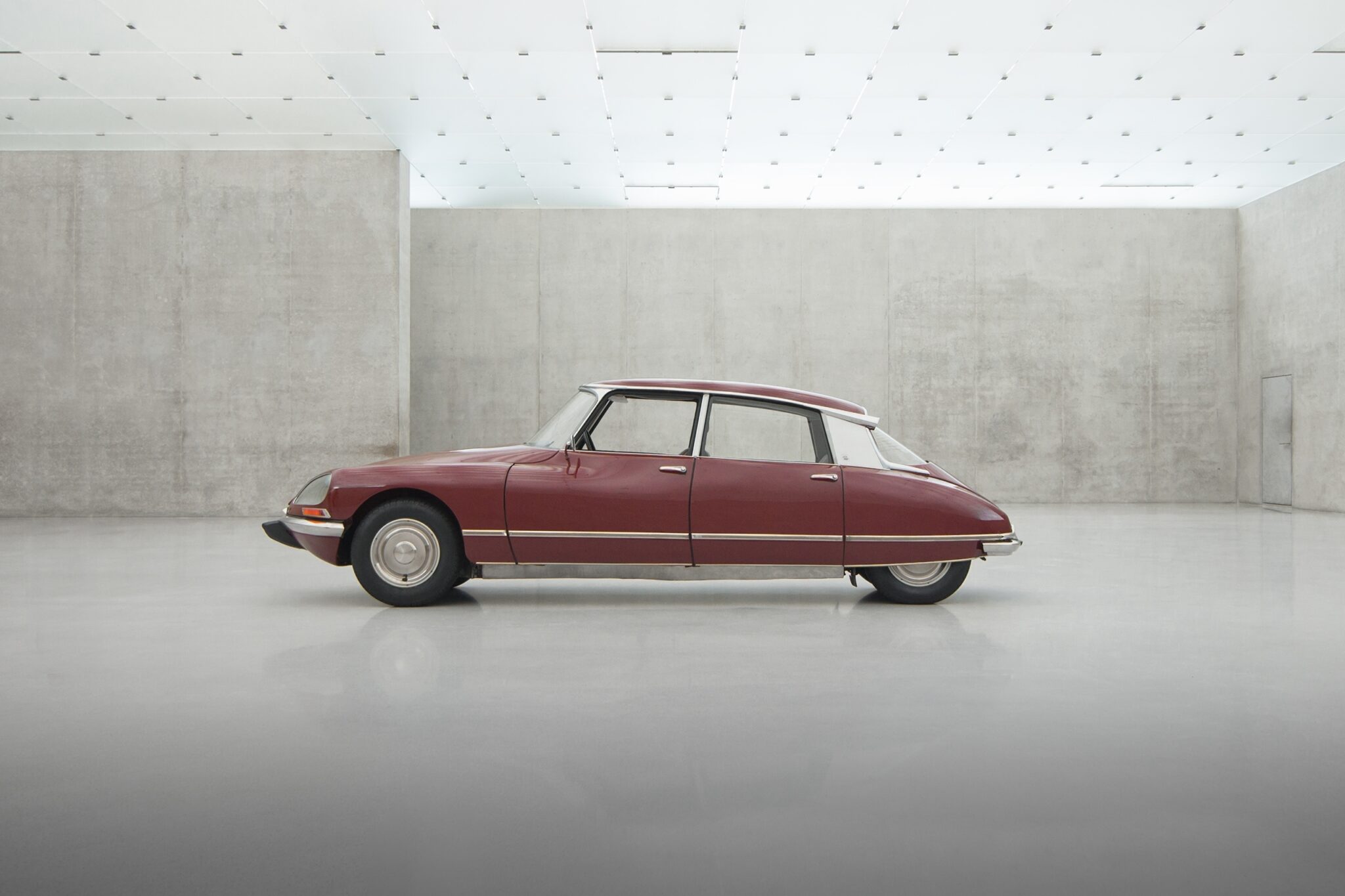
The DS arrived in 1955, it materialized from what appeared to be the year 2005. While American manufacturers were still figuring out how to make fins bigger and chrome shinier, Citroën dropped this aerodynamic masterpiece that made everything else on the road look like it was designed by committee.
The DS introduced hydropneumatic suspension that was so advanced, it might as well have been magic. Other cars bounced and rattled over bumps while the DS simply glided, as if road imperfections were mere suggestions. The system used pressurized fluid and gas spheres to provide a ride so smooth that passengers could perform surgery in the back seat… Not that we recommend it, but you probably could.
Power steering, disc brakes, and aerodynamics that wouldn’t look out of place today came standard, while competitors were still treating these as exotic concepts. The DS sold nearly 1.5 million units over its 20-year run, proving that customers were ready for the future, even if other automakers weren’t.
Fun fact: On August 22, 1962, Charles de Gaulle survived the Petit-Clamart assassination attempt while riding in a Citroën DS 19 after the car came under heavy gunfire and still managed to drive away on damaged tires.
Citroën 2CV: Minimalism with Maximum Impact
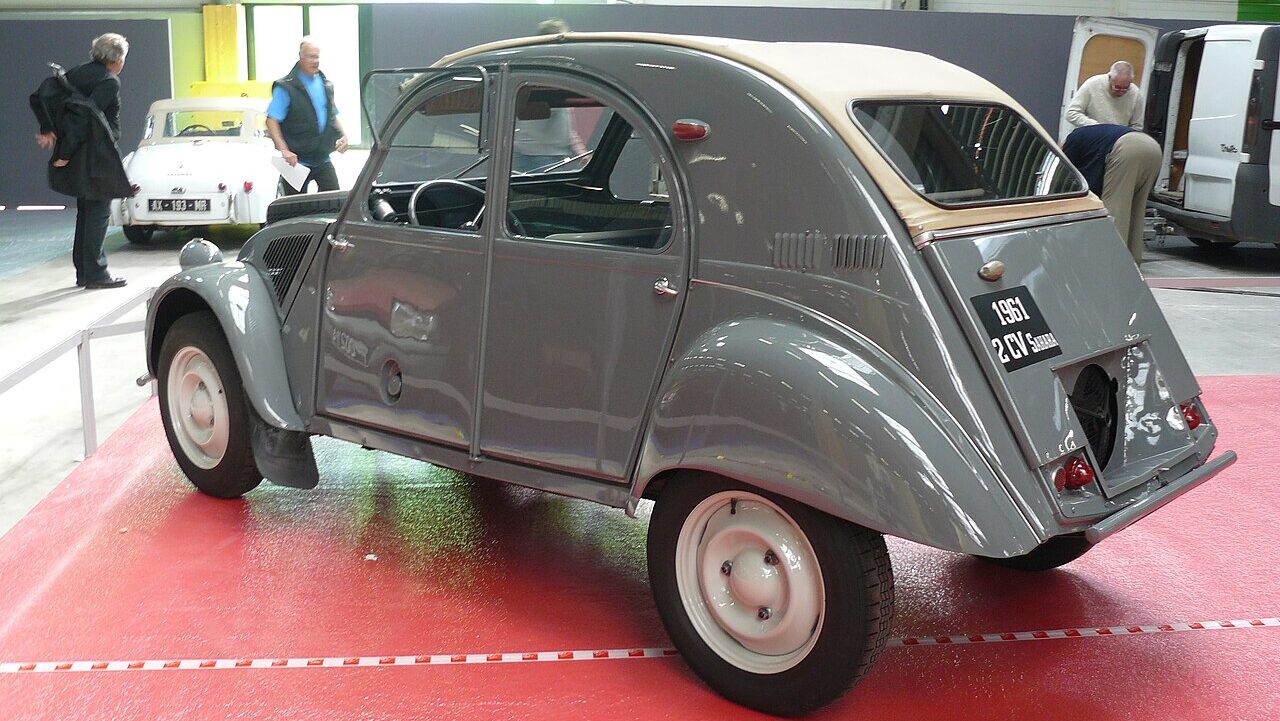
If the DS was Citroën’s love letter to the future, the 2CV was their confusing strike against automotive pretension. Originally designed to transport farmers and their goods across rural France, the 2CV had the audacity to be charming while doing it.
The brief was simple: build a car that could carry two farmers, 100 pounds of potatoes, and a basket of eggs across a plowed field without breaking the eggs. What emerged was a roughly 1,300-pound miracle, and its power and speed varied widely over the decades. Early 2CVs used a 375cc air-cooled twin with single-digit horsepower, while later 602cc 2CV6 versions made about 29 hp and could reach roughly 70 mph.
But here’s where it gets interesting: the 2CV’s suspension was so ingeniously simple and effective that it could handle terrain that would strand a modern SUV. The interconnected spring system allowed massive wheel travel, making the car practically unstoppable on rough roads. Meanwhile, its fabric sunroof was completely removable, turning every 2CV into a convertible when weather permitted.
Over 42 years, Citroën sold more than 5 million 2CVs, proving that sometimes the best engineering solution is the simplest one. The car became a symbol of French ingenuity and joie de vivre, while other manufacturers were busy making cars that looked important but felt soulless. Try to do that on a lawnmower.
Citroën SM: A Grand Tourer with a Twist

The SM was what happened when Citroën bought Maserati and decided to build the world’s most sophisticated grand tourer. While other luxury coupes were content being fast in straight lines, the SM wanted to redefine what a GT could be.
Under the hood lived a Maserati-designed 2.7 liter V6 that produced up to 178 hp, and Citroën initially claimed an ultra-low 0.26 drag coefficient at launch before later publishing a higher figure. For context, that’s better than most modern cars and absolutely ridiculous for 1970.
The real party trick was DIRAVI power steering, which varied assistance based on speed and provided self-centering that bordered on telepathic. Combined with the hydropneumatic suspension, the SM delivered a driving experience that was equal parts comfortable and engaging. The car could cruise at 124 mph all day while making passengers feel like they were floating on a cloud.
Unfortunately, the SM arrived just as the oil crisis hit, making its thirsty engine about as popular as a screen door on a submarine. Only 12,920 were built, making surviving examples worth serious money today. The SM proved that Citroën could build a proper luxury car when they wanted to, they just picked terrible timing.
Citroën CX: The Future on Wheels
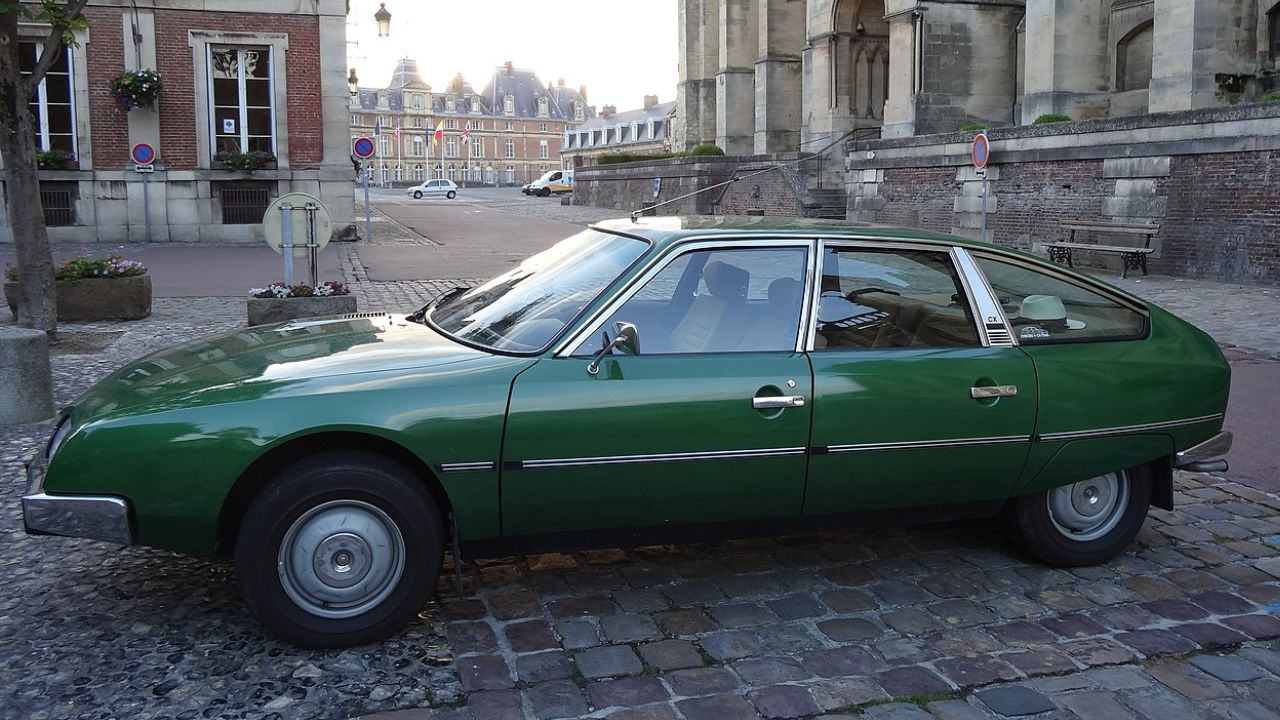
Following the DS was like trying to follow Jimi Hendrix at Woodstock, nearly impossible without completely embarrassing yourself. Somehow, Citroën managed it with the CX, a car that looked like it was designed by someone who’d seen the future and decided it looked pretty good.
The CX pioneered aerodynamic efficiency when most sedans had the aerodynamics of a brick wall. Its 0.29 drag coefficient was achieved through obsessive attention to detail, including flush-mounted glass and carefully sculpted body lines. The result was a car that looked fast even when parked.
Inside, the CX continued Citroën’s tradition of doing things differently. The single-spoke steering wheel controlled a dashboard that looked like mission control, complete with rotating drum instruments that other manufacturers eventually copied (badly). The hydropneumatic suspension provided the same magical ride quality as the DS, but with improved reliability and easier maintenance.
The CX was available in numerous configurations, from basic sedans to luxurious Prestige models with rear seats more comfortable than most living room furniture. More than 1 million were produced between 1974 and 1991, proving that customers appreciated having a sedan that didn’t look like every other sedan on the road.
Citroën C4 Cactus: Quirky Done Right
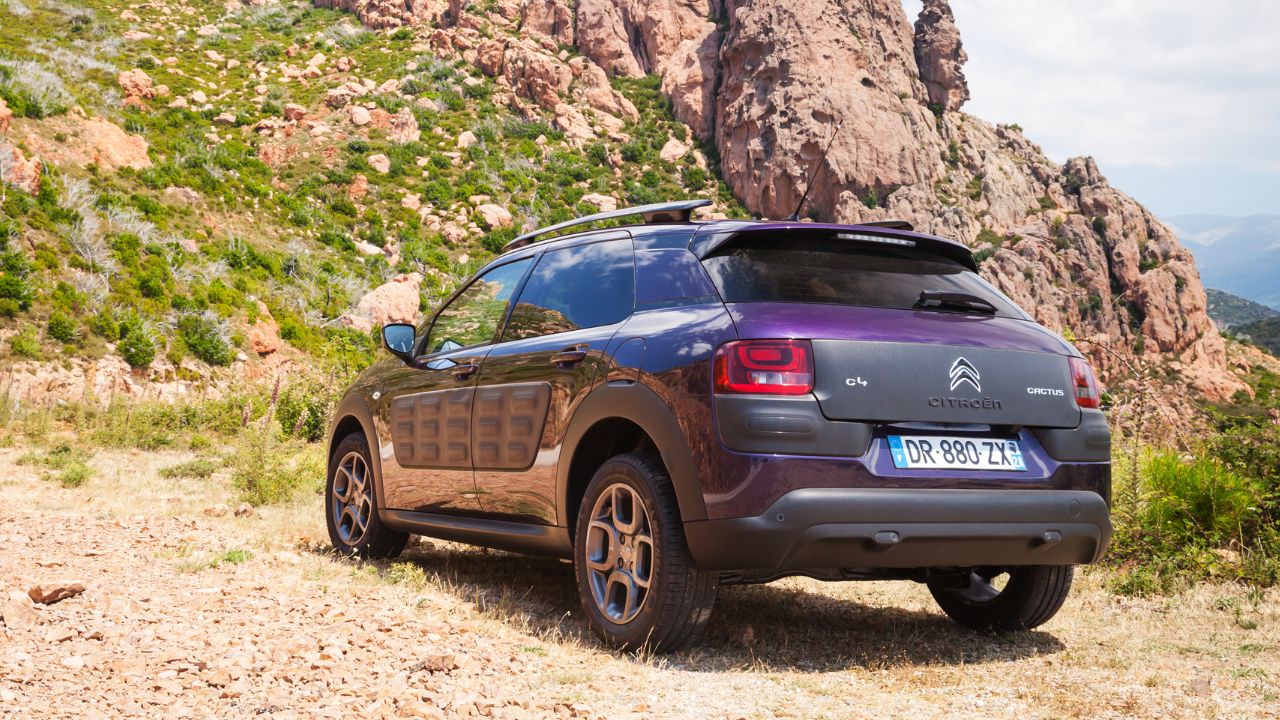
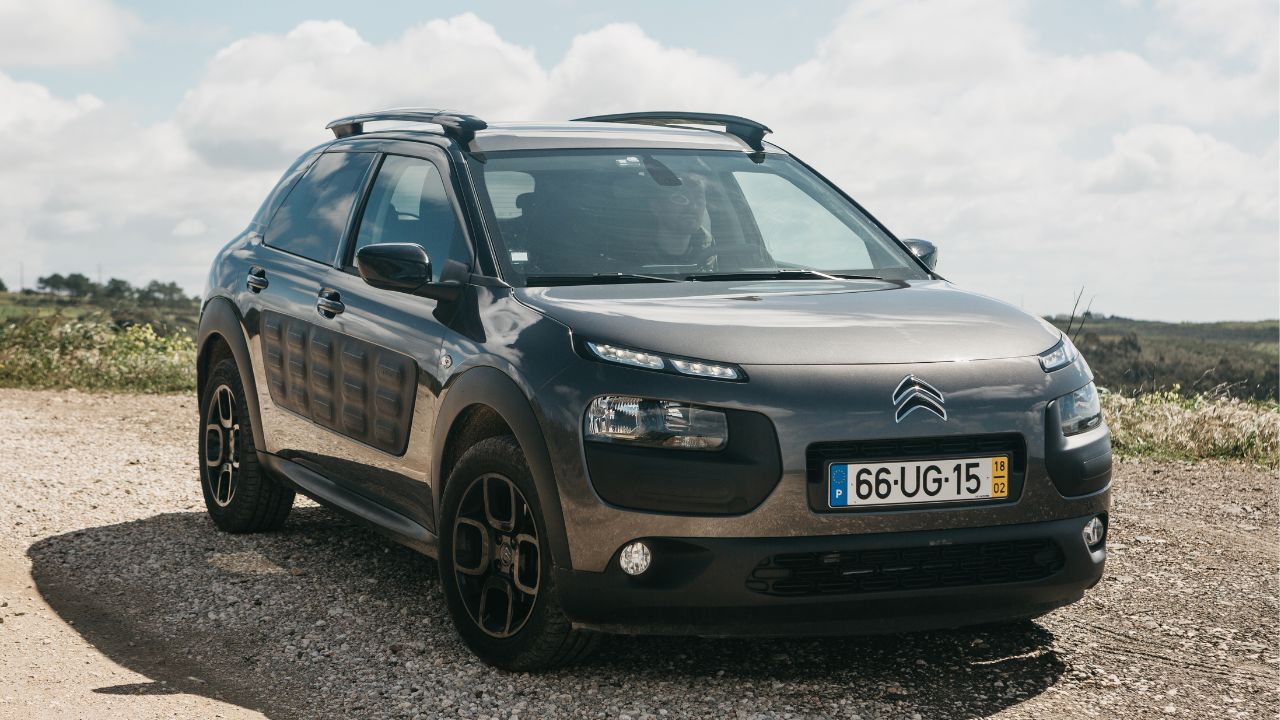
In an era when every crossover looked like it was designed by the same committee of people who hate fun, Citroën unleashed the C4 Cactus. The most controversial feature was its Airbump panels: those distinctive protective bubbles that made the car appear to be wearing inflatable armor.
Automotive journalists initially mocked the Airbumps, calling them everything from ugly to gimmicky. Then they discovered that the panels actually worked, protecting doors and fenders from parking lot dings and shopping cart encounters. Suddenly, the criticism got quieter as everyone realized Citroën had solved a problem no one else bothered to address.
The Cactus prioritized comfort over aggression, featuring seats that were genuinely comfortable and a suspension tuned for real-world roads rather than racetrack fantasies. The interior was refreshingly honest, with quality materials where they mattered and creative cost-cutting everywhere else.
Sales figures proved that customers were hungry for something different. The Cactus became one of Citroën’s most successful recent models, spawning imitators and proving that weird can be wonderful when it’s done right. I can’t say I’m a fan of those door panels, but hey, it worked.
Citroën GS: Comfort in a Compact Package
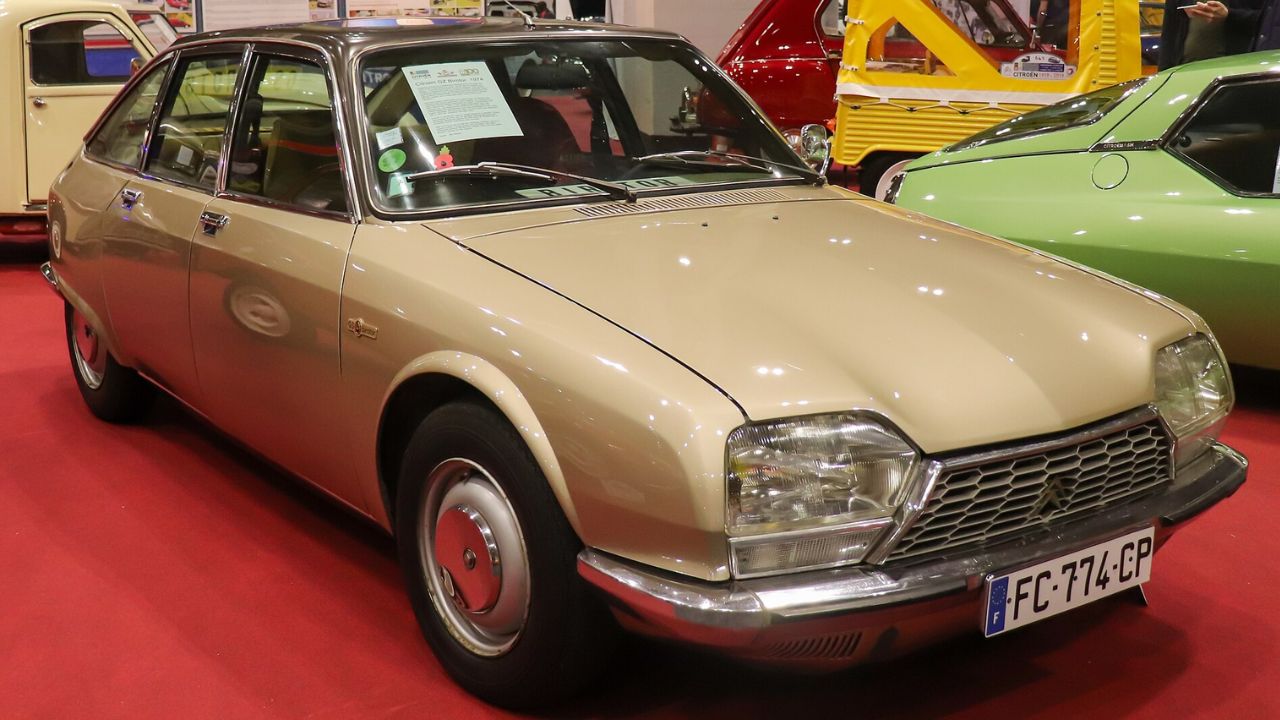
The GS was Citroën’s attempt to create a mid-size family car with big car comfort. While competitors offered practical but uninspiring boxes, the GS delivered hydropneumatic suspension, aerodynamic styling, and build quality that put larger, more expensive cars to shame.
The GS featured a flat-four boxer engine that provided smooth power delivery and a distinctive sound that made other family cars sound agricultural by comparison. Available in both sedan and wagon configurations, the GS proved that practical didn’t have to mean boring.
What made the GS special was its ability to provide luxury car comfort at economy car prices. The hydropneumatic suspension delivered a ride quality that embarrassed cars costing twice as much, while the aerodynamic body reduced wind noise and improved fuel economy.
Over 16 years, nearly 2.5 million GS models found homes, making it one of Citroën’s most successful designs. The car proved that families didn’t have to settle for mediocrity just because they needed something practical.
Citroën Traction Avant: Ahead of Its Time
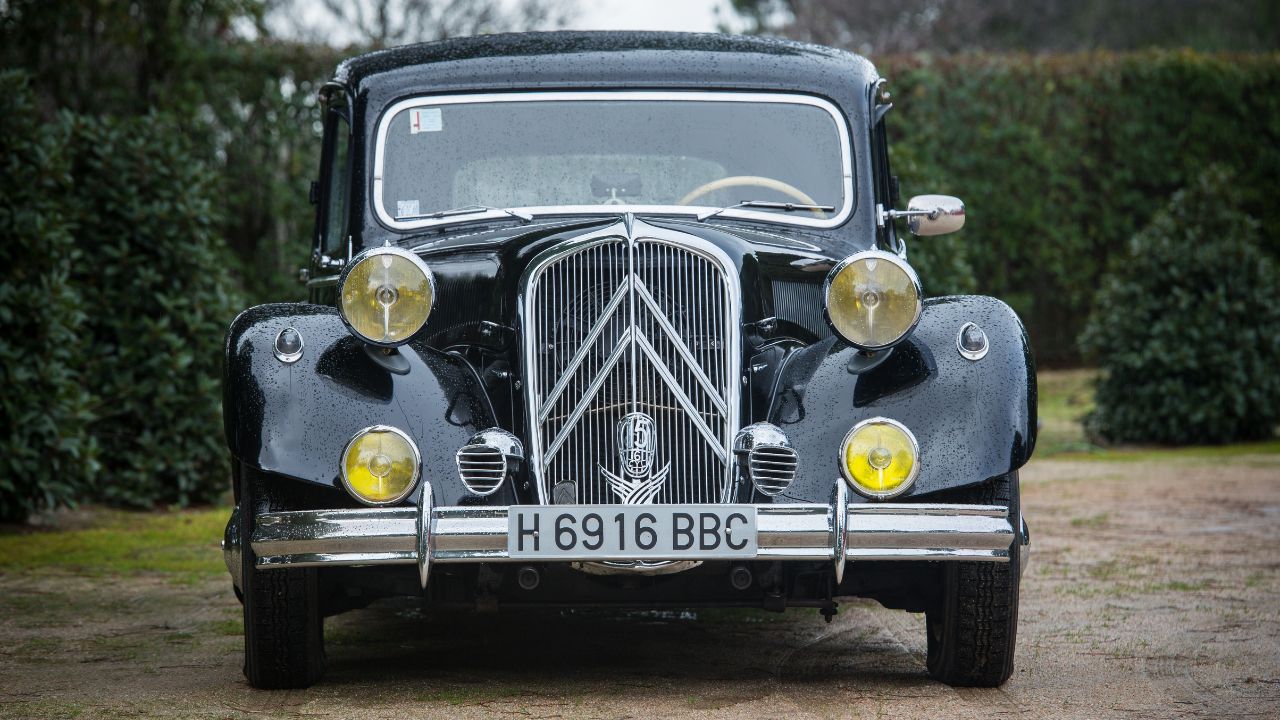
Before there was the DS or the 2CV, there was the Traction Avant: the car that established Citroën as an innovator rather than an imitator. Introduced in 1934, it featured front-wheel drive and unibody construction when most cars were still using rear-wheel drive and separate chassis.
The benefits were immediate and obvious. Front-wheel drive provided better traction in poor conditions, while eliminating the rear axle created more interior space. The unibody construction was lighter, stronger, and more rigid than traditional body-on-frame designs.
The Traction Avant’s sophisticated engineering gave it handling characteristics that wouldn’t be matched by competitors for decades. While other cars wallowed and pitched through corners, the Traction Avant remained composed and predictable.
Nearly 760,000 were built over 23 years, an impressive run that proved customers appreciated advanced engineering when it delivered real benefits. The Traction Avant established the template that Citroën would follow for decades: technical innovation wrapped in distinctive styling.
Citroën Méhari: Fun Meets Function
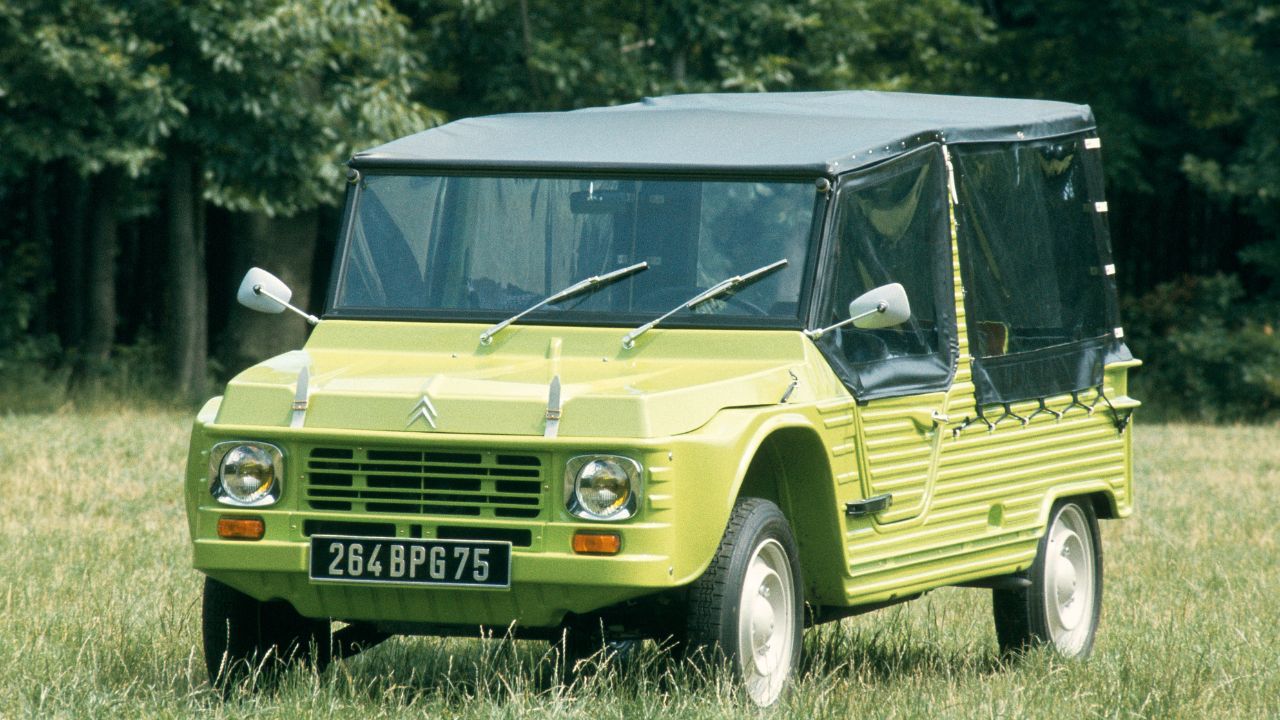
The Méhari was what happened when Citroën decided to build a car specifically for having fun. Based on 2CV mechanicals but wrapped in a plastic body that could be hosed out, the Méhari was designed for adventures rather than commuting.
The ABS plastic body was virtually indestructible and completely rustproof, making the Méhari perfect for beach duty, camping trips, and other activities that would destroy conventional cars. The simple mechanicals meant it could be repaired with basic tools, while the lightweight construction made it surprisingly capable off-road.
Available in both two and four-wheel drive versions, the Méhari found customers ranging from French military units to beach resort owners. The car embodied the carefree spirit of the late 1960s while providing genuine utility.
Citroën built 144,953 Méharis between 1968 and 1988, proving that sometimes the best car is the one that doesn’t take itself too seriously. Today, surviving examples are highly sought after by collectors who appreciate their honest simplicity and unmatched character.
Citroën XM: Executive Luxury with a Citroën Twist
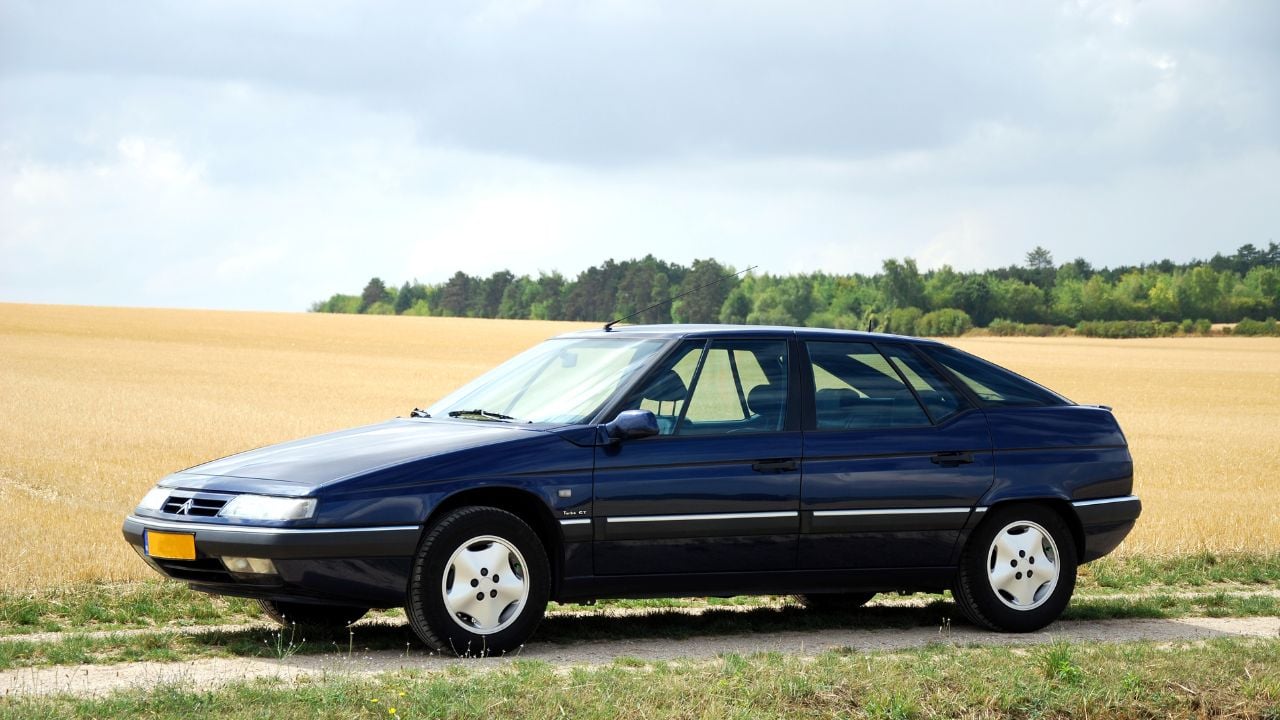
The XM was Citroën’s answer to German executive sedans, but with a typically French twist. While BMW, Mercedes, and Audi were perfecting the art of looking expensive and boring, Citroën created an executive car that actually looked exciting.
The XM featured sharp, angular styling that made conventional sedans look like they were designed by people afraid of straight lines. The dramatic glass hatchback was both practical and distinctive, while the interior featured space-age ergonomics that put German designs to shame.
Under the skin, the XM continued Citroën’s tradition of advanced engineering. The Hydractive suspension system could automatically adjust firmness based on driving conditions, providing comfort when cruising and control when cornering. The system was so sophisticated that it made adaptive suspension from other manufacturers look primitive.
Despite critical acclaim and numerous awards, the XM struggled against German competition that buyers trusted more than they appreciated innovation. Still, total XM sales reached 333,405 over 11 years, proving that there was a market for executive cars with personality.
Citroën BX: The Bold Family Car
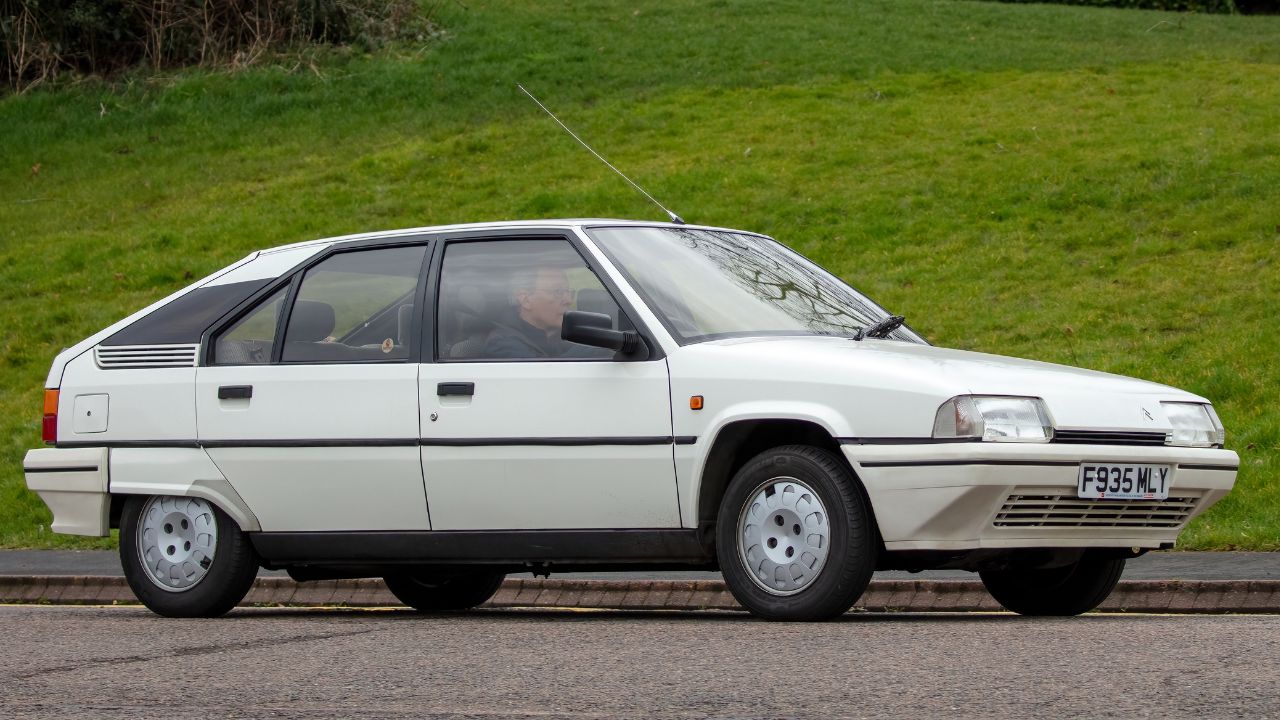
The BX proved that family cars didn’t have to look like family cars. Penned by Marcello Gandini (the man behind the Lamborghini Countach), the BX featured sharp, geometric styling that looked like nothing else in the practical car segment.
The BX’s distinctive wedge profile provided excellent aerodynamics and created a surprisingly spacious interior. The hydropneumatic suspension delivered the comfort Citroën customers expected, while lightweight construction made the most of modest engine power.
Available in sedan and wagon configurations with engines ranging from economical diesels to spirited gasoline units, the BX offered something for everyone. The GTI version was particularly impressive, combining hot hatch performance with Citroën’s signature ride comfort.
With nearly 2.3 million sold, the BX became one of Citroën’s most successful models ever. It proved that distinctive styling could work in the mainstream market when backed by solid engineering and competitive pricing.
Why Citroën Still Matters in a World of Conformity
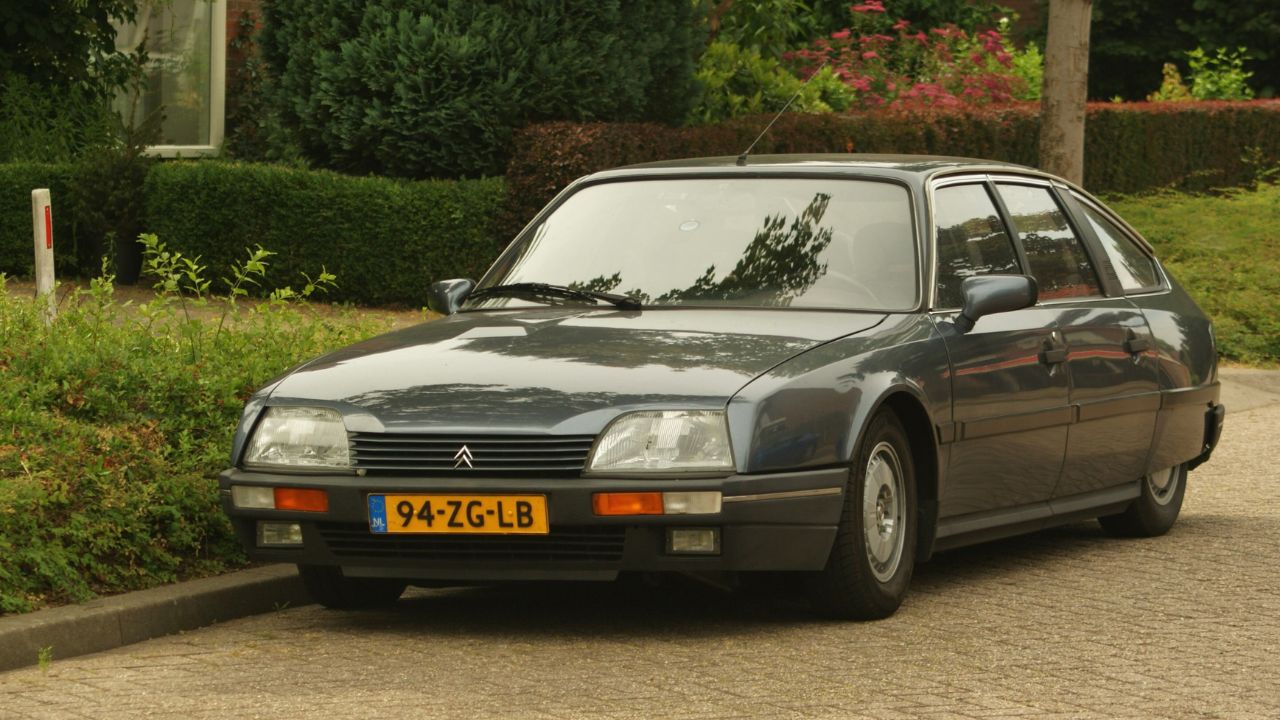
In today’s automotive landscape, where most cars look like they were designed by focus groups afraid of offending anyone, Citroën remains a reminder that cars can be interesting. While other manufacturers chase the same customers with the same solutions, Citroën continues to ask different questions.
These models redefined what was possible in their respective segments. They proved that advanced engineering could be accessible, that practical cars could be beautiful, and that innovation doesn’t have to be intimidating.
Sure, not every Citroën experiment worked perfectly. Some were too far ahead of their time, others were too weird for mainstream acceptance, but even the failures taught the industry valuable lessons and pushed automotive design forward.
In an era when car enthusiasts complain that everything looks the same, Citroën’s greatest hits remind us that boring is always a choice. These cars transported the entire industry toward a more interesting future. And in a world that could use more creativity and less conformity, that legacy feels more important than ever.