

Ah, the pickup truck. America’s favorite way to haul lumber you’ll never use while convincing yourself you need 400 horsepower to drive to Starbucks. When done right, these mechanical marvels become cultural icons that sell themselves faster than a politician changes positions. But sometimes (too often), a manufacturer takes a perfectly good idea and drives it straight into the marketing equivalent of a telephone pole.
We’re not talking about trucks that were doomed from day one by terrible engineering or nonexistent budgets. No, these are the tragic heroes of the truck world: vehicles that had everything going for them until some executive in a corner office made ONE decision that left everyone wondering if they’d been hitting the company whiskey supply a little too hard.
So buckle up, truck enthusiasts. We’re about to dive into 12 pickups that could have been legends but instead became cautionary tales that still make automotive engineers wake up in cold sweats.
How We Built This List
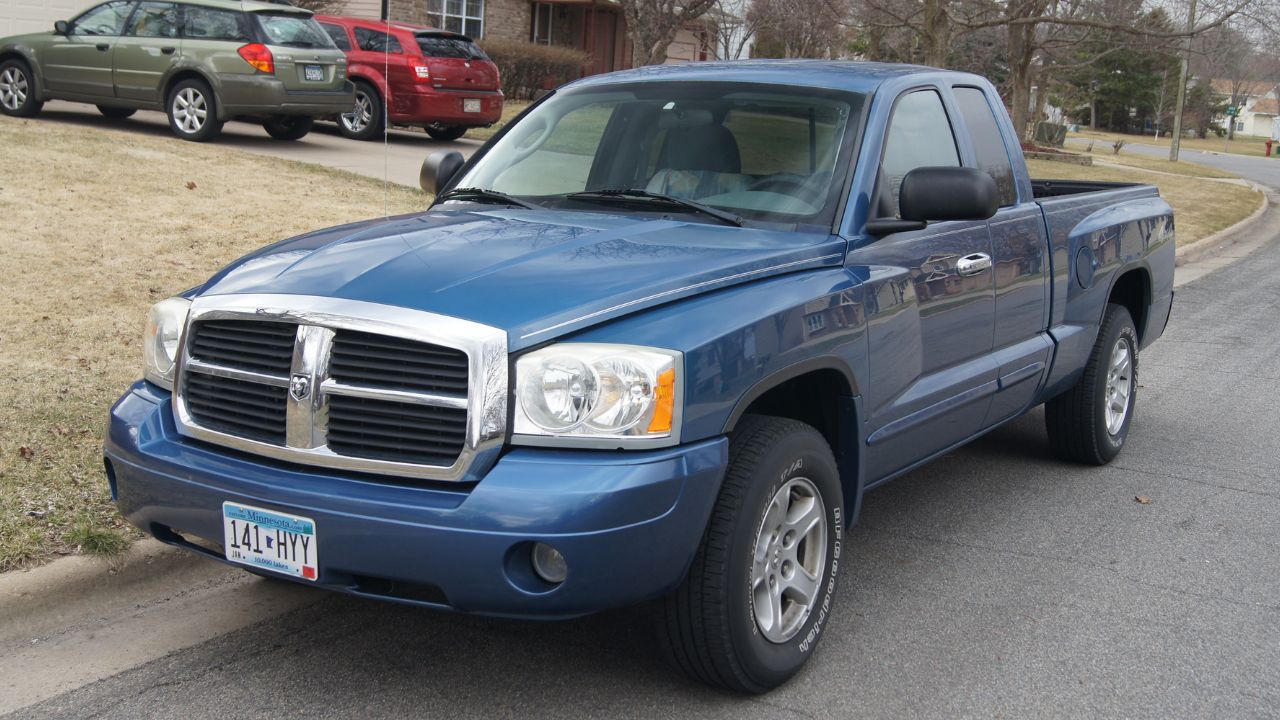
Sometimes, companies just can’t help themselves. They add one seemingly small and meaningless thing that ends up ruining the entire design and experience. Each entry here represents a genuine “what could have been” moment in automotive history, trucks that had solid engineering, decent market timing, and enough corporate backing to succeed, only to trip over their own ambitions in spectacular fashion.
We dug through sales figures that would make a CFO cry, consumer reviews that read like break-up letters, and industry analysis that’s drier than a Sahara summer. The common thread? Each of these trucks possessed real potential but got derailed by a single, mind-bogglingly bad decision that overshadowed everything else they did right.
Think of it as automotive archaeology, except instead of discovering ancient civilizations, we’re unearthing the remains of corporate hubris and questionable market research. The goal isn’t just to roast these trucks (though we’ll certainly do that), but to understand how one wrong turn can send even the most promising vehicle straight to the automotive graveyard.
Chevrolet Avalanche
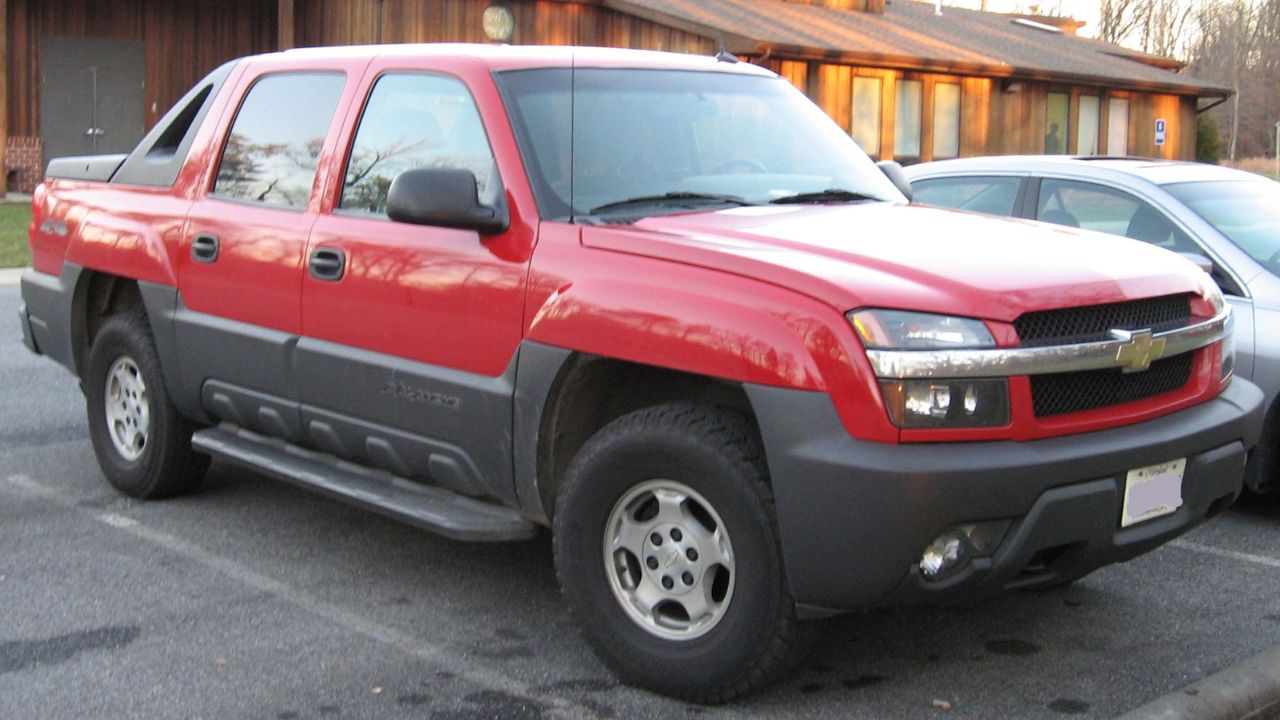
Let’s start with the Chevrolet Avalanche, a truck so close to greatness that you can practically taste the missed opportunity. GM’s engineers actually nailed the concept here: a midgate design that could transform from SUV to pickup faster than a NASCAR pit crew. Families loved the versatility, weekend warriors appreciated the flexibility, and everyone agreed the engineering was genuinely clever.
Then GM’s design team apparently decided, “You know what this sophisticated piece of engineering needs? A bunch of textured plastic cladding that makes it look like a Fisher-Price toy that survived a nuclear winter.
Seriously, who looked at this truck and thought, “The problem with pickups today is they don’t look enough like outdoor furniture?” Whoever you are, you’re sick. Very sick. The plastic body cladding was supposedly there to prevent dings and convey ruggedness, but what it actually conveyed was “I bought the automotive equivalent of Crocs.” And like Crocs, the plastic aged about as gracefully as a vampire in direct sunlight, fading to that lovely shade of gray that screams “I’ve given up on life.”
The Avalanche sold decently in its first few years (around 93,000 units in 2002), but by the end, annual sales had dropped to barely 20,000 units. For comparison, the F-150 sells more trucks in about three weeks than the Avalanche did in its final year.
The tragic part? Strip away the plastic costume, and you had a legitimately innovative truck that could haul a boat on Saturday and take the kids to soccer practice on Sunday. But instead of being remembered as the truck that revolutionized utility, it’s remembered as the truck that looked like it was permanently wearing a wetsuit. Sometimes the difference between genius and disaster is just a few thousand dollars worth of unnecessary plastic.
Ford Explorer Sport Trac
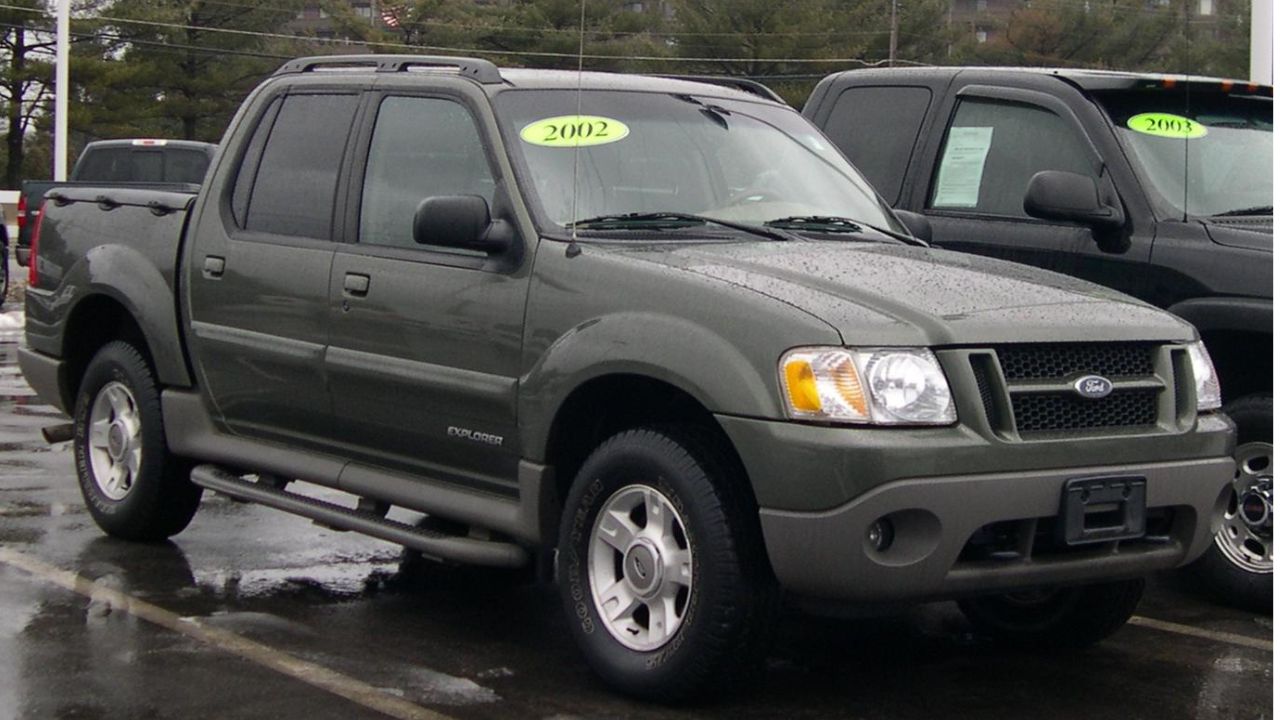
The Ford Explorer Sport Trac was like that friend who can’t commit to anything, business in the front, party in the back, and absolutely useless when you actually need them to make a decision. Ford saw the growing lifestyle vehicle market and thought, “What if we made something that’s sort of a truck, kind of an SUV, and not really good at either?”
The concept made sense on paper: combine the Explorer’s reputation for family-friendly comfort with pickup practicality. The execution, however, was like watching someone try to order both pizza and Chinese food and somehow ending up with a soggy microwave burrito.
The bed was shorter than a TikTok attention span, seriously, at 4.2 feet, you couldn’t fit a standard sheet of plywood without it hanging out like a dog’s tongue. Meanwhile, towing capacity ranged from roughly 5,000 pounds on early models to about 6,800 pounds on later V8 equipped Sport Tracs with the tow package, which is respectable if you’re hauling a jet ski, but still not enough to justify the compromises for many truck buyers.
While the Sport Trac was posting mediocre sales numbers (peaking at around 50,000 units annually), the regular F-150 was selling over 800,000 units per year. Customers were voting with their wallets, and they were saying “just give us a real truck.”
Here’s the kicker: it wasn’t great at being an SUV either. Less cargo space than a regular Explorer, questionable off-road capability, and all the fuel economy of a truck without any of the actual truck benefits. It was the automotive equivalent of non-alcoholic ale, technically, it exists, but why would you want it when better options are sitting right there?
Ford’s mistake was trying to split the difference instead of picking a lane and dominating it. Either make it a proper compact truck with a usable bed, or make it a premium SUV with truck-like styling. Instead, they created the automotive equivalent of a platypus: unique, sure, but nobody’s quite sure what to do with it.
Dodge Dakota
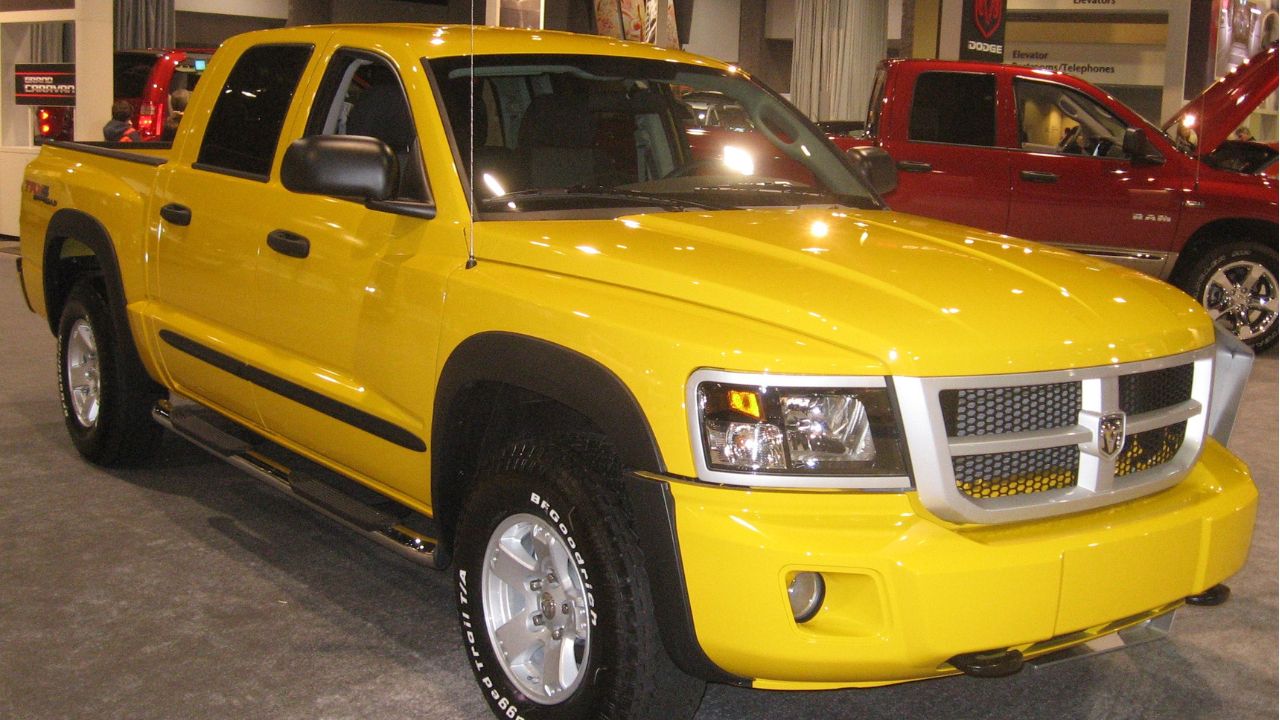
The Dodge Dakota was cruising along nicely as the scrappy middle child of the truck world. Earlier generations had earned respect by stuffing V8 engines into midsize frames, creating the perfect truck for people who wanted muscle without going full compensatory F-350. Then 2008 rolled around, and Dodge decided to give the Dakota a facelift that looked like it was performed by a blind surgeon having a seizure.
The 2008-2011 Dakota’s front end was so aggressively ugly that it made the Pontiac Aztek look like a supermodel. We’re talking about a grille so oversized and awkwardly proportioned that it looked like the truck was permanently surprised by its own existence. While competitors were adopting sleek, purposeful designs, Dodge apparently looked at a brick wall and thought, “Now THAT’S automotive inspiration!”
Dakota sales fell from roughly 100,000 units per year in the early 2000s to about 13,000 units in 2010. Meanwhile, the Toyota Tacoma sold about 106,000 units in 2010 alone, proving that buyers still wanted midsize trucks, just not ones that looked like they’d been designed by the same little kid who wrote the Fast & Furious script.
The really frustrating part? Under that catastrophically ugly nose, the Dakota was still a competent truck. The available 4.7-liter V8 delivered solid power, the ride quality was decent, and the interior was reasonably well-appointed. In the truck world, where your vehicle is an extension of your personality, looking good matters almost as much as performing well.
It’s like showing up to a job interview with perfect qualifications but wearing a clown costume. Sure, you might be great at the job, but nobody’s going to take you seriously enough to find out. Dodge’s design team managed to turn a perfectly serviceable truck into rolling proof that sometimes a facelift is actually face-plant.
Honda Ridgeline (First Generation)

Honda’s first crack at the pickup market was like watching your accountant uncle try to join a motorcycle gang. The ideas were solid: unibody construction, car-like ride quality, a lockable trunk in the bed. Unfortunately, the execution was beyond questionable.
The original Ridgeline looked like someone had taken a Pilot SUV and surgically removed its rear end, then hastily grafted on what appeared to be a plastic cooler. The proportions were all wrong: too short, too tall, and blessed with the kind of stubby awkwardness that made it look like it was constantly apologizing for existing.
Honda’s engineers deserved credit for thinking outside the box. The in-bed trunk was genuinely clever, the ride quality was smoother than a politician’s promises, and the build quality was vintage Honda, meaning it would probably outlast the cockroaches after nuclear winter. But in the testosterone-fueled pickup market, looking the part is half the battle.
The first-gen Ridgeline peaked at around 50,000 annual sales, while the F-150 was moving over 700,000 units. Honda was bringing a calculator to a horsepower fight. The real crime was that Honda had a chance to be the Apple of trucks, clean, innovative, different. Instead, they created something that looked like it was designed by a committee of insurance adjusters.
Traditional truck buyers took one look and went back to their F-150s, while curious buyers couldn’t get past the fact that it looked less “rugged outdoorsman” and more “suburban dad who bought it to haul mulch twice a year.”
The second-generation Ridgeline fixed most of these issues with more aggressive styling and better proportions. But by then, first impressions had already done their damage, proving that in the truck world, you don’t get a second chance to make a first impression.
Lincoln Blackwood
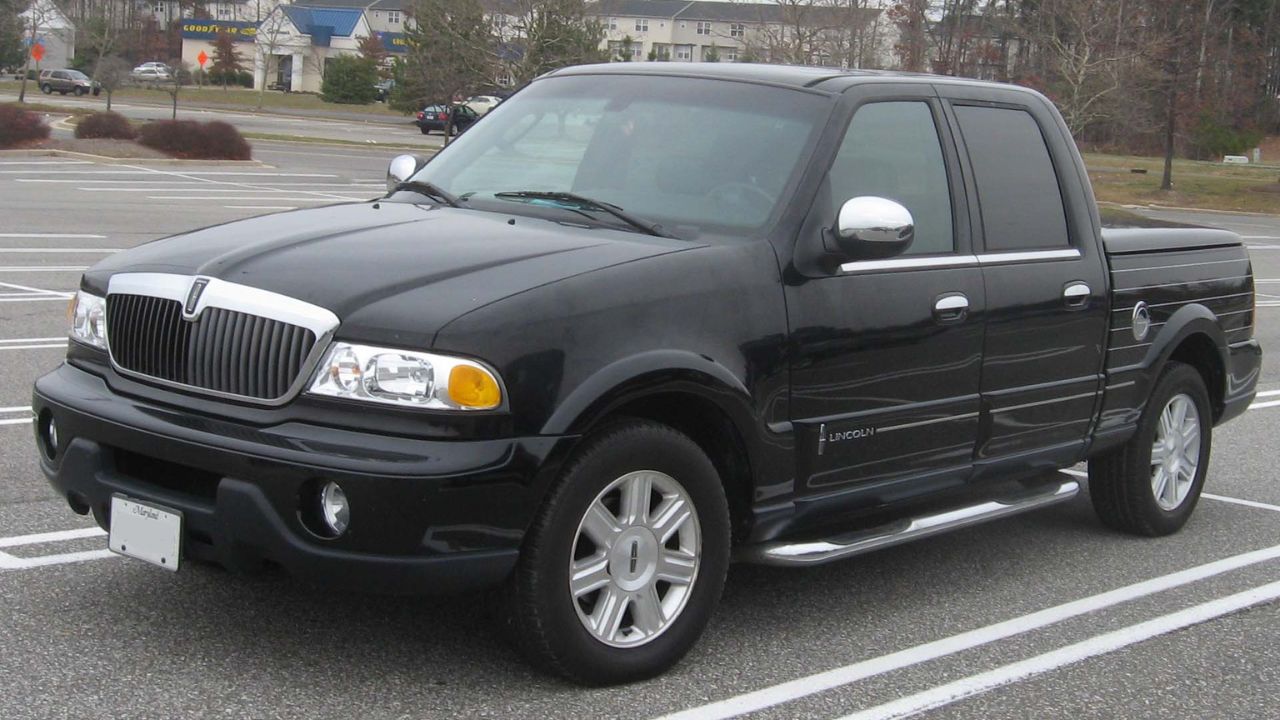
Oh, the Lincoln Blackwood. Where do we even begin with this automotive monument to missing the point entirely? Lincoln’s brain trust apparently sat in a meeting and said, “You know what the truck market needs? A pickup that can’t actually pick anything up!”
The concept seemed reasonable enough: create a luxury truck for affluent buyers who wanted to haul their boat to the country club in style. The execution, however, was like watching someone try to eat soup with a fork, I guess it’s technically possible, but it’s painful to observe and ultimately pointless.
Instead of a normal truck bed, Lincoln gave the Blackwood a carpeted, tonneau-covered cargo area that was about as useful for actual hauling as a screen door on a submarine. Want to throw some lumber in the back? Hope you enjoy vacuuming sawdust out of premium carpet. Need to haul topsoil? Better call U-Haul, because this “truck” was more afraid of dirt than a vampire is of garlic.
The Blackwood started at around $52,000 in 2002 money (about $85,000 today), making it more expensive than most luxury cars. For comparison, you could buy a fully loaded F-150 and a nice luxury sedan for the same price. But wait, there’s more! Lincoln, in their infinite wisdom, decided this luxury truck should only be available in black. Because nothing says “exclusive” like having zero color options. It was like Henry Ford’s Model T, except with more carpet and less utility.
The Blackwood lasted exactly one model year before Lincoln mercifully put it out of its misery. They sold fewer than 3,400 units, making it rarer than common sense in a marketing meeting. The truck that was supposed to create a new luxury segment instead became proof that you can’t lipstick a pig, but you can apparently carpet its bed and charge fifty grand for the privilege.
Chevrolet SSR
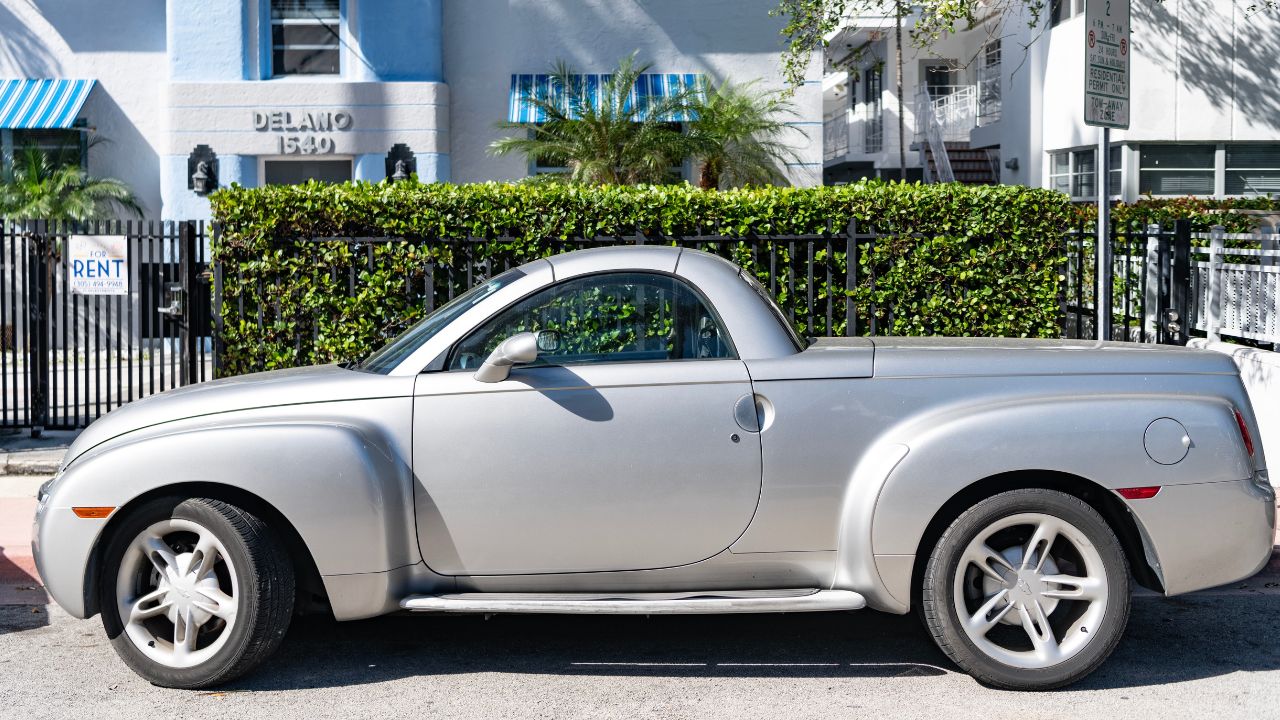
The Chevrolet SSR was what happened when GM’s design team got really into hot rod shows and completely forgot that trucks are supposed to, you know, truck. This retro-styled convertible pickup looked like someone had fed a 1940s pickup truck nothing but steroids and Instagram filters for six months.
Don’t get us wrong: the SSR was undeniably cool-looking. It had presence, style, and enough retro charm to make Don Draper weep with nostalgia. The problem was that Chevy couldn’t decide if they were building a sports car, a show car, or an actual truck, so they somehow managed to fail at all three simultaneously.
The bed was smaller than most shopping carts, the payload capacity was laughable, and the whole thing handled like a boat anchor with commitment issues. Meanwhile, the price tag started at around $42,000 and climbed north of $50,000 for loaded models, serious money for something that couldn’t haul a week’s worth of groceries without looking ridiculous.
The SSR came with either a 300-hp 5.3L V8 or a 390-hp 6.0L LS2, which sounds impressive until you remember it weighed over 4,700 pounds. That’s sports car power trying to move pickup truck mass, resulting in acceleration that was best described as “eventually enthusiastic.”
The real tragedy is that the SSR could have been legendary if GM had just picked a lane. Make it a proper sports car with truck styling? Cool. Create a show-quality cruiser for weekend car shows? Also cool. But marketing it as a pickup truck when it had less cargo capacity than a Honda Civic was like the Miata getting called a sports car. Technically true if you don’t use the A/C.
GM sold about 24,000 SSRs over four years, which sounds respectable until you realize they were hoping for numbers closer to Corvette territory. Instead, they created automotive Bigfoot: occasionally spotted, frequently discussed, but ultimately more myth than reality.
Nissan Titan XD
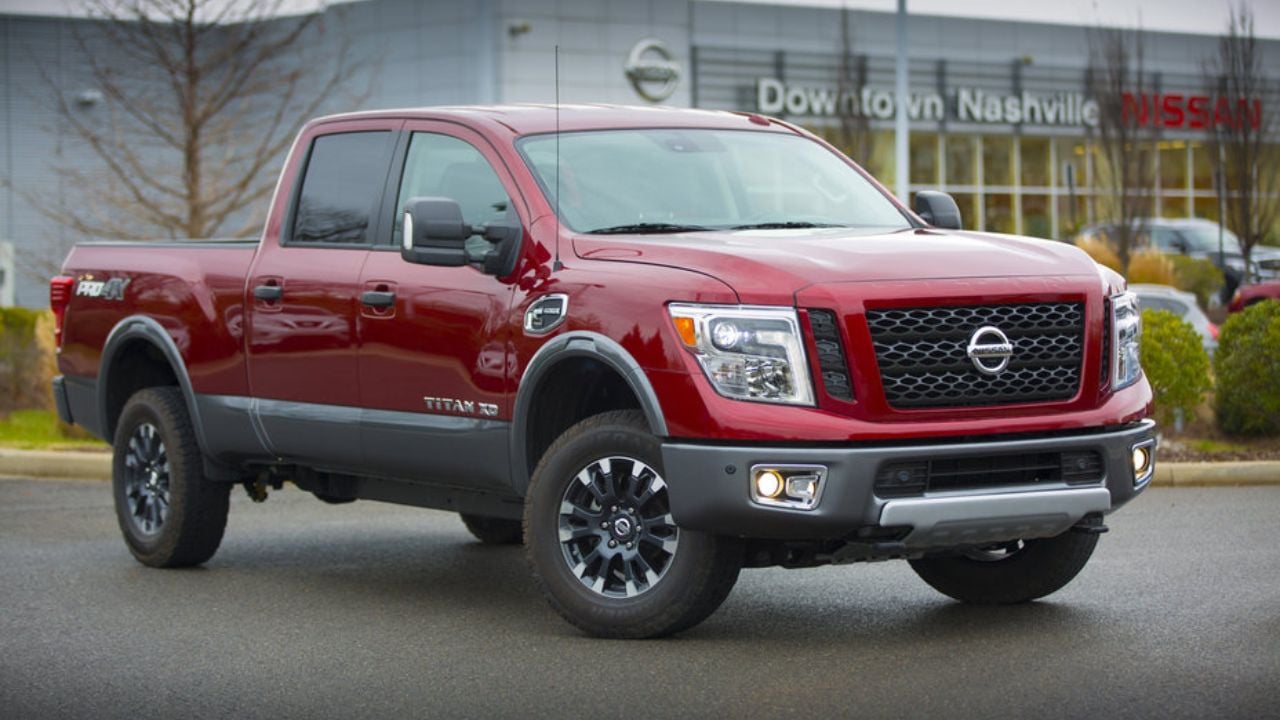
Nissan looked at the truck market and apparently thought, “You know what’s missing here? A truck that’s too big for people who don’t need a heavy-duty truck, but not capable enough for people who do.” Enter the Titan XD, the automotive equivalent of a medium-sized drink when you really wanted either small or large.
The concept seemed logical in a PowerPoint presentation: create a “tweener” truck that split the difference between half-ton and three-quarter-ton capabilities. In reality, it was like trying to solve a problem that existed only in the fevered imagination of market researchers who hadn’t actually talked to any truck buyers.
To Nissan’s credit, they partnered with Cummins for a 5.0L V8 turbo diesel that produced solid numbers, 310 hp and 555 lb-ft of torque. Here’s the thing: if you needed that much capability, you probably just bought an actual heavy-duty truck. If you didn’t, the regular Titan or a half-ton from the Big Three made more sense.
The XD ended up being heavier than a regular half-ton (hurting fuel economy), more expensive than competitors, and not quite powerful enough to justify the compromises. It was like ordering a medium pizza when you’re either not that hungry or really hungry, you end up with something that doesn’t quite satisfy anyone.
Buyers spoke with their wallets, and what they said was “no thanks.” The Titan XD never found its audience because that audience largely didn’t exist. Nissan eventually discontinued the XD and went back to focusing on the regular Titan, proving that sometimes the middle ground is actually quicksand.
The lesson here? Before you create a new market segment, make sure there are actually customers waiting in that segment. Otherwise, you’re just building a very expensive solution to a problem nobody has.
GMC Canyon (Mid 2000s)
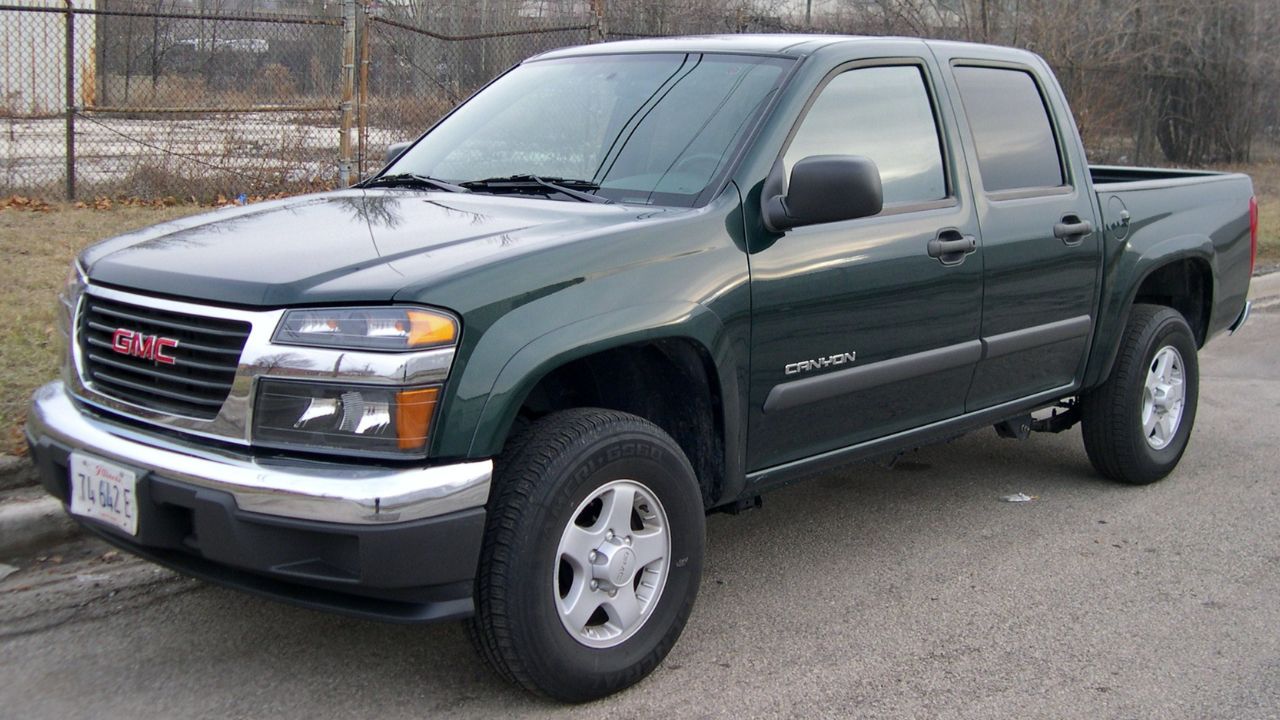
GMC’s early Canyon was like that friend who talks a big game but folds the moment things get real. On paper, it had everything going for it: GMC’s “professional grade” reputation, decent styling, and a market hungry for midsize trucks that didn’t suck. The execution, however, was like watching someone show up to a drag race in a golf cart.
The early Canyon’s biggest sin was being underwhelming and overpriced; a deadly combination in the truck world. GMC decided to charge premium prices for what was essentially a Chevy Colorado with a different grille and some interior upgrades. That might work in the luxury car market, but truck buyers are generally too smart to pay extra for badge engineering.
The base engine was a wheezy 2.8-liter four-cylinder that produced about 175 horsepower, which was adequate for hauling your feelings but not much else. Even the optional engines felt like they were apologizing for existing, while competitors like the Toyota Tacoma were offering similar capability at lower prices.
The Canyon’s towing capacity maxed out at around 4,000 pounds with the right setup, which sounds respectable until you realize that many modern SUVs can pull more weight while offering better fuel economy and more comfort. It was like bringing a knife to a gunfight, except the knife was dull and overpriced. GMC eventually figured it out with later generations, but the early Canyon spent years trying to shake off its reputation as a pretty face with no substance.
The irony is that GMC had all the pieces to make the Canyon a success: decent looks, solid build quality, and a respected brand name. But by skimping on power and overcharging for the privilege, they managed to snatch defeat from the jaws of victory.
Toyota T100
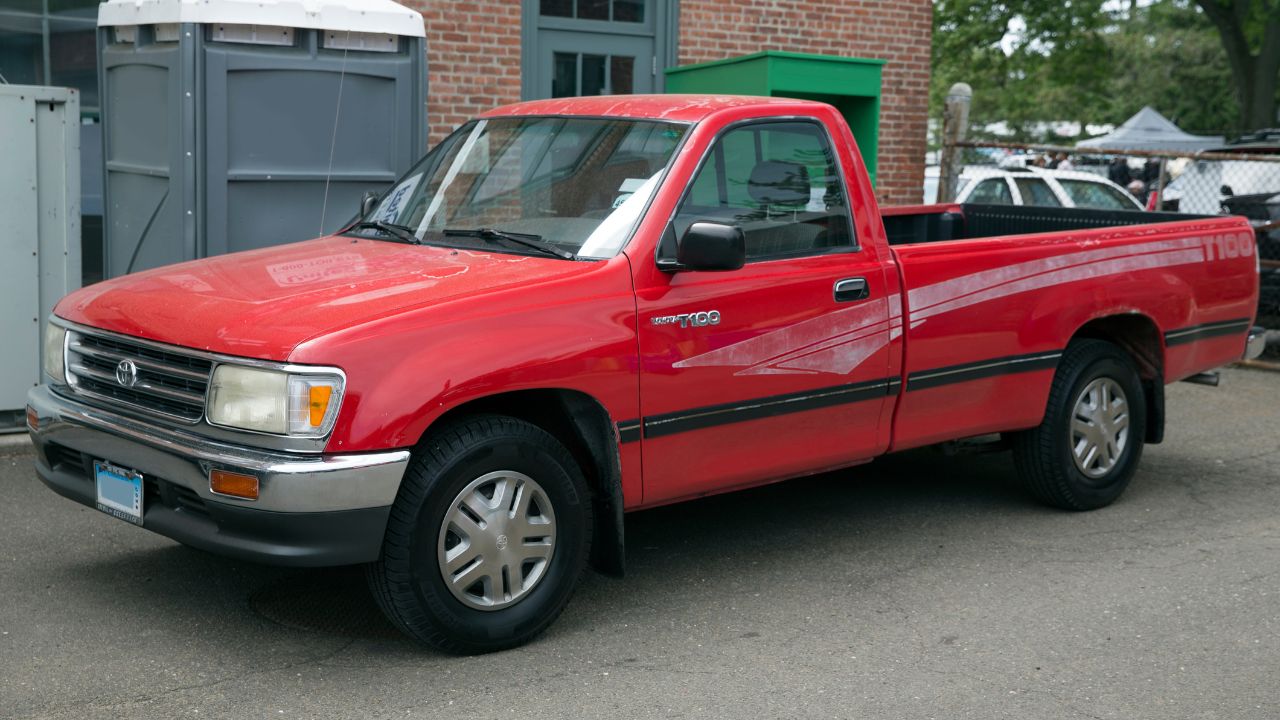
Toyota’s T100 was like a teenage growth spurt that stopped halfway through, bigger than it used to be, but not quite big enough to hang with the adults. Toyota looked at Detroit’s dominance in the full-size truck market and thought, “We can do that,” then proceeded to build something that was three-quarters of the way there and called it good.
The T100’s bed measured 6.5 feet, which was decent, but the overall proportions looked awkward compared to domestic competition. More importantly, the payload and towing numbers couldn’t match what buyers expected from a “full-size” truck. Toyota was bringing a knife to a gunfight, except the knife was really well-made and would probably last forever.
The real frustration was that everything else about the T100 was vintage Toyota: reliable, well-built, and engineered to survive the heat death of the universe. But in the truck market, capability trumps reliability if you can’t do the job in the first place. It was like hiring the world’s most punctual employee who could only work part-time.
Toyota eventually learned their lesson with the Tundra, which embraced proper full-size dimensions and capabilities. But the T100 spent years proving that in the truck world, “close enough” isn’t good enough. American truck buyers wanted full-size capability, and no amount of Toyota reliability could substitute for the ability to actually haul a decent-sized load.
The T100 wasn’t a bad truck, it was just the wrong truck for the market Toyota was trying to enter. Sometimes the difference between success and failure is knowing which battles you can win.
Subaru Baja

The Subaru Baja made everyone ask, “But why, though?” Subaru is always trying to out-weird itself, but it goes about it in all the wrong ways. Some things are unique for a reason, nobody else wanted to do it or buy it. Because it’s hideous.
Subaru saw the growing adventure vehicle market and thought it could create something for outdoorsy buyers who didn’t need a full-size truck. The concept made sense: take the Outback’s go-anywhere capability, add a small bed for gear, and market it to weekend warriors who needed to haul kayaks and mountain bikes.
The problem was that the Baja’s bed was smaller than most bathtubs. Its cargo box is about 41.5 inches long and roughly 49 inches wide, so it could barely handle a cooler and some camping chairs, let alone any serious adventure gear. It was like bringing a teaspoon to a construction site, technically a tool, but not the right one for the job.
The Baja’s cargo box payload rating was roughly 1,000 pounds depending on year and configuration, which is still not compact truck territory, but it is far more than 480 pounds. Meanwhile, proper compact trucks like the Tacoma offered nearly twice the payload and significantly more bed space. The Baja was actually pretty capable off-road, thanks to Subaru’s excellent all-wheel-drive system and decent ground clearance. It could probably get to places that would make bigger trucks weep, but once you got there, you couldn’t carry much gear to enjoy the destination.
Subaru’s mistake was prioritizing quirkiness over utility. They created something that was undeniably unique but not particularly useful. The Baja found a small but devoted following among people who appreciated its oddball charm, but mainstream success requires more than just being different, you have to be different and better.
In the end, the Baja proved that innovation without execution is just expensive experimentation. Subaru had the right idea about adventure vehicles, but built the wrong truck to execute it.
Ram 1500 EcoDiesel

The Ram 1500 EcoDiesel should have been a game-changer. Finally, someone figured out how to stuff a diesel engine into a half-ton truck and deliver legitimate fuel economy without sacrificing the torque that truck buyers crave. It was like finding the holy grail of pickup engineering, until it all went to hell faster than a politician’s campaign promises.
The EcoDiesel delivered on its promises initially: EPA ratings of 20/28 mpg (city/highway) with 420 lb-ft of torque from its 3.0L V6 diesel. For comparison, gasoline competitors were struggling to break 20 mpg highway, making the EcoDiesel look like a miracle of modern engineering.
Then came an emissions scandal that brought EPA scrutiny and major settlements.
Allegations of emissions cheating, EPA investigations, and eventual settlements turned Ram’s crown jewel into a liability. The truck that was supposed to revolutionize half-ton efficiency became synonymous with regulatory violations and customer lawsuits. Sales plummeted, and the entire diesel option was eventually discontinued.
The really tragic part is that the EcoDiesel was genuinely impressive when it worked as advertised. Owners loved the combination of efficiency and capability, and the engine delivered smooth, torquey performance that made highway driving a pleasure. Once the emissions scandal broke, even satisfied customers started questioning their purchase decisions.
Ram’s mistake, whether intentional or through oversight, was prioritizing performance over compliance. In today’s regulatory environment, that’s like playing Russian roulette with your entire product line. The EcoDiesel could have been a long-term differentiator that gave Ram a competitive advantage for years. Instead, it became a cautionary tale about the importance of doing things right the first time.
Trust, once broken, is nearly impossible to rebuild in the automotive world. The EcoDiesel proved that even the best engineering can’t overcome regulatory failure.
Ford Maverick Hybrid

Here’s a plot twist: the Ford Maverick Hybrid didn’t fail because of bad engineering, terrible design, or questionable marketing. It “failed” because Ford clearly underestimated demand for an affordable, efficient pickup truck.
The Maverick Hybrid was everything the market claimed to want: EPA-rated 42 mpg city, starting price under $25,000, and enough capability for 99% of truck buyers’ actual needs (as opposed to what they tell themselves they need). It was like finding a unicorn that could also haul your groceries.
Ford expected modest demand and planned production accordingly. Instead, they created the automotive equivalent of concert tickets for a surprise Beatles reunion. Demand was so high that wait times stretched beyond reasonable, orders were cancelled, and frustrated customers started looking elsewhere.
But here’s where Ford really screwed up: instead of ramping up production to meet demand, they seemed content to let the Maverick remain a limited-availability darling. It was like opening the world’s best restaurant and then only serving twelve people per night.
While Ford was playing hard-to-get with the Maverick, competitors were paying attention. Hyundai launched the Santa Cruz, and other manufacturers started planning their own compact truck entries. Ford had a head start in a segment they essentially created, then proceeded to let everyone else catch up.
The Maverick Hybrid’s sin wasn’t being bad, it was being so good that Ford couldn’t figure out how to build enough of them. In a world where most trucks fail because they’re terrible, the Maverick managed to become a cautionary tale about the perils of success.
Sometimes the biggest mistake you can make is not recognizing when you’ve struck gold. Ford created something special with the Maverick Hybrid, then managed to fumble the execution of actually getting it to customers who wanted it.
What These Trucks Teach Us
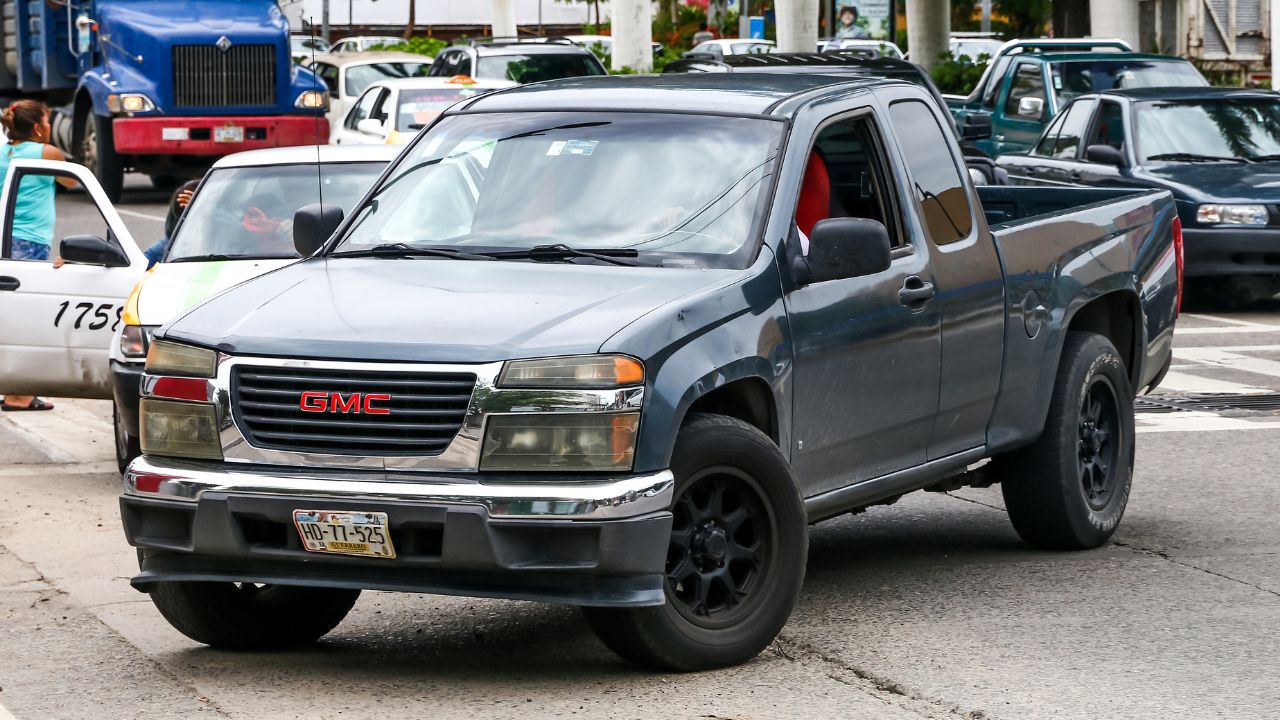
These 12 trucks weren’t disasters because they lacked talent, funding, or corporate support. Most of them had solid engineering, decent market research, and enough executive backing to succeed. Hell, some of them were genuinely innovative and ahead of their time.
But here’s the brutal truth about the truck market: fundamentals matter more than flash, and one spectacular miscalculation can overshadow a dozen brilliant innovations. Truck buyers aren’t just purchasing transportation, they’re buying capability, identity, and a rolling representation of their personal brand. When you mess with that formula, even the most well-intentioned truck can become automotive roadkill.
The Universal Lessons:
- Know Your Customer: The Blackwood failed because Lincoln forgot that truck buyers actually want to haul things. Revolutionary concept, we know.
- Pick a Lane: The SSR and Explorer Sport Trac tried to be everything to everyone and ended up being nothing to no one.
- Execution Matters: The Avalanche had brilliant engineering wrapped in enough plastic to stock a Tupperware convention.
- Don’t Create Problems: The Titan XD invented a market segment that didn’t exist, while the Maverick Hybrid couldn’t meet demand for a segment that desperately wanted to exist.
- Looks Matter: In a world where your truck is an extension of your personality, the Dakota’s face-plant facelift and the Ridgeline’s awkward proportions proved that beauty isn’t just skin deep, it’s sales deep.
The pickup truck market is simultaneously the most traditional and most innovative segment in automotive. Buyers want cutting-edge technology and time-tested capability, modern efficiency and classic durability, innovative features and familiar fundamentals. It’s a tightrope walk between evolution and revolution, and these twelve trucks prove that one wrong step can send even the most promising vehicle tumbling into the abyss of automotive history.
The tragedy isn’t that these trucks failed, it’s that most of them failed for reasons that were completely avoidable. With better decision-making, clearer vision, or just a little more common sense, any of these trucks could have been legends instead of cautionary tales.
But hey, at least they gave us some great stories to tell around the campfire, and in the truck world, sometimes that’s worth almost as much as actual success. Almost.