Few brands embodied American flair and raw muscle like Pontiac. Once a battle cry of automotive power, the name has vanished from new car lots, lost to the corporate void that claimed other legends. Yet Pontiac’s spirit roars on in garages, at cruise nights, and in the hearts of those who crave unfiltered horsepower and swagger. Some of that swagger, however, comes with a steep price tag.
The high-profile GTOs and flashy ’70s Trans Ams get the headlines. They are the rock stars of the Pontiac family, commanding auction prices that rival beachfront property. Yet not every classic Pontiac requires a second mortgage. Many well-preserved models still offer bold design, character, and a grin-inducing driving experience without breaking the bank. These are the cars that say, “Yeah, I’m cool, and I can still afford gas and new tires.”
Classic cars often sacrifice affordability for charm, but many overlooked Pontiacs deliver both. Underappreciated body styles and forgotten trims have created opportunities for buyers with vision, a wrench, and an appetite for something authentically cool. From sleek coupes and confident cruisers to long-roof wagons with surprising performance, these machines share the DNA of their pricier siblings.
Style and substance came standard, even when fanfare did not. For those chasing vintage personality, genuine road presence, and a piece of American muscle history without the premium price, Pontiac still delivers loud and proud.
Pontiac In Name, Not In Price

Everyone has a Pontiac they remember. Maybe it was their first car, the backdrop to a first kiss, or the reason for their first speeding ticket. Pontiac means something different to every enthusiast, and no single list could capture them all.
So how did we choose which models to feature? For the purpose of this article, we are defining a “classic” as any Pontiac that is 25 years old or older. Traditional definitions of a classic often include rarity, cultural significance, or pristine condition. Most truly iconic Pontiacs in flawless shape, however, are not exactly budget-friendly.
To create this list, we took a broader approach. We sought models that still feel special and carry that unmistakable Pontiac spirit, yet remain within reach for enthusiasts who want something fun, distinctive, and practical. Some are genuinely affordable, while others cost more but still offer excellent value compared to top-tier collectibles. Affordability is, of course, a subjective matter. Compared to a well-worn K-car, some of these might feel expensive. Compared to a concours-level Judge, they are a bargain.
You might not agree with every pick. That is part of the fun. If you are reading this, chances are you love Pontiacs as much as we do. These are the ones that stood out to us — the kinds of cars that could make a cool showpiece, a head-turning lowrider, or a laid-back cruise night favorite.
Let us know your favorite classic Pontiac. We would love to hear what you think deserves a spot.
Pontiac Grand Prix (Late 60s to Early 70s)
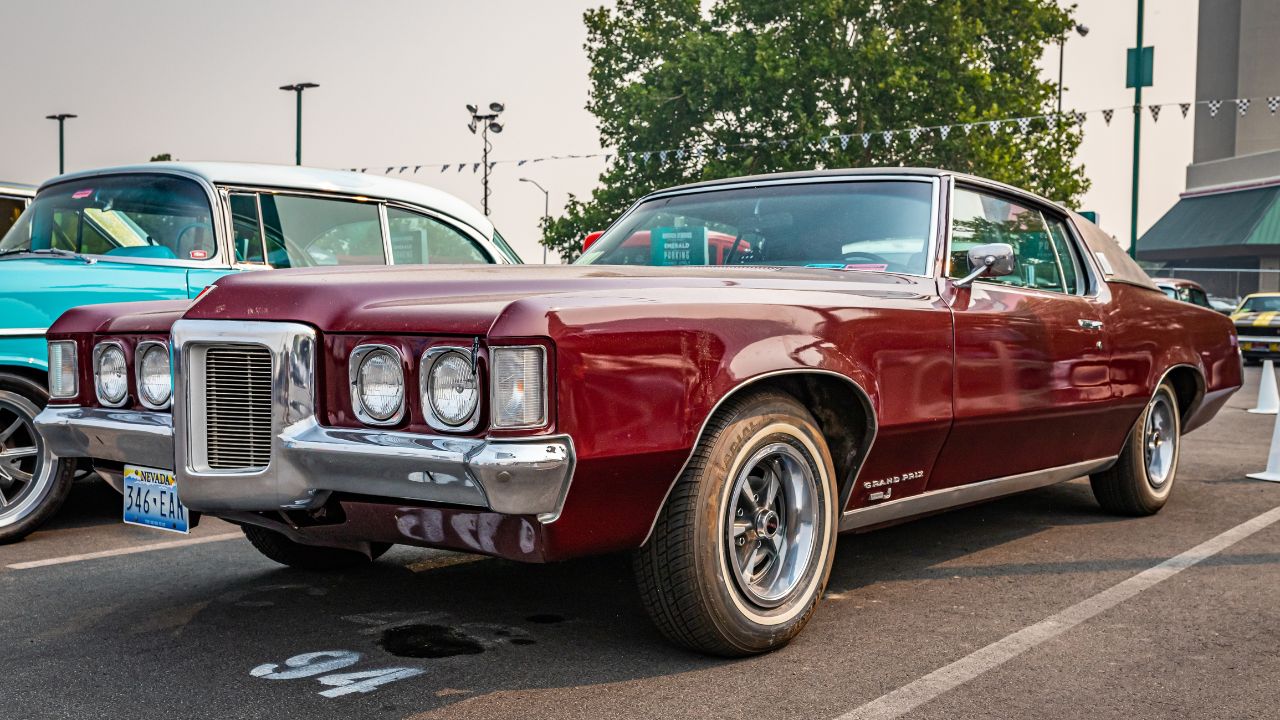
The Pontiac Grand Prix from the late ’60s and early ’70s wasn’t just a car; it was a statement. It delivered a driving experience that felt genuinely upscale without ever stepping into full-blown luxury territory. Wide, confident, and utterly cool on the road, this personal luxury coupe used GM intermediate underpinnings with unique proportions that delivered big-car comfort. Drivers appreciated the impossibly long hood (perfect for imagining a supercharger lurking underneath), the short deck, and that aggressive, often chrome-heavy grille that gave it presence far beyond its price tag. Inside, the wraparound dashboard and detailed trim made it feel thoughtful and driver-focused, almost like a cockpit.
This machine offered comfort and power (usually from a torquey Pontiac V8) in a package that still looks sharp today. Compared to modern sedans, a classic Grand Prix feels like driving a living room with muscle, capable of eating up highway miles with ease. Finding a clean one is still very possible without chasing rare trims or expensive, frame-off restorations. For anyone seeking size, swagger, and a slice of ’70s fabulous, this Pontiac checks all the boxes.
Pontiac LeMans (Early to Mid 70s)
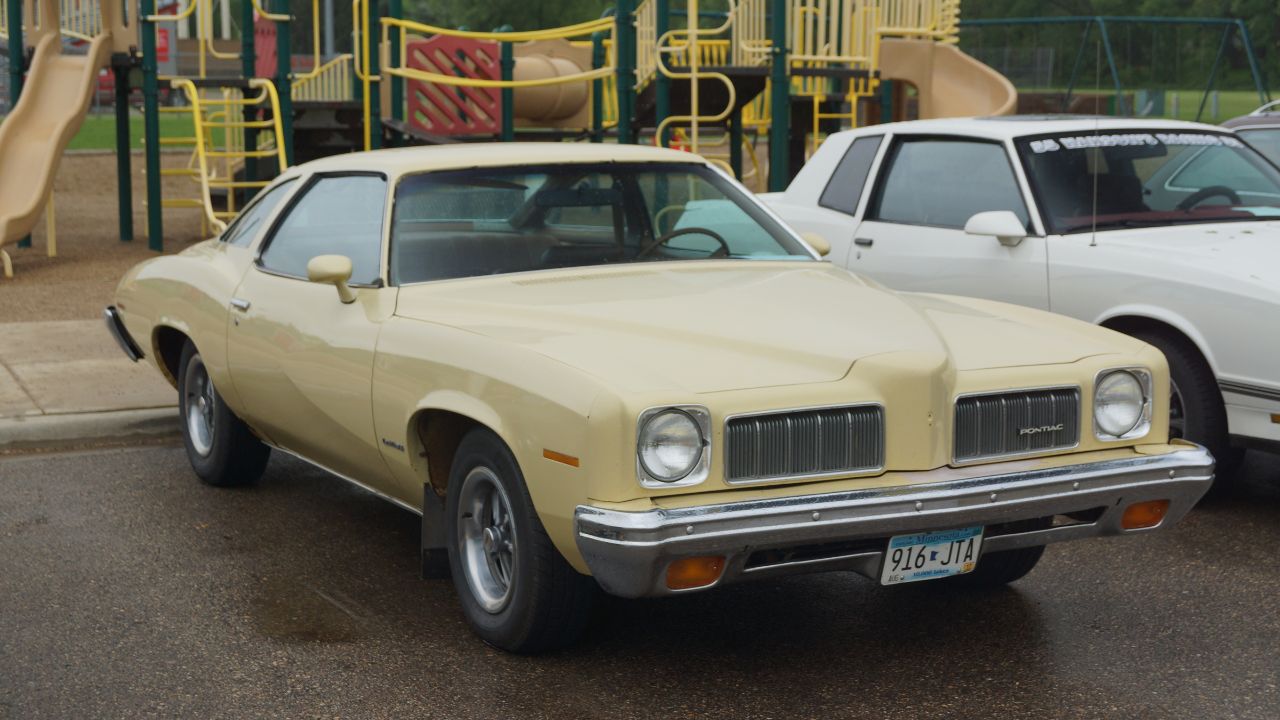
While the GTO (and its “Judge” variant) stole all the headlines, the Pontiac LeMans quietly offered many of the same strengths at a significantly better price. With clean lines and a balanced profile, it delivered everyday practicality wrapped in those classic muscle car proportions we all drool over. Families bought it for daily use, likely to haul kids and groceries, but collectors now appreciate the undeniable value in its timeless design and mechanical simplicity.
The LeMans was built to do it all, from weekend road trips that turned into impromptu drag races to driveway projects that inevitably involved more beer than wrenching. It delivers the undeniable charm of the era without chasing those sky-high auction numbers that make you faint. This car feels connected to the road and refreshingly honest, without all the electronic nannies of modern cars. Crisp styling and solid construction (it’s a GM A-body, after all) continue to make it a rewarding choice.
For drivers looking to enter the classic car world without the stress of astronomical costs or delicate museum pieces, this one makes a strong, compelling case.
Pontiac Ventura (Early 70s)
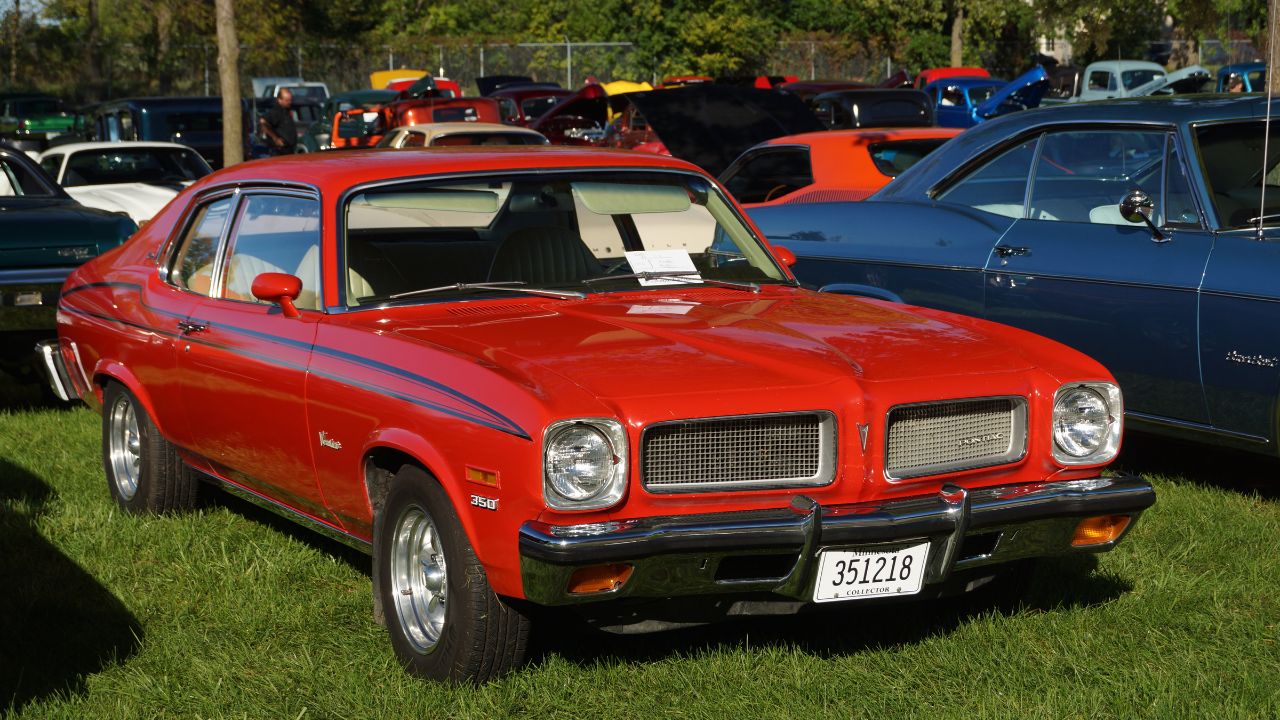
Compact in size but full of personality, the Pontiac Ventura delivered a focused, honest driving feel in a lighter package. Sharing platforms with the ubiquitous Nova helped keep parts available and prices manageable, even decades later. It offered classic American lines in a form that worked well for city driving or country roads, truly versatile. The Ventura didn’t try to dominate the spotlight; it was the quiet achiever in the Pontiac lineup, earning respect through dependability and balance.
Owners appreciated how easy it was to live with, and collectors today often see it as a smart, accessible entry point into classic Pontiac ownership. Not every vintage car needs to shout; some, like the Ventura, prove that quiet competence and a clean design are more than enough.
For those who want charm without compromise, this Pontiac stands ready, a solid base for a cruiser or even a sleeper build.
Pontiac Bonneville (Late 60s)
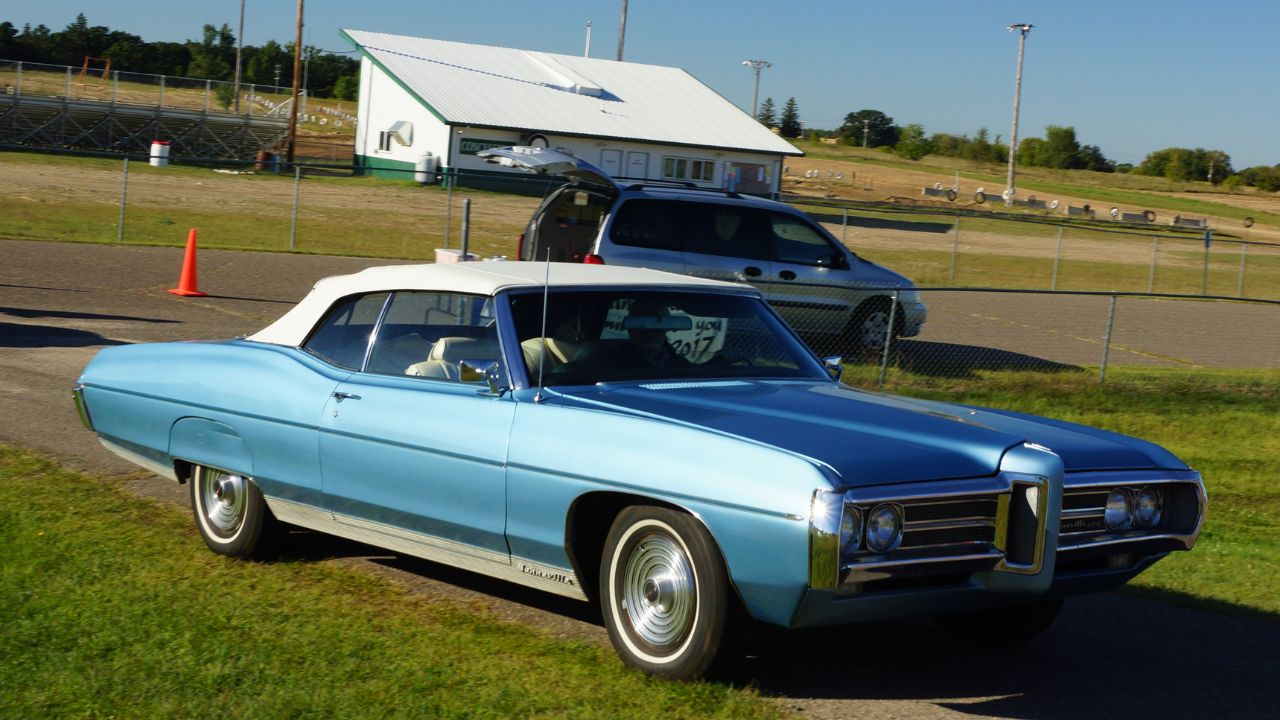
Large, graceful, and effortlessly powerful, the Pontiac Bonneville from the late ’60s delivered comfort in a way that made even the longest road trips feel easy. Think of it as a personal cruise ship for the open road. Sleek design and incredibly generous interiors gave it a commanding presence without losing an ounce of elegance. Families used it for vacations (probably with half the neighborhood packed inside), yet its inherent flair and undeniable strength made it far more than just a people hauler.
The Bonneville carries a sense of ceremony with every drive. Wide, plush seats, gleaming chrome trim, and thoughtful touches create a space that feels genuinely special. It represents a time when driving was part of the experience, not just a mundane task. Collectors can still find solid, well-preserved examples with reasonable price tags, making them an excellent value proposition.
Owning one means traveling with a piece of history, rather than just a means of transportation.
Pontiac Sunbird (Late 70s to Early 80s)
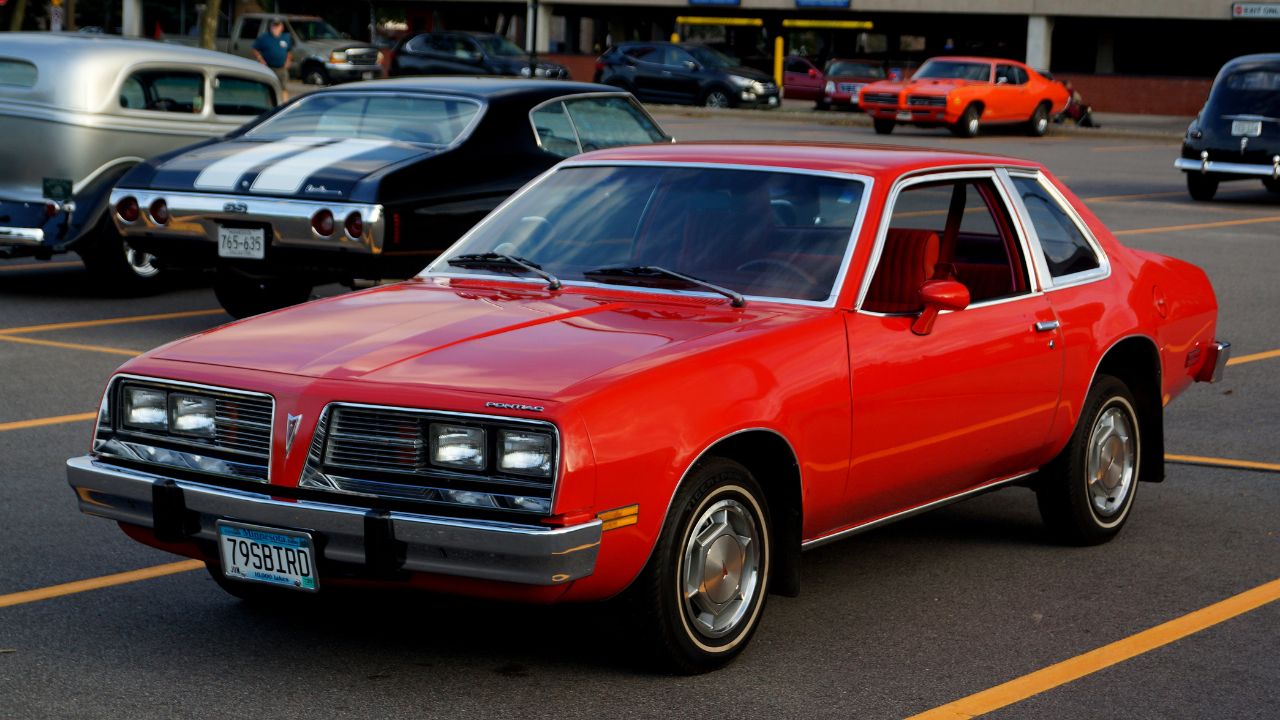
Often overlooked, the Pontiac Sunbird from the late ’70s and early ’80s offered compact performance with surprising flair. It rode on GM’s rear-wheel-drive H-body platform, closely related to the Chevrolet Monza and derived from the Vega-based Pontiac Astre, which helps keep parts availability strong. It came in multiple body styles, including hatchback and coupe, making it adaptable to different needs and tastes. The design leaned sporty, with a hint of Trans Am attitude, but it stayed well within reach for budget-minded drivers. The Sunbird feels mechanical and alive, not overly refined like some modern appliances. This car brings back an era when “affordable” could still genuinely mean “fun.”
Classic touches, such as the squared-off nose and clean lines, help it stand out without shouting for attention. Maintenance remains straightforward, and thankfully, the market hasn’t inflated its value beyond all reason. It delivers a refreshing reminder that driving can be simple and rewarding, even without 500 horsepower.
Pontiac Parisienne (Mid 80s)
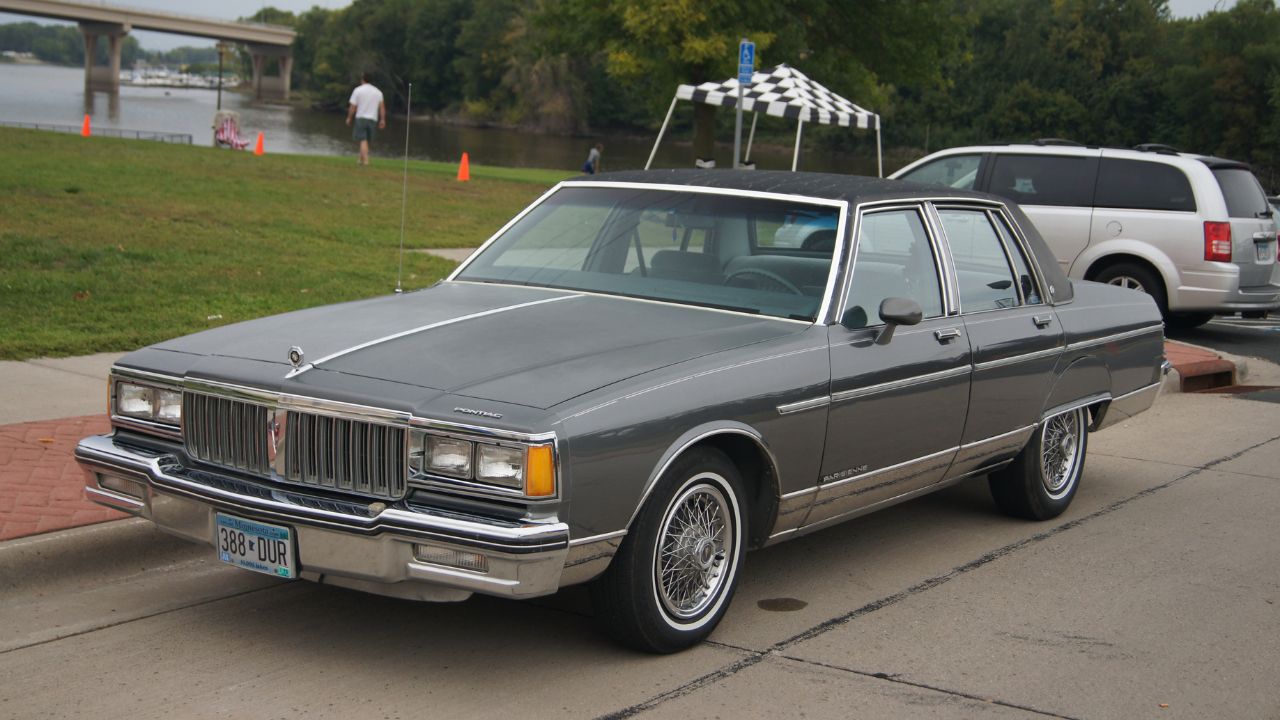
The Pontiac Parisienne represented Pontiac’s answer to the traditional full-size sedan market with quiet confidence. Based on GM’s proven rear-wheel-drive B-body platform, closely related to the Chevrolet Caprice and Impala, it combined smooth highway manners with a formal, almost understated look that set it apart from its sportier Pontiac siblings. The design leaned toward elegance, offering a different flavor from the usual red-blooded muscle machines in the lineup. The Parisienne feels relaxed and intuitive at the same time, a perfect cruiser.
Plush interiors, comfortable bench seats (remember those?), and just enough chrome trim reflected a focus on comfort over flashy performance. It earned loyal drivers who appreciated its ease of maintenance and its long-distance capability. Today, it still turns heads for all the right reasons, a classic land yacht that looks distinguished without trying too hard.
For buyers seeking vintage grace without overwhelming complexity, this Pontiac fits the bill perfectly.
Pontiac Fiero (Mid 80s)
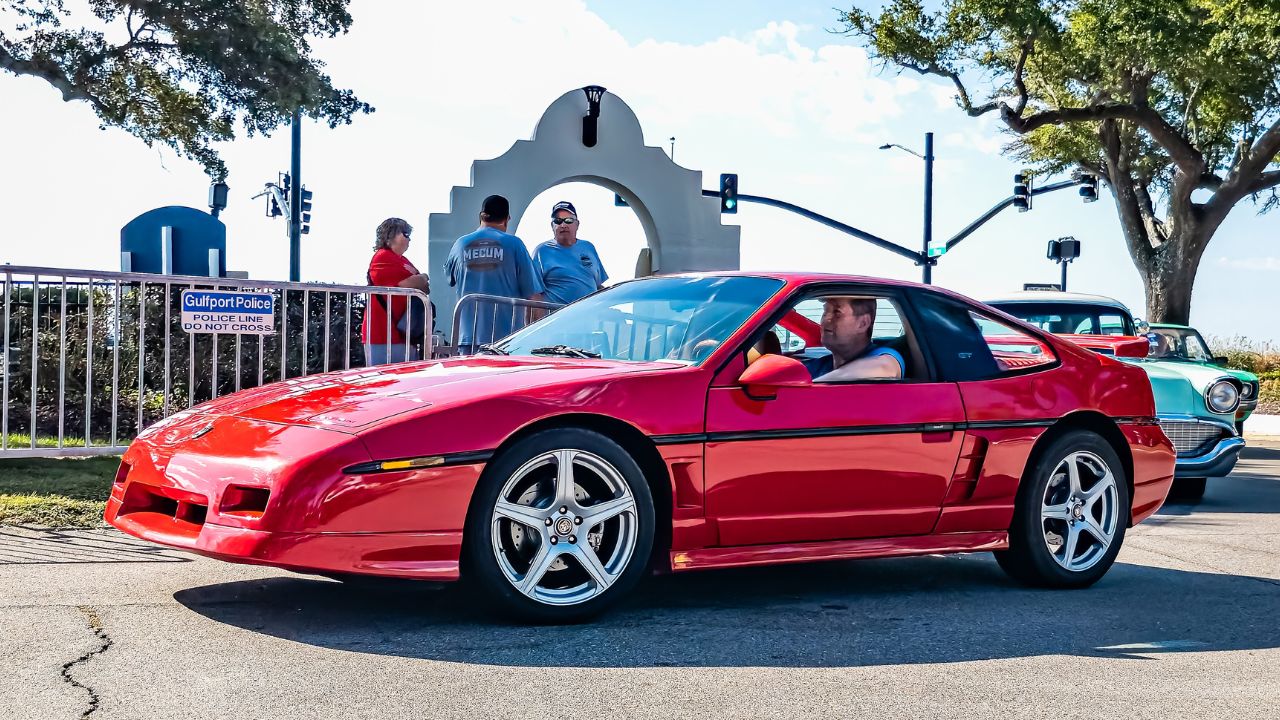
This car broke new ground with its mid-engine layout and composite plastic body panels, bringing exotic sports car design into the hands of everyday drivers (for a price they could actually afford!). Compact and sharp, especially the later “fastback” models, it feels more like a go-kart with doors than a traditional coupe. City streets and tight corners suit it well, and the styling still draws attention, often prompting, “Is that a Ferrari?” (followed by a polite correction). Unlike some of today’s overly digital sports cars, the Fiero offers raw, mechanical feedback that feels direct and personal.
Drivers enjoy the unique layout, which stands out even among modern vehicles. Early reliability issues gave it a bad rap, but later models (especially ’88s) were much improved. Repairs can be surprisingly simple, thanks to a straightforward engine design and robust parts support (thanks to the GM parts bin!). The Fiero invites curiosity and rewards those who pay attention.
For drivers seeking to stand out and own a genuinely unique piece of automotive history, this compact Pontiac offers big personality and even bigger conversations.
Pontiac Catalina (Late 70s)
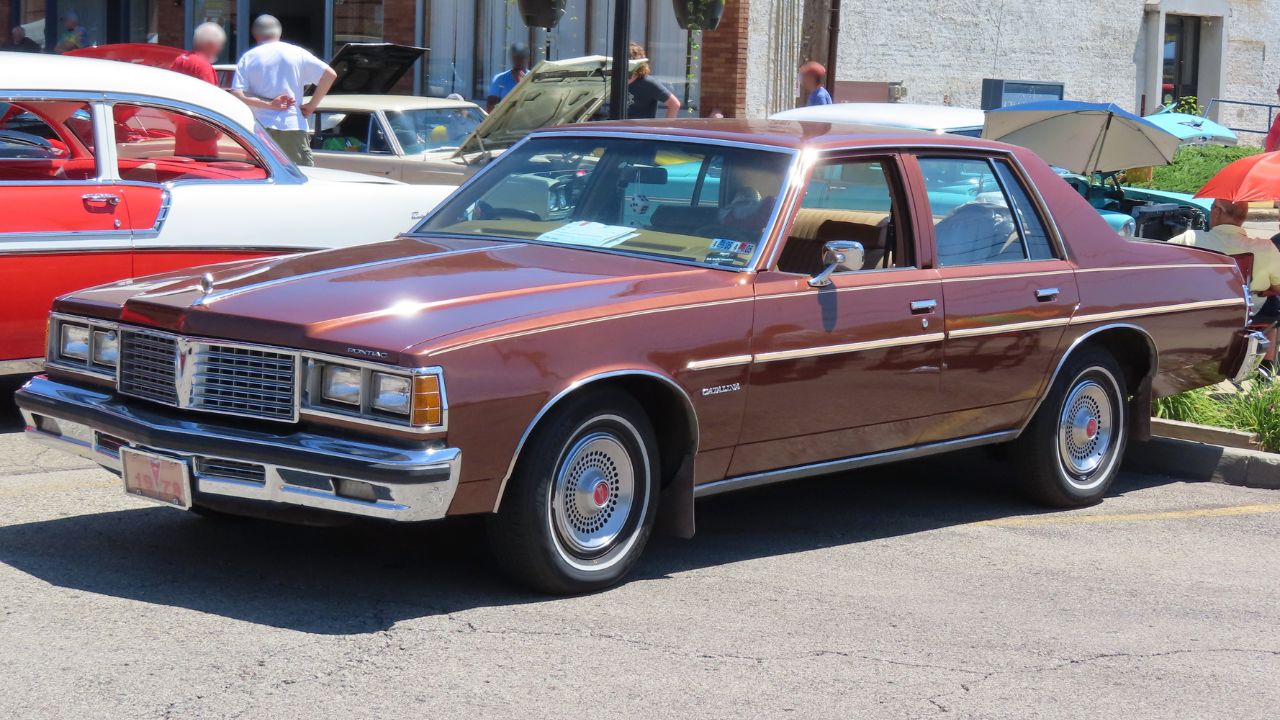
Large but gracefully styled, the Pontiac Catalina from the late ’70s offered a full-size experience with a subtle sporty edge. It shared much of its robust GM B-body platform with higher-priced siblings but kept costs down through smart packaging and fewer frills. On the road, it floated comfortably without feeling disconnected, soaking up bumps like they were mere suggestions. The Catalina feels wide, planted, and very elegant, a true American cruiser.
Buyers appreciated its clean, unfussy styling and generous cabin space, perfect for cross-country drives or just cruising the main drag. This was a car built for both the open highway and the front yard, where it could show off its sculpted body lines and imposing presence. Classic without being overbearing, the Catalina continues to offer strong value in the vintage market.
Its combination of scale and grace makes it memorable and a fantastic entry point for large American sedan lovers.
Pontiac Tempest (Mid 60s)
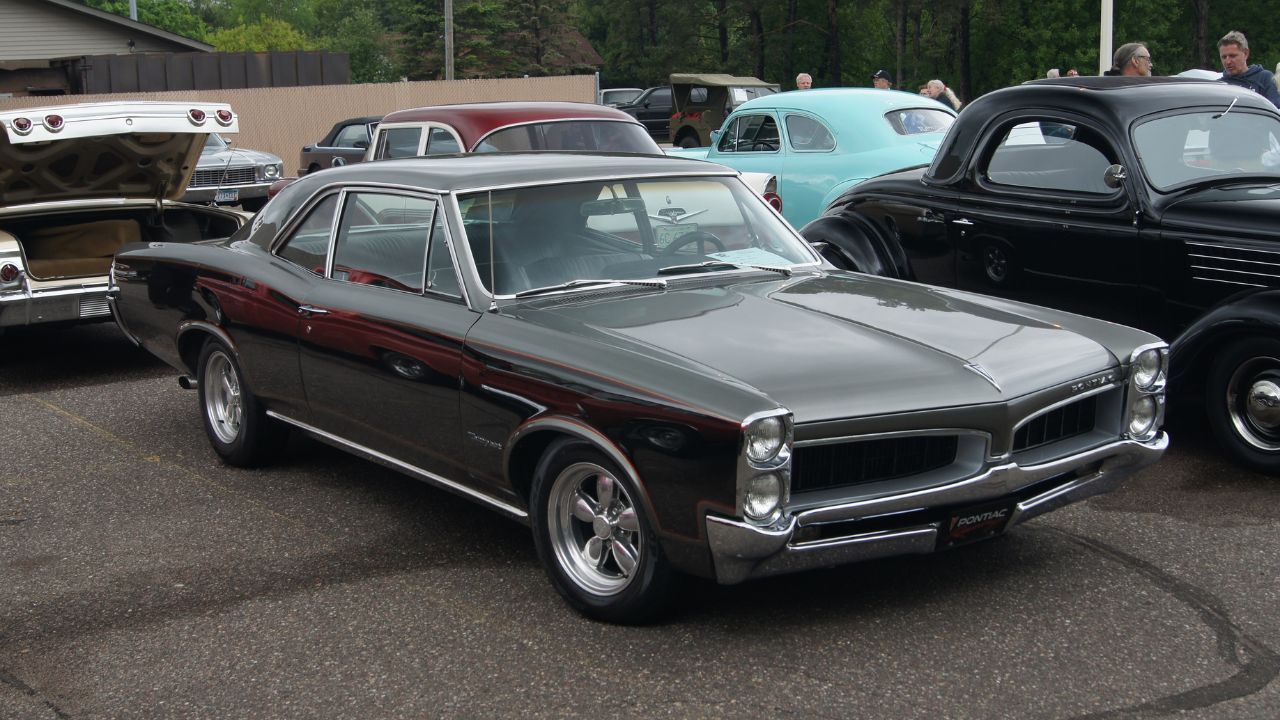
The Pontiac Tempest served as a versatile and accessible model that offered surprising innovation for its time. With a rear-wheel-drive platform and sharp styling that hinted at bigger things, it felt closer to a performance car than its modest image suggested. Drivers appreciated how it blended affordability with a confident road presence.
This car marked the beginning of an era that would soon lead to the legendary GTO, which debuted in 1964 as an option package on the LeMans within the Tempest lineup, but on its own, the Tempest has much to offer. The driving experience feels very engaging and direct, a refreshing contrast to modern, numb vehicles. Inside, the layout is simple and welcoming, with just enough flair to make it interesting. Parts availability remains decent (thanks to shared GM components), helping keep ownership costs down.
The Tempest is a reminder that even humble beginnings can leave a lasting, impactful impression, and often a more affordable way to own a piece of that muscle car DNA
Pontiac Catalina Safari (Late 70s to Early 80s)
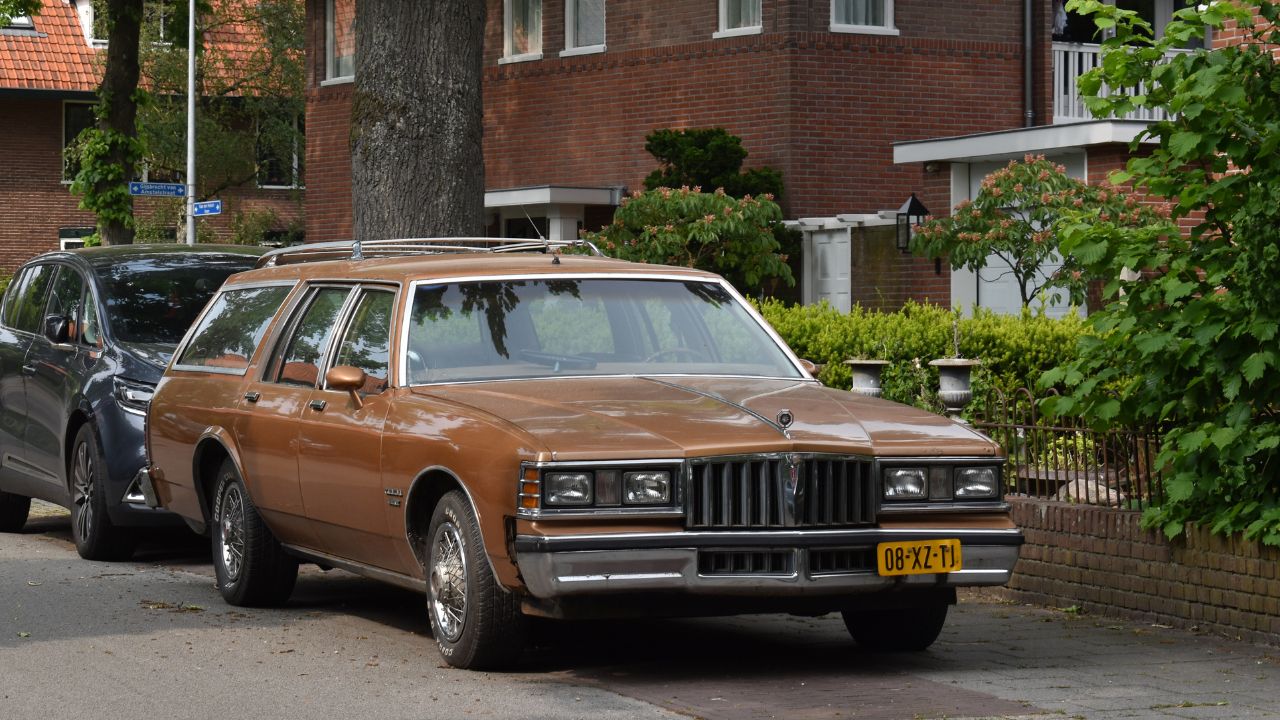
The Pontiac Catalina Safari wagon combined family comfort with vintage flair in a long, stylish, and supremely practical package. With those iconic faux woodgrain panels (optional, but essential for the full effect) and a stretched-out body that seemed to go on forever, it looked ready for road trips the moment it left the driveway. Drivers loved the massive cargo area (you could probably fit a small apartment in there), the wide rear tailgate (perfect for tailgating, literally), and its easy, composed highway manners. It was a rolling piece of Americana with real personality, ready for adventure or just a massive Costco run.
The ride felt smooth and planted, giving families a sense of calm even on longer drives. Modern wagons rarely match the sheer visual presence or character found here. Inside, the cabin felt open and inviting, with thoughtful details that made daily travel more enjoyable. The Safari proves that even a family car, designed for practicality, can carry pride and presence across decades, becoming a cherished classic.
Plus, who doesn’t love a good station wagon?
Pontiac Firebird (Early 90s models)
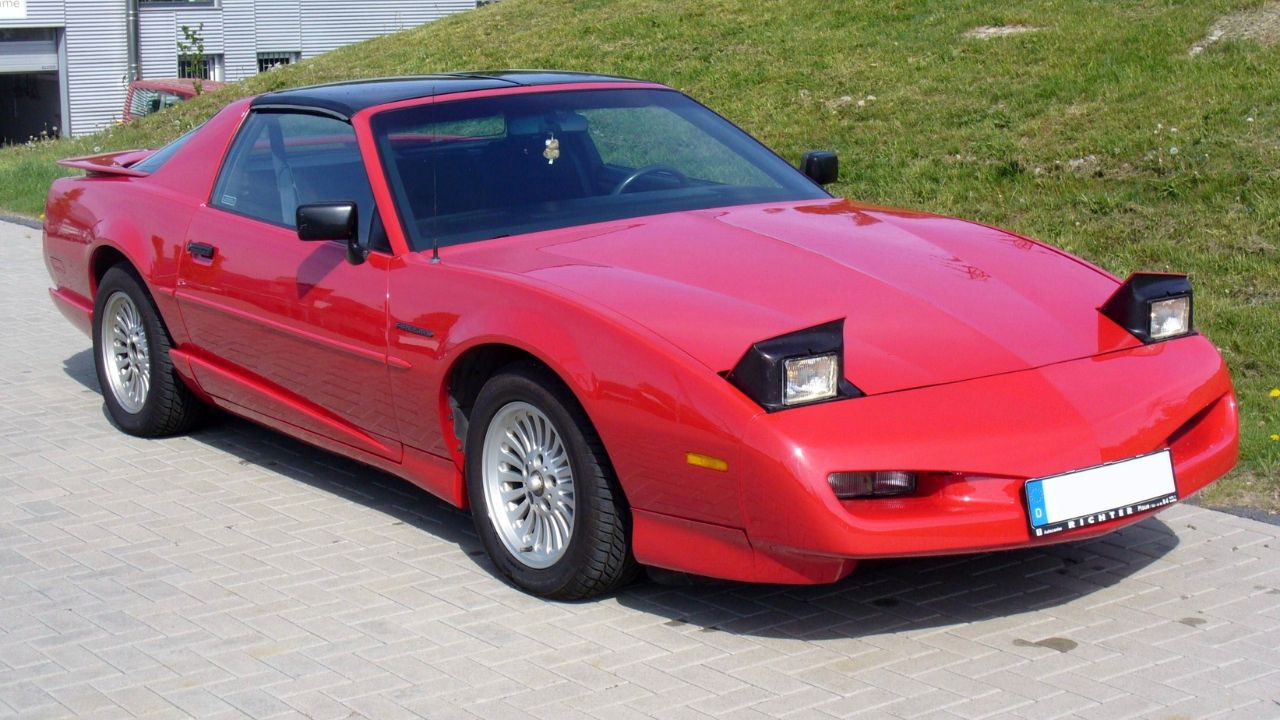
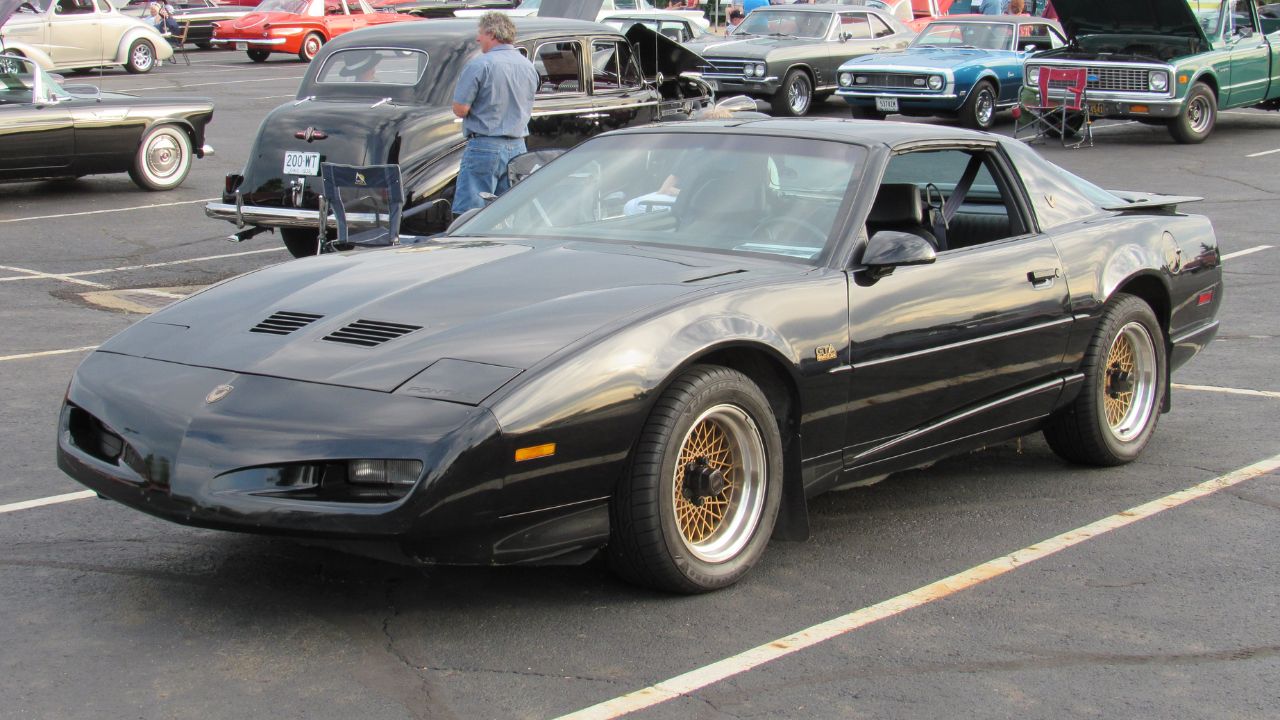
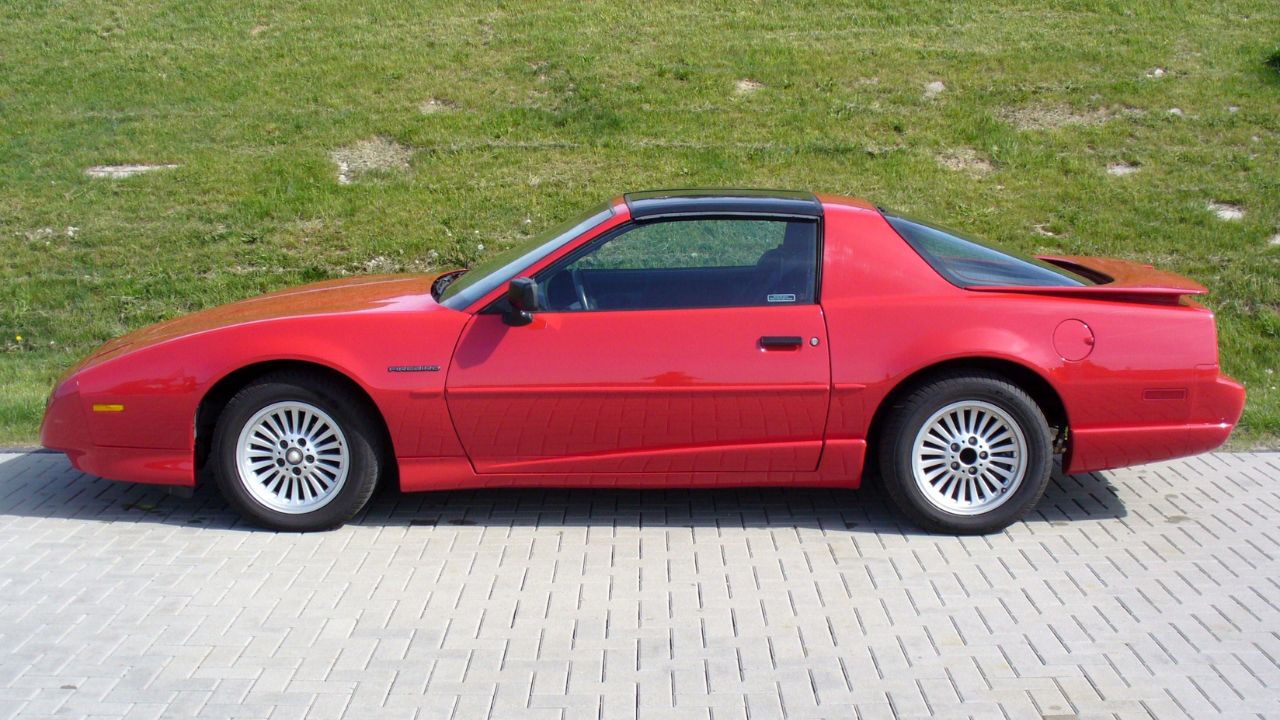
The name Firebird often brings to mind screeching tires, black T-shirts, and Burt Reynolds, but the early ’90s versions (the third-generation cars from ’82-’92, and the less-appreciated early fourth-gen models like ’93-’95) offer a different, more accessible path into the lineage. These models kept the quintessential Pontiac style and flair while staying surprisingly approachable in price. Long hoods, a low-slung stance, and those classic pop-up headlights (on third-gen) remain instant conversation starters wherever the car goes.
Drivers feel a direct, mechanical connection that’s often missing in today’s overly digital, insulated cars. Even base models came with solid handling and head-turning looks. These versions skip the bravado and massive horsepower figures of the later LS1-powered fourth-gens while keeping the soul and distinct styling. For anyone who values iconic design over raw, wallet-emptying power, these classic Firebirds offer a rewarding and affordable option.
Just try not to get pulled over for looking fast.
Pontiac Phoenix (Late 70s)
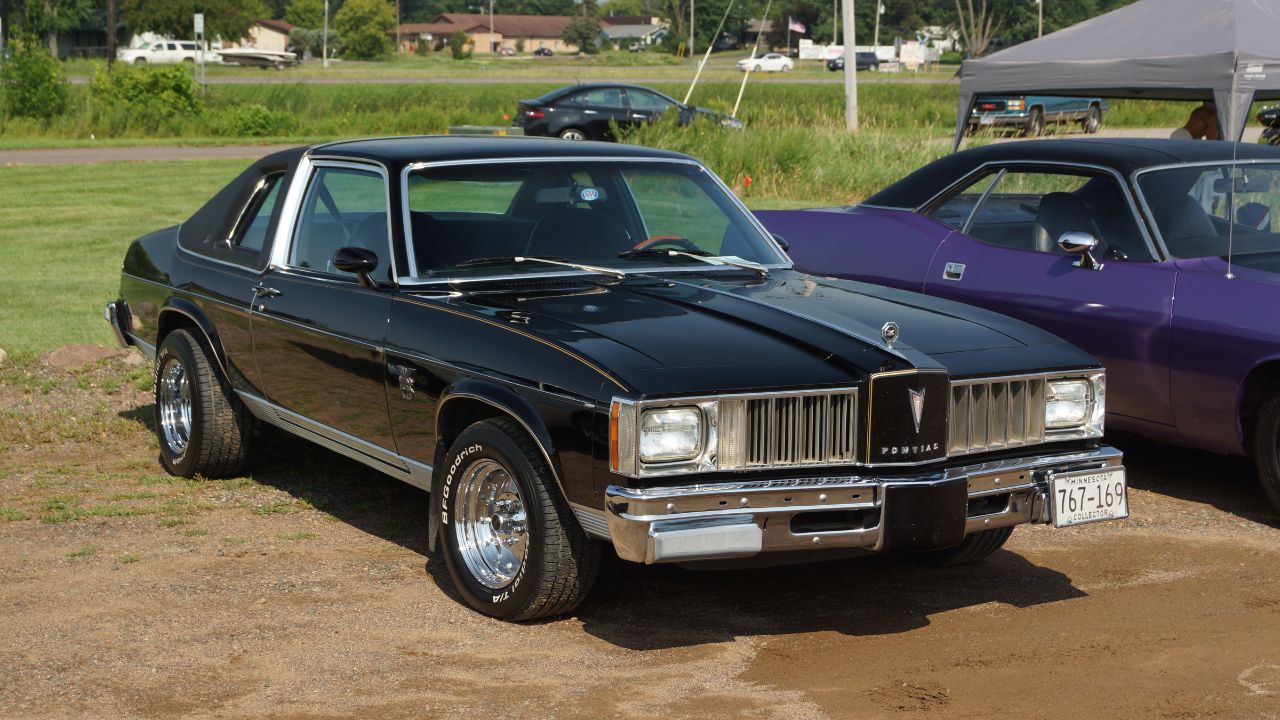
The Pontiac Phoenix from the late ’70s and early ’80s may not have gained immediate icon status, often dismissed as a generic GM X-body. But it represented a practical yet surprisingly stylish option in its time.The Phoenix started as a rear-wheel-drive compact in 1977, then for 1980 it was downsized and moved to front-wheel drive, making it better suited to city life while still delivering Pontiac’s familiar visual edge. The interior was straightforward, designed to keep drivers focused and comfortable, without a multitude of confusing buttons. In comparison to current compacts, the Phoenix feels lighter and more mechanical, offering a more tactile driving experience.
This car found homes in driveways across America, quietly proving its worth as a dependable, no-frills commuter. Prices remain modest, making it a low-pressure way to step into vintage ownership. It reflects an era of transition and experimentation in American car design, as manufacturers adapted to new regulations and market demands.
The Phoenix makes a strong case for second looks, especially if you’re looking for a simple, honest classic that won’t break the bank.
Don’t Judge: Pontiacs That Won’t Break the Bank
These classic Pontiacs remind us of a time when design, personality, and genuine comfort came naturally, without needing a massive marketing budget or a confusing subscription service. You don’t need a museum piece or a six-figure auction car to enjoy the past; you just need a garage, some basic tools, and the right set of keys.
Each of these models brings its unique charm, whether it’s bold styling that defies convention or the promise of an easy, satisfying weekend drive. Drivers looking for a genuine connection to their vehicle will find it in these cars, not in oversized screens or the eerie silence of an electric vehicle.
Ownership becomes more than just transportation; it becomes a hobby, a project, a conversation starter, and ultimately, a creator of memories. You might not find them on every street corner, and that’s precisely part of the fun. The road to classic car ownership doesn’t have to start with a fortune; it just has to start with the right Pontiac. Are one of these models giving you flashbacks? Or would you like to create some new memories?