Some cars were built for the track, others for showrooms. But these classics? They were born to roam. With wide bench seats, thunderous engines, and room for snacks, maps, and memories, these American icons made road tripping an experience, not just a way to get from A to B.
Before GPS and satellite radio, it was just you, the road, and the rumble under the hood. These cars turned interstates into playgrounds and backroads into treasure maps. Whether it was Route 66 or some forgotten stretch of highway, these machines made the journey the best part.
How We Chose These Road Trip Icons
We focused on classic American cars built between the 1960s and 1980s that captured the spirit of the open road. These weren’t just stylish or powerful; they were practical, comfortable, and made for covering serious miles with ease. We looked for vehicles with roomy interiors, smooth rides, generous cargo space, and road trip–friendly features like fold-flat seats, third-row benches, or factory camper setups.
Each one earned its place not just by what it could do, but by the memories it helped create. These were the cars families loaded with suitcases and sandwiches, the wagons that hauled canoes and camping gear, and the vans that became mobile homes for cross-country wanderers. If it made the journey as memorable as the destination, it made the list.
1968 Chevrolet Impala

The ’68 Impala was a road trip dream: wide, quiet, and built to glide. Available V8 power, including optional big block engines, delivered effortless highway passing muscle, while the soft suspension made every stretch of road feel freshly paved. You didn’t drive it so much as settle into it.
With a trunk big enough for luggage, snacks, and a few roadside souvenirs, and bench seats roomy enough to nap on, it was practically a mobile motel. For many, the Impala wasn’t just a way to get somewhere; it was the destination.
1970 Ford Country Squire

The Country Squire was the gold standard of family road trips. With its signature woodgrain panels and cavernous interior, it felt more like a rolling living room than a car. With optional dual-facing rear seats in the cargo area, the back of the wagon became its own little lounge, keeping kids entertained mile after mile.
It wasn’t just about looks; it was built to haul. A sturdy roof rack, massive cargo space, and smooth V8 power made it the go-to for summer vacations, weekend getaways, and spontaneous detours.
1977 Pontiac Bonneville

The Bonneville was all about the smooth ride. With its soft suspension and whisper-quiet cabin, it glided over the road like a land yacht. Opera windows and plush interiors added a touch of elegance to an already comfortable cruiser.
It wasn’t built for speed but for soaking up miles in style. Road trippers loved the massive trunk, spacious back seat, and relaxed driving experience that made even cross-country journeys feel like a Sunday drive.
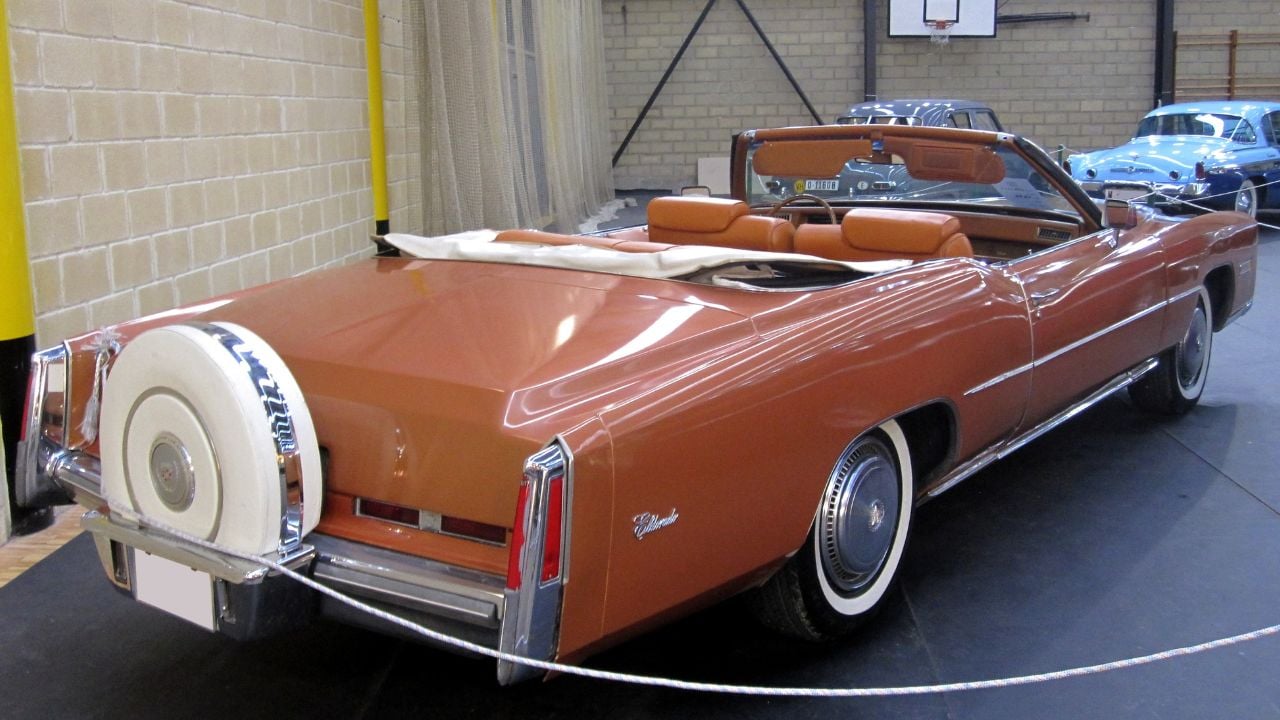
1976 Cadillac Eldorado Convertible

The 1976 Eldorado was Cadillac’s grand goodbye to the classic American convertible. It had a massive 500-cubic-inch V8 that made highway cruising feel effortless, and its front-wheel-drive layout gave it a smooth, confident ride.
The seats were soft and welcoming, the suspension soaked up every bump, and the view over that long hood made every drive feel important.
1980 AMC Eagle Wagon

Part road tripper, part trailblazer. The AMC Eagle was one of the first wagons with full-time 4WD, making it a favorite among adventurers who wanted to go beyond the pavement. It had rugged charm, plenty of cargo space, and enough ground clearance to handle forest roads and snowy passes.
1961 Chevrolet Corvair Greenbrier Van

The Greenbrier was the oddball that earned a loyal following. Its rear-mounted, air-cooled engine gave it surprisingly nimble handling for a van, and the flat floor made it ideal for camping conversions or hauling gear. A flat cargo area and available camping-oriented accessories made it a natural for camper conversions, while its quirky charm made it stand out at any roadside stop.
It wasn’t fast, but it was fun, making it perfect for travelers who cared more about the journey than the destination. The Greenbrier became a favorite among surfers, artists, and free spirits who wanted something different, dependable, and just a little rebellious.
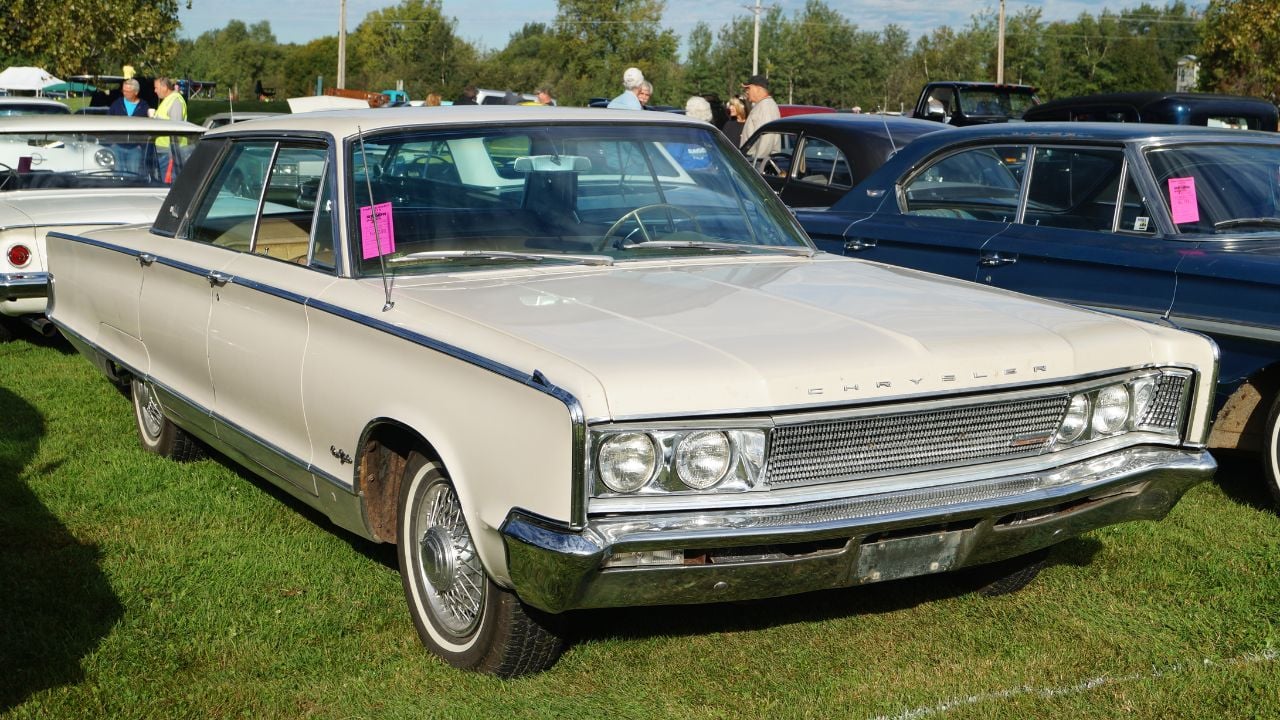
1966 Chrysler New Yorker

Built like a bank vault but floated like a cloud, the New Yorker was the kind of car that made even the longest drives feel indulgent. Its massive 440-cubic-inch V8 delivered smooth, effortless power, while the torsion-bar front suspension gave it a ride that rivaled far pricier imports. Inside, it was all about comfort, plush upholstery, generous legroom, and whisper-quiet cruising at highway speeds.
This was Chrysler at its most confident, loading the New Yorker with tech and creature comforts that felt downright futuristic in the ’60s. Power windows, power seats, and other convenience features helped it feel downright futuristic in the ’60s. On the open road, it felt like a rolling living room with muscle under the hood, perfect for covering big miles without breaking a sweat.
Open Roads, Open Hearts

There’s something magical about classic American road trippers. They weren’t about speed or handling; they were about presence, personality, and possibility. These were the cars you trusted with your time, your family, and your dreams. They didn’t just take you places. They became part of the story.