
Keeping up with car maintenance is one of the smartest things you can do to extend your vehicle’s life, but that doesn’t mean every service you’re offered is necessary. Some are outdated, others are pushed for profit, and a few might even do more harm than good. Between dealership upsells and quick-lube scare tactics, it’s easy to get overwhelmed.
To be clear, this guide isn’t about skipping maintenance; it’s about doing it smarter. Here are the services you can hold off on (or rethink entirely) without risking your ride.
How We Separated the Essentials from the Extra
We started with real-world advice: cross-checking what manufacturers actually recommend in owner’s manuals and official service schedules. Then we looked at what shops are still upselling, what drivers are still confused about, and what mechanics say about long-term impact.
The takeaway? Some services are crucial, but only when your car actually needs them. Knowing when to say “no thanks” can save you hundreds a year without cutting corners on safety or performance.
Engine Flushes
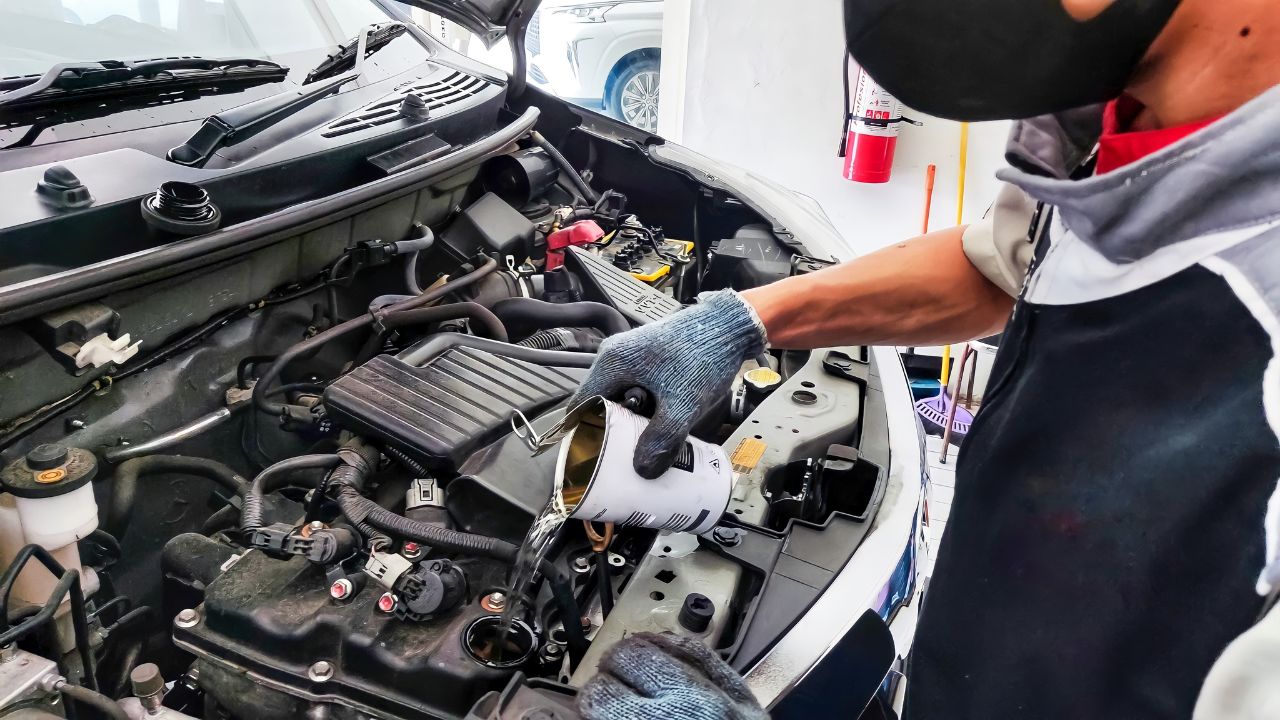
Unless your owner’s manual or a manufacturer service bulletin recommends it, skip it. A regular oil change already clears out old sludge and deposits. Adding a chemical flush is often unnecessary, and the only time it might make sense? If you’ve seriously neglected oil changes and your mechanic finds a specific issue, like blocked oil passages or sticky lifters. Otherwise, save your money and stick to clean oil at regular intervals.
Premium Gas (When Your Car Doesn’t Ask for It)

That “premium” label looks fancy, but it’s not a treat for your car unless the engine requires high-octane fuel. Using premium in a car that’s designed for regular typically won’t improve performance, fuel economy, or engine life, it’ll just empty your wallet faster.
Check your owner’s manual: if it says 87 octane, stick with it.
Nitrogen Tire Fills

Sounds scientific, right? But unless you’re running a race team, nitrogen usually isn’t worth paying extra for. Regular compressed air is 78% nitrogen already, and any tire, nitrogen-filled or not, will eventually lose pressure. You’re better off just checking your tire pressure once a month.
Bottom line: Don’t pay extra for a green valve cap.
Fuel Injector Cleaning

Modern gasoline contains detergent additives, and TOP TIER fuels are specifically tested to help control deposits—so routine injector cleaning is often unnecessary unless symptoms appear. Unless you’re experiencing rough idling, poor fuel economy, or misfires, this service is usually unnecessary, especially when it’s pitched as part of a routine visit.
Exception: Direct-injection engines (like GDI) can develop buildup on valves, but that’s a separate issue and usually handled with professional carbon cleaning.
Transmission Flushes (If Not Manufacturer-Approved)
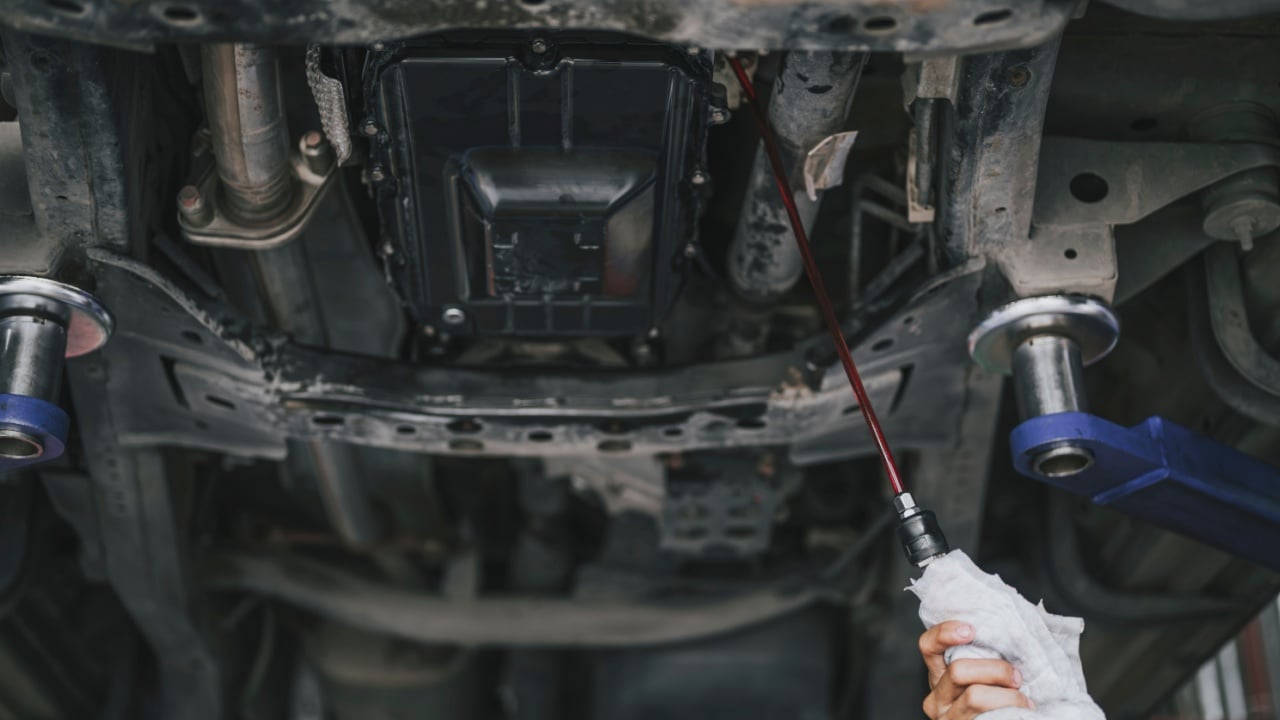
This one’s tricky. Some cars require periodic transmission fluid changes, but not full high-pressure flushes, and many CVTs specifically discourage flushing. In fact, flushing can cause problems in vehicles not designed for it, stirring up debris and blocking passages.
Always follow your owner’s manual: if it says “drain and fill,” stick with that.
Oil Changes Every 3,000 Miles

The “every 3,000 miles” rule is outdated for most modern vehicles, especially those using synthetic oil. Many modern cars can go 7,500–10,000 miles between oil changes under normal driving (sometimes more), but severe use may require shorter intervals. Following old advice just wastes time and money.
Pro tip: Let your oil life monitor (or manufacturer schedule) be your guide.
A/C Recharge Without Symptoms

If your A/C is blowing cold, you typically don’t need a recharge. If it’s low, there’s usually a leak that should be diagnosed rather than ‘topping off’ repeatedly. Some shops push it as routine spring or summer maintenance, but unless there’s a leak or performance issue, it’s not necessary.
Real need: Warm air or visible refrigerant leaks. Otherwise, skip it.
Brake Fluid Flushes on a Rigid Schedule

Brake fluid does absorb moisture over time, but unless your car’s manual says otherwise or you notice spongy brakes, Brake fluid absorbs moisture over time (it’s hygroscopic), so many manufacturers specify a time-based replacement interval. Some brands call for every 2 years, others differ, so check your owner’s manual. If you’re unsure, shops can test moisture/boiling point before recommending service.
Tip: Mechanics can test brake fluid for moisture, so ask for that before blindly agreeing to a flush.
Power Steering Fluid Change
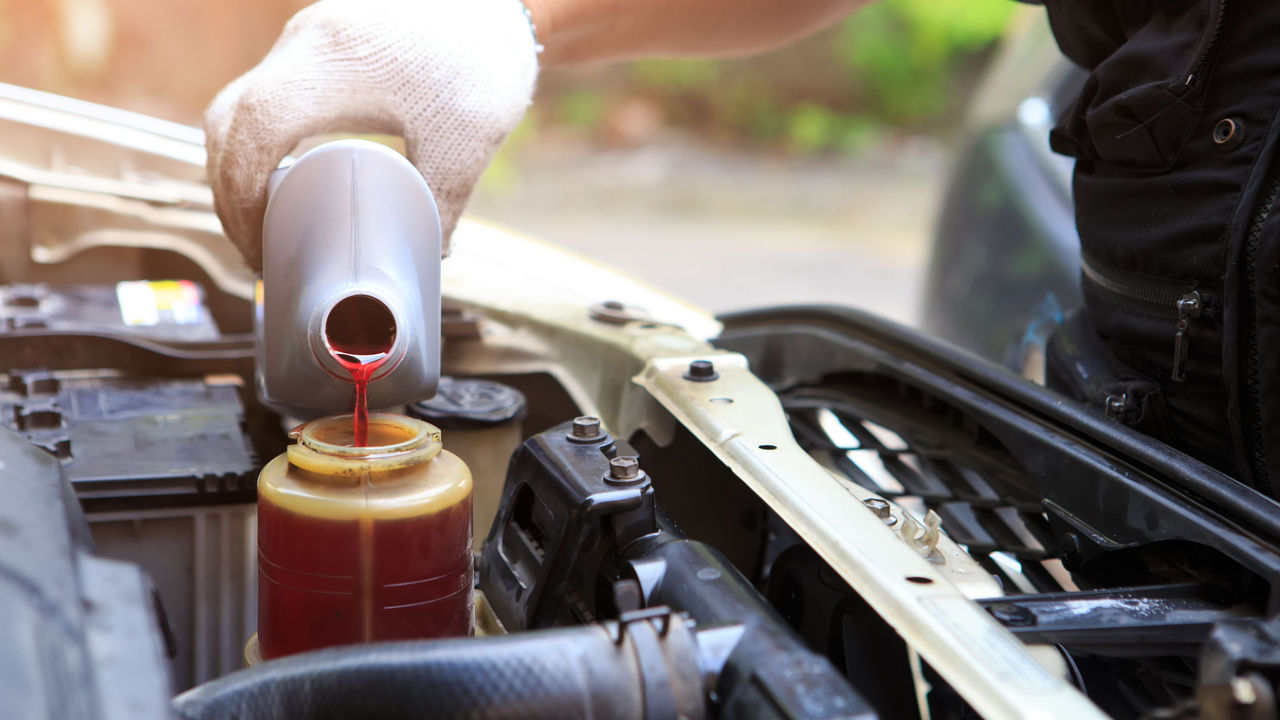
If your car uses electric power steering (and many do), there’s no fluid to change. Even in older hydraulic systems, the fluid lasts a long time and usually doesn’t need frequent service.
Unless it’s dark, smells burnt, or you’re having steering issues, you’re probably fine leaving it alone.
Note: some cars use electro-hydraulic systems that still use fluid, confirm which system you have.
Cabin Air Filter Replacement at the Dealer
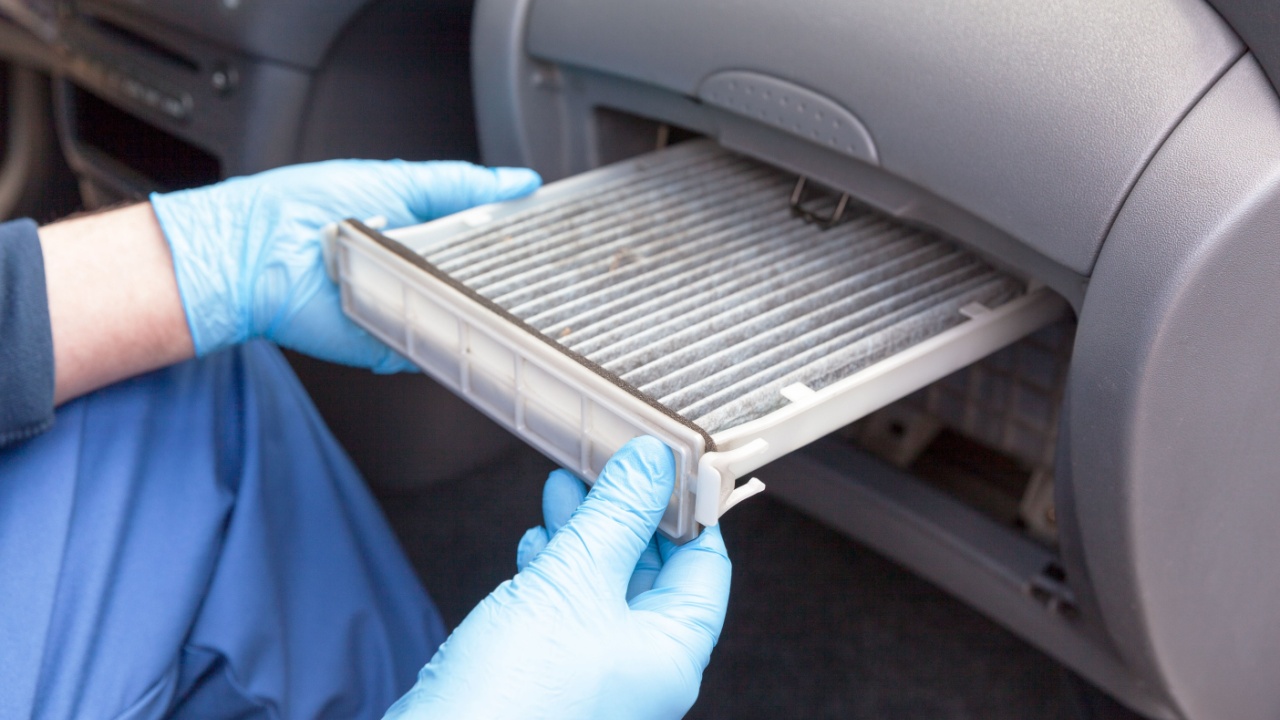
This one’s not a scam, just overpriced. Dealerships and quick-lube shops often charge far more than the part costs, even though many cabin filters are easy to DIY; you can change a part you can buy online for $10–$20. Most filters pop in under the glove box in five minutes or less.
DIY it: There are YouTube tutorials for nearly every make and model.
Bonus: Other Services You Might Rethink
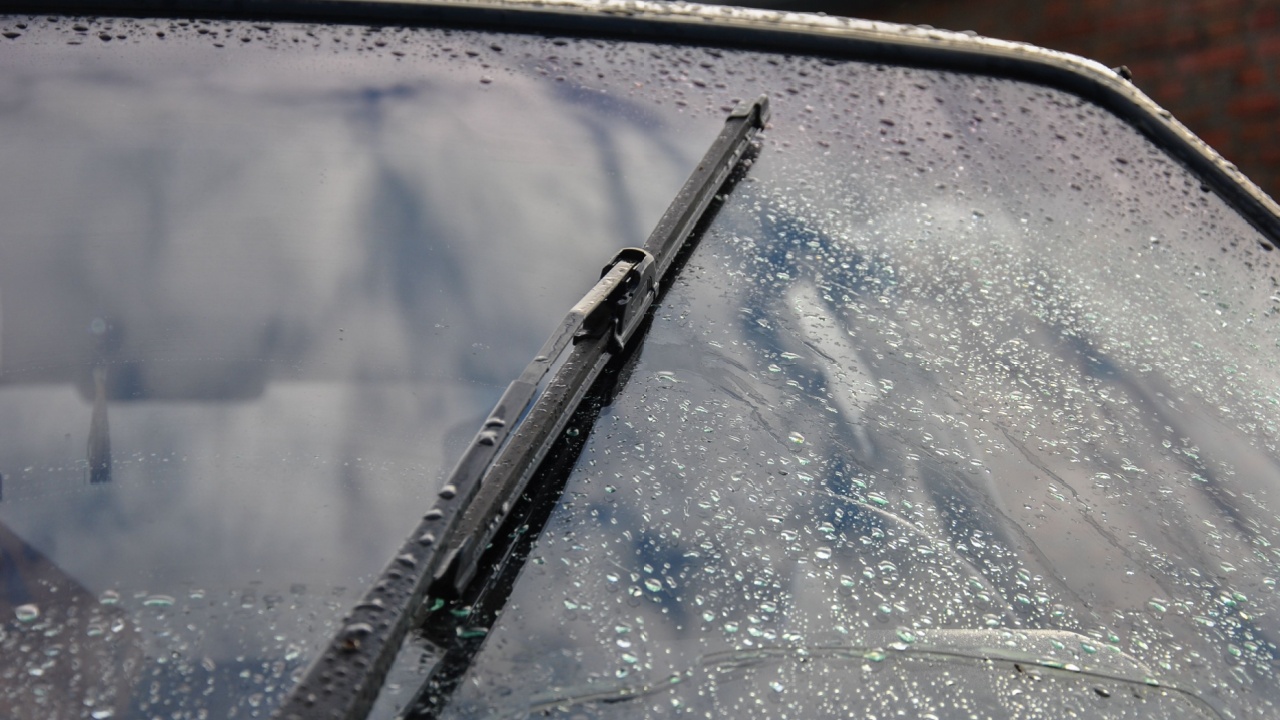
- Wiper blade replacements at the shop? Grab a set at an auto parts store or online instead.
- Rustproofing on new vehicles? Modern cars are already factory-treated.
- “Lifetime” air filters or coolants? No part lasts forever, read the fine print.
- Wheel alignments without symptoms? Unless you’ve hit a big pothole or notice uneven tire wear, you likely don’t need one yet.
Forget the Myths — Trust the Manual

When in doubt, crack open that glove box and check what your vehicle actually needs. Manufacturer-recommended maintenance is designed to keep your car running safely and efficiently. The rest? Sometimes it’s just marketing.
Keeping your car in top shape doesn’t have to mean buying every service on the menu. Smart maintenance is about doing the right things at the right time, not spending more than you need to.