
Some sports cars were engineered with vision but met with indifference. Not because they lacked performance or style, but because the world wasn’t quite sure what to make of them.
This feature revisits the machines that fell through the cracks of public perception. Some were too ahead of their time, while others defied expectations or challenged conventions in ways that made them hard to categorize. They weren’t failures, they were just misunderstood. With the benefit of hindsight, they reveal how narrow the spotlight of success can be.
These cars deserve more than a footnote. They deserve to be remembered for what they truly were: bold, original, and far more interesting than they were ever given credit for.
How We Picked These Underrated Legends
We didn’t use lap times or collector values as the only yardsticks here. Instead, we looked for sports cars that were misunderstood, overlooked, or unfairly dismissed, especially those available in the U.S. market. Some were sales flops despite their performance. Others were too weird, early, or different to catch on. But all of them deliver the driving joy that makes enthusiasts smile, often for a fraction of what flashier nameplates cost.
Now, when we say “Sports Car” , we mean it in a broad way of looking at it, meaning that we consider cars with emphasis on speed, handling and performance overall, a sports car.
We relied on a mix of enthusiast forums, auction data, first-hand driving reviews, and a little gut instinct to spotlight cars that deserve a second chance (or maybe a first one).
Nissan NX2000 (1991–1993)

The NX2000 was a lightweight, front-wheel-drive sports coupe that flew under the radar. It shared the excellent SR20DE engine with the Sentra SE-R, came with a viscous limited-slip front differential (VLSD), and had responsive handling, making it a joy to drive. Unfortunately, its bubbly styling and FWD layout made many dismiss it as an economy car in disguise. Today, a hidden performance bargain is finally starting to get noticed.
Subaru XT6 (1988–1991)

This wedge-shaped spaceship-on-wheels packed Subaru’s 2.7-liter flat-six engine, all-wheel drive, and a futuristic interior that looked like something from an ’80s sci-fi film. It wasn’t blisteringly fast, but its uniqueness, sure-footedness, and Lotus-rivaling weirdness make it an unforgettable sports coupe that was misunderstood in its day.
Mazda MX-3 GS (1992–1996)

With one of the smallest production V6 engines ever sold in the U.S. (a 1.8-liter DOHC), the MX-3 GS had an eager personality and agile handling. It was small, light, and fun, a car that rewarded smooth driving and loved to rev. Its odd proportions and low power figures led many to overlook it, but it remains a sweet, underrated driver’s car.
Toyota Paseo (1992–1997)

The Paseo wasn’t fast, but with a manual transmission, light curb weight, and responsive chassis, it was more fun than many gave it credit for. Its styling was sporty enough, and it offered excellent reliability. Overshadowed by faster rivals and dismissed as a commuter car, the Paseo was a solid entry-level sports coupe with surprising poise.
Isuzu Impulse RS (1991–1992)

Think of it as Japan’s forgotten rally car: AWD, turbocharged, and equipped with Lotus-tuned suspension. The Impulse RS offered a compelling package that nobody paid attention to, thanks to Isuzu’s nonexistent performance image and a short U.S. sales run. Today, it’s an obscure enthusiast favorite with real capability. It also featured Isuzu’s Nishiboric passive rear-wheel steering system, enhancing stability at speed.
Cadillac XLR-V (2006–2009)

A Corvette in a tuxedo, the XLR-V featured a supercharged Northstar V8, magnetic ride control, and rear-wheel drive, all built on the Corvette C6 platform. It should have been a hit, but Cadillac’s image clashed with its performance ambitions, and the car’s price tag scared off many would-be buyers. Now, it’s a rare luxury sports car with serious potential.
Hyundai Genesis Coupe 3.8 R-Spec (2013–2016)

Rear-wheel drive, a 348-hp V6, limited-slip diff, and Brembo brakes, on paper, the Genesis Coupe 3.8 R-Spec was a legit sports coupe. However, Hyundai’s brand perception and refinement issues kept it from getting the credit it deserved. Today, it’s a tuner-friendly, affordable option that punches well above its weight.
Chevrolet C4 Corvette ZR-1 (1990–1995)

The ZR-1 was the king of the C4 generation, featuring a 375-hp (later 405-hp) Lotus-designed DOHC V8 and world-class performance for its time. Despite breaking records, the C4’s aging interior and styling led many to overlook it. It’s a performance legend finally starting to earn respect from younger collectors.
Pontiac Fiero GT (1985–1988)

The early Fieros were flawed, but the later GT models corrected many of those issues, adding a V6, better suspension, and more aggressive styling. Mid-engine and made in America, the Fiero GT was an ambitious sports car concept that GM nearly got right. It just needed more time and a better PR campaign.
Datsun 2000 Roadster (1967–1970)

Before the 240Z, Nissan built this snappy little roadster with a 2.0L four-cylinder engine making 135 hp and a 5-speed manual transmission. It rivaled British classics like the MGB and Triumph TR6 but never earned the same recognition. Today, it’s one of the best classic sports cars you’ve probably never driven.
Porsche 914

Many view the 914 as a failed experiment by Porsche and a departure from the 911 that is too radical. Yet the 914 is an excellent mid-engine sports car and a perfect entry-level vehicle for the segment.
The boxy and angular car had minimal straight lines. It was small, low-slung to the ground, yet also quite wide, creating a modern and refreshing appearance. But it was also practical thanks to its relatively large trunk. Under the hood, the range-topping 914/6 had a 2.0-liter Porsche 901/3 flat-six with 109 hp. The standard 914/4 engine was a 1.7-liter Beetle-derived Type 4 with around 80 hp.
BMW Z8

Despite its appearance in a James Bond film, people need clarification on the BMW Z8. Is it a sports car, or is it a GT car? Well, it is a sports car. The Z8 was a retro-inspired tribute to the gorgeous BMW 507, with BMW previously pursuing the idea with the Z07 concept.
Under the hood was BMW’s 4.9-liter S62 V8 from the E39 M5, rated at 394 hp (400 PS), giving the Z8 all the power of a sports car. It was also quick, with 0-62 mph taking just 4.7 seconds. It is a bold and brilliant-looking sports car that needs some reflection to understand its greatness. It is one of the best BMWs ever manufactured, but its crazy price tag kept many buyers away, it could have been worth it if it came with the side missiles it had in The World Is Not Enough.
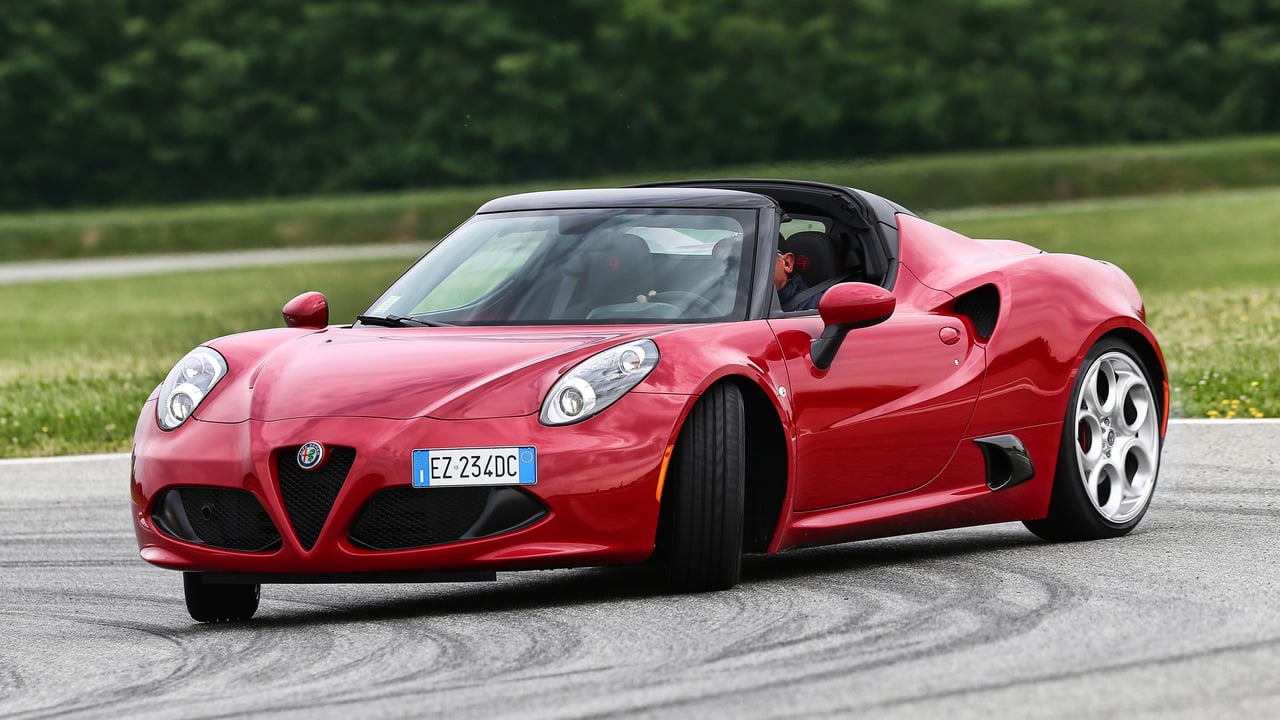
Alfa Romeo 4C

It immediately turned heads when Alfa Romeo unveiled the 4C at the 2013 Geneva Motor Show. With its sleek Italian styling, lightweight carbon-fiber chassis, and mid-engine layout, it looked like a dream for driving purists. Initially launched as a coupe, followed by the open-top Spider in 2015, the 4C had all the makings of an icon. But from day one, it raised a question: Was this a true driver’s car, or just a stunning showpiece?
The lack of a manual transmission hasn’t helped its reputation. But the Alfa Romeo 4C has plenty of power thanks to its 1.75-liter 1750 TBi turbocharged inline-four that produces 240 hp. The 4C is light, weighing just 2,315 lbs dry weight and up to 2,337 lbs dry weight for the Spider. It is a blast in the corners, and its punchy characteristics mean it can accelerate rapidly out of those corners.
Mazda RX-8
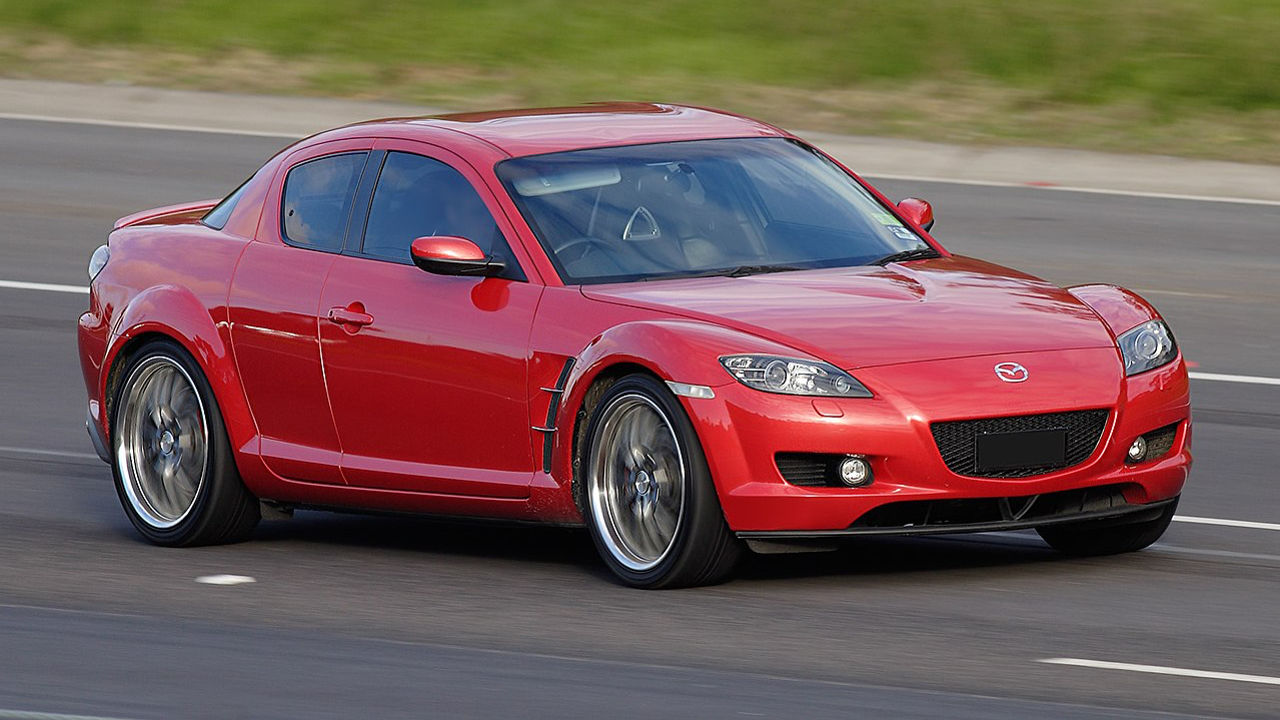
The last (so far) rotary-powered Mazda sports car was the RX-8. Yet it has always had the reputation of being unreliable, slow, and a big letdown compared to its predecessor, the RX-7. Imagine saying all those mean things about a car with a wholesome smile like that. What a tragedy.
In reality, the only major issues with the RX-8 was the failure of the ignition coils and the oil loss which caused engines to overheat.. This caused Mazda to throw away good engines, which were in otherwise excellent condition, needlessly. Yet the RX-8 produced 232 hp thanks to its 1.3-liter Renesis twin-rotor engine, had a top speed of 149 mph, launched with a base price of around $26,680 for the six-speed manual model. Careful nurturing of the RX-8’s engine can ensure reliable performance for years to come.
TVR Tuscan Speed Six
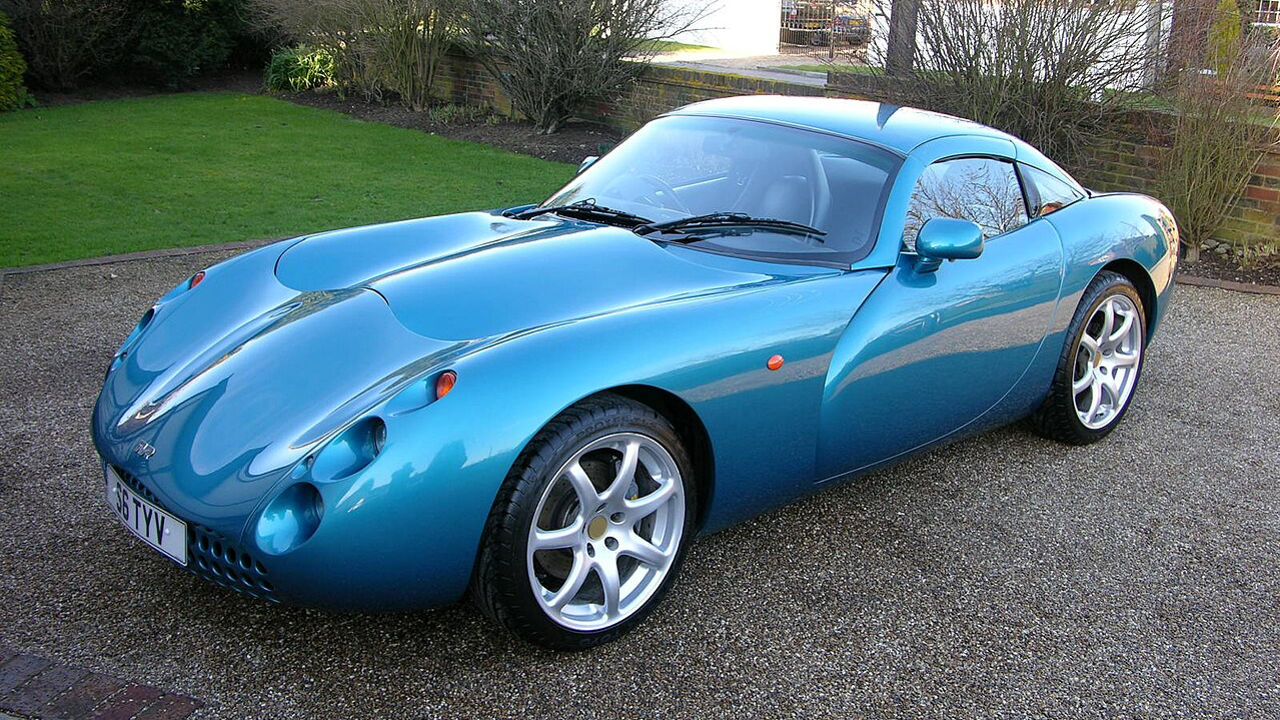
TVR forged a reputation in the UK for doing things very differently. Wild dashboards, no airbags, and controls in unusual places were all traits of their cars. Why? Because TVR. Yet, away from all that, they could produce some remarkable machines.
The Tuscan Speed Six is a perfect example. Its range of Speed Six inline-six engines could produce up to 380 hp. It had a bold and dramatic exterior to match and a radical interior. The rear indicators were also at the top of the rear window! It was a sleek, stylish, and potent sports car, sadly overlooked because of TVR’s reputation and the alternatives offered by rivals like Lotus. Also, not everyone drives their cars in hopes of careening out of control, no offense.
Mitsubishi 3000GT/GTO
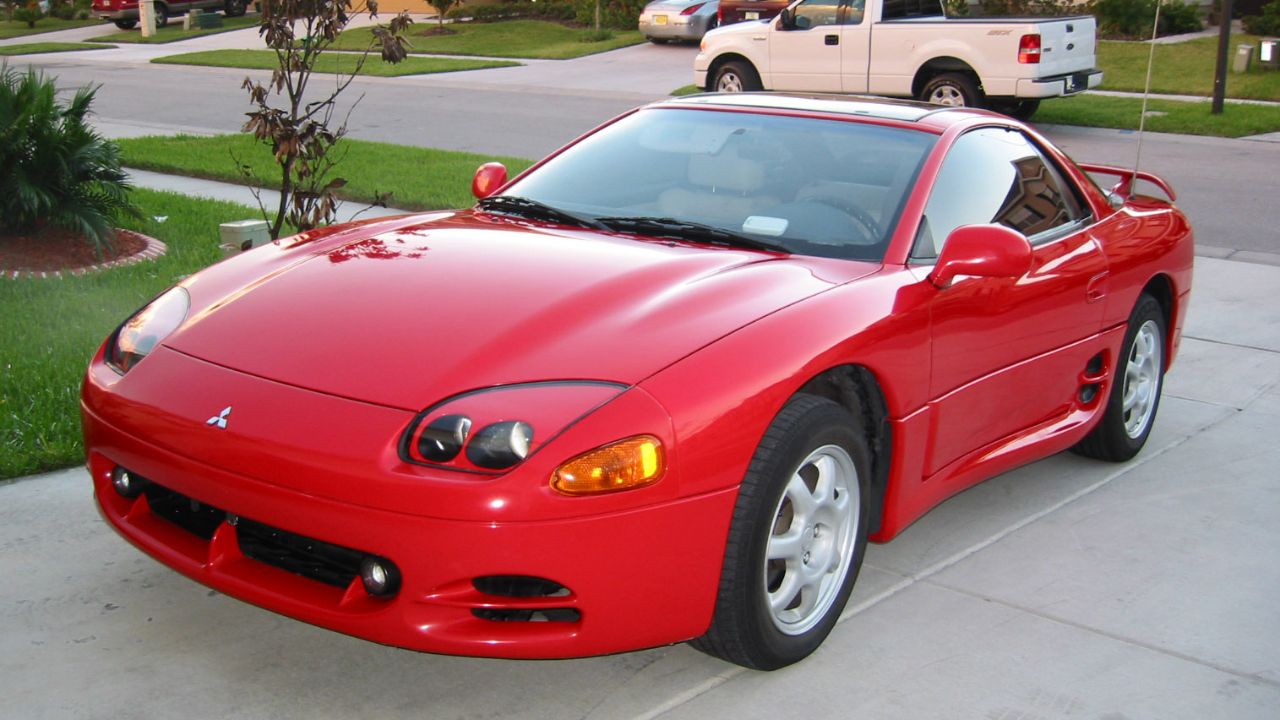
The Mitsubishi 3000GT was a bold, tech-heavy grand tourer that pushed the envelope in the 1990s performance scene. Known for its striking looks and cutting-edge features, the 3000GT was packed with innovation: available twin-turbocharged V6, all-wheel drive, active aerodynamics, and even electronically controlled suspension in some trims. It was advanced, arguably too advanced, for its time.
While it had the hardware to back up its futuristic styling, it was often criticized for its weight. That criticism missed the point. The 3000GT wasn’t built to be a featherweight corner carver; it was designed for high-speed cruising and long-haul stability. When driven hard, it proved that poise and power matter just as much as a lean curb weight. Today, it’s finally being recognized for the tour de force it always was.
Mercedes-Benz SLK32 AMG (2001–2004)

Don’t let the compact proportions or power-retractable hardtop fool you, the SLK32 AMG is a serious sleeper. Under the hood lies a hand-built, supercharged 3.2-liter V6 churning out 349 horsepower, all sent to the rear wheels through a quick-shifting 5-speed automatic. It can sprint from 0 to 60 mph in about 4.5 seconds, yet few buyers ever gave it credit. Why? The SLK was too often dismissed as a “luxury toy” for non-enthusiasts. But the AMG-tuned version is anything but soft, it’s sharp, quick, and aging into a legitimate bargain-performance roadster.
Audi TT Quattro (Mk1, 2001–2006)

Early Audi TTs had a reputation problem. Their curvy Bauhaus design made them look like style statements, not serious sports cars. But the 225 Quattro model was the real deal. It came with a punchy turbocharged 1.8-liter four-cylinder, all-wheel drive, and a 6-speed manual, offering true driving thrills with everyday usability.
Despite its rally-inspired underpinnings and excellent grip, many enthusiasts overlooked it because of its fashion-forward image. Today, it’s one of the most affordable and underappreciated German performance coupes of the early 2000s.
Chrysler Crossfire SRT-6 (2005–2006)

What do you get when you drop a Mercedes-AMG powertrain into a Chrysler with concept-car looks? The Crossfire SRT-6, one of the weirdest, coolest misfires of the 2000s. It borrowed heavily from the SLK32 AMG, including its 330-hp supercharged 3.2-liter V6 and 5-speed automatic. The result? A 155-mph top speed and 0–60 mph in about five seconds.
Unfortunately, its Chrysler badge and controversial styling meant performance shoppers largely ignored it. Today, it’s a rare and oddly lovable coupe that delivers way more than its reputation suggests.
Porsche 928

The Porsche 928 was the first Porsche to build a sports car from a clean sheet in years. But even Porsche seemed confused about it. They saw it as more of a GT car than a sports car, yet everyone else viewed it as a bona fide sports car.
In the end, the misunderstanding didn’t matter. The 928 came dangerously close to replacing the 911 as Porsche’s flagship model, providing comfort, performance, and practicality rarely found in a sports car package. Its range of V8s, from the 4.5-liter to the 5.4-liter, helped the 928 achieve remarkable top speeds, putting it in supercar territory.
Volvo P1800 Cyan
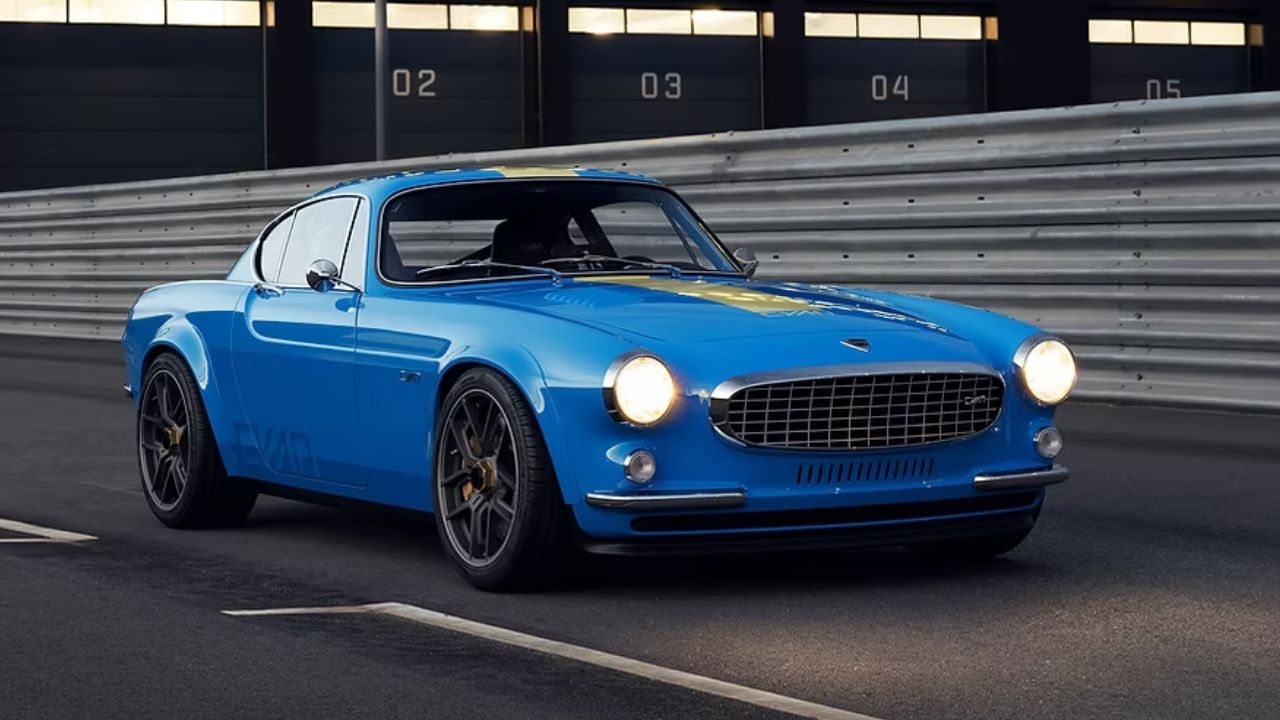
Some view the P1800 Cyan as a modern version of one of Volvo’s best models. Yet Cyan Racing has done more than that. The Cyan P1800 is a track-focused, modern restomod of the classic P1800 from the 1960s, all coming from the works of the legendary Swedish touring car team, Cyan Racing.
What started as a 1964 Volvo P1800 now has a reinforced high-strength steel and carbon fiber body, a wider track, bigger wheels, and a repositioned greenhouse. Under the hood, Cyan opted for a 2.0-liter turbocharged four-cylinder engine. That same engine is in their Volvo S60 TC1 race car that won the 2017 World Touring Car Championship. That engine produces around 414–420 hp, depending on configuration and 336 lb-ft of torque, redlining at 7,700 rpm. So, this is more than just a slightly updated Volvo P1800. If you want more comfort, Cyan has recently revealed the more practical and calming P1800 Cyan GT.
While there’s nothing wrong with the P1800 Cyan’s performance, not everyone is in the market for a car purposefully designed to look old.
Ford Mustang SVO

When Ford’s Special Vehicle Operations team got their hands on the Mustang GT in the early 1980s, they created one of the best all-American sports cars. They replaced the V8 under the hood with a turbocharged 2.3-liter four-cylinder, which shaved 150 lbs off the car’s weight.
The turbocharged 2.3-liter inline-four improved the car’s weight distribution, while Koni dampers and sticky Goodyear Eagle NCT tires massively improved the car in the corners. This created the 1984 1/2 Mustang SVO, a vehicle much closer to European sports cars than the all-American muscle car. Still, it’s hard to convince the Mustang crowd to buy a more expensive version without a V8. Maybe even impossible.
Ferrari 612 Scaglietti (2004–2010)

At first glance, the Ferrari 612 Scaglietti confused people. It had. It was big. It had a trunk. Was this a Ferrari built for canyon carving or school runs in Monaco? The truth is: both.
Under its long hood lived a 5.7-liter F133 V12, delivering 533 horsepower and a soundtrack that could shake the Alps. It was paired with either a six-speed manual or F1-style automated transmission, making the 612 one of the last V12 Ferraris available with three pedals. Despite its grand touring design, the 612 could sprint to 60 mph in just over 4 seconds and top out near 200 mph, faster than many mid-engine exotics.
It may have looked tame next to its more flamboyant siblings, but the 612 Scaglietti was a serious machine. It laid the groundwork for the 599 GTB Fiorano and reminded the world that Ferrari’s idea of practicality still involved a howling V12 and continent-crushing speed.
2024 Nissan Z
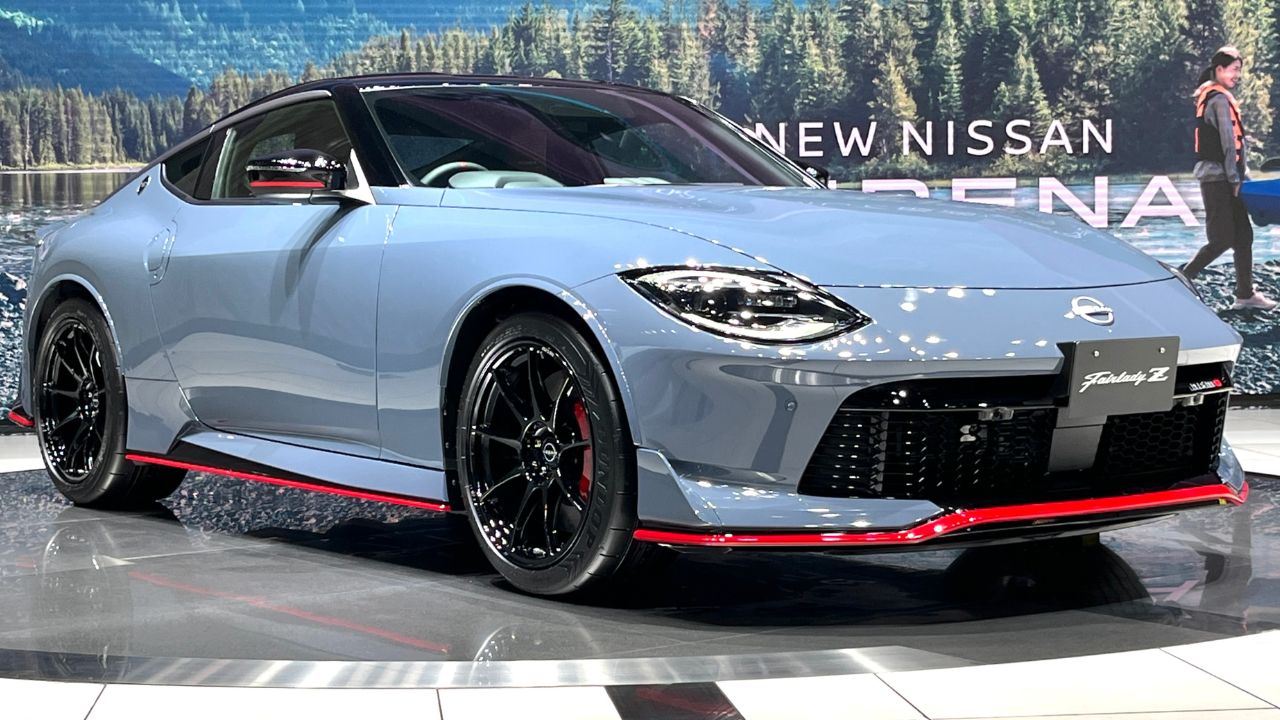
The 2024 Nissan Z is officially a sports car, of course. But the ingredients create the recipe for that and a superb GT car. Under the hood, a 400 hp 3.0-liter twin-turbocharged Infiniti V6 sits, and it has a very smooth and satisfying six-speed manual transmission.
But it is also comfortable inside. It is full of technology, such as Apple CarPlay and Android Auto. It has a 12.3-inch digital gauge cluster, climate control, gorgeous retro touches, and comfortable seats, the perfect ingredients for a GT car. Yet, throw the car around a race track and let that V6 and handling shine, and you then realize this is one of the best sports cars of the modern era. During the era of the SUV, it’s just hard to convince drivers to invest in a car with a pretty high price tag, yet only two seats.
Final Lap: What Makes a Great Sports Car?

We’ve all had a car we loved that no one else quite understood, and that’s what makes these cars so special. They weren’t built for the spotlight. They were built for drivers who appreciate character, courage, and cars that do things their own way. That kind of story never goes out of style. It’s not just about horsepower or heritage. The cars on this list prove that greatness can be found in oddball styling, misfit engineering, or simply being ahead of their time. These aren’t just machines, they’re misunderstood masterpieces, waiting for someone to get what they were going for finally.
So, whether you’re browsing classifieds or bench-racing with friends, don’t sleep on these underrated sports cars. They might surprise you.