
Muscle cars built their legends on brute force, big engines, straight-line fury, and the kind of acceleration that left passengers speechless. Everyone knows the Hemi ’Cuda, the LS6 Chevelle, the 442s, and the Road Runners. But for every headline hero, there were machines that quietly terrified anyone who lined up beside them. Some hid big power under modest sheet metal. Others only came to life when you checked the right option box. And a few were so strange or so ahead of their time that most people didn’t know what to make of them.
And because this is a Guessing Headlights list, we’re not stopping at the obvious choices. We love a good rulebook, mainly so we can ignore it. The real fun lives in the odd corners of the muscle era: the overlooked divisions, the forgotten packages, and the “they built what?” moments that created some of Detroit’s most surprising hitters.
So buckle up. Where we’re going, the rules are more like suggestions. This list celebrates the cars that hit far harder than anyone expected — the sleepers, the luxury bruisers, the aero oddballs, the compact terrors, and even a couple that technically aren’t muscle cars…but absolutely earned their place by punching above their weight.
These are the rides that prove muscle car history wasn’t written only by the icons — it was shaped just as much by the surprises.
Buick Grand National

The Grand National wasn’t part of the golden age of muscle, but it absolutely revived the spirit. Buick built a turbocharged V6 rocket at a time when performance cars were supposed to be dying, and it earned a reputation for hitting far harder than anyone expected.
The all-black, chrome-delete look made it instantly recognizable, and the 3.8-liter turbo V6 officially produced 245 horsepower in its final year. That number didn’t tell the whole story — in real-world tests, the Grand National could run neck-and-neck with contemporary Mustang GTs, and the limited-production GNX version out-accelerated many Corvettes of the era. Once the turbo spooled, the surge of torque shocked drivers who assumed a V6 couldn’t deliver true muscle.
Oldsmobile 442 W-30

The 442 W-30 is one of those muscle cars people tend to remember last, even though it absolutely deserved to be mentioned first. While shoppers flocked to Chevelles and GTOs, Oldsmobile quietly offered a bruiser of its own. The 455-cubic-inch engine, equipped with Oldsmobile’s W-30 performance package, was rated at 370 horsepower on paper, but everyone knew that number was more of a polite suggestion than a reality. With around 500 pound-feet of torque, the W-30 didn’t need to brag — it simply rearranged your internal organs every time you hit the gas.
Oldsmobile never shouted about this car the way other GM divisions did, which almost makes it cooler. The W-30 was the sleeper within Oldsmobile’s own lineup — the strong, silent type that didn’t need hype to wipe the grin off lighter, flashier competitors.
Mercury Cyclone Spoiler II

Mercury built the Cyclone Spoiler II for one reason: to go fast enough in NASCAR that the rulebook would start sweating. Only 503 were made, each wearing an aerodynamic nose cone and stretched bodywork that looked like something straight out of a wind-tunnel fever dream. Underneath the wild aero, the street homologation cars were powered by a 351 Windsor V8, while race versions used larger engines, giving the Spoiler II the muscle to match its slippery shape. Hitting around 140 mph wasn’t a problem at a time when most muscle cars ran out of breath closer to 120.
The Cyclone always lived in the shadow of its Ford sibling, the Torino Talladega, but that just makes it more appealing. It delivered nearly the same performance with a personality all its own — the kind of car that didn’t need to be the star of the show to steal the scene the moment the road opened up.
AMC Javelin AMX
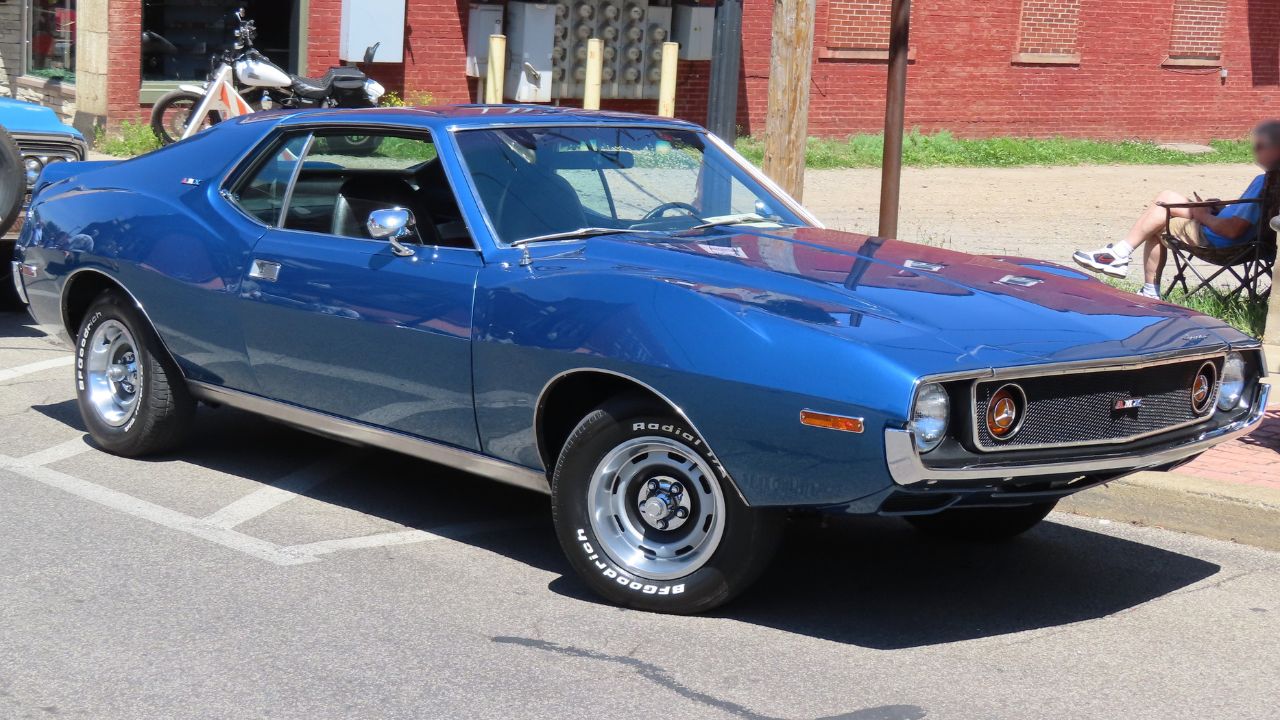
The AMC Javelin AMX is one of our favorite muscle cars to sneak onto a list like this, not because it barely qualifies, but because it’s criminally underrated next to the era’s headline-grabbing GOATs. (That’s “greatest of the time,” not just the GTO.) The Javelin AMX had the looks, the attitude, and the muscle to run with the big names, yet it rarely gets the spotlight it deserves.
With the 401 V8 making around 330 horsepower, the car pulled hard and handled better than most people expected from a muscle machine of its size. And part of the charm is that AMC kept the muscle-car party going longer than many of its Detroit rivals. It’s the automotive equivalent of that friend who refuses to let the night end — the one still ready to hit Waffle House for bacon and coffee after last call.
The Javelin AMX didn’t always get the respect it earned in its period, but time has been kind to it. Today, enthusiasts are finally recognizing it as one of the coolest-looking and most spirited performers of the muscle era.
Pontiac Catalina 2+2
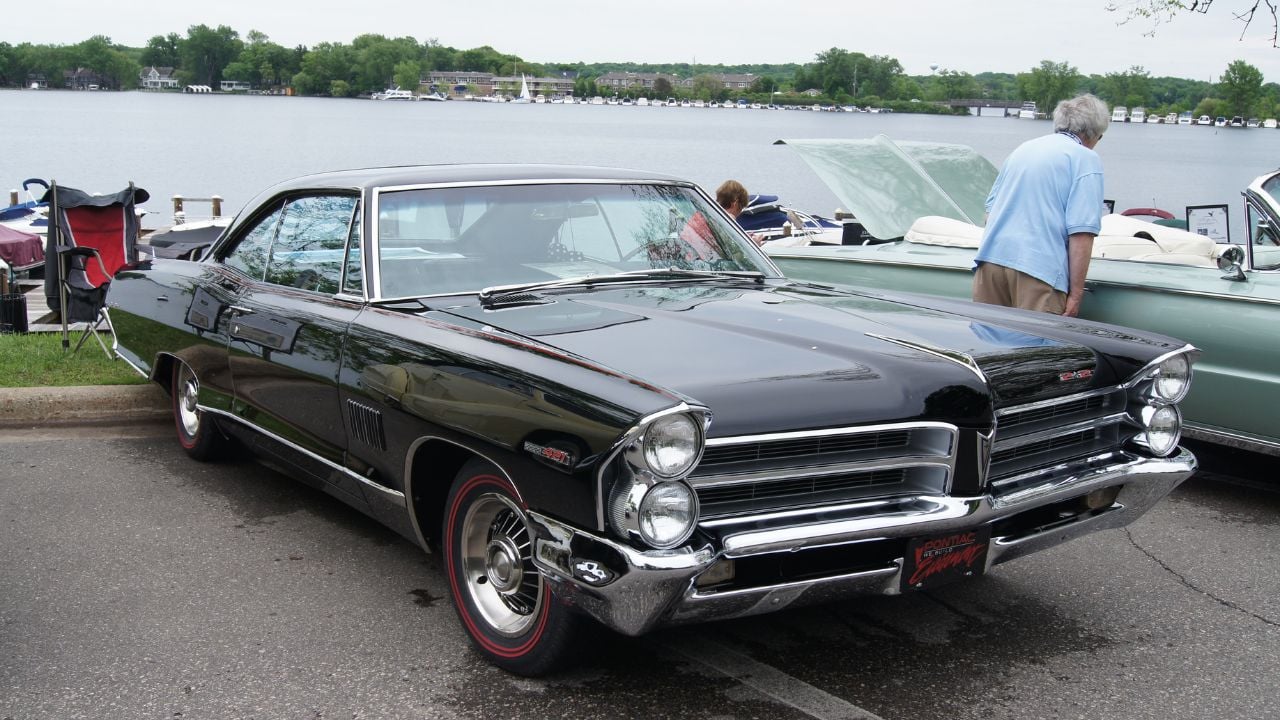
The Pontiac Catalina 2+2 is proof that full-size muscle didn’t have to apologize for taking up space. Under its long, stylish body sat a 421-cubic-inch V8 making around 376 horsepower, giving this big cruiser enough muscle to surprise cars half its size. Most people go straight to the GTO when talking Pontiac performance, but the Catalina 2+2 could keep up while offering a living room’s worth of legroom in the back.
The Tri-Power carburetor setup added some mechanical drama under the hood, but it paid off with smooth, eager power across the rev range. Period road tests recorded quarter-mile times in the mid-15-second range, impressive for a full-size car of its era — all while carrying four adults who probably expected a quiet ride home. Instead, they got a front-row seat to one of Pontiac’s most underrated feats of engineering.
Ford Fairlane Thunderbolt
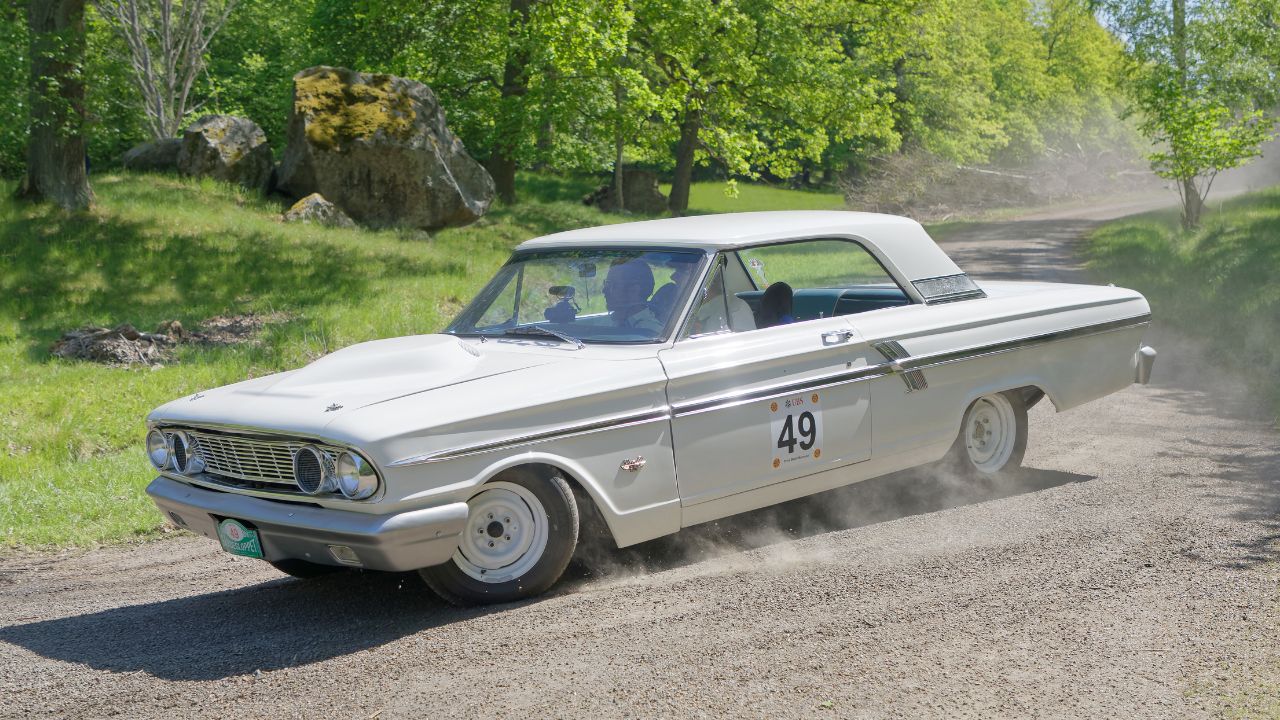
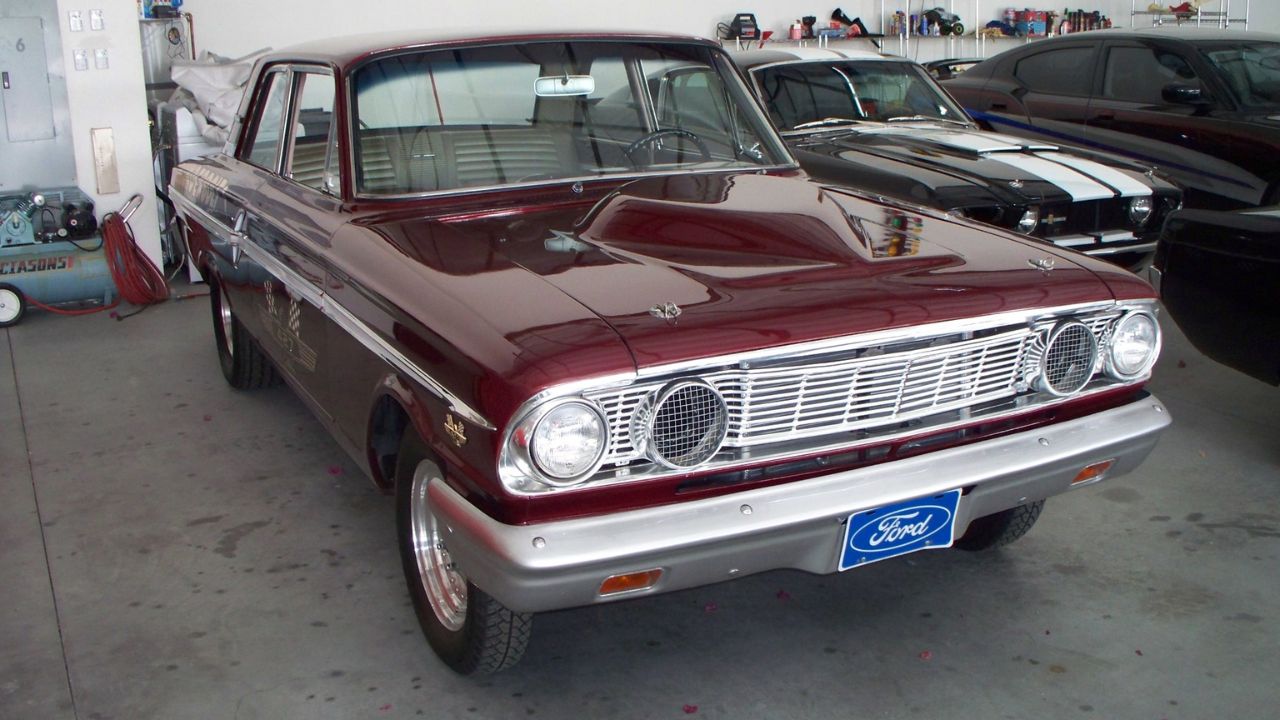
Ford built just 100 Fairlane Thunderbolts in 1964, and every single one existed for one purpose: to annihilate the quarter mile. Under the hood sat Ford’s mighty 427, topped with dual four-barrel carburetors and making around 425 horsepower in race trim. To give it every possible advantage, Ford stripped out anything resembling comfort — sound deadening, insulation, even bumpers in some cases — and replaced key panels with fiberglass.
The result was a barely street-legal missile that shocked anyone who underestimated its humble Fairlane roots. Thunderbolts weren’t just quick; they reshaped the drag racing landscape and proved exactly what Detroit could do when the rulebook got loose, and the stopwatch was all that mattered.
Chevrolet Nova SS 396
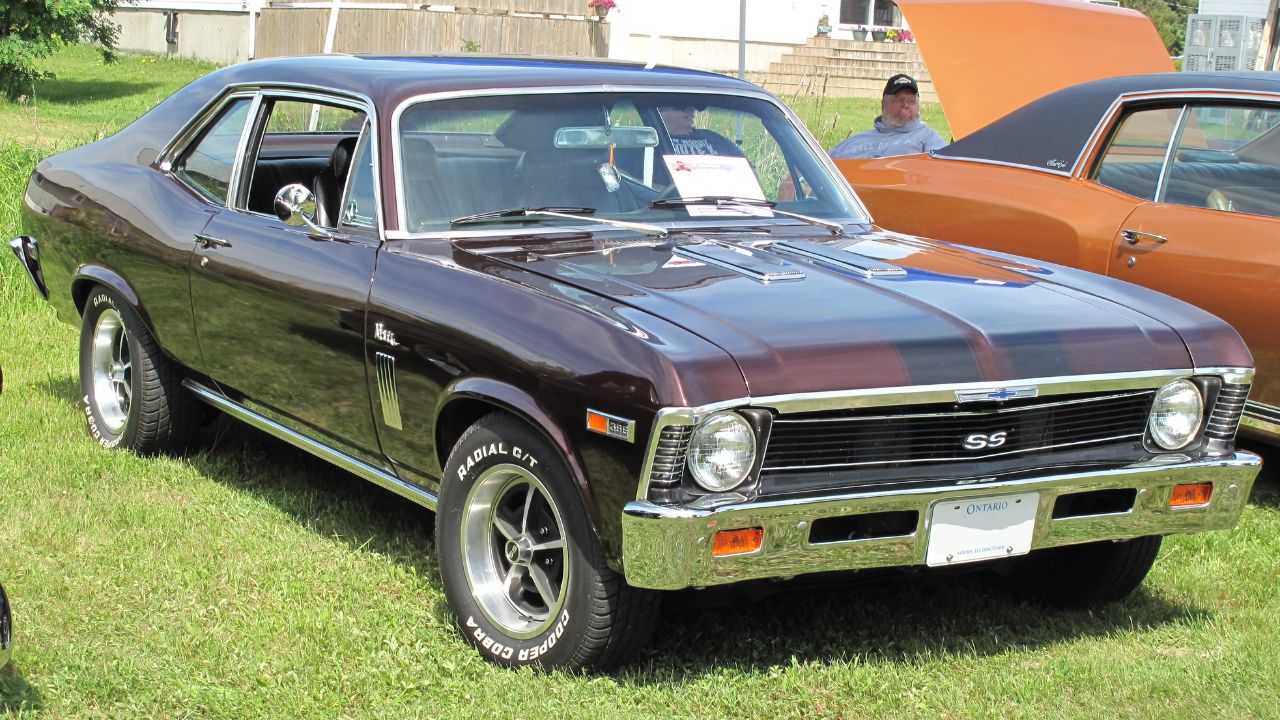
The Nova SS didn’t look like anything special at first glance — just another compact Chevy built for commuting and groceries. But the moment a 396 big-block barked to life under that unassuming hood, the whole attitude changed. Starting in 1968, Chevrolet offered this combo as a budget-friendly alternative to the Chevelle, and the L78 version with around 375 horsepower turned the lightweight Nova into a drag-strip menace.
Shedding a few hundred pounds compared to its bigger siblings meant the Nova hit harder than anyone expected. Smart buyers caught on quickly: this was one of the best performance bargains GM ever slipped out the door. The Nova SS 396 was the classic “don’t judge a book by its cover” muscle car — quiet until it absolutely wasn’t.
Chrysler 300 Hurst
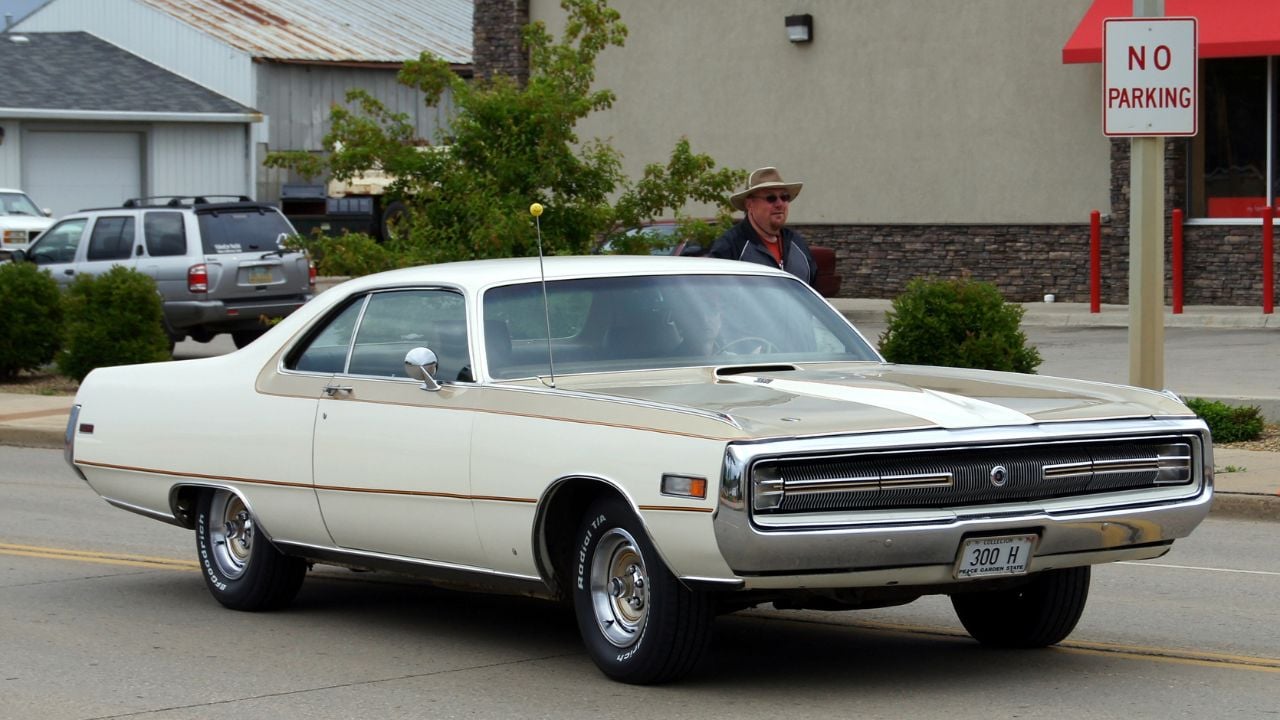
The Chrysler 300 Hurst is what happens when a luxury cruiser decides it’s tired of being polite. Built in partnership with Hurst Performance in 1970, this big, gold-and-white bruiser packed a 440 TNT engine making around 375 horsepower — enough to deliver surprisingly quick acceleration for a full-size luxury car. That alone was surprising, but the real twist was how it delivered all that speed while wrapped in leather seats and upscale trim most muscle cars didn’t even pretend to offer.
With only 485 built, the 300 Hurst became one of those “if you know, you know” machines. It wasn’t loud about its abilities, but it didn’t need to be. It was the gentleman muscle car — the one that showed up dressed to the nines and still hit harder than anyone expected.
Studebaker Avanti R3
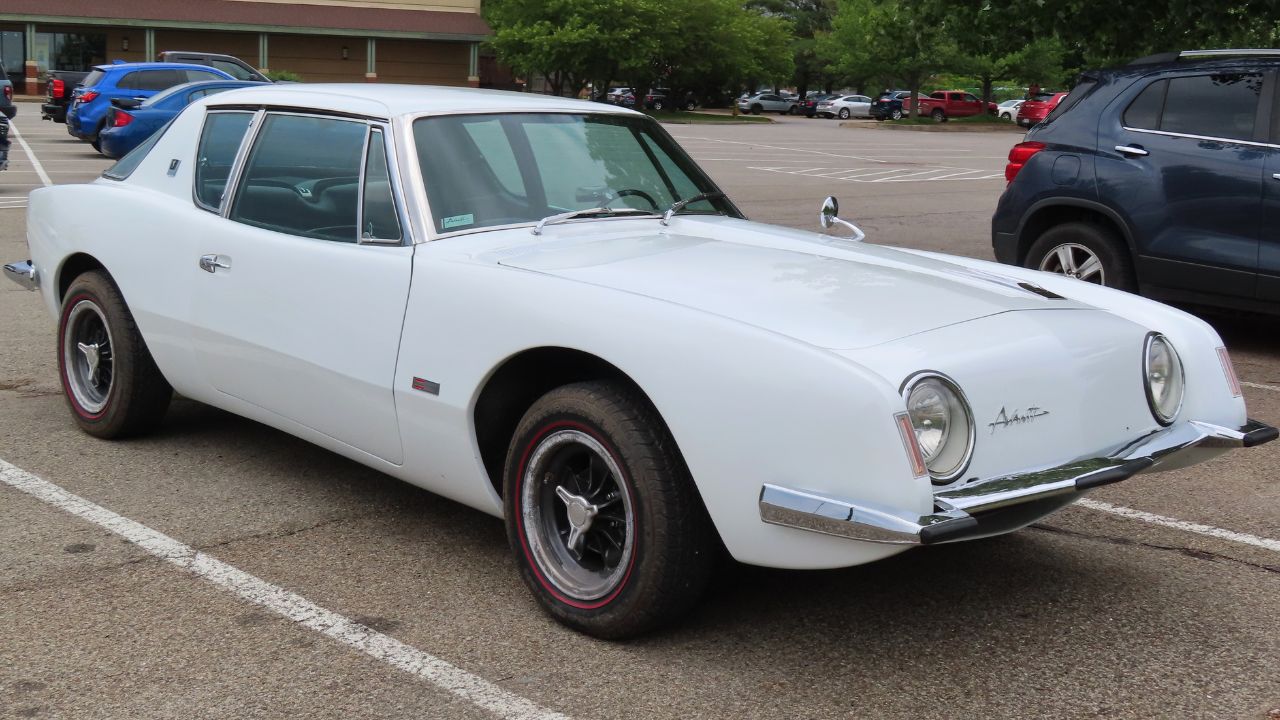
The Avanti R3 isn’t a muscle car — not even by the most generous stretch of the definition. It was a futuristic fiberglass-bodied GT with independent engineering and a supercharged 289 V8, aimed more at high-speed stability than stoplight wars. But its performance was so unexpected that it deserves recognition here.
In factory-prepared form, Avanti R3s famously set 29 speed records at the Bonneville Salt Flats, with top speeds well over 150 mph — incredible numbers for an early-’60s American coupe. If you’re newer to the car scene, you might never guess this sleek, unusual Studebaker could run with the fastest machines of its time. It’s the oddball of the list, but its punch was undeniable.
Ford Torino Cobra 429

The Torino Cobra 429 is one of those muscle cars that never chased the spotlight but still managed to steal the show. Overshadowed by Boss Mustangs and Mach 1s, it quietly packed Ford’s 429 Cobra Jet engine — officially rated at 370 horsepower, though everyone knew it was making considerably more. The mid-size Torino body had just enough room for this giant powerplant while still keeping weight in check, which gave the car a surprising balance of size and speed.
On the NASCAR circuit, Torinos were absolute monsters, and some of that dominance bled straight onto the street. The Torino Cobra didn’t brag, posture, or flex. It just delivered the kind of straight-line punch that made you wonder why more people weren’t talking about it.
Pontiac Tempest OHC-6 Sprint
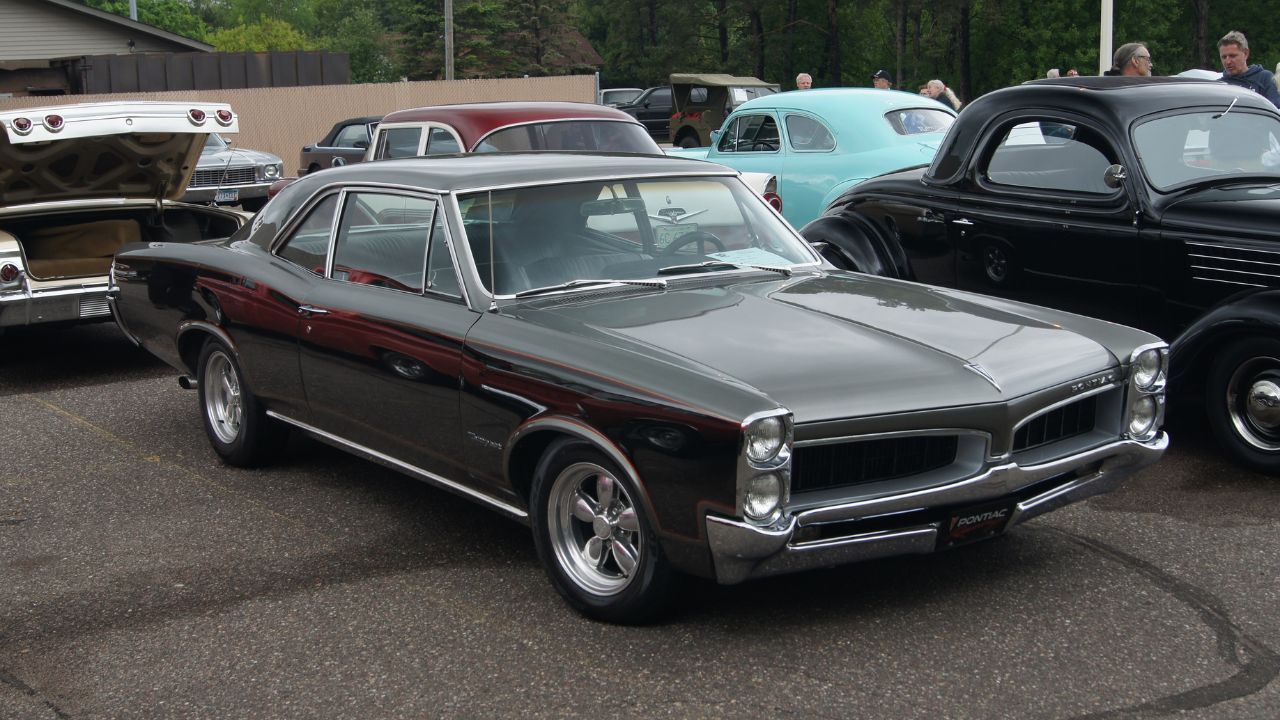
The Tempest Sprint wasn’t a muscle car in the traditional sense. It didn’t have a V8, wasn’t marketed as a stoplight bruiser, and didn’t follow the classic big-engine, mid-size formula. But Pontiac’s overhead-cam inline-six was one of the most advanced American engines of the era, and in Sprint form it made around 215 horsepower and was known for its willingness to rev compared to most American engines of the era
The result was a surprisingly lively performer with handling that embarrassed some heavier V8 cars. It doesn’t meet the textbook definition of muscle, but in this configuration, the Tempest hit far harder than anyone expected — which is exactly why it earns a spot on this list.
Rambler Scrambler
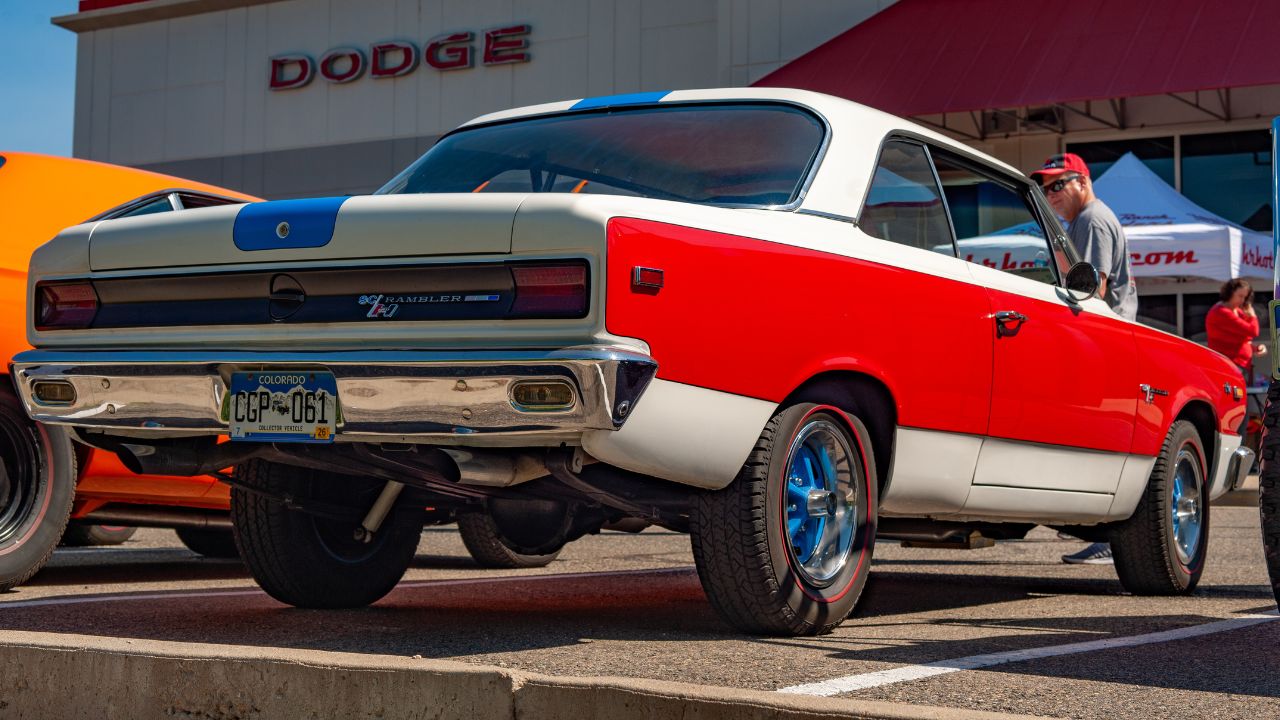
AMC went full mad scientist in 1969 when it stuffed a 390-cubic-inch V8 into the tiny Rambler American and called the result the Scrambler. On the outside, the car still looked like something your neighbor’s aunt might drive to the grocery store — at least until the wild graphics and functional hood scoop made it clear something unhinged was going on under the surface. The contrast was half the fun.
With only 1,512 built, the Scrambler became one of the rarest surprises of the muscle era, a car that delighted anyone who knew what they were seeing and blindsided everyone who didn’t. It was the ultimate “don’t underestimate me” machine — unassuming, unlikely, and absolutely ready to ruin someone’s day at a stoplight.
Plymouth GTX 440

The Plymouth GTX 440 was the muscle car for people who wanted to go fast and look like they had their life together. Sitting above the rowdy Road Runner in Plymouth’s lineup, the GTX packed the 440 Super Commando engine, making around 375 horsepower, but wrapped its power in quieter styling and extra comfort. It was the gentleman’s Mopar — smoother around the edges, but still more than willing to light up the rear tires at a moment’s notice.
Because shoppers often gravitated toward the cheaper Road Runner or the flashier Charger, the GTX didn’t get as much love as it deserved. But its blend of real-world usability and big-block punch made it one of the most balanced muscle cars of its time. For drivers who wanted pace without punishment, the GTX was the sweet spot that too many people overlooked.
Where Heroes Rose
The muscle car age had no shortage of legends, but the best stories didn’t always belong to the obvious stars. Some of the most memorable heroes came from the fringes — cars built by automakers willing to take risks, stuff giant engines into unlikely bodies, or slip wild performance packages past buyers who had no idea what they were missing.
Today, enthusiasts are rediscovering these forgotten hot rods and appreciating how they pushed boundaries in their own ways. They’re the underdogs, the oddballs, the luxury sleepers, the aero experiments, and the compact terrors that hit far harder than anyone expected.
In a world where muscle cars often get defined by the biggest names and loudest badges, these machines remind us that real power doesn’t always come from the obvious choices. Sometimes the true heroes are the ones who surprised us — then and now.