Buying your first car should feel exciting, not confusing. But once you start comparing compact-size SUVs, many of them begin to blur together. On paper, they’re all safe. They’re all practical. They all promise reliability. That’s where first-time buyers often get stuck—because spec sheets don’t explain how a vehicle actually fits into your daily life.
What matters more than headline numbers is how a car works for you: how easy it is to see out of, how flexible the interior feels, whether it’s comfortable on long drives, and how much mental energy it demands to own. Small differences—seat height, cargo shape, drivetrain options, or even how intuitive the controls feel—can have a bigger impact on ownership than horsepower or 0–60 times.
This list focuses on those real-world differences. Interior layout, visibility, seating flexibility, drivetrain choices, and ownership conveniences that don’t always show up on a spec sheet. Prices reflect typical clean used examples in today’s market and vary by mileage, condition, location, and trim, but the goal here isn’t to crown a “winner.” It’s to help you recognize which SUV actually fits your routine.
A Few Things to Think About Before You Choose
Before you zero in on a specific model, it helps to step back and think about how you’ll actually use your vehicle day to day.
- Passengers vs. cargo: Some SUVs prioritize rear-seat comfort, while others focus on cargo space. If you regularly carry people, rear-seat legroom and headroom matter more than maximum cargo volume.
- Visibility and driving confidence: Large windows, seating position, and mirror placement can make a big difference, especially for new drivers or busy urban environments.
- Drivetrain needs: All-wheel drive and hybrids sound appealing, but they only add value if they match your climate, commute, or fuel costs.
- Interior usability: Touchscreens, physical buttons, seat comfort, and storage layout all affect how easy a vehicle is to live with long-term.
- Occasional needs: Features like a small third row or sliding rear seats may not matter daily, but can be extremely helpful when plans change.
With those considerations in mind, the differences between these SUVs start to matter—and choosing the right one becomes much easier.
Honda CR-V: The Best All-Around Package
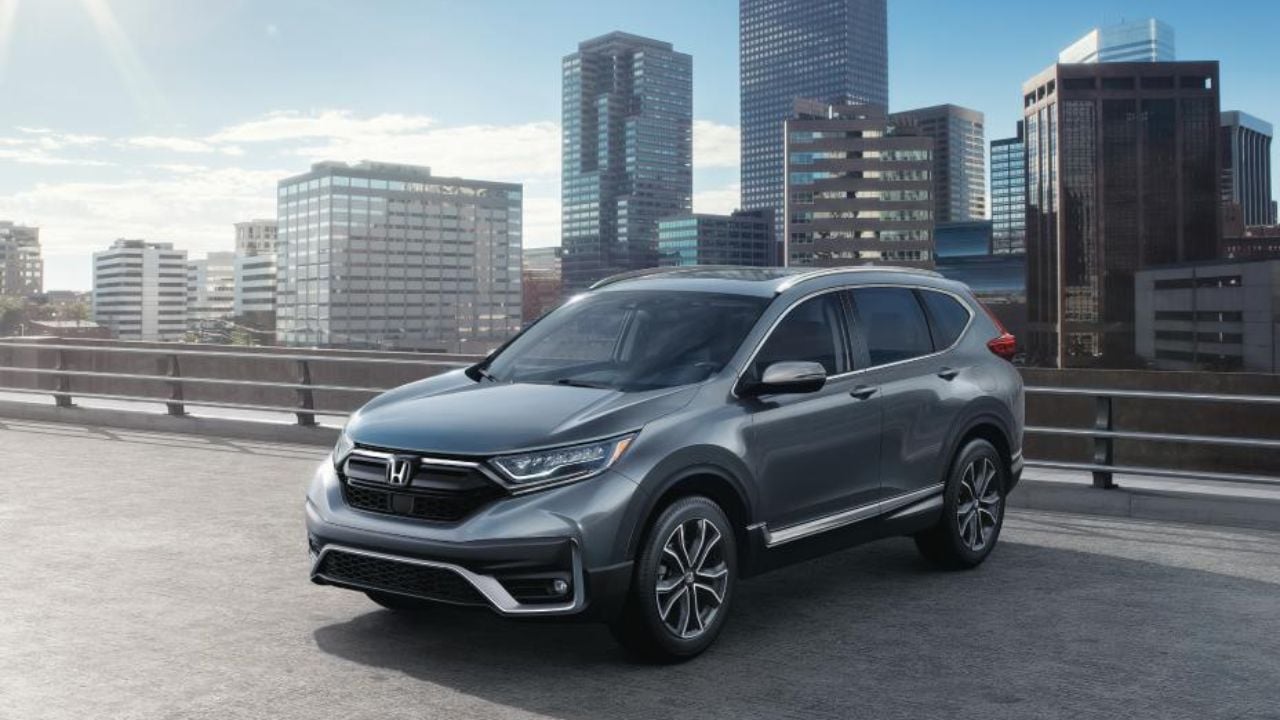
Typical used price (2020 models): $19,000–$24,000
The CR-V doesn’t dominate any single category, but it rarely gives anything up either. That balance is why so many buyers end up here.
It offers one of the roomiest cabins in the segment, especially in the rear seat, making it comfortable for adult passengers. Cargo space is generous, and the low load floor makes loading groceries, strollers, or luggage easy. Controls are intuitive and easy to learn, which reduces stress for first-time owners.
If you want one vehicle that does a bit of everything well without surprises, the CR-V is often the safest choice.
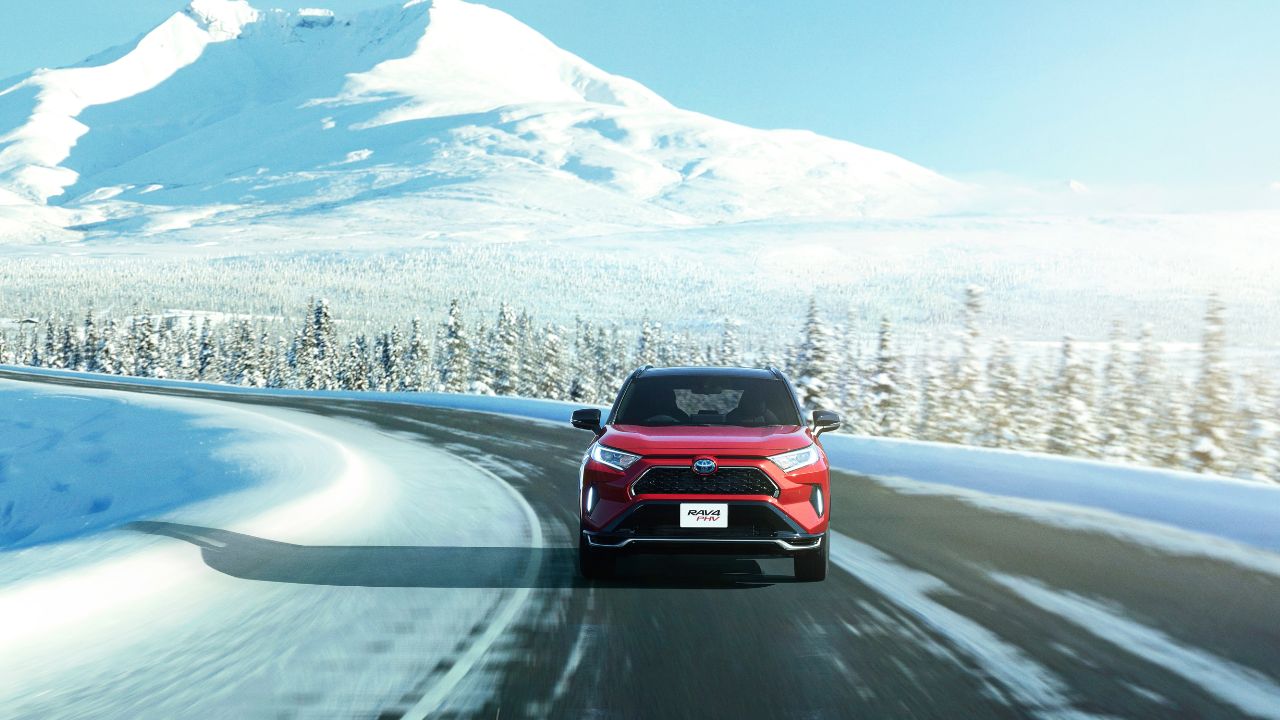
Toyota RAV4: Low-Effort, Low-Worry Ownership
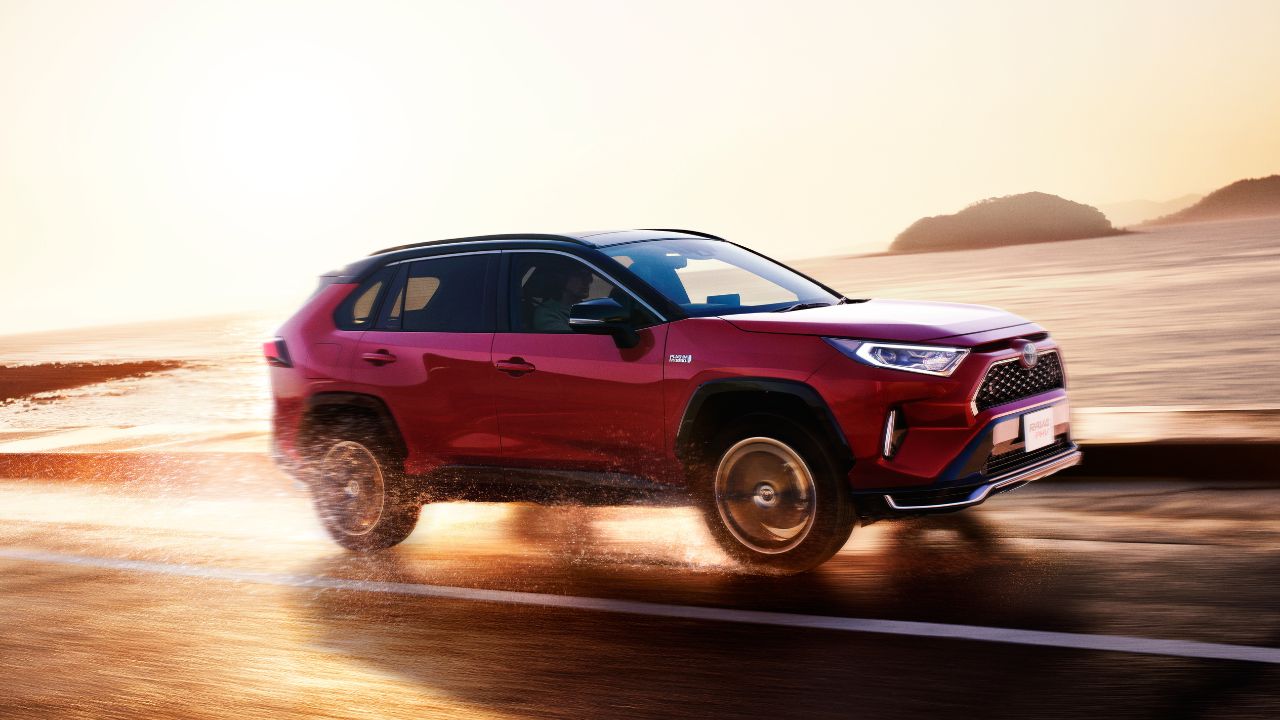
Typical used price (2020 models): $20,000–$25,000
The RAV4’s biggest strength is how little it asks of its owner. It’s designed to fade into the background and just work.
Interior space is slightly tighter than the CR-V, but still very usable. Where the RAV4 stands out is drivetrain choice. Gas models are straightforward, while hybrid versions offer excellent fuel economy that can noticeably lower running costs for commuters.
If long-term dependability and efficiency matter more than cabin flair, the RAV4 makes sense.
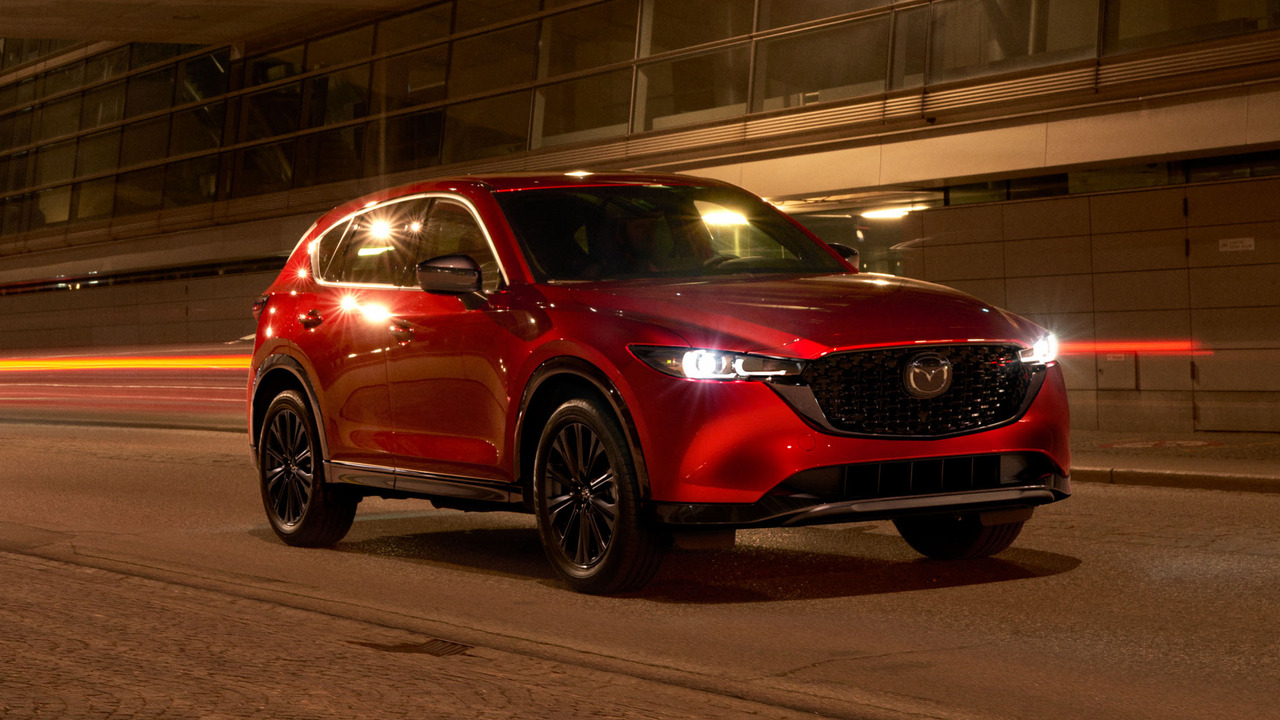
Mazda CX-5: The One That Still Feels Like a Car
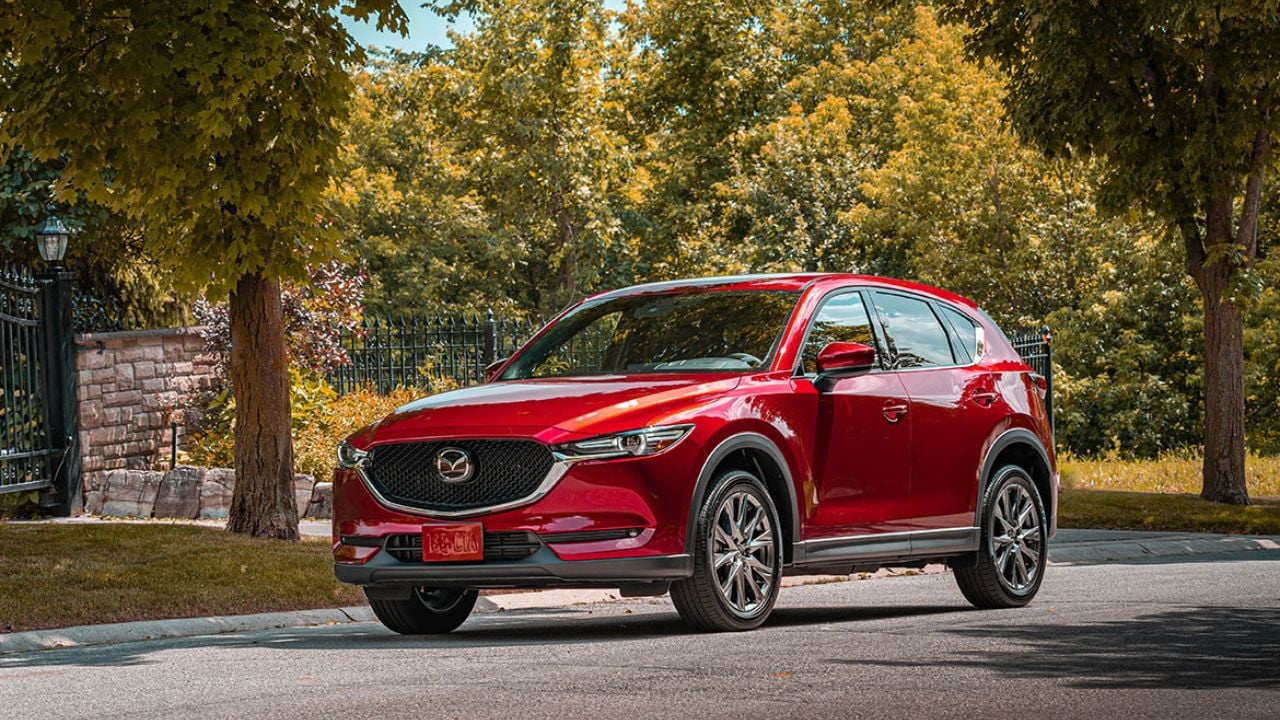
Typical used price (2020 models): $16,000–$22,000
The CX-5 is for buyers who don’t want their first SUV to feel like an appliance.
It sacrifices a bit of rear-seat space compared to rivals, but rewards you with sharper steering and a more composed ride. The interior emphasizes quality over maximum space, with materials and design that feel more premium than the price suggests.
If driving enjoyment matters and you don’t regularly carry tall rear passengers, the CX-5 is a strong fit.
Hyundai Tucson: Space Paired With Modern Tech
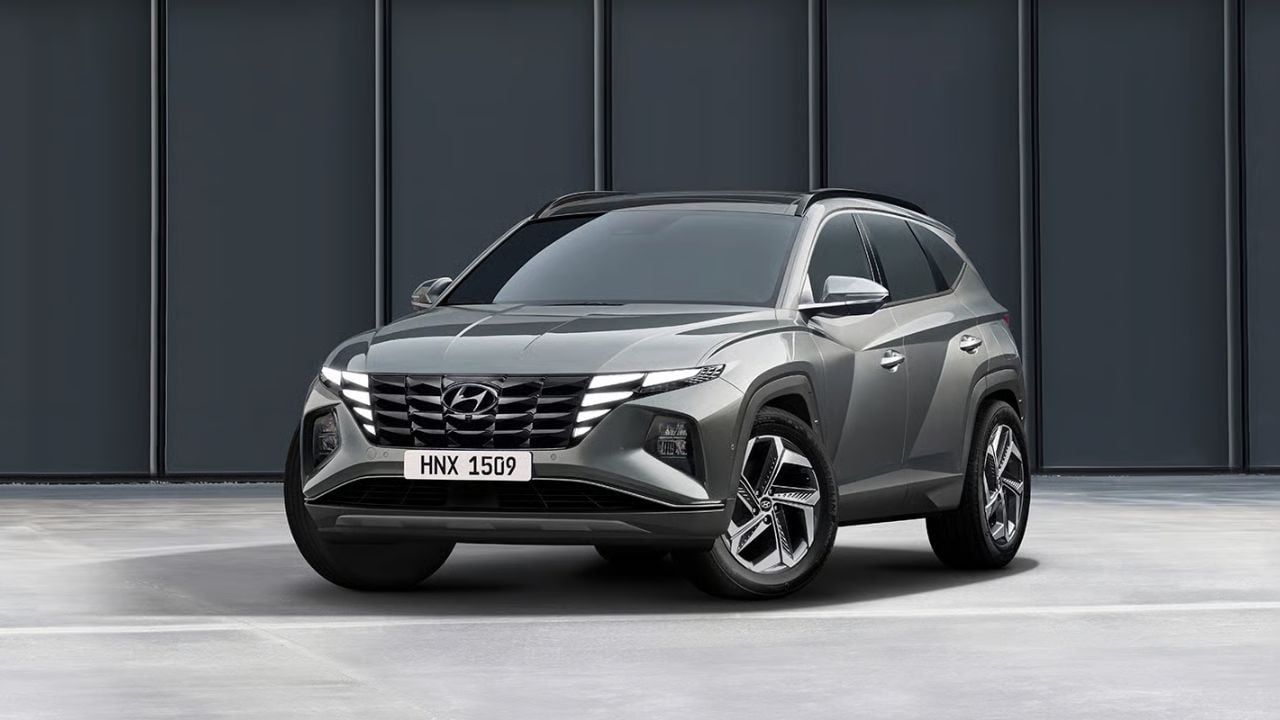
Typical used price (2022 models): $18,000–$26,000
The Tucson appeals to buyers who want a modern-looking interior and up-to-date safety tech without stepping into luxury pricing.
Wide-opening doors, a flat floor, and a clean dashboard layout make it easy to get in and out and comfortable for passengers. Hyundai also tends to include advanced safety features as standard, reducing the need to jump to higher trims.
If you value a fresh interior design and current tech, the Tucson is worth cross-shopping.
Subaru Forester: Visibility and All-Weather Confidence

Typical used price (2020 models): $17,000–$23,000
The Forester immediately stands out for visibility. Large windows and an upright seating position make it easier to place on the road, especially in traffic or poor weather.
Standard all-wheel drive adds confidence year-round, and the boxy shape makes the cargo area practical and easy to use. Rear-seat headroom is excellent, which taller passengers tend to appreciate.
If you drive in mixed conditions or value clear sightlines, the Forester fits naturally.
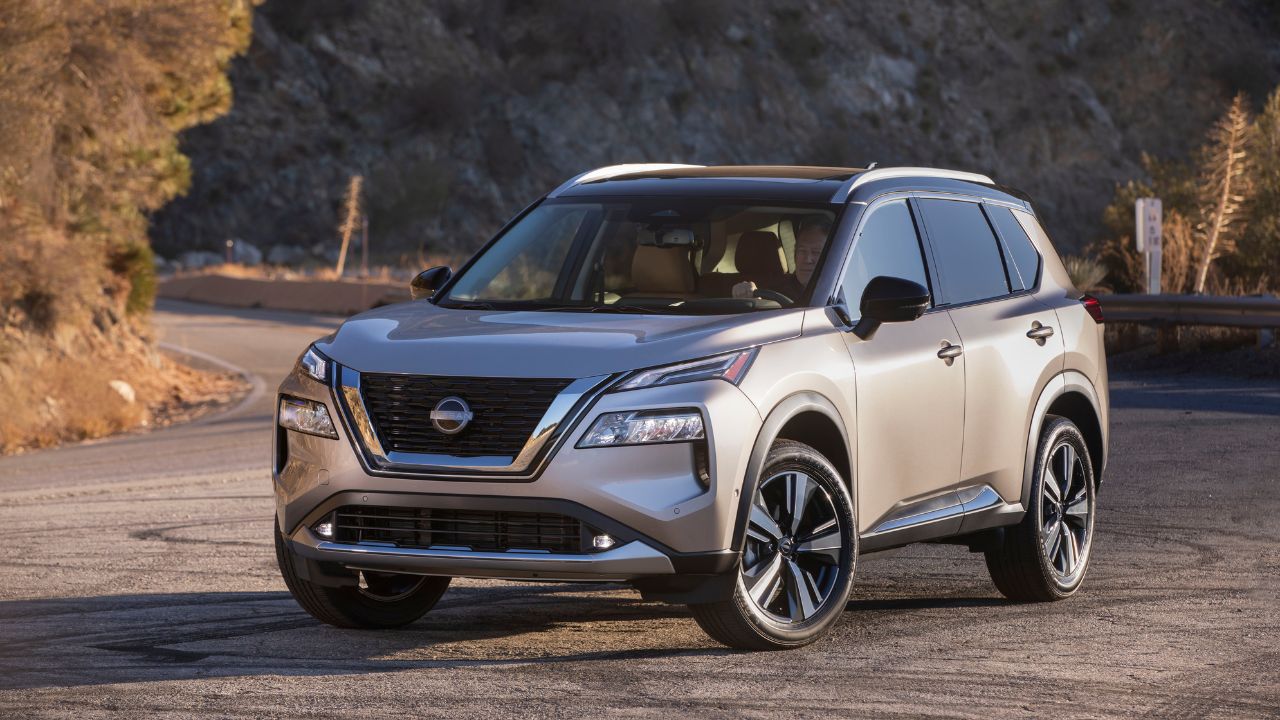
Nissan Rogue: Comfort-Focused and Easygoing
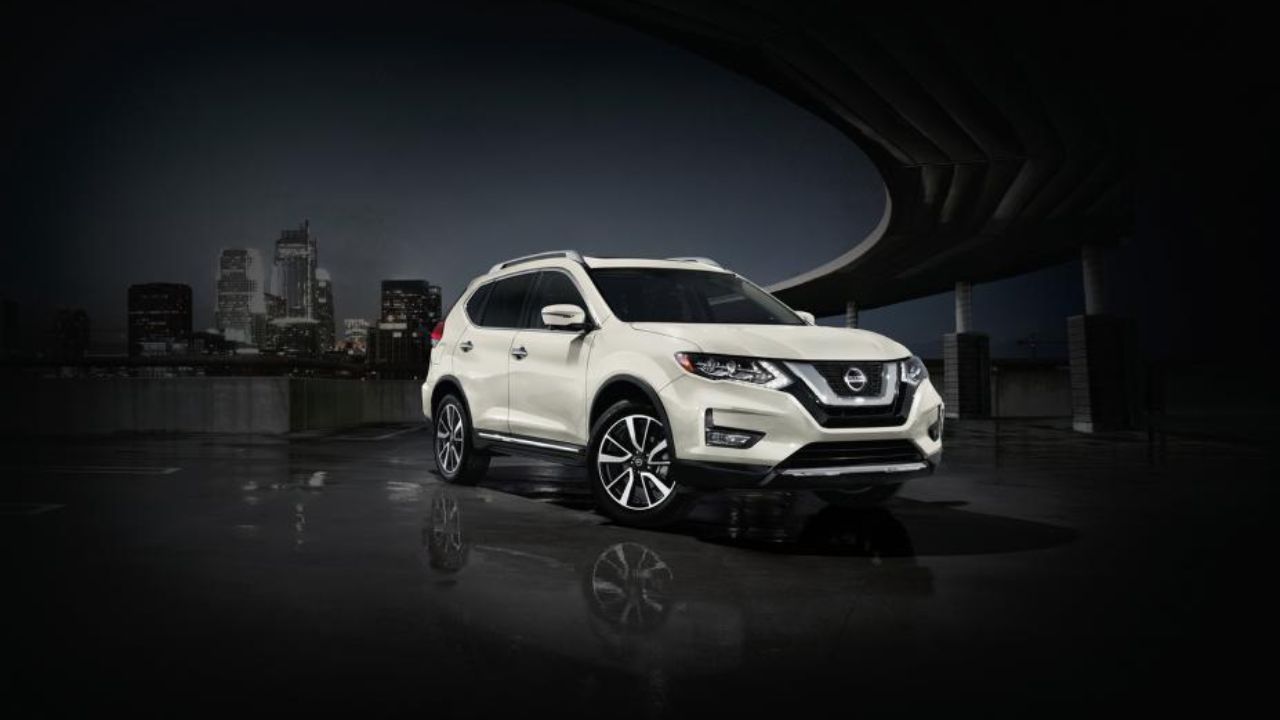
Typical used price (2020 models): $13,000–$19,000
The Rogue prioritizes comfort and a calm driving experience over sportiness.
Seats are supportive for longer trips, and the cabin is generally quiet. Some trims include a sliding rear seat, letting you choose between more cargo space or more legroom depending on the situation.
If your driving is mostly commuting and errands, the Rogue offers an easy, relaxed ownership experience.
Kia Sportage: Features Without Chasing High Trims
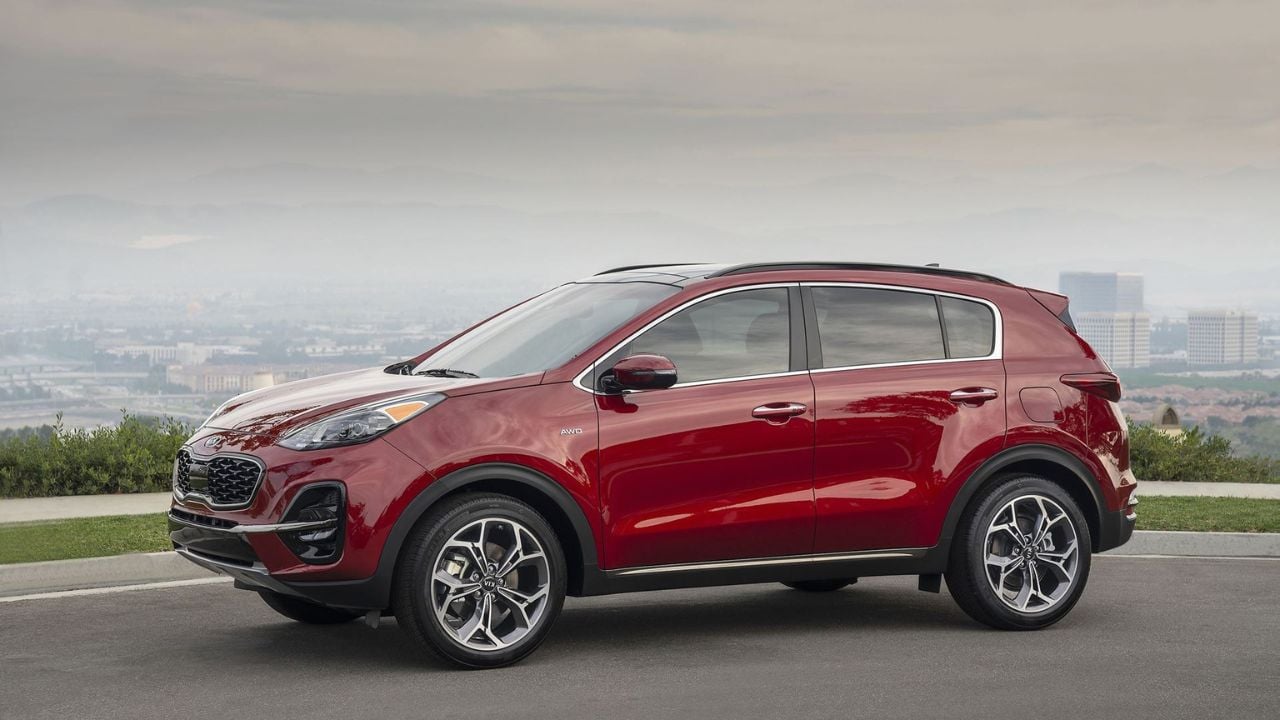
Typical used price (2022 models): $16,000–$22,000
The Sportage is appealing because desirable features often come standard or appear on lower trims.
The cargo area is wide and easy to load, and the rear seat folds simply for larger items. Kia’s infotainment and driver-assistance systems are generally intuitive and accessible.
If you want strong feature content without paying for top-tier trims, the Sportage is a smart value play.
Chevrolet Equinox: Familiar and Straightforward
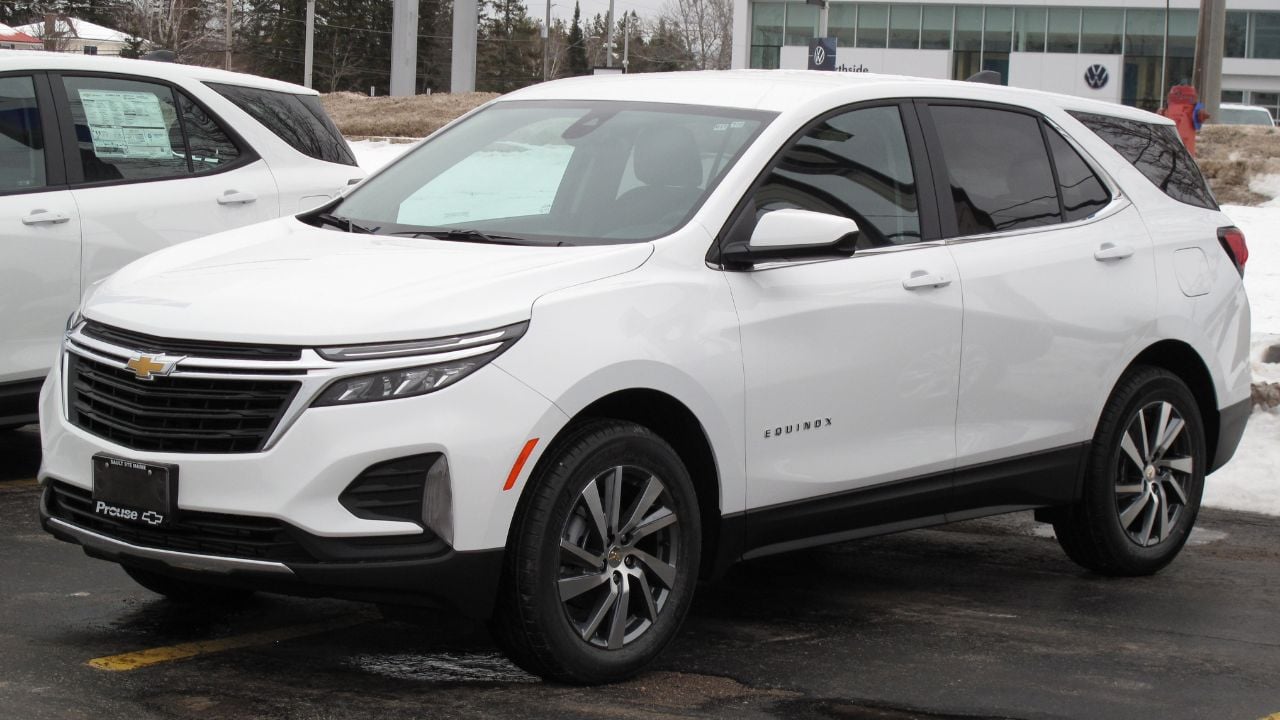
Typical used price (2020 models): $14,000–$19,000
The Equinox leans into familiarity. The driving position is comfortable, the ride is tuned for everyday roads, and the controls feel intuitive if you’ve driven other mainstream vehicles.
Chevrolet’s large dealer network can be reassuring for first-time buyers who want easy access to service and parts, especially outside major cities.
If convenience and familiarity matter most, the Equinox delivers.
Ford Escape: Flexible Powertrain Choices

Typical used price (2020 models): $12,000–$18,000
The Escape stands out for offering multiple powertrain options within a compact footprint.
Gas versions are responsive and easy to drive, while hybrid models appeal to commuters looking to cut fuel costs. The Escape generally feels lighter and more maneuverable than some rivals, which can help in urban driving.
If efficiency or drivetrain choice is a priority, the Escape is worth a close look.
Mitsubishi Outlander: Extra Seating in a Compact Size
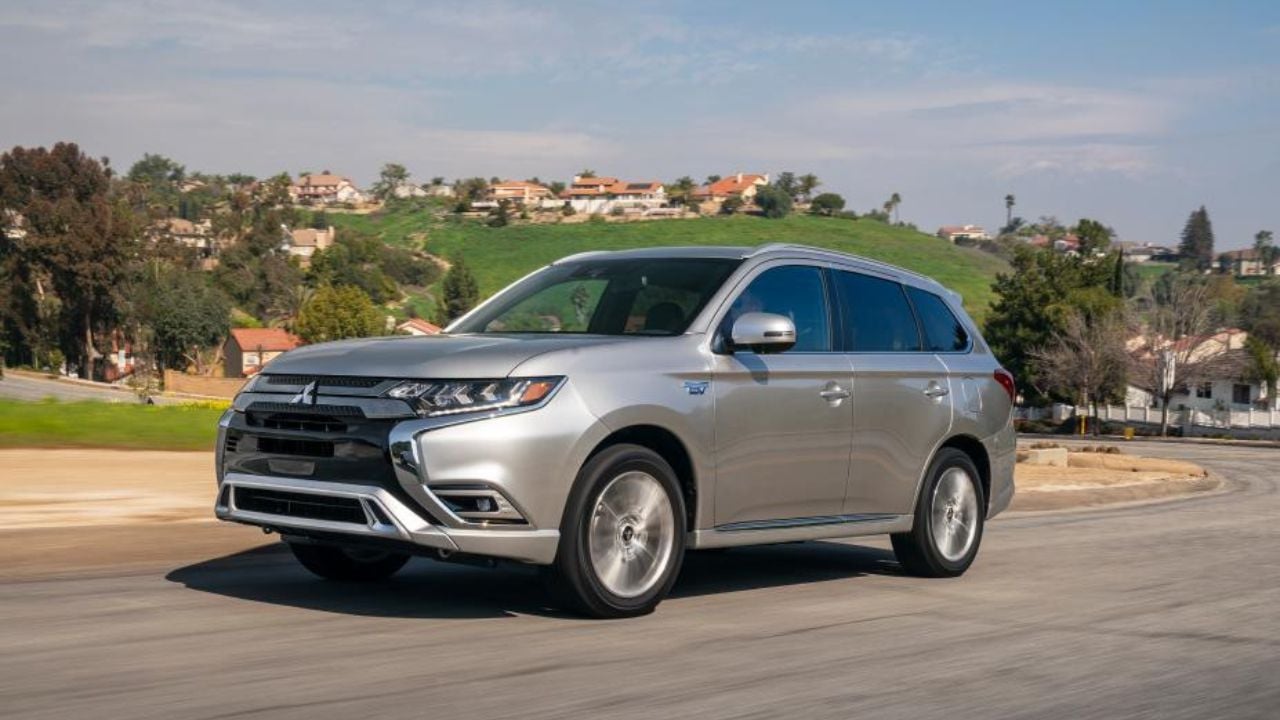
Typical used price (2020 models): $12,000–$18,000
The Outlander offers something rare in this class: a third-row seat.
That third row isn’t designed for long trips with adults, but it’s genuinely useful for kids, short drives, or occasional extra passengers. When folded, it doesn’t significantly eat into cargo space, making it a practical bonus rather than a compromise.
If you want occasional three-row flexibility without stepping up to a larger, more expensive SUV, the Outlander fills a niche few others do.
The Takeaway
A first car isn’t just a purchase—it’s something you’re going to live with for years. It will shape your daily routine, your commute, your errands, and even how comfortable you feel saying yes when plans change. That’s why taking a little extra time up front can pay off long after the paperwork is signed.
Do your homework. Compare a few models side by side. Sit in the back seat. Open the cargo area. Drive more than one example, even if you think you already know what you want. Small differences in visibility, seat comfort, or interior layout often matter more after a year of ownership than they do on a test drive.
It also helps to think one step ahead. Your needs today might not be the same a few years from now. Extra cargo space, a hybrid option, available all-wheel drive, or even an occasional third row can quietly future-proof your decision without forcing you into a larger or more expensive vehicle.
The right SUV isn’t the one with the best numbers—it’s the one that fits your life now and still makes sense when that life changes. Choose with that in mind, and your first car will feel less like a gamble and more like a smart long-term move.