Whether it is Scandinavian innovation, a handmade rope crossing in the Peruvian Andes, or a skyline-defining landmark in a global city, the world would look very different without bridges.
For centuries, people have found ways to span rivers, valleys, and rainforests, sometimes working with nature itself to create structures that feel as much like art as engineering.
There are millions of bridges across the planet and countless candidates for any best-of list. This selection is not definitive, but it shows how many different landscapes, cultures, and ideas can shape something as simple and as essential as a crossing.
Bridges That Carry History And Resilience
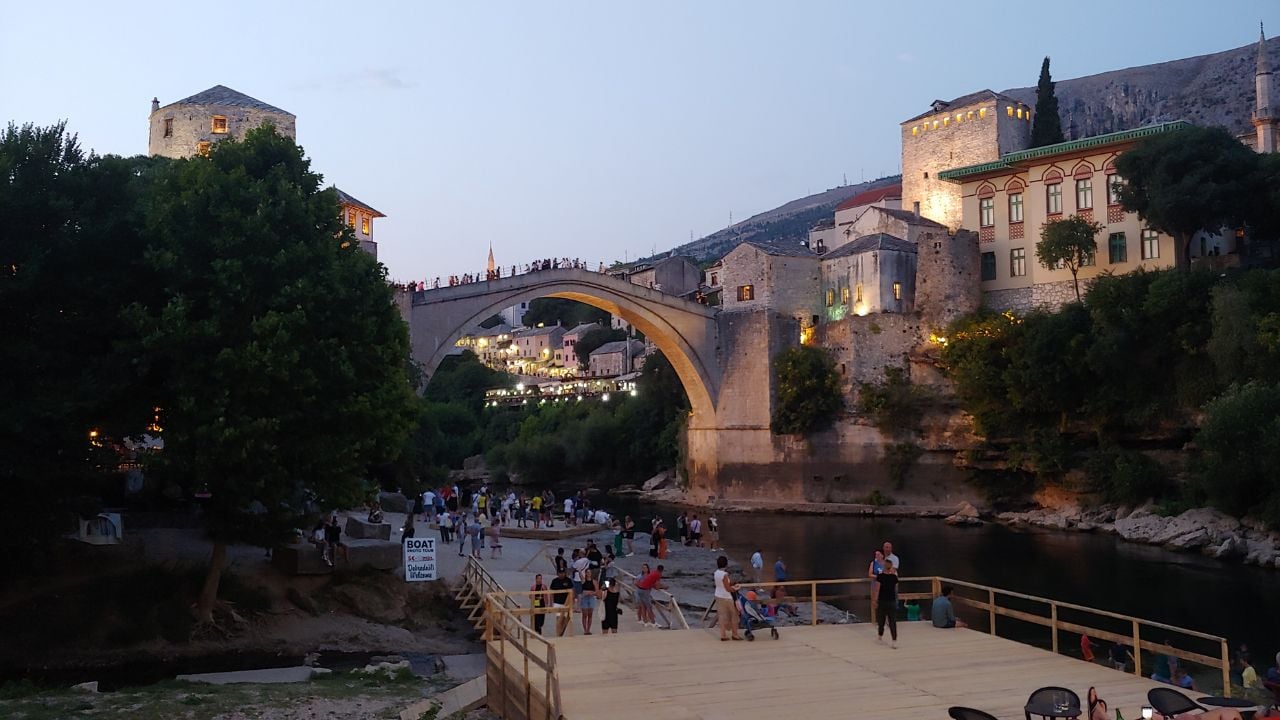
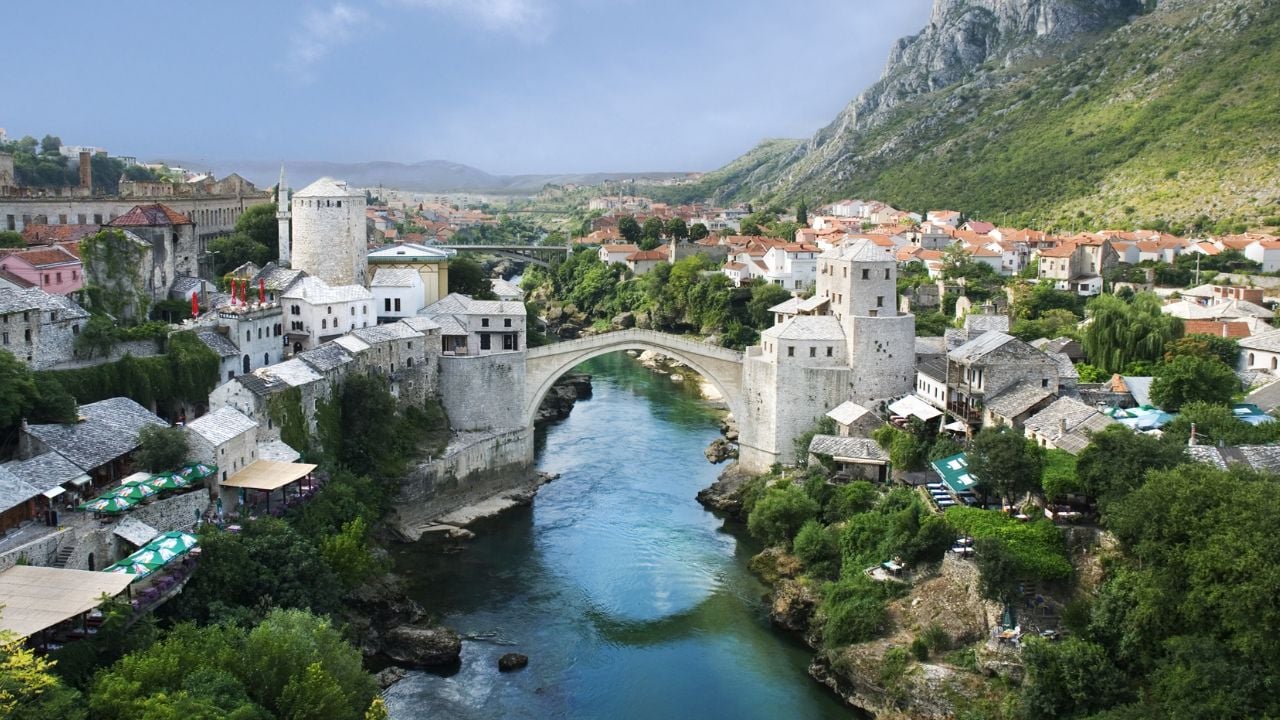
Some of the most moving bridges are inseparable from the stories they have survived. The Old Bridge in Mostar, known locally as Stari Most, was built between 1557 and 1566, its stone arch rising above the Neretva River for more than four centuries.
It was destroyed in 1993 during the war in Bosnia and Herzegovina, then rebuilt in the early 21st century with international support. Today it stands as a symbol of reconciliation as much as a piece of Ottoman-era architecture.
A very different kind of endurance can be found in the living root bridges of Meghalaya in India. The Khasi people guide the roots of fig trees over many years, shaping them into strong crossings that can withstand heavy monsoon seasons.
The double-decker bridge in the village of Nongriat is one of the most famous examples, a rare partnership between human patience and natural growth.
Places Where The View Is The Main Event
Some bridges feel like front-row seats to the natural world. The Victoria Falls Bridge, completed in 1905, arcs above the Zambezi River gorge and offers dramatic views of Victoria Falls, one of the world’s most famous waterfalls.
For some visitors, it is a quiet walk with mist in the air. For others, it is a launch point for high-adrenaline jumps.
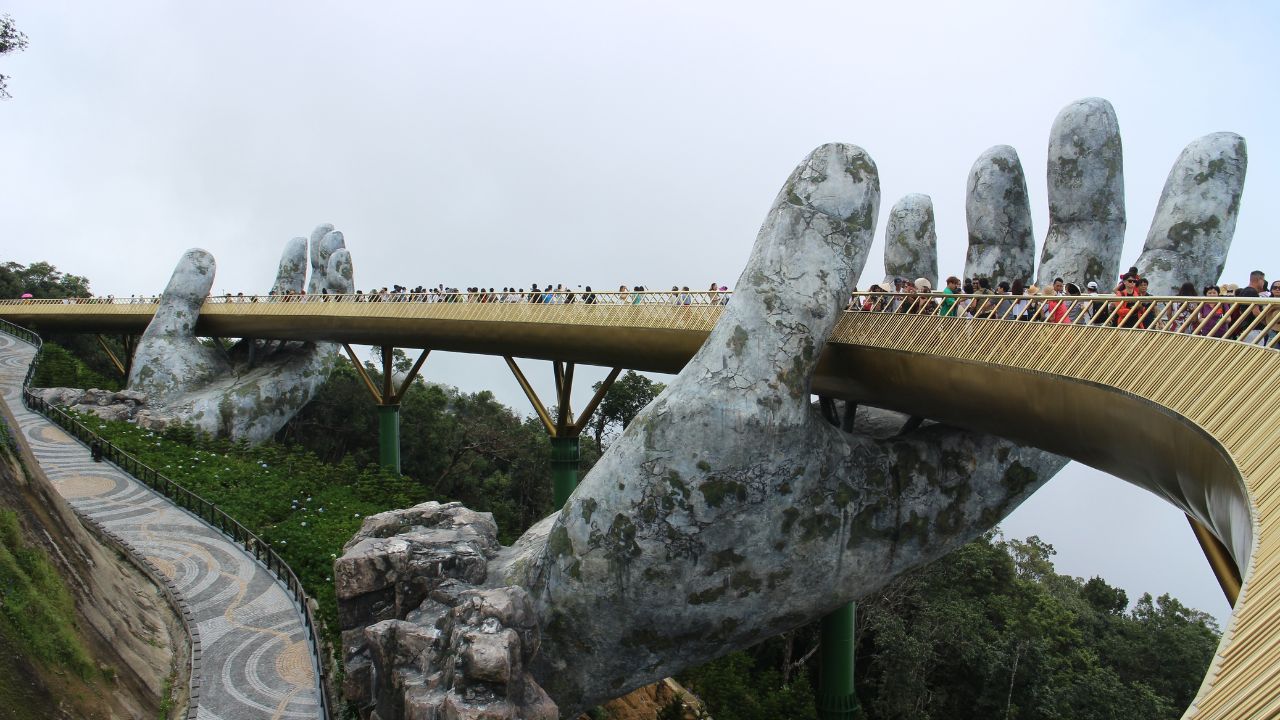
In Vietnam, the Golden Bridge opened in 2018 and instantly became a modern tourism icon. Suspended over the mountain scenery of Ba Na Hills, it appears to be held by enormous stone hands, turning a walkway into a piece of theatrical landscape architecture.
Urban Icons That Define Cities
Some bridges are so closely tied to their cities that they become shorthand for the place itself. The Brooklyn Bridge, completed in the late 19th century, is a permanent presence in New York imagery, from postcards to film scenes, and its sweeping cables still feel bold even among modern towers.
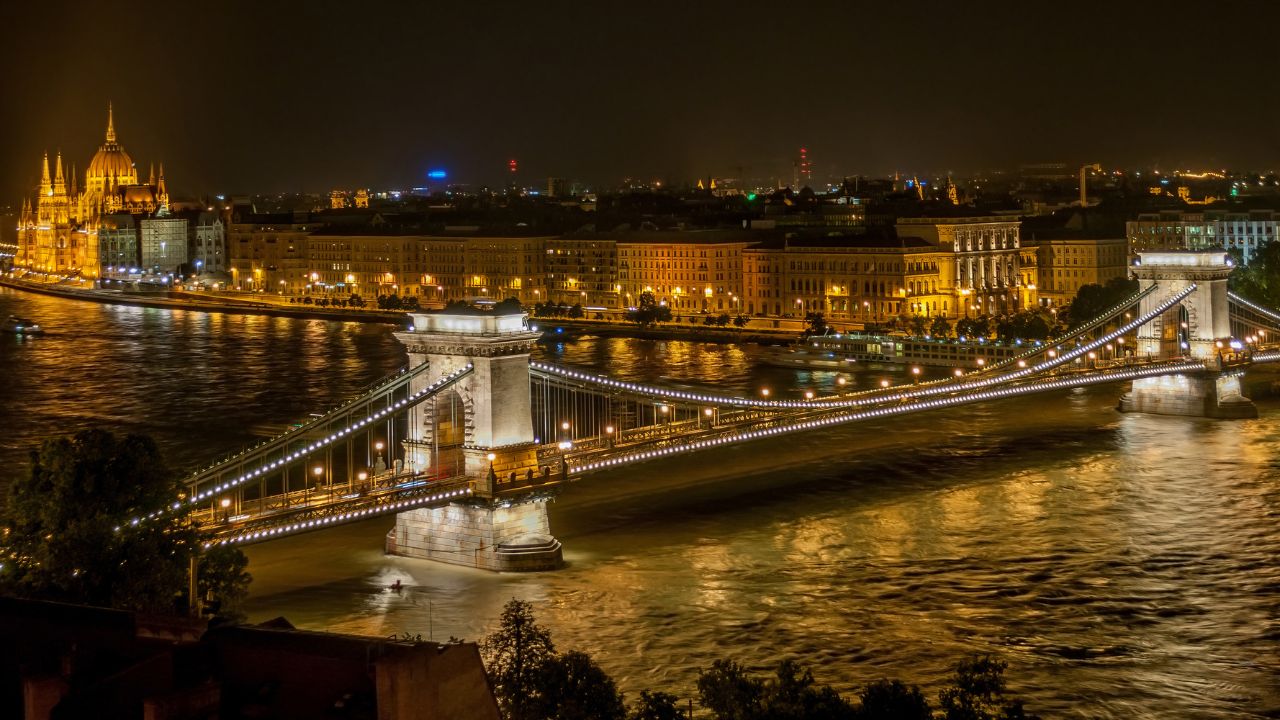
In Budapest, the Széchenyi Chain Bridge links Buda and Pest with an instantly recognizable silhouette, guarded by stone lions and rebuilt chains that reinforce its historic character. In Sydney, the massive arch of the Sydney Harbour Bridge dominates the waterfront and forms one of the world’s most recognizable panoramas when paired with the Sydney Opera House.
Bridges That Double As Social Spaces And Art
In Isfahan, Iran, the Allahverdi Khan Bridge, widely known as Si-o-se-pol, stretches across the river with thirty-three arches. It is both an architectural statement and a public gathering place, a bridge designed not only for movement but also for lingering.
In Lucerne, Switzerland, the Kapellbrücke is a wooden covered bridge with origins reaching back nearly seven centuries. Despite fire and flooding, it remains a defining symbol of the city.
Norway offers a contemporary twist in The Twist at the Kistefos Sculpture Park. It blurs the boundary between bridge and museum, turning the crossing itself into a curated experience that is as much about what you see inside as the landscape outside.
Rainforest Crossings And Canopy Walks
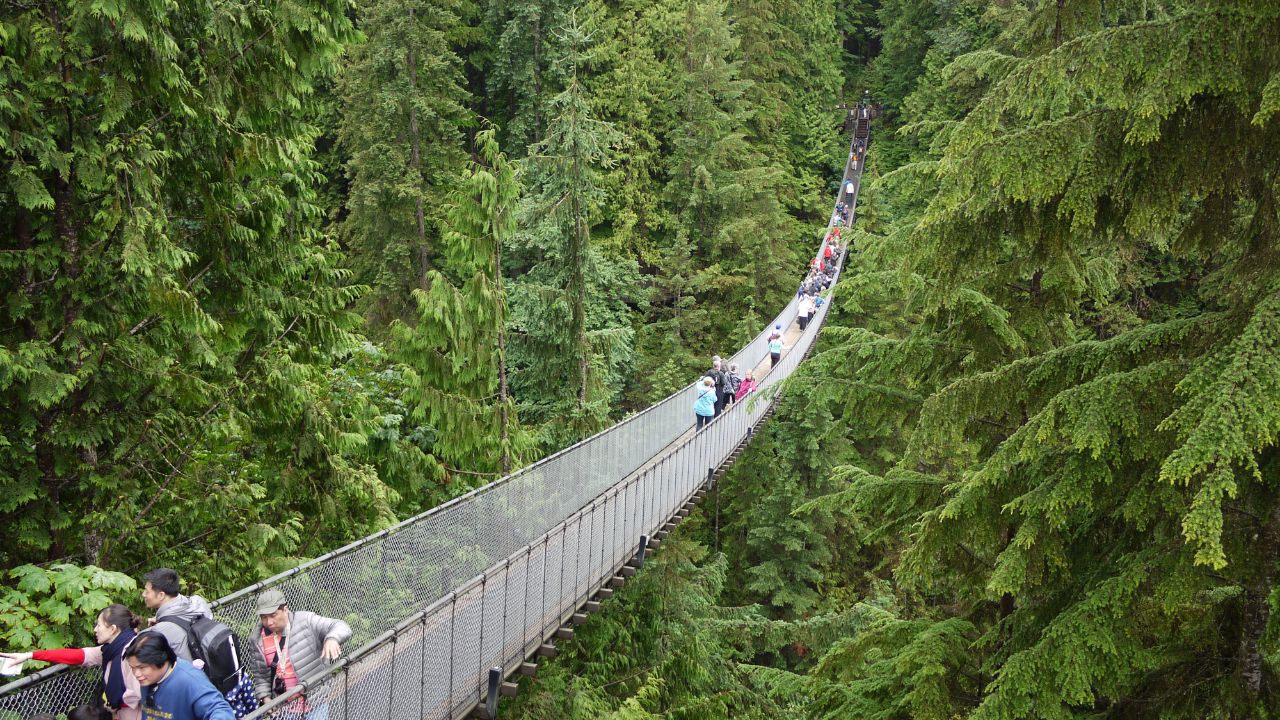
In Canada, the Capilano Suspension Bridge delivers a dramatic walk above a temperate rainforest, combining modern engineering with a long history of crossings in the region. In Costa Rica, the Mistico hanging bridges near Arenal guide visitors through the canopy, offering a rare perspective on rainforest life with volcano views in the distance.
Singapore’s Helix Bridge brings science into the design language. Its structure echoes the shape of DNA, and at night illuminated letters c, g, a, and t emphasize the link between engineering, biology, and visual identity.
Bridges Shaped By Politics And Preservation
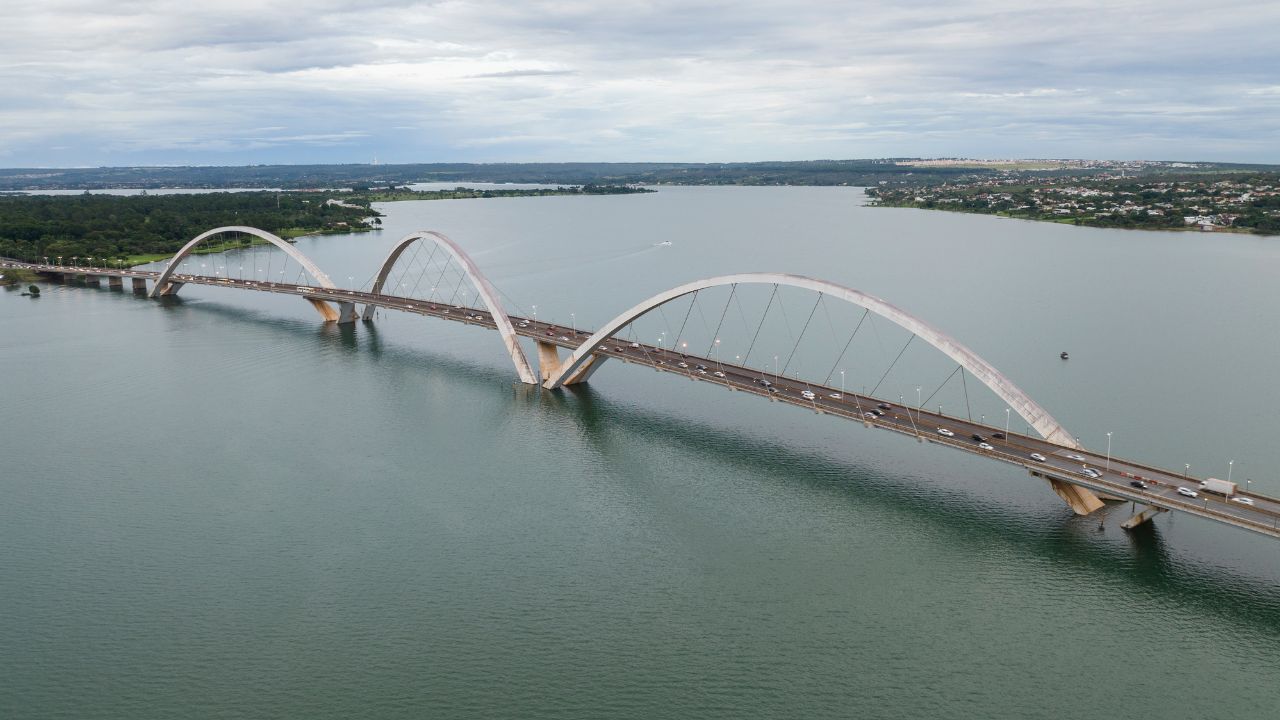
Some bridges carry the imprint of national ambition. The Juscelino Kubitschek Bridge in Brasília is sleek and modern, named for the president associated with moving Brazil’s capital into the country’s interior.
In Prague, the Vytoň Bridge, less famous internationally than Charles Bridge, became a flashpoint for debates about preservation and heritage, and in September 2025, officials decided it would be preserved and reconstructed rather than replaced. It is a reminder that bridges are often central to a city’s identity and that replacing them can feel like rewriting history.
Traditions That Are Rebuilt Every Year
A few bridges are not only maintained but also recreated. The Q’eswachaka rope bridge in the Peruvian Andes are rebuilt annually using an Inca-era technique. The process is a three-day ritual that involves the entire community, turning infrastructure into living tradition.
In West Virginia, the New River Gorge Bridge is known for its breathtaking span and the spectacle of Bridge Day, when the structure becomes a stage for controlled jumps into the gorge below. In southern China, the Xianren Bridge offers a final reminder that nature can build its own masterpieces, a limestone arch formed by erosion that functions like a bridge without any human blueprint.
Why These Bridges Matter
From stone arches and steel spans to living roots and natural rock formations, bridges are more than ways to cross obstacles. They represent connection, resilience, and imagination. Each one reflects its time, its technology, and its culture. Wherever they stand, bridges remain places where people, landscapes, and ideas meet, and that is what makes them unforgettable.
This article originally appeared on Autorepublika.com and has been republished with permission by Guessing Headlights. AI-assisted translation was used, followed by human editing and review.