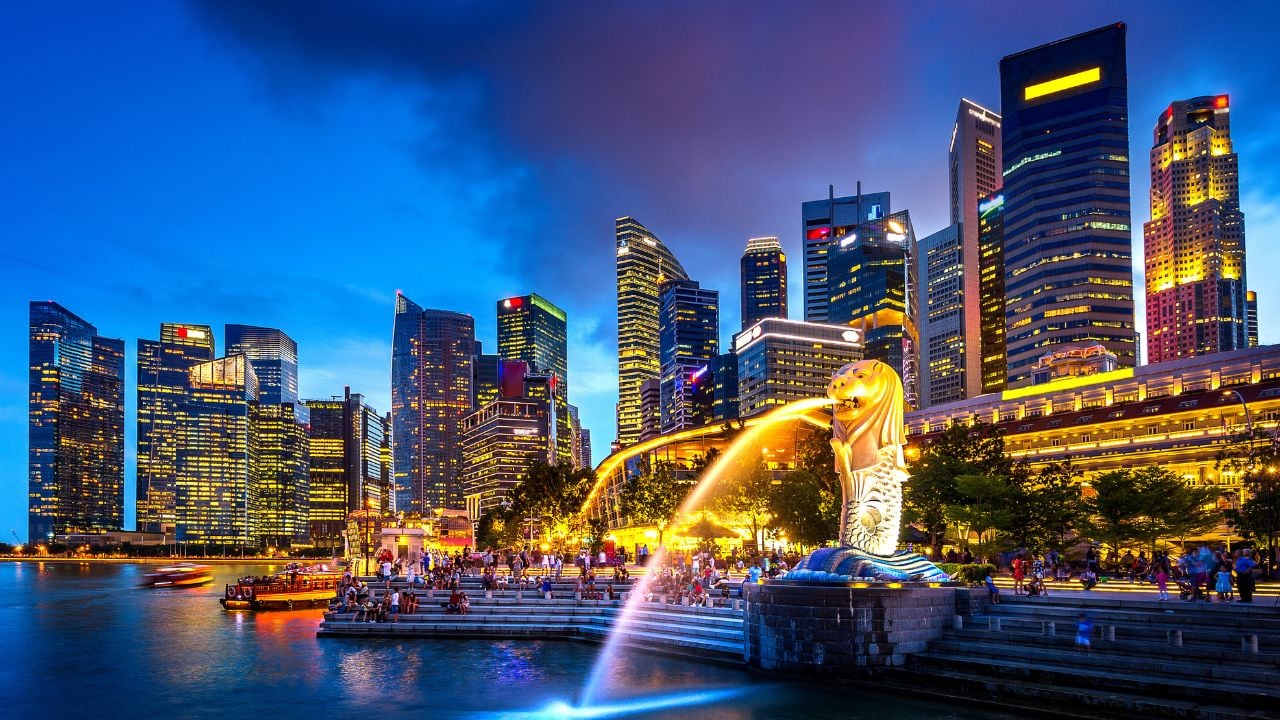
Three days in Singapore can feel smooth if the plan respects the heat. The morning is when the city is easiest to walk: pavements are still warming, coffee shops are opening, and the first trains move people toward offices, markets, gardens, and schools. By afternoon, shade, air-conditioning, and food stops matter as much as any attraction.
The city rewards that kind of timing. Start early in a garden or neighborhood, step indoors when the heat thickens, and save the water, lights, and long meals for evening. A short MRT ride can move the day from glass towers to shophouse streets, from a hawker center to a river walk, or from a cooled conservatory to a skyline view without needing a car.
A central base near City Hall, Bugis, Chinatown, or Marina Bay keeps the first visit easier. Singapore’s Land Transport Authority provides MRT and LRT rail network information, and its journey-planning tools help visitors connect major areas without building the day around taxis.
Seventy-two hours will not show everything, but it can give the trip a clear shape: Marina Bay’s gardens and night lights, Chinatown’s food counters, Kampong Gelam’s color and shopfronts, the Singapore River after the worst heat has passed, and one final meal under the ironwork of Lau Pa Sat.
1. Day One: Gardens by the Bay, Marina Bay, and a Skyline First Night
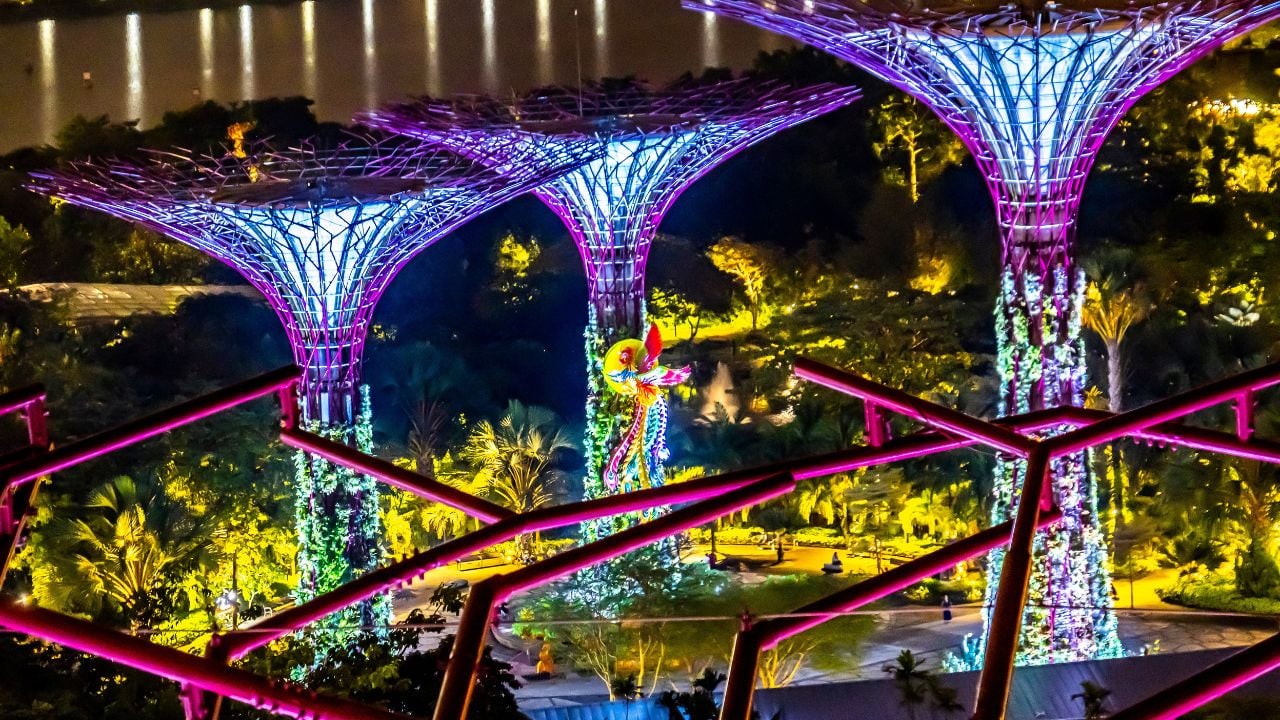
Start at Gardens by the Bay when the city still feels fresh. The paths open toward the Supertrees, the towers of Marina Bay rise behind the gardens, and the planted walkways give the first day a softer landing than going straight into traffic and shopping streets.
The official Gardens by the Bay site highlights unusual plants from around the world in the cooled conservatories and the OCBC Skyway, a 128-meter aerial walkway suspended 22 meters above ground between two Supertrees. Those details matter in Singapore’s heat: if the air outside starts to feel heavy, the conservatories keep the day moving without forcing another long outdoor walk.
Move slowly between the indoor and outdoor parts. In the conservatories, glass, mist, flowers, and cool air make the city feel suddenly distant. Outside, the Supertrees bring the scale back again, especially when the light begins to drop and their trunks stand darker against the skyline.
Stay around Marina Bay for the first evening. Walk the water’s edge as the towers brighten, then let dinner stay nearby instead of crossing the city too soon. The first night can be simple: reflections on the bay, warm air coming off the water, people stopping for photos, and the skyline sharpening as the sky turns black.
2. Day Two: Chinatown, Hawker Centers, and Colorful Neighborhoods
Begin day two in Chinatown before the heat turns the streets heavy. The shophouses are close together, signs hang over the walkways, temple doors open into pockets of incense and shade, and the morning crowd moves between breakfast, errands, and early food stalls.
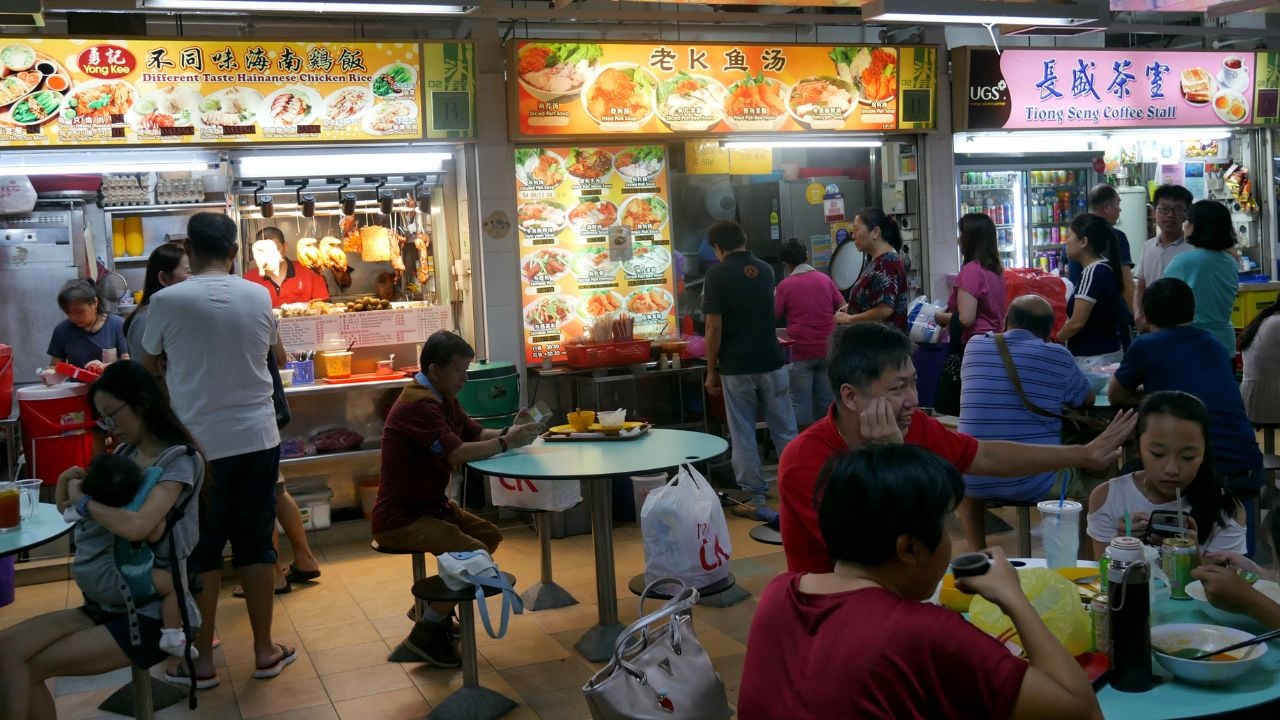
Lunch should happen at a hawker center, not as a rushed break between sights. Singapore’s National Heritage Board notes that hawker culture in Singapore was officially inscribed on UNESCO’s Representative List of the Intangible Cultural Heritage of Humanity on December 16, 2020. That heritage is visible at table level: trays sliding onto plastic tables, steam rising from bowls, stallholders calling orders, and strangers sharing the same noisy dining space.
Order in small rounds if the group is willing. One person can hold a table while another follows the smell of noodles or grilled meat. A drink stall becomes necessary faster than expected in the humidity. The meal works best when no one tries to make it too neat; Singapore’s hawker centers are busy, practical, and deeply social.
After lunch, move toward Kampong Gelam for a different afternoon texture. Visit Singapore describes the area through Haji Lane, Arab Street, cultural heritage, local food, and its Arab quarter identity. Walk it slowly: a mural appears around a corner, fabric shops spill color toward the pavement, and a café door opens just when the heat starts pressing again.
3. Day Three: Singapore River, Lau Pa Sat, and One Last Big View
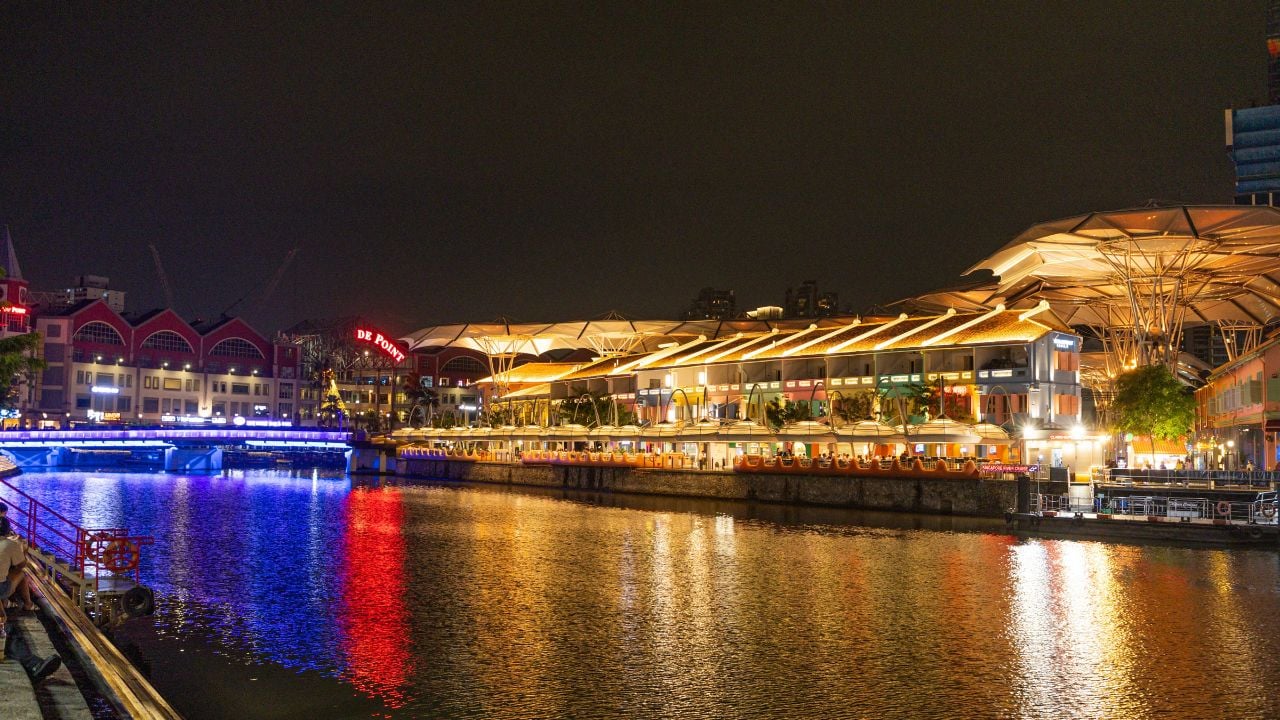
The final day should return to water, but not in the same way as Marina Bay. Start around Clarke Quay or Boat Quay, where the river sits lower and narrower, with bridges, restaurants, old trading history, and glass towers close enough to appear in the same view.
Walk a comfortable stretch of the Singapore River toward Marina Bay when the morning or late afternoon is bearable. If the sun is too strong, use the boat instead. Singapore River Cruise lists Boat Quay, Clarke Quay, and Marina Bay among its route highlights, so the ride can turn the river into a seated break rather than another hot pavement walk.
By evening, head toward Lau Pa Sat. Its official site describes it as Singapore’s only hawker market under a gazetted national monument. The building changes the last meal before the food even arrives: iron columns, a high roof, busy tables, office workers loosening after the day, visitors circling stalls, and the smell of satay drifting in when the outdoor grills are running.
Arrive hungry and walk once around before choosing. The final night should have movement in it: a tray in hand, a table found at the right moment, sauce on the plate, cold drink sweating in the heat, and one last walk or short ride back toward Marina Bay when the skyline is lit again. Three days have only scratched Singapore, but they can leave behind gardens, hawker smoke, river light, and the feeling that the city runs best when the day follows the weather instead of fighting it.