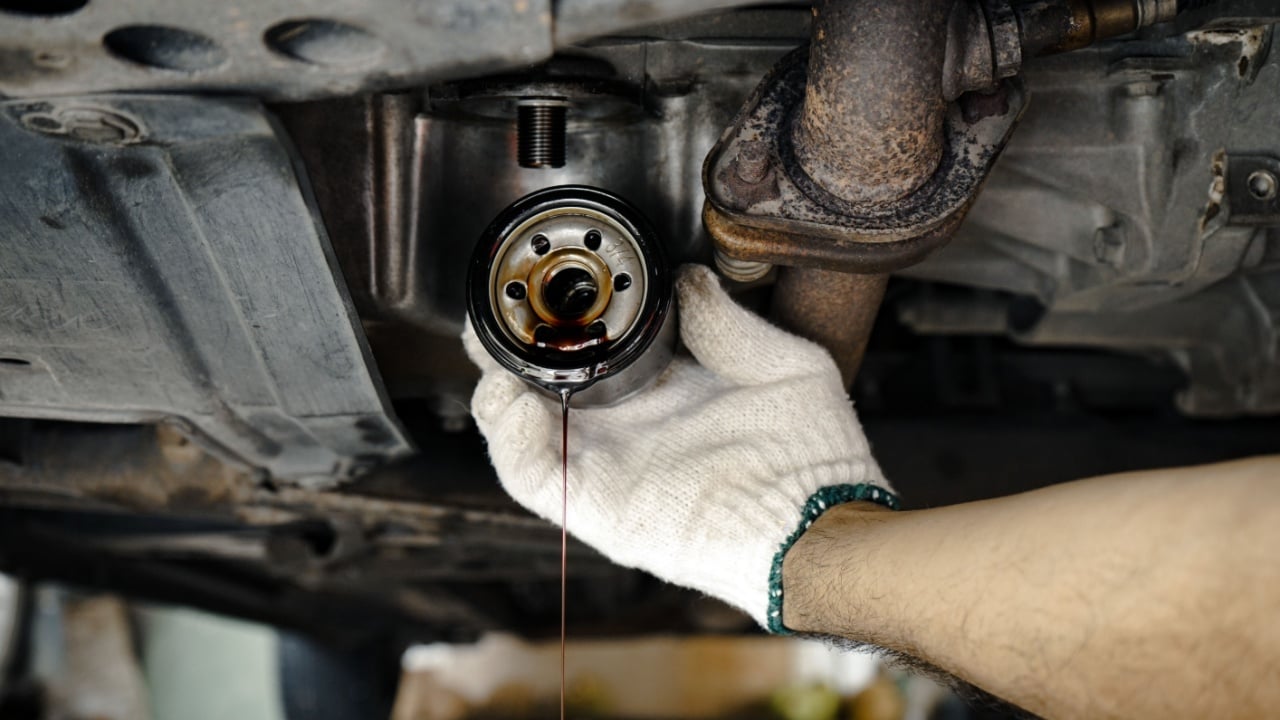
Changing your vehicle’s oil filter can often lead to messy spills, making the task more frustrating than it needs to be. However, a simple and effective hack can help keep things clean: Using a plastic cup to catch any overflow.
This method was shared in a short-form video by My Motor World UK (also posted on their social channels), and it involves placing a plastic cup over the filter while unscrewing it. As the oil begins to leak out, the cup captures it, reducing drips that would otherwise reach the engine or the floor. It’s a straightforward trick that can make DIY oil changes much tidier. This works best on vertical spin-on filters where there’s enough clearance to fit a cup over the filter.
Alternative Techniques to Reduce Oil Spills

While the plastic cup method works well, other techniques can also minimize spills. Some mechanics and DIYers recommend using a plastic bag instead, slipping it over the oil filter before loosening it. The bag catches any leaking oil, reducing the chance of a mess.
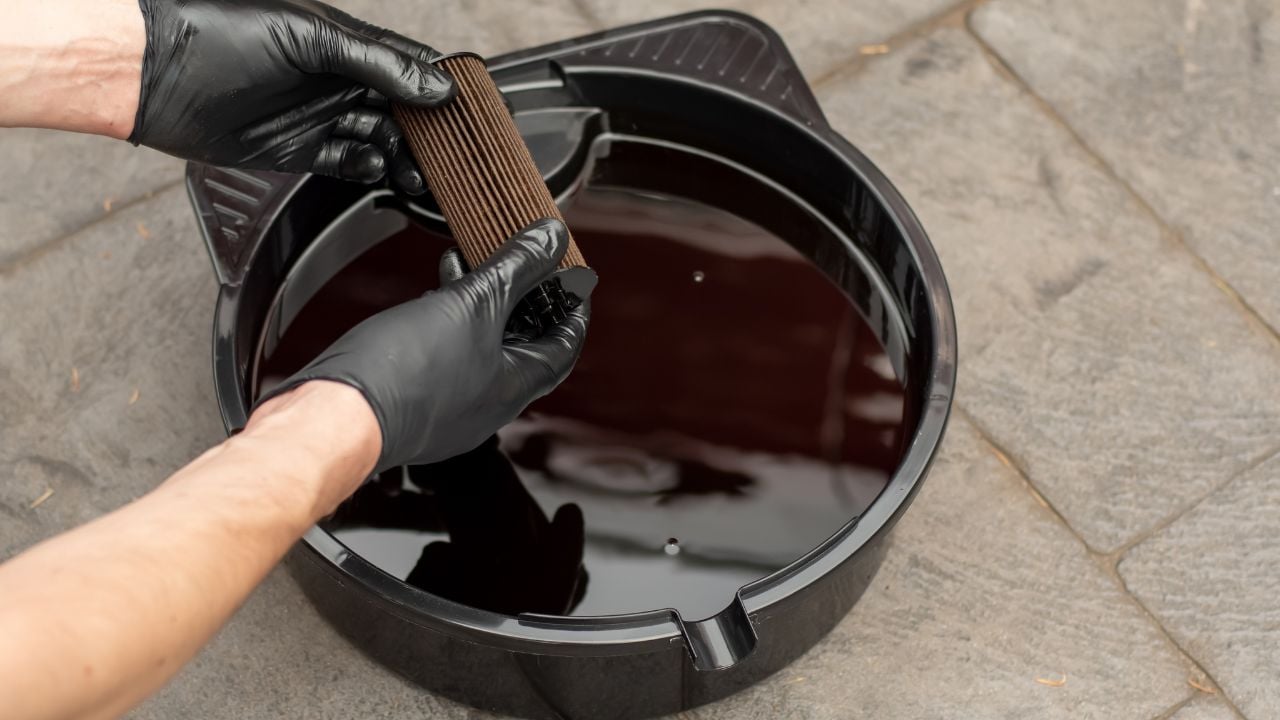
Another ‘drain first’ approach is to loosen the filter slightly and let it drip into your drain pan before removing it completely. Separately, many recycling/disposal guidelines describe puncturing and hot-draining a removed oil filter to get the remaining oil out before recycling the filter as scrap metal. These techniques are widely shared among DIYers, and they can help reduce mess depending on the filter style and location.
Important Considerations for a Cleaner Oil Change
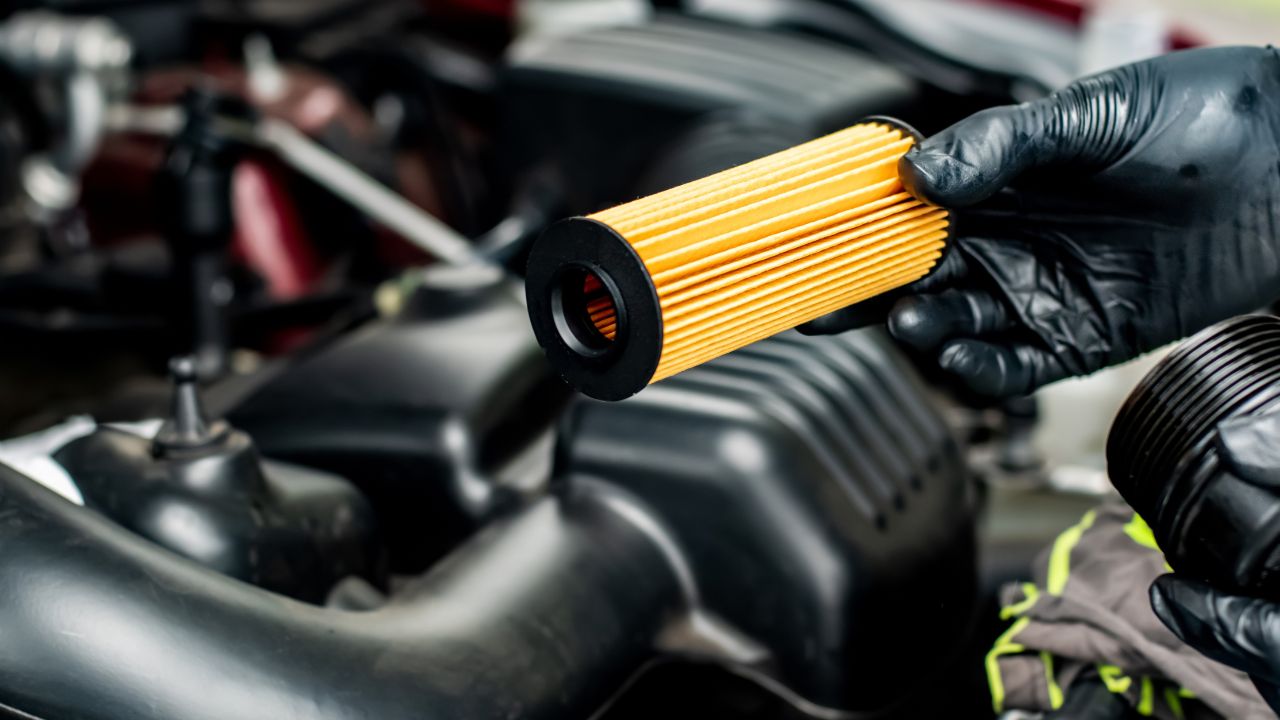
When using any of these methods, a few practical considerations can make the process even smoother. First, the effectiveness of these tricks depends on your car’s oil filter position. Some vehicles have filters in awkward locations where extra precautions may be needed. Second, let the engine cool enough to avoid burns (for example, some guides recommend waiting at least ~20 minutes after driving), and always use gloves and caution around hot components. Finally, remember to dispose of used oil and filters properly, following local environmental regulations.
Many guidelines recommend draining oil filters (often by puncturing and ‘hot-draining’) before recycling them as scrap metal.
The Bottom Line
Incorporating simple tools like a plastic cup or bag into your oil change routine can significantly reduce the mess and frustration. Whether you’re a beginner or a seasoned DIYer, small tricks like these help keep your workspace clean and maintenance hassle-free.
By trying these spill-prevention methods, you can make oil changes quicker, cleaner, and more efficient.