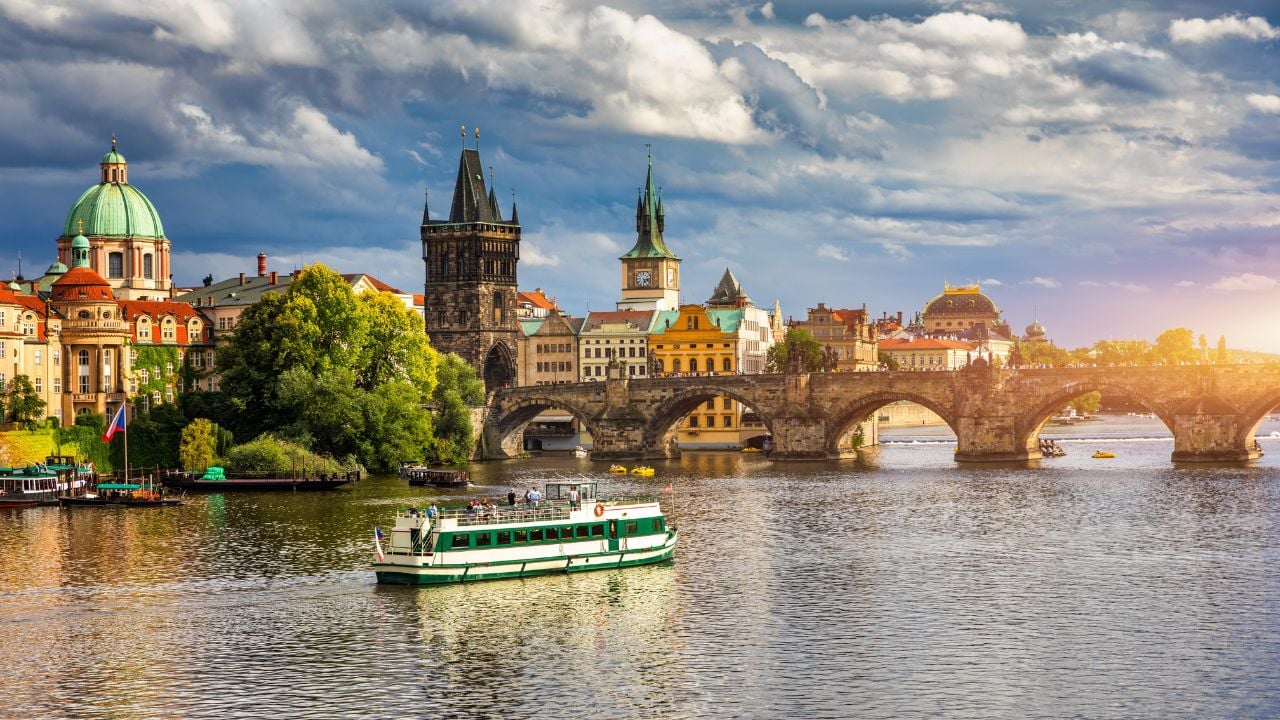
Prague is beautiful even on the obvious route, but the city starts to feel more personal once the weekend moves away from the thickest crowds. Charles Bridge, Old Town Square, and the Castle District can still sit in the background, but they do not need to control every hour.
A three-day visit can begin in neighborhoods where people are buying bread, waiting for trams, meeting friends after work, and sitting over coffee longer than planned. The city appears in pieces: red roofs from a park path, the Vltava beside a market stall, a tram turning into Karlín, or a garden gate opening under Petřín Hill.
Vinohrady, Karlín, Náplavka, Vyšehrad, Letná, Holešovice, Kampa, and Petřín keep Prague’s historic beauty close without forcing the weekend through one crowded corridor. The trip becomes a sequence of streets, tables, bridges, markets, and hilltop pauses instead of a march between landmarks.
Comfortable shoes still matter, because Prague is not flat and the pretty detours can add up. Trams help when the day stretches too far. A loose plan leaves space for a market breakfast, a beer garden view, a quiet island walk, or a final dinner in a neighborhood where the evening belongs to locals as much as visitors.
1. Day One: Start in Vinohrady With Cafés, Parks, and Local Streets
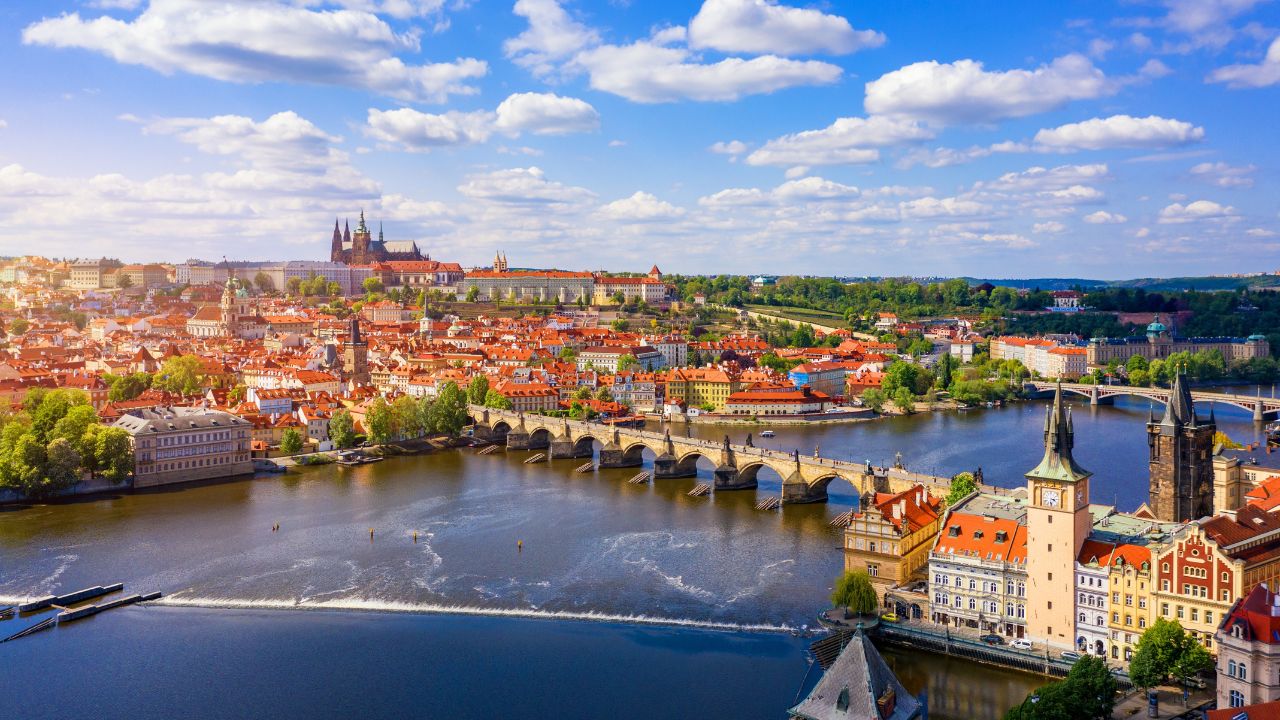
Vinohrady makes a calm first chapter because the neighborhood starts with daily Prague rather than spectacle. Around Jiřího z Poděbrad or Náměstí Míru, trams move past apartment façades, café tables fill slowly, and people step in and out of bakeries without treating the street like a viewpoint.
Prague City Tourism describes Vinohrady and nearby Vršovice as an elegant area on hilly ground east of the historical center, with tree-lined streets, parks with city views, restaurants, wine bars, and cafés. The name Vinohrady also reaches back to vineyards planted under Emperor Charles IV in the 14th century.
Start with coffee, then keep the first walk close to the neighborhood. A side street may lead past carved doorways, old apartment buildings, flower shops, and a corner bakery still pulling people in from the pavement. The neighborhood’s pleasure is not one big sight; it is the way Prague looks when nobody is asking it to perform.
Walk toward Riegrovy Sady later in the day. The climb is gentle enough to keep the mood relaxed, and the view arrives through trees and open grass rather than a crowded terrace. When the skyline appears beyond the park, the spires and rooftops feel like a reward for wandering rather than a stop pulled from a list.
2. Day One Evening: Move to Karlín for Dinner Away From the Old Town Rush
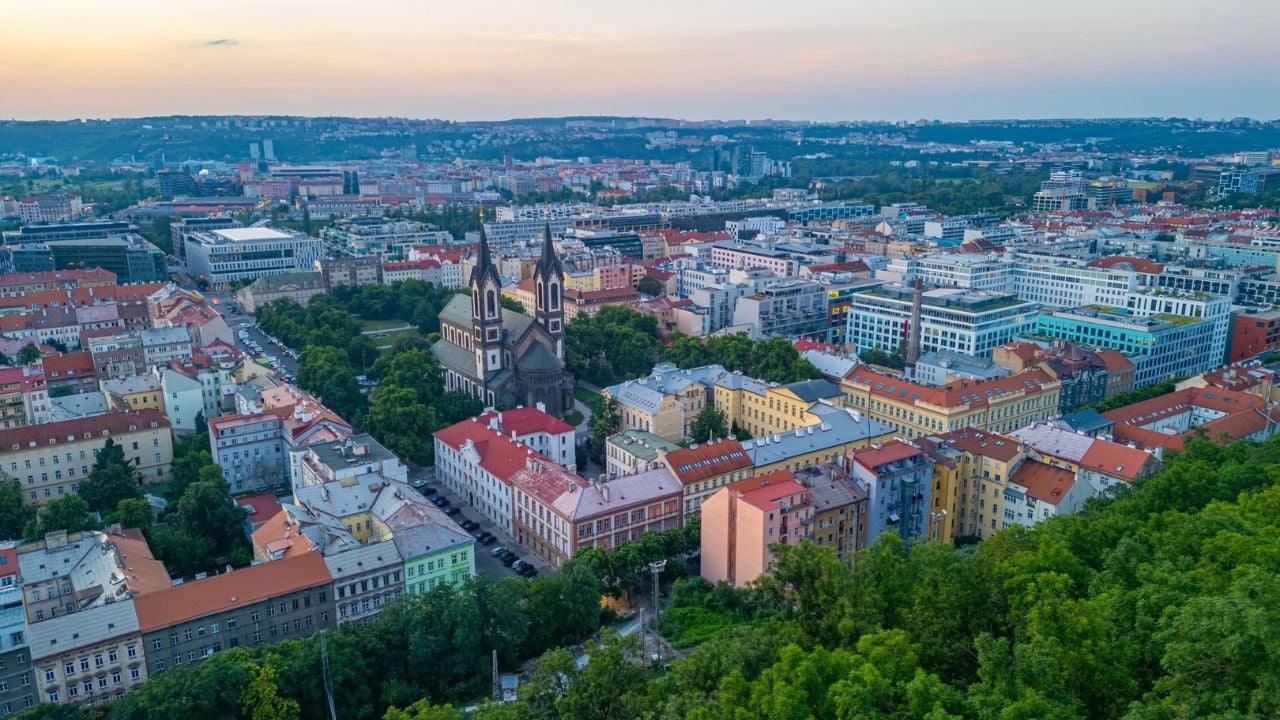
Karlín changes the evening without sending the trip far from the center. Step off the tram or metro and the streets feel wider, cleaner, and more residential than the old core. People are leaving offices, tables outside restaurants are starting to fill, and the neighborhood has the after-work energy of a place used by residents first.
Prague City Tourism calls Karlín a diverse neighborhood with lively streets, café gardens, greenery, and a rebirth shaped by converted brownfields and industrial buildings. That history is visible in the way older blocks sit near renovated spaces and newer restaurants.
Arrive before dinner, walk a few blocks around Karlínské náměstí, and choose a place where the room already has a local sound: cutlery, glasses, conversation, a door opening to the street when another table arrives.
Afterward, walk until the streets quiet down or stop for a drink nearby. Karlín leaves day one with a different kind of Prague in mind: trams, renovated façades, warm restaurant windows, and a neighborhood that keeps moving after the office lights go off.
3. Day Two Morning: Use Náplavka and Vyšehrad for Food and River Views
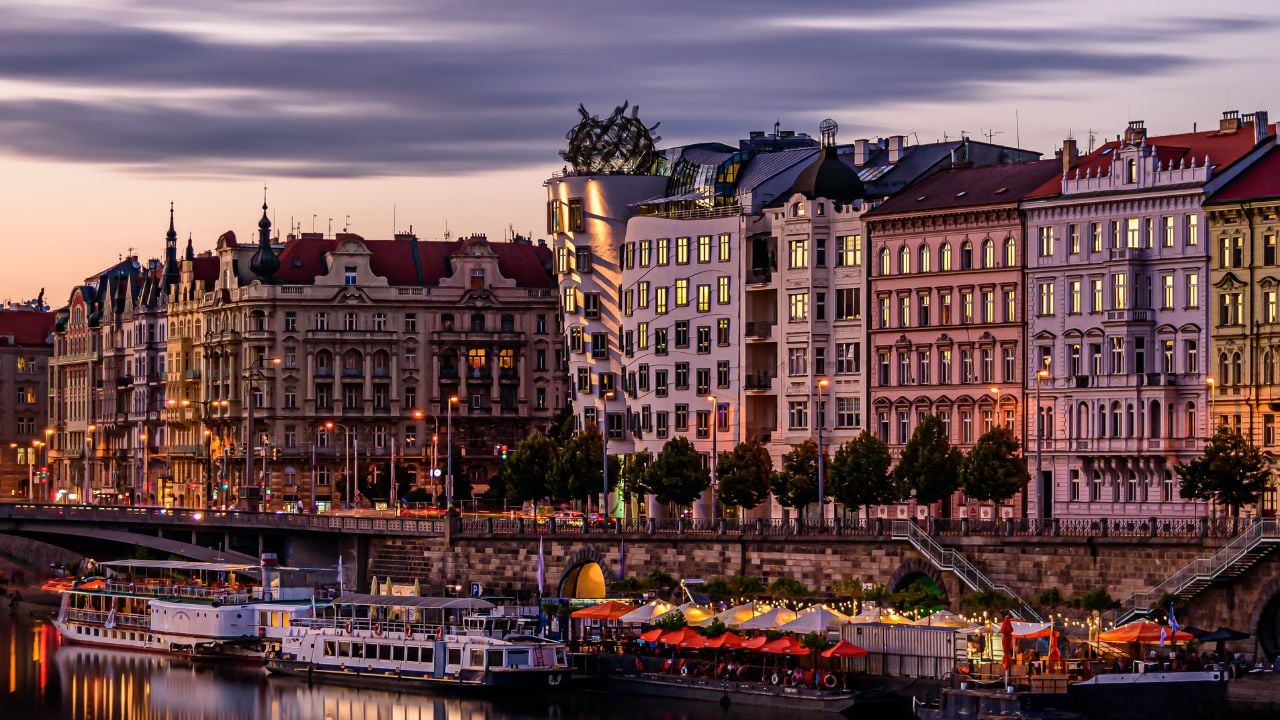
If the trip includes a Saturday, start by the river. At Náplavka Farmers’ Market, Prague City Tourism says shoppers find seasonal produce, pastries, mushrooms, fresh fish, cheeses, eggs, and handicrafts along the Vltava. The market sits close to the water, so breakfast can come with river movement rather than another indoor café.
Arrive hungry and watch the morning unfold before choosing too quickly. A vendor hands over bread or pastry, someone balances coffee while looking for a place to stand, and the river keeps sliding past the stone embankment beside the stalls. When the sun is out, people linger at the edge longer than they intended.
From the river, continue toward Vyšehrad when the market crowd starts to thicken. The climb brings Prague into a different register. The streets open, the old fortress area appears above the Vltava, and the city below starts to look quieter from the walls.
At Vyšehrad, take time with the paths instead of treating the stop as only a viewpoint. The Rotunda of St. Martin, the Church of Sts. Peter and Paul, Slavín cemetery, and the green spaces around the fortifications give the morning a slower historic layer after the market’s noise. The river stays in view, but from here it looks less busy and more distant.
4. Day Two Afternoon: Cross Into Letná and Holešovice for Parks, Markets, and Culture
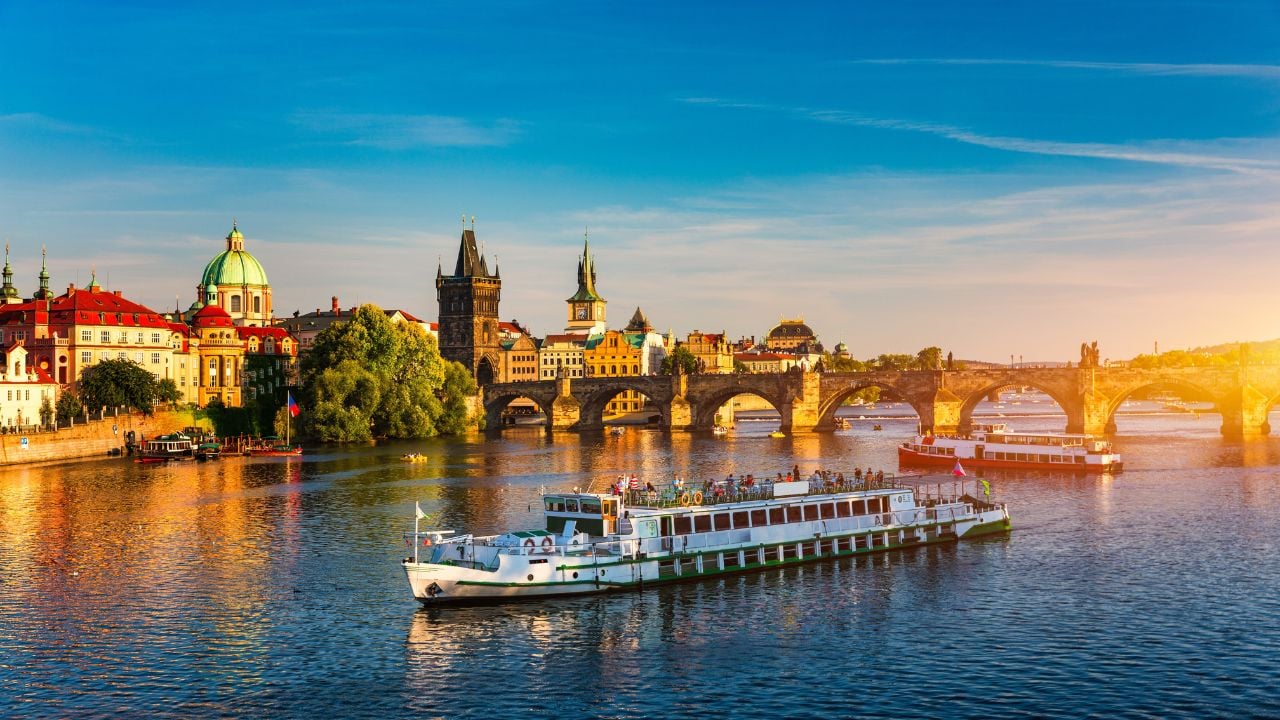
Letná puts Prague across the river in one of its best angles. Walk up when there is still light on the rooftops, and the bridges begin to line up below. People pass with dogs, skateboards, strollers, and takeaway drinks, but the city view keeps pulling everyone toward the railings.
The Hanavský Pavilion is one of the clearest markers in the park. Prague City Tourism says it was built for the Prague Jubilee Exhibition in 1891 as the representative pavilion of the Komárov Ironworks, became the first cast-iron structure in Prague, and now has one of the city’s most beautiful panoramic views of the bridges.
After Letná, continue toward Holešovice if the afternoon still has energy. The shift is noticeable: fewer fairy-tale façades, more working-city texture, wider streets, galleries, cafés, and market buildings where Prague feels less polished but more current.
The Market in Holešovice is Prague’s largest year-round marketplace, and Prague City Tourism says Hall No. 22 has more than 80 vendors. Walk through slowly if it is open: shoppers compare produce, vendors call across stalls, and the smell changes from fruit to bread to cooked food as the hall moves through the day.
5. Day Three Morning: Find the Softer Side of Malá Strana, Kampa, and Petřín
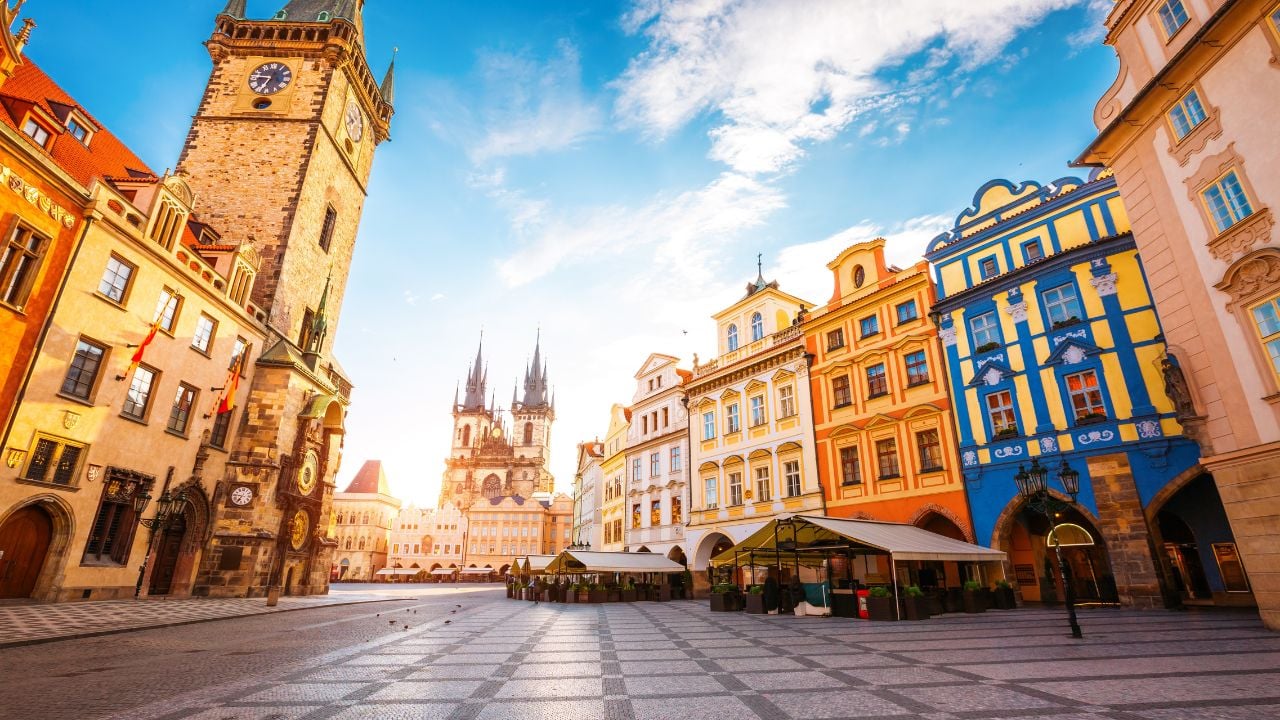
Kampa is close to Prague’s most famous route, but early in the day it can still feel surprisingly private. Water moves along Čertovka, the lanes stay quieter before the larger crowds arrive, and the island’s grassy edges make the city feel softer than the streets around Charles Bridge.
Prague City Tourism notes that from the bridge over Čertovka, visitors can see the large maintained mill wheel of the former Grand Priory Mill, which stood there as early as 1400. That small detail gives the walk something physical to hold onto: water, wood, stone, and the old machinery of a city built around the river.
From Kampa, move toward Petřín if the weather is kind. The hill starts gently enough, then the city drops lower behind the trees. A bench, a shaded path, or a break in the branches can interrupt the walk before any official viewpoint does.
Prague City Tourism describes Petřín Hill as one of the city’s largest urban green areas, with the Rose Garden, Nebozízek Garden, and Seminary Garden with more than 2,100 fruit trees. The Petřín funicular is currently suspended for reconstruction, with trial operation with passengers expected around the turn of summer and autumn 2026, according to Prague Public Transit Company, so plan the hill as a walk unless current service updates say otherwise.
6. Day Three Afternoon and Evening: End With One Last Great Meal, Not One Last Checklist
The last afternoon should not become a rescue mission for everything missed. Prague punishes that kind of ending. A visitor starts crossing the river too many times, checking transit instead of windows, and turning beautiful streets into errands.
Choose the neighborhood that matched the trip best. Return to Vinohrady for a slower dinner after a café stop. Go back to Karlín if the first evening felt too short. Stay near Malá Strana if the day around Kampa and Petřín has already settled into old streets, lamps, and river crossings.
Arrive for dinner before the room is full. A server carries beer through a narrow aisle, friends lean over a table after work, someone steps outside for air and returns to a half-finished plate, and evening light holds in the window longer than expected.
That final scene says more than another rushed square would. Food, conversation, glassware on the table, and a street waiting outside can close the weekend with the feeling that Prague still has quieter corners left for another trip.