
The SUV market is in the middle of a fascinating transformation, and honestly, we’re living in one of the most exciting times to be shopping for a big, capable family hauler. On one side, you’ve got gas-powered SUVs that have been refined over decades into incredibly capable machines. On the other, electric SUVs are bringing instant torque, futuristic tech, and that addictive silent acceleration that makes every grocery run feel like a spaceship launch.
The question isn’t really which technology is “better” in some absolute sense, but rather which one fits your driving style, budget, and daily reality. Let’s pit some heavyweight contenders against each other and see how these matchups shake out in the real world.
Gas: Toyota Highlander
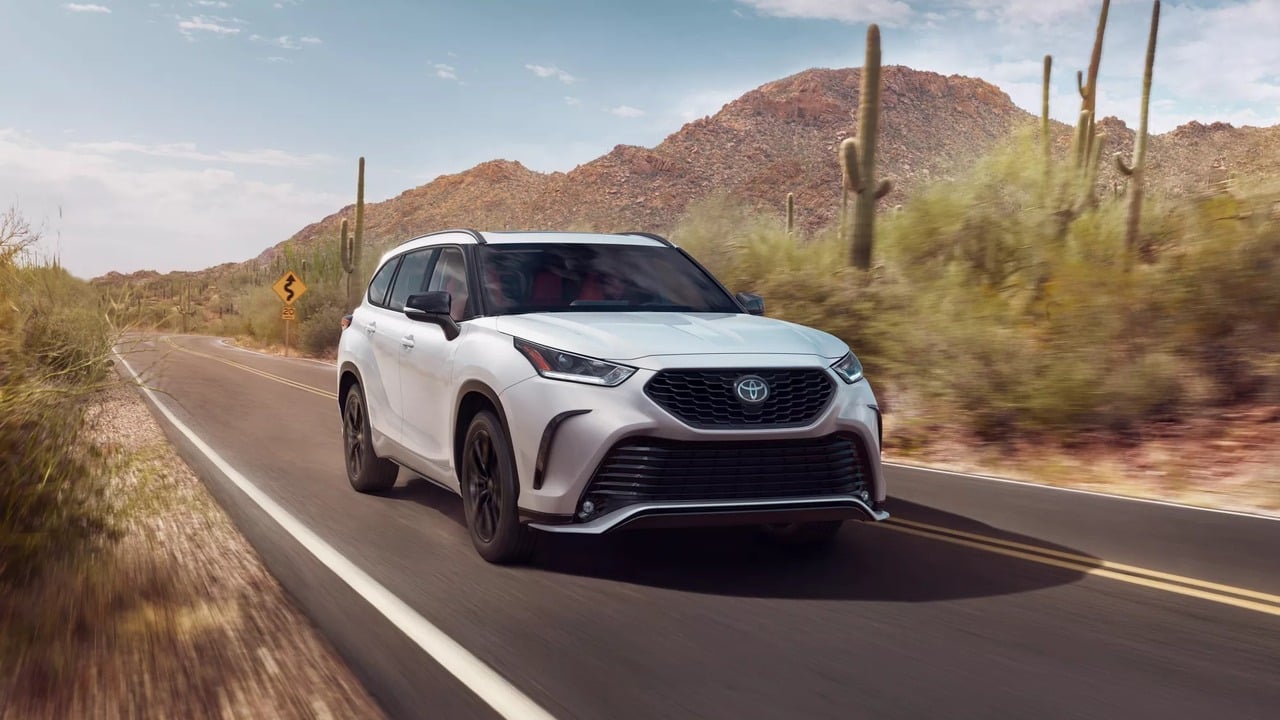
The Toyota Highlander is basically the SUV equivalent of that reliable friend who always shows up on time and never causes drama. With seating for up to eight, a proven 2.4-liter I4 engine producing 265 horsepower, and Toyota’s legendary reliability, it’s easy to see why these things are everywhere.
The Highlander delivers around 23 mpg combined, which isn’t setting any efficiency records but is respectable for a vehicle this size. What really sets it apart is the sheer predictability: you know exactly what you’re getting, parts and service are available everywhere, and it’ll probably outlast your mortgage.
It’s the sensible choice that somehow doesn’t feel boring, especially when you’re loading up all three rows for a road trip without range anxiety in sight.
Electric: Tesla Model X

The Model X is what happens when Silicon Valley decides to build an SUV, and the result is polarizing in the best way. With up to 1,020 horsepower in the Plaid variant and a 0-60 time that can embarrass sports cars, this isn’t your typical family hauler.
Range sits around 335 miles on the Long Range model, and those falcon-wing doors are either the coolest thing you’ve ever seen or a solution searching for a problem, depending on who you ask. The minimalist interior dominated by that massive touchscreen definitely takes some adjustment if you’re used to traditional buttons and knobs.
What’s undeniable is the performance: the instant torque delivery makes merging and passing feel effortless, and the Supercharger network remains the gold standard for EV charging infrastructure.
Verdict: Toyota Highlander

For most families, the Highlander edges out the Model X based on practicality and value proposition alone. While the Tesla offers thrilling performance and cutting-edge tech, the Highlander costs significantly less (starting around $37,000 versus $80,000+), never needs charging planning for road trips, and offers a more traditional SUV experience that many buyers prefer.
The Model X is incredible if you want to make a statement and have the charging infrastructure to support it, but the Highlander just makes more sense for more people. Sometimes the most exciting choice isn’t the most practical one, and there’s real value in knowing you can fuel up anywhere in five minutes and keep rolling for another 500 miles.
Gas: Jeep Grand Cherokee

The Grand Cherokee has been the thinking person’s SUV for years now, combining genuine off-road capability with enough luxury to make daily driving a pleasure. For pure gasoline power Jeep offers a solid 3.6-liter V6 puts out 293 horsepower, which delivers a decent power for a vehicle that starts 4,200 lbs at its lightest trim.
Fuel economy hovers around 21 mpg combined, and the available Quadra-Drive II four-wheel-drive system means you can actually take this thing on trails that would make crossovers cry. The interior feels genuinely upscale, especially in higher trims, and the ride quality strikes a nice balance between comfort and capability.
It’s one of those rare vehicles that doesn’t force you to choose between being practical and being fun, which is exactly what an SUV should be.
Electric: Rivian R1S

Rivian burst onto the scene with the R1S, and car enthusiasts immediately recognized something special was happening. With quad-motor variants producing up to 835 horsepower and genuinely impressive off-road credentials, this EV can tackle trails while also delivering that silent, instant acceleration EVs are known for.
Range tops out around 330 miles depending on configuration, and the interior strikes a nice balance between tech-forward and functional, avoiding the “everything on a touchscreen” trap that plagues some EVs.
Starting around $78,000, it’s definitely a premium purchase, but you’re getting capability that spans from mall parking to mountain passes.
Verdict: Rivian R1S

This one’s closer than you might think, but the R1S takes it for anyone prioritizing performance and environmental considerations. Yes, the Grand Cherokee costs less and offers that V8 soundtrack some drivers crave, but the Rivian delivers superior acceleration, comparable off-road capability, and dramatically lower operating costs.
The instant torque from those electric motors actually provides better rock-crawling control than traditional powertrains. If you’ve got the budget and your adventures typically stay within a few hundred miles of home, the R1S represents the future of overland vehicles without sacrificing the capability that made the Grand Cherokee legendary.
Gas: Mazda CX-90

Mazda’s CX-90 proves that not every three-row SUV needs to feel like a minivan in disguise. The turbocharged inline-six engine produces 340 horsepower and pairs with a smooth eight-speed automatic, delivering both power and refinement.
Fuel economy comes in around 23 mpg combined, and the handling is genuinely engaging for a vehicle this size — Mazda hasn’t forgotten its “zoom-zoom” roots. Inside, the materials and build quality punch above the segment average, with real attention paid to how everything looks and feels.
Starting around $40,000, it represents solid value for buyers who want something that drives more like a sport sedan than a school bus, while still accommodating seven passengers when needed.
Electric: Kia EV9

The EV9 is Kia’s bold statement that electric three-row SUVs can be both practical and affordable (relatively speaking, anyway). With up to 379 horsepower in dual-motor configurations and around 300 miles of range, it covers the basics admirably.
What really impresses is the interior space and thoughtful design: the flat floor that comes from not having a transmission tunnel means more room for passengers and cargo. Starting around $55,000, it’s positioned as a more accessible alternative to pricier electric SUVs.
The styling is distinctive without being weird, and Kia’s impressive warranty coverage provides peace of mind as EV technology continues to evolve.
Verdict: Kia EV9

The EV9 wins this matchup primarily on its forward-thinking design and lower operating costs, though it’s not a landslide. The CX-90 offers more engaging driving dynamics and costs less upfront, but the EV9’s combination of space efficiency, zero-emission operation, and included charging credits makes it the smarter long-term investment for families prioritizing sustainability.
The boxy design also translates to more usable interior volume than the sleeker Mazda. If you can handle the higher entry price and have charging at home, the EV9 represents where three-row SUVs are heading, and it’s already a compelling package today.
Gas: Ford Explorer

The Explorer has been America’s family adventure vehicle for decades, and the current generation shows Ford hasn’t gotten complacent. The base turbocharged four-cylinder makes 300 horsepower, while the available twin-turbo V6 cranks that up to 400 ponies for serious towing and passing power.
Fuel economy ranges from 21-24 mpg combined depending on configuration, and towing capacity maxes out at 5,600 pounds, making it genuinely useful for hauling boats or campers. The interior is spacious and practical, with enough USB ports to keep everyone’s devices charged and enough cupholders to satisfy even the most hydration-focused families.
Starting around $38,000, it delivers a lot of capability without requiring a second mortgage.
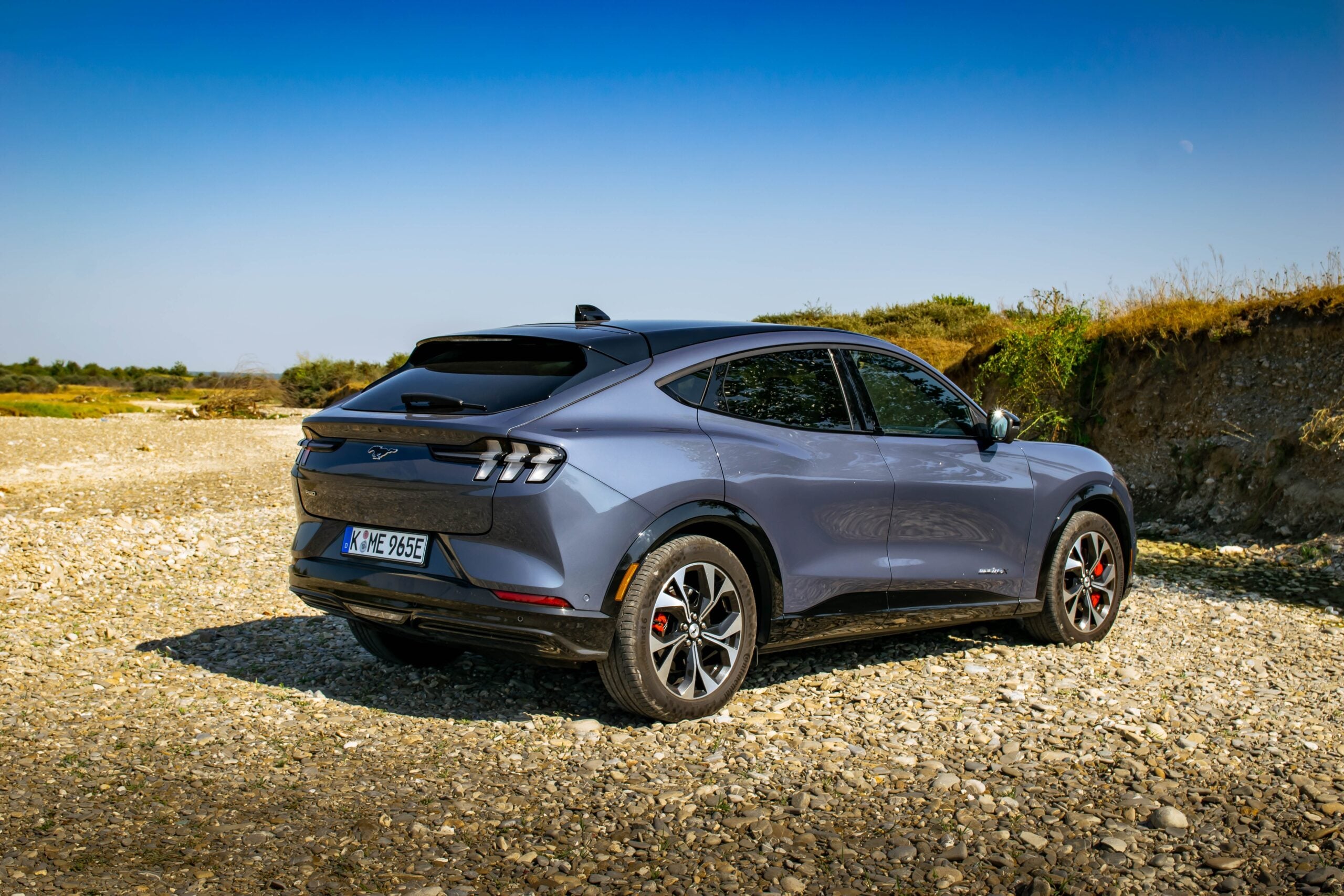
Electric: Ford Mustang Mach-E
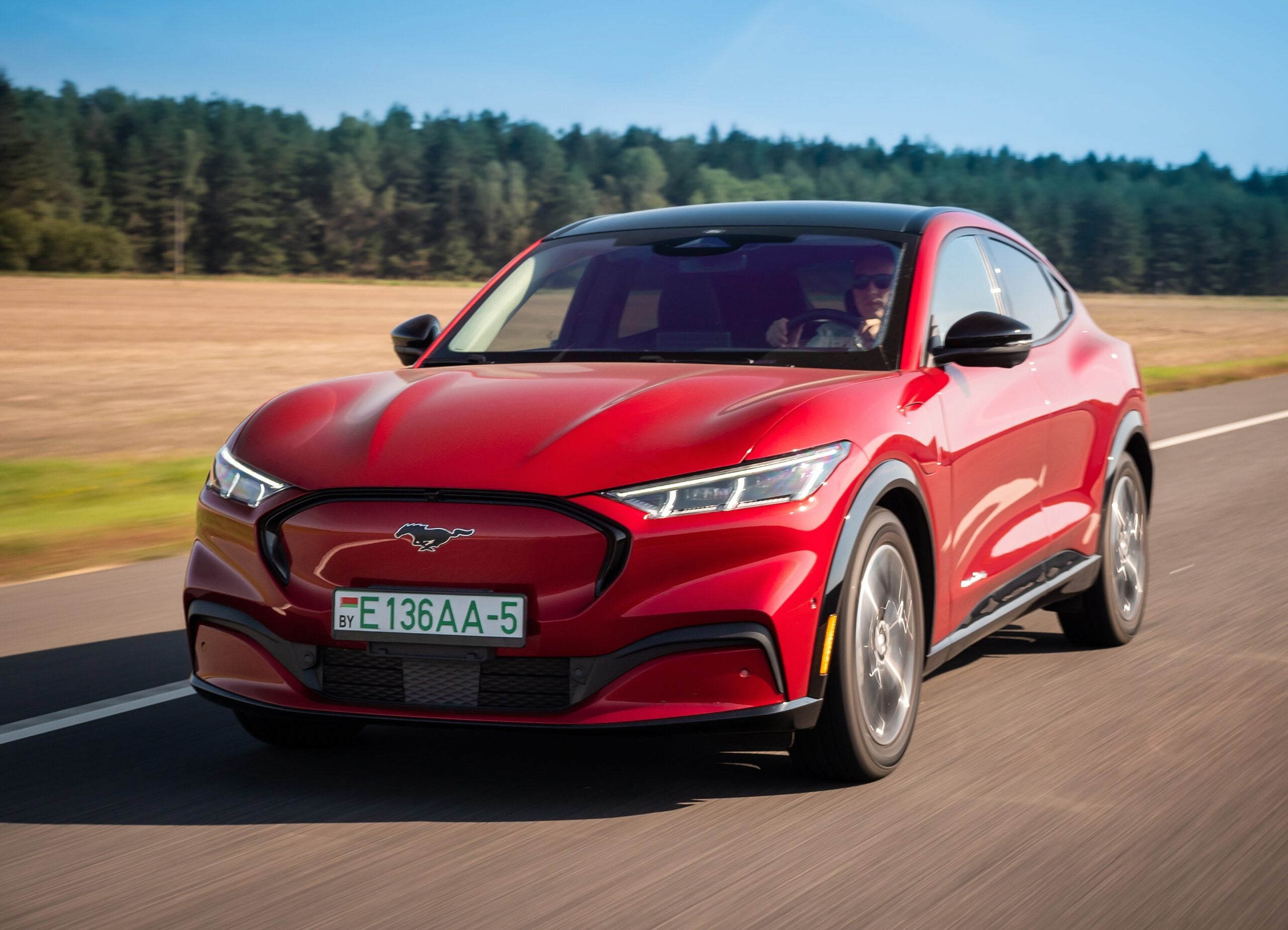
Ford took some heat for slapping the Mustang name on an electric crossover, but honestly, the Mach-E has earned its pony badge. With up to 480 horsepower in GT trim and around 300 miles of range in Extended Range variants, it’s genuinely quick and practical.
The driving dynamics are surprisingly engaging, with that low center of gravity from the battery pack making it feel more agile than its size suggests. Ford’s BlueCruise hands-free driving system works well on compatible highways, and the glass roof creates an airy cabin feel.
Starting around $40,000, it’s competitively priced, though keep in mind it’s smaller than the Explorer with only two rows of seating.
Verdict: Ford Explorer
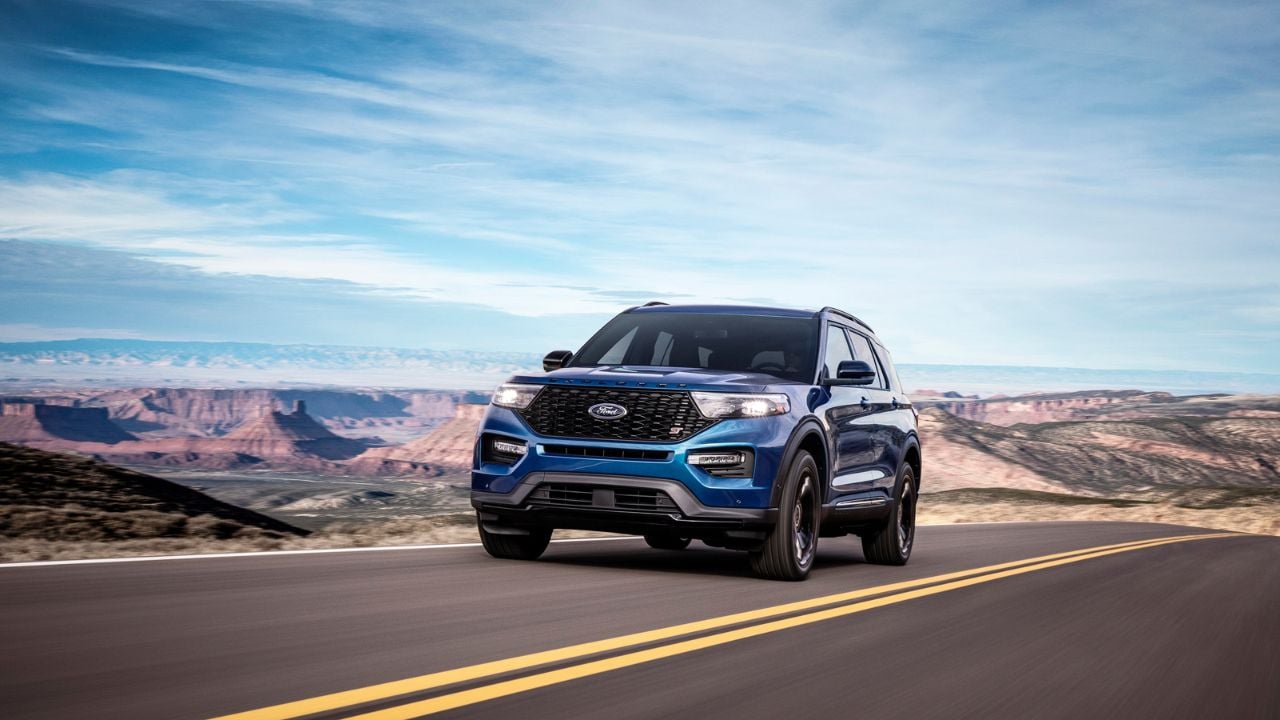
The Explorer takes this one because it’s simply more vehicle for similar money. While the Mach-E offers exciting performance and lower running costs, the Explorer provides three rows, more cargo space, better towing capacity, and greater versatility for families who actually need to haul people and stuff.
The Mach-E is fantastic if you’re a couple or small family prioritizing performance and efficiency, but the Explorer serves the broader range of needs that SUV buyers typically have. Sometimes more traditional is more practical, and when you’re dropping $40K on a family vehicle, practical tends to win out over flashy.
Gas: Chevrolet Tahoe

The Tahoe is full-size SUV royalty, and there’s a reason you see so many of them towing boats and hauling families across America. The standard 5.3-liter V8 produces 355 horsepower, while the available 6.2-liter cranks that to 420 horses for serious capability.
Fuel economy is predictably thirsty at around 18 mpg combined, but that’s the trade-off for being able to tow up to 8,400 pounds and seat up to nine passengers. The interior is massive, with enough cargo space to swallow road trip gear for a small army.
Starting around $57,000, it’s not cheap, but you’re getting body-on-frame construction and capability that crossovers simply can’t match when the going gets tough.
Electric: Mercedes-Benz EQS SUV

The EQS SUV is Mercedes doing what Mercedes does: taking new technology and wrapping it in opulent luxury. With up to 536 horsepower in the AMG variant and around 305 miles of range, it delivers impressive performance alongside that signature Mercedes refinement.
The interior is gorgeous, with the massive Hyperscreen interface dominating the dashboard and materials that justify the premium pricing. Air suspension makes the ride feel like you’re floating, and the cabin is library-quiet thanks to the lack of engine noise.
Starting around $105,000, it’s definitely targeting buyers who prioritize luxury over value, but for that price, you’re getting cutting-edge electric technology wrapped in three-pointed-star prestige.
Verdict: Chevrolet Tahoe

The Tahoe wins based purely on versatility and value, even though comparing these two feels a bit like matching a work truck against a yacht. The Mercedes is exquisite and technically impressive, but the Tahoe costs half as much, tows thousands more pounds, seats more people, and you won’t have a heart attack when someone inevitably spills juice in the back seat.
The EQS SUV is for buyers who want electric luxury and have the budget for it, while the Tahoe is for people who need a genuine workhorse that can also serve as a comfortable family vehicle. Different missions, different price points, but the Tahoe simply serves more people’s actual needs.
Gas: Honda Pilot

The Pilot is Honda’s answer to family hauling, and like most Honda products, it just works without much fuss. The 3.5-liter V6 produces 285 horsepower and pairs with a smooth-shifting ten-speed automatic.
Fuel economy hits around 23 mpg combined, and the clever interior packaging Honda is known for means tons of storage cubbies and flexible seating arrangements. Towing capacity tops out at 5,000 pounds, which handles most family trailer needs. Starting around $40,000, it represents solid value, and Honda’s reliability reputation means you’re probably handing this thing down to your kids someday.
It’s not the most exciting SUV on the road, but excitement isn’t always what you need when you’re carpooling to soccer practice.
Electric: Hyundai Ioniq 5

Okay, so the Ioniq 5 isn’t exactly a direct Pilot competitor since it’s a two-row crossover, but stay with us.
With up to 320 horsepower in dual-motor form and around 303 miles of range on Long Range models, it’s seriously impressive. The ultra-fast 800-volt charging architecture means you can add 200 miles of range in about 18 minutes at compatible chargers, which is as close to gas-station speed as EVs currently get.
The interior is uniquely styled with sliding center console and fully reclining seats, creating a lounge-like atmosphere. It’s competitively priced at around $43,000, and Hyundai throws in some charging credits to sweeten the deal for early adopters.
Verdict: Honda Pilot

The Pilot wins this one primarily because of that third row of seating and greater overall versatility. The Ioniq 5 is genuinely excellent at what it does: being an efficient, quick, tech-forward crossover for couples or small families. But the Pilot serves a broader range of family needs with more seats, more cargo space, and no range considerations for long road trips.
If you don’t need that third row and have home charging, the Ioniq 5 is absolutely worth considering for its innovation and efficiency. For traditional three-row SUV buyers, though, the Pilot delivers more utility for similar money.
Gas: Subaru Ascent

The Ascent is Subaru’s largest offering, bringing that brand’s signature all-wheel-drive capability to the three-row segment. The turbocharged 2.4-liter boxer engine produces 260 horsepower, which is adequate if not thrilling.
Fuel economy hovers around 22 mpg combined, and the standard all-wheel-drive system provides confident handling in bad weather. The interior is practical and comfortable, if a bit short on luxury touches compared to some competitors. Starting around $36,000, it’s one of the more affordable three-row options, and Subaru’s reputation for safety and durability makes it a sensible choice.
It’s the automotive equivalent of a good hiking boot: not flashy, but reliably capable when conditions get challenging.
Electric: Volkswagen ID.4

The ID.4 represents VW’s mainstream electric effort, aiming for practical rather than spectacular. With up to 295 horsepower in dual-motor AWD versions and around 275 miles of range, it covers the basics without breaking new ground.
The interior is straightforward and functional, though the touch-sensitive controls can be frustrating for drivers who prefer physical buttons. Cargo space is generous, and the driving experience is pleasant if not particularly memorable. Starting around $39,000, it’s priced competitively, especially considering federal tax credits may apply.
It’s VW doing what VW does: building a solid, practical vehicle that prioritizes function over flash.
Verdict: Subaru Ascent
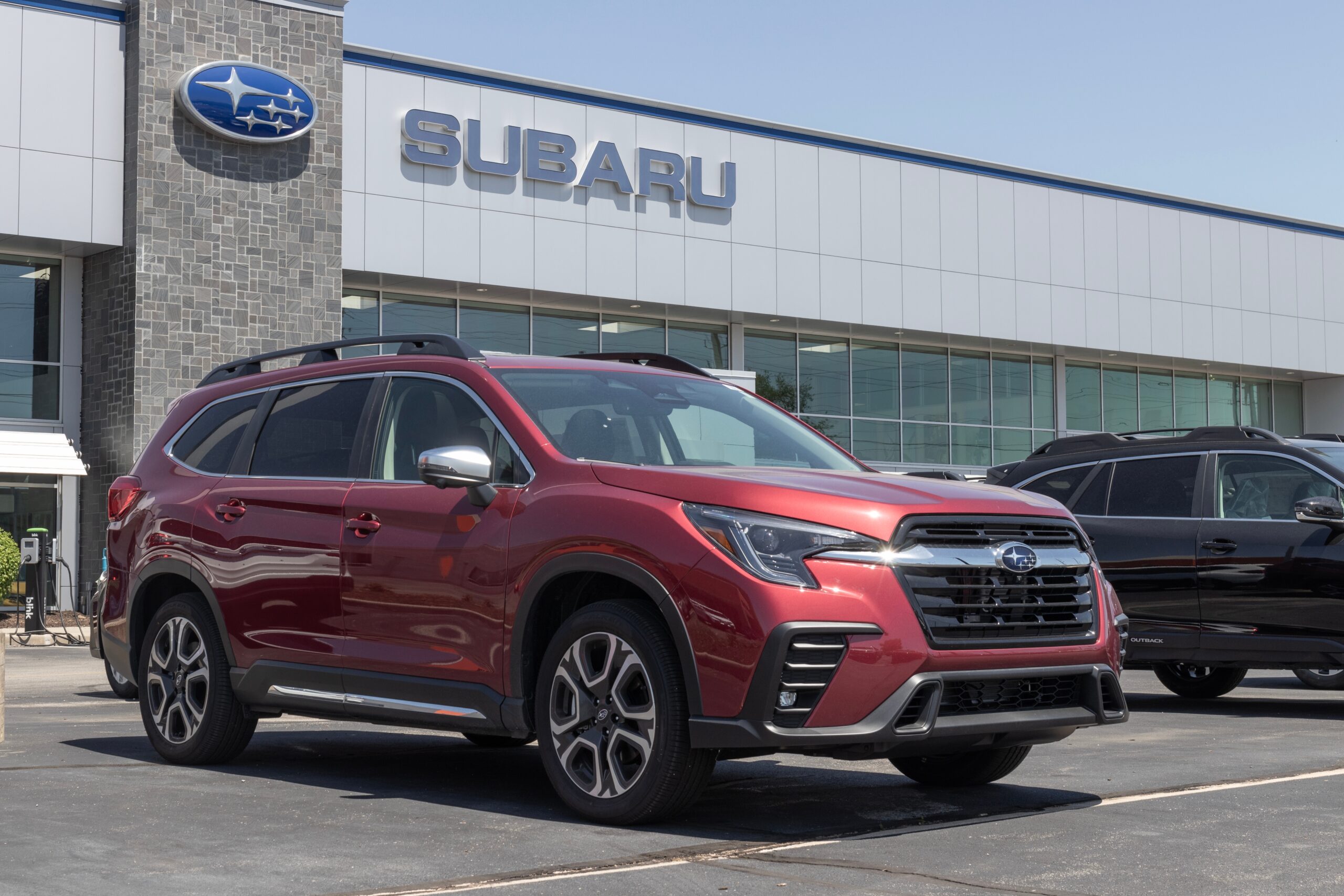
The Ascent takes this matchup because it simply offers more vehicle for less money. While the ID.4 has its merits as an efficient two-row crossover, the Ascent provides three rows of seating, standard all-wheel drive, and Subaru’s excellent safety features at a lower starting price.
The ID.4 makes sense for buyers specifically seeking an affordable electric option with decent range, but the Ascent serves the broader needs of families who need more seats and cargo space.
Plus, Subaru’s reputation for lasting forever means you’re probably getting more long-term value, even factoring in gas costs over the vehicle’s lifetime.
Conclusion
After comparing these twelve contenders, a clear pattern emerges: gas-powered SUVs currently hold the advantage for buyers prioritizing maximum versatility, towing capacity, and upfront affordability, while electric SUVs excel for those valuing performance, lower operating costs, and environmental considerations.
The technology gap is closing fast, though, and today’s electric SUVs are far more practical than skeptics claim, especially for buyers with home charging and daily driving needs under 200 miles. Your personal verdict should depend less on which powertrain is “superior” in some abstract sense and more on honest assessment of your actual driving patterns, budget, and priorities.
The good news is that whether you choose gas or electric, today’s SUV market offers genuinely excellent options that can serve families well for years to come, and the competition between these technologies is making both categories better every model year.