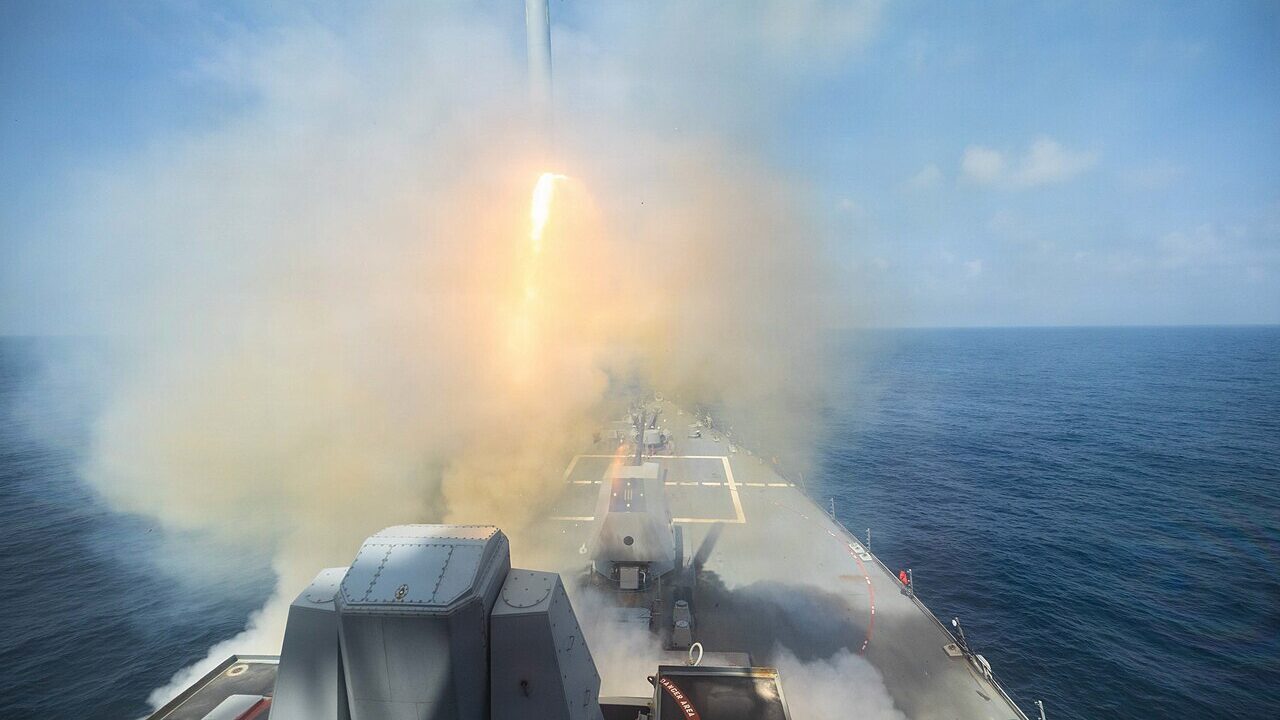

Auto stocks tumbled Monday after U.S. and Israeli air strikes against Iran rattled global markets, sending oil and gold prices higher and putting fresh pressure on Detroit’s automakers.
According to reporting by the Detroit Free Press, shares of Ford Motor Co., General Motors Co., and Stellantis slid sharply as investors reacted to the sudden escalation in the Middle East.
The strikes, which began Saturday, Feb. 28, immediately raised concerns about higher oil prices, weaker consumer sentiment, and the potential ripple effects on Michigan’s auto driven economy. By Monday morning, the impact was visible on trading screens.

Ford shares dropped more than 4 percent early, falling to $13.52 around 9:35 a.m. General Motors declined nearly 4 percent to $75.73. Stellantis suffered the steepest early blow, sliding almost 6 percent to about $7.62 a share.
Dow Wavers as Auto Stocks Bleed Red
The broader market also stumbled. The Dow Jones Industrial Average was down more than 443 points shortly after the open, a decline of roughly 0.9 percent. Although the Dow later recovered and even turned slightly positive by late afternoon, auto stocks remained deep in the red.
By about 2:45 p.m., Stellantis was still down more than 5 percent, Ford had lost just over 5 percent, and GM was off more than 1 percent. The divergence underscored how sensitive automakers are to oil price shocks and geopolitical instability.
Oil prices climbed as fears grew that a prolonged conflict could disrupt global supply. Gold also surged as investors sought safer assets. The shift reflected a classic flight from risk, with money moving out of cyclical sectors such as autos and into perceived havens.
Don’t Panic Yet

Sam Stovall, chief investment strategist at CFRA Research, urged investors to stay disciplined. He cautioned against emotional reactions, noting that it is too early to determine how widespread the conflict may become.
Futures markets earlier in the day suggested the broader market might maintain relative calm, even as headlines intensified.
David Sowerby, managing director and portfolio manager at Ancora Advisors in Bloomfield Hills, warned that rising gasoline prices could dampen consumer confidence and delay big ticket purchases.
When fuel costs jump, households often rethink vehicle upgrades, vacations, and other discretionary spending. Still, Sowerby said he does not expect the military escalation to tip the U.S. economy into recession.
He suggested investors brace for a potential 5 percent to 7 percent market pullback. Such declines, he noted, occur two or three times in a typical year and are not unusual.
The Bigger Question

For the auto industry, much hinges on how high gasoline prices climb and how long they remain elevated. Morningstar analyst David Whiston said the primary risk lies in broader macroeconomic fallout rather than direct operational disruptions.
If gas prices spike toward $6 per gallon and stay there, consumers could shift away from light trucks and SUVs, which dominate today’s market, and reconsider smaller vehicles or electric options. A sustained surge at the pump might even nudge hesitant buyers toward their first EV.
Michael Greiner, assistant professor of management at Oakland University’s School of Business Administration, expressed concern about valuation levels in the stock market.
With price to earnings ratios near historic highs, he sees vulnerability if an oil shock slows economic growth. He also warned that Michigan could feel an outsized impact if auto demand weakens.
In the meantime, the situation is neither here nor there. Markets showed resilience by the closing bell, but Detroit’s automakers ended the day under pressure. Investors, analysts say, should watch oil prices closely. In an industry tied so tightly to consumer confidence and fuel costs, what happens at the pump may determine what happens on the showroom floor.
Sources: Detroit Free Press