

If you tuned into Ford’s recent press buzz, you’d think the automaker just solved world peace. The headline? Ford values its record-breaking 153 recalls on nearly 13 million vehicles as a positive signal about safety and quality transparency. Sounds… upbeat. But peel back the numbers, and reality, and the narrative gets a lot murkier.
In 2025, Ford didn’t just break a record; it obliterated one set by GM about a decade ago. According to data from the U.S. National Highway Traffic Safety Administration (NHTSA), Ford issued around 152 recall campaigns over the year, affecting an estimated 12.7 million vehicles across a huge swath of model lines. That’s more than any other automaker by a huge margin, and significantly above the previous annual record of 77 recalls set by General Motors in 2014.
Imagine that another way: Ford’s 2025 recall tally was higher than the next nine brands combined. That’s the sort of stat that makes most quality engineers wake up in a cold sweat.
So Why Did All Those Recalls Happen?
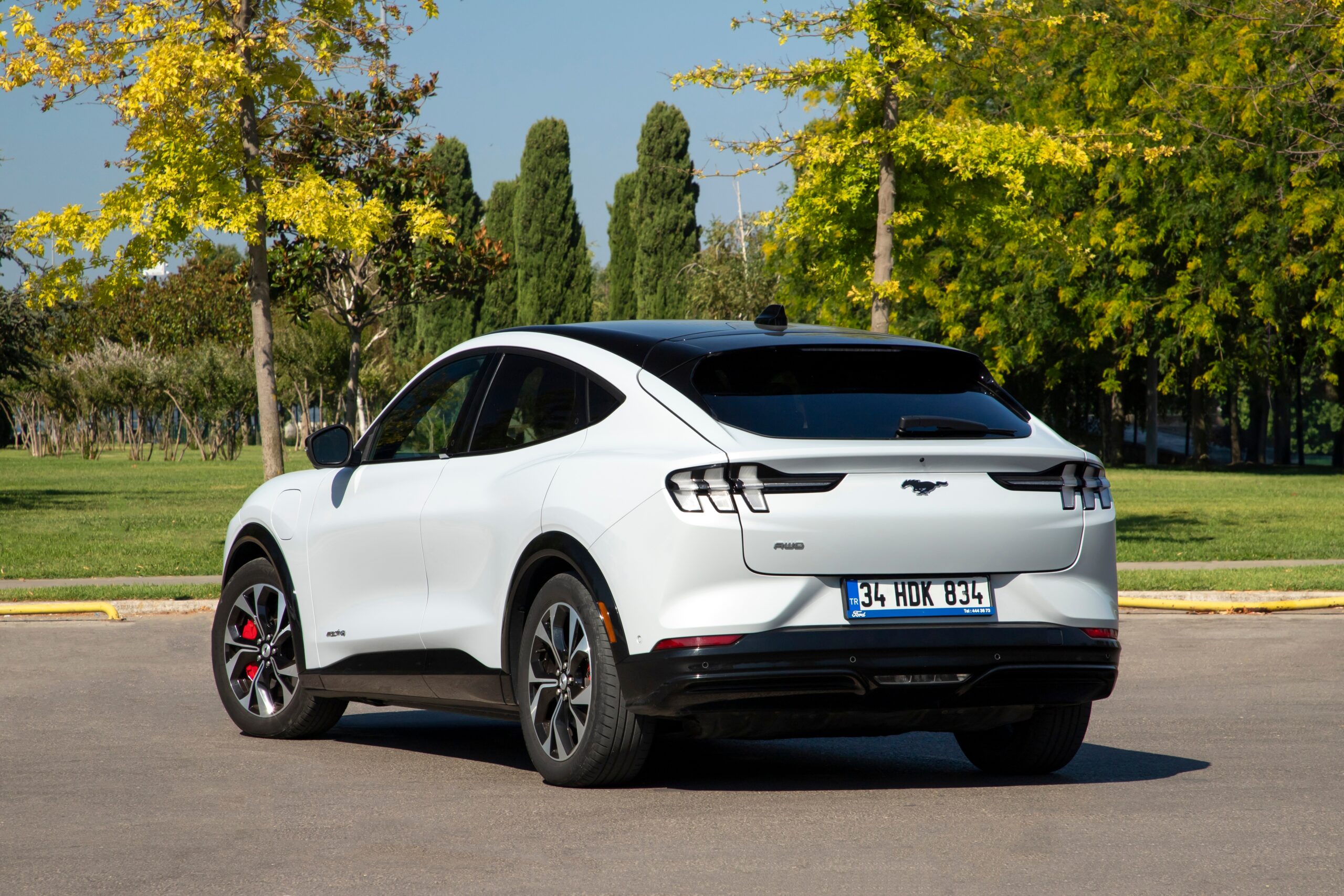
Ford’s official line acknowledges that the volume is unprecedented, but frames it as evidence of proactive safety vigilance, not failure. The company says it has:
- Doubled its safety and technical teams,
- Expanded defect-testing across critical systems,
- Increased audits, especially for software and electronics,
so that it can detect and correct issues early before they turn into lawsuits, fires, or viral TikToks.
From Ford’s COO’s perspective, that’s a good thing: “If something goes wrong with their vehicle, we will act quickly to handle it.”
There’s a kernel of truth there, though. Recalls do reflect responsiveness. But they also reveal problems in the first place. In 2025 alone, Ford recalled over a million vehicles because the rearview camera could freeze or fail entirely, potentially increasing crash risk.
There were other high impact recalls too:
- Fuel pump issues that could stall the engine, potentially while driving,
- Brake booster and hose issues on trucks and SUVs,
- Airbag deployment defects,
- Battery and electrical system faults.
None of these are cosmetic issues, and each required a legally mandated fix to comply with safety standards.
Record Numbers, But What Do They Mean?
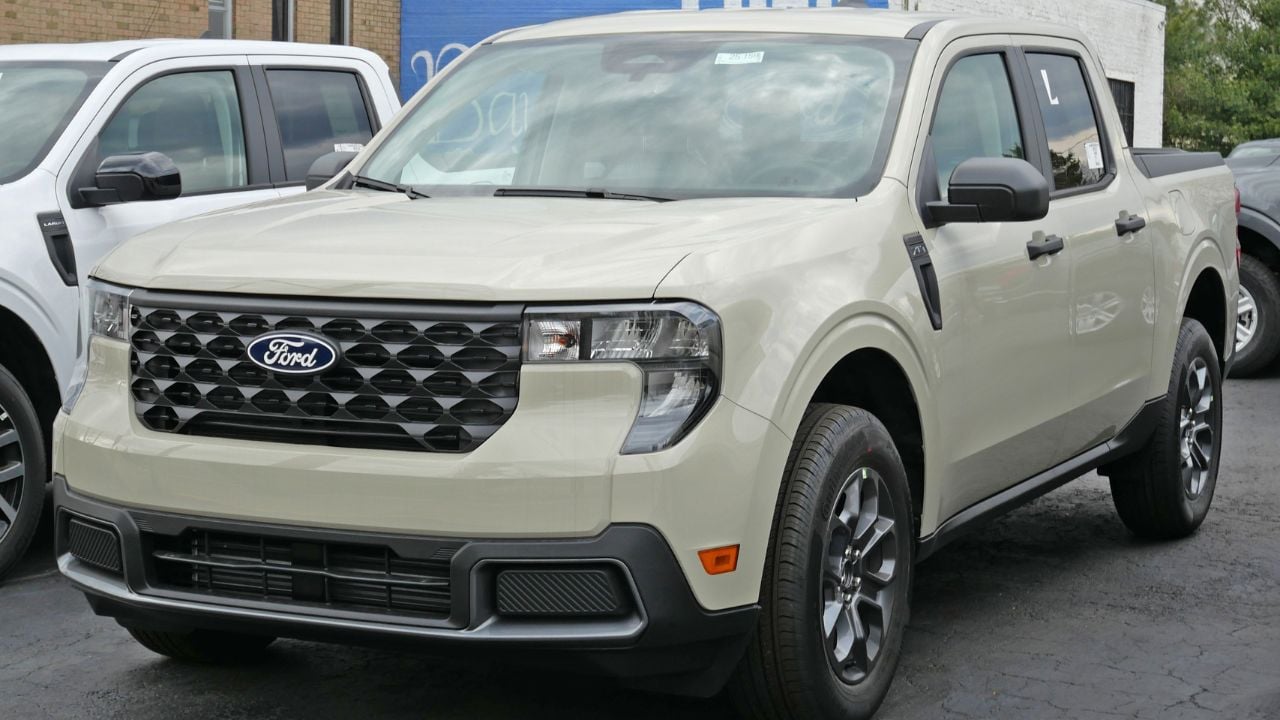
Last year, Ford wasn’t even the most recalled brand. Tesla and Stellantis both issued a ton of recall actions in 2024, with Tesla topping the list thanks to over-the-air updates on millions of EVs.
But over the course of 2025, Ford not only caught up, it crushed the field. The gap is so wide it begs the question: Is Ford actually improving quality — or simply talking about it?
A handful of industry trackers (like Consumer Reports and J.D. Power) do show some uptick in Ford’s initial quality scores, suggesting things might be getting better. Warranty costs have also come down. Ford gladly points to these as proof the recall strategy works.
But for many observers, there’s a qualification missing: recalls only count if defects are identified and reported. Some automakers, in years past, were slower to detect systemic issues until regulators or lawsuits forced their hand. NHTSA recalls show what got fixed, not what was broken. That distinction matters.
The Real Impact
Amid the hoo-hah, it’s important to not lose sight of the sobering fact that all this recall activity is more than just a press release. There are actual owners dealing with multiple notifications — sometimes overlapping — and delays while they wait for dealerships to have parts and technicians ready.
Dealers report growing backlogs because every vehicle impacted needs inspection and repair. That costs labor and logistics, even if the parts are free.
Consumers shopping for Fords might pause before buying a used model with a long list of recalls. These real, human factors don’t disappear just because Ford has a “positive narrative.”
The company’s attempt to spin a recall tsunami into a quality performance metric is clever, and there’s an element of truth to taking responsibility early. But let’s not lose perspective. Recalls exist because something went wrong. A lot went wrong in 2025.
US Sedan Sales Blew Well Past 1 Million Units In 2025. Read: https://t.co/tkSqyF1AII #industrynews #carnews
— CarBuzz (@CarBuzzcom) January 6, 2026
Calling it a good thing doesn’t make the underlying problems go away. It just makes for a smoother press release. And for anyone who actually drives one of those 13 million vehicles? The record might not feel like much of a break.
Sources: Kbb.com, https://www.wsaw.com, VOI