Japanese sports cars earned their reputation in a very specific way. They were rarely the loudest cars in the room, and many never tried to win buyers with excess.
Their strength came from engineering discipline: good balance, durable engines, clean ergonomics, sensible packaging, and the feeling that the car would still make sense after the first excitement faded.
That is why certain Japanese sports cars have become trusted machines rather than passing trends. Enthusiasts do not love them only because they are fast or collectible. They love them because the best examples feel worth maintaining, repairing, and keeping.
No car becomes dependable by magic. Age still brings worn bushings, tired seals, rust, neglected fluids, and previous-owner mistakes. Still, these five models have earned the kind of confidence that makes owners imagine years, decades, and maybe even a lifetime behind the same wheel.
Where Longevity Becomes Part of the Driving Experience
The right cars for this topic needed more than a famous badge or a loyal fan base. Each one had to combine real sports car character with the mechanical reputation, parts support, and ownership logic that make long-term trust feel realistic.
Simplicity mattered, but so did engineering quality. A car could be advanced and still belong here if its reputation came from careful design rather than fragility.
Enthusiast communities also mattered. Old sports cars stay alive because owners share service knowledge, parts sources, repair patterns, and the small lessons that never fit neatly into a brochure.
The final choices favor cars that reward maintenance, respond well to sympathetic ownership, and still feel worth preserving after the odometer climbs. They are not disposable weekend toys. They are Japanese sports cars many enthusiasts keep because the experience still feels worth the effort.
1990 to 2005 Mazda MX-5 Miata

The Mazda MX-5 Miata may be the easiest car here to trust because it was never built around intimidation. The NA and NB generations kept the formula beautifully simple: light weight, rear-wheel drive, a manual gearbox, modest four-cylinder engines, and a chassis that made ordinary roads feel alive.
Mazda says the original NA debuted at the 1989 Chicago Auto Show and went on sale in the U.S. as a 1990 model, weighing just over 2,000 pounds. That lightness is central to why the car works so well with age.
A Miata does not need huge power, complicated systems, or exotic hardware to feel special. The ownership logic is just as appealing as the drive: a huge community, strong parts availability, known repair patterns, and a layout that does not scare away careful home mechanics.
A good NA or NB Miata feels honest, familiar, and ready for another drive. Few sports cars make long ownership feel this natural.
2000 to 2009 Honda S2000

The Honda S2000 feels like a precision instrument that somehow became a roadster. It asks for care, but it also rewards owners with one of the most memorable four-cylinder sports car experiences ever sold in America.
Early AP1 cars used the 2.0-liter F20C, while later U.S.-market AP2 cars used the 2.2-liter F22C1. Honda’s 2009 material lists the later S2000 with a 237-hp 2.2-liter DOHC VTEC engine and a short-throw 6-speed manual transmission.
The S2000 is trusted because it was engineered with seriousness. The gearbox is excellent, the engine loves revs, and the chassis feels alive without needing constant modification.
It is not a car for careless ownership. A neglected S2000 can still become expensive quickly. But a well-maintained example often feels remarkably tight with age, which is why enthusiasts keep treating it like a modern classic built to endure.
1991 to 2005 Acura NSX
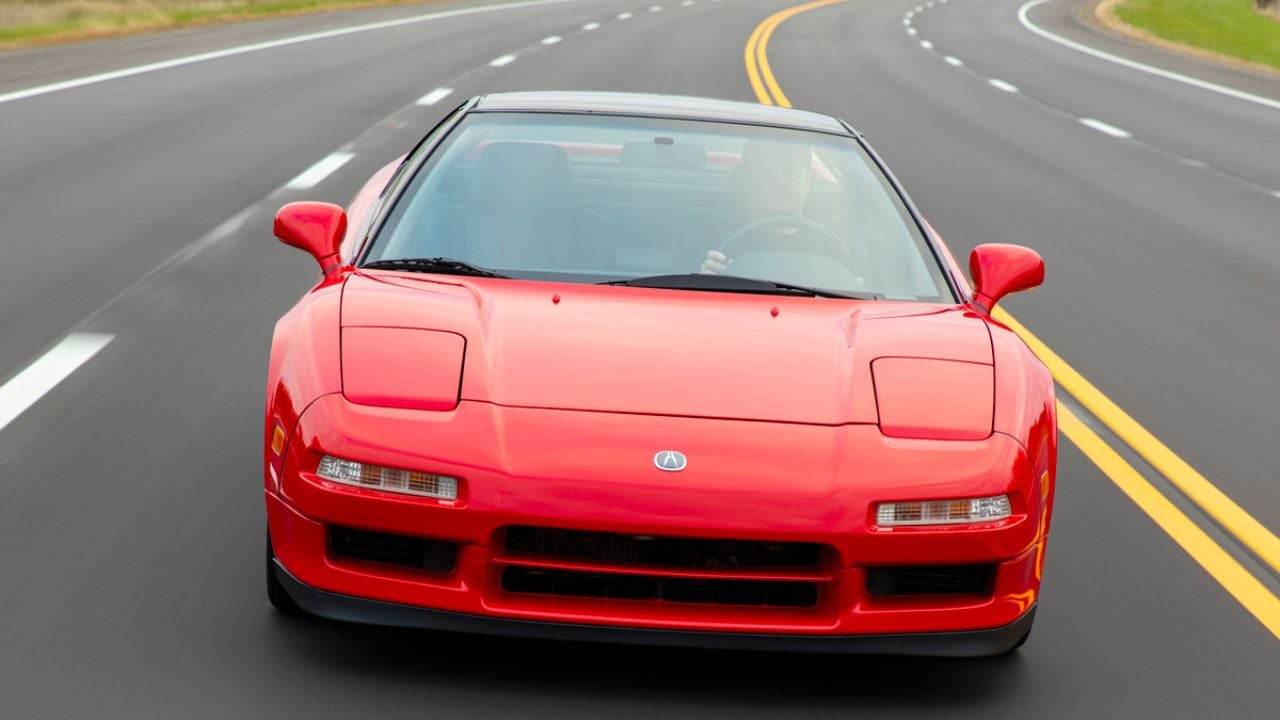
The first-generation Acura NSX changed the supercar conversation because it made exotic performance feel usable and trustworthy. Its aluminum construction, mid-engine layout, everyday visibility, and Honda engineering discipline gave it a personality no Italian rival could copy at the time.
Acura’s 2005 press material lists the later manual NSX with an all-aluminum 3.2-liter V6 producing 290 hp and 224 lb-ft of torque, paired with a 6-speed manual transmission.
That specification still feels special, but the deeper magic is how calmly the NSX carries itself. It feels precise without feeling fragile, and it brings supercar theater without the usual fear that every drive will become a financial event.
For many enthusiasts, the NSX is proof that a dream car can also be a car you trust. That combination remains rare.
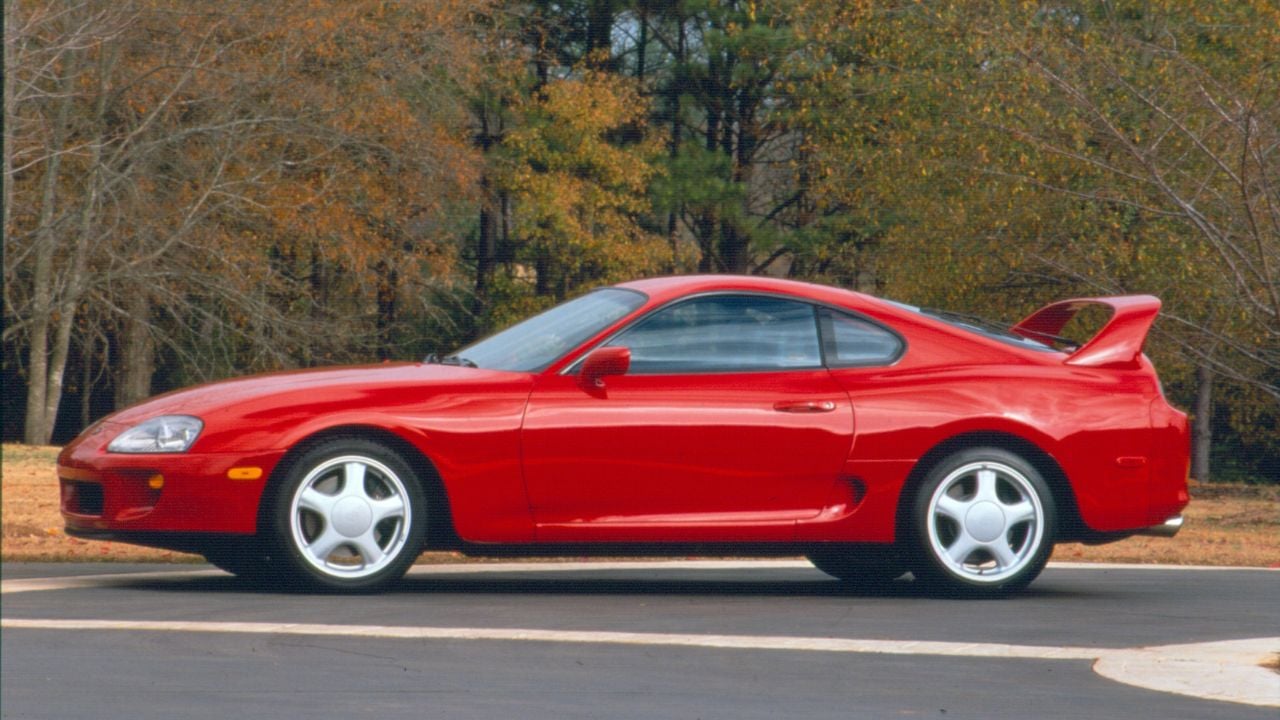
1993 to 1998 Toyota Supra Turbo, U.S. Market
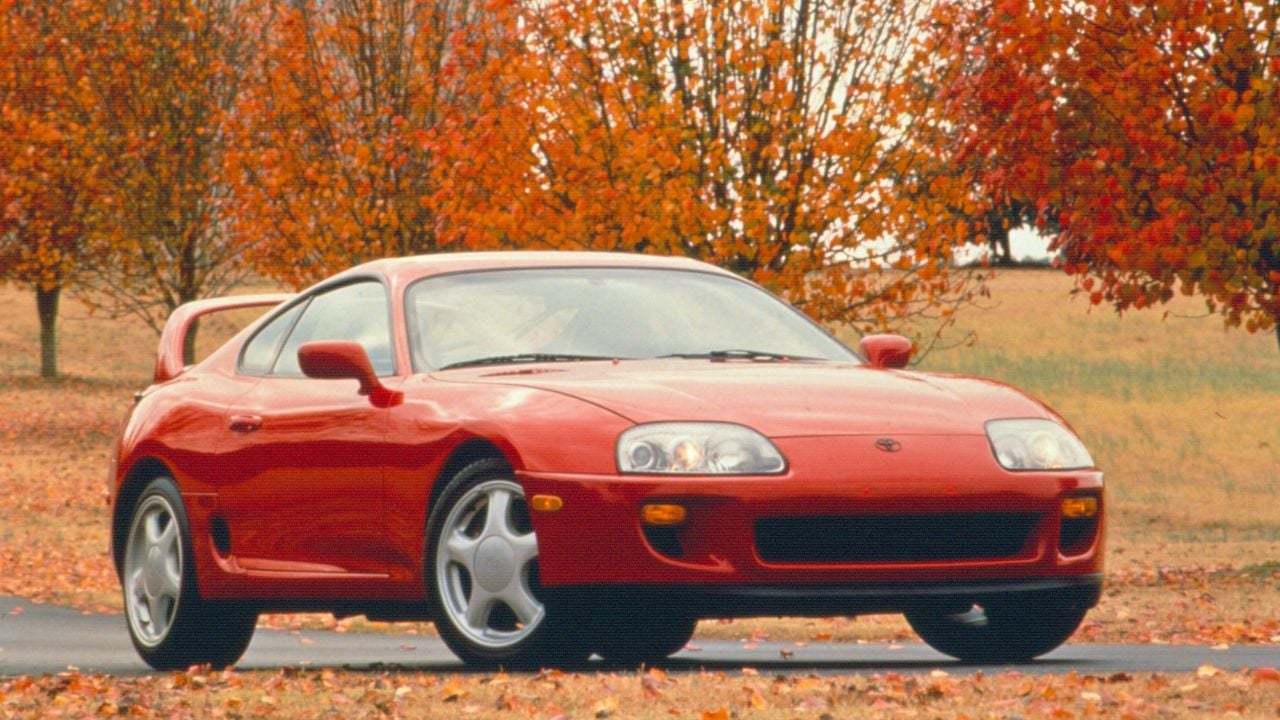
In the U.S. market, the fourth-generation Toyota Supra Turbo earned its lifelong reputation through one of the most respected engines in Japanese performance history.
Toyota’s pressroom notes that the 2JZ-GTE twin-turbo inline-six produced 320 hp and 315 lb-ft of torque, while manual Turbo models used a 6-speed transmission. Toyota Gazoo Racing also identifies the A80 Supra as a sports car built around the well-known 3.0-liter 2JZ-GE and 2JZ-GTE inline-six engines.
The Supra became famous for tuning, but its trust begins with the stock foundation. The iron block, smooth inline-six layout, and overbuilt reputation made the car feel stronger than the numbers suggested.
Clean examples are now expensive, but the reason is easy to understand. Enthusiasts believe the A80 Supra was engineered with a margin that time has only made more impressive.
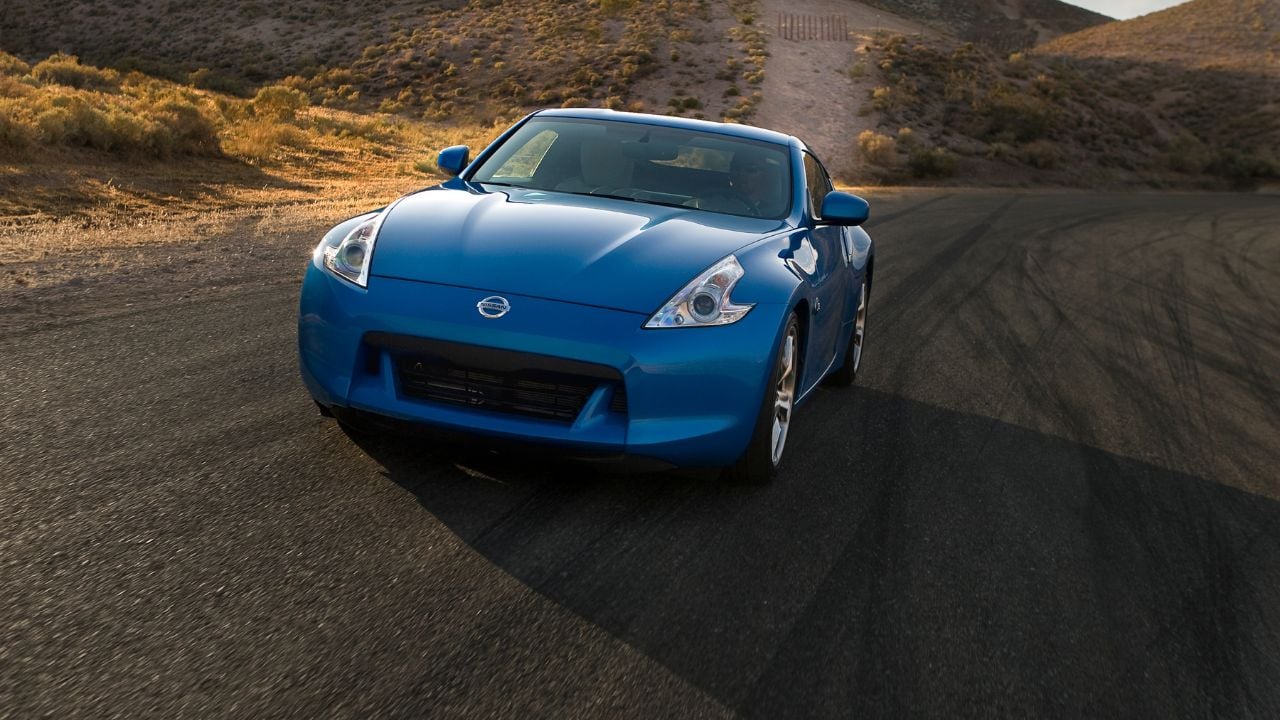
2009 to 2020 Nissan 370Z
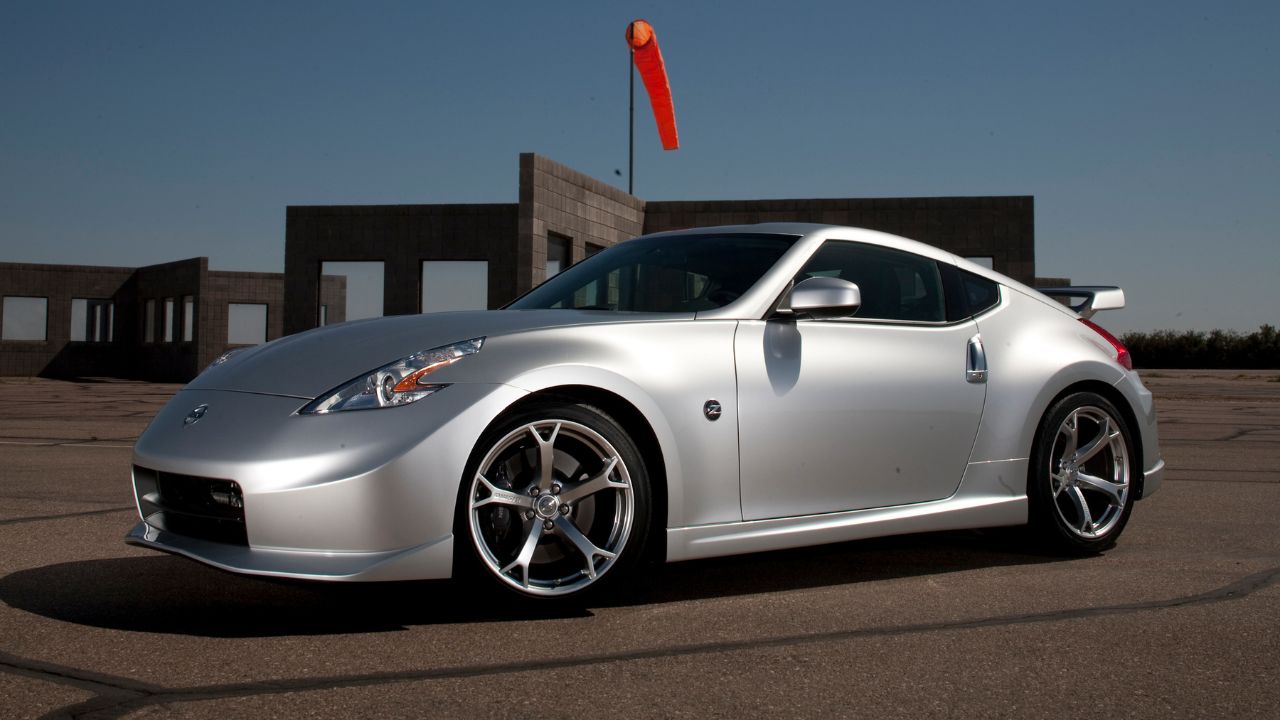
The Nissan 370Z is the practical choice for drivers who want a modern Japanese sports car with old-school bones. It kept the formula direct: front-engine layout, rear-wheel drive, naturally aspirated V6 power, and an available manual transmission.
Nissan’s 2009 press kit lists the 370Z coupe with a 3.7-liter VQ37VHR V6 rated at 332 hp and 270 lb-ft of torque. That engine gave the car a stronger, more muscular character than many four-cylinder rivals.
The 370Z does not have the same delicate mythology as an S2000 or the same collector aura as an A80 Supra. Its appeal is more straightforward: a long production run, broad used-market supply, strong parts knowledge, and a drivetrain layout that still feels refreshingly traditional.
It is not delicate or overly precious. For enthusiasts who want a sports car they can drive hard, maintain sensibly, and keep for years, the Z still makes a convincing case.
The Cars Owners Keep Because They Still Feel Worth It

The best long-lasting sports cars do more than survive. They give owners a reason to keep choosing them, even when newer cars become faster, quieter, and easier.
That is what connects these five Japanese machines. The Miata proves simplicity can become timeless. The S2000 turns precision into loyalty. The NSX makes exotic ownership feel intelligent. The Supra shows how strong engineering can become legend. The 370Z keeps the classic rear-drive sports car formula alive in a usable, durable shape.
None of them becomes long-term material by accident. They need maintenance, patience, records, and owners who understand what makes them special.
When those pieces come together, these cars feel like more than machines. They become the sports cars people keep, improve, remember, and measure other cars against years later.