
When summer rolls around and school’s out, teens take to the roads in greater numbers, and that’s when the risk skyrockets.
According to a recent report from AAA, the period between Memorial Day and Labor Day, often called the “100 Deadliest Days,” sees a significant spike in fatal crashes involving teen drivers. On average, seven people die each day during the summer in crashes involving a teen behind the wheel. That sobering statistic is a reminder that while summer brings freedom and fun, it also brings serious danger on the road, especially for the youngest and least experienced drivers.
Why Summer Is So Risky for Teen Drivers

Without the daily structure of school, teens have more time and freedom to drive, whether they’re headed to a part-time job, meeting friends, or embarking on their first solo road trip. That increased time on the road often comes without adult supervision, which creates a perfect storm of risk.
Inexperience plays a major role in teen crashes. Many young drivers don’t yet have the instincts to respond quickly to changing road conditions or unexpected hazards. Speeding becomes more common in the summer months, and distractions, either from smartphones or lively passengers, can be deadly. Perhaps even more frustrating for parents: a significant number of teens involved in fatal crashes weren’t wearing seat belts at the time. It’s a painful reminder that the simplest safety habits are often the ones most often ignored.
What Parents Can Do

Just because your teen has a license doesn’t mean your job is done. In fact, this is when your role matters most. Families that treat driving like an evolving responsibility rather than a rite of passage tend to raise more cautious and capable drivers.
Here are practical, proven ways to support young drivers during their most vulnerable years behind the wheel.
Set (and Stick To) Driving Limits

One of the most effective ways to reduce risk for new drivers is to place clear boundaries around when, where, and with whom they can drive. Nighttime driving is especially dangerous for teens, with the CDC reporting crash rates three times higher than adult drivers after dark due to reduced visibility and fatigue. Limit the number of passengers your teen can have in the car. More passengers often mean more distractions.
Consider setting a mileage or area boundary as well, so your teen stays within familiar roads while building confidence. These limits are all about giving your teen the space to gain experience gradually, with fewer high-risk variables in play.
Build Skills Together Behind the Wheel
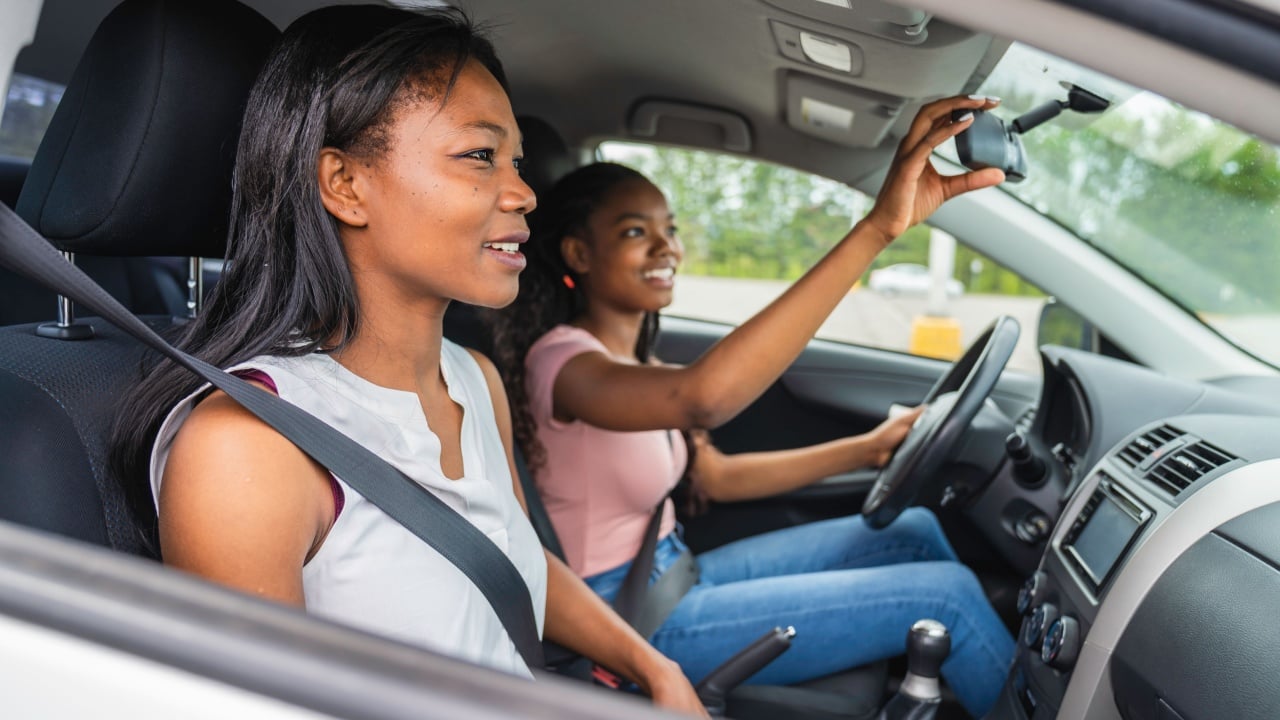
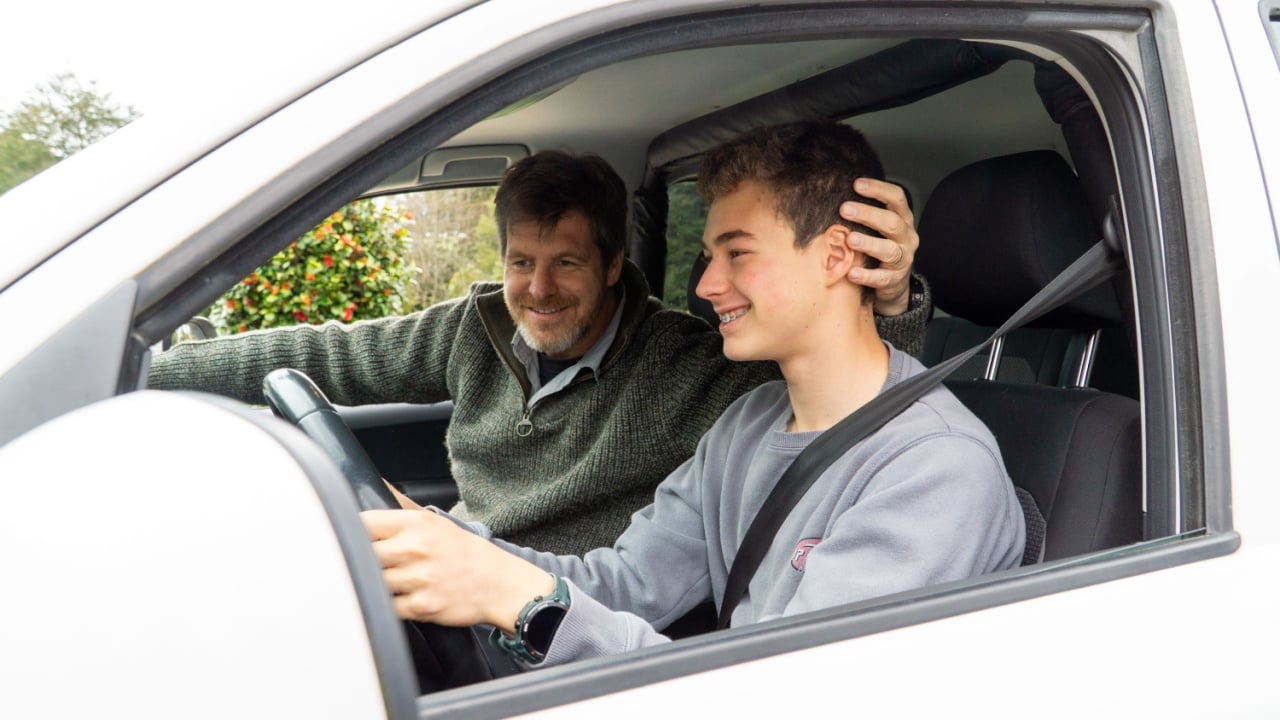
Even after your teen is legally allowed to drive alone, continuing to ride along can make a big difference. Driving together gives you the chance to coach in real time and expose your teen to situations they may avoid or rarely encounter on their own, like driving at night, during heavy rain, in construction zones, or on the freeway. These experiences help build confidence and decision-making skills in a safer, lower-pressure environment.
It also gives you the chance to reinforce safe habits, correct risky behavior early, and answer questions as they come up. Treat these sessions as supportive, not critical. The goal isn’t to test your teen, but to be a calm co-pilot while they gain the kind of experience that turns a beginner into a responsible, capable driver.
Make Seat Belts Non-Negotiable

Wearing a seat belt should be as automatic as starting the car. Whether your teen is behind the wheel or just riding along, the rule is simple: every seat, every time, no excuses. Too many fatal crashes happen close to home on short, familiar routes — the exact kind of trip where teens are most likely to skip buckling up. Additionally, the CDC shares that 43% of teens didn’t always wear a seatbelt when riding with someone else.
As a parent, your job is to model the habit consistently and set the expectation clearly. If you make seat belts non-negotiable from day one, it becomes second nature. It’s one of the simplest and most powerful ways to protect your teen, and it only takes a second.
Use Real Stories to Spark Conversations

Teens often tune out when they hear generic warnings such as “don’t text and drive,” “be careful,” or “watch your speed,” which can sound like background noise. But when those ideas are tied to real events, the message hits differently. Sharing news stories about actual crashes, especially those involving people their age or from nearby communities, can help teens understand the real-world consequences of poor decisions behind the wheel.
You can also talk about situations you’ve personally seen or experienced, whether it was a close call, a roadside hazard, or a preventable accident. These conversations give context to the rules and create space for reflection. When teens see that safety isn’t just about avoiding tickets, but about protecting lives, they’re more likely to take it seriously.
Talk Openly About Distractions

Distractions don’t just come from phones. They can be anything that pulls attention away from the road, including changing music, eating, daydreaming, or chatting with friends. For teens, who are still building their driving instincts, even a moment of distraction can have serious consequences. Encourage your teen to recognize these risks and take proactive steps to minimize them. That might mean turning on “Do Not Disturb” mode while driving, choosing playlists ahead of time, or limiting the number of passengers until they’re more confident behind the wheel.
The key is to have an open conversation, not a lecture. Ask what feels distracting to them, and work together on strategies that help them stay focused. Remind them: a single glance away could change everything.
Model Safe Driving Habits

Your teen watches what you do behind the wheel, even if they don’t say it. Put your phone away, follow the speed limit, and buckle up every time. If they see you texting at red lights, speeding when you’re late, or skipping your seat belt on short trips, they’re more likely to mirror those same risky behaviors.
On the flip side, when you consistently follow traffic laws, keep your phone out of reach, and stay calm under pressure, you’re teaching them what responsible driving looks like in real life. Actions speak louder than advice, and the habits you model today could shape the way your teen drives for years to come.
Use Monitoring Tools to Guide, Not Control
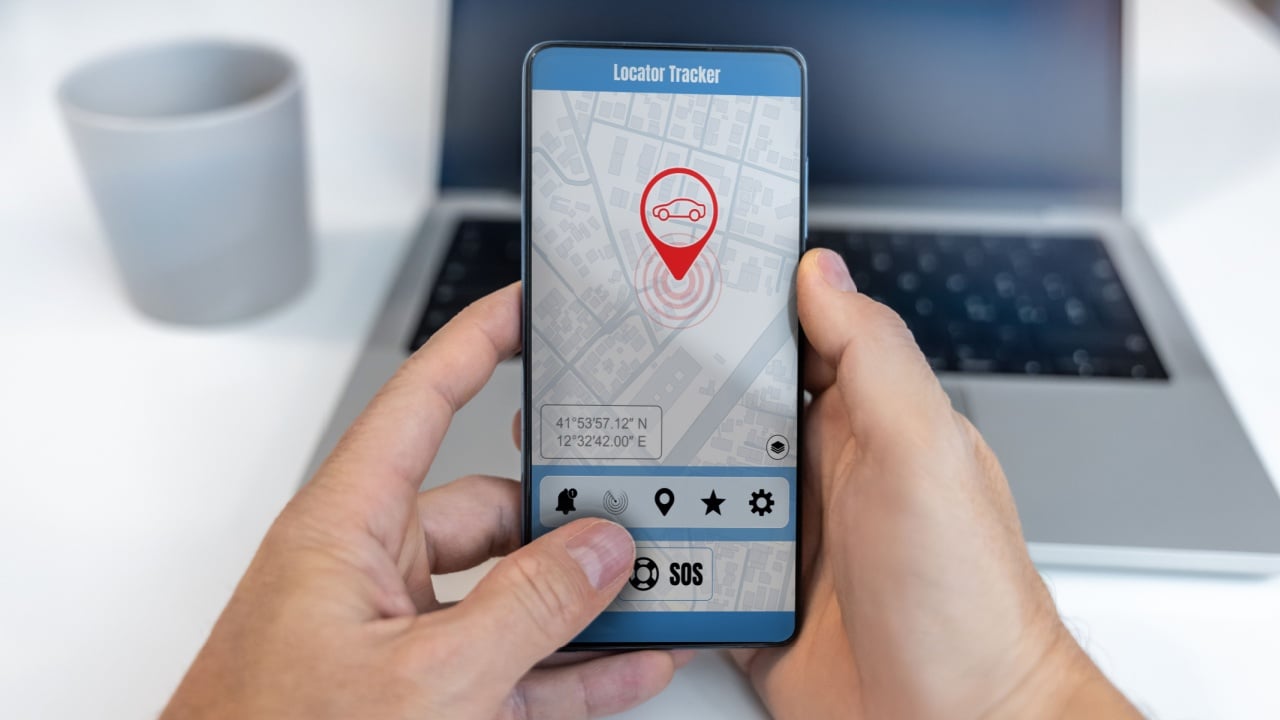
Modern vehicles and smartphone apps offer a variety of features that can help parents stay connected to their teen’s driving habits. Tools like speed alerts, real-time location tracking, and driving behavior summaries (such as hard braking or rapid acceleration) provide valuable insight without needing to be in the passenger seat.
Let them know that you’re not trying to micromanage, but rather to support them in becoming a safer driver. Use these tools as a starting point for open, non-judgmental conversations. Regular check-ins give you a chance to praise improvements, address concerns, and work through challenges together. When used with trust and transparency, these features can become an empowering part of your teen’s driving journey.
Reward Safe Driving
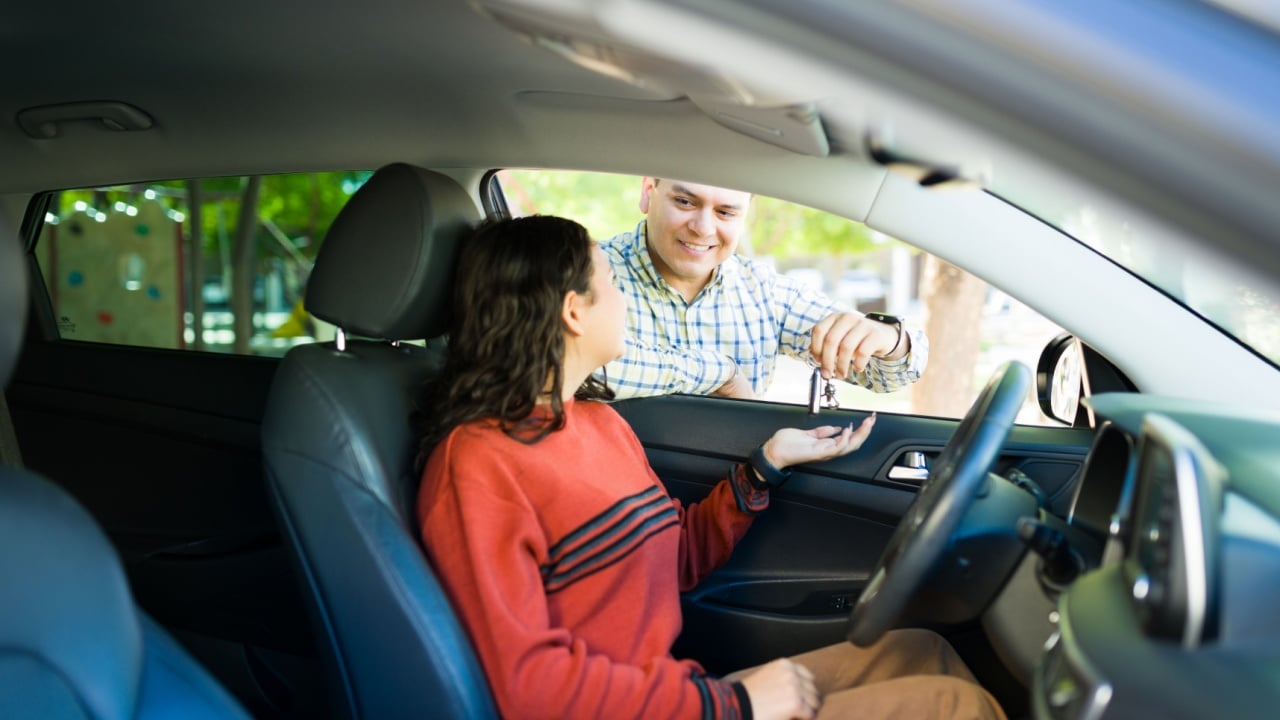
Positive reinforcement works. Acknowledging your teen’s smart choices behind the wheel helps build confidence and encourages them to keep those habits going. When they hit a milestone, like consistently wearing a seat belt, avoiding distractions, or going a month without speeding alerts, take a moment to celebrate it. The reward doesn’t have to be big; maybe it’s a little more freedom, a gas gift card, or simply a heartfelt “I’m proud of the driver you’re becoming.”
Teens are still learning, and knowing their efforts are seen and appreciated goes a long way. It turns driving safety from a chore into something they feel good about.
Keep Communication Open

Let your teen know they can always call you for a ride — no questions, no lectures. Whether they’re tired, unsure, or in an uncomfortable situation, they should feel safe reaching out.
That open-door policy builds trust and reinforces that their safety always comes first. Teens are more likely to make responsible choices when they know they won’t be shamed for asking for help. A single call can be the difference between a close call and a tragedy, and they need to know you’ll be there when it counts.
Everyone Else on the Road Has a Role, Too
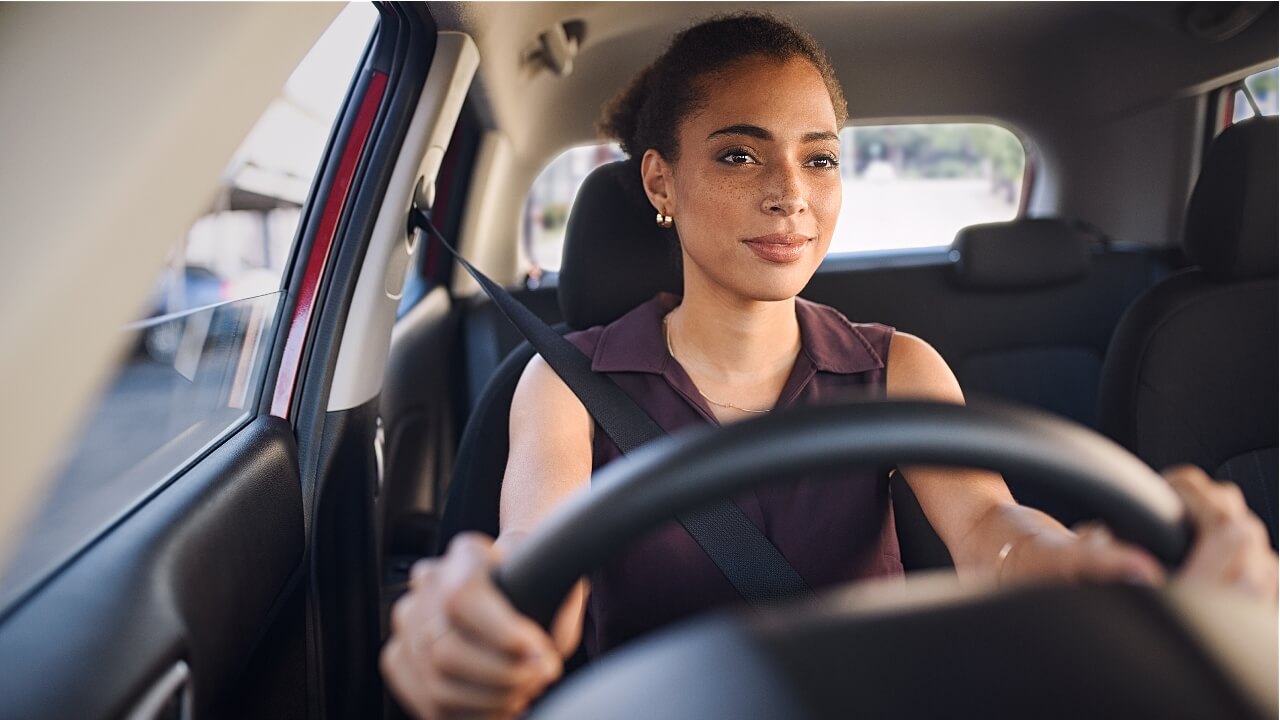
While teen drivers face elevated risks, the responsibility for safer roads doesn’t fall solely on them or their parents. All drivers can help by being more mindful when they’re sharing the road with newer motorists. Slowing down in residential areas, staying off phones, and approaching intersections with extra care can help reduce the chances of a crash for everyone, especially less experienced drivers still getting their bearings.
Let’s Make This a Safer Summer for Everyone
As road travel ramps up for summer vacations, road trips, and weekend getaways, it’s a good time for every driver, regardless of age, to check their habits and make safety a bigger priority.
Summer should be a season of fun and firsts, but for too many teens, it turns tragic on the road. The 100 Deadliest Days serve as a powerful reminder of how vulnerable young drivers can be and how small choices, like slowing down or buckling up, can literally save lives.
For families with teens behind the wheel, this is the moment to talk more, drive together more, and stress the importance of focus, responsibility, and safety. For the rest of us, it’s about patience, vigilance, and remembering that every driver, new or seasoned, deserves a safe trip home.