
Since the early days of auto shows, carmakers have used concept cars to show off their ideas for the future. These vehicles aren’t meant for the daily commute. They’re designed to spark conversation, test out new technology, or push the limits of design. Some are thoughtful experiments. Others are just plain strange. But all of them offer a peek into what automakers were thinking at the time.
Many of these concepts never made it to production, and that’s okay. They weren’t supposed to. What matters is the creativity and curiosity behind them. Whether the goal was better safety, greener power, or just something fun to look at, each of these cars has a story to tell. Some ideas disappeared. Others quietly shaped the vehicles we see on the road today.
How We Chose These Concepts

To build this list, we looked for concept cars that made a clear statement through their shape, materials, technology, or mission. We included a mix of old and new, from the jet-age dreams of the 1950s to the AI-driven ideas of today. Each vehicle had to do one thing well: challenge conventional thinking.
We drew from official archives, auto show reveals, and trusted automotive sources. While many of these concepts never made it to the showroom, they still managed to influence design trends, spark conversations, or at the very least, raise some eyebrows.
Citroën Karin

Citroën unveiled the Karin at the 1980 Paris Motor Show in 1980, and it had a body designed to look like a pyramid. Due to its weird shape, the Citroën Karin’s roof was the same size as an A3 sheet of paper, and while it had three seats, it looks like its shape severely impacted the headroom.
At least Citroën didn’t do anything weird mechanically. The Karin had a regular four-cylinder gasoline engine that powered its front wheels, and of course, it used Citroën’s famous hydropneumatic suspension.
Dodge Super8 HEMI
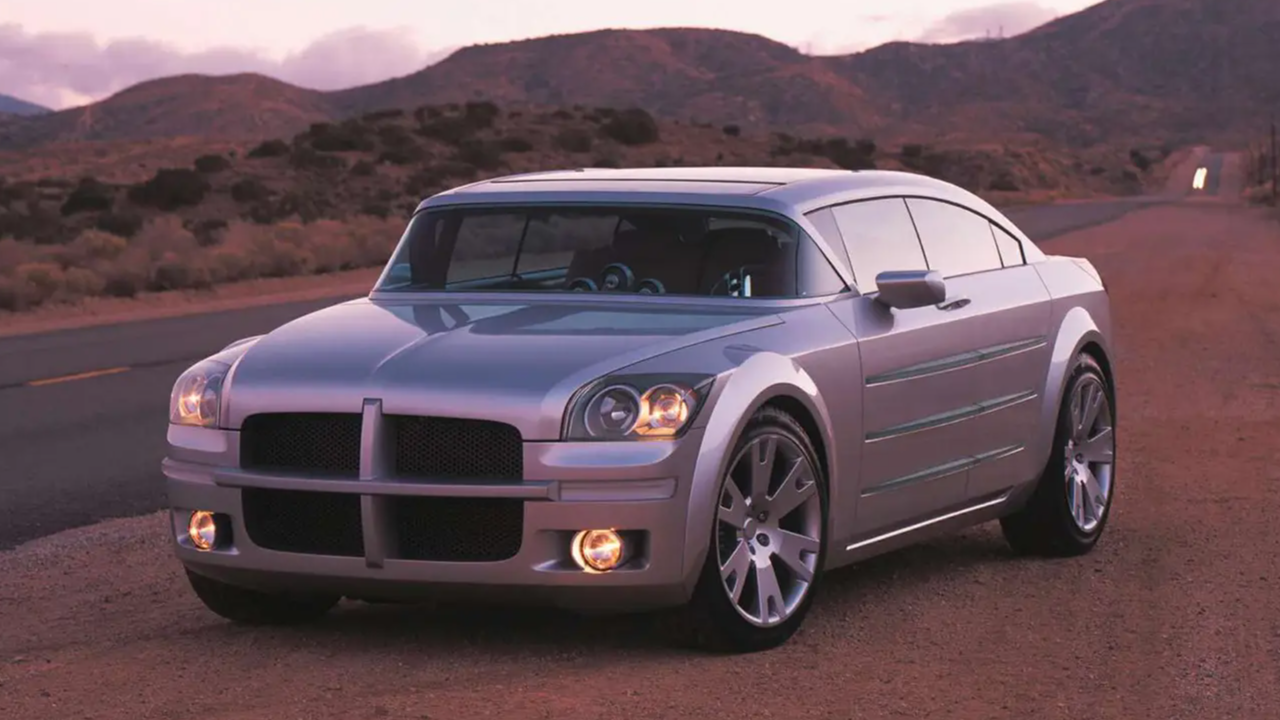
The Dodge Super8 Hemi looks like a boat that wants to be a car, based on Dodge’s SUVs and pickup trucks. The result was as weird as it sounds, and nobody was shocked to find out it would never enter production. However, Hot Wheels made a version for their 2005 Drop Top lineup.
While the Super8 Hemi looked weird, everything was as expected under the hood. The engine was a 5.7-liter naturally aspirated Hemi V8 that produced 350 horsepower.
Mazda HR-X2
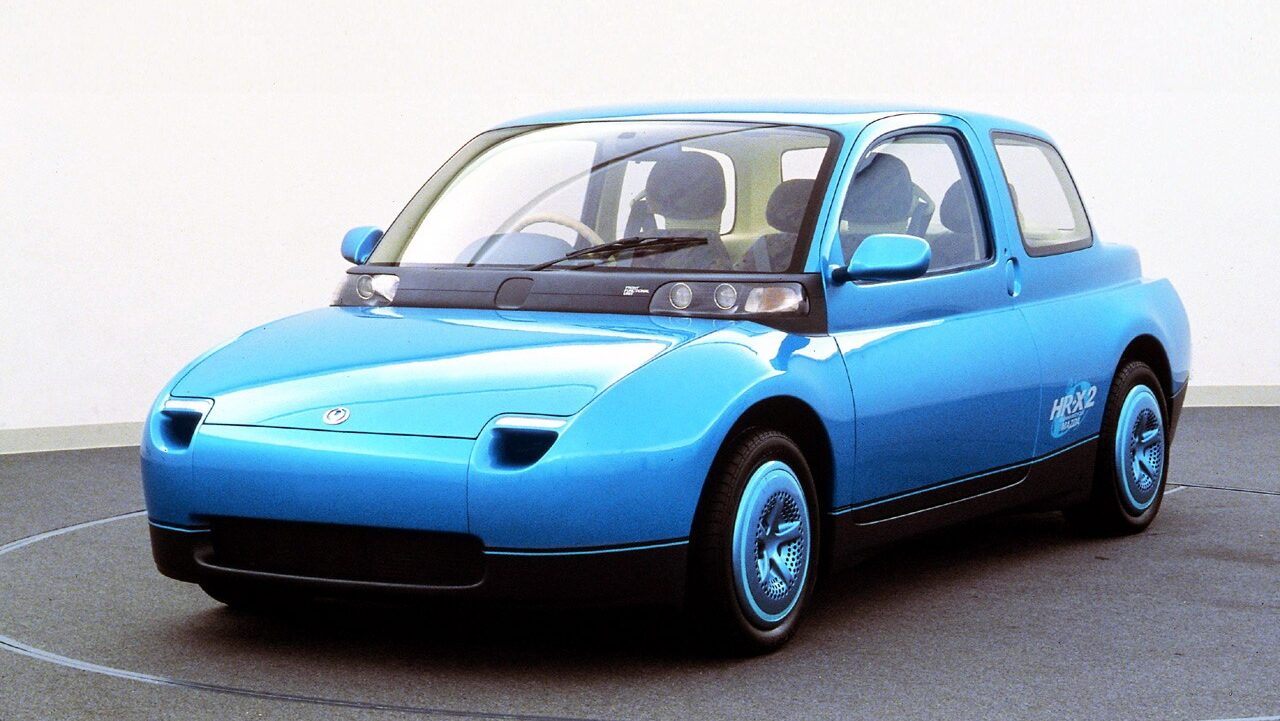
The Mazda HR-X2 looked like a futuristic car the Jetsons would drive, and with good reason: it packed a lot of ground-breaking tech. Mazda built the HR-X2’s body from plastic and designed it to be 100% recyclable.
In true Mazda fashion, the HR-X2 used a Wankel engine, but it was fueled by hydrogen, not gasoline. Seeing how hydrogen is making a comeback now, Mazda should revisit the HR-X2 concept.
DS X E-Tense

In 2018, the French brand DS, formerly part of Citroën, introduced something truly unusual: a car that isn’t symmetrical. Called the X E-Tense, this concept was meant to show what driving might look like in 2035. One side is open and sporty for spirited driving. The other side is enclosed and relaxed, where the car drives itself while the passenger rests.
The design was inspired by the idea that future drivers might want both excitement and comfort, depending on their mood. While it’s unlikely something this extreme will hit the streets anytime soon, it gives us a glimpse at how carmakers are thinking about personalization, autonomy, and flexibility.
Hyundai Elevate
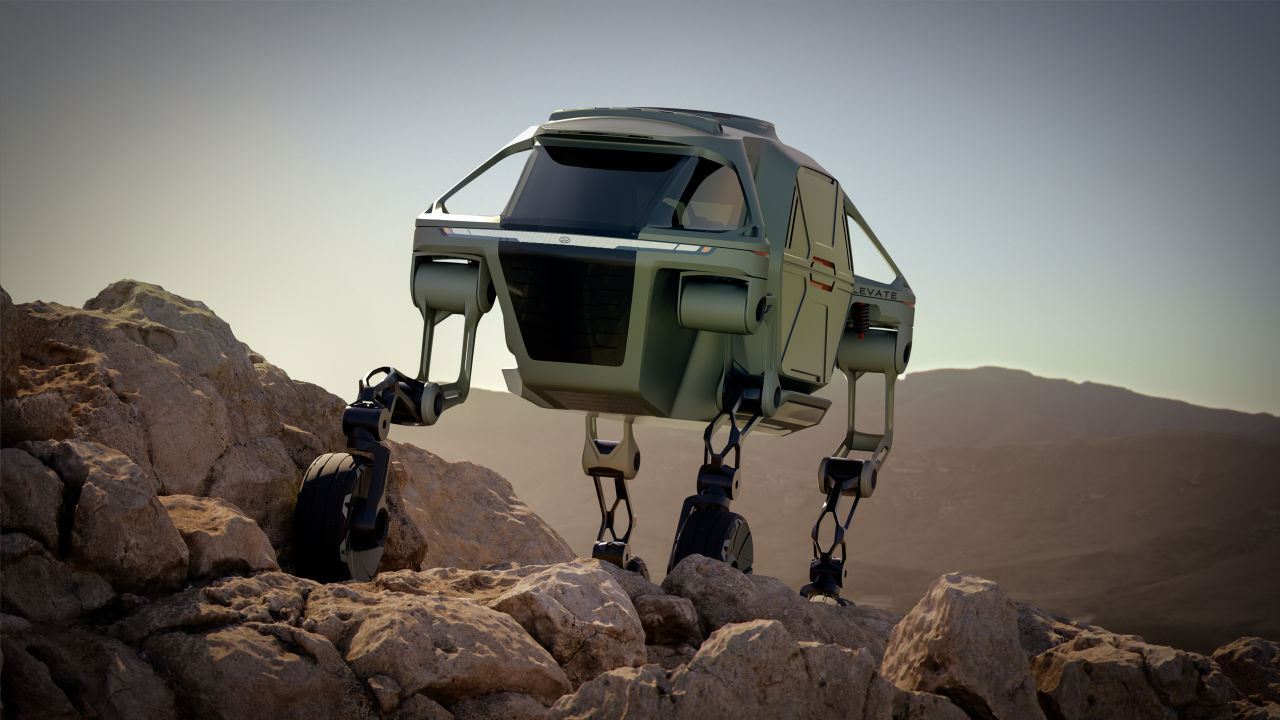
The Hyundai Elevate doesn’t look like anything else available right now. It’s part car, part robot, built for one purpose: to go where other vehicles can’t. Its wheels are attached to extendable legs, allowing it to climb over debris or walk across rough terrain.
Hyundai created this concept for emergency rescue missions, not everyday use. The Elevate could be especially useful in disaster zones where roads are damaged or missing altogether. While still in the early concept stage, it shows how car design can be about saving lives, not just moving people.
Pal-V Liberty

Flying cars have been a fantasy for decades, but the Pal-V Liberty came surprisingly close to making it real. This Dutch-made vehicle is part car, part gyrocopter. You drive it to an airfield, unfold the rotors, and lift off. No special effects, just real engineering.
Powered by a Rotax engine, the Liberty can reach about 100 mph both on the ground and in the air. It meets actual aviation standards, which makes it one of the few flying car concepts with real potential. It’s not cheap or convenient yet, but it proves the idea isn’t just a dream.
Audi AI: Trail

The Audi AI: Trail is like a rolling greenhouse made for off-road adventures. Its all-glass cabin gives you wide-open views of the landscape, turning every drive into a scenic experience. Instead of headlights, it uses flying drones that light the path ahead, letting you focus more on the surroundings and less on what’s immediately in front of you.
Inside, it’s just as inventive. The seats are hammocks that hang from the frame to soften rough rides without bulky suspension. Each wheel has its own electric motor for maximum grip on uneven ground. It’s not built for highways—it’s made for forest trails, desert paths, and anywhere else a regular car wouldn’t dare go.
Alfa Romeo BAT Series

In the 1950s, Alfa Romeo teamed up with Italian design house Bertone to explore how car shapes could cut through air more efficiently. The result was the BAT series, short for Berlina Aerodinamica Tecnica. These concept cars weren’t just beautiful—they were engineering experiments in drag reduction. The 1954 BAT 7 achieved a drag coefficient of just 0.19, a figure that still impresses engineers today.
Built on the chassis of the Alfa Romeo 1900 and powered by modest 100-horsepower engines, these cars weren’t about raw speed. Still, the BAT 5 hit 120 mph, thanks to its slippery shape. Only three were made—BAT 5, BAT 7, and BAT 9—each more sculptural than the last. Their dramatic fins and sweeping curves weren’t just for show; they were part of a serious study in how form affects function.
Citroën 19_19
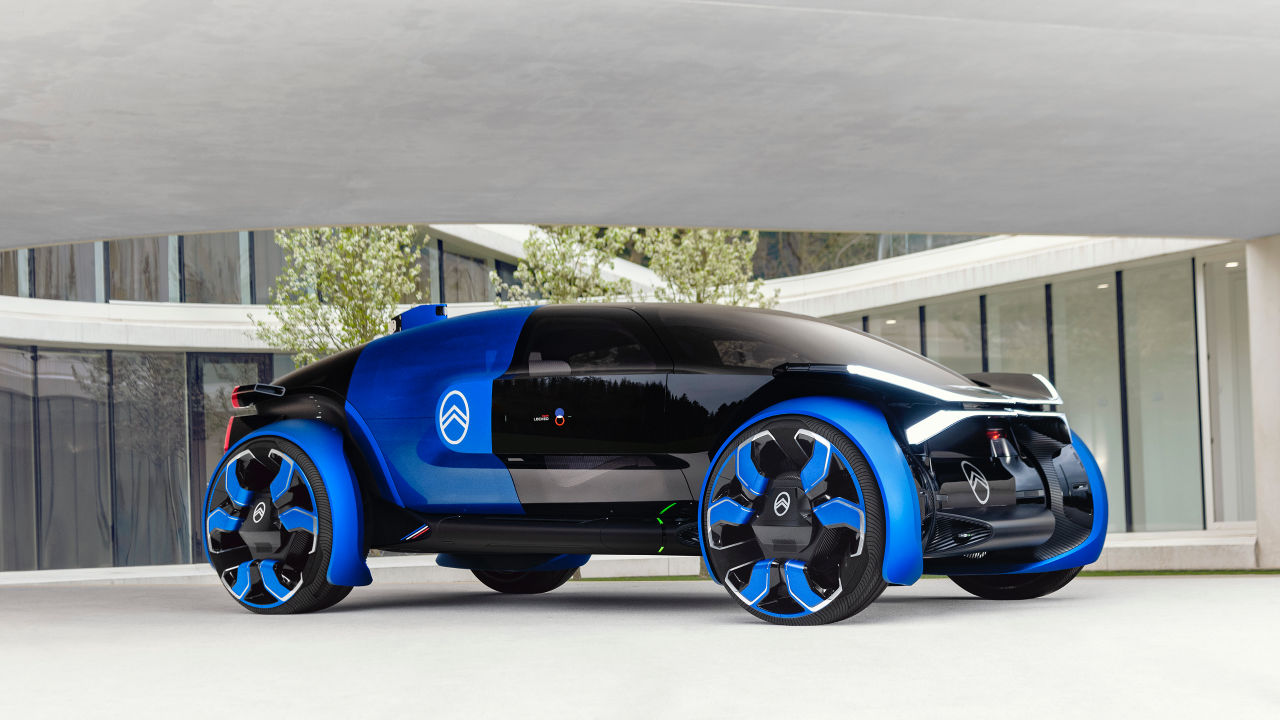
To mark its 100th anniversary, Citroën unveiled the 19_19, a futuristic pod on wheels that looks more like a personal shuttle than a car. Its shape was inspired by aerospace design, with oversized wheels, a long wheelbase, and a fully glazed cabin meant to give passengers a feeling of floating. It was built to showcase Citroën’s vision of comfort and autonomy in the years ahead.
Naturally, the 19_19 is designed for self-driving, allowing its passengers to relax and enjoy the ride. Inside, it swaps traditional car features for lounge-like seating and voice-activated controls. It wasn’t built for production, but it wasn’t supposed to be. This concept was more about celebrating how far the brand had come—and hinting at where it might go next.
Toyota Concept-i

Toyota’s Concept-i explores how artificial intelligence might make driving more personal. It uses sensors to read facial expressions, tone of voice, and even the rhythm of your movements. The system then adjusts its behavior based on what it thinks you’re feeling: calm, distracted, stressed, or tired.
The idea is to create a safer, more responsive ride. If you seem overwhelmed, the car might offer to take over or suggest a rest. It also adapts over time, learning your habits and preferences. While it’s still a concept, the technology behind it reflects a growing interest in making vehicles more aware of the people inside them.
Peugeot Moovie
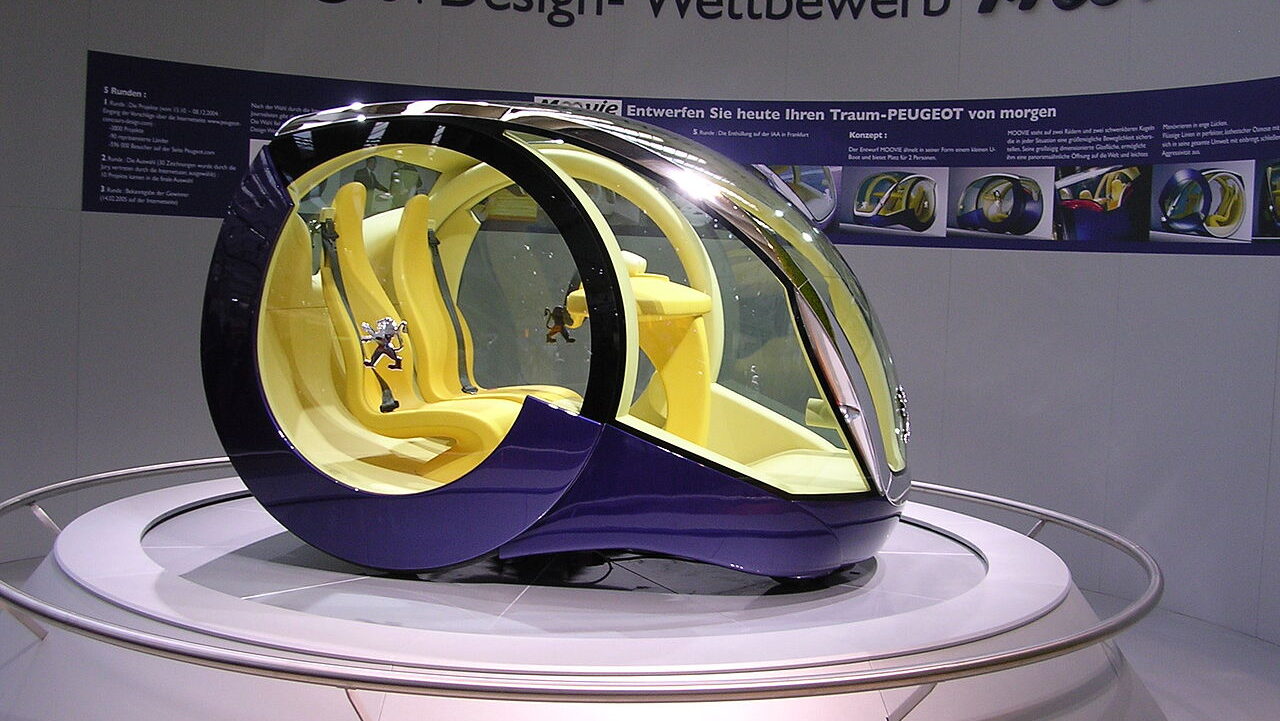
The Peugeot Moovie came from a 2005 design competition focused on future urban mobility. Designed by Portuguese student André Costa, it was a small, all-electric two-seater that weighed just 1,100 pounds. Its round shape and large windows gave it a friendly, approachable look.
Peugeot used the Moovie to show its interest in sustainable, city-focused vehicles. The concept highlighted how electric cars could be compact, energy-efficient, and easier to park and navigate in tight urban spaces. Even though it never reached production, the Moovie reflected a growing shift toward cleaner, smaller transportation solutions.
Renault Racoon
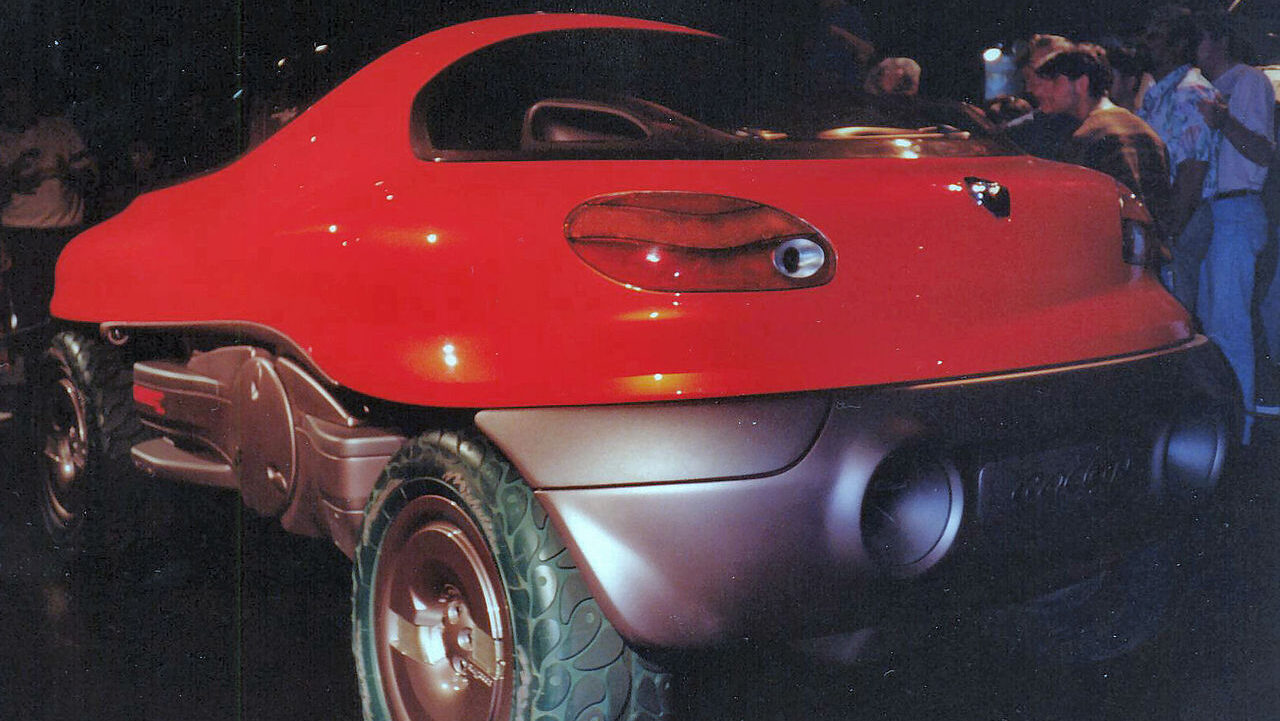
The Renault Racoon, introduced in 1993, was an amphibious concept designed to handle a wide range of terrains. With a twin-turbo 3.0-liter V6 under the hood, it had the power to take on off-road trails. Its oversized tires and high ground clearance helped it navigate uneven ground with ease.
What made the Racoon truly stand out were the two water jets mounted at the rear. These allowed it to travel at about five knots on water, making it one of the few concept vehicles that could handle both land and sea. It was a forward-thinking take on versatility, packaged in a bold, futuristic design.
Nissan Pivo 2
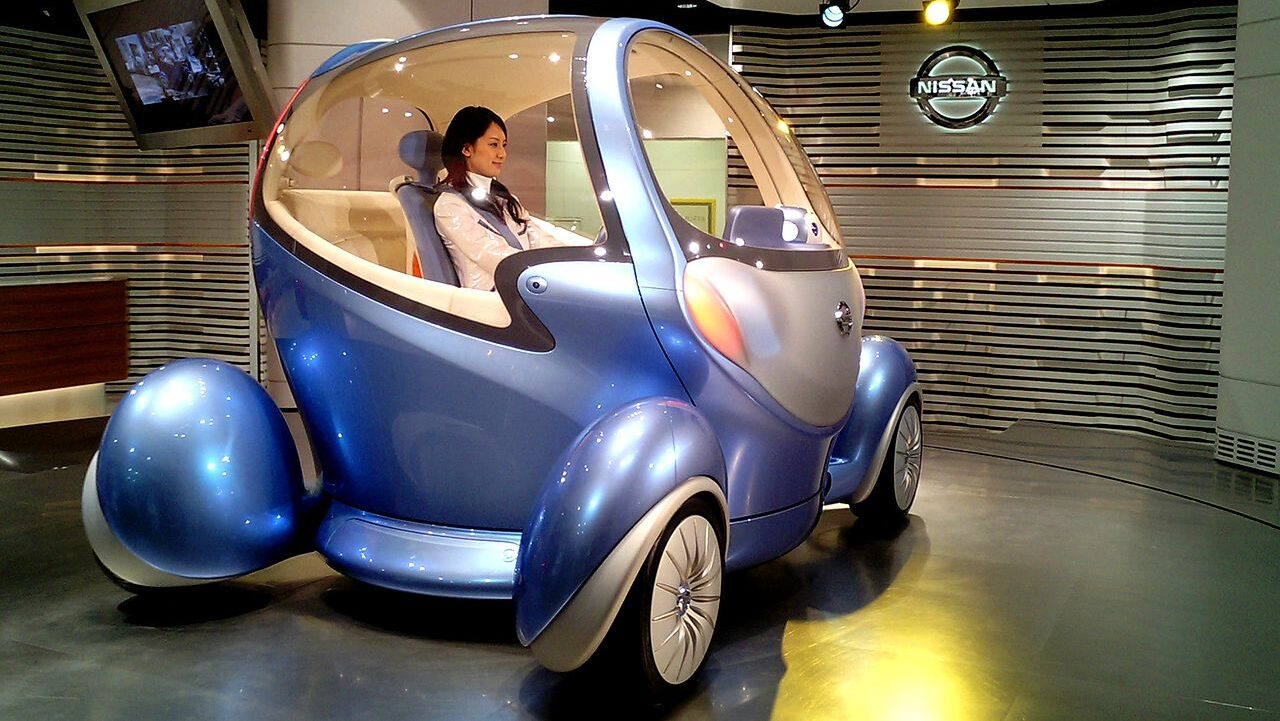
The Nissan Pivo 2 was built with city life in mind. Each of its four wheels could swivel independently, letting the car move sideways, spin in place, or park in tight spaces without the need for mirrors or backup cameras. Every wheel had its own electric motor, making it nimble and efficient in crowded urban environments.
Inside, the Pivo 2 featured something unexpected—a small robot companion on the dashboard. It responded to voice commands and even tracked the driver’s mood. Nissan believed that a more cheerful driver was a safer one, so the robot’s job was to keep the atmosphere light and friendly on every trip.
Fiat Turbina
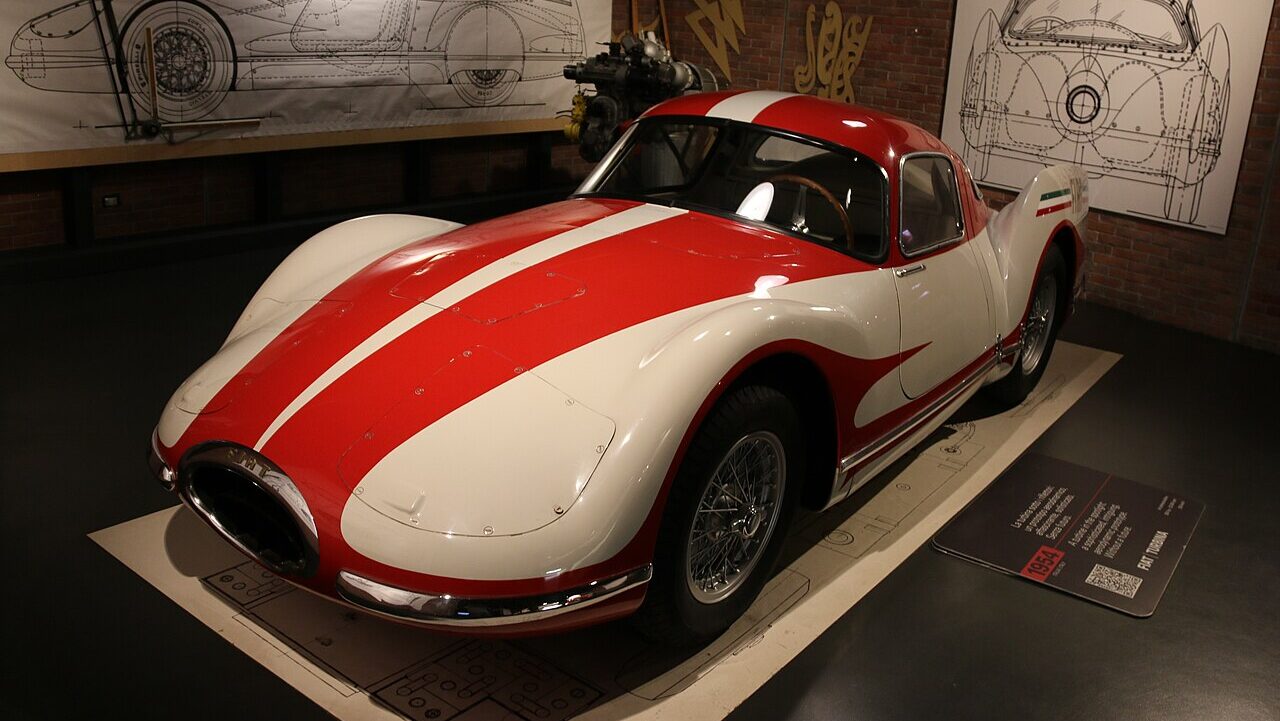
Speaking of jet-inspired concept cars: the Fiat Turbina, introduced in 1954, looked like it belonged on a runway—and for good reason. It was one of the first cars powered by a gas turbine engine, a technology more common in fighter jets than family sedans. Fiat built it as an experiment in high-speed, high-efficiency travel.
With a top speed of 160 mph, the Turbina showed real promise. But the turbine engine ran hot, was fuel-hungry, and hard to control at low speeds. While Chrysler later explored similar ideas, Fiat got there first. The Turbina never reached production, but it remains a bold reminder of how far automakers were willing to go to test new ground.
Ferrari 512S Modulo

Unveiled at the 1970 Geneva Auto Show, the Ferrari 512S Modulo looked more like a spacecraft than a road car. Designed by Pininfarina, it featured a low, wedge-shaped body that helped inspire a whole wave of angular supercars in the years that followed. Its futuristic styling made a lasting impression on the world of automotive design.
Underneath the radical shape was serious performance. The Modulo was built on a real Ferrari race car chassis and powered by a V12 engine with 550 horsepower. It stood just 36 inches tall, so low that the entire windshield had to slide forward for the driver to climb in. It was never meant for the road, but it showed how bold and creative car design could be when there were no limits.
BMW GINA

The BMW GINA was unlike any concept car before it. Built on the Z8 platform and powered by a V8 engine, it replaced traditional metal panels with a flexible fabric stretched over a movable frame. The body could shift and adapt, opening up to reveal headlights or forming a rear spoiler when needed.
Inside, the car was just as dynamic. When the driver pressed the start button, the instruments and steering wheel moved into place, and the headrest rose from the seat as if the car were coming to life. GINA was an experiment in how adaptable a vehicle could be, both in form and function.
When Weird Ideas Drive Progress

Most of these concept cars were never built for real-world use, and that’s exactly what makes them so valuable and unique. They’re not bound by practicality, which gives engineers and designers room to experiment with radical ideas. Sometimes those ideas flop. Other times, they shape the cars we drive today.
Take hydrogen fuel or recyclable materials: once seen as gimmicks, now being taken seriously in the race toward sustainability. Or look at how driver-assistance systems have grown from sci-fi concepts into standard features. The point is: every strange prototype is a window into what’s possible.
So whether these vehicles were brilliant, bizarre, or both, they remind us that the road ahead is built on imagination. And sometimes, it takes a flying car (or one with legs) to show us the way forward.