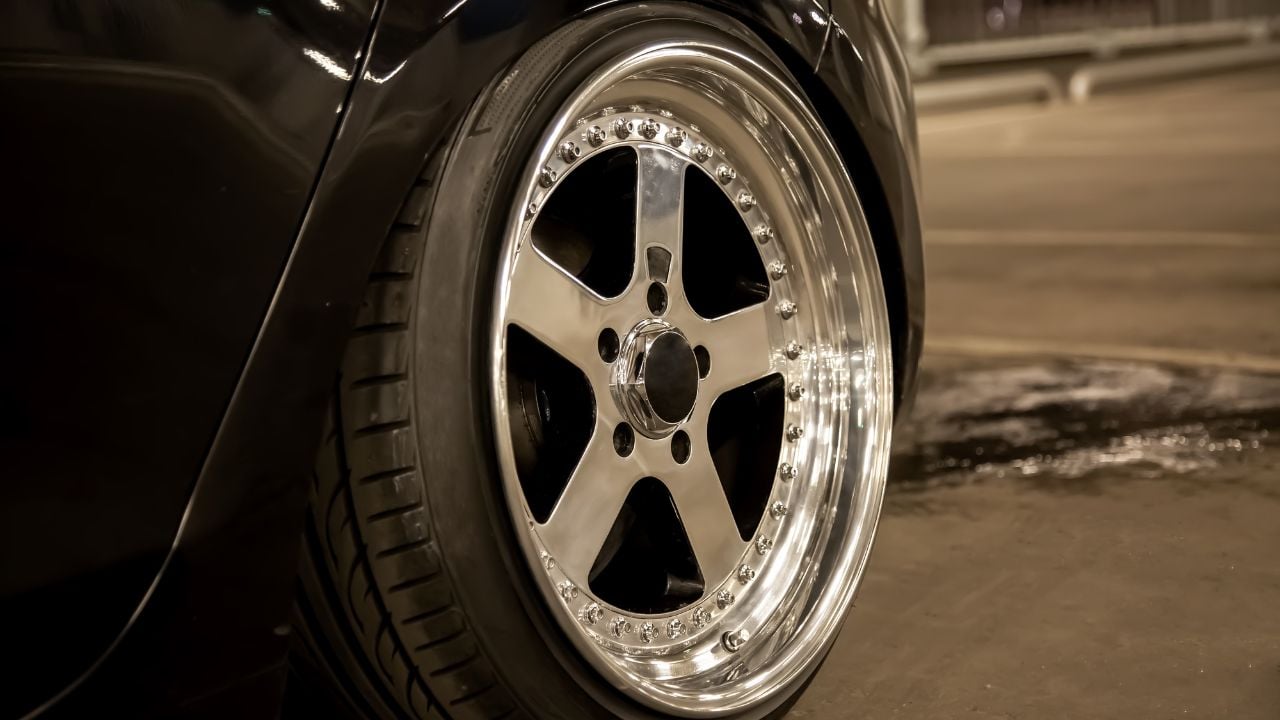
California has never been shy about introducing aggressive automotive regulations, especially when fuel economy and emissions are involved. Now, a proposed tire regulation could become the next major flashpoint between regulators, automakers, and car enthusiasts.
The California Energy Commission is currently considering a proposal called the “Replacement Tire Efficiency Program,” which would require replacement tires sold in the state to meet strict rolling-resistance efficiency targets similar to those applied to original-equipment factory tires.
Supporters argue the proposal could improve fuel economy and reduce emissions over time. Critics, however, believe the plan could unintentionally reduce tire performance, shorten tire lifespan, increase long-term waste, and dramatically limit aftermarket options for enthusiasts.
For drivers who enjoy upgrading their cars with stickier performance rubber or more durable all-terrain tires, the proposal has triggered growing concern about what could disappear from the market if the rules move forward unchanged.
Why Enthusiasts Are Worried

Tires are often considered one of the most effective upgrades any driver can make to a vehicle. A quality set of performance tires can dramatically improve handling, braking, steering feel, and wet-weather grip without modifying the engine or suspension.
The concern is that California’s proposed standards heavily prioritize low rolling resistance, which helps maximize fuel economy but can compromise other characteristics enthusiasts value.
Many factory-original tires are already designed specifically around fuel-efficiency targets to help automakers meet federal CAFE regulations. Those OEM tires frequently sacrifice outright grip and longevity in favor of reducing rolling resistance. Enthusiasts often replace them immediately for exactly that reason.
The proposal could potentially limit access to popular aftermarket performance tires if they fail to meet the state’s efficiency requirements. Tires designed for aggressive handling, track use, or off-road capability naturally generate more rolling resistance because of their softer compounds and more aggressive tread designs.
Some specialty low-production tires may qualify for exemptions, but many mainstream enthusiast favorites reportedly could face uncertainty under the proposed rules.
The Environmental Math May Not Add Up
Critics also argue the proposal could unintentionally create a larger environmental problem rather than solving one. One major issue involves tread life.
According to reports surrounding the proposal, many low rolling-resistance tires optimized for maximum efficiency wear out significantly faster than traditional aftermarket replacement tires.
For example, some European-style efficiency-focused tires reportedly average roughly 27,000 miles of lifespan compared to the 60,000-mile warranties commonly offered on many all-season replacement tires sold in the United States.
If drivers must replace tires twice as often, the total environmental impact becomes more complicated. Manufacturing, shipping, and disposing of substantially larger numbers of worn-out tires could offset at least part of the efficiency gains achieved through reduced rolling resistance.
Critics argue the proposal appears narrowly focused on fuel savings while overlooking the larger environmental costs associated with accelerated tire consumption and waste generation.
The California Energy Commission reportedly estimates the program could save drivers money through improved efficiency over several years. Opponents counter that those calculations may not fully account for more frequent tire replacement costs.
Safety Concerns Are Also Being Raised
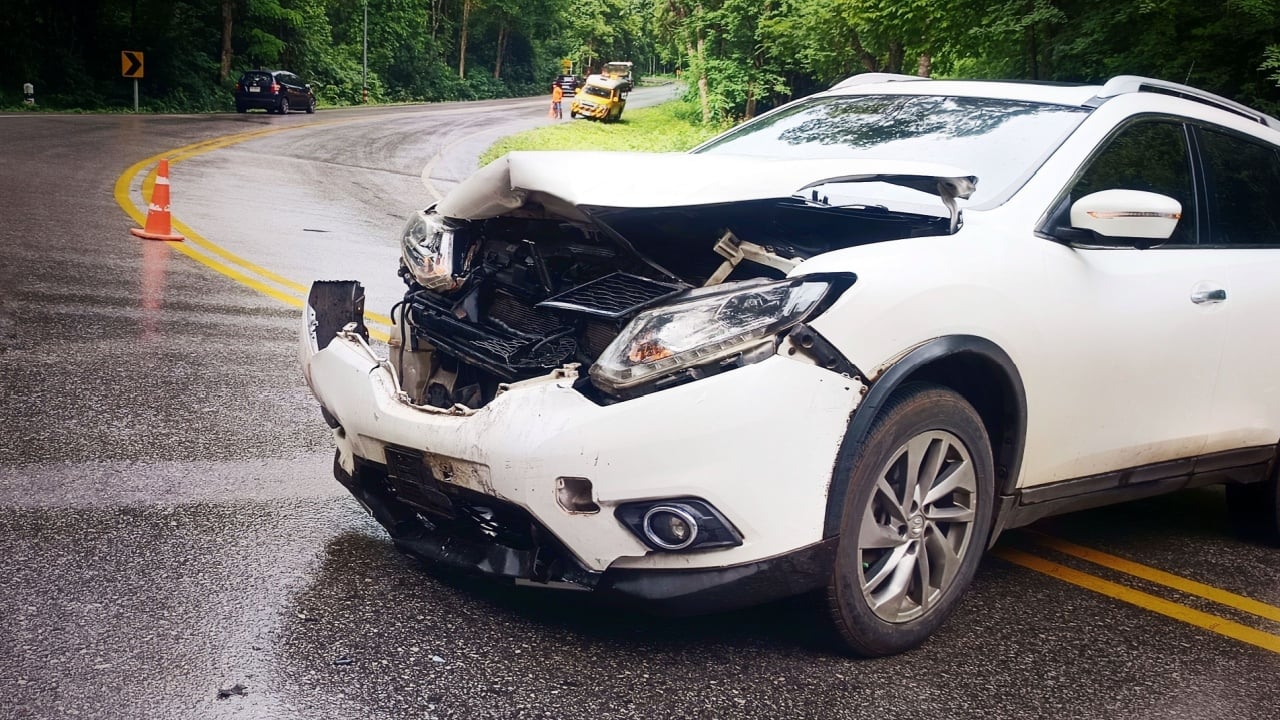
Beyond enthusiast complaints, some industry voices worry the proposal could negatively affect wet-weather safety.
Low rolling resistance and maximum wet grip often work against each other from an engineering standpoint. Softer compounds and tread designs optimized for traction generally create more rolling resistance, while efficiency-focused compounds may compromise ultimate grip levels.
That tradeoff becomes particularly important in heavy rain or emergency braking situations. Several tire experts and motorsport figures have already expressed concern that prioritizing efficiency too aggressively could reduce real-world safety margins for drivers.
For performance-oriented vehicles, the issue becomes even more noticeable. Cars such as the Toyota 86, Subaru BRZ, and Scion FR-S became famous among enthusiasts partly because replacing their factory low-grip tires transformed the driving experience entirely.
Many owners consider upgraded tires essential to unlocking those cars’ actual handling potential. Restrictions limiting replacement options could fundamentally change how some vehicles perform.
California’s Decisions Often Influence The Entire Market
Another reason the proposal has attracted national attention is California’s enormous influence over automotive regulations. Historically, manufacturers frequently align products with California standards because the state represents such a large market.
That means rules initially affecting only California could eventually shape tire availability across the broader United States market as manufacturers streamline product lineups and compliance strategies.
At the moment, the Replacement Tire Efficiency Program remains only a proposal, and public hearings are still ongoing. The final language, exemptions, and implementation details could still change significantly before any regulations take effect.
Even so, the debate highlights a broader challenge facing the automotive industry: balancing efficiency goals with performance, safety, durability, and consumer choice.
For enthusiasts especially, the concern is about maintaining the freedom to choose tires that best suit how they actually drive, whether that means canyon carving, long-distance commuting, off-roading, or simply prioritizing safety in bad weather over a marginal fuel-economy gain.