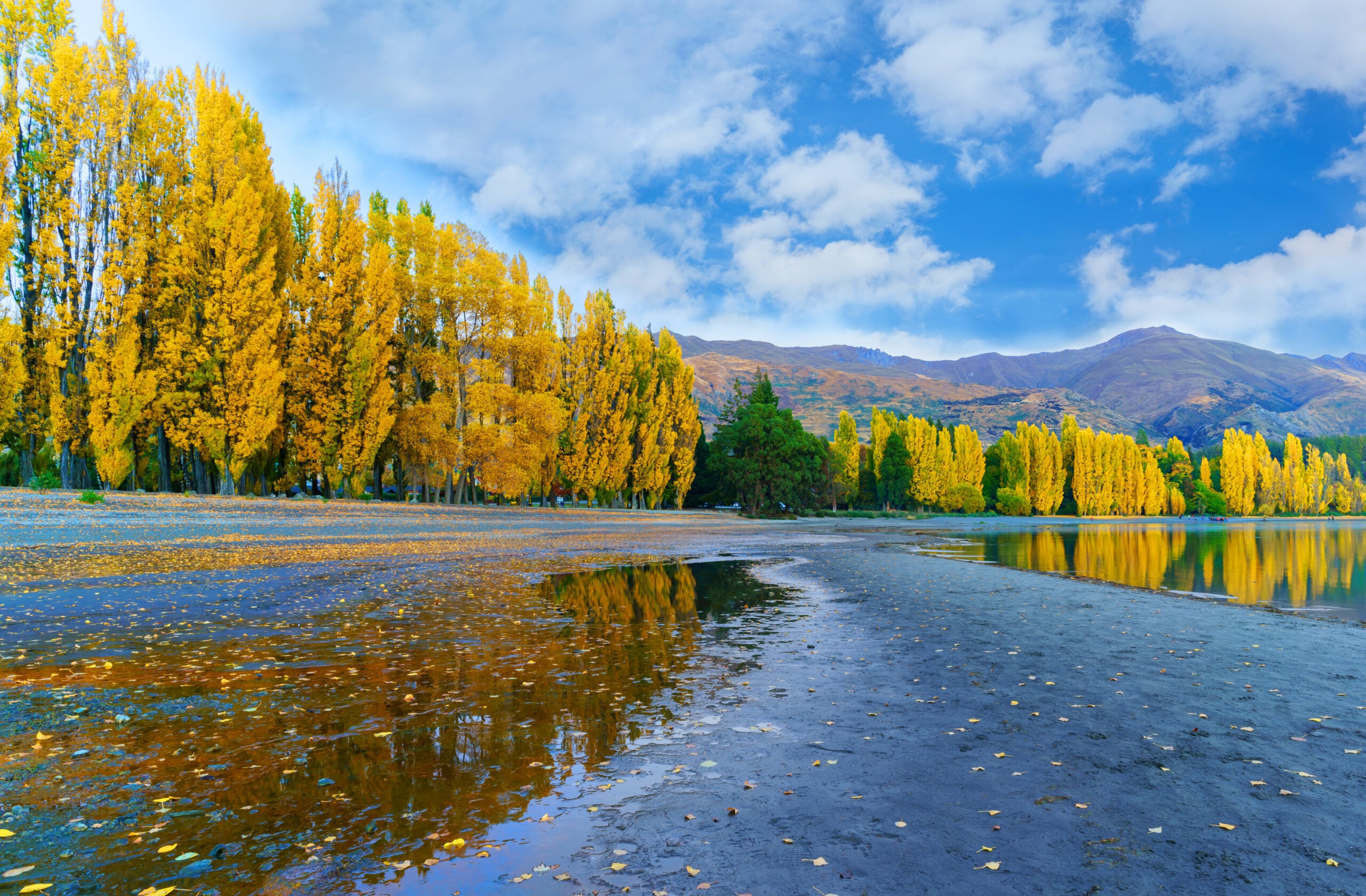
New Zealand’s South Island does not wait long to show its scale. A normal drive can turn into pale-blue lake water, dry grass, mountain wind, snow on distant ridges, and clouds moving fast enough to change the whole scene before the next pull-off.
A first route should leave room for that. The island punishes rushed loops, especially when travelers try to fit glaciers, fiords, beaches, lake towns, mountain passes, and long hikes into one tight week. This version keeps the line clear: Christchurch, Lake Tekapo, Aoraki/Mount Cook, Wānaka, Queenstown, Te Anau, and Milford Sound.
Seven days can cover the shape, but ten days makes the drive easier to enjoy. The extra time matters when the weather changes, a track status shifts, a lake looks too good to leave, or a mountain morning deserves more than one quick photo from a car park.
A rental car gives the route its freedom. Keep fuel, layers, snacks, rain gear, and daylight in mind. Some of the strongest memories may happen between the famous stops: a roadside view over Lake Pukaki, a quiet Wānaka morning, the first glimpse of the Remarkables above Queenstown, or mist hanging over the Milford Road before the fiord appears.
1. Start in Christchurch, Then Drive Toward Lake Tekapo
Christchurch is a practical first night after a long flight. The city has riverside paths, gardens, cafés, rebuilt central streets, and enough comfort to let travelers sleep properly before the alpine driving begins. ChristchurchNZ describes Ōtautahi Christchurch as the South Island’s most modern and exciting city, set inside the wider Canterbury region.
Leave for Lake Tekapo with a clear head rather than trying to drive inland half-awake. The land opens gradually as the road moves away from the city. Fields flatten, the sky widens, and the mountains begin to appear as a pale line ahead before the Mackenzie Basin takes over.
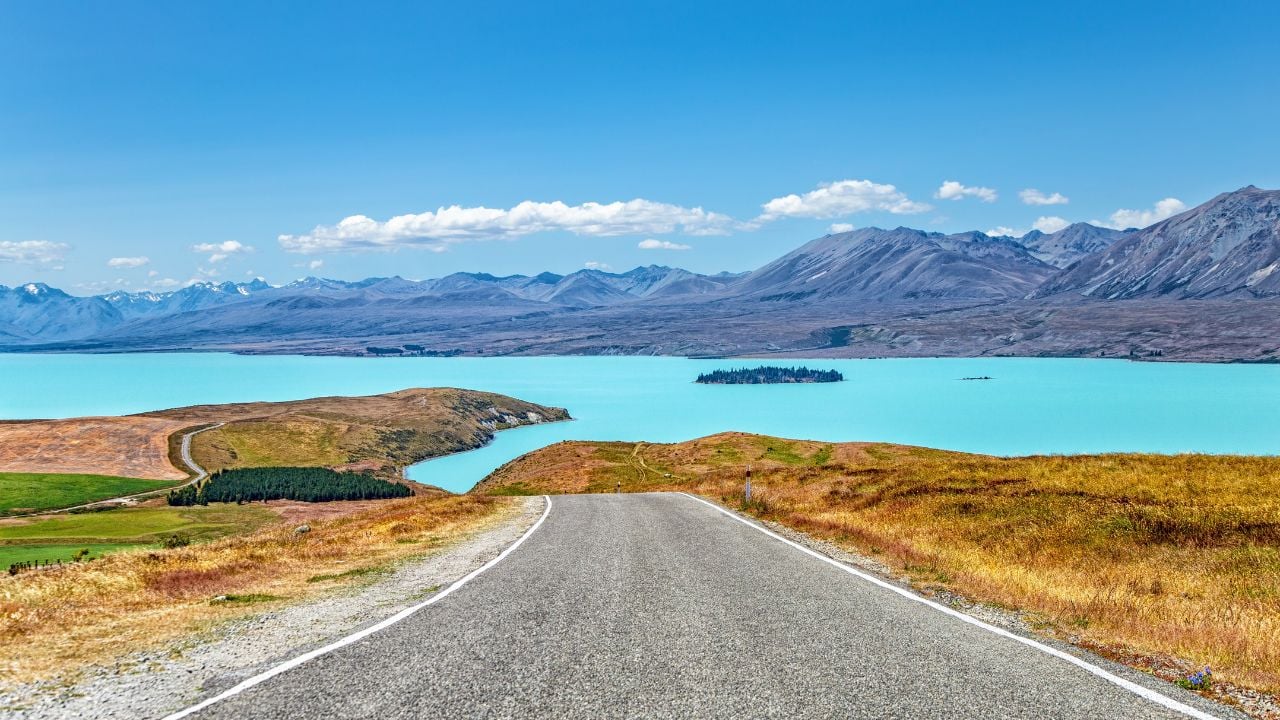
At Lake Tekapo, the color can feel almost unreal on a clear day. The water sits milky blue under open sky, the Church of the Good Shepherd draws visitors toward the shore, and the surrounding hills make the town feel small in the middle of a much larger landscape.
Stay for night if the schedule allows. The Aoraki Mackenzie International Dark Sky Reserve says the reserve protects some of the clearest night skies in the world and supports dark-sky tourism and education. When clouds stay away, the evening can shift from lake color to stars without needing another drive.
2. Let Aoraki/Mount Cook Deliver the Big Alpine Moment
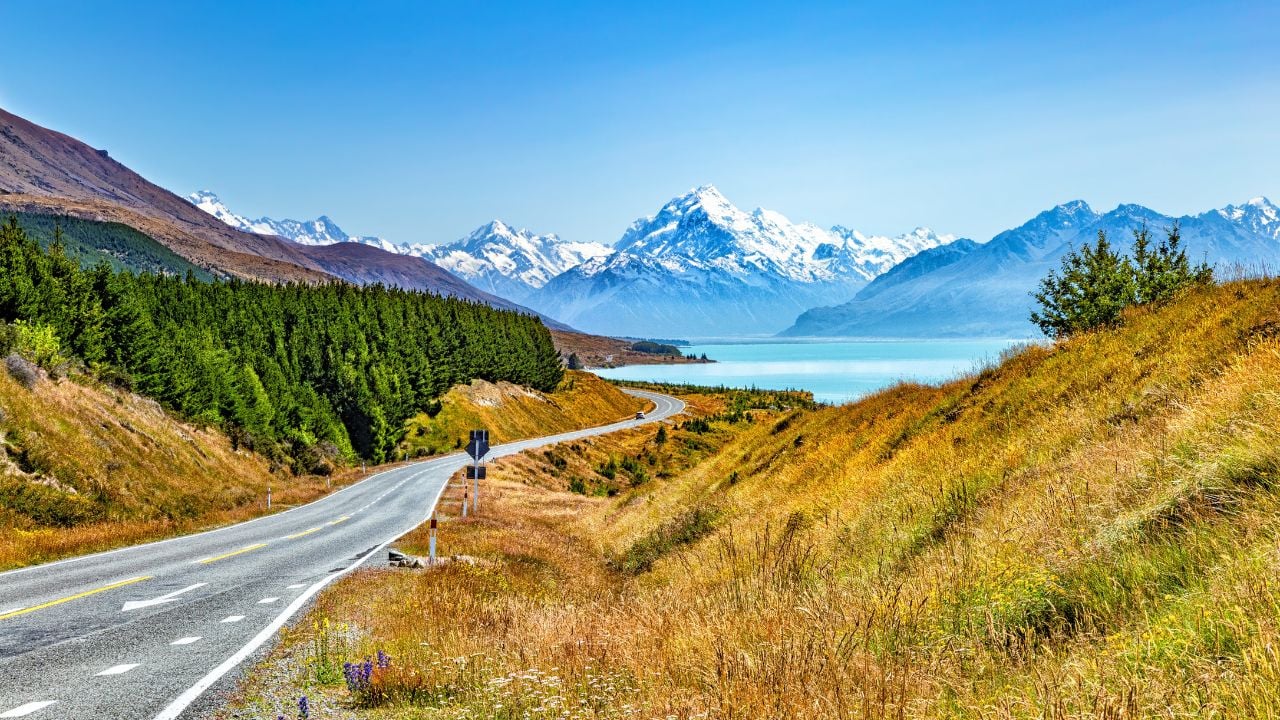
The drive toward Aoraki/Mount Cook is one of the route’s great arrivals. Lake Pukaki runs beside the road in bright turquoise, and Aoraki rises ahead when the weather is clear. Even before the village, the windshield starts to feel like the main viewpoint.
Do not overload the day after reaching the national park. Choose one walk, leave time for weather, and let the mountains change as clouds move across them. Aoraki does not need constant activity to feel dramatic; a short pause near the visitor area can be enough when the peaks are visible.
The Hooker Valley Track is the classic first-timer walk, but alpine conditions and maintenance can change access. Tourism New Zealand currently flags the track as partially closed and directs visitors to the Department of Conservation for details, so check DOC before building the day around the full route.
If the track conditions fit, the walk brings suspension bridges, river flats, glacier views, and wind moving through the valley. If access or weather gets in the way, stay flexible with shorter walks, the visitor center, or a slow drive back along Lake Pukaki. A night in or near Aoraki/Mount Cook Village gives sunrise, sunset, and cloud movement a chance to become part of the stop.
3. Use Wānaka as the Softer Lake-and-Mountain Pause
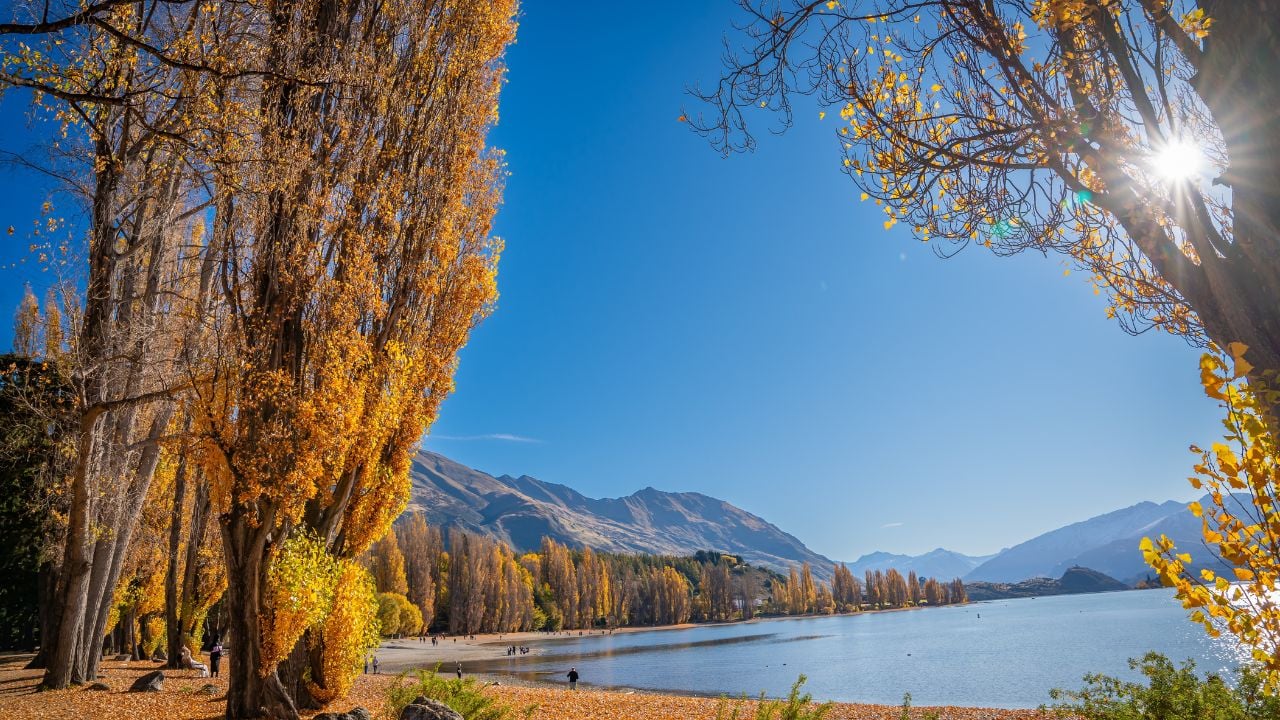
The road to Wānaka brings a shift from Aoraki’s high alpine drama into a town where the lake sits close to everyday life. People walk dogs near the shore, cafés fill after the morning rush, and the mountains stay visible without making every hour feel like a summit plan.
Tourism New Zealand describes Wānaka as a mountain and lakeside setting near Mount Aspiring National Park, with year-round outdoor activities. It also places Mount Aspiring National Park within Te Wāhipounamu, the UNESCO World Heritage Area that includes several major South Island national parks.
Spend the first hour beside the water before choosing the rest of the day. The lakefront changes with the light: smooth in the morning, brighter by midday, and softer when the shadows lengthen across the surrounding hills. A short walk, a coffee, or a simple viewpoint can be enough after the harder scenery around Aoraki.
Travelers with more energy can add a longer hike or an outdoor activity, but Wānaka does not need to become another packed adventure stop. It earns its place when the road trip finally slows enough for a lake bench, a bakery stop, a weather check, and an evening that does not require packing again immediately.
4. Give Queenstown the Energy, but Keep the Schedule Selective
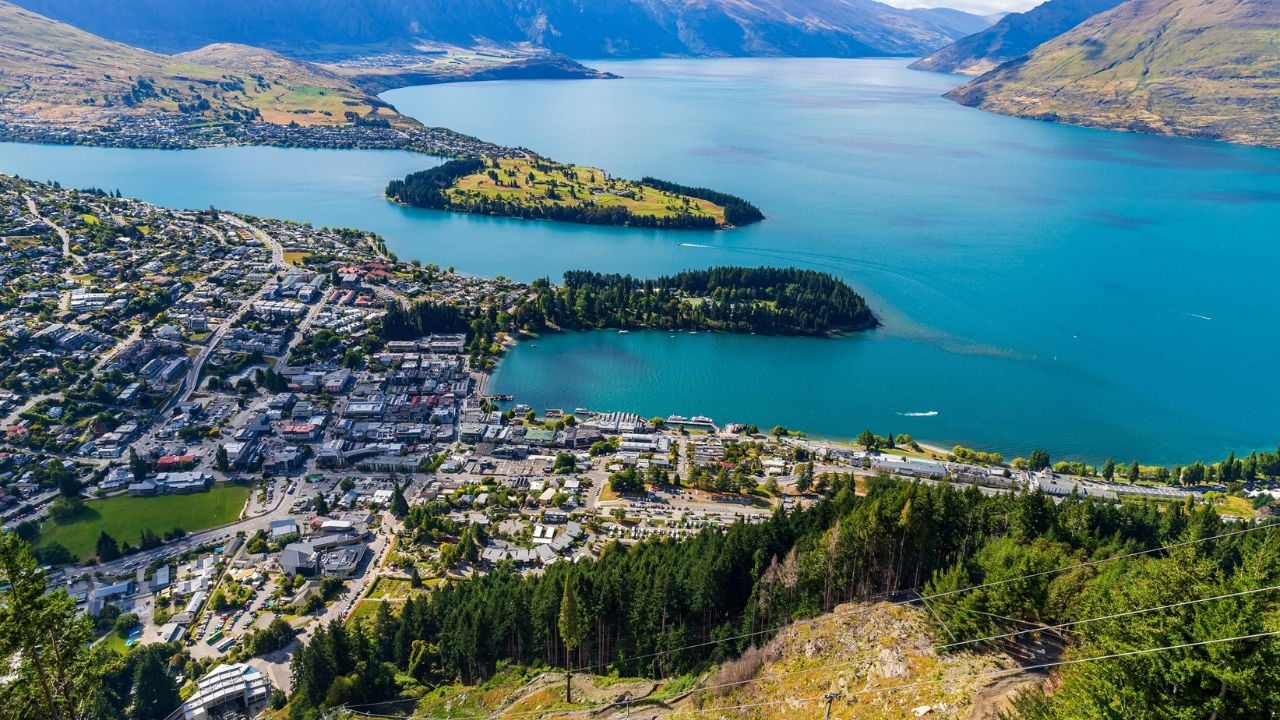
Queenstown changes the volume of the route. The town sits tight against Lake Wakatipu, with the Remarkables rising across the water and activity desks, restaurants, bars, and tour vans giving the streets more buzz than the earlier stops.
Queenstown’s official tourism site covers accommodation, activities, shopping, wine, events, and surrounding regions, while Tourism New Zealand presents the town as a major adventure destination. That reputation is real, but first-timers do not need to chase every adrenaline option to understand the setting.
Choose one bigger experience and leave room around it. Ride the gondola for the lake-and-mountain view, take a cruise on Lake Wakatipu, spend a few hours in Arrowtown, or head toward nearby wine country if the weather suits a slower afternoon. The town is easier to enjoy when the day has space between bookings.
Two nights help. The first evening can stay near the lake, with people gathering along the water as the mountains darken. The next day can carry the main activity, followed by dinner without another long drive waiting in the dark.
5. Finish With Te Anau and Milford Sound Without Rushing the Fiord Day
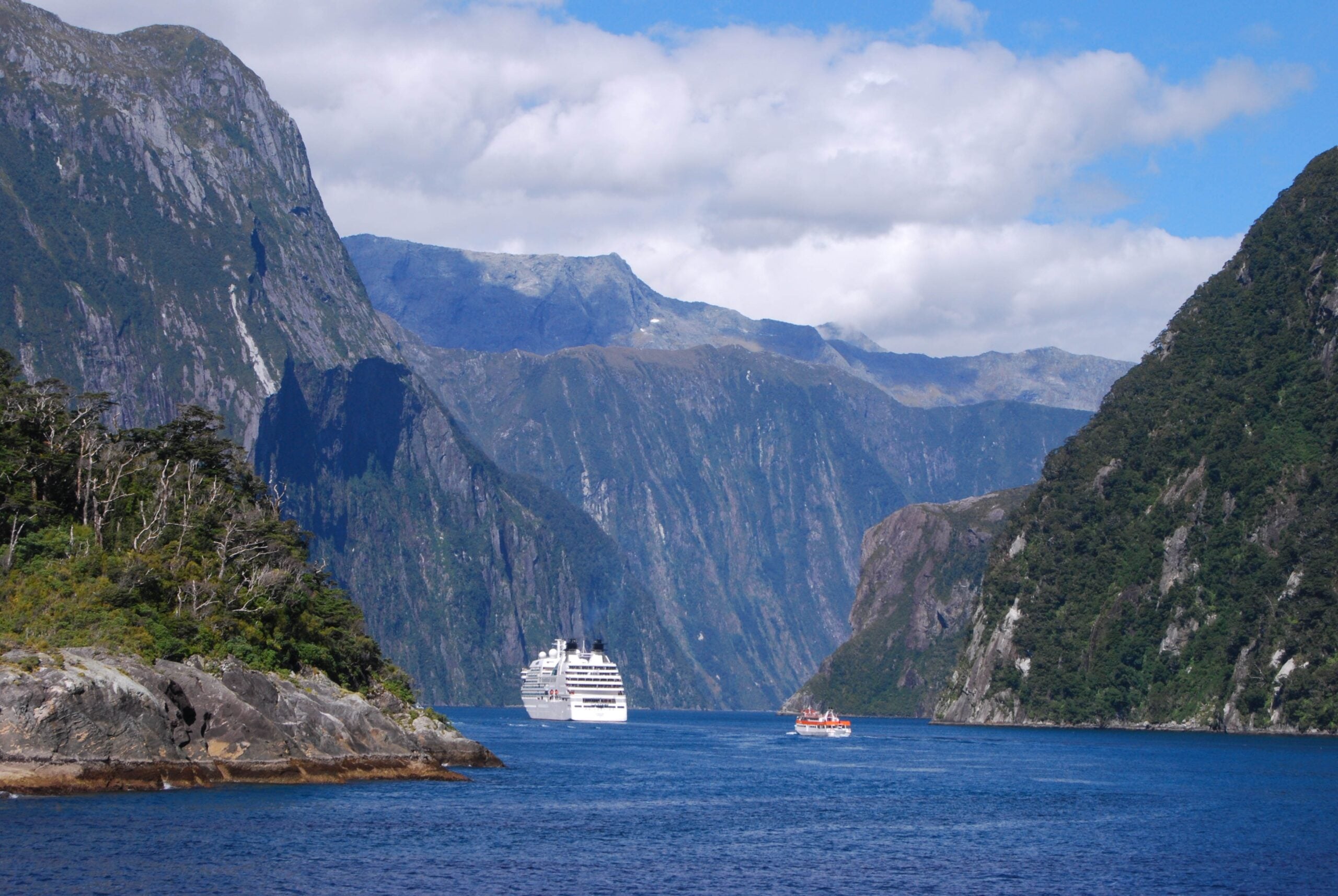
Milford Sound/Piopiotahi deserves more patience than a rushed day from Queenstown. The road in moves through beech forest, open valleys, waterfalls, mountain walls, and the Homer Tunnel area, where weather can shift quickly and make the drive feel very different from one hour to the next.
Te Anau sits on the eastern shore of Lake Te Anau and is described by Tourism New Zealand as a gateway to Fiordland, Milford Sound, Doubtful Sound, and several Great Walks. Sleeping there shortens the fiord day and keeps the morning from becoming a predawn race out of Queenstown.
Check the SH94 Milford Road status before leaving, especially in winter or bad weather. NZ Transport Agency Waka Kotahi posts road conditions for the Te Anau-to-Milford route, and DOC advises extra caution in winter months, with kea present along the road.
On the cruise, the scale arrives vertically. Cliffs rise straight from the water, waterfalls drop in white lines after rain, and boats look small against the walls of the fiord. Tourism New Zealand describes Milford Sound/Piopiotahi as a spectacular fiord, and wildlife sightings can include fur seals, dolphins, and Fiordland crested penguins depending on season and luck.
Return to Te Anau or Queenstown after the cruise, depending on flights and energy. A slower ending suits the whole route better than one final exhausted drive. The South Island leaves a stronger impression when the last big view still has room around it: cloud on the fiord, rain on the road, lake water beside Te Anau, and the quiet after the engine stops.