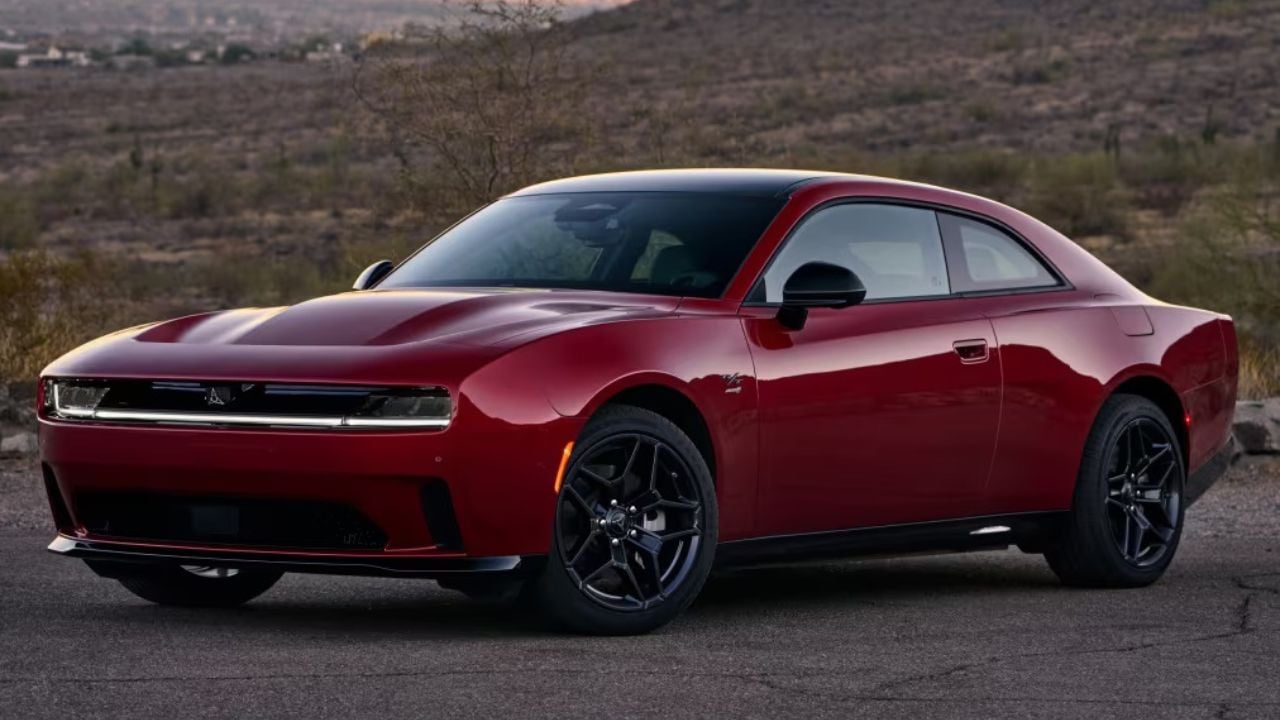
Electric cars have been fighting one serious problem for years: sharp depreciation after purchase.
Automakers are investing billions into electrification and trying to attract buyers with advanced technology, strong performance, and bold new designs. Still, the used car market remains cautious toward many EVs, especially expensive performance models.
The latest example comes from Edmunds, whose editors learned in a very costly way how quickly the value of a modern electric car can collapse.
A $50,000 Loss In One Year
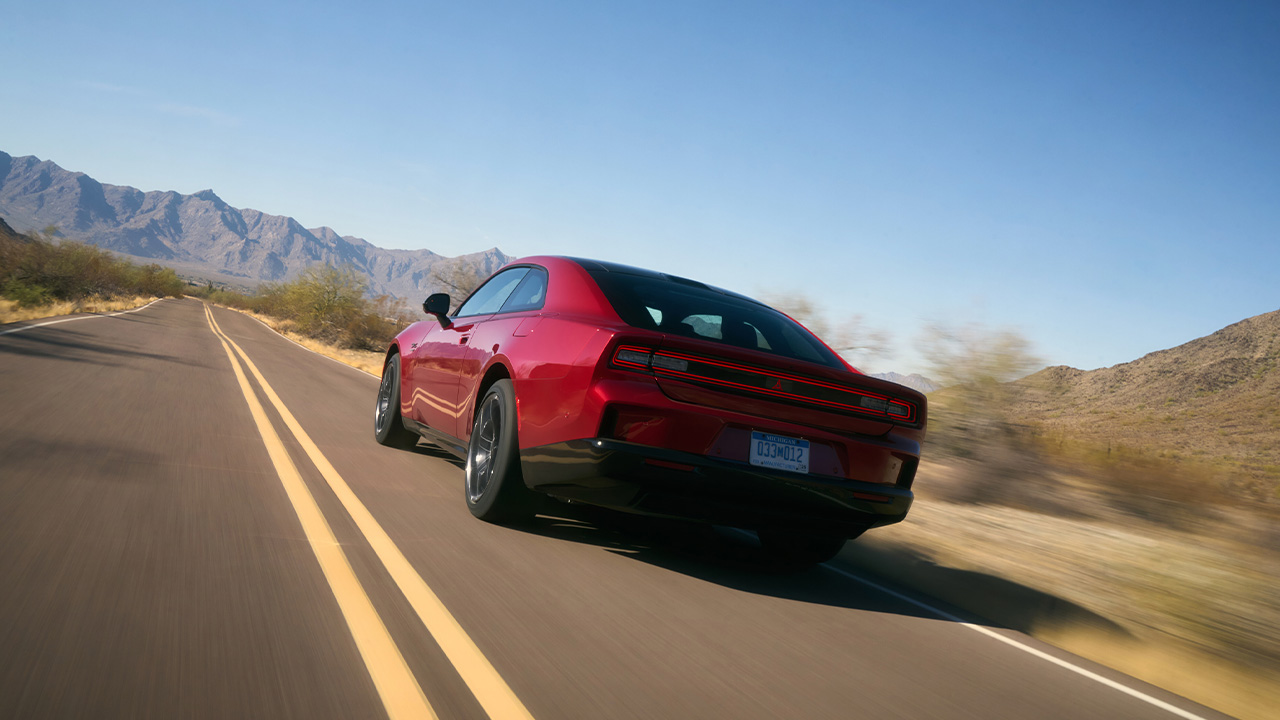
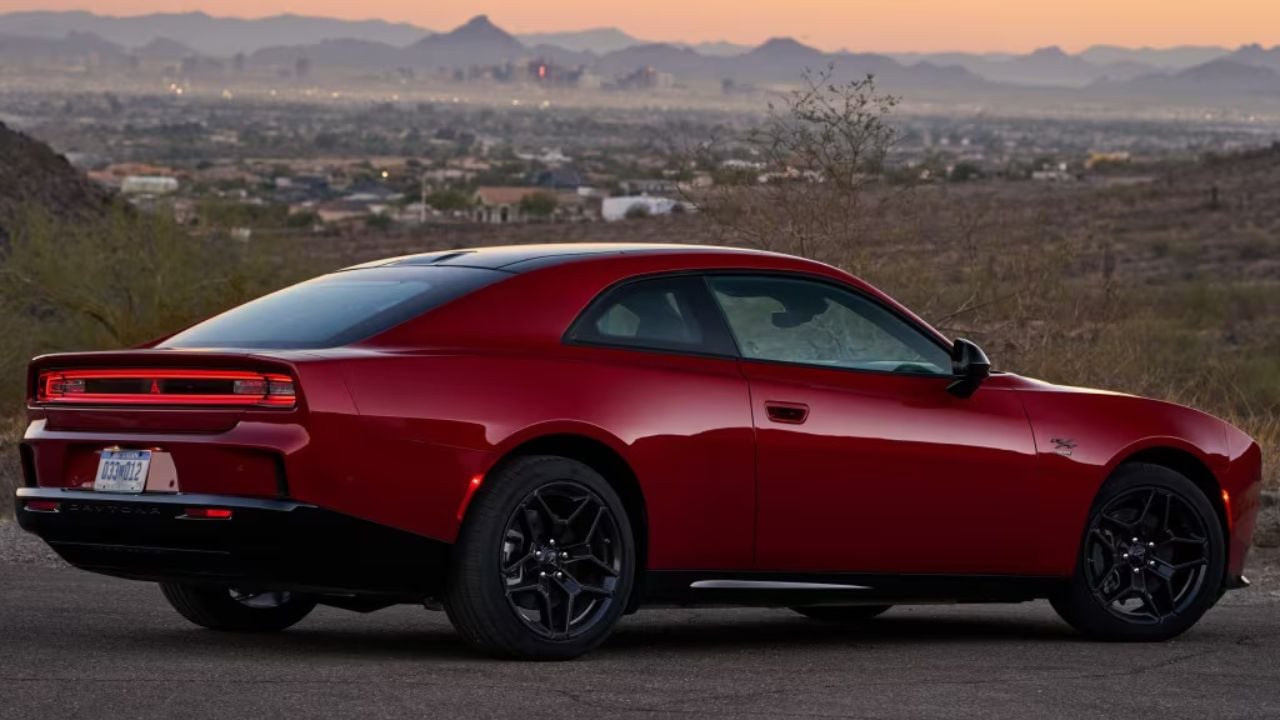
At the center of the story is the 2024 Dodge Charger Daytona Scat Pack, the electric successor to one of America’s most famous muscle car nameplates.
Edmunds bought a two-door example for about $85,000 and used it for one year as part of its long-term test fleet. After only 12 months and a little over 6,800 miles, the car was sold for just $35,000.
That means the Charger Daytona EV lost about $50,000 in value in a single year, or almost 59% of its original price.
Depreciation Was Not The Only Problem
That result is dramatic even by EV standards. Battery-powered cars are often estimated to lose about 59% of their value over five years, while gasoline-powered vehicles average a decline of about 46%.
For Dodge, however, the problem was not only depreciation. Edmund’s editors said daily life with the electric Charger was filled with frustration and technical issues.
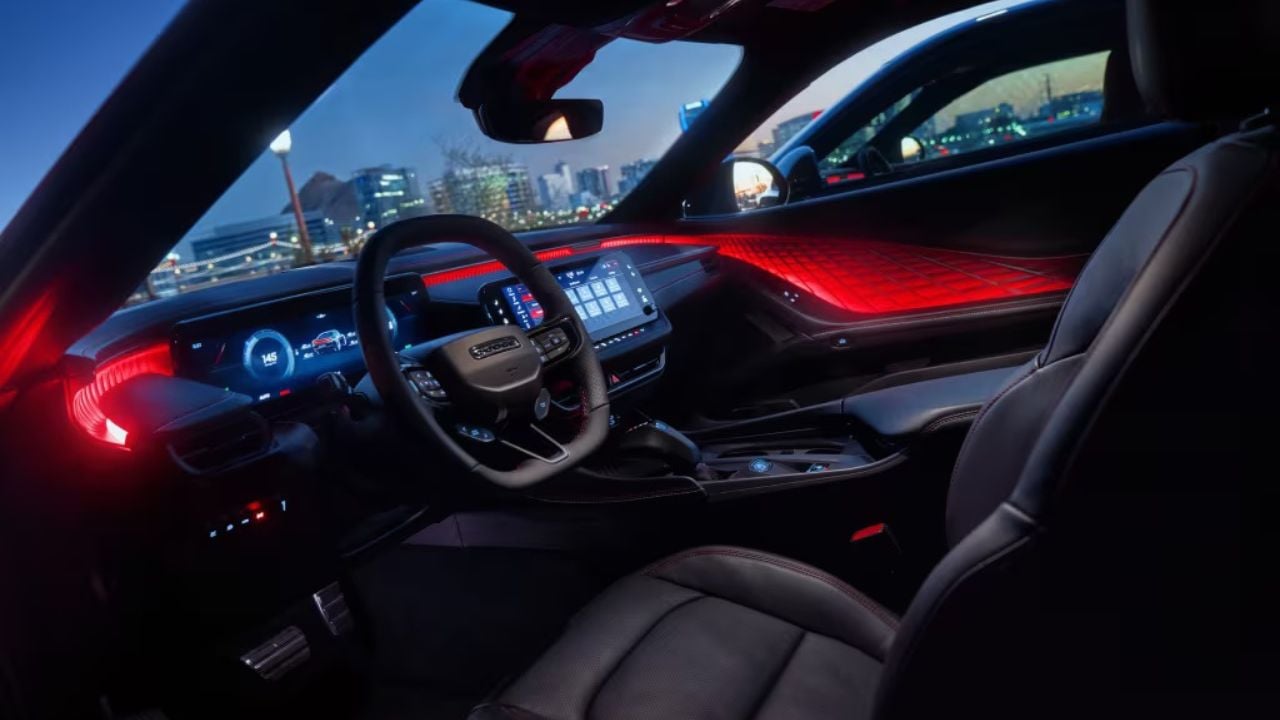
According to the report, almost every driver comment was negative, with repeated criticism of the car’s software and unreliable infotainment system.
The central screen often froze, while the rearview camera sometimes showed a delayed or stuttering image.
Software Issues Hurt The Experience
One of the more serious complaints involved unexpected acceleration. Dodge explained that this was connected to a feature called “Drive by Brake.”
Drivers, however, said the behavior felt unnatural and potentially unsafe. A completely dead 12-volt battery also caused problems and prevented the car from functioning normally.
The driving experience also failed to deliver the kind of emotion expected from a car carrying the Charger name.
One test driver described the car as boring, which is especially painful for a model meant to carry Dodge muscle into a new era.
A Warning For Dodge And Stellantis
Other complaints included unpredictable electronics, a radio that changed stations on its own, and functions that activated randomly while the car was sitting still.
The climate system was also criticized for being noisy, while the electric motor sound at launch and the poor turning radius made city driving less pleasant.
For Dodge and Stellantis, this is a serious warning sign. The electric Charger was supposed to prove that an American muscle car could move successfully into the EV era.
Instead, early user experiences and resale values suggest the transition has been much harder than expected. Fortunately for buyers who still want gasoline power, Dodge also offers twin-turbo inline six options, and there are already rumors that a Hemi V8 could return.
Today’s EV buyers are paying closer attention to long-term value, software reliability, and the everyday ownership experience. When a car loses more than half its value in only one year, even loyal brand fans have reason to think carefully before buying.
This article originally appeared on Autorepublika.com and has been republished with permission by Guessing Headlights. AI-assisted translation was used, followed by human editing and review.