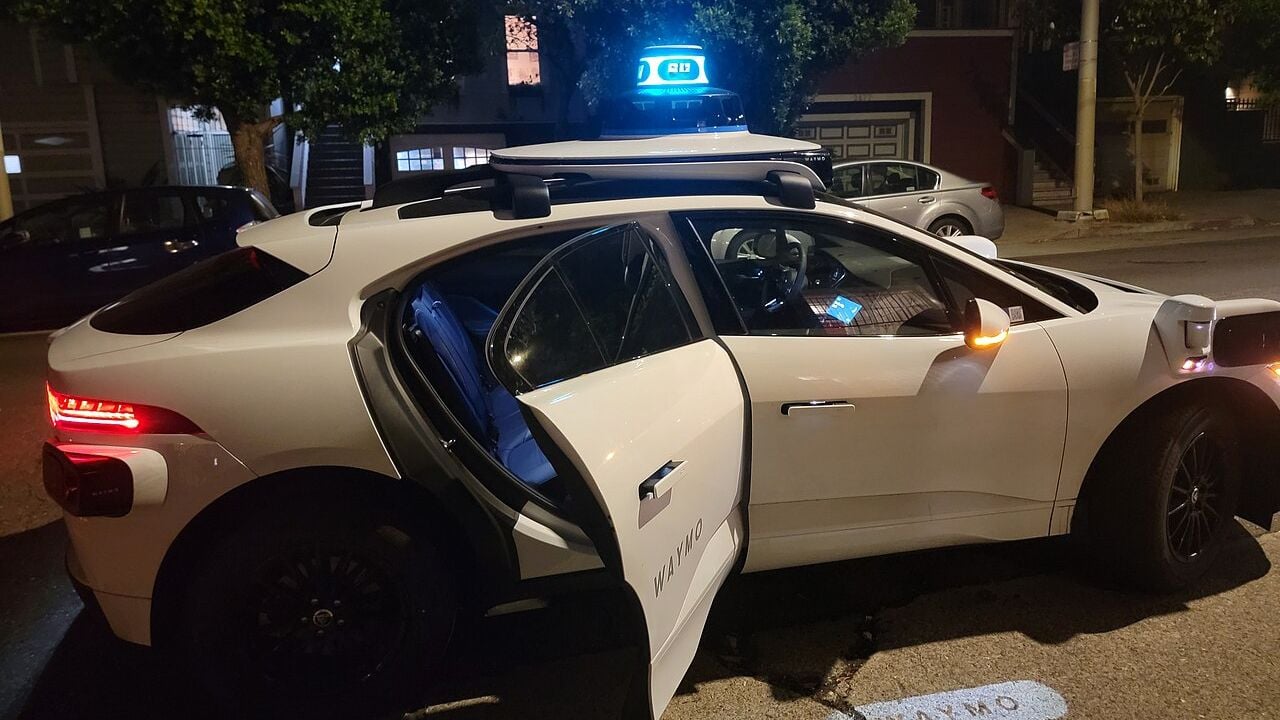

San Francisco’s streets are known for steep hills, iconic cable cars, and now an unexpected parenting hack that’s sweeping through the city’s affluent neighborhoods. A growing number of local families are quietly using robotaxis to ferry their children around town without an adult in the passenger seat, inadvertently carving out a new frontier in urban mobility and independence.
In neighborhoods from Pacific Heights to the Inner Richmond, teenagers with smartphones are summoning robot‑driven ride‑hailing vehicles to take them to everything from after‑school piano lessons to weekend hangs at Ocean Beach.
Their parents hit “call ride” on an app and then track the trip in real time, watching the vehicle’s progress until it gets to its destination. The practice has become so common that some families treat it as a standard part of daily life.
A Practice That Bends the Rules
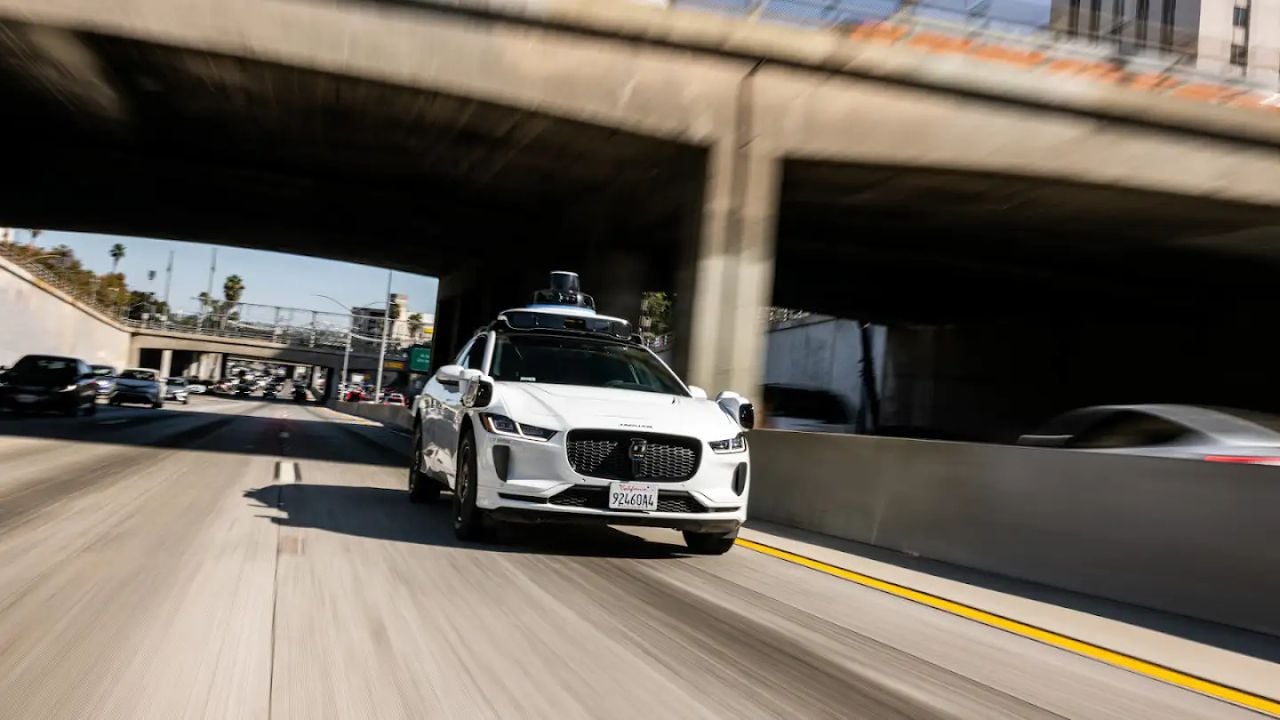
This trend isn’t hitting the wore because some moms are taking advantage of convenience. It’s due to the fact that the practice technically breaks the rules. Robotaxi operators such as Alphabet’s Waymo require riders to be 18 or older unless accompanied by an adult or guardian.
Apparently, that hasn’t stopped parents from sending off teens as young as 14 on solo autonomous cruises across the city’s famously tricky terrain. Local regulators and company policy clearly say no, but enforcement is sparse and the cars’ onboard cameras rarely result in punishment for families that take the risk.
The so-called WayMoms (an amalgamation of Waymo and Moms) who have embraced this practice reportedly talk about it like it is the coolest thing since TikTok challenges — a thing of pride. One North Beach mom described ordering up a robotaxi late on a Saturday night so her daughter could get home safely from a social outing.
Traffic and parking woes are part of living in a dense urban core, she explains, but letting her child ride in a robot‑driven vehicle lifts a burden off her weekly schedule. “We just realized it would make our lives easier,” she told the San Francisco Chronicle.
For these families, the robotaxi offers a combination of reassurance and freedom. Parents compare the experience to assigning a responsible babysitter or older friend, but with the added comfort of seeing every turn and stop through an app. In a city where parents juggle demanding careers with complex schedules, handing over a slice of chauffeuring duties to machines feels like a modern solution to a perennial struggle.
A Regulatory and Social Gray Area

Of course, the trend has set off heated discussions since hitting the story came out. Autonomous vehicle companies are in a tricky spot. On the one hand, their technology is being embraced, trusted, promoted, and profited from by a willing customer base. On the other hand, the practice runs counter to their safety guidelines and local regulations that were drafted when robotaxis were an emerging novelty.
0Regulators in California require robotaxi riders to meet certain age and consent thresholds, designed to protect minors and shield companies from liability. With parents persisting in noncompliance, authorities are left with a challenge on how strictly to enforce those rules without alienating users who trust autonomous mobility enough to see it as a net positive
There are broader implications too. There’s a real worry that turning autonomous vehicles into digital babysitters may chip away at important life skills like navigation and responsible mobility. Would a generation that never learned to drive rely on robot drivers to get around?
Might road safety statistics improve if teens are out of human‑driven cars but change in other social behaviors arise from dislocations in independence? Questions like these are being floated in public forums, industry circles and policy hearings as autonomous fleets scale up.
Business and Policy
On the business side, the trend hints at a revenue stream that companies like Waymo can take advantage of in the future. They already pilot “teen accounts” in other cities that allow users aged 14 to 17 to hail robotaxis on linked guardian accounts.
These programs include features like ride alerts and optional human check‑ins for safety. Expanding such offerings could lock in early brand loyalty and open up fresh customer segments.
For now, San Francisco has offered itself as a real-life case study of autonomous mobility in action, complete with all its contradictions and surprises. Parents and providers are discovering new uses as fast as regulations scramble to keep up.
Will robotaxis become a mainstream solution for child transportation? The answer will depend on how companies and city officials respond to the demand that’s already rolling across the Bay Area pavement.