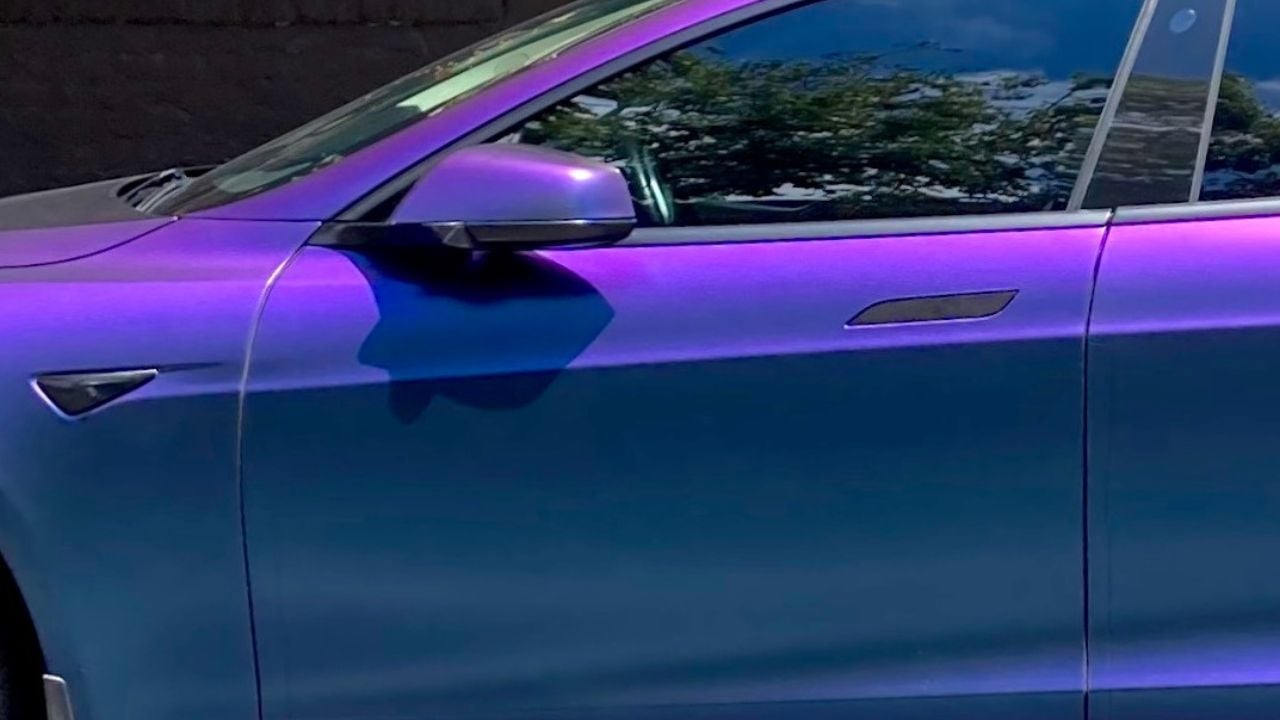

On January 6, 2026, Representative Robin Kelly (D-IL) dropped what is shaping up to be one of the oddest yet potentially impactful pieces of automotive legislation in recent memory: the Securing Accessible Functional Emergency (SAFE) Exit Act. On the surface, it’s a bill about door handles.
But peel back the chrome trim and you’ll find it’s essentially the U.S. Congress planting a giant regulatory flag right in front of Tesla’s front door.
Here’s the headline: Kelly’s bill would mandate new safety standards for electric vehicle doors that’d force manufacturers to install easy-to-find manual releases so occupants and first responders can open doors even if the vehicle loses electrical power.
But the real punch isn’t the door handles; it’s how explicitly the legislation singles out Tesla.
Why Door Handles, Anyway?

Electric latches have become a modern automotive aesthetic staple; flush handles, buttons, and sensors all in service of sleek lines and better aerodynamics. Tesla helped popularize this trend, and soon other EV makers followed.
Here’s the catch (pun intended): these electronic door systems often rely on power to function. In a severe crash, if the car’s low-voltage system is compromised, the doors might not open electronically. Manual overrides exist (in theory) but they’re sometimes hidden, unlabeled, or simply unintuitive for passengers or first responders to find in an emergency.
Congress isn’t hallucinating this problem. The National Highway Traffic Safety Administration (NHTSA) opened multiple investigations into electric door handle safety, including specific inquiries into Tesla Model 3 and Model Y emergency releases that may be hard to locate under stress.
The most headline-grabbing part of Kelly’s press release (and what the media have zeroed in on) is the report that at least 15 people have died in crashes where Tesla doors didn’t open properly.
Bloomberg reporting earlier this week suggested that in roughly a dozen separate incidents, occupants or rescue crews couldn’t open Tesla doors after crashes or fires, hampering escape or rescue efforts.
Make no mistake: any death tied to a vehicle’s safety system, however rare, is a societal tragedy. But it’s also worth noting that these figures come mostly from independent reporting and legal claims, not from a definitive federal safety database. The exact link between electronic handles and fatalities is still under scrutiny by regulators.
Targeted at Tesla — But Broader in Scope?

The political spice here is that the bill repeatedly references Tesla by name, and Rep. Kelly’s public comments explicitly call out Elon Musk and the company for “putting style ahead of safety.”
From a policy perspective, that rhetorical fire is unusual. Most safety legislation avoids pointing at one firm; it sets standards for entire industries. And technically, the SAFE Exit Act does apply to all vehicles with electronic latches, meaning Rivian, Ford, GM and others are in its scope.
But because Tesla’s door design (and its history with NHTSA investigations) is central to the narrative around this bill, Tesla is effectively in the spotlight. Other companies use similar tech, but few have had the same regulatory and legal finger pointed directly at them.
If passed, the SAFE Exit Act would:
- Direct NHTSA to issue new performance and labeling requirements for electronic door latches.
- Mandate intuitive, easy-to-find manual releases for every door that work even when electrical power is lost.
- Require designs or labeling that let first responders quickly access doors after crashes.
- Give automakers two years from final rules to comply (a rapid timeline in regulatory terms).
This could push manufacturers toward hybrid mechanical-electronic door designs that combine flush aesthetics with robust failsafe openings. Tesla’s own design team has hinted at new, combined mechanisms in development.
Tech, Safety, and Regulation
The SAFE Exit Act is emblematic of a larger trend of lawmakers catching up with software-driven automotive design. As cars become more like computers on wheels, regulators are grappling with how to ensure critical safety systems still work when things go haywire.
Tesla’s door handle saga might seem quirky, but it’s become a flashpoint in that broader conversation about how we balance innovation with fail-safe practicality.
Ultimately, it’s either Tesla ends up reshaping its hardware or the government reshapes the law. Either way, this bill has shown that even the most mundane parts of a car — yes, door handles — can become battlegrounds in the future of mobility.
Sources: Insurance Journal