There has been a boom in alternative tourism of late, according to a review from the Introspective Market Research (IMR) agency. Globe Newswire posted the results earlier this year.
Results showed the global alternative tourism market will grow “to reach 139.02 Billion” in the next seven years. What’s most striking here: the global market was worth around $93 billion only two years ago.
Clearly, mass tourism isn’t for everyone. As the world’s tourism rates return to something resembling pre-2020 levels, a growing number of travel subcategories is emerging. The age of travel for personal growth is here, bringing with it new horizons for journeys both domestic and abroad.
The Alternative Travel Division
Researchers at Justraveling classify alternative travel in a recent post. In this review, this broad term straddles five groups, namely:
- Ecotourism.
- Active & adventure travel.
- Cultural or educational travel.
- Voluntourism.
- Post-Tourism.
The post goes on to reason why these special interest adventures are becoming popular, and more importantly, what unites them. “A quest for originality, the refusal to conform to ordinary tourists…and the relationship with the local environment,” is one definition given.
Put simply, traveling more ecologically, while shunning tried-and-tested tourism norms, is for some, the new normal.
Ecotourism’s Evolution
It’s no secret that people have been partaking in these kinds of activities for many years, though one might argue it wasn’t mainstream. For instance, the term “ecotourism” was coined in 1984, according to the Online Etymology Dictionary webpage.
The environmental movement was still in its adolescence back then; in the modern ‘20s, it has become a global economic powerhouse. Precedence Research declared that the ecotourism market alone will triple within the next decade.
In 2025, the International Ecotourism Society (TIES) lists 190 countries that are “leading the vital efforts to make travel and tourism more sustainable.” Clearly, ecotourism is a good investment for any tourist business entity looking for growth.
Costa Rica’s Eco-Friendly Pioneers

Costa Rica discovered this early, developing its ecotourism to preserve the small nation’s bountiful natural beauty. While early forms of ecotourism centered around visits to its many national parks and protected areas, it intersects with luxury today.
There are dozens of ecolodge adventures to choose from in Costa Rica, including the Monteverde Cloud Forest Reserve. This resort is high up in the Tilaran Mountains, and the nearest travel hub is Liberia Airport to the north. This lodge sits in the upper forest canopy, offering visitors up to 8 miles of protected trails to explore down below.
What’s more, the cool and fresh mountain atmosphere negates the need for pools, spas, or other usual benefits, giving visitors the chance to immerse themselves in nature. It is one of many such places, favoring its outdoor surroundings over its indoor amenities, which could damage the local ecosystem.
Luxury ecotourism platform Costa Rica Experts shares a list of the Latin American nation’s other luxury ecolodge retreats in a recent post.
The Adventure Travel Niche Expands
While the ecotourism trend began more recently, the 19th and 20th century was saturated with adventurers, many of whom were bidding to become the first person to reach a milestone. This era, of course, followed the Age of Exploration from the 15th century to the 17th century.
However, fast-forward a few centuries, and this new age of New Age adventurers has become more focused on individual tastes. Alternative travel may not look the same for each individual; meanwhile, some are taking the “alternative” part to extremes.
The Extreme Open Swimming Club
One example of this new era is extreme swimming vacations, whereby the traveler joins a group of open swimmers for some water-based sightseeing. Naturally, one must be physically ready for the challenge, and fitness will be an requirement. Nonetheless, companies such as SwimTrek offer complete itineraries, just like any land tour.
The difference here is one’s aquatic viewpoint — and increased heart rate — as you arrive at a local, water-adjacent attraction. Holly Tuppen of Women’s Health writes of her recent foray into swimming-based vacations on a recent trip to Malta.
She prefaces the experience by sharing her fear of “the never-ending blue and unknown creatures of deeper water” she has always had. However, being in a group and experiencing the underwater visual panorama meant her doubts faded, replaced by exhilaration. “Before the fear has a chance to creep in, we gather around the safety boat, topping up energy levels with Haribo sweets,” she writes.
Getting Back to Nature

Some tourists may crave a digital detox on vacation, shedding their silicone devices and reconnecting with nature. A recent news story demonstrates this scenario perhaps better than any other.
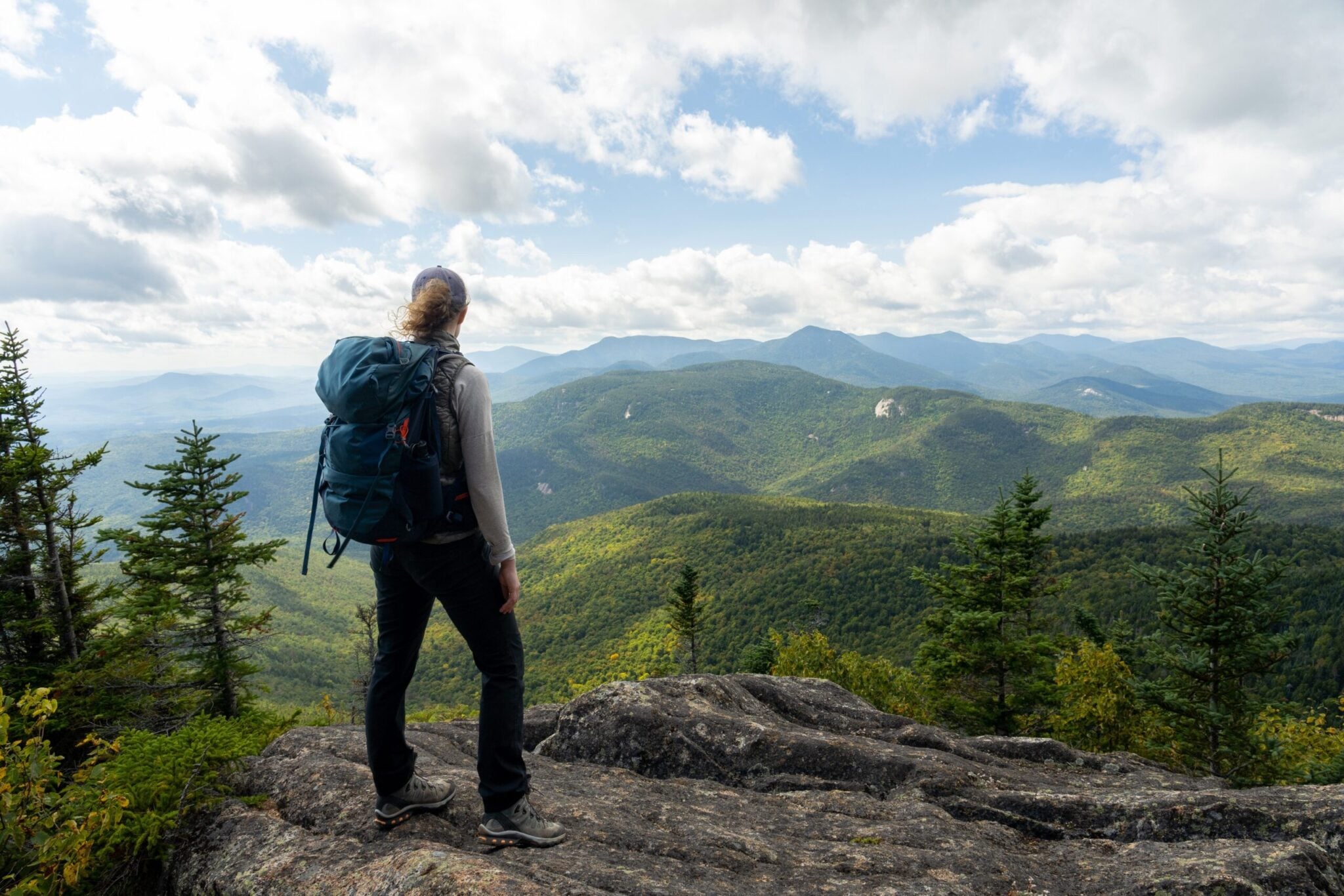
Dr. Fred Ramsdell, a biotechnology professor in Seattle, decided his hiking trip to Montana demanded maximum peace. Therefore, he switched his phone off and enjoyed his time in the wilderness. However, what he didn’t know was that he had just won the Nobel Prize for Medicine.
The Nobel Committee tried reaching Ramsdell by cell phone to announce his win, though their efforts were in vain because his phone was off, reports the New York Times. Ramsdell’s employers, Sonoma Biotherapeutics, told reporters he was “living his best life and was off the grid on a preplanned hiking trip.”
One Digital Step at a Time
He eventually discovered hundreds of voicemails and text messages from colleagues and friends congratulating him. Yet, while his story is entertaining, it goes in contrast to most tourist norms, especially regarding digital connections.
Some data from early 2025 show how the Nobel Laureate is in the minority. Cell phone company BankMyCell conducted a survey, which found its customers check their phones between one and five times hourly while on vacation.
However, 87% of respondents contradicted the same outcome with an ironic admission. This majority expressed they were going on vacation “to get away from it all.” Clearly, they could all learn from Dr. Ramsdell’s approach.