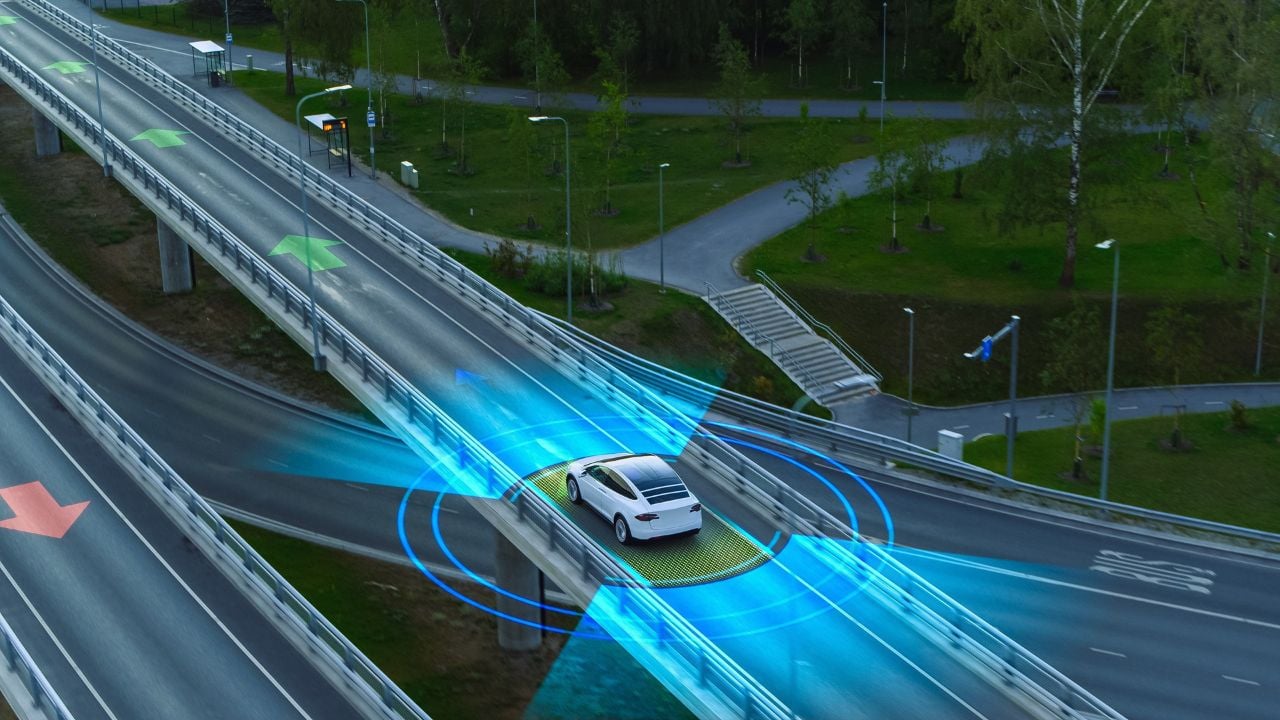
Remember when the height of car technology was a cassette deck that didn’t eat your favorite Def Leppard tape? Those days are long gone, my friend. Today’s vehicles pack more computing power than the systems that guided the Apollo-era moon landings, and somehow manufacturers still can’t figure out how to make a cup holder that actually holds your cup during a sharp turn.
We’re living in an era when your car can parallel park itself while you sit there like a passenger, yet the turn signal still requires manual operation, which, judging by highway traffic, remains humanity’s greatest technological challenge. Every model year brings a tsunami of new features promising to revolutionize your driving experience, cure your back pain, and possibly solve world hunger. But here’s the thing: not all innovation is created equal.
Some of these technologies will genuinely make you wonder how you ever drove without them. Others will make you wonder why someone thought you needed to wave at your radio like you’re conducting an invisible orchestra. The trick is knowing which is which before you’re staring at a monthly payment that resembles your mortgage.
Separating Real Innovation from Shiny Distractions
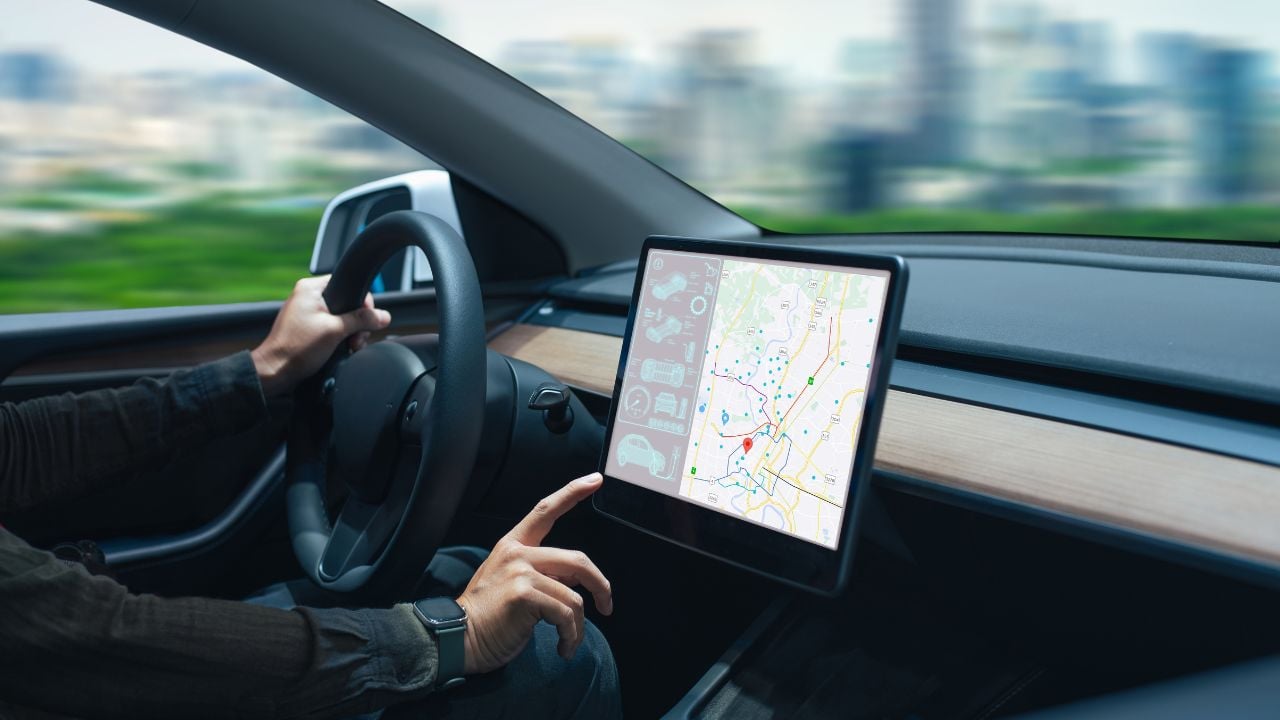
Let’s be honest: car shopping in 2026 feels like navigating a tech convention where everyone’s trying to sell you the next big thing. Sales reps throw around acronyms like ADAS, OTA, and HUD with the enthusiasm of a teenager discovering social media for the first time. Half of these features sound like they were named by the same committee that gave us “sport utility vehicle” to describe what used to be called a truck.
The key to cutting through the noise is focusing on what actually improves your daily driving experience versus what looks cool in a YouTube commercial. Real innovation makes your life easier without requiring a PhD in computer science to operate. It works reliably day after day, whether you’re dealing with Minnesota winters or Arizona summers, Monday morning commutes or weekend road trips.
The duds? They’re usually the features that solve problems you didn’t know you had, require constant updates you’ll forget to install, or cost more to maintain than your first car was worth. These are the technological equivalent of those kitchen gadgets that promise to change your life but end up gathering dust in a drawer; except these cost thousands more, and you can’t donate them to Goodwill.
What we’re looking for are features that pass the “three-year test”, technology that feels just as valuable and relevant after the new-car smell has faded and you’ve figured out all your vehicle’s quirks. Because let’s face it, that honeymoon period ends right around the first time you have to explain to your passengers why they need to speak clearly to the voice recognition system that apparently learned English from a malfunctioning GPS.
Of course, even the tech some of us don’t need is fun or useful for others. But let’s just say, some of these are not as universally needed as others.
What Makes Tech Worth Having in 2026
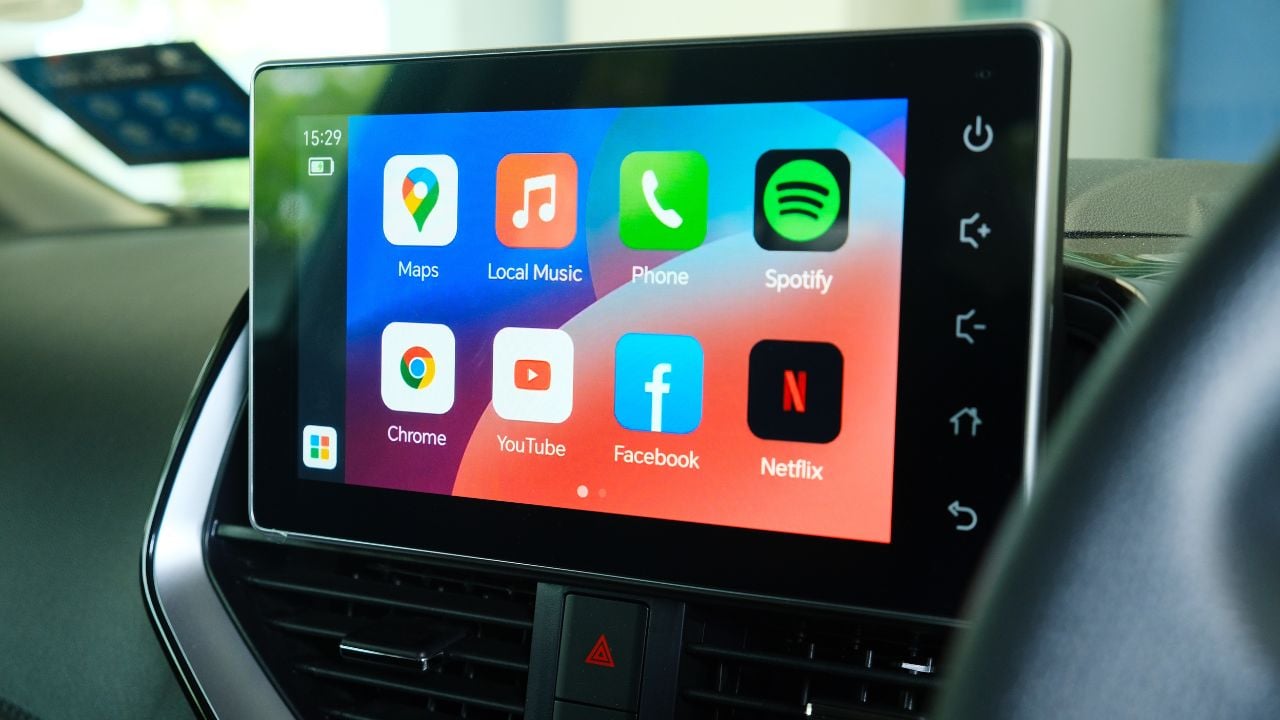
Car technology has reached a point where the best features feel natural the moment you use them. They simplify driving, make it safer, and even turn stressful situations into easy moments. Good tech fades into the background, working quietly so you can focus on the road.
It can save money over time and keep you connected without distraction. In 2026, the most valuable upgrades combine comfort with real utility. These are the systems that prove themselves every day, no matter the road or weather. Here is the list of features that earn their place in modern cars.
Advanced Driver Assistance Systems (ADAS)
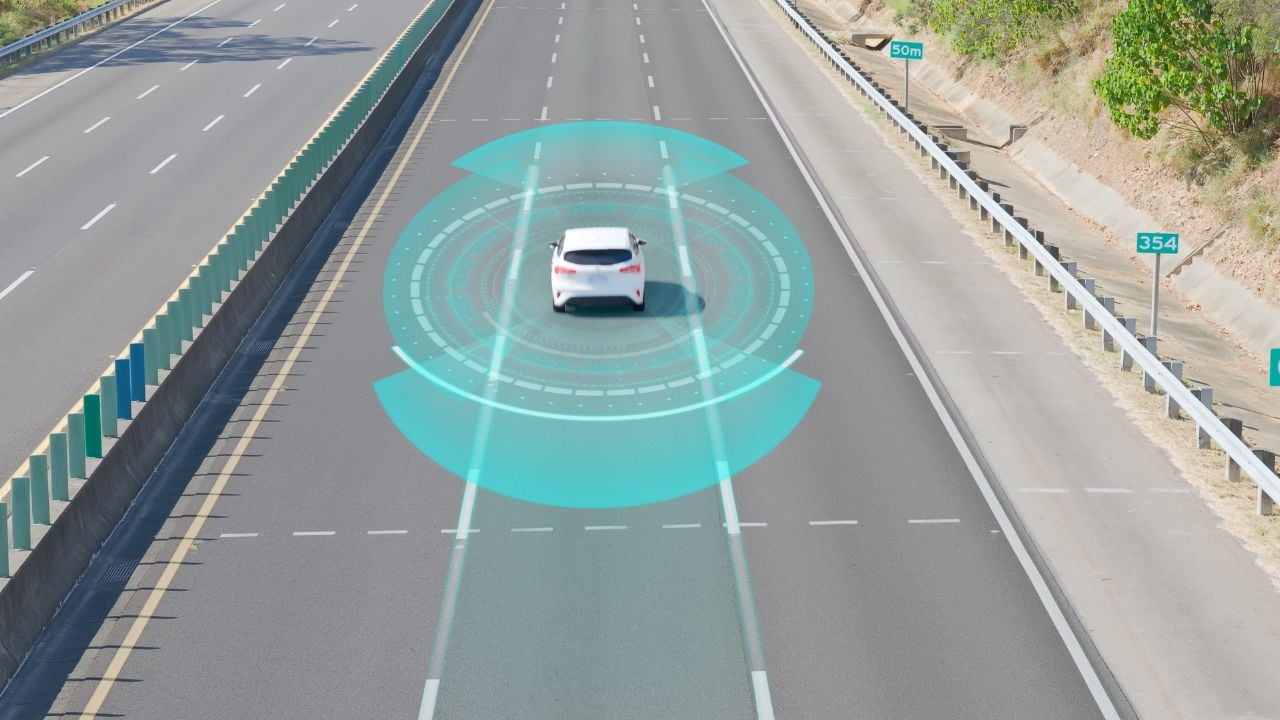
Finally, technology that makes up for human shortcomings without making you feel inadequate. Modern ADAS packages in 2026 combine adaptive cruise control, automatic emergency braking, blind spot monitoring, and lane-keeping assistance into systems so smooth they feel telepathic. We’re talking about technology that can maintain a safe following distance in stop-and-go traffic while you contemplate whether that podcast about true crime was really the best choice for your morning commute.
Toyota (Toyota Safety Sense 3.0), Honda (Honda Sensing), and Mercedes (Driving Assistance/Driver Assistance packages, depending on model and market) have finally solved the “false alarm” problem that made earlier versions feel like driving with an overly anxious mother-in-law. These systems now recognize the difference between a plastic bag blowing across the road and an actual hazard, though they’re still working on understanding why you insist on following that pickup truck with the loose tailgate.
Insurance companies love these features so much that they’ll actually reduce your premiums, which might be the first time in automotive history that adding technology has saved you money rather than drained your wallet. Many insurers (including Progressive and State Farm) offer discounts for safety tech and/or usage-based programs, but the savings vary by state, policy, and how the vehicle/driver is verified. Consider it a rare win-win where both you and your insurance company agree on something.
The best part? These systems react in real time to traffic conditions, vehicle speed, lane markings, and driver input. They know you take that highway on-ramp like you’re qualifying for Daytona, and they adjust accordingly. It’s like having a driving instructor who actually pays attention instead of gripping the door handle and questioning their career choices.
Augmented Reality Head-Up Displays
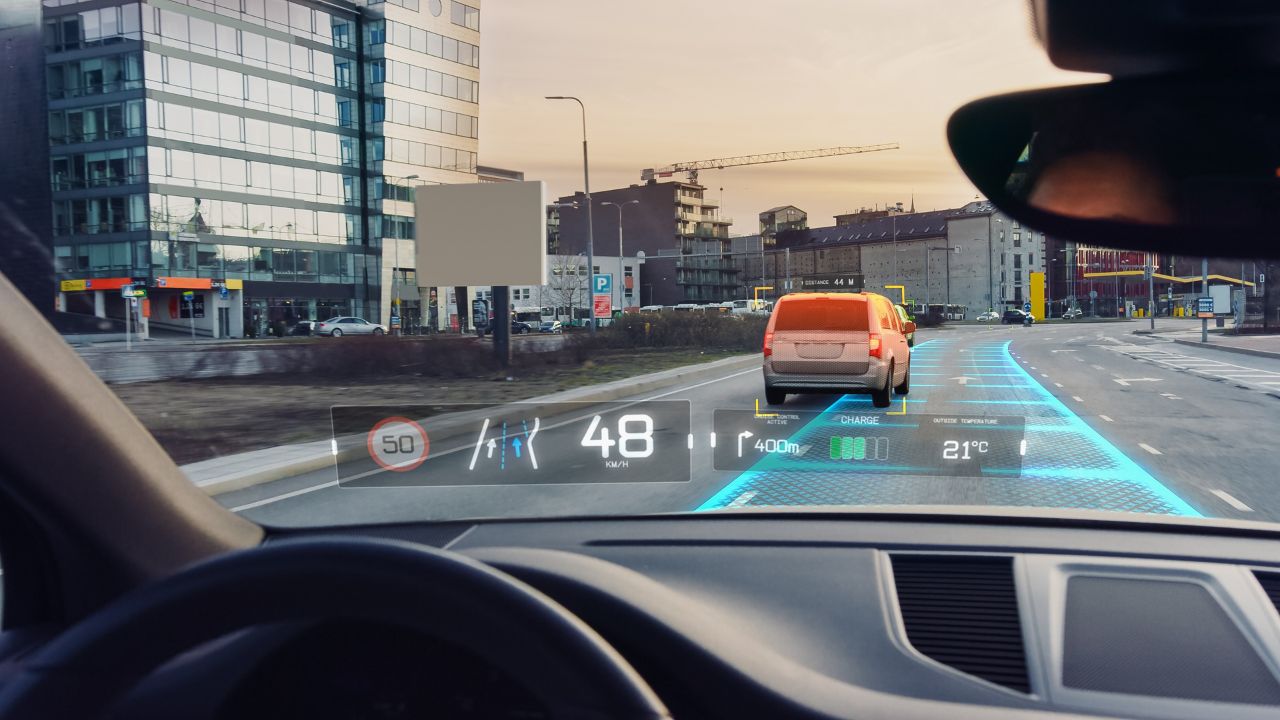
Remember when head-up displays made you feel like a fighter pilot, right up until you realized you couldn’t actually see anything useful? Those days are over. Modern AR-HUD systems project crisp, bright information directly onto your windshield that’s actually visible in direct sunlight: a feat of engineering that apparently took longer to perfect than putting a rover on Mars.
Modern AR-HUD systems overlay navigation and driver-assistance information directly into the driver’s forward view. Mercedes, for example, documents AR-HUD as projecting navigation visualizations into the driver’s field of vision, with exact features varying by model and market.
The technology uses projection systems (often based on micro-mirror display technology) to create images that appear several meters in front of the driver. Translation: the information looks like it’s painted on the road rather than floating somewhere in space like a holographic ghost that requires you to refocus your eyes every time you glance at it.
Sure, it costs between $1,500 and $3,000 depending on the manufacturer, but consider this: it’s probably cheaper than the speeding ticket you’ll avoid by actually noticing that speed limit sign change from 55 to 35 mph right before that speed trap you definitely didn’t see coming.
Wireless Smartphone Integration
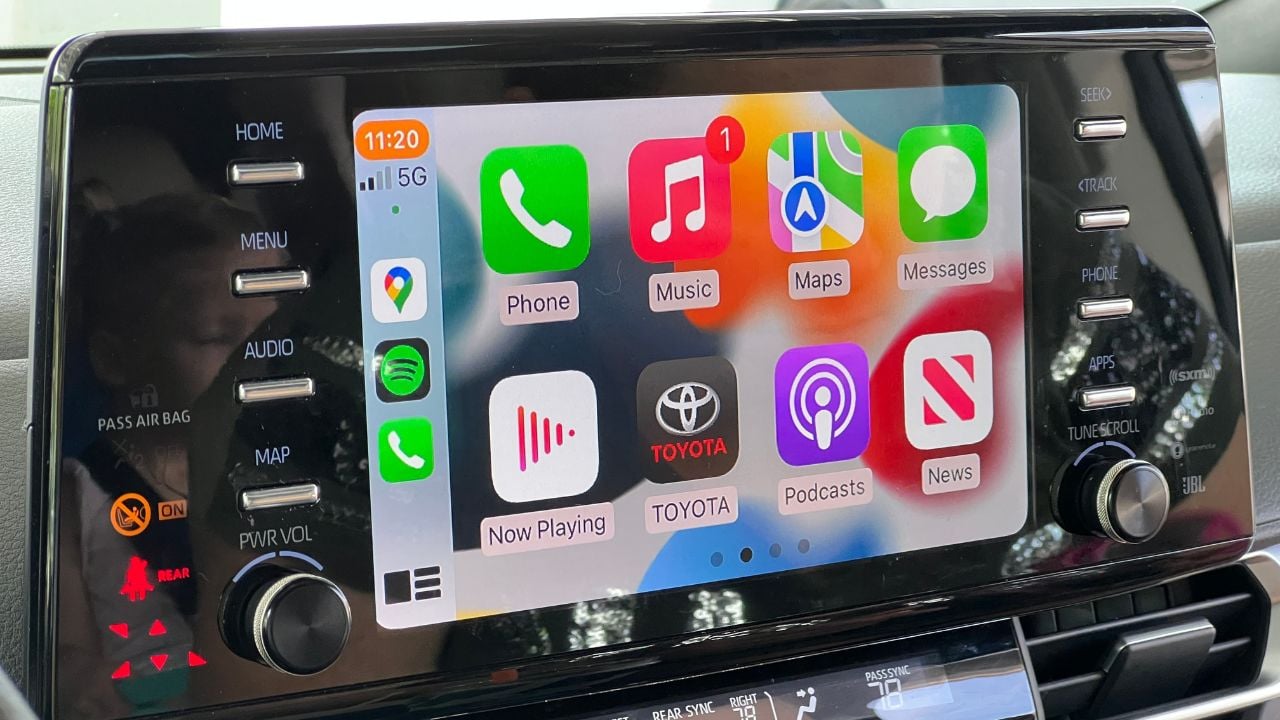
Wireless CarPlay and Android Auto have finally reached the promised land of “it just works”, most of the time. The 2026 versions connect faster than your teenager can find an excuse to avoid chores, maintain stable connections, and don’t turn your phone into a pocket-sized space heater.
The magic happens through a combination of WiFi Direct and Bluetooth Low Energy protocols, which sounds impressive until you realize it’s basically the same technology your wireless earbuds use, except your car is significantly less likely to fall out of your ear during a workout. Connection times have improved dramatically, with most systems linking up in under 10 seconds: fast enough that you won’t be tempted to just use the aux cord like some kind of caveman.
Voice recognition has improved to the point where you can actually have a conversation with Siri or Google Assistant without sounding like you’re talking to a confused elderly relative. The systems now understand context, so when you say “take me home,” they don’t ask you to clarify whether you mean your actual house or that Jimmy Buffett song you played three times last week.
The best implementations come from companies like Ford (SYNC 4), GM (Infotainment 3), and Stellantis brands with their Uconnect 5 system. These actually remember your phone and connect automatically, unlike systems that require you to perform some ancient pairing ritual every time you start the car.
Adaptive Headlights
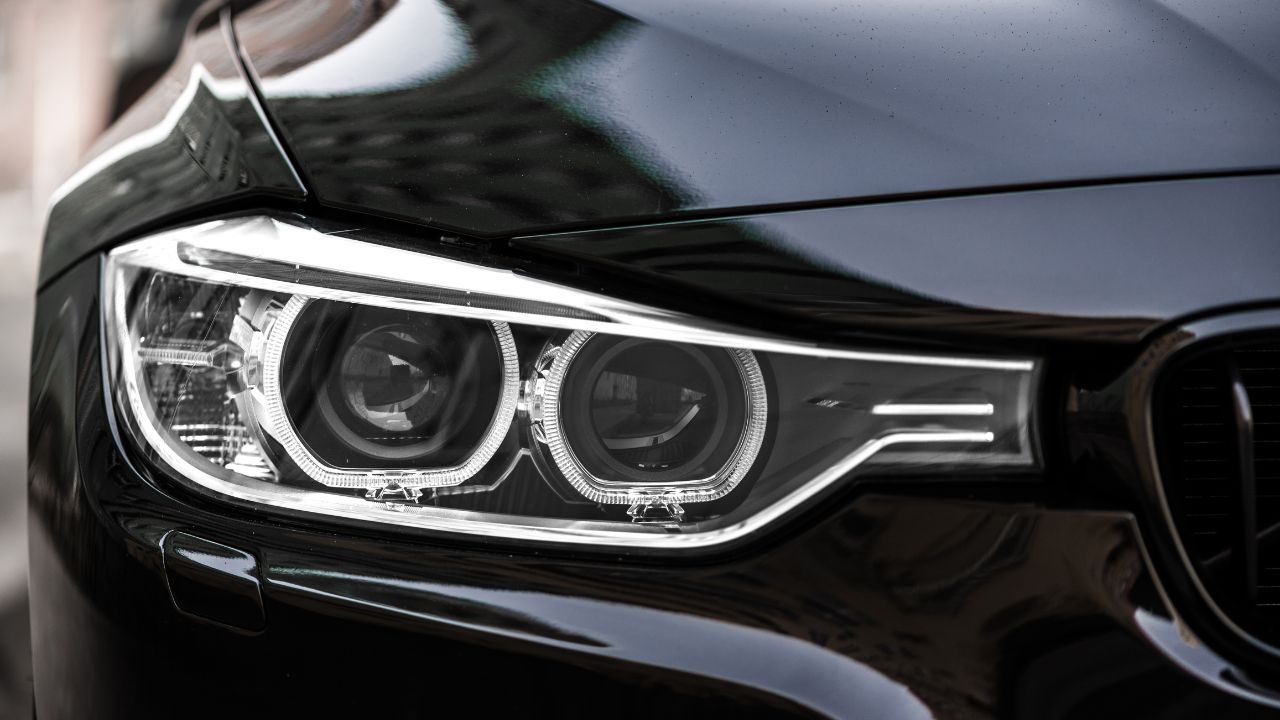
Adaptive headlights in 2026 have evolved beyond simple swiveling to become borderline supernatural in their ability to light up exactly what you need to see. These systems use LED matrix arrays with individual control over dozens of light segments, creating precise beams that can highlight road signs, illuminate curves, and avoid blinding oncoming traffic, all simultaneously.
BMW states that Laserlight high-beam visibility can reach up to about 600 meters under ideal conditions, which is roughly four times farther than traditional headlights and approximately 1,900 feet farther than you probably need to see that deer standing in the road contemplating its life choices. Audi’s Matrix LED system can selectively dim portions of the beam to create a “shadow” around oncoming vehicles while maintaining full illumination everywhere else.
The really clever part is how these systems anticipate curves using GPS data and steering input. They’re literally thinking ahead, unlike that driver who just cut you off without signaling. Mercedes’ Multibeam LED (DIGITAL LIGHT) system can even project warning symbols onto the road surface, though they haven’t yet figured out how to project “USE YOUR TURN SIGNAL” in letters large enough for the truly oblivious.
Maintenance costs are refreshingly reasonable. LED emitters are often rated for tens of thousands of hours, though real-world headlamp assembly lifespan depends on heat management and electronics; roughly equivalent to driving to the moon and back twice, or about as long as it takes most people to read their vehicle’s owner manual.
Over-the-Air Software Updates
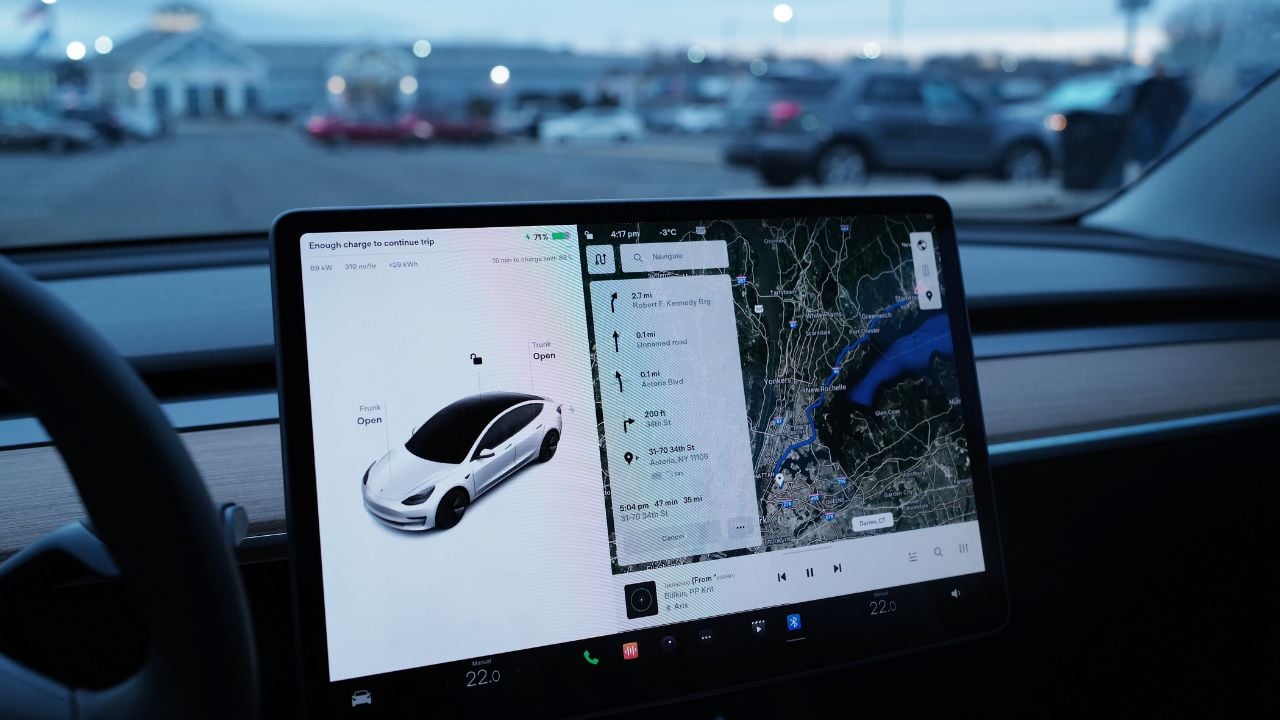
Your car can now improve itself while you sleep, which is more than can be said for most humans. OTA updates represent the first time in automotive history that your vehicle might actually get better after you buy it, rather than immediately beginning its inevitable descent toward “vintage character.”
Tesla pioneered this technology, pushing updates that have added everything from increased acceleration to new games for passengers who’ve apparently run out of things to do besides stare at screens. Traditional automakers like Ford, GM, and BMW have caught up, offering updates that fix bugs, improve fuel economy, and occasionally add entirely new features, like getting a surprise upgrade on your hotel room, except you actually paid for this one.
The technology uses cellular connections or WiFi to download software packages that can update everything from the infotainment system to engine management protocols. Ford has delivered major over-the-air updates to the Mustang Mach-E that improve features and system behavior; while software can affect real-world efficiency, official EPA range ratings themselves do not change via OTA updates, while BMW’s iDrive system regularly receives interface improvements that make it slightly less confusing to operate while driving.
The security benefits are substantial. Instead of waiting months or years for recall notices, manufacturers can patch vulnerabilities as soon as they’re discovered. It’s like having antivirus software for your car, except actually useful and not constantly nagging you about subscription renewals.
Regenerative Braking Systems
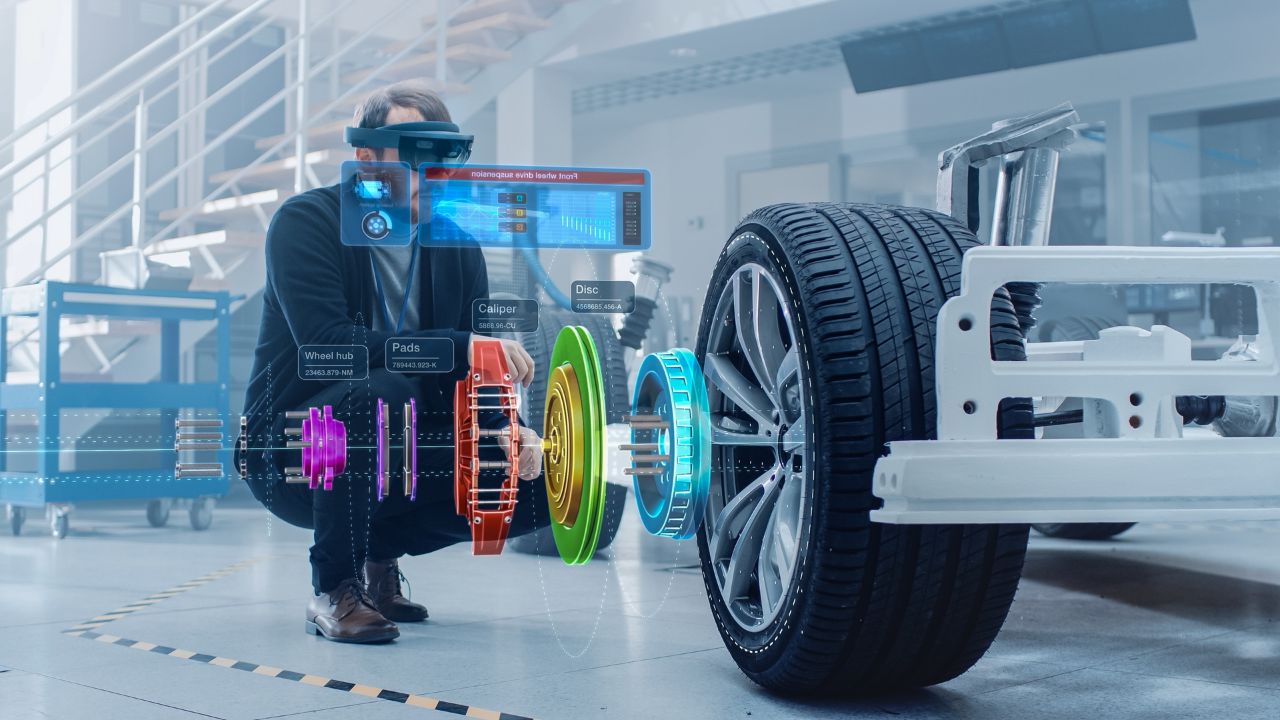
Regenerative braking has evolved from a hybrid-only oddity into a sophisticated system that makes every stop feel productive rather than wasteful. Modern systems offer multiple levels of regeneration, from barely noticeable assistance to aggressive one-pedal driving that can bring you to a complete stop without touching the brake pedal.
BMW’s i4 offers adjustable regen through paddle shifters, letting you dial in exactly how aggressive you want the system to be. Ford’s Mustang Mach-E provides “unbridled” mode that maximizes energy recovery while making you feel like you’re engine braking a manual transmission, except without the risk of money-shifting your way to an expensive lesson in mechanical sympathy.
The efficiency gains are real. In typical driving conditions, regenerative braking can recover a meaningful portion of energy that would otherwise be lost to heat, particularly in stop-and-go driving during braking. That might not sound like much until you realize it’s the difference between arriving at your destination and searching for the nearest charging station while your range anxiety reaches new heights.
Even in traditional gas engines, mild hybrid systems with regenerative braking can deliver modest but measurable fuel economy improvements. It’s like getting a rebate every time you slow down, except the government isn’t involved, and you don’t have to mail in any forms.
Side Mirror Camera Systems
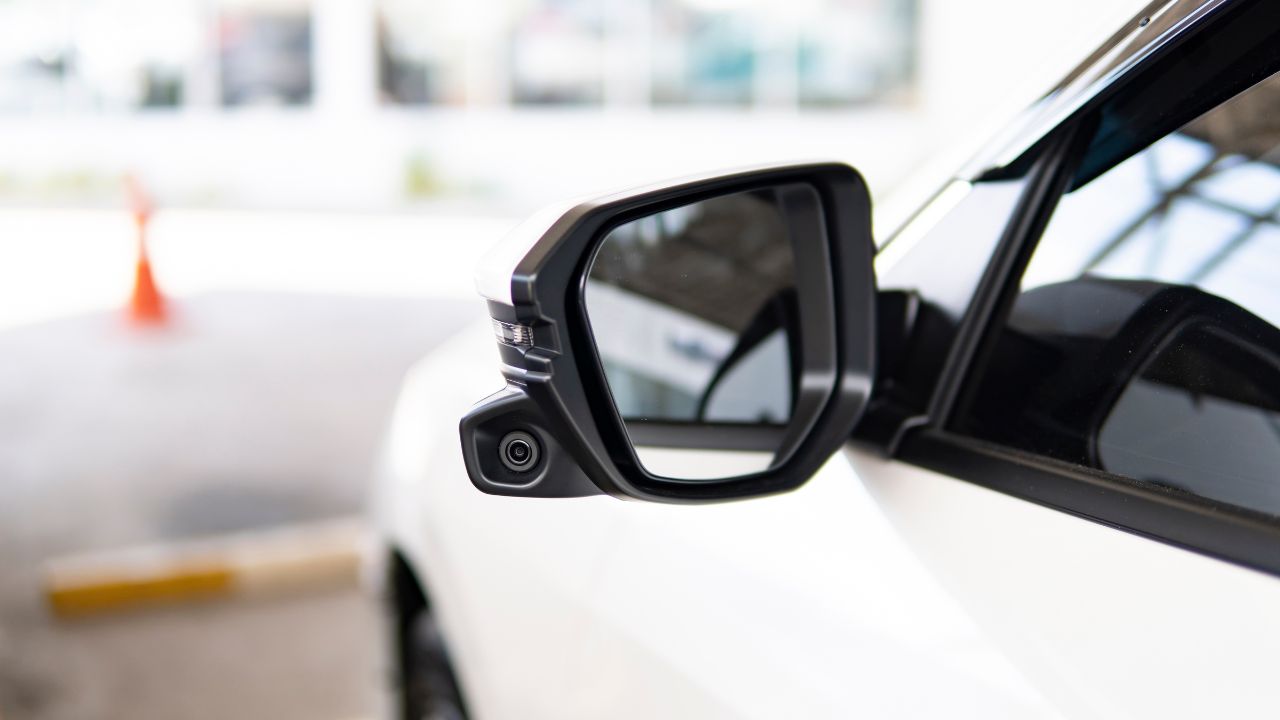
Digital side mirrors have finally reached the point where they’re genuinely better than traditional glass, rather than just different in a way that makes you question automotive progress(Althought, they are still legal only as a supplement to regular mirrors) . High-resolution cameras with night vision capabilities provide wider fields of view than conventional mirrors while eliminating blind spots that have been plaguing drivers since someone decided cars needed doors.
Honda’s e uses a Side Camera Mirror System in some markets, while vehicles like the Honda Clarity used LaneWatch, which is a camera view on the center display rather than a full digital mirror replacement that automatically adjust brightness based on ambient light and can highlight approaching vehicles with visual alerts. The displays are positioned where you’d naturally look for mirror information, so the learning curve is measured in minutes rather than months of muscle memory reprogramming.
The aerodynamic benefits aren’t just marketing fluff: replacing bulky mirror assemblies with sleek camera housings can reduce aerodynamic drag and contribute small efficiency gains at highway speeds. That might not seem like much until gas prices remind you that every little bit helps, especially when you’re calculating whether that road trip is financially viable.
Rain and snow performance has improved dramatically. Modern camera systems include heating elements and hydrophobic coatings that keep the lens clear in conditions that would leave traditional mirrors looking like abstract art. Some systems even include automatic washing features, because apparently cars now clean themselves better than most people clean their bathrooms.
Why Some Tech Misses the Mark in 2026

Not every innovation lives up to its promise once you drive away from the dealership. Some features sound impressive in ads but feel awkward or unnecessary in daily use. They can add cost, complicate simple tasks, or age quickly as better solutions arrive.
In certain cases, they even create frustration rather than enjoyment. The challenge for buyers is separating genuine progress from expensive gimmicks. In 2026, a few upgrades look modern but fail to deliver meaningful value over time. Here is the list of some features that drivers may want to skip.
Gesture Control Systems

Gesture controls remain the solution to a problem that never existed. Despite years of development and refinement, these systems still interpret your attempt to adjust the air conditioning as either a request to change the radio station or possibly summon an Uber. The technology works great in controlled demonstrations where there’s perfect lighting and no distractions, conditions that exist approximately never in real-world driving.
BMW’s latest iteration can recognize multiple predefined hand gestures, which sounds impressive until you realize that remembering eight specific hand movements while driving is about as practical as learning semaphore flag signals for highway communication. The system struggles with different hand sizes, jewelry, and the revolutionary concept that passengers might move their hands for reasons unrelated to controlling the infotainment system.
The fundamental problem remains unchanged: reaching for a button or knob provides immediate, tactile feedback and works 100% of the time. Waving at your dashboard provides neither feedback nor reliability, but it does make you look like you’re having an animated conversation with your car’s interior; which probably concerns other drivers more than your original problem with reaching for the volume control.
Even when gesture controls work perfectly, they’re solving the wrong problem. The issue with in-car controls isn’t that they require precise finger movements; it’s that they’re often poorly positioned, inadequately labeled, or buried in confusing menu systems. Gesture controls add another layer of complexity rather than addressing the root causes of interface frustration.
Built-In Navigation Without Smartphone Integration

Paying extra for navigation systems that can’t talk to your smartphone in 2026 is like buying a flip phone because you appreciate the satisfying snap of hanging up on telemarketers. These standalone systems rely on map data that gets updated about as frequently as your local DMV renovates its waiting area, and they cost significantly more than simply connecting your phone to the car’s display.
Traditional built-in navigation systems typically cost $1,000-$2,500 as a factory option, then charge additional fees for map updates that may or may not include that new shopping center that opened six months ago. Meanwhile, your smartphone provides real-time traffic updates, construction alerts, and routing based on actual current conditions rather than educated guesses from data that was probably accurate when gas cost $2.50 per gallon.
The interface design on most built-in systems feels like it was created by people who’ve never actually used navigation while driving. Entering addresses requires scrolling through alphabet soup menus that make texting on a flip phone seem efficient by comparison. Voice recognition ranges from “barely functional” to “actively hostile,” often requiring you to speak in the robotic cadence of a 1980s computer tutorial.
Smartphone integration through CarPlay or Android Auto provides access to Google Maps, Apple Maps, or Waze — applications that are updated constantly, know about traffic conditions in real-time, and can route you around accidents before they turn your commute into an extended automotive meditation session. The cost? Whatever you’re already paying for your phone service, which you’re paying anyway unless you’ve managed to completely disconnect from modern society.
Built-In Rear Seat Entertainment Screens

Factory-installed rear seat entertainment systems made sense when portable devices had battery life measured in minutes and screen resolution that made early Nintendo look cutting-edge. In 2026, these systems cost $2,000-$4,000 and provide functionality that’s immediately obsolete compared to devices your passengers already own and prefer to use.
The screens are typically 8-10 inches, which sounds reasonable until you realize they’re permanently mounted in locations designed more for aesthetic integration than optimal viewing angles. They offer DVD playback in an era when physical media is about as relevant as cassette tapes, and their software interfaces look like they were designed during the Bush administration, the first one.
Repair costs for these systems can exceed $1,000 when they inevitably break, usually right after the warranty expires and approximately one week before that family road trip you’ve been planning all year. Replacement parts are expensive because they’re vehicle-specific, unlike tablets that can be replaced at any electronics store without requiring specialized automotive technicians.
Modern tablets offer better screens, longer battery life, access to streaming services, gaming capabilities, and the revolutionary ability to be updated with new software that was written in this decade. They can be secured with simple mounts that cost less than dinner for two at a decent restaurant, and when they break, you replace them rather than scheduling service appointments and explaining to your kids why the entertainment system is “temporarily unavailable.”
Built-In Voice-Activated Window Controls

Voice-activated window controls represent peak technological overthinking: the solution to a problem so minor that most people never realized it needed solving. These systems let you say “open driver window” instead of pressing a button that’s literally within arm’s reach, designed specifically for single-handed operation, and works reliably regardless of ambient noise, accent, or whether you’ve been arguing with other drivers.
The voice recognition accuracy varies wildly depending on road noise, music volume, and whether your passengers are engaged in conversation about topics more interesting than window position. System responses range from immediate compliance to confused requests for clarification, as if the car is genuinely puzzled by your desire to experience fresh air without manual intervention.
Background noise from highway driving can confuse these systems to the point where they interpret “close window” as “call mom,” leading to awkward phone conversations that begin with you explaining why your car apparently has abandonment issues. Wind noise from open windows creates a feedback loop where the system can’t hear commands to close the windows that are creating the noise, preventing it from hearing the commands.
The traditional window switch provides immediate, predictable results with zero learning curve and no risk of misinterpretation. It works when you’re wearing gloves, when the radio is loud, and when you’re in the middle of singing along to that song you’d be embarrassed to admit you know all the words to. Sometimes the old ways persist because they’re actually better, not because people fear change.
Subscription-Based Heated Seats
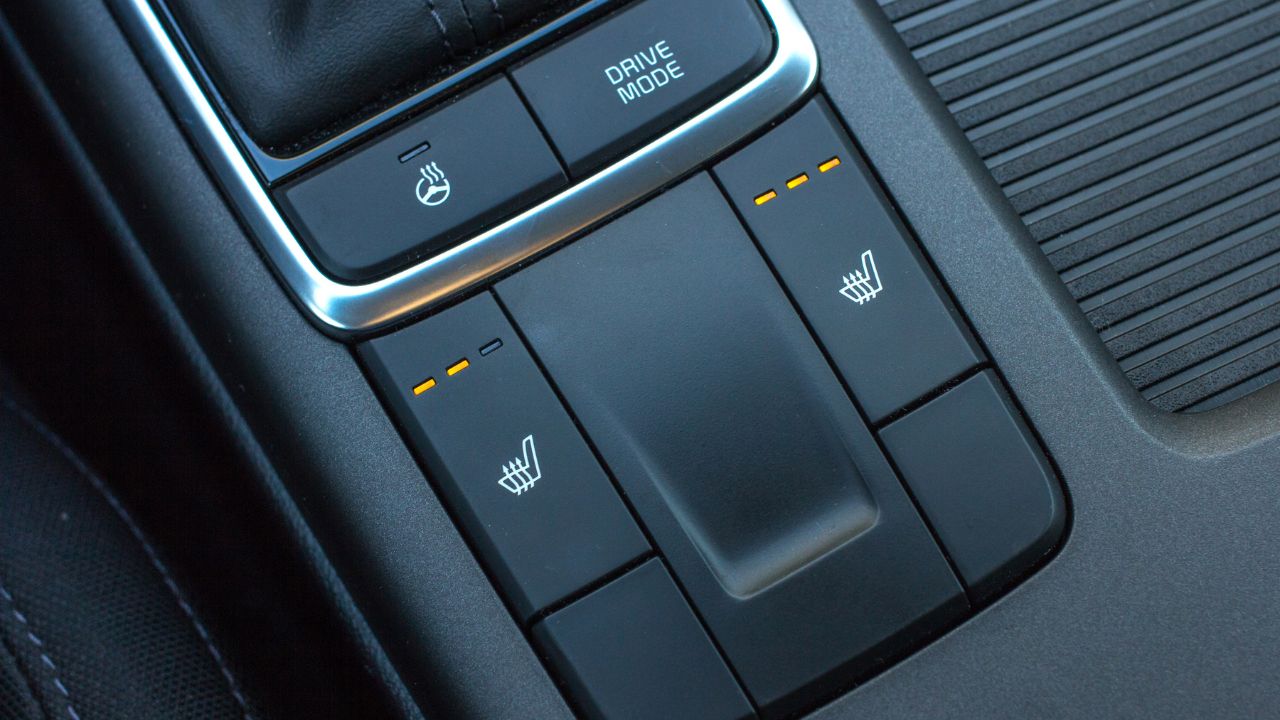
Subscription-based heated seats represent everything wrong with modern automotive business models concentrated into one spectacularly tone-deaf revenue stream. The hardware is already installed in your car, you’ve literally paid for the heating elements, wiring, and controls, but manufacturers want additional monthly payments to activate software that enables features your vehicle already possesses.
BMW briefly offered heated-seat subscriptions in some markets at roughly $18 per month, with pricing and availability varying by regions in some markets, which works out to $216 annually or $1,080 over five years: significantly more than the typical cost of adding heated seats as a factory option. The subscription model benefits manufacturers by creating recurring revenue streams, while providing customers with the unique experience of paying rent on parts of their own cars.
The concept becomes even more absurd when you consider that heated seats are a relatively simple technology that’s been available for decades. They’re essentially heating pads with automotive-grade wiring and controls; not complex software systems that require ongoing development and server maintenance to justify subscription fees.
This business model treats car ownership more like smartphone leasing, where you never quite own the full functionality of your device. It’s particularly galling because the monthly fees continue regardless of whether you use the features, creating a situation where you might pay for heated seats during summer months in Arizona while questioning your life choices.
The real concern isn’t just the immediate cost, it’s the precedent this sets for other features. Today, it’s heated seats; tomorrow, it might be air conditioning, radio presets, or the ability to open your trunk without visiting a dealer service department to discuss your subscription options.
Making Smart Tech Choices for the Road Ahead
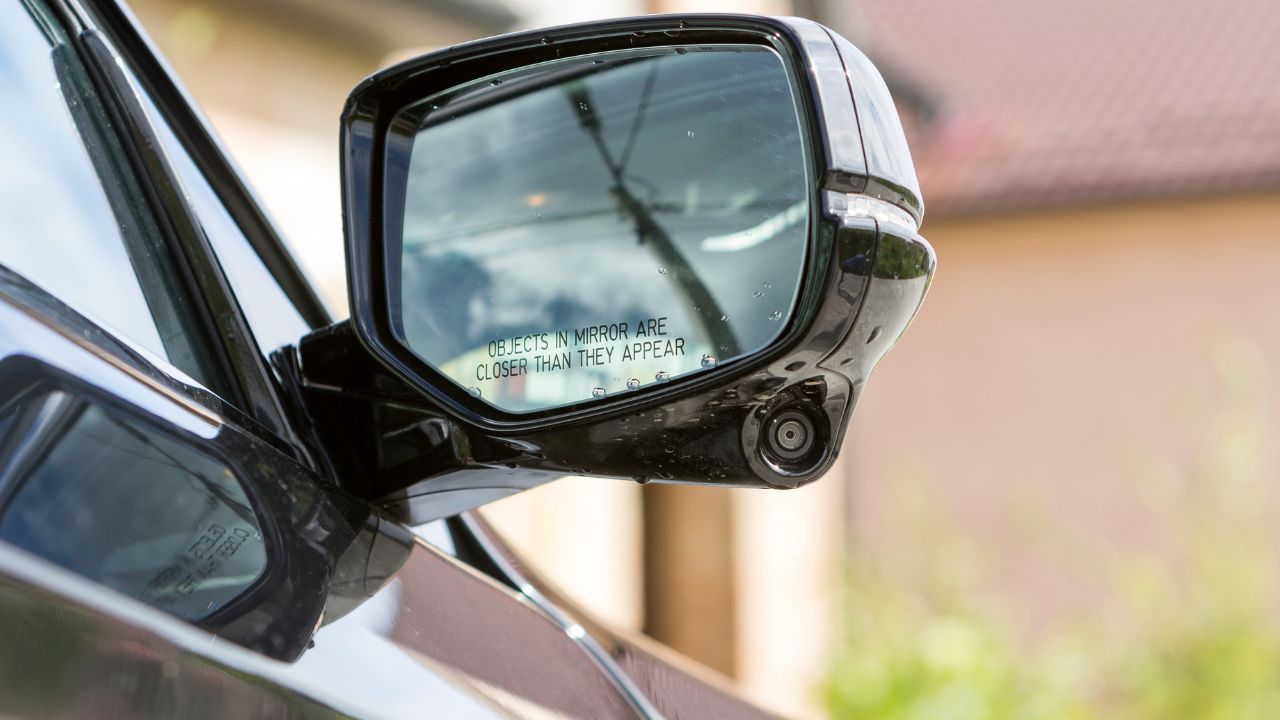
Automotive technology in 2026 offers genuine improvements in safety, efficiency, and convenience… when you choose wisely. The key is focusing on features that solve actual problems rather than creating new ones, provide long-term value rather than short-term novelty, and integrate seamlessly into your driving routine rather than requiring constant attention and maintenance.
The best automotive technology fades into the background, working reliably day after day without requiring you to become an expert in its operation. It makes dangerous situations safer, tedious drives more comfortable, and complex tasks simpler; all while feeling natural rather than forced.
The worst automotive technology demands constant attention, solves problems that weren’t particularly problematic, and ages quickly as better solutions emerge. It often costs more to maintain than it provides in value and creates frustration rather than satisfaction.
As manufacturers continue pushing the boundaries of what’s possible in automotive technology, remember that “possible” and “practical” aren’t always the same thing. The smartest approach is to invest in proven technologies that enhance your driving experience while avoiding expensive experiments that might make you question whether cars were actually better when the most advanced feature was a working cigarette lighter.
The future of automotive technology is undoubtedly exciting, but the present reality is that good engineering, thoughtful design, and genuine utility matter more than flashy demonstrations and marketing superlatives. Choose technology that earns its place in your daily routine, and you’ll wonder how you ever drove without it. Choose poorly, and you’ll spend the next several years explaining to passengers why certain features in your expensive car don’t actually work the way the brochure promised they would.