
Remember when you couldn’t set foot in a garage without hearing someone swear you had to warm up the car for ten minutes, even in July? Or how concrete floors were apparently kryptonite for your car battery? Growing up, these “rules of the road” were passed down like gospel from dads, uncles, and the guy who swore his Trans Am could outdrag a Corvette.
But times (and engines) have changed. A lot of the old-school wisdom we took as fact has been quietly retired by modern tech, better engineering, and just plain common sense. So, before you give someone side-eye at the gas pump for being on their phone, let’s take a look at some car beliefs that deserve a graceful retirement. Because let’s be real, we don’t have time to sit in the driveway for 10 minutes.
So here are the most common myths that people don’t seem willing to let go of. Feel free to show this to your dad next time he lectures you about the type of oil you use. We’ll take the heat.
“Don’t Put a Car Battery on Concrete or It’ll Drain”
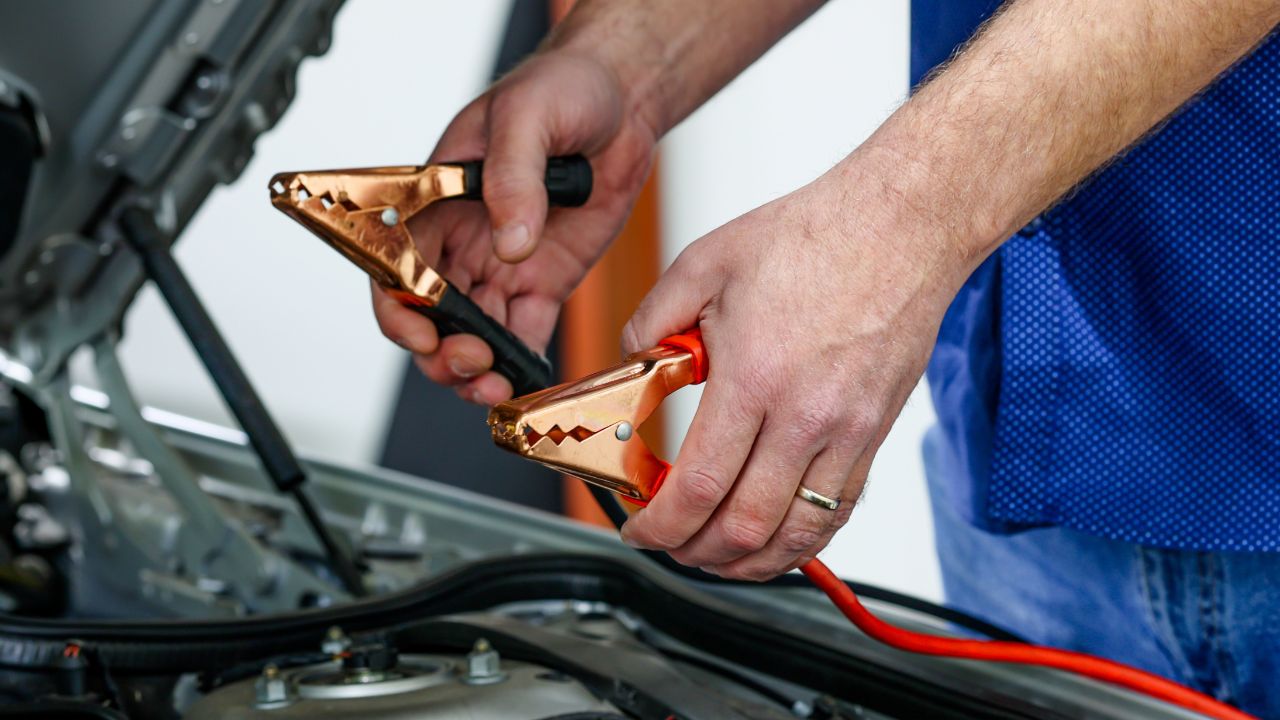
The Origin: Back in the stone age of car batteries (think 1940s-1960s), older batteries commonly used hard-rubber cases and could be more prone to surface leakage/self-discharge in damp, dirty storage conditions,so people blamed the concrete. But concrete itself isn’t a magical battery-drainer I still receive a never-ending barrage of these comments on my social media whenever I share some of the spare 12V batteries in my garage. It’s 2025, folks, stop it! Are you still using a rotary phone? No? Then stop believing this myth.
The Truth: Modern batteries come in sealed, hard plastic shells that don’t absorb moisture. Storing them on concrete won’t hurt them one bit. The real killers of a battery are heat (which accelerates internal chemical reactions) and neglect (leaving it discharged for too long). So, go ahead, put that Optima on the garage floor, it’ll be fine. Just don’t drop it on your foot.
“Warm Up Your Car for Several Minutes Before Driving”
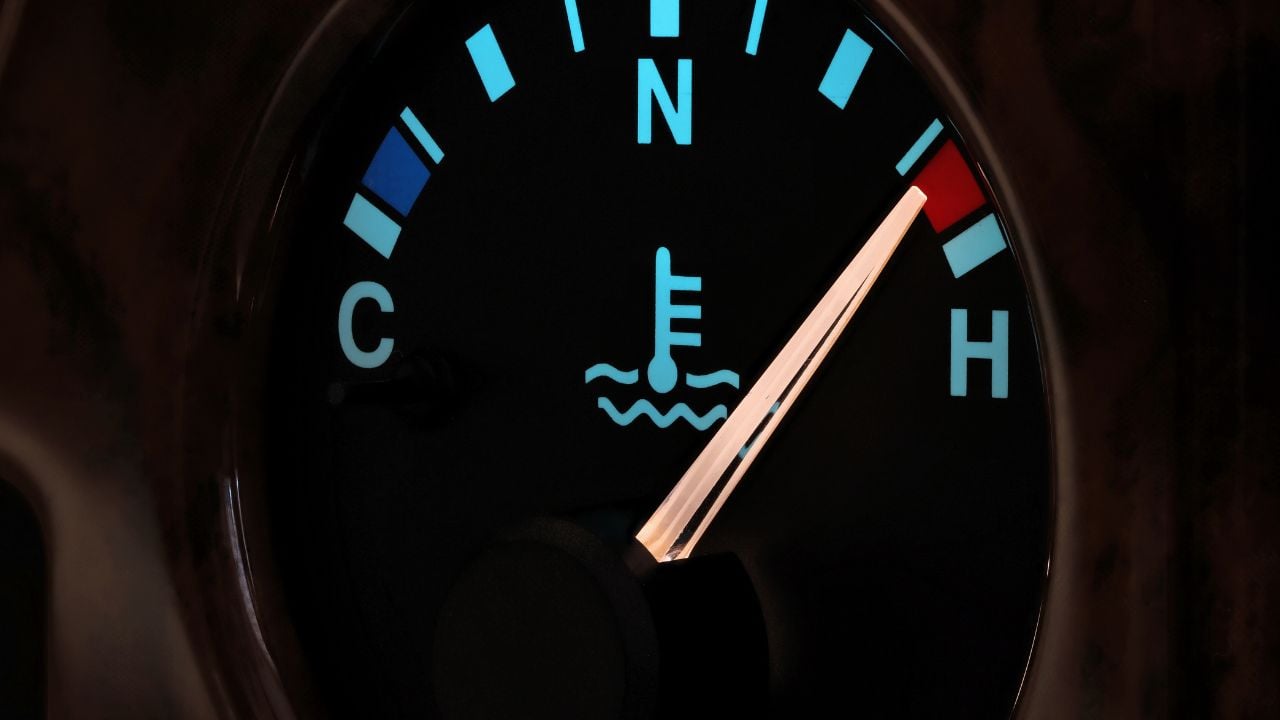
The Origin: Carbureted engines from decades ago needed time to reach proper operating temperatures and circulate thicker, older-spec oils. If you floored it cold, you’d likely stall or choke the engine with unburnt fuel. I know we’re going to fight about this one, because every old-timer at the car show swears by it, but hear me out: I’m not saying you should jump in your Hellcat and start bouncing off the rev limiter the second it fires up.
The Truth:
For most modern fuel-injected cars, you generally only need about 30 seconds before driving gently. Extended idling wastes fuel and increases emissions.”
In extreme cold you may idle a bit longer for defrost/visibility, but you still don’t need 10 minutes in the driveway. You’re better off driving gently right after starting, it warms up the engine, transmission, and differential much more effectively. Your dad’s ’72 F-100 needed it, your brand new F-150 does not.
“Talking on Your Phone While Pumping Gas Could Cause an Explosion”

The Origin: This myth exploded (pun totally intended) in the late 90s and early 2000s, fueled by panicked chain emails and overly cautious (or just plain bored) gas station attendants. The rumor claimed that the radio waves or a spark from your cell phone could ignite gasoline vapors. Have you not seen teenagers with their phones glued to their faces these days? If this were still true, we’d all be doomed; the entire planet would be a giant bonfire fueled by TikTok videos.
The Truth: Mythbusters, bless their explosive hearts, thoroughly debunked this one years ago. And industry experts, including those from the PEI says it has not documented a single refueling incident caused by a cellular telephone. If a fire does start at a pump (NFPA research estimates U.S. fire departments respond to an average of about 4,150 fires per year in or on service/gas station properties (2014–2018 average)), it’s almost always from static electricity. This typically happens when someone gets back into their car while fueling, builds up a static charge, and then touches the nozzle, causing a spark. So, put your phone away because you’re busy, not because it’s a bomb.
“Always Change Your Oil Every 3,000 Miles”
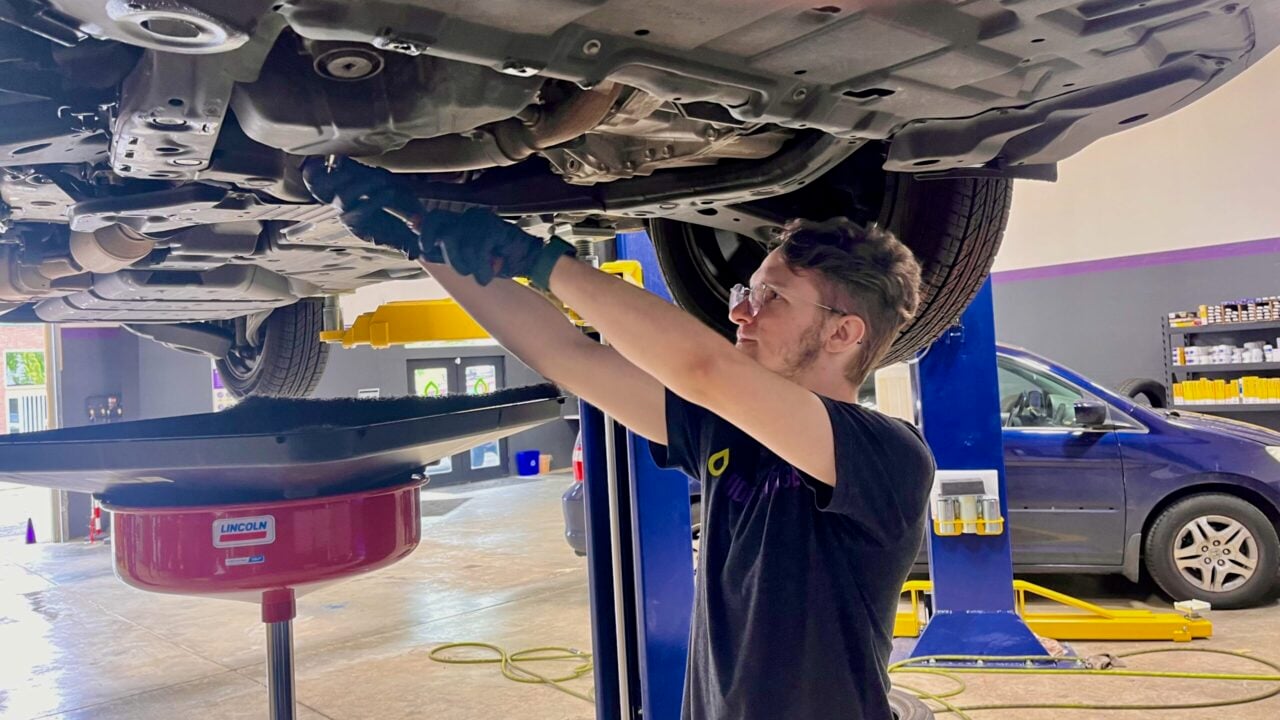
The Origin: In the age of low-tech, iron-block engines with loose tolerances and conventional mineral oils, frequent changes (like every 3,000 miles or 3 months) were indeed crucial to prevent sludge buildup and excessive wear. This was gospel, repeated by every mechanic and quick-lube joint in America.
The Truth: Modern engines are built to much tighter tolerances, use advanced filtration systems, and run far more efficiently. Crucially, modern synthetic oils (which weren’t even a widespread thing when this myth started) are vastly superior. They resist thermal breakdown, maintain viscosity, and lubricate far better than conventional oils. Many modern vehicles specify 5,000–10,000+ mile oil-change intervals depending on driving conditions and oil type, so the owner’s manual matters more than a universal ‘3,000-mile rule.
Your owner’s manual is your bible here; stick to its intervals for optimal care. And as a general rule of thumb, familiarize yourself with your specific vehicle’s maintenance schedule so you can stay on top of what’s needed. Don’t let some quick-lube tech convince you otherwise, just to pad their numbers.
“Premium Gas Gives You Better Performance Always”

The Origin: Higher-octane fuel (like 91 or 93) resists knocking or pre-ignition, and it was once heavily marketed as a mark of “premium status” for fancy cars. The thinking went, “If it’s more expensive, it must be better!” It’s the same logic that makes people buy fancy bottled water.
The Truth: Unless your engine specifically requires premium fuel (and it will say so clearly on the fuel door or in the manual, think high-compression sports cars, many turbocharged engines, or high-performance luxury vehicles), there’s absolutely no benefit to using it beyond wasting your hard-earned cash. Your average Honda Civic or Ford F-150 (unless it’s a performance variant like the Raptor) is designed to run perfectly fine on regular 87 octane. The engine’s computer (ECU) is programmed to adjust timing for the octane it detects. Putting premium in a car designed for regular is like giving a horse champagne; it won’t run faster, it’ll just be an expensive drink.
“Coasting in Neutral Saves Gas”
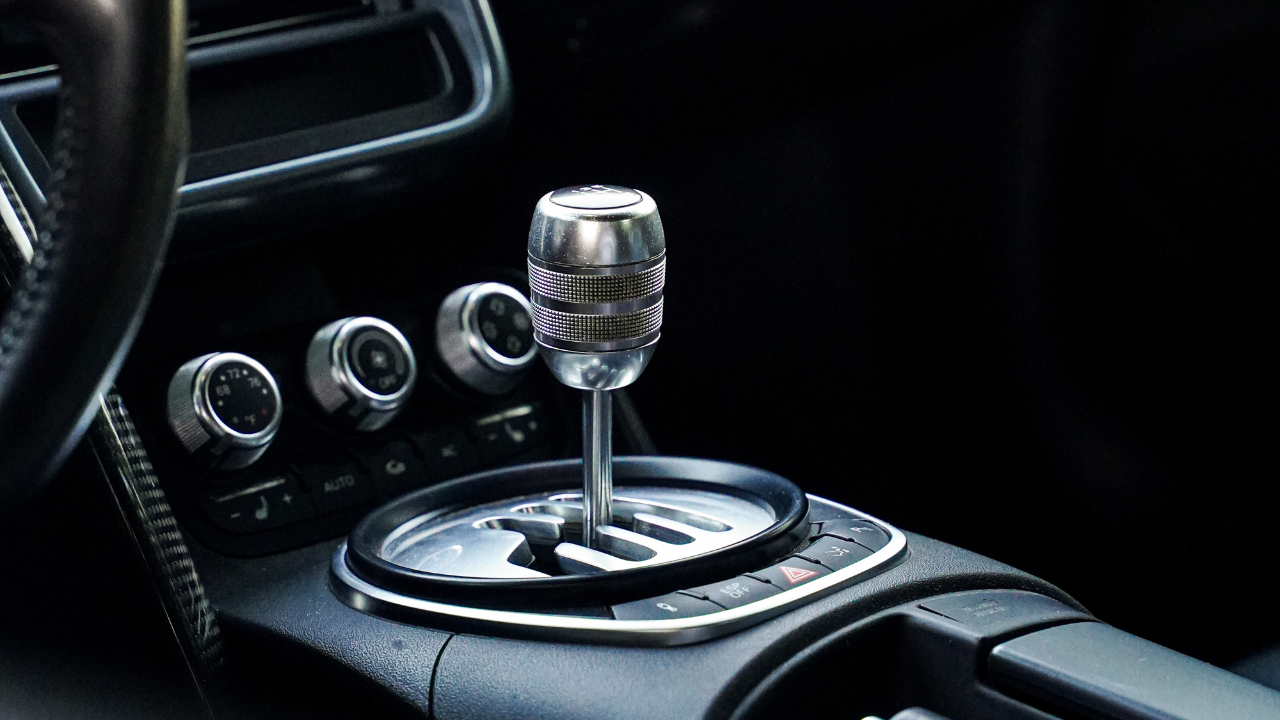
The Origin: This “clever” trick was passed along by granddads as a surefire way to stretch those precious fuel pennies, harkening back to the days of carbureted engines and basic transmissions. The idea was simple: if the engine isn’t working, it isn’t using gas!
The Truth: This one is a big fat NO for modern cars. Many modern fuel-injected vehicles use deceleration fuel cut-off (DFCO): when coasting in gear with the throttle closed (typically above a certain RPM), fuel injection can drop to near-zero. In neutral, the engine must idle, which uses fuel.
Shifting into neutral, however, disengages the engine from the wheels, forcing the ECU to inject a small amount of fuel to keep the engine idling. So, you’re actually using more fuel in neutral than in gear while coasting. Plus, it reduces your control over the vehicle and puts unnecessary wear on your transmission when you re-engage a gear. Just keep it in gear, smarty pants.
“Manual Transmissions Always Get Better MPG”
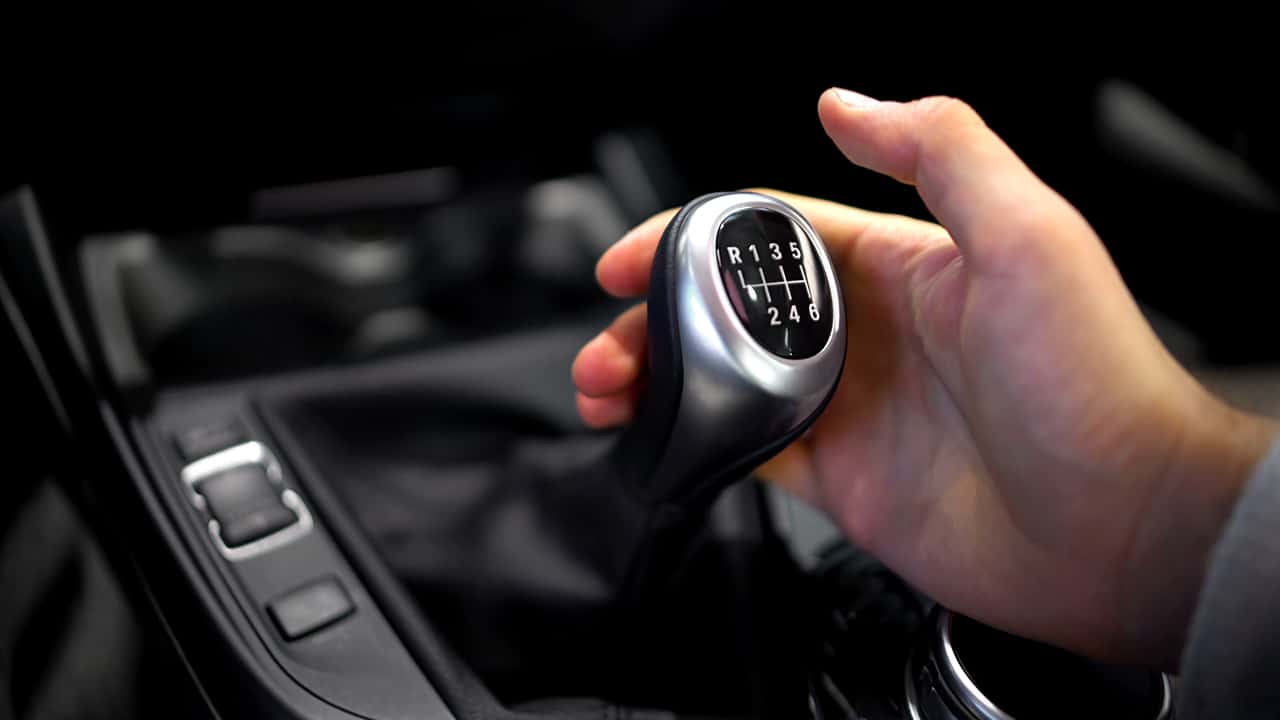
The Origin: When automatic transmissions were clunky, inefficient three- or four-speed units with significant power loss through torque converters, manuals were indeed the clear winners for fuel efficiency. If you wanted to save gas, you learned to row your own gears.
The Truth: Oh, how the turntables… Modern automatics are engineering marvels. We’re talking about sophisticated CVTs (Continuously Variable Transmissions), lightning-fast dual-clutch transmissions (DCTs), and conventional automatics with 8, 9, or even 10 speeds. These transmissions are precisely tuned for smoothness and efficiency, often featuring wider gear ratios and advanced lock-up clutches. Depending on the model, modern automatics can match or beat manuals on official MPG tests.
The human element of shifting, no matter how good you are, can’t always compete with a computer perfectly optimizing every shift for efficiency. And don’t worry, we believe that you’re good. So while manuals are still more fun, they’re not necessarily the king of MPG anymore. Get over it, purists.
“Driving with the Dome Light On Is Illegal”
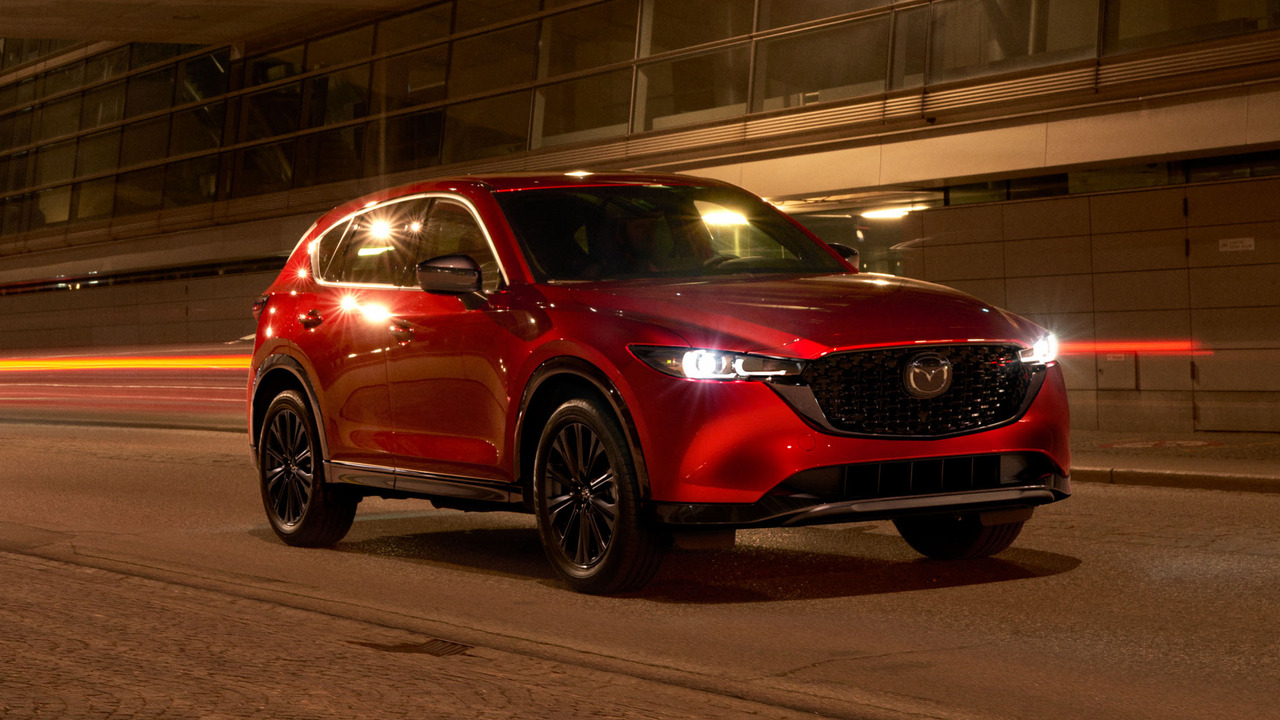
The Origin: Every parent in America, at some point, has shrieked: “Turn that off! It’s against the law!” Why did we almost all collectively hear this as children? I know I did! Was it a universal parental conspiracy? Was it in the “Parents Handbook of Lies to Tell Your Kids?” along with Elf on the Shelf? Sorry if we ruined that for you.
The Truth: There’s no general U.S. law that specifically bans driving with the interior/dome light on. But if it distracts you or hurts visibility, it could still be treated as unsafe driving in practice. It can be distracting or reduce your night vision, particularly if you’re driving an older vehicle with a blinding incandescent bulb, but you’re not getting cuffed for it. This myth likely stuck because parents just didn’t want to argue about glare while trying to focus on the road, or maybe they just wanted you to go to sleep. Either way, it’s a parental urban legend that needs to retire along with your mom’s crusty white dog.
“Rolling Down the Windows Uses Less Gas Than A/C”

The Origin: This gem was passed down from countless summer road trips where dad refused to touch the A/C knob, often followed by the blood-curdling yell of, “Just crack a window! We’re not made of money!” The logic was that the AC compressor drains power, therefore fuel.
The Truth: While running the A/C does use energy and impacts fuel economy, rolling down your windows, especially at highway speeds, open windows can add enough aerodynamic drag that A/C may be comparable, or even more efficient, depending on the vehicle and conditions. At city speeds, windows-down is fine (and sometimes preferable for fresh air), but once you’re cruising on the interstate, A/C is often the more efficient choice.
So stop sweating it out and enjoy the cool air; your wallet (and your sanity) will thank you. (There are other ways to be green, if that’s part of your concern.)
“Electric Vehicles Don’t Need Any Maintenance”

The Origin: The hype around EVs sometimes gets boiled down to: “No engine, no oil changes, no worries!” This sounds fantastic on paper, like free money or not gaining weight after shutting down a buffet.
The Truth: While EVs absolutely have fewer moving parts than an internal combustion engine vehicle and skip things like oil changes, spark plugs, and exhaust systems, for example, Tesla lists items like brake-fluid health checks, cabin air filter replacement, wiper blades, and tire rotation at set intervals. It’s one of the dirty truths of owning an EV or hybrid. You’ll still need brake fluid swaps (though less frequent, thanks to regenerative braking), tire rotations and replacements (heavy EVs can wear tires faster due to their weight and instant torque), cabin air filter changes, wiper blade replacements, and crucial battery cooling system checks.
Even Teslas, known for over-the-air updates, recommend regular service schedules. They’re definitely lower-maintenance, but not no-maintenance. So, don’t get lazy, EV owners, you still need to open that “frunk” once in a while.
Time to Retire These Old Car Tall Tales

Turns out, not everything your uncle yelled from under the hood was gospel. The world has moved on from carburetors and cassette decks, and it’s time some of these myths did too. Your dome light won’t get you arrested, your battery won’t spontaneously combust on concrete, and no, your car doesn’t need to idle like it’s warming up for a NASCAR lap.
Cars have gotten smarter, safer, and more efficient, and so should we. So go ahead, use the A/C, skip the pointless 3,000-mile oil changes, and tell your dad that you drove past a cop with the dome light on. And if he gives you grief, just remind him that his phone is probably older than your car.
What other old car myths do you still hear kicking around? Let me know in the comments, let’s give ’em a proper send-off!