
If you’re thinking about trading in your car this year, you’re not alone. In a recent Automotive Consumer Study, 51% of drivers said they are ready for something new, whether it’s upgrading to a more fuel-efficient model, switching to an EV, or just saying goodbye to an older ride. But trading in your car can feel a little like stepping into the unknown. What’s it really worth? How do you avoid getting shortchanged? And how do you make sure your trade-in doesn’t accidentally cost you money on your next car?
The good news? You can walk into a dealership (or log into your online car-buying site of choice) with confidence. With a few smart moves, you’ll not only get more for your trade-in, but you’ll also make the whole process a lot less stressful.
Behind the Wheel

To create this list, we pulled from dealership insights, online valuation tools (like Kelley Blue Book and Edmunds), trade-in data from Cox Automotive, and best practices recommended by financial experts.
We also spoke to a few dealership insiders who explained what really moves the needle when it comes to a trade-in offer. Everything here is practical, straightforward, and focused on helping everyday drivers make smart choices, without needing a degree in auto sales.
Know Your Car’s Value Before You Go

Before you ever set foot in a dealership, do your homework. Use trusted online tools like KBB, Edmunds, or CarGurus to get a realistic estimate of your car’s trade-in value. Keep in mind that condition, mileage, location, and even color can affect how much your car is worth.
Having this number in your back pocket gives you a reference point and prevents you from being lowballed. It also shows that you’ve done your research, and that’s powerful.
Don’t Skip the Simple Fixes

Small issues can lead to big deductions. A check engine light, worn wiper blades, scuffed paint, or a dirty cabin may not seem like a big deal, but dealerships will use these flaws to justify a lower offer. Spend a weekend making small repairs: replace bulbs, vacuum the interior, top off fluids, and clear out clutter.
You don’t need to fully recondition your car, but a little effort goes a long way. Clean, well-maintained cars suggest better overall care, which means more money in your pocket.
Keep Your Service Records Handy

Proof of regular maintenance is like gold when it comes to trade-ins. If you’ve been getting oil changes on time, fixing issues promptly, and taking your car in for scheduled service, show that off.
Even digital records from your mechanic or dealership help prove your car’s reliability, and that can translate into a higher valuation.
Time It Right

Believe it or not, timing matters. Dealerships tend to offer better trade-in values toward the end of the month, quarter, or year when they’re hustling to hit sales targets. You may also get better offers during promotional periods or after tax season, when more people are car shopping.
Avoid trading in during slow months or right after a newer version of your car has been released — your vehicle may suddenly look a lot less appealing.
Get Multiple Offers

One of the easiest ways to boost your trade-in value is by shopping around. Take your car to a few dealerships or use online tools like CarMax, Carvana, or Vroom to get competing offers. Some of them will even pick up your car directly from your driveway.
Multiple offers not only help you identify the highest bid, but they also give you leverage if you’re negotiating with a dealership. It turns a one-sided conversation into a fair exchange.
Understand the Trade-In Tax Advantage

Depending on your state, trading in your car could save you money on sales tax. Here’s how it works: if your new car costs $30,000 and your trade-in is worth $10,000, you might only pay tax on the $20,000 difference.
This benefit doesn’t apply in every state, so check your local DMV or tax site. But in states where it does apply, this advantage can make a trade-in worth more than a private-party sale.
Be Honest About Condition, but Frame It Well

When filling out trade-in appraisal forms online or talking to a dealership, be honest about your car’s condition. If it has dings, high mileage, or past repairs, disclose them—but don’t undersell it. Describe it accurately but confidently.
Avoid words like “beat-up” or “junk” unless it truly is. Instead, focus on phrases like “well maintained,” “runs great,” or “recently serviced.” It’s all about positioning.
Separate Your Trade-In From the Purchase

This one’s big: don’t let the dealer bundle your trade-in with your next car’s financing. Salespeople may try to roll everything into one big offer, but that makes it harder to see what you’re really getting for your old car.
Negotiate the value of your trade-in first. Only once that’s locked in should you talk about your next vehicle. This helps keep things transparent and lets you track the numbers clearly.
Watch Out for “Upside Down” Loans
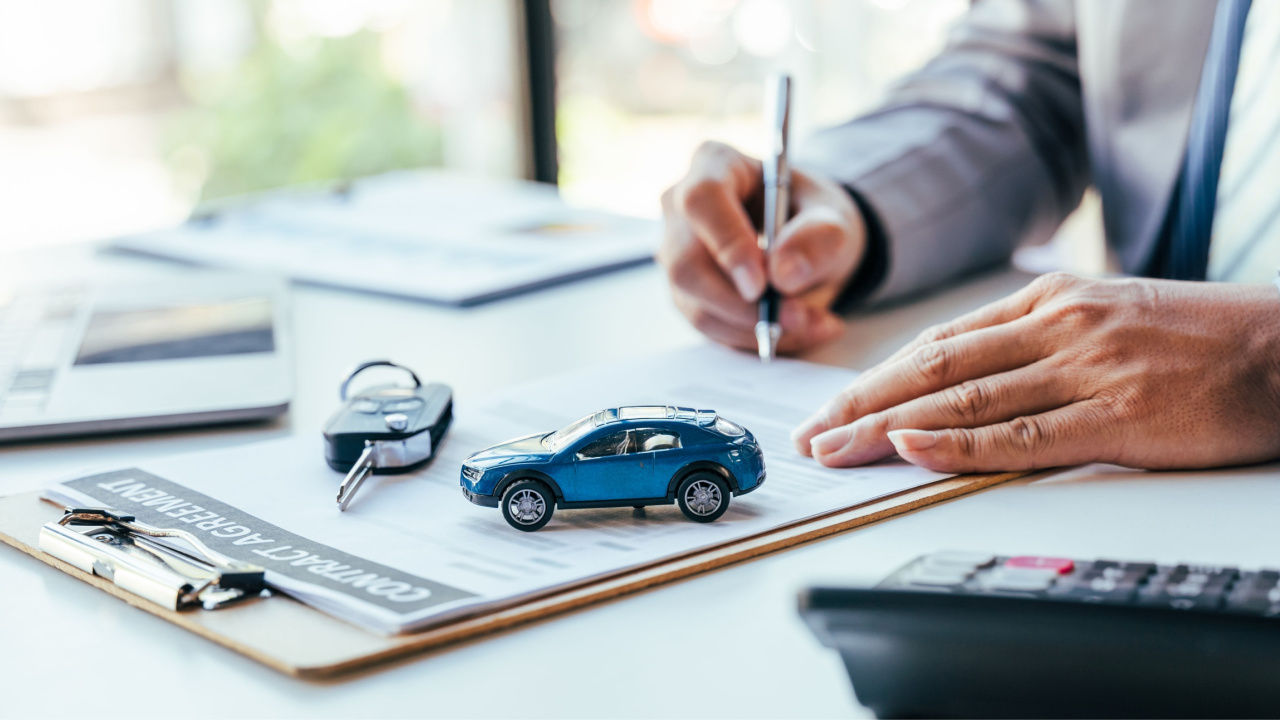
If you owe more on your current car than it’s worth, you’re in what’s called negative equity. Dealerships will often roll that balance into your new loan, but that can put you in a cycle of debt where you’re always paying off the last car.
If you’re upside down, consider paying down your loan a bit more before trading in. Or look into refinancing options. The key is to avoid carrying that extra weight into your next deal.
Know What Adds (and Doesn’t Add) Value
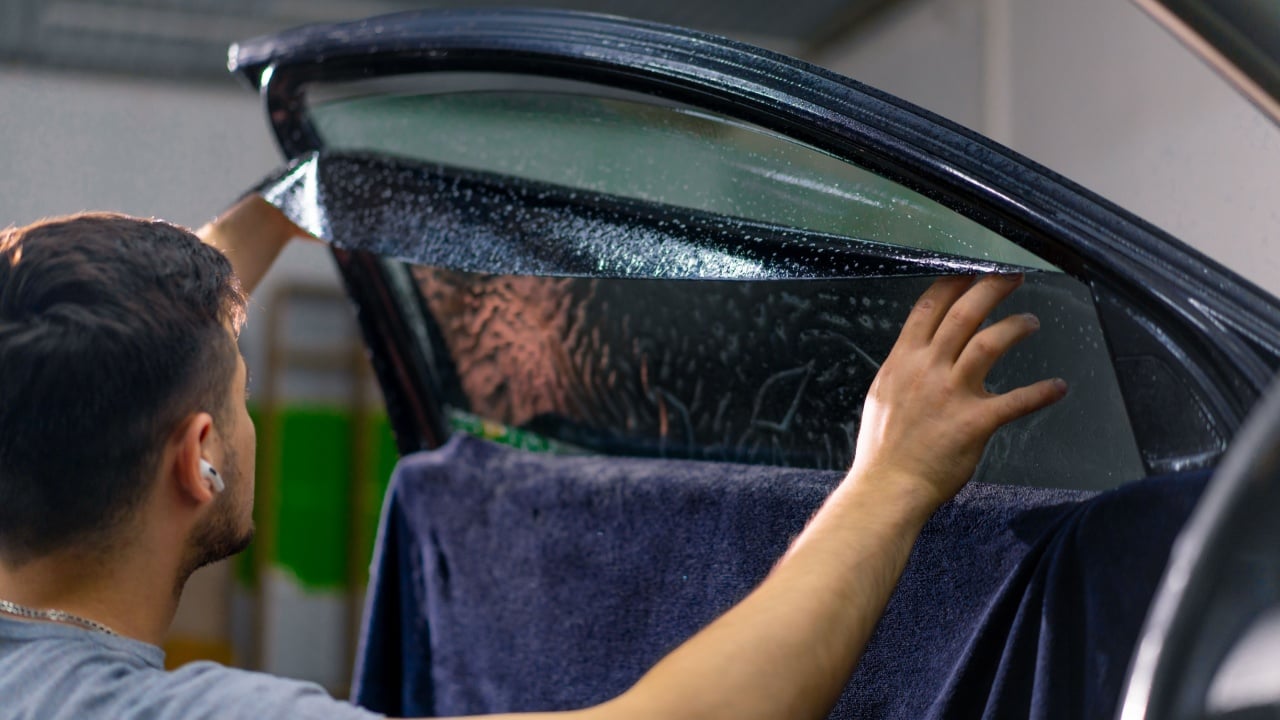
Modifications like aftermarket wheels or stereo systems may have cost you a lot, but they rarely increase your car’s value to a dealer. In fact, they can sometimes hurt it. Stickers, spoilers, lowered suspension? That’s taste-specific, and dealers might view it as something they’ll need to undo.
What does add value? Low mileage, clean history, new tires, and factory options like leather seats or upgraded safety tech.
Check for Recalls and Get Them Fixed

If your car has any open recalls, dealers will deduct the repair cost from your offer, even if the fix is free through the manufacturer. Take a few minutes to check your VIN at nhtsa.gov/recalls and book a service appointment to get it handled beforehand.
It’s one of the easiest ways to prevent a surprise deduction during the appraisal process.
Don’t Rush—But Be Ready

The best trade-in deals happen when you’re not desperate. If your car is still running well and you’re just exploring options, take your time and compare offers. But when the right deal shows up, be prepared.
Bring your title (if you have it), registration, photo ID, and all keys or remotes. A smooth transaction builds trust and often results in a smoother deal.
Final Lap: Make Your Trade-In Work for You

Trading in your car doesn’t have to feel like a gamble. When you walk in (or log in) prepared — with records, quotes, and a clear idea of what your car is worth — you take control of the process. Dealerships respect informed sellers, and being honest, organized, and confident will often lead to better offers.
You don’t need to be a gearhead or a negotiation pro to get more for your trade-in in 2025. You just need a plan — and now, you’ve got one.