Modern vehicles are smarter than ever, packed with sensors, service alerts, and dealer maintenance plans, but no matter how advanced your car gets, some basic maintenance knowledge is still worth keeping in your back pocket.
These are the small tasks that can prevent big problems, keep you safe, and even save you money. Whether you’re a seasoned gearhead or someone who just got their license, knowing how to handle these simple jobs can even make you a more confident and capable driver.
Simple Maintenance Tasks

This article focuses on universally relevant tasks that apply to most vehicles on the road today, from gas-powered daily drivers to hybrids and even some EVs. Each entry was chosen based on practicality, ease of learning, and its potential to prevent common roadside or mechanical issues.
The goal isn’t to turn drivers into DIY mechanics, but to highlight basic skills that improve safety, reduce dependency on roadside assistance, and increase a driver’s confidence. Whether you’re maintaining an aging sedan or a brand-new crossover, these simple jobs are well worth knowing.
Checking and Topping Off Engine Oil
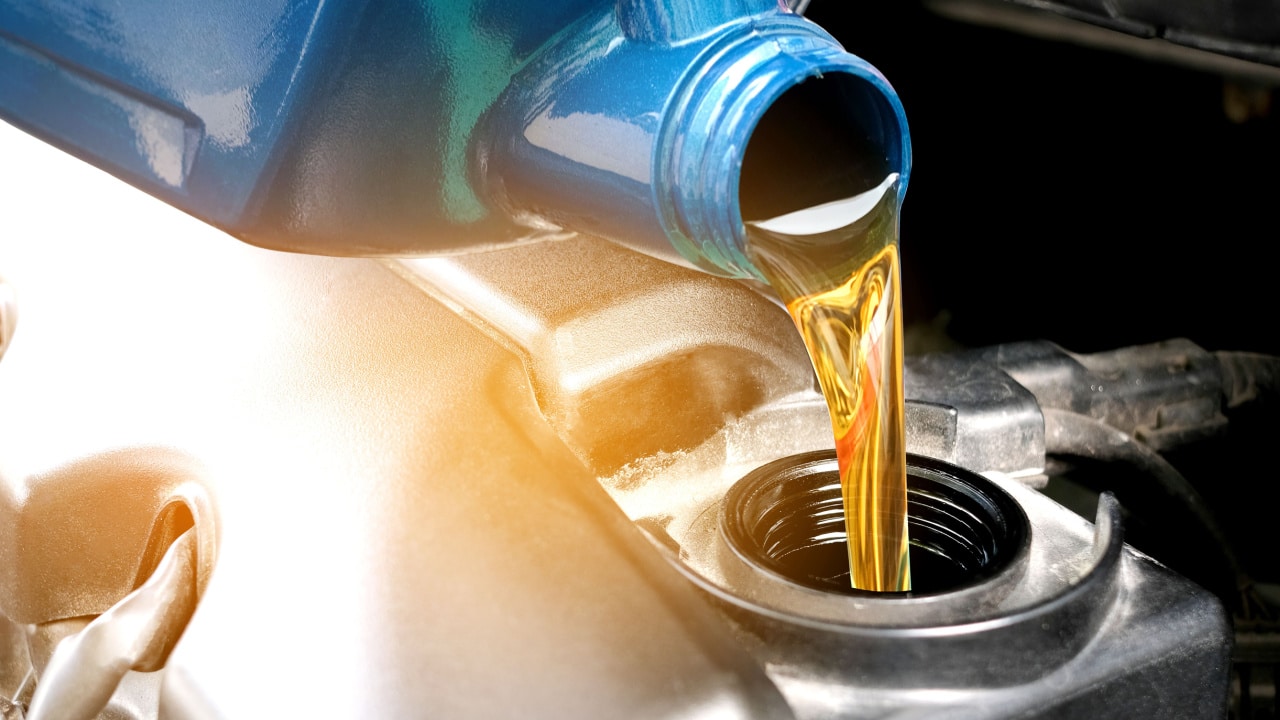
Low oil levels can destroy your engine, and you won’t always have the warning light turn on to save you. Learn how to check the dipstick (or dashboard readout) and top up your oil with the correct type for your car. It’s quick, clean, and can prevent catastrophic damage.
Keep a small funnel and a spare quart of oil in your trunk just in case. According to OilChangers.com, checking once a month, or before any long trip, is a good habit that takes less than five minutes. It’s basic maintenance 101, and still one of the most important.
Replacing Wiper Blades

Worn-out wiper blades make driving in rain or snow dangerous. If your blades streak, squeak, or leave water behind, it’s time to replace them. Thankfully, this is one of the easiest fixes around.
Most blades have a simple latch or clip system, and while stores like AutoZone or Walmart often provide free installation when you buy new ones, you should be able to do the job yourself. Just be sure to match the blade lengths correctly for your vehicle. According to Ford, replacing your wipers once or twice a year will keep your windshield clear, and you’ll be a whole lot safer when the weather turns bad.
Inflating Tires and Checking Pressure

Underinflated tires wear out faster, reduce fuel economy, and can even cause blowouts. Every driver should own a basic tire pressure gauge and know how to use an air pump that’s found in most gas stations.
Your car’s recommended PSI is usually listed on a sticker in the driver’s door jamb. AutoFair Subaru recommends that you check tire pressure monthly and before road trips, especially when temperatures change. If you spot uneven wear, it may be time for a rotation or alignment. Proper tire pressure helps your car handle better, last longer, and saves money at the pump.
Jump-Starting a Car
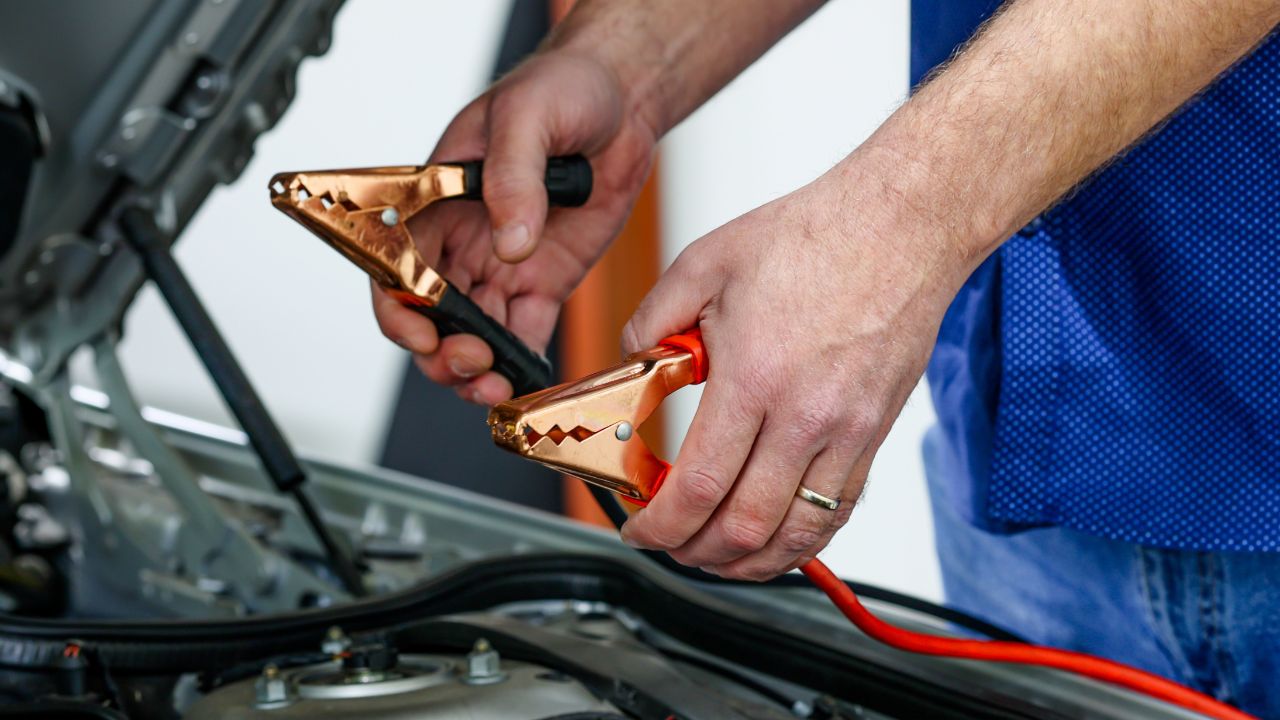
A dead battery can leave you stranded, but jump-starting a car is easy with the right gear. Always keep a set of jumper cables or a portable jump starter in your trunk. Chapel Hill Tire has a step-by-step guide if you’ve never done it before. Long story short, if using cables, connect the positive and negative clamps in the correct order and ensure both cars are off before starting.
Newer lithium-ion jump packs are even easier, as no second car is required. Just follow the instructions and safety tips. Knowing how to jump-start your car not only saves you but lets you help others in a pinch, too.
Changing a Flat Tire

Run-flats and roadside assistance are great, but you shouldn’t depend on them. Every driver should know how to safely jack up their vehicle and install a spare or donut. It’s not hard, and your owner’s manual walks you through the steps, or you can use the RAC’s nifty guide.
Always work on flat ground, engage the parking brake, and loosen lug nuts before lifting the car. Practice in your driveway so you’re not figuring it out in the rain on the shoulder of a highway. If you drive, you need to know how to change a tire. Period.
Refilling Windshield Washer Fluid

It’s not glamorous, but it’s essential. Running out of washer fluid can actually be dangerous, especially during dusty summers or snowy winters, as it can severely impact visibility. Refilling it is as easy as opening the hood and pouring more fluid into the correct tank. If you need more help, Ford explains it in greater detail.
Make sure you’re using proper washer fluid, not plain water, especially in colder climates to prevent freezing. Keep a jug in your trunk just in case. It’s a 30-second job that keeps your windshield clear as well as you and your passengers safe. Don’t wait until you’re blinded by road grime to remember this one.
Replacing a Headlight or Taillight Bulb

Driving with a burned-out bulb can land you a ticket, or worse, make you invisible in traffic. As J.D. Power points out, most headlight and taillight bulbs are simple to replace, usually requiring just a screwdriver and a bit of patience.
Check your manual for the correct bulb size and how to access the housing. Modern LED units are more complex, but many vehicles still use halogen bulbs that are easy to swap. If a light goes out, don’t wait. Replacing it yourself saves on labor costs and ensures you stay safe and legal.
Cleaning and Maintaining Battery Terminals
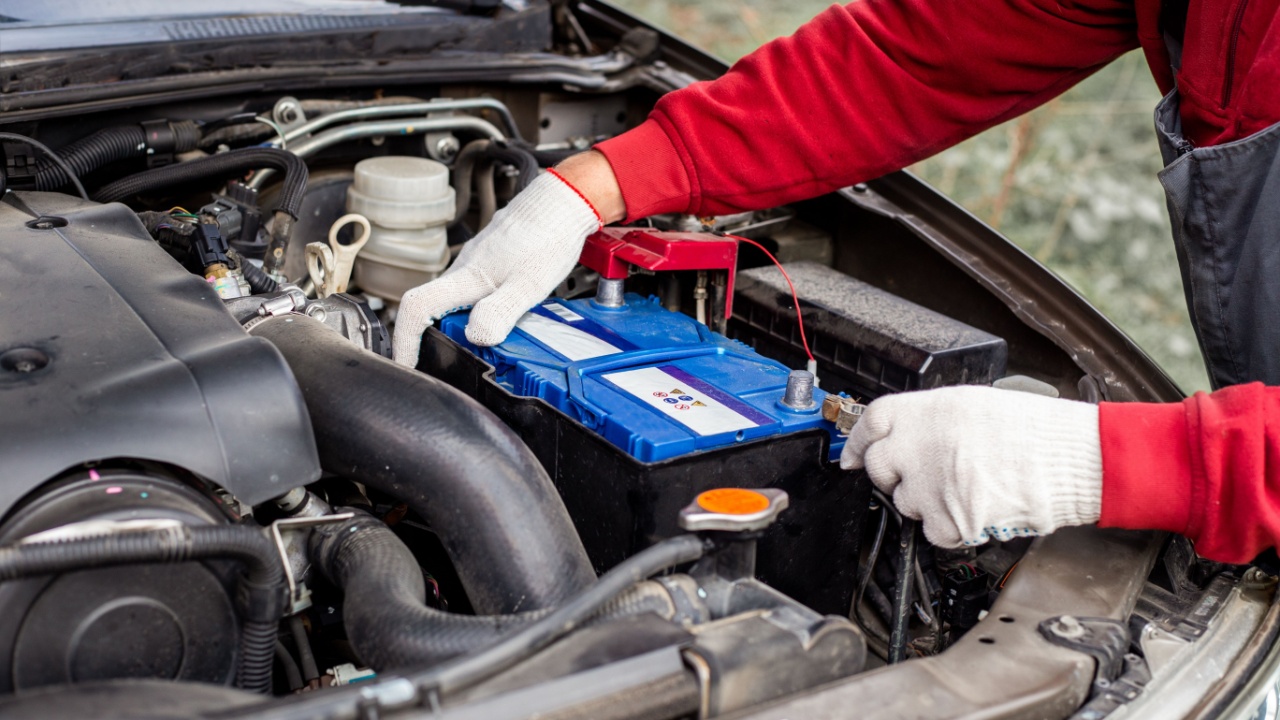
A battery covered in corrosion may lose its charge and can potentially leave you stranded. The fix? A simple terminal cleaning. According to Delphi Autoparts, you should disconnect the negative cable first, then the positive. Use a baking soda solution and a brush to remove buildup. Rinse with water and dry thoroughly before reconnecting (positive first, then negative).
It’s an easy job that takes under 15 minutes and can extend your battery life significantly. Regular cleaning, especially before winter, ensures strong starts and fewer electrical headaches down the road.
Checking Coolant Levels
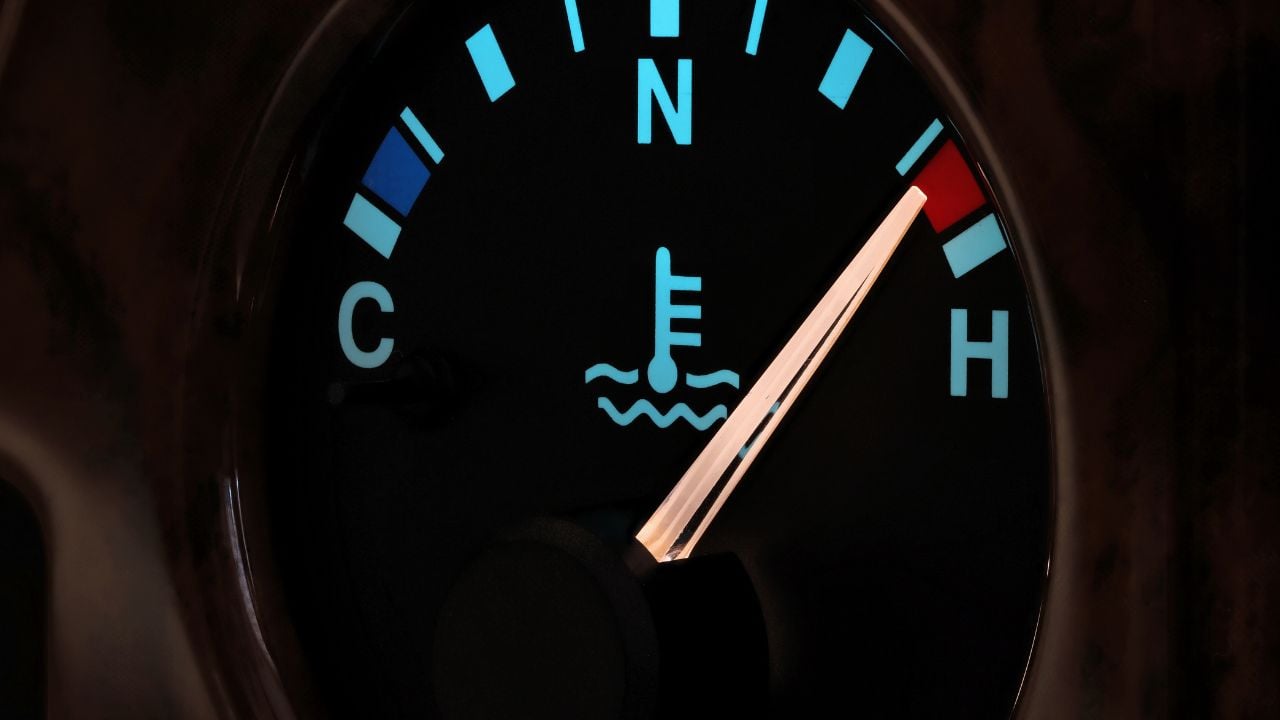
As Fleetio points out, coolant keeps your engine from overheating, and a low level can spell disaster. Most vehicles have a translucent overflow reservoir with minimum and maximum markers. When the engine is cold, check the level and top up with the proper coolant type if needed.
Never open the radiator cap when hot. If you’re adding fluid often, that’s a red flag for a leak. Staying on top of coolant levels is a quick check that can help prevent costly overheating issues or engine damage.
Inspecting Belts and Hoses

Popping the hood and inspecting all the rubber belts and hoses isn’t rocket science! As per Consumer Reports, you should look for cracks in belts, cracks and bulges in hoses, or signs of leaks. Modern serpentine belts can last 60,000+ miles, but they still wear out.
Squeeze hoses gently; if they feel overly soft, hard, or brittle, it’s time for a replacement. These quick inspections can be done while topping off fluids. Catching issues early can save you from breaking down on the highway or racking up an expensive repair bill at the shop.
Changing the Air Filter
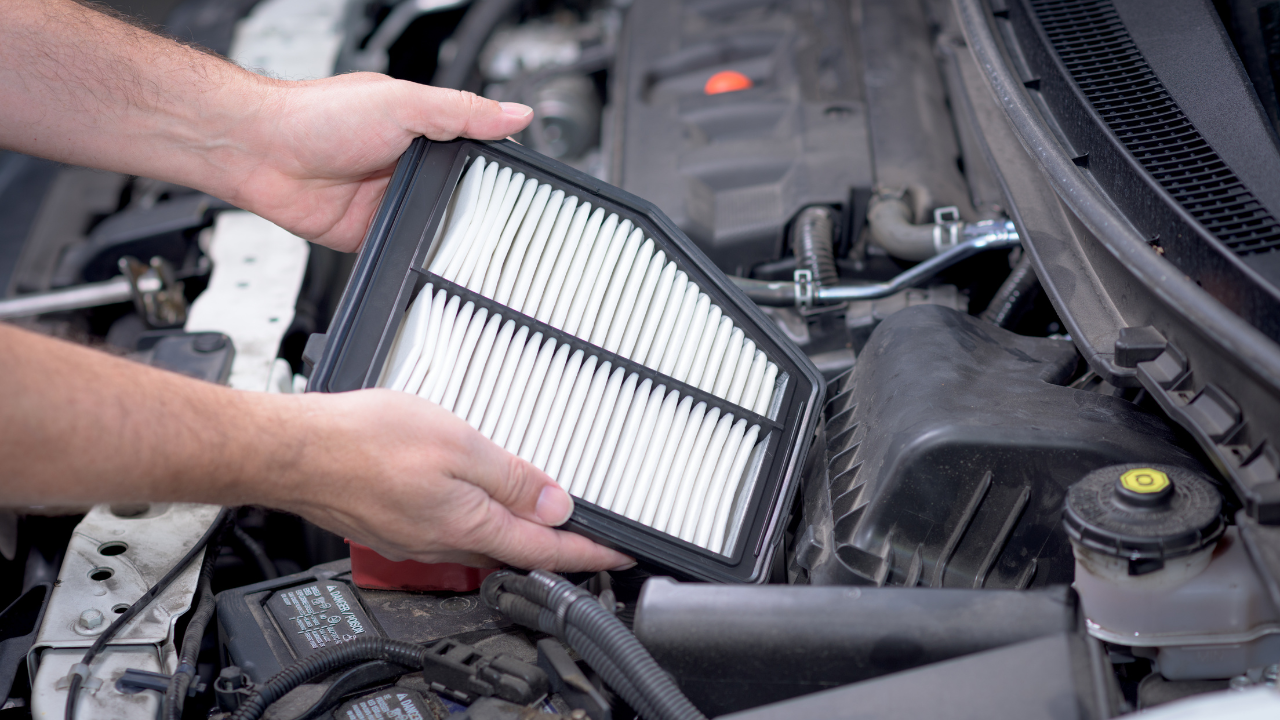
As Valvoline points out, a dirty air filter reduces performance, hurts fuel economy, and makes your engine work harder. Thankfully, replacing it is easy. Just unclip the airbox under the hood, pull out the old filter, and drop in a new one. Usually, no tools will be needed.
Most filters are under $20 and should be changed every 12,000 to 15,000 miles, depending on driving conditions. A clean filter means better airflow, improved MPG, and more responsive acceleration. It’s one of the simplest upgrades you can do on your own — and one of the most often neglected.
Resetting Maintenance Lights
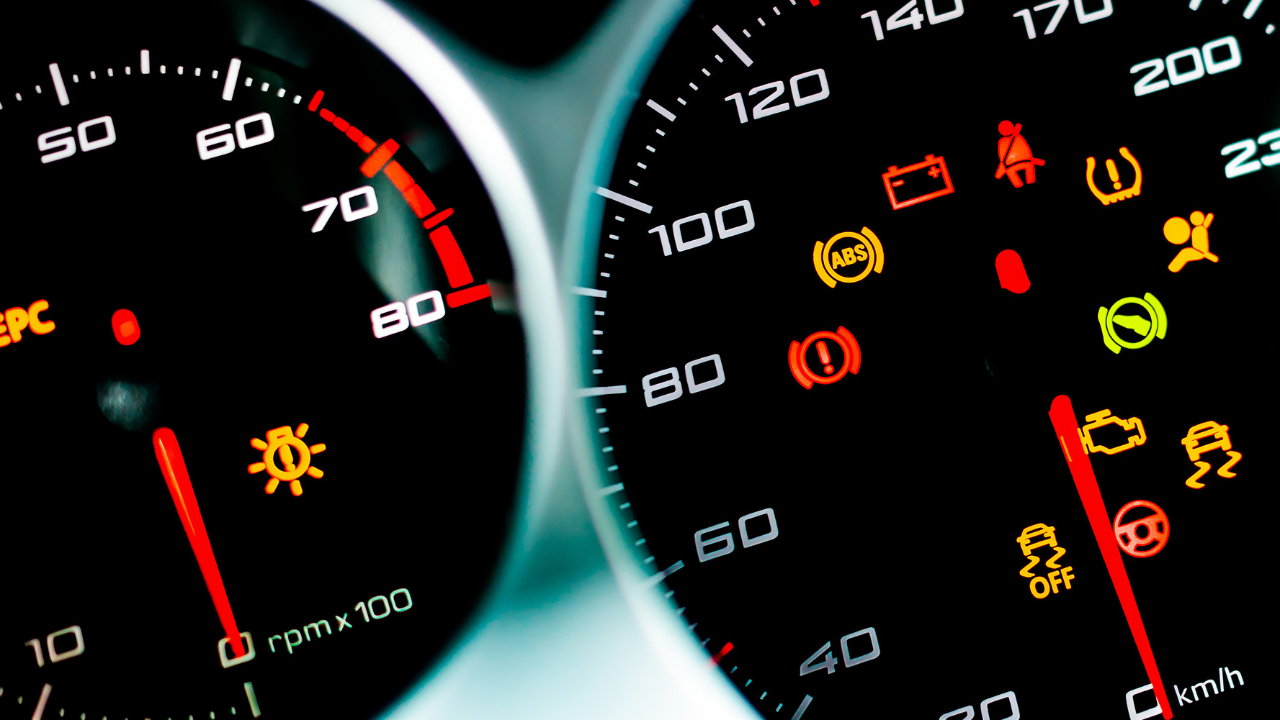
Your car’s dashboard might light up like a Christmas tree for something as minor as an oil change reminder. Once the work is done, either by you or a shop, many cars require a manual reset. This is usually done through the instrument cluster or infotainment system. Your owner’s manual or a quick YouTube search will tell you how.
Resetting maintenance lights keeps your reminders accurate and ensures you don’t ignore a new, more serious alert down the road. It’s a small step that helps you stay on top of scheduled service.
Car And Owner As One

Cars may be getting smarter, but that doesn’t mean drivers should get lazy. These 12 simple maintenance tasks empower you to take better care of your vehicle, spot issues early, and avoid unnecessary expenses.
Even if you never plan to tackle major repairs, being hands-on with basic upkeep helps you build confidence behind the wheel. It also makes you a more informed customer when talking to your mechanic or dealership. So pop the hood or grab your tire gauge, and don’t be afraid to get your hands a little dirty. Your car (and your wallet) will thank you.