If you’re shopping for a used car, here’s a simple truth: what you don’t know can hurt you. In a recent short-form video by Dave’s Engines (@davesengines), a Jeep EcoDiesel shows up looking great, until a closer look reveals a muddy, contaminated cooling system. That one red flag turned what seemed like a solid deal into a ticking time bomb. The lesson? A pre-purchase inspection isn’t just smart, it could be the difference between driving away happy and drowning in repair bills.
Used car prices have come down from the 2021–2022 peak, but they’re still elevated: recent reporting and market indexes show three-year-old vehicles averaging about $30,522 in 2025, and wholesale used values ending 2025 slightly up year over year. As @davesengines points out, most sellers aren’t trying to be shady, they just don’t know what’s happening under the hood. That’s where a good inspection earns its keep.
Why That Great Deal Might Be Hiding a Big Problem

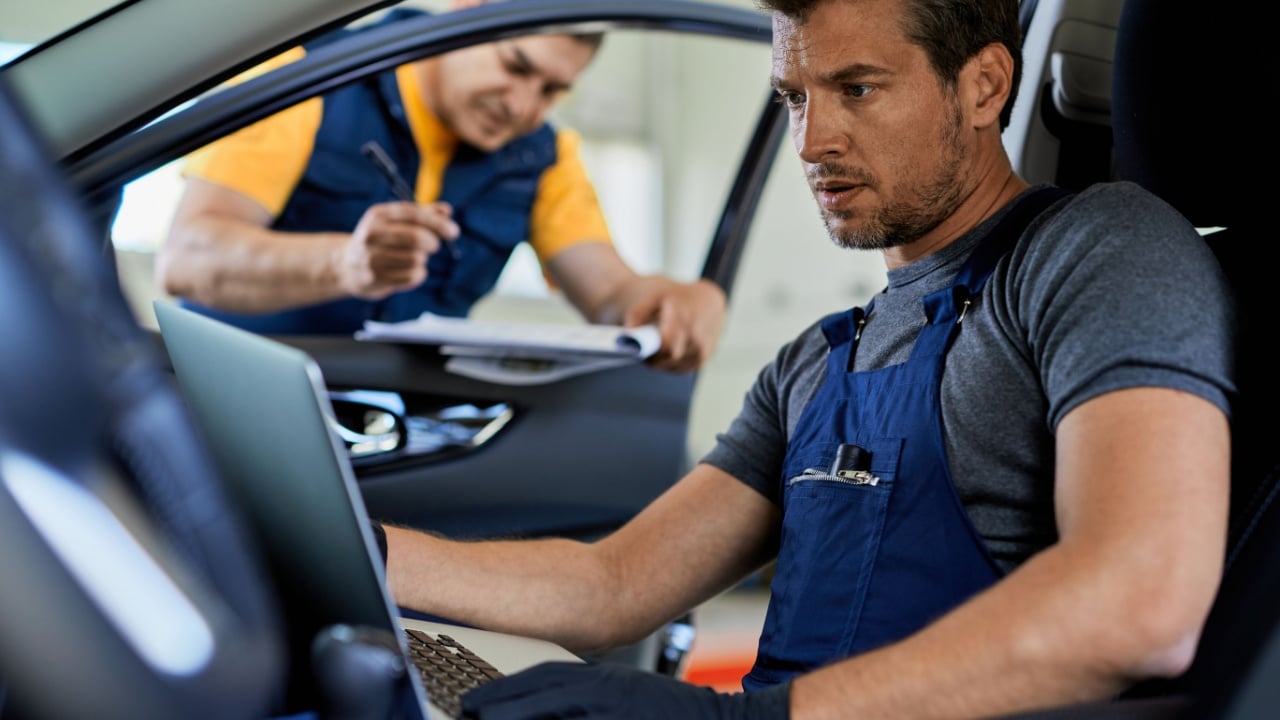
Pre-purchase inspections are catching on for a reason. When a mechanic gives a vehicle a full once-over, checking things like the engine, cooling system, suspension, and electronics, they can spot trouble before it becomes your problem. In the Jeep from the video, muddy coolant is a red flag for contamination in the cooling system. Sometimes that’s oil/coolant cross-contamination, but it can also be rust/sludge, stop-leak residue, mixed coolant types, or other debris. If oil contamination is present, causes can range from an oil cooler/heat exchanger leak to more serious internal engine issues — and ignoring it can lead to overheating and expensive repairs.
These problems often don’t show up during a quick test drive. The engine might run fine, but a quick look at the coolant reservoir (or a shop inspection of coolant condition) can tell a very different story. That’s the kind of thing a regular buyer might miss, but a trained tech won’t. And considering the cost of repairs, spending $100 to $200 for peace of mind is a bargain. Most inspections aren’t a guarantee, but they often uncover issues you won’t spot on a test drive.
What a Muddy Cooling System Really Means for Your Engine

A muddy, oil-contaminated cooling system is more than just a cosmetic mess. It means the engine’s internals are failing to keep oil and coolant in their own lanes. That kind of leak can lead to overheating, warped engine parts, or total engine failure, and if it’s ignored, contamination and overheating can lead to expensive damage.
In some cases, that kind of damage means an engine rebuild or full replacement. Either way, it’s a four-figure repair that can turn a good deal into a financial disaster. Once sludge gets into cooling passages, it can take repeated flushes and sometimes parts replacement (hoses, radiator, heater core) to fully clean out, which shortens the engine’s lifespan even after a repair.
How a Simple Inspection Can Save You from a Nightmare

For buyers, a pre-purchase inspection provides leverage. If something’s wrong, you can negotiate a better price or walk away entirely. For sellers, it shows you’ve got nothing to hide. And for both sides, it sets clear expectations and helps avoid the heartbreak (and finger-pointing) that comes when a car fails just weeks after it’s sold.
This kind of due diligence is especially valuable when buying from private sellers, where there’s no warranty or return policy. A dealer may offer some protection, but even then, knowing what you’re getting into can help you plan repairs and budget wisely.
Why Some Still Skip Inspections – and Why That’s Risky
Some folks skip inspections because they’re in a rush, trust the seller, or just want to save a few bucks. But that can backfire quickly. A clean exterior doesn’t mean a clean bill of health. And in today’s market, even older vehicles cost more than they used to, so any hidden issue carries a bigger financial risk.
Another hurdle is logistics. Not every seller is thrilled about having their vehicle hauled to a mechanic before the sale. But mobile inspection services can come to the car, making the process easier. It’s worth discussing before you meet up, and if a seller refuses altogether, that might be a red flag in itself.
Smarter Buying in a Tough Market

Used car buyers are getting savvier, and videos like @davesengines’ are helping people learn what to look for. In the future, we may see more sellers getting inspections done before listing their vehicles, a move that builds trust and shortens the selling process.
Until then, the smart move is to treat a used car purchase like what it is: a major investment. A short appointment at a local shop could be the thing that keeps your dream car from turning into a driveway ornament.